

As our beloved canine companions enter their golden years, their nutritional needs undergo significant changes. Just like humans, aging dogs experience shifts in metabolism, digestion, joint health, immune function, and energy levels. What once worked perfectly for a spry young adult dog may no longer be optimal—or even safe—for a senior pup. This is why choosing the right canned dog food becomes more than just a matter of preference; it’s a critical component of supporting your dog’s health, comfort, and longevity during their later years.
In this comprehensive guide, we’ll walk you through everything you need to know to select the best canned dog food for aging dogs in 2026. Whether your senior dog is dealing with arthritis, dental issues, weight gain, or simply slowing down, we’ll help you navigate the crowded pet food market with confidence. You’ll learn how to decode ingredient labels, understand nutritional requirements for seniors, avoid common pitfalls, and find options that fit both your dog’s health needs and your budget. We’ve researched dozens of brands, consulted veterinary nutritionists, and analyzed real customer feedback to bring you an authoritative, up-to-date resource you can trust.
The market for senior dog food has exploded in recent years, with manufacturers rolling out specialized formulas targeting everything from cognitive decline to kidney support. While this innovation is welcome, it also means pet parents face overwhelming choices—many of which are marketed with buzzwords like “natural,” “holistic,” or “grain-free” that don’t always translate to better nutrition. Our goal is to cut through the noise and give you science-backed, practical advice so you can make informed decisions that truly benefit your aging dog. From budget-friendly picks to premium therapeutic diets, this guide covers all the bases to ensure your furry friend enjoys their senior years with vitality and joy.

What to Look for When Buying Canned Dog Food for Aging Dogs
1. High-Quality Protein Sources
Protein is essential for maintaining muscle mass, which naturally declines with age—a condition known as sarcopenia. However, not all proteins are created equal. Look for named animal proteins as the first ingredient, such as chicken, turkey, lamb, or salmon, rather than vague terms like “meat meal” or “animal by-products.” Senior dogs benefit from highly digestible, bioavailable proteins that support lean muscle without overtaxing the kidneys. Avoid formulas with excessive fillers like corn gluten meal or soybean meal, which offer lower nutritional value.
2. Moderate Fat Content with Healthy Fatty Acids
While senior dogs typically need fewer calories due to reduced activity, they still require healthy fats for energy, skin health, and brain function. Aim for canned foods with 8–15% fat on a dry matter basis. Look for sources like chicken fat, flaxseed, salmon oil, or coconut oil, which provide omega-3 and omega-6 fatty acids. These support joint health, reduce inflammation, and may help slow cognitive decline. Avoid formulas high in saturated fats or those using unnamed “animal fat” as an ingredient.
3. Joint Support Ingredients
Arthritis and joint stiffness are common in older dogs. The best senior canned foods often include supplements like glucosamine, chondroitin, MSM (methylsulfonylmethane), or green-lipped mussel. These compounds help maintain cartilage integrity and reduce discomfort. Some brands also add collagen or hyaluronic acid, which support connective tissue. If your dog shows signs of stiffness or reluctance to climb stairs, prioritize formulas with these added benefits.
4. Digestive Health and Fiber Balance
Aging dogs often experience slower digestion and may struggle with constipation or sensitive stomachs. Canned food naturally has higher moisture content (typically 70–80%), which aids hydration and eases digestion—especially important for dogs who don’t drink enough water. Additionally, look for prebiotic fibers like beet pulp, pumpkin, or chicory root, which promote healthy gut bacteria. Avoid excessive insoluble fiber (e.g., cellulose), which can cause gas or loose stools.
5. Low to Moderate Phosphorus Levels
Kidney function tends to decline with age, so monitoring phosphorus intake is crucial. High phosphorus can accelerate kidney damage in dogs with early-stage renal disease. Ideal senior canned foods contain less than 0.8% phosphorus on a dry matter basis. Many veterinary therapeutic diets are specifically formulated for kidney support, but even over-the-counter senior formulas should prioritize lower phosphorus. Always check the guaranteed analysis on the label.
6. Antioxidants and Immune Support
As dogs age, their immune systems weaken, making them more susceptible to illness. Antioxidants like vitamin E, vitamin C, selenium, lutein, and beta-carotene help combat oxidative stress and support cellular health. Some premium senior foods include berries (blueberries, cranberries), spinach, or turmeric for natural antioxidant boosts. These ingredients not only enhance immunity but may also support eye and brain health.
7. Appropriate Caloric Density
Senior dogs are prone to weight gain due to lower activity levels, but obesity exacerbates joint problems and shortens lifespan. Conversely, some older dogs lose weight due to dental pain or reduced appetite. Choose a canned food with moderate caloric density (around 900–1,100 kcal/kg) that allows you to adjust portion sizes easily. Wet food’s palatability also helps encourage eating in picky or frail seniors.
8. Palatability and Texture
Dental disease is rampant in older dogs—nearly 80% of dogs over age 3 have some form of periodontal disease. Soft, pâté-style canned foods are easier to eat for dogs with missing teeth or sore gums. Poultry and fish-based recipes tend to be more appealing to senior palates. If your dog is hesitant to eat, warming the food slightly or mixing in warm water can enhance aroma and encourage consumption.
Different Types of Canned Dog Food for Senior Dogs

Common Buying Mistakes to Avoid

❌ Mistake: Choosing Based Solely on “Grain-Free” Labeling
Why it’s bad: Grain-free diets have been linked to dilated cardiomyopathy (DCM) in dogs, especially when they rely heavily on legumes like peas or lentils as primary ingredients. Many senior dogs don’t actually have grain allergies—and whole grains like oats or brown rice can be excellent sources of fiber and energy.
What to do instead: Focus on overall ingredient quality and nutritional balance rather than marketing claims. If your dog has a confirmed grain allergy, opt for limited-ingredient diets with novel carbohydrates like sweet potato.
❌ Mistake: Ignoring the Guaranteed Analysis
Why it’s bad: Ingredient lists can be misleading. A product may list “chicken” first but still be low in actual protein if the rest is water and fillers. Without checking crude protein, fat, fiber, and moisture percentages, you can’t assess true nutritional value.
What to do instead: Always review the guaranteed analysis panel. Calculate dry matter basis (DMB) values using online converters to compare products fairly across wet and dry foods.
❌ Mistake: Overlooking Moisture Content
Why it’s bad: While high moisture is generally good for seniors, some budget canned foods contain up to 85% water with minimal actual food content. This can lead to inadequate calorie and nutrient intake if fed exclusively.
What to do instead: Look for cans with 70–80% moisture and ensure the remaining 20–30% consists of nutrient-dense ingredients. Supplement with dry kibble or fresh food if needed to meet caloric needs.
❌ Mistake: Feeding Adult Maintenance Food to Seniors
Why it’s bad: Adult formulas are often higher in calories, phosphorus, and certain minerals that aren’t ideal for aging metabolism. This can contribute to weight gain, kidney strain, or nutrient imbalances over time.
What to do instead: Transition to a senior-specific formula around age 7 for large breeds or age 8–10 for small breeds. Even if your dog seems healthy, their nutritional needs have changed.
❌ Mistake: Not Consulting a Veterinarian for Health Conditions
Why it’s bad: Senior dogs often have underlying conditions like kidney disease, diabetes, or heart issues that require specialized diets. Over-the-counter “senior” foods may not address these needs and could even worsen symptoms.
What to do instead: Schedule a senior wellness exam annually. Ask your vet for dietary recommendations based on bloodwork, weight, and activity level. They may prescribe therapeutic canned foods available through clinics.
❌ Mistake: Switching Foods Too Quickly
Why it’s bad: Sudden diet changes can cause gastrointestinal upset, especially in older dogs with sensitive digestion. Vomiting, diarrhea, or refusal to eat may result.
What to do instead: Transition gradually over 7–10 days, mixing increasing amounts of new food with the old. Monitor stool quality and appetite closely.
❌ Mistake: Buying in Bulk Without Testing Palatability
Why it’s bad: Senior dogs can be picky eaters. Purchasing a case of a new food only to find your dog refuses it wastes money and creates stress.
What to do instead: Start with single cans or small multipacks. Offer small portions warmed to room temperature to enhance aroma. Rotate proteins occasionally to maintain interest.
Budget Guidelines: How Much Should You Spend?
Entry-Level ($1.20–$1.80 per 13 oz can): These options are ideal for pet parents on a tight budget or those feeding multiple dogs. Brands like Purina ONE Senior, Iams ProActive Health Senior, and Pedigree Choice Cuts offer basic senior nutrition with recognizable ingredients. While they may include some by-products or corn derivatives, they meet AAFCO standards and provide adequate protein and moisture. Best for healthy seniors without dietary restrictions.
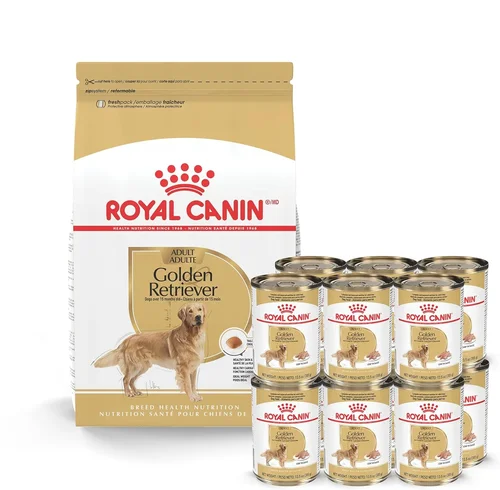
Mid-Range ($1.80–$2.80 per 13 oz can): This is the sweet spot for most owners. Brands such as Hill’s Science Diet Senior, Royal Canin Aging, and Wellness Complete Health Senior deliver higher-quality proteins, added joint support, and better ingredient sourcing. You’ll find more natural preservatives (like mixed tocopherols) and fewer fillers. These formulas often include probiotics, omega fatty acids, and antioxidants—offering excellent value for the price.
Premium ($2.80–$4.00 per 13 oz can): Designed for discerning pet parents who prioritize ingredient integrity and functional nutrition. Options like Blue Buffalo Senior Health, Nutro Ultra Senior, and Merrick Grain-Free Senior feature human-grade meats, superfood blends (e.g., blueberries, kale), and advanced supplements. Many are free from artificial colors, flavors, and GMOs. Ideal for dogs with mild sensitivities or owners seeking optimal wellness support.
Luxury ($4.00+ per 13 oz can): Reserved for therapeutic, veterinary, or boutique brands like Royal Canin Veterinary Diet, Purina Pro Plan Veterinary Diets, or The Honest Kitchen’s dehydrated wet food (reconstituted). These are often prescribed for specific conditions like kidney failure, pancreatitis, or severe allergies. While expensive, they’re formulated with precise nutrient profiles and clinical backing. Only necessary under veterinary guidance.
Expert Tips for Getting the Best Deal
– Buy during seasonal sales: Major retailers like Chewy, Petco, and Amazon often run “Senior Pet Month” promotions in September or holiday discounts in November and December. Stock up during these periods—canned food has a long shelf life (2–5 years unopened).
– Subscribe and save: Most online pet stores offer 5–15% off for auto-delivery subscriptions. This ensures you never run out and locks in lower prices. You can usually pause or cancel anytime.
– Check local shelters and vet clinics: Some organizations receive donated pet food or offer discounted therapeutic diets for low-income families. Your vet may also have sample programs or loyalty rewards.
– Compare unit pricing: Don’t just look at total cost—check price per ounce or per 1,000 kcal. A larger can might seem expensive but offer better value than smaller ones.
– Read return policies: Ensure the retailer accepts returns for unopened cans in case your dog doesn’t like the food. Chewy and Petco have generous return windows.
– Test before committing: Use single-can purchases or variety packs to trial new foods. Observe your dog’s digestion, coat condition, energy, and stool quality over 1–2 weeks.
– Look for AAFCO statements: Ensure the food meets AAFCO nutrient profiles for “adult maintenance” or “all life stages.” Avoid products labeled “intended for intermittent feeding” unless advised by your vet.
– Join brand loyalty programs: Companies like Hill’s, Royal Canin, and Purina offer rebates, free samples, and personalized feeding guides through their websites.

Frequently Asked Questions
Q: When should I switch my dog to senior food?
A: Most small and medium breeds can transition around age 8, while large and giant breeds (e.g., Great Danes, Mastiffs) should switch as early as age 6 due to faster aging. However, the best indicator is your dog’s physical condition—reduced activity, weight changes, or vet recommendations—not just chronological age.
Q: Can I feed senior canned food to my younger dog?
A: Generally, yes—but not long-term. Senior formulas are lower in calories and certain nutrients, which may not support growth or high-energy needs in puppies or active adults. Occasional use as a topper is fine, but base diets should match life stage.
Q: Is grain-free safe for senior dogs?
A: It depends. If your dog has a diagnosed grain allergy, grain-free can be beneficial. However, for most seniors, whole grains provide valuable fiber and energy. Avoid grain-free diets heavy in peas, lentils, or potatoes unless recommended by your vet due to DCM concerns.
Q: How much canned food should I feed my senior dog?
A: Feeding guidelines vary by brand and your dog’s weight, activity, and health. Start with the recommended amount on the label, then adjust based on body condition. Use a body condition score (BCS) chart—your dog should have a visible waist and palpable ribs. Consult your vet for personalized portions.
Q: My senior dog won’t eat canned food. What can I do?
A: Try warming the food slightly (not hot), adding warm water or low-sodium broth, mixing in a teaspoon of plain pumpkin or cooked egg, or hand-feeding small amounts. Dental pain could be the culprit—schedule a vet checkup. Sometimes rotating flavors or textures (pâté vs. chunks in gravy) helps.
Q: Are “natural” or “organic” canned foods worth the extra cost?
A: Not always. “Natural” means no artificial additives, but doesn’t guarantee superior nutrition. “Organic” ensures ingredients are grown without synthetic pesticides, but availability is limited. Focus on ingredient quality and AAFCO compliance first. If your budget allows and your dog thrives on these diets, they can be a great choice.
Q: Can senior dogs eat raw or homemade food instead of canned?
A: Raw diets carry risks of bacterial contamination and nutritional imbalances, especially for immunocompromised seniors. Homemade diets require careful formulation with a veterinary nutritionist to avoid deficiencies. Canned commercial foods offer convenience, safety, and balanced nutrition—often the best choice for aging dogs.
Q: How do I know if my dog has a food allergy?
A: Symptoms include chronic ear infections, itchy skin, gastrointestinal upset, or hair loss. True food allergies are rare—most “allergies” are environmental. If suspected, your vet may recommend an elimination diet using a novel protein (e.g., duck, venison) for 8–12 weeks.
Q: Should I add supplements to my senior dog’s canned food?
A: Only under veterinary guidance. Many senior canned foods already include joint, kidney, or immune support. Adding extra supplements can lead to toxicity (e.g., too much vitamin D or calcium). Your vet can recommend targeted additions based on bloodwork and symptoms.
Q: Is it okay to mix different brands of canned food?
A: Yes, as long as both are complete and balanced. Mixing can enhance palatability and provide nutritional variety. However, introduce new brands gradually to avoid digestive upset. Avoid mixing therapeutic diets with regular foods unless directed by your vet.
Our Final Recommendations
Best for Budget-Conscious Buyers: Purina ONE Senior Classic Pâté
This affordable option offers real chicken as the first ingredient, added glucosamine, and balanced nutrition at under $1.60 per can. It’s widely available and gentle on digestion, making it ideal for healthy seniors on a budget.
Best Overall Value: Hill’s Science Diet Senior Savory Chicken & Vegetable Stew
Priced around $2.30 per can, this formula delivers high-quality protein, joint-supporting nutrients, and excellent palatability. Backed by decades of veterinary research, it’s a trusted choice for holistic senior care.
Best Premium Option: Blue Buffalo Senior Health Chicken & Brown Rice Recipe
With deboned chicken, garden veggies, and LifeSource Bits (a blend of antioxidants), this grain-inclusive recipe supports immunity and digestion. At $3.20 per can, it’s a worthwhile investment for owners seeking top-tier ingredients.
Best for Beginners: Royal Canin Aging 12+ Loaf in Sauce
Specifically designed for dogs over 12, this soft loaf texture is easy to eat and highly digestible. It includes EPA/DHA for brain health and controlled phosphorus. Great for first-time senior food users due to its consistency and reliability.
Best for Advanced Users (with Health Conditions): Purina Pro Plan Veterinary Diets NF Kidney Function
For dogs with early kidney disease, this prescription canned food offers reduced phosphorus, high omega-3s, and enhanced B vitamins. Available through vets, it’s clinically proven to support renal function and improve quality of life.
Conclusion: Making the Right Choice
Choosing the best canned dog food for your aging companion is one of the most impactful decisions you can make for their well-being. As their metabolism slows, joints stiffen, and organs work harder, the right nutrition becomes a cornerstone of healthy aging. By focusing on high-quality protein, joint support, digestibility, and appropriate caloric density, you’re not just feeding your dog—you’re investing in their comfort, mobility, and longevity.
Remember, there’s no one-size-fits-all solution. Every senior dog is unique, with individual health challenges, preferences, and lifestyles. Use this guide as your roadmap, but always partner with your veterinarian to tailor choices to your dog’s specific needs. Whether you’re managing weight, supporting kidney function, or simply ensuring your pup enjoys every meal, the right canned food can make all the difference.
Don’t rush the process. Take time to read labels, compare options, and observe how your dog responds. Small changes—like switching to a more palatable formula or adding moisture-rich food—can yield big improvements in energy, coat shine, and overall happiness. Your senior dog has given you years of love and loyalty; now it’s your turn to give them the gift of optimal nutrition in their golden years.
Start today. Review your current food, assess your dog’s health, and take the first step toward a healthier, more comfortable senior life. Your furry friend deserves nothing less.