

Managing diabetes in dogs is a serious responsibility that requires careful attention to diet, medication, and lifestyle. One of the most critical components of diabetic dog care is nutrition—specifically, choosing the right food. Unlike healthy dogs, diabetic dogs need meals that help regulate blood glucose levels, prevent spikes, and support overall metabolic health. Canned dog food, often overlooked in favor of dry kibble, can actually be an excellent choice for diabetic dogs when selected wisely. It typically contains higher moisture content, lower carbohydrate levels, and fewer fillers than many dry foods, making it easier to digest and gentler on blood sugar.
This comprehensive buying guide is designed to help dog owners navigate the often-confusing world of diabetic-friendly pet nutrition. Whether you’re newly managing your dog’s diabetes or looking to optimize their current diet, this guide will equip you with the knowledge to make informed decisions. We’ll walk you through the essential factors to consider when selecting canned dog food, compare different product types, highlight common pitfalls, and provide expert-backed recommendations based on veterinary science and real-world feeding experiences. Our goal is not just to list products, but to empower you with the tools to evaluate any brand or formula—so you can confidently choose the best option for your furry companion.
The market for diabetic dog food has evolved significantly in recent years. While prescription diets from veterinary brands like Hill’s and Royal Canin still dominate the space, a growing number of premium and holistic brands now offer high-protein, low-carb canned formulas that cater to diabetic needs. These options often emphasize natural ingredients, limited carbohydrates, and balanced fiber content—all crucial for glucose control. However, not all “diabetic-friendly” labels are created equal. Some products may claim to support blood sugar regulation but still contain hidden sugars, starches, or excessive carbohydrates. This guide cuts through the marketing noise to deliver clear, science-based insights so you can find a safe, effective, and palatable canned food that fits your dog’s unique needs and your budget.

What to Look for When Buying Canned Dog Food for Diabetic Dogs
1. Low Carbohydrate Content
Carbohydrates are the primary macronutrient that impacts blood glucose levels in diabetic dogs. When digested, carbs break down into glucose, which enters the bloodstream and requires insulin to be absorbed by cells. For dogs with diabetes, excessive carbohydrate intake can lead to dangerous blood sugar spikes, making glucose control more difficult. Therefore, the most important factor when choosing canned food is a low carbohydrate content—ideally under 20% on a dry matter basis (DMB).
To calculate dry matter carbohydrate content, you’ll need to look beyond the guaranteed analysis on the label, which lists nutrients as percentages of the total product (including water). Since canned food is typically 70–80% moisture, those percentages can be misleading. Instead, use this formula:
(Carbohydrate % ÷ (100 – moisture %)) × 100 = Dry Matter Carbohydrate %
For example, if a can lists 5% carbohydrates and 78% moisture:
(5 ÷ (100 – 78)) × 100 = (5 ÷ 22) × 100 ≈ 22.7% DMB
Aim for formulas with less than 20% DMB carbs. Look for ingredients like meat, poultry, fish, eggs, and non-starchy vegetables (e.g., green beans, zucchini), while avoiding corn, wheat, rice, potatoes, and peas—common high-carb fillers. Some excellent low-carb options include canned foods with named meat as the first ingredient and minimal plant-based additives.
2. High-Quality Protein Sources
Protein plays a vital role in stabilizing blood sugar and supporting muscle mass, especially in older or underweight diabetic dogs. Unlike carbohydrates, protein has a minimal impact on glucose levels when fed in appropriate amounts. However, not all proteins are equal. Diabetic dogs benefit most from highly digestible, animal-based proteins that provide complete amino acid profiles.
Look for canned foods that list a named meat source (e.g., “chicken,” “turkey,” “salmon”) as the first ingredient. Avoid vague terms like “meat meal” or “animal by-products,” which can indicate lower-quality or inconsistent protein sources. Ideal formulas feature muscle meat, organ meats (like liver or kidney), and sometimes eggs—all of which are nutrient-dense and bioavailable.
The protein content should be moderate to high—typically between 35% and 50% on a dry matter basis. Too little protein can lead to muscle wasting, while excessive protein may strain the kidneys in dogs with pre-existing renal issues. Always consult your veterinarian if your dog has kidney disease alongside diabetes, as protein needs may need adjustment.
3. Moderate, Digestible Fat Content
Fat is an important energy source for diabetic dogs and has little effect on blood glucose. In fact, healthy fats can help slow the absorption of glucose when combined with protein and fiber, reducing post-meal blood sugar spikes. However, fat must be balanced—too much can lead to weight gain, pancreatitis, or insulin resistance, especially in overweight dogs.
Aim for canned foods with fat content between 12% and 20% on a dry matter basis. Look for sources like chicken fat, salmon oil, or flaxseed oil, which provide essential fatty acids (like omega-3s) that support skin, coat, and anti-inflammatory processes. Avoid formulas with excessive plant oils (e.g., corn oil, soybean oil), which are high in omega-6 fatty acids and may promote inflammation.
For diabetic dogs prone to pancreatitis—a common comorbidity—choose lower-fat options (under 15% DMB) and avoid foods with added grease or rendered fats. Always monitor your dog’s weight and body condition score, adjusting portions as needed to maintain a lean, healthy physique.
4. Fiber Type and Amount
Dietary fiber is a game-changer for diabetic dogs. Soluble fiber slows glucose absorption, helping to prevent rapid blood sugar increases after meals. Insoluble fiber supports digestive health and satiety, which can aid in weight management—another critical factor in diabetes control.
The ideal canned food for diabetic dogs contains a blend of both soluble and insoluble fiber, typically totaling 3% to 8% on a dry matter basis. Look for fiber sources like pumpkin, psyllium husk, beet pulp, or cellulose. Avoid formulas that rely heavily on high-starch vegetables (like sweet potatoes or carrots) for fiber, as these can still contribute to carb load.
Some prescription diabetic diets include added fiber supplements, but many commercial canned foods now incorporate natural fiber sources effectively. For example, a formula with pureed pumpkin or green beans provides both moisture and beneficial fiber without spiking glucose.
5. No Added Sugars or Artificial Sweeteners
This cannot be overstated: diabetic dogs must never consume added sugars or artificial sweeteners. Ingredients like corn syrup, molasses, honey, or even “natural flavors” that contain sugar can cause dangerous glucose spikes. Even small amounts can undermine insulin therapy and lead to hyperglycemia.
More insidiously, some brands use sugar alcohols like xylitol, erythritol, or maltitol as sweeteners. While these may have a lower glycemic impact than sugar, xylitol is extremely toxic to dogs—even a tiny amount can cause liver failure and severe hypoglycemia. Always scan the ingredient list for any form of sweetener, including “flavor enhancers” that may contain hidden sugars.
Opt for canned foods with no added sweeteners whatsoever. The natural flavors from meat and vegetables should be sufficient to make the food palatable. If your dog is a picky eater, consider warming the food slightly or mixing in a small amount of low-sodium broth (ensure it’s xylitol-free).
6. Moisture Content and Hydration Benefits
Canned dog food typically contains 70–80% moisture, which is significantly higher than dry kibble (10–12%). This high water content offers several advantages for diabetic dogs. First, it supports kidney function—diabetic dogs are at increased risk for kidney disease, and proper hydration helps flush toxins and reduce strain on the kidneys.
Second, increased moisture can improve satiety, helping dogs feel full with fewer calories—ideal for weight management. Obesity is a major risk factor for insulin resistance, so maintaining a healthy weight is crucial. Third, wet food is often more palatable, encouraging eating in dogs who may have reduced appetite due to illness or medication side effects.
When comparing canned foods, look for those with at least 75% moisture. Avoid products with excessive gravy or broth that may contain added sodium or thickeners (like carrageenan), which can irritate the digestive tract in sensitive dogs.
7. Brand Transparency and Quality Control
Not all pet food brands are created equal when it comes to quality control, sourcing, and transparency. For diabetic dogs, consistency is paramount—any variation in ingredients or nutrient profiles can affect blood sugar control. Choose brands that provide detailed nutritional information, including dry matter calculations, and are transparent about sourcing and manufacturing practices.
Look for companies that:
– Publish full ingredient sourcing details (e.g., “chicken from U.S.-raised farms”)
– Conduct regular third-party testing for contaminants and nutrient accuracy
– Have a clear recall history and responsive customer service
– Are members of the Pet Food Institute or follow AAFCO (Association of American Feed Control Officials) guidelines
Avoid brands that use vague language like “meat by-products” or “animal digest,” as these can indicate inconsistent or low-quality ingredients. While premium brands may cost more, the investment in reliability and safety is worth it for a diabetic dog’s long-term health.
8. Veterinarian Recommendation and AAFCO Compliance
Always choose canned dog food that meets AAFCO nutrient profiles for your dog’s life stage (adult maintenance, growth, etc.). AAFCO-compliant foods have been formulated or tested to ensure they provide complete and balanced nutrition. For diabetic dogs, this is especially important—imbalanced diets can lead to deficiencies or exacerbate health issues.
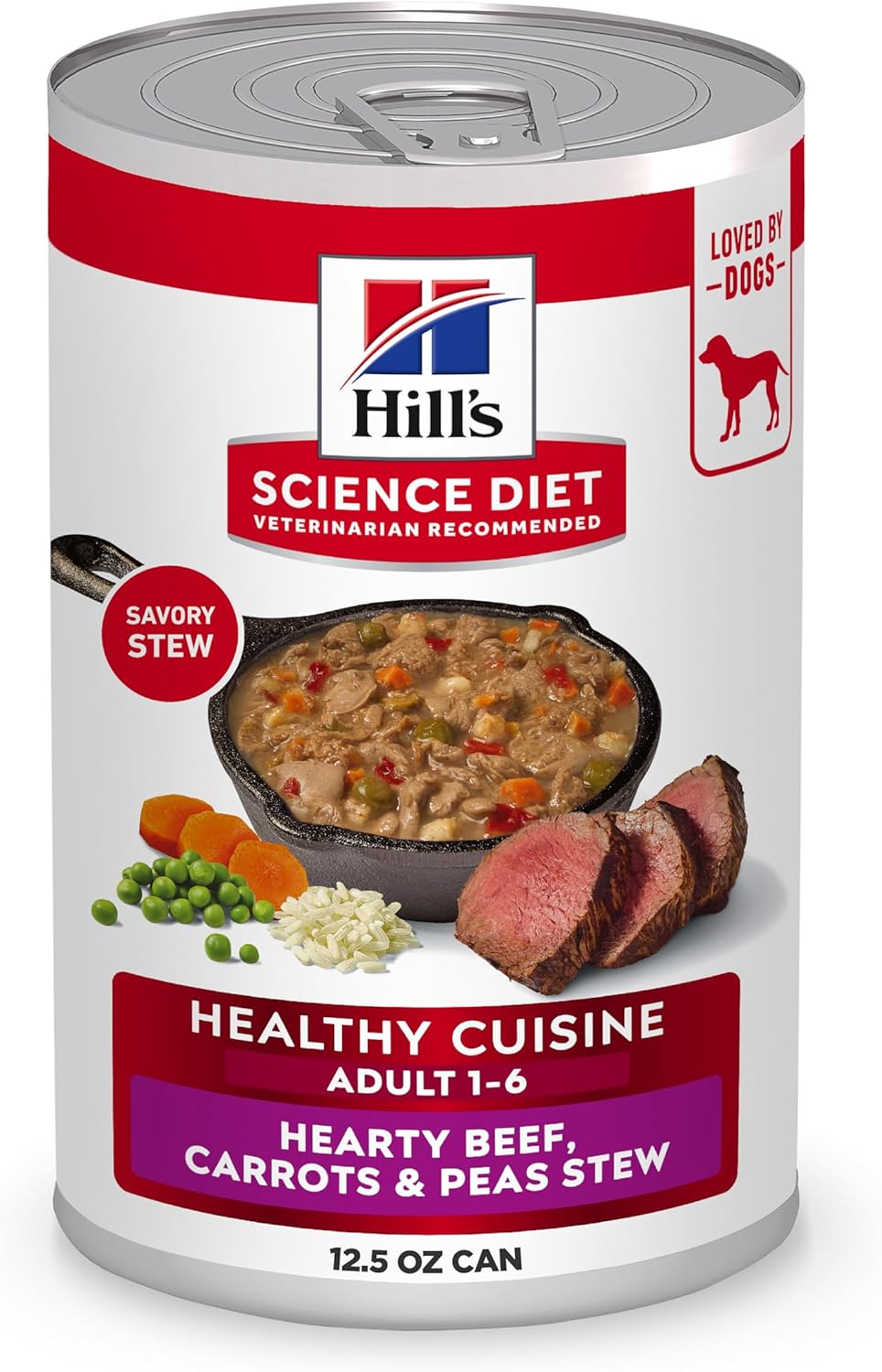
Even better, opt for formulas that are specifically recommended or prescribed by veterinarians for diabetic or weight management needs. Prescription diets like Hill’s Prescription Diet w/d or Royal Canin Glycobalance are scientifically formulated for glucose control and have been clinically tested. However, many non-prescription brands now offer comparable nutrition at a lower cost.
Before switching your dog to any new food—especially one marketed for medical conditions—consult your veterinarian. They can help determine the best macronutrient balance, portion size, and feeding schedule based on your dog’s individual health status, insulin regimen, and activity level.
Different Types of Canned Dog Food for Diabetic Dogs
Common Buying Mistakes to Avoid
❌ Mistake: Relying Solely on “Diabetic-Friendly” Labels
Why it’s bad: Many brands market their products as “ideal for diabetic dogs” or “supports healthy blood sugar,” but these claims are not regulated. A food may still contain high carbohydrates, added sugars, or fillers that spike glucose levels.
What to do instead: Always read the ingredient list and guaranteed analysis. Calculate dry matter carbohydrate content and verify that protein and fat levels are appropriate. When in doubt, consult your veterinarian or a veterinary nutritionist.
❌ Mistake: Feeding Large Meals Infrequently
Why it’s bad: Diabetic dogs benefit from consistent, smaller meals fed at the same time each day—usually twice daily, aligned with insulin injections. Large meals can cause dramatic glucose fluctuations.
What to do instead: Divide the daily food portion into two equal meals, fed 12 hours apart. Use a measuring cup or kitchen scale to ensure accuracy. Avoid free-feeding or irregular schedules.
❌ Mistake: Ignoring Treats and Table Scraps
Why it’s bad: Even small amounts of high-carb treats (like biscuits, cheese, or bread) can disrupt blood sugar control. Many “dog treats” are loaded with sugars and starches.
What to do instead: Use low-carb, diabetic-safe treats such as freeze-dried meat, green beans, or specially formulated diabetic treats. Always account for treat calories in the daily food allowance.
❌ Mistake: Switching Foods Too Quickly
Why it’s bad: Sudden dietary changes can cause digestive upset and make it difficult to assess how a new food affects blood glucose. Diabetic dogs need stability.
What to do instead: Transition gradually over 7–10 days, mixing increasing amounts of the new food with the old. Monitor blood glucose levels closely during the transition and report any changes to your vet.
❌ Mistake: Overlooking Sodium Content
Why it’s bad: High sodium can increase thirst and urination—already common in diabetic dogs—and may strain the heart and kidneys. Some canned foods use salt as a preservative or flavor enhancer.
What to do instead: Choose low-sodium options, especially if your dog has heart or kidney issues. Look for foods with less than 0.3% sodium on a dry matter basis.
❌ Mistake: Not Monitoring Blood Glucose Regularly
Why it’s bad: Even the best diet won’t work without proper monitoring. Blood glucose curves help determine if insulin doses and feeding schedules are effective.
What to do instead: Work with your vet to establish a monitoring routine. At-home glucose meters (like the AlphaTrak 2) allow for convenient, stress-free testing.
❌ Mistake: Assuming All Wet Food Is Equal
Why it’s bad: Some canned foods are high in carbohydrates, grains, or by-products—unsuitable for diabetic dogs. Others may lack essential nutrients if not AAFCO-compliant.
What to do instead: Compare multiple brands using the criteria in this guide. Prioritize nutritional balance, ingredient quality, and consistency over marketing claims.
Budget Guidelines: How Much Should You Spend?
Feeding a diabetic dog doesn’t have to break the bank, but it does require thoughtful budgeting. The cost of canned dog food can vary widely based on brand, ingredients, and formulation. Here’s a breakdown of what to expect at different price points:
– Entry-Level ($1.00–$1.80 per 13 oz can): These are typically mass-market brands with moderate protein and higher carbohydrate content. While some may be suitable for diabetic dogs, they often contain fillers like corn, wheat, or soy. Look for options with named meat as the first ingredient and avoid those with added sugars. Examples include certain lines from Purina or Pedigree, but careful label reading is essential.
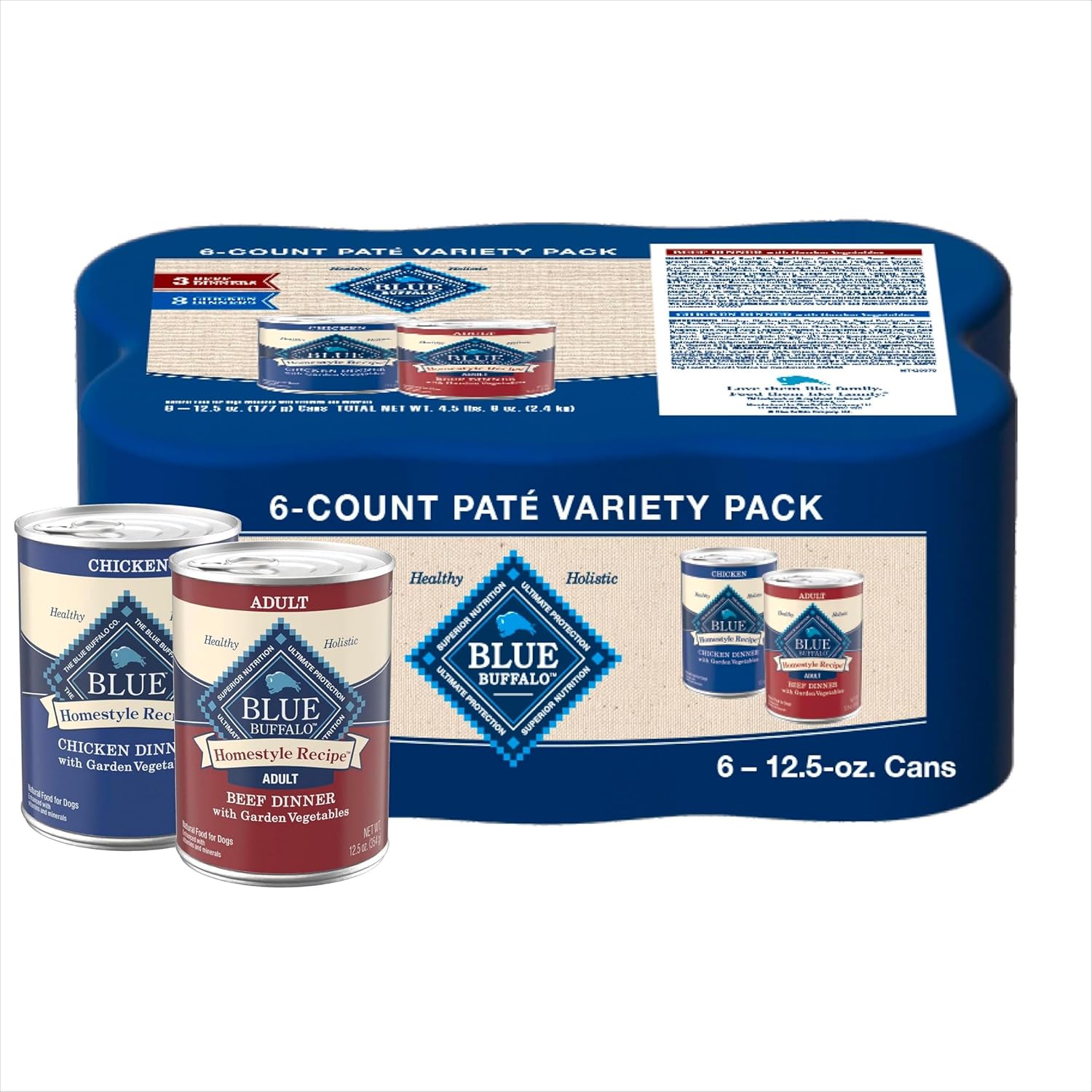
– Mid-Range ($1.80–$2.80 per 13 oz can): This is the sweet spot for most diabetic dog owners. Brands like Wellness CORE Grain-Free, Blue Buffalo Wilderness, and Nutro Ultra offer high-protein, low-carb formulas with quality ingredients. Many are grain-free and include beneficial fiber sources. These foods provide excellent nutrition without the prescription price tag.
– Premium ($2.80–$4.00 per 13 oz can): Premium brands such as Weruva, Tiki Dog, and Ziwi Peak focus on human-grade ingredients, minimal processing, and high meat content. These are ideal for diabetic dogs with sensitive stomachs or picky appetites. While more expensive, the palatability and digestibility often justify the cost.
– Luxury ($4.00+ per 13 oz can): Top-tier options include fresh-packed, limited-ingredient, or novel-protein formulas from brands like The Honest Kitchen or Open Farm. These are best for dogs with multiple health issues or owners seeking the highest quality. However, they may not be necessary for all diabetic dogs—consult your vet before investing.

Expert Tips for Getting the Best Deal
– Time your purchases around seasonal sales: Major pet retailers often run promotions in January (New Year’s resolutions), July (summer clearance), and November (Black Friday). Stock up during these periods to save on high-quality canned food.
– Compare online vs. in-store prices: Online retailers like Chewy, Amazon, and Petco often offer lower prices and free shipping on large orders. Use price-tracking tools like Honey or CamelCamelCamel to monitor deals.
– Look for manufacturer rebates and coupons: Brands like Hill’s and Royal Canin frequently offer rebates for prescription diets. Sign up for newsletters or loyalty programs to receive exclusive discounts.
– Consider subscription services: Auto-ship programs provide convenience and savings. Just ensure you have adequate storage space and rotate stock to maintain freshness.
– Check return policies: If your dog doesn’t like a new food, you’ll want the option to return or exchange it. Most reputable retailers allow returns within 30 days.
– Test small quantities first: Before committing to a large purchase, buy a single can or small case to assess palatability and digestive tolerance.
– Ask your vet about sample programs: Some veterinary clinics provide free samples of prescription diets. This allows you to trial the food before buying.
– Monitor your dog’s response: Keep a feeding and glucose log to track how different foods affect blood sugar. This data helps you and your vet make informed adjustments.
Frequently Asked Questions
Q: Can diabetic dogs eat canned food every day?
A: Yes, diabetic dogs can and often should eat canned food daily—especially if it’s formulated for their needs. High moisture content supports hydration, and many canned foods offer better nutrient density and palatability than kibble. Just ensure the formula is low in carbs and balanced for their life stage.
Q: Is grain-free food always better for diabetic dogs?
A: Not necessarily. While grain-free diets eliminate common high-carb grains like corn and wheat, they may replace them with other starches like peas or potatoes, which can still impact blood sugar. Focus on total carbohydrate content rather than grain-free labels.
Q: How often should I feed my diabetic dog?
A: Most diabetic dogs do best with two meals per day, spaced 12 hours apart, and aligned with insulin injections. Consistency in timing and portion size is critical for glucose control.
Q: Can I mix canned and dry food?
A: Yes, but only if both are appropriate for diabetic needs. Mixing high-carb kibble with low-carb canned food can dilute the benefits. If you choose to mix, ensure the dry food is also low in carbohydrates and high in protein.
Q: What if my diabetic dog refuses to eat?
A: Loss of appetite can be dangerous for diabetic dogs, as it may lead to hypoglycemia. Try warming the food, adding low-sodium broth, or offering highly palatable options like fresh-packed meats. Consult your vet immediately if refusal persists.
Q: Are there homemade alternatives to canned food?
A: Homemade diets can work but require careful formulation to ensure nutritional balance. Work with a veterinary nutritionist to create a recipe that meets your dog’s needs. Improperly balanced diets can lead to deficiencies or worsen diabetes.
Q: How do I know if a food is working for my dog?
A: Monitor blood glucose levels, body weight, energy levels, and coat condition. Stable glucose readings, consistent weight, and improved vitality are good indicators. Regular vet check-ups are essential.
Q: Can diabetic dogs have fruits or vegetables?
A: Some low-sugar options like green beans, zucchini, or blueberries can be safe in small amounts. Avoid high-sugar fruits like bananas or grapes. Always introduce new foods gradually and monitor glucose response.
Q: Is it safe to switch brands frequently?
A: Frequent changes can disrupt digestion and glucose stability. Stick to one formula unless advised otherwise by your vet. If switching, do so gradually over 7–10 days.
Q: What should I do if my dog has a blood sugar spike after eating?
A: Note the food and feeding time, then contact your veterinarian. They may adjust insulin dosage or recommend a different diet. Never change insulin doses without professional guidance.
Our Final Recommendations
– Best for Budget-Conscious Buyers: Wellness CORE Grain-Free Reduced Fat – At around $2.00 per can, this formula offers high protein (40% DMB), low carbs (under 15% DMB), and added fiber from pumpkin. It’s widely available and well-tolerated by most dogs.
– Best Overall Value: Blue Buffalo Wilderness High Protein Grain-Free – With real chicken as the first ingredient, moderate fat, and no grains or fillers, this mid-range option provides excellent nutrition for diabetic dogs at a reasonable price.
– Best Premium Option: Weruva TruLuxe Grain-Free – Made with human-grade ingredients, minimal processing, and high moisture content, this luxurious formula is ideal for picky eaters or dogs with sensitivities.
– Best for Beginners: Hill’s Prescription Diet w/d – While more expensive, this vet-recommended formula is scientifically proven to support glucose control and is a reliable starting point for new diabetic dog owners.
– Best for Advanced Users: Tiki Dog Luau Grain-Free – With novel proteins like duck or venison, ultra-low carbs, and rich flavor, this brand is perfect for experienced owners managing complex diabetic cases.
Conclusion: Making the Right Choice
Choosing the best canned dog food for a diabetic dog is not just about finding a product—it’s about making a commitment to your dog’s long-term health and well-being. Diabetes is a manageable condition, but success depends on consistency, knowledge, and attention to detail. By prioritizing low carbohydrates, high-quality protein, appropriate fat, and beneficial fiber, you can help stabilize your dog’s blood sugar, maintain a healthy weight, and improve their quality of life.
Remember, no single food is right for every dog. Factors like age, weight, activity level, and concurrent health issues all play a role. Always work closely with your veterinarian to tailor your dog’s diet and monitor their progress. Use the tools and tips in this guide to evaluate any canned food, ask the right questions, and avoid common pitfalls.
Ultimately, the best food is one that your dog enjoys eating, supports their metabolic health, and fits within your lifestyle and budget. With the right information and a proactive approach, you can give your diabetic dog the nourishment they need to thrive. Start today—your loyal companion deserves nothing less.