
When your beloved senior dog is diagnosed with diabetes, it can feel overwhelming—suddenly, every meal becomes a medical decision. You’re not just feeding a pet; you’re managing a chronic condition that requires precision, consistency, and deep nutritional awareness. That’s why choosing the right canned dog food isn’t just about taste or convenience—it’s about health, longevity, and quality of life. For senior diabetic dogs, the wrong diet can lead to dangerous blood sugar spikes, weight fluctuations, and complications like pancreatitis or kidney strain. But the right one? It can help stabilize glucose levels, support joint health, maintain a healthy weight, and even improve energy and coat condition.
This comprehensive buying guide is designed specifically for pet parents navigating the complex world of senior diabetic dog nutrition. Whether you’re new to canine diabetes or have been managing it for years, you’ll find actionable insights, expert-backed advice, and practical tips to help you make the smartest choice for your furry family member. We’ll walk you through what truly matters in a diabetic-friendly canned food—from ingredient quality and macronutrient balance to fiber content and glycemic impact—and show you how to avoid common pitfalls that could compromise your dog’s health. By the end of this guide, you’ll be equipped with the knowledge to confidently select a food that supports your senior dog’s unique needs, fits your budget, and aligns with your lifestyle.
The market for diabetic dog food has evolved significantly in recent years, with more brands offering specialized formulas than ever before. From veterinary-exclusive lines to premium natural brands, the options can be overwhelming. However, not all “diabetic-friendly” labels are created equal. Some foods claim to support blood sugar control but still contain high-glycemic ingredients like corn syrup, rice, or potatoes. Others may be low in carbohydrates but lack the joint-supporting nutrients essential for aging dogs. This guide cuts through the noise, focusing exclusively on canned dog food—a preferred choice for many senior dogs due to its high moisture content, palatability, and ease of digestion. We’ll compare top-performing brands, analyze ingredient lists, and highlight what separates truly effective diabetic diets from marketing gimmicks.

What to Look for When Buying Canned Dog Food for a Senior Diabetic Dog
1. Low Glycemic Index Ingredients
One of the most critical factors in managing canine diabetes is controlling blood glucose levels after meals. Foods with a high glycemic index (GI) cause rapid spikes in blood sugar, which is especially dangerous for diabetic dogs who cannot produce or properly use insulin. Look for canned foods that prioritize low-GI ingredients such as lean proteins (chicken, turkey, lamb), non-starchy vegetables (green beans, broccoli, zucchini), and complex carbohydrates like lentils or chickpeas—if any carbs are included at all. Avoid formulas with white rice, corn, potatoes, or sweet potatoes, as these break down quickly into glucose. Instead, opt for brands that use slow-digesting fibers and minimal simple sugars. For example, a food with pumpkin or psyllium husk can help moderate glucose absorption. Always check the ingredient list: if grains or starchy vegetables appear in the top five ingredients, it’s likely too high in digestible carbs for a diabetic senior dog.
2. High-Quality Protein Sources
Senior dogs, especially those with diabetes, need easily digestible, high-biological-value protein to maintain muscle mass and support metabolic function. As dogs age, they naturally lose muscle (a condition called sarcopenia), and diabetes can accelerate this process due to poor glucose utilization. Therefore, the protein in your dog’s food should come from named animal sources—like “deboned chicken,” “turkey meal,” or “lamb broth”—rather than vague terms like “meat by-products” or “animal digest.” Aim for a protein content of at least 8–10% on a dry matter basis, though many diabetic-friendly canned foods exceed this. High-protein diets also help promote satiety, which can prevent overeating and support weight management—a key concern for diabetic dogs, as obesity worsens insulin resistance. Additionally, look for foods that include organ meats (like liver or kidney), which provide essential vitamins and minerals without spiking blood sugar.
3. Controlled Carbohydrate Content
While dogs don’t require carbohydrates in their diet, some are necessary for energy—especially in senior dogs who may have reduced activity levels. However, for diabetic dogs, the type and amount of carbs are crucial. The ideal canned food should contain less than 20% carbohydrates on a dry matter basis, with the majority coming from fiber-rich, low-glycemic sources. Soluble fiber, such as that found in pumpkin, beet pulp, or flaxseed, slows glucose absorption and helps regulate blood sugar. Insoluble fiber supports digestive health and can aid in weight control by increasing bulk without adding calories. Avoid foods that list multiple carbohydrate sources (e.g., rice, barley, oats, peas) early in the ingredient list. Instead, choose formulas where protein is the dominant component, and carbs are limited to functional fibers. Some premium brands even offer grain-free, low-starch options that rely solely on vegetables and legumes for minimal carbohydrate input.
4. Added Fiber for Blood Sugar Regulation
Fiber is one of the most powerful tools in managing canine diabetes. It slows the digestion and absorption of glucose, preventing post-meal blood sugar spikes. For senior diabetic dogs, a canned food with added fiber—especially soluble fiber—can make a significant difference in glucose control. Look for ingredients like pumpkin, psyllium husk, inulin (from chicory root), or beet pulp, which are known for their blood sugar-stabilizing effects. The total dietary fiber content should ideally be between 5–10% on a dry matter basis. However, be cautious with excessive fiber, as it can interfere with the absorption of certain minerals like calcium and zinc. A balanced approach is key: enough fiber to moderate glucose, but not so much that it compromises nutrient uptake. Some veterinary diets are formulated with precise fiber levels to support glycemic control, making them excellent choices for dogs with difficult-to-manage diabetes.
5. Joint and Mobility Support
Senior dogs often suffer from arthritis, hip dysplasia, or other mobility issues, and diabetes can exacerbate inflammation and joint pain. Therefore, a diabetic-friendly canned food should also support joint health. Look for added supplements such as glucosamine, chondroitin, and omega-3 fatty acids (especially EPA and DHA from fish oil), which have been shown to reduce inflammation and improve joint function. Antioxidants like vitamin E and selenium can also help combat oxidative stress, which is elevated in diabetic dogs. Some premium brands include green-lipped mussel extract or turmeric, both of which have natural anti-inflammatory properties. These ingredients not only support physical comfort but can also improve your dog’s willingness to eat and stay active—both of which are vital for managing diabetes. A food that addresses both metabolic and musculoskeletal health is ideal for the senior diabetic dog.
6. Moisture Content and Digestibility
Canned dog food naturally has a high moisture content—typically 70–80%—which is beneficial for senior dogs, especially those with diabetes. Dehydration is a common concern in diabetic dogs due to increased urination (polyuria), and adequate water intake helps support kidney function and prevent urinary tract issues. High-moisture diets also aid digestion and can help prevent constipation, a problem some senior dogs face. When evaluating canned foods, check the guaranteed analysis for moisture levels, but also consider the overall digestibility of the ingredients. Highly processed meats or fillers can be harder to digest, leading to gastrointestinal upset. Look for foods with natural preservatives (like mixed tocopherols) and minimal artificial additives. The best diabetic canned foods use gently cooked or slow-cooked methods to preserve nutrient integrity and enhance palatability, which is important for older dogs who may have reduced appetite.
7. Brand Transparency and Veterinary Backing
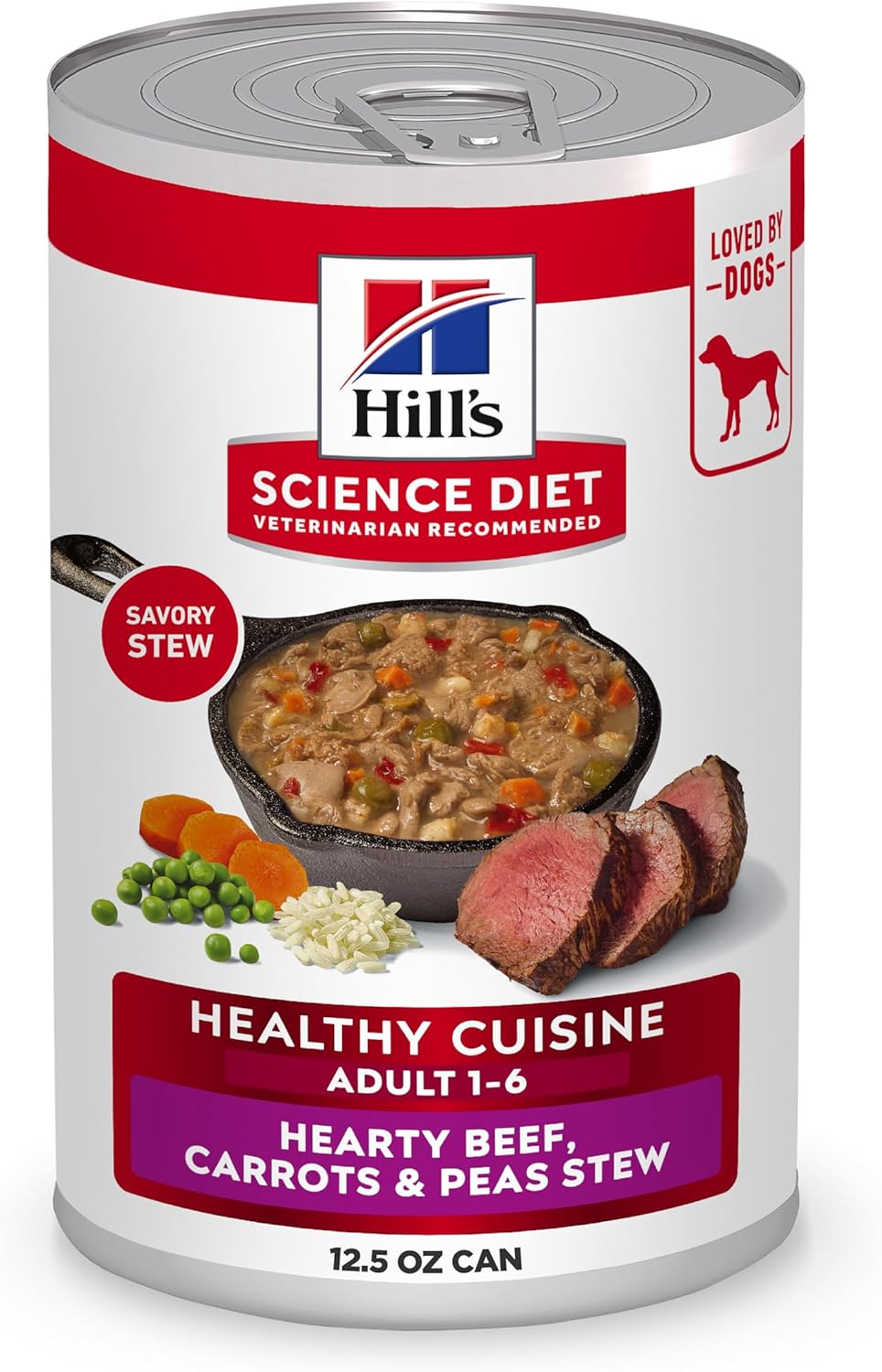
Not all pet food companies are equally committed to scientific rigor and transparency. When choosing a canned food for a diabetic senior dog, prioritize brands that provide detailed nutritional information, including guaranteed analysis, feeding guidelines, and ingredient sourcing. Look for companies that conduct feeding trials or have their formulas developed or endorsed by veterinary nutritionists. Brands like Hill’s Science Diet, Royal Canin, and Purina Pro Plan Veterinary Diets have extensive research backing and are often recommended by veterinarians for diabetic dogs. However, some independent brands, such as The Honest Kitchen or Wellness CORE, also offer high-quality, low-glycemic options with transparent labeling. Avoid companies that use vague terms like “natural” or “holistic” without substantiating claims. Reading customer reviews and checking for recalls or complaints can also help assess a brand’s reliability.
8. Palatability and Appetite Stimulation
Senior dogs, particularly those with diabetes, may experience reduced appetite due to medication side effects, nausea, or general aging. A food that is highly palatable can encourage consistent eating, which is essential for maintaining stable blood sugar levels. Look for canned foods with strong aromas, rich gravies, or real meat chunks that appeal to a dog’s senses. Some brands use natural flavor enhancers like bone broth or yeast extract to boost taste without adding sugar or salt. If your dog is a picky eater, consider rotating between two or three vet-approved diabetic formulas to prevent food fatigue. However, avoid frequent switching, as sudden diet changes can disrupt glucose control. A food that your dog eagerly eats every day is more likely to support long-term health and compliance with the diabetic management plan.
Different Types of Canned Dog Food for Senior Diabetic Dogs
Common Buying Mistakes to Avoid
❌ Mistake: Choosing Based Solely on “Grain-Free” Label
Why it’s bad: Many pet owners assume “grain-free” means low-carb or diabetic-friendly, but this isn’t always true. Grain-free foods often replace grains with starchy legumes like peas, lentils, or potatoes, which can still raise blood sugar significantly. A grain-free label doesn’t guarantee a low-glycemic profile.
What to do instead: Focus on the total carbohydrate content and ingredient order. Look for foods where animal protein is the first ingredient and starchy vegetables are absent or listed low on the list.
❌ Mistake: Ignoring the Guaranteed Analysis
Why it’s bad: The ingredient list tells part of the story, but the guaranteed analysis reveals the actual nutritional composition—including protein, fat, fiber, and moisture. Without this, you can’t assess whether a food meets your dog’s diabetic needs.
What to do instead: Always check the guaranteed analysis on the can or packaging. Calculate the dry matter basis (DMB) to compare foods accurately, especially when moisture levels vary.
❌ Mistake: Overlooking Added Sugars or Sweeteners
Why it’s bad: Some canned foods contain hidden sugars like corn syrup, molasses, or fruit purees (e.g., apple, pear) to enhance palatability. These can cause dangerous blood glucose spikes in diabetic dogs.
What to do instead: Read the ingredient list carefully. Avoid any food with added sugars, even natural ones. If fruit is included, ensure it’s in small amounts and not a primary ingredient.
❌ Mistake: Switching Foods Too Frequently
Why it’s bad: Frequent diet changes can disrupt blood sugar stability and make it harder to manage diabetes. It also complicates identifying food intolerances or sensitivities.
What to do instead: Once you find a suitable food, stick with it unless advised otherwise by your vet. If transitioning, do so gradually over 7–10 days to avoid digestive upset.
❌ Mistake: Assuming All “Senior” Foods Are Diabetic-Friendly
Why it’s bad: Many senior dog foods are formulated for joint health or weight management but contain high levels of carbohydrates or fillers that are inappropriate for diabetic dogs.
What to do instead: Look specifically for foods labeled for diabetes or blood sugar support. Don’t assume “senior” equals “diabetic-safe.”
❌ Mistake: Not Consulting a Veterinarian
Why it’s bad: Diabetes management requires a tailored approach. What works for one dog may not work for another, especially if there are underlying conditions like kidney disease or pancreatitis.
What to do instead: Always involve your veterinarian in dietary decisions. They can recommend specific brands, adjust insulin doses, and monitor your dog’s response to the new food.
❌ Mistake: Prioritizing Price Over Quality
Why it’s bad: Cheap canned foods often use low-quality proteins, fillers, and artificial preservatives that can worsen diabetes or lead to other health issues.
What to do instead: Invest in a high-quality food that supports long-term health. Consider the cost per feeding and the potential savings in vet bills from better disease management.
Budget Guidelines: How Much Should You Spend?
Entry-Level ($0.80–$1.50 per can): At this price point, you’ll find store brands and basic commercial lines. While some offer decent nutrition, they often include fillers, by-products, and higher carbohydrate levels. These may be suitable for short-term use or as mix-ins, but are generally not ideal for long-term diabetic management. Look for options with named meat sources and minimal additives, but expect compromises in ingredient quality and nutritional precision.
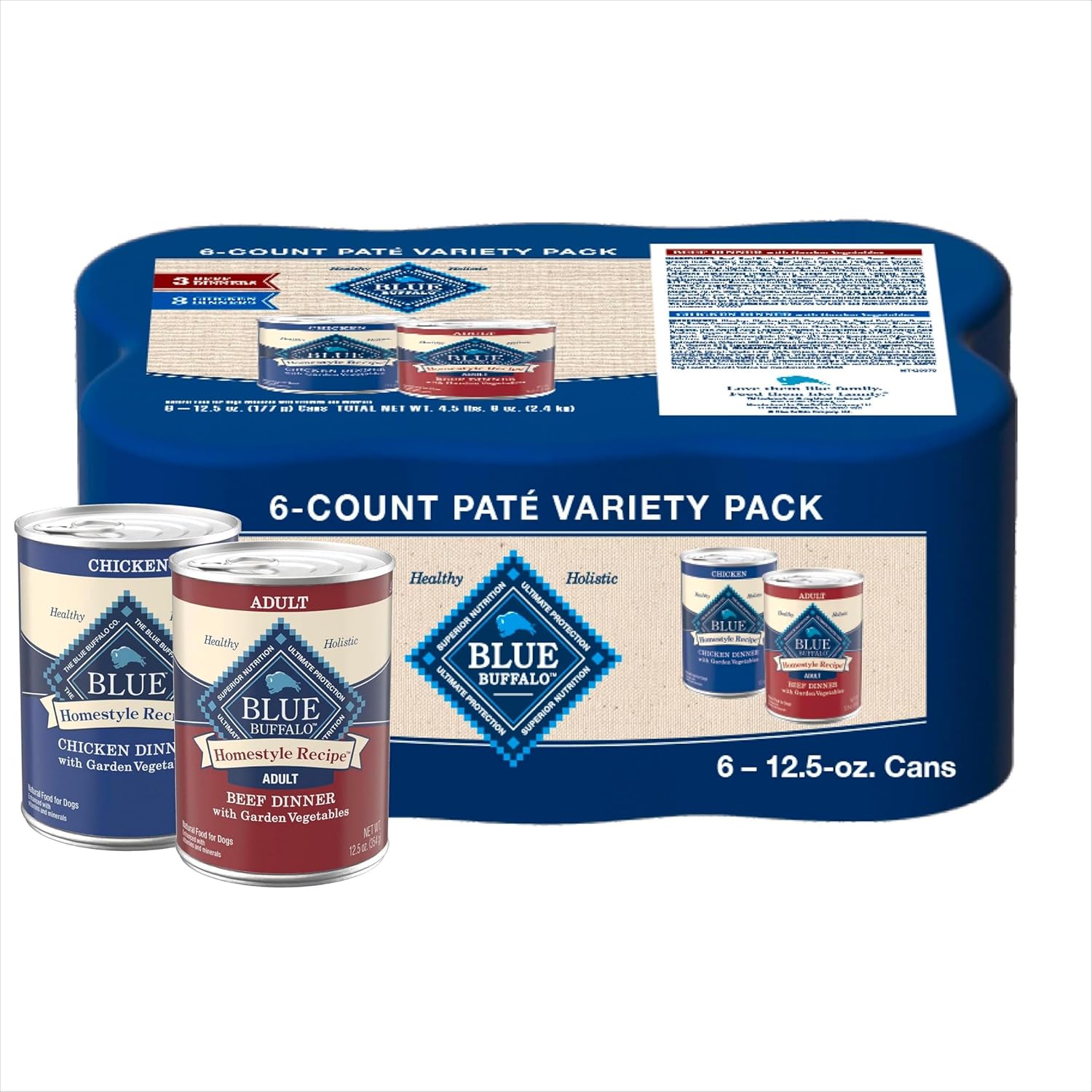
Mid-Range ($1.50–$2.50 per can): This is the sweet spot for most pet owners. Brands like Blue Buffalo, Nutro, and Wellness offer diabetic-friendly formulas with high-quality proteins, added fiber, and better ingredient transparency. These foods strike a balance between affordability and nutritional value, making them sustainable for daily feeding. Many include joint-supporting supplements and avoid artificial preservatives.
Premium ($2.50–$4.00 per can): Premium canned foods, including veterinary diets and top-tier natural brands, offer scientifically formulated nutrition with precise macronutrient ratios. These are ideal for dogs with complex health needs or those requiring strict glucose control. Ingredients are often human-grade, minimally processed, and backed by feeding trials. While more expensive, the health benefits and reduced risk of complications can justify the cost.
Luxury ($4.00+ per can): At this level, you’ll find fresh-pressed, human-grade, or custom-formulated meals from companies like Nom Nom or The Farmer’s Dog. These foods are made with whole ingredients, no preservatives, and tailored to your dog’s specific needs. They offer the highest quality and palatability but come at a significant cost. Best for owners who prioritize ingredient purity and are willing to invest in long-term wellness.

Expert Tips for Getting the Best Deal
– Buy in bulk during sales: Many online retailers (like Chewy, Amazon, or Petco) offer discounts on larger orders. Sign up for newsletters to get alerts on diabetic dog food promotions.
– Use subscription services: Auto-shipping programs often include 5–15% off and free delivery. This also ensures you never run out of your dog’s critical diet.
– Check veterinary clinics: Some vets offer discounts on prescription diets for existing clients. Ask if they have loyalty programs or sample packs.
– Compare dry matter costs: Since canned foods vary in moisture, compare price per pound on a dry matter basis for accurate value assessment.
– Look for manufacturer rebates: Brands like Hill’s and Royal Canin often provide mail-in rebates or free trial offers for new customers.
– Read return policies: Ensure the retailer allows returns if your dog doesn’t tolerate the food. This is crucial when trying a new diabetic formula.
– Test with small quantities first: Buy a single can or a small case before committing to a large order. Monitor your dog’s glucose levels and appetite closely.
– Combine with insurance: Some pet insurance plans cover prescription diets for chronic conditions like diabetes. Check your policy details.
Frequently Asked Questions
Q: Can I feed my diabetic senior dog regular canned food?
A: It’s not recommended. Regular canned foods often contain high levels of carbohydrates, fillers, and sugars that can destabilize blood glucose. Diabetic dogs require precise nutritional control to avoid complications. Always choose a food specifically formulated for diabetes or blood sugar management.
Q: How often should I feed my diabetic dog?
A: Most diabetic dogs do best with two consistent meals per day, spaced 10–12 hours apart. This helps regulate insulin administration and prevents blood sugar fluctuations. Free-feeding or irregular meals can make diabetes harder to manage.
Q: Is wet food better than dry for diabetic dogs?
A: Wet food has advantages—higher moisture content, better palatability, and often lower carbohydrate levels. However, some high-quality dry diabetic diets are also effective. The key is consistency and nutritional adequacy, not the form alone.
Q: Can I mix wet and dry food?
A: Yes, as long as both are diabetic-friendly and the total daily calories and carbs are accounted for. Mixing can improve palatability and hydration, but avoid adding high-sugar toppers or treats.
Q: What if my dog refuses to eat the new food?
A: Try warming the food slightly to enhance aroma, mixing in a small amount of low-sodium broth, or transitioning more slowly. If refusal persists, consult your vet—it could indicate nausea, dental pain, or other issues.
Q: How do I know if the food is working?
A: Monitor your dog’s blood glucose levels at home (with your vet’s guidance), track water intake and urination, and note changes in energy, weight, and coat condition. Stable glucose curves and improved clinical signs indicate success.
Q: Are there natural alternatives to prescription diets?
A: Some high-quality natural brands offer excellent diabetic support, but they may not be as rigorously tested as veterinary diets. Always discuss alternatives with your vet to ensure they meet your dog’s medical needs.
Q: Can diabetic dogs have treats?
A: Yes, but they must be low-carb and given in moderation. Look for treats with <2g carbs per piece, or use small pieces of cooked lean meat or green beans as alternatives.
Q: Should I adjust insulin when changing food?
A: Absolutely. Diet changes can affect insulin requirements. Work closely with your veterinarian to monitor glucose levels and adjust doses as needed to avoid hypoglycemia.
Q: How long does it take to see improvements?
A: Some dogs show better glucose control within days, while others may take 2–4 weeks. Consistency is key—stick with the new food and monitoring routine.
Our Final Recommendations
– Best for Budget-Conscious Buyers: Blue Buffalo Wilderness High Protein Grain-Free Canned Dog Food (Chicken Recipe) – Offers high protein, low carbs, and added fiber at an affordable price. Widely available and well-accepted by most dogs.
– Best Overall Value: Wellness CORE Grain-Free Senior Canned Dog Food – Combines high-quality protein, joint-supporting supplements, and low-glycemic ingredients. Excellent balance of nutrition and cost.
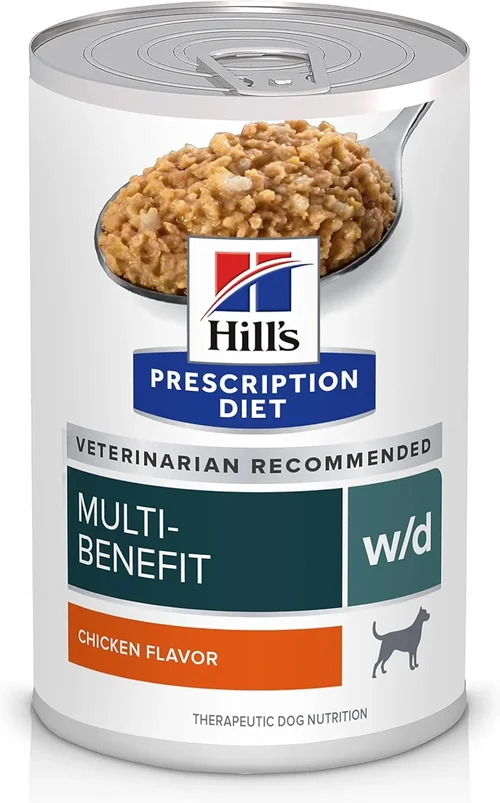
– Best Premium Option: Hill’s Prescription Diet w/d Canine – Clinically proven to support glucose control, with precise fiber and nutrient levels. Ideal for dogs with difficult diabetes or multiple health issues.
– Best for Beginners: Royal Canin Glycobalance Canned Dog Food – Easy to find through vets, with clear feeding guidelines and consistent formulation. Great for owners new to diabetic management.
– Best for Advanced Users: Nom Nom Fresh Dog Food (Beef Mash) – Customized, human-grade meals with full ingredient transparency. Perfect for owners who want maximum control over their dog’s nutrition.
Conclusion: Making the Right Choice
Choosing the best canned dog food for a senior diabetic dog is one of the most important decisions you’ll make as a pet parent. It’s not just about managing a disease—it’s about giving your dog the best possible quality of life in their golden years. By focusing on low-glycemic ingredients, high-quality protein, added fiber, and joint support, you can help stabilize blood sugar, maintain muscle mass, and reduce inflammation. Avoid common pitfalls like misleading labels, hidden sugars, and frequent diet changes, and always involve your veterinarian in the process.
Remember, every dog is unique. What works for one may not work for another. Be patient, observant, and proactive. Monitor your dog’s response closely, adjust as needed, and don’t hesitate to seek professional guidance. With the right food, consistent care, and plenty of love, your senior diabetic dog can continue to thrive—enjoying meals, walks, and cuddles for years to come. Start with one of our recommended options, follow the expert tips, and take the first step toward smarter, healthier feeding today.