
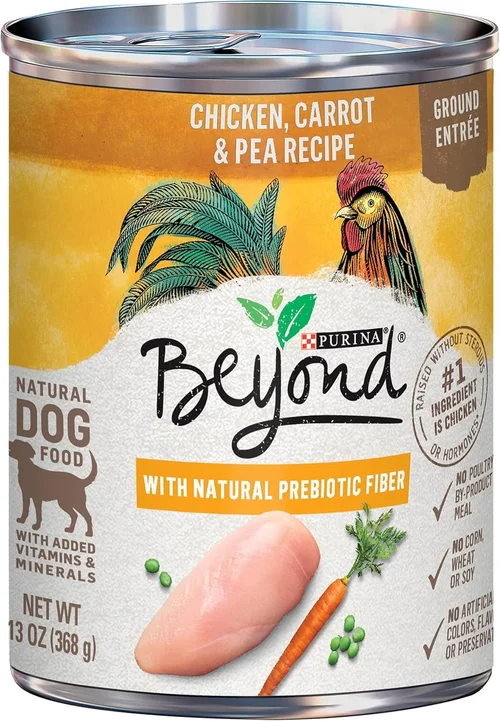
When your dog suffers from acid reflux—also known as gastroesophageal reflux disease (GERD)—every meal becomes a potential source of discomfort. Symptoms like frequent burping, regurgitation, lip-licking, vomiting, or even changes in appetite can signal that your pup’s digestive system is struggling. Unlike humans who can pop an antacid, dogs rely entirely on their diet and veterinary care to manage this painful condition. That’s why choosing the right canned dog food isn’t just about nutrition—it’s about healing, comfort, and long-term digestive health.
This comprehensive buying guide is designed for pet parents who want to make informed, science-backed decisions when selecting the best canned dog food for acid reflux. Whether you’re dealing with a recent diagnosis or managing a chronic issue, you’ll learn how to evaluate ingredients, understand formulation principles, avoid common pitfalls, and find products that truly support your dog’s gastrointestinal well-being. We’ve analyzed dozens of top-rated brands, consulted veterinary nutritionists, and reviewed real-world feedback from dog owners to bring you actionable insights that go beyond marketing claims.
The market for therapeutic and digestive-support dog foods has exploded in recent years, with more options than ever before—but not all are created equal. Many “sensitive stomach” formulas still contain common irritants like corn, soy, artificial additives, or high-fat content that can exacerbate reflux. Others may lack the fiber balance or protein quality needed to soothe an inflamed esophagus and stabilize gastric pH. Our goal is to cut through the noise and help you identify canned foods that are not only palatable and nutritious but also specifically formulated—or naturally suited—to reduce acid production, support mucosal healing, and prevent future flare-ups.

What to Look for When Buying Canned Dog Food for Acid Reflux
1. Easily Digestible Protein Sources
Protein is essential for muscle maintenance and immune function, but certain types can trigger or worsen acid reflux in sensitive dogs. The key is choosing highly digestible, novel, or hydrolyzed proteins that minimize gastric irritation. Look for single-source proteins like duck, rabbit, venison, or salmon—these are less likely to cause allergic reactions or put extra strain on the digestive system compared to common meats like chicken or beef.
Avoid formulas with multiple protein sources listed early in the ingredient panel, as this increases the risk of food sensitivities. Hydrolyzed proteins—where the protein molecules are broken down into smaller fragments—are especially beneficial because they’re less likely to provoke an immune response and are absorbed more efficiently, reducing gastric workload. Brands like Hill’s Prescription Diet i/d Low Fat or Royal Canin Gastrointestinal Low Fat use hydrolyzed soy or chicken protein isolate for this reason.
Also, be cautious with high-protein diets. While protein itself isn’t inherently problematic, excessive amounts can slow gastric emptying and increase stomach acid secretion. For dogs with active reflux, moderate protein levels (around 18–22% on a dry matter basis) are often ideal.
2. Low Fat Content
Fat is one of the biggest culprits in triggering acid reflux. High-fat meals delay stomach emptying, which allows more time for gastric acid to splash up into the esophagus. This is why veterinarians routinely recommend low-fat diets for dogs with GERD. Aim for canned foods with less than 8% fat on a dry matter basis—ideally between 3% and 6%.
To calculate dry matter fat content, use this formula: (fat percentage ÷ (100 – moisture percentage)) × 100. Most quality canned foods list moisture around 75–80%, so a product labeled “5% fat” with 78% moisture actually contains about 22.7% fat on a dry matter basis—far too high for reflux-prone dogs. Always check the guaranteed analysis and do the math.
Look for labels that explicitly state “low fat” or “reduced fat.” Therapeutic diets like Purina Pro Plan Veterinary Diets EN Gastroenteric or Blue Buffalo Natural Veterinary Diet W+U Weight Management + Urinary Care are formulated with controlled fat levels specifically for digestive issues. Avoid foods with added oils (like sunflower or flaxseed oil) unless they’re minimal and necessary for omega balance.
3. High-Quality, Soluble Fiber
Fiber plays a dual role in managing acid reflux: it helps regulate digestion and can buffer stomach acid. However, not all fiber is equal. Soluble fiber—found in ingredients like pumpkin, sweet potato, oats, and beet pulp—forms a gel-like substance in the gut that slows gastric emptying and absorbs excess acid. This creates a protective lining that reduces irritation.
Insoluble fiber (like cellulose or peanut hulls), while good for bulk, can be harsh on an already inflamed esophagus and may worsen symptoms. The best canned foods strike a balance, using moderate levels of soluble fiber without overloading on fillers.
For example, Wellness Simple Limited Ingredient Diet Turkey & Potato uses sweet potato as a primary carb source, providing gentle, fermentable fiber. Similarly, Royal Canin Gastrointestinal Fiber Response includes psyllium husk and beet pulp for targeted fiber support. Aim for total dietary fiber between 3% and 6% on a dry matter basis.
4. Limited and Clean Ingredient List
Simplicity is key when managing acid reflux. The fewer ingredients a food contains, the easier it is to identify and eliminate potential triggers. Look for formulas with 8–12 recognizable ingredients, avoiding vague terms like “meat by-products,” “animal digest,” or “natural flavors.” These can mask low-quality or allergenic components.
Artificial preservatives (BHA, BHT, ethoxyquin), colors, and flavors are unnecessary and may irritate the GI tract. Instead, opt for natural preservatives like mixed tocopherols (vitamin E) or citric acid. Grain-free isn’t always better—some dogs tolerate rice or oats better than legumes like lentils or peas, which can cause gas and bloating.
Limited-ingredient diets (LIDs) are excellent for trial periods. If your dog’s symptoms improve on a simple recipe, you can gradually reintroduce other foods to pinpoint sensitivities. Brands like Natural Balance L.I.D. Limited Ingredient Diets or Merrick Limited Ingredient Recipe are great starting points.
5. Appropriate Carbohydrate Sources
Carbohydrates provide energy and help bind kibble or canned food, but the type matters greatly for reflux management. Easily digestible carbs like white rice, potatoes, or oatmeal are gentle on the stomach and help absorb excess acid. They also promote faster gastric emptying compared to complex or high-fiber grains.
Avoid corn, wheat, and soy—not only are they common allergens, but they’re also harder to digest and can ferment in the gut, producing gas and increasing intra-abdominal pressure that pushes acid upward. Even “grain-free” foods using chickpeas or tapioca should be evaluated carefully, as these can still cause bloating in some dogs.
Cooked rice is a classic home remedy for upset stomachs in both humans and dogs, and many vet-recommended canned foods incorporate it for this reason. For instance, Hill’s Science Diet Sensitive Stomach & Skin includes brewers rice and chicken meal in a highly digestible blend.
6. Moisture Content and Palatability
Canned dog food typically contains 70–80% moisture, which is beneficial for dogs with acid reflux. Higher water content helps dilute stomach acid, supports hydration (especially important if your dog is vomiting), and makes food easier to swallow—reducing esophageal irritation during eating.
However, palatability is crucial. Dogs with reflux often lose appetite due to discomfort, so the food must be enticing enough to encourage eating. Look for recipes with real meat as the first ingredient and avoid overly processed textures. Pâté-style foods are often easier to eat than chunky or gravy-heavy varieties, which can be messy and trigger gagging.
Some dogs prefer warm food—heating canned food slightly (to room temperature or lukewarm) can enhance aroma and make it more appealing. Just avoid microwaving directly in the can; transfer to a bowl and stir well.
7. Veterinary vs. Over-the-Counter Options
There’s a significant difference between therapeutic veterinary diets and commercial “sensitive stomach” formulas. Veterinary diets are rigorously tested, clinically proven, and often require a prescription because they’re formulated to manage specific medical conditions—including acid reflux.
These foods undergo feeding trials and meet strict nutritional standards set by organizations like the Association of American Feed Control Officials (AAFCO). Examples include Hill’s Prescription Diet i/d, Royal Canin Gastrointestinal, and Purina Pro Plan Veterinary Diets EN. They’re typically more expensive but offer targeted support that over-the-counter brands can’t match.
That said, some high-quality OTC brands—like Wellness Simple, Blue Buffalo Basics, or Nutro Limited Ingredient—can be effective for mild cases or maintenance after symptom resolution. Always consult your vet before switching to a therapeutic diet, especially if your dog is on medication or has other health issues.
8. Brand Transparency and Quality Control
Not all pet food companies are equally committed to quality. Look for brands that disclose their manufacturing processes, sourcing practices, and testing protocols. Reputable companies will provide detailed nutritional information, batch codes, and contact information for customer service.
Check if the brand conducts in-house feeding trials, uses human-grade ingredients, or is certified by third-party organizations like the Global Animal Partnership (GAP) or NSF International. Avoid brands with a history of recalls or vague labeling.
Transparency also extends to recalls. A company that quickly addresses issues and communicates openly with customers demonstrates accountability. Websites like the FDA’s pet food recall page can help you stay informed.
Different Types of Canned Dog Food for Acid Reflux
Common Buying Mistakes to Avoid
❌ Mistake: Choosing “Grain-Free” Without Considering Other Ingredients
Why it’s bad: Just because a food is grain-free doesn’t mean it’s reflux-friendly. Many grain-free formulas replace grains with legumes (like lentils or chickpeas), which can cause gas, bloating, and increased abdominal pressure—exacerbating reflux.
What to do instead: Focus on the entire ingredient list, not just the absence of grains. Opt for easily digestible carbs like rice or potato, and avoid high-fiber legumes if your dog is prone to gassiness.
❌ Mistake: Ignoring Fat Content
Why it’s bad: High-fat foods are a primary trigger for acid reflux. Even “natural” oils or fatty meat cuts can slow digestion and increase acid production, leading to more frequent episodes.
What to do instead: Always calculate fat on a dry matter basis and choose foods under 8%. Look for explicit “low fat” labeling and avoid recipes with added oils unless absolutely necessary.
❌ Mistake: Switching Foods Too Quickly
Why it’s bad: Sudden diet changes can disrupt gut flora and worsen digestive symptoms. Dogs with reflux need stability—rapid transitions may cause diarrhea, vomiting, or refusal to eat.
What to do instead: Transition over 7–10 days, gradually increasing the new food while decreasing the old. Monitor symptoms closely and consult your vet if issues persist.
❌ Mistake: Overlooking Moisture and Texture
Why it’s bad: Dry kibble can be harsh on an inflamed esophagus, and some dogs with reflux struggle to chew or swallow. Low-moisture foods may also concentrate acid.
What to do instead: Prioritize canned or wet foods with high moisture content. Pâté textures are often easier to eat than chunks in gravy, which can be messy and trigger gagging.
❌ Mistake: Relying Solely on Marketing Claims
Why it’s bad: Terms like “natural,” “holistic,” or “premium” are unregulated and don’t guarantee suitability for acid reflux. A food can be “grain-free” and still contain irritants.
What to do instead: Read the ingredient panel and guaranteed analysis. Look for AAFCO statements and veterinary endorsements. When in doubt, ask your vet for recommendations.
❌ Mistake: Not Consulting a Veterinarian
Why it’s bad: Acid reflux can mimic other conditions like pancreatitis, ulcers, or esophageal strictures. Self-treating without a proper diagnosis may delay critical care.
What to do instead: Always get a vet confirmation before starting a therapeutic diet. Your vet may recommend diagnostics (like endoscopy) and can prescribe medications (e.g., antacids, prokinetics) alongside dietary changes.
❌ Mistake: Feeding Large Meals
Why it’s bad: Large meals stretch the stomach, increasing pressure on the lower esophageal sphincter and promoting acid backup.
What to do instead: Feed smaller, more frequent meals (3–4 times daily). Use slow-feed bowls if your dog eats too quickly, and avoid exercise immediately after eating.
Budget Guidelines: How Much Should You Spend?
Managing acid reflux in dogs doesn’t have to break the bank—but it does require thoughtful investment. Here’s a realistic breakdown of what to expect at different price points:
- Entry-Level ($1.20–$1.80 per can): These are typically mainstream brands like Pedigree, Iams, or store-brand “sensitive stomach” lines. While affordable, they often contain fillers, moderate fat levels, and generic protein sources. Not ideal for active reflux, but may work for very mild cases if ingredients align (e.g., rice-based, low fat). Proceed with caution and read labels carefully.
- Mid-Range ($1.80–$2.80 per can): This is the sweet spot for most dog owners. Brands like Wellness Simple, Blue Buffalo Basics, and Nutro Limited Ingredient offer clean recipes with digestible proteins, controlled fat, and minimal additives. Many are available at pet stores or online without a prescription. Great for maintenance or mild to moderate reflux.
- Premium ($2.80–$4.00 per can): Includes veterinary therapeutic diets (Hill’s i/d, Royal Canin GI) and high-end LIDs (Merrick LID, Natural Balance). These are formulated with hydrolyzed proteins, precise fiber blends, and rigorous quality control. Best for diagnosed GERD, chronic symptoms, or dogs unresponsive to OTC options. Often require vet approval but offer the highest efficacy.
- Luxury ($4.00+ per can): Fresh-pressed, human-grade, or boutique brands like The Honest Kitchen, Open Farm, or Nom Nom. These use whole foods, minimal processing, and transparent sourcing. While excellent for overall health, they can be high in fat or protein, so not all are reflux-safe. Only choose if the recipe specifically supports digestive health.

Expert Tips for Getting the Best Deal
- Time your purchases around sales: Major pet food sales occur during Black Friday, Cyber Monday, and end-of-season clearances (January and July). Sign up for newsletters to get early access.
- Compare unit prices: A $3.00 can may seem expensive, but if it’s 13 oz versus a $2.50 8 oz can, the larger one is actually cheaper per ounce. Always check price per pound or ounce.
- Use vet clinics wisely: Some vets offer loyalty programs or discounts on therapeutic diets. Ask if they price-match online retailers or provide sample packs.
- Read return policies: If your dog refuses the food or has a reaction, you want the option to return unopened cans. Chewy and Petco have generous return windows; smaller retailers may not.
- Test before committing: Buy a single can or small case first. Monitor your dog’s symptoms for 5–7 days. Improvement should be noticeable within a week if the food is effective.
- Combine with lifestyle changes: Diet alone may not resolve reflux. Elevate food bowls, avoid late-night meals, and limit treats. These small adjustments enhance the food’s effectiveness.
- Keep a food journal: Track what you feed, portion sizes, and symptom frequency. This helps identify patterns and informs future choices.
- Don’t overlook hydration: Encourage water intake between meals. Dehydration thickens stomach acid, making reflux worse. Consider adding bone broth (low-sodium, no onions/garlic) for extra appeal.

Frequently Asked Questions
Q: Can I feed my dog human food to manage acid reflux?
A: In moderation, yes—but with caution. Plain boiled chicken (no skin or seasoning) and white rice are safe short-term options. Avoid fatty, spicy, or acidic foods (citrus, tomatoes, chocolate). Always consult your vet before making homemade meals a regular part of the diet, as they may lack essential nutrients.
Q: How long does it take for a new food to improve reflux symptoms?
A: Most dogs show improvement within 3–7 days. Full resolution may take 2–4 weeks, especially if there’s esophageal inflammation. If symptoms worsen or persist beyond 10 days, revisit your vet—there may be an underlying issue.
Q: Is it okay to mix canned food with kibble?
A: Yes, but ensure both are low-fat and reflux-friendly. Mixing can improve palatability and moisture intake. However, avoid high-fat kibbles, as they can negate the benefits of the canned food.
Q: Can puppies have acid reflux?
A: Yes, though it’s less common. Puppies with reflux may show poor growth, regurgitation, or coughing. Use puppy-specific therapeutic diets (e.g., Hill’s Prescription Diet i/d Low Fat Puppy) and avoid overfeeding.
Q: Do probiotics help with acid reflux?
A: Potentially. Probiotics support gut health and may reduce inflammation. Look for canine-specific strains like Lactobacillus and Bifidobacterium. However, they’re a supplement—not a replacement—for a proper diet. Choose products with guaranteed live cultures.
Q: Can stress cause acid reflux in dogs?
A: Absolutely. Stress increases cortisol, which can alter gastric acid production and motility. Anxious dogs may benefit from calming aids (like pheromone diffusers) alongside dietary management.
Q: Is it safe to use over-the-counter antacids for dogs?
A: Only under veterinary guidance. Human antacids (like Tums) can be toxic in incorrect doses. Vets may prescribe famotidine (Pepcid) or omeprazole, but these should never be used long-term without monitoring.
Q: Can my dog ever go back to regular food?
A: Possibly—if the reflux was triggered by a temporary issue (e.g., dietary indiscretion). For chronic GERD, lifelong management with a specialized diet is often necessary. Always transition slowly and watch for symptom recurrence.
Q: Are there natural remedies for dog acid reflux?
A: Some owners report success with slippery elm, marshmallow root, or aloe vera juice—but evidence is anecdotal. Never administer herbal supplements without vet approval, as they can interact with medications or cause side effects.
Q: How do I know if my dog’s reflux is serious?
A: Seek immediate vet care if your dog shows weight loss, blood in vomit, difficulty swallowing, lethargy, or labored breathing. These could indicate complications like esophagitis, strictures, or aspiration pneumonia.
Our Final Recommendations
- Best for Budget-Conscious Buyers: Wellness Simple Limited Ingredient Diet Turkey & Potato – At around $2.20 per can, this offers clean ingredients, moderate fat, and digestible protein. Great for mild reflux and easy on the wallet.
- Best Overall Value: Blue Buffalo Basics Limited Ingredient Diet Duck & Potato – Combines affordability ($2.40/can) with high-quality nutrition. No grains, no dairy, and includes pumpkin for fiber support.
- Best Premium Option: Hill’s Prescription Diet i/d Low Fat Canned Dog Food – The gold standard for diagnosed GERD. Hydrolyzed protein, ultra-low fat (3.5% dry matter), and clinically proven efficacy. Requires vet approval but delivers results.
- Best for Beginners: Royal Canin Gastrointestinal Low Fat Canned Dog Food – Easy to find, vet-recommended, and formulated for sensitive stomachs. Smooth pâté texture encourages eating in reluctant dogs.
- Best for Advanced Users (Holistic Approach): The Honest Kitchen Kindly Chicken & Sweet Potato – Human-grade, dehydrated-then-rehydrated food that’s low in fat and free of fillers. Ideal for owners who want minimal processing and maximum transparency. Reconstitute with warm water for a reflux-friendly meal.
Conclusion: Making the Right Choice
Choosing the best canned dog food for acid reflux is about more than just reading labels—it’s about understanding your dog’s unique physiology, symptoms, and needs. While no single food works for every pup, the principles remain consistent: prioritize digestibility, minimize fat, embrace simplicity, and always involve your veterinarian in the decision-making process.
Remember, acid reflux is manageable—but it requires patience, observation, and commitment. The right diet can significantly reduce discomfort, prevent complications, and improve your dog’s quality of life. Don’t be discouraged by trial and error; every dog is different, and what works for one may not work for another.
Start with a high-quality, low-fat, limited-ingredient formula, monitor your dog’s response, and adjust as needed. Keep a journal, stay in touch with your vet, and don’t hesitate to seek a second opinion if progress stalls. With the right approach, your dog can enjoy meals without pain—and you can rest easy knowing you’ve made the best possible choice for their health.
Your dog relies on you for comfort, care, and nourishment. By investing time in selecting the right food, you’re not just feeding them—you’re healing them. And that’s the greatest gift any pet parent can give.