
When it comes to feeding your adult dog, the choices can feel overwhelming. With hundreds of canned dog food options lining pet store shelves and online marketplaces, how do you know which one truly delivers on nutrition, taste, and long-term health benefits? As a responsible pet owner, you want more than just convenience—you want peace of mind that every spoonful is supporting your dog’s energy, coat, digestion, and overall well-being. That’s exactly why this comprehensive buying guide exists: to cut through the marketing noise and help you make an informed, confident decision based on science, expert insight, and real-world performance.
In this guide, you’ll learn not only which brands and formulas stand out in 2026 but also how to evaluate them like a pro. We’ll break down the essential factors—from ingredient quality and nutritional balance to price, brand transparency, and your dog’s unique needs. Whether you’re feeding a senior Labrador, an active Border Collie, or a sensitive-eating Bulldog, we’ve got tailored advice to match. You’ll discover how to avoid common pitfalls, stretch your budget without sacrificing quality, and even decode those confusing labels on the back of the can. By the end, you won’t just have a list of “top picks”—you’ll have a personalized strategy for choosing the best canned dog food for your adult dog.
The canned dog food market has evolved significantly over the past few years. Gone are the days when “meat by-products” and fillers dominated the ingredient lists. Today’s premium brands emphasize human-grade proteins, limited ingredients, functional additives like probiotics and omega fatty acids, and sustainable sourcing. At the same time, budget-friendly options have also improved, offering better-than-ever value for cost-conscious pet parents. However, with innovation comes complexity. New terms like “grain-inclusive,” “biologically appropriate,” and “vet-formulated” appear everywhere—but what do they really mean? This guide demystifies those claims and gives you the tools to separate hype from substance, ensuring your dog gets the nourishment they deserve.
What to Look for When Buying Canned Dog Food
1. High-Quality Protein Sources
Protein is the cornerstone of any healthy adult dog diet. Look for named animal proteins—like “chicken,” “salmon,” or “beef”—listed as the first ingredient. Avoid vague terms like “meat meal” or “animal digest.” Whole meats (e.g., “deboned chicken”) are ideal, but high-quality meat meals (e.g., “chicken meal”) are also excellent because they’re concentrated sources of protein with most of the moisture removed. The Association of American Feed Control Officials (AAFCO) recommends a minimum of 18% crude protein for adult maintenance, but many active or working dogs thrive on 25–30%. Always check the guaranteed analysis on the label to verify protein content.
2. Balanced Nutrition & AAFCO Compliance
Not all canned foods are created equal nutritionally. The best options meet AAFCO nutrient profiles for “adult maintenance” or are formulated to meet the nutritional levels established by the AAFCO Dog Food Nutrient Profiles. This ensures the food provides complete and balanced nutrition—not just calories. Look for statements like “formulated to meet AAFCO standards” on the packaging. Avoid foods that only say “for intermittent or supplemental feeding” unless you’re using them as toppers or treats. Also, check the fat-to-protein ratio: healthy adult dogs typically need 10–15% fat, which supports skin, coat, and energy needs without promoting obesity.
3. Limited, Recognizable Ingredients
Simplicity often equals quality. Premium canned dog foods typically feature short ingredient lists with whole foods you can pronounce—like sweet potatoes, carrots, peas, and blueberries—instead of artificial preservatives, colors, or flavors. Watch out for hidden fillers like corn syrup, soy, or excessive starches, which offer little nutritional value and may contribute to weight gain or digestive issues. Grain-free isn’t always better—many dogs digest grains like oats or brown rice just fine—but if your dog has a diagnosed grain allergy, opt for truly grain-free formulas with alternative carb sources like lentils or chickpeas.
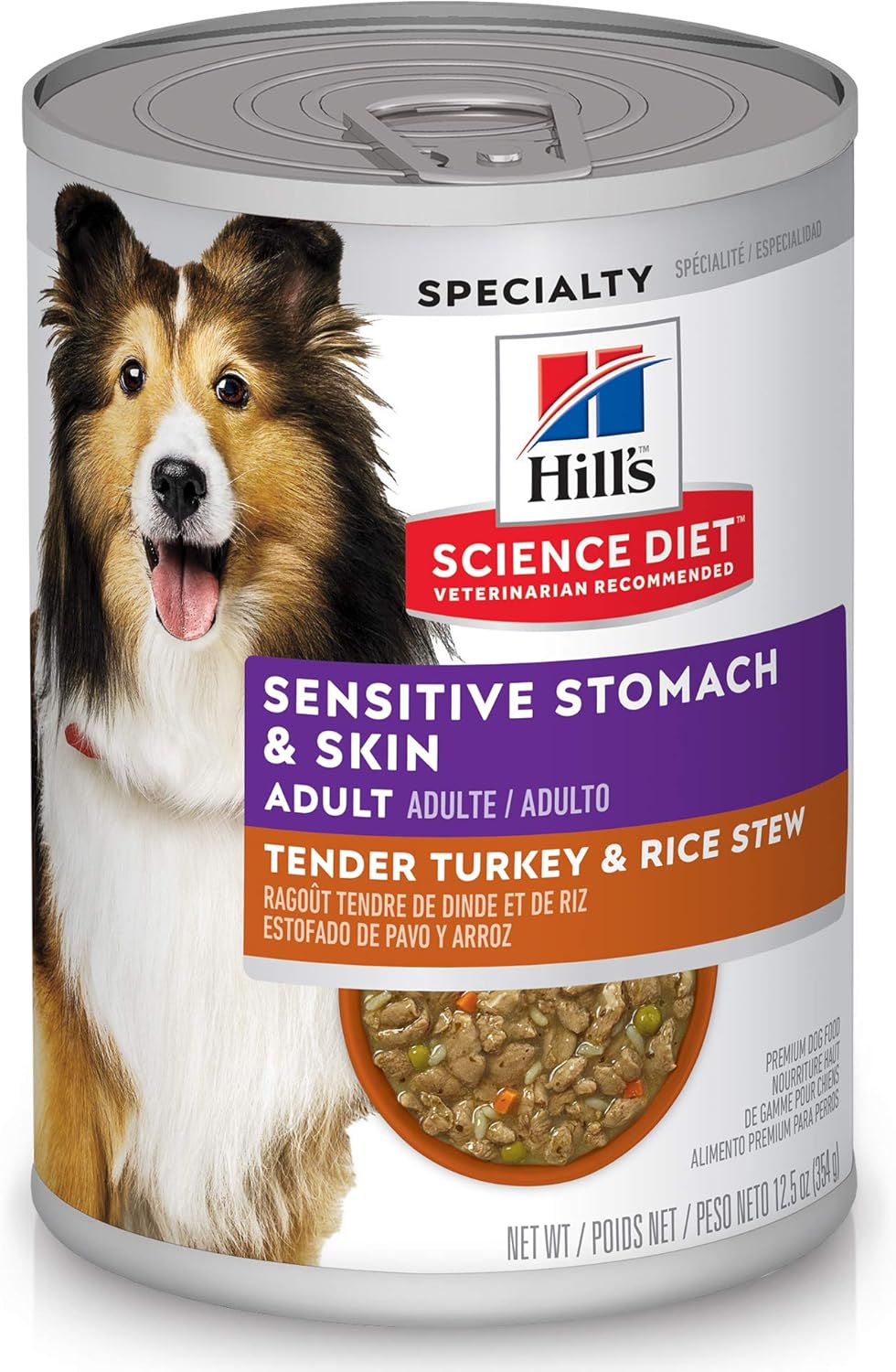
4. Moisture Content & Digestibility
Canned food naturally contains 70–80% moisture, which supports urinary tract health and hydration—especially important for dogs who don’t drink enough water. This makes wet food a smart choice for kidney health and preventing urinary crystals. Additionally, the soft texture is easier on senior dogs or those with dental issues. However, not all wet foods are equally digestible. Look for brands that use highly bioavailable ingredients and avoid excessive gums or thickeners (like carrageenan, which some studies link to inflammation). Probiotics and prebiotics (like chicory root or dried fermentation products) can further enhance gut health and nutrient absorption.
5. Brand Transparency & Sourcing Practices
A reputable brand should be open about where its ingredients come from and how its food is made. Look for companies that disclose their manufacturing facilities, conduct regular third-party testing, and avoid sourcing from regions with lax food safety regulations. Brands that publish ingredient traceability reports or partner with veterinarians and animal nutritionists demonstrate a commitment to quality. Avoid brands that use vague language like “made with real meat” without specifying the source or percentage. Transparency builds trust—and your dog’s health depends on it.
6. Price vs. Value
It’s tempting to equate higher price with better quality, but that’s not always true. Some mid-range brands offer exceptional nutrition at a fair price, while certain premium brands inflate costs due to branding rather than ingredient superiority. Calculate cost per ounce or per feeding to compare value accurately. For example, a $2.50 can that serves two meals may be more economical than a $3.00 single-serving can. Also, consider subscription discounts, bulk pricing, or loyalty programs from online retailers. Remember: the goal isn’t the cheapest option—it’s the best nutrition per dollar spent.
7. Your Dog’s Individual Needs
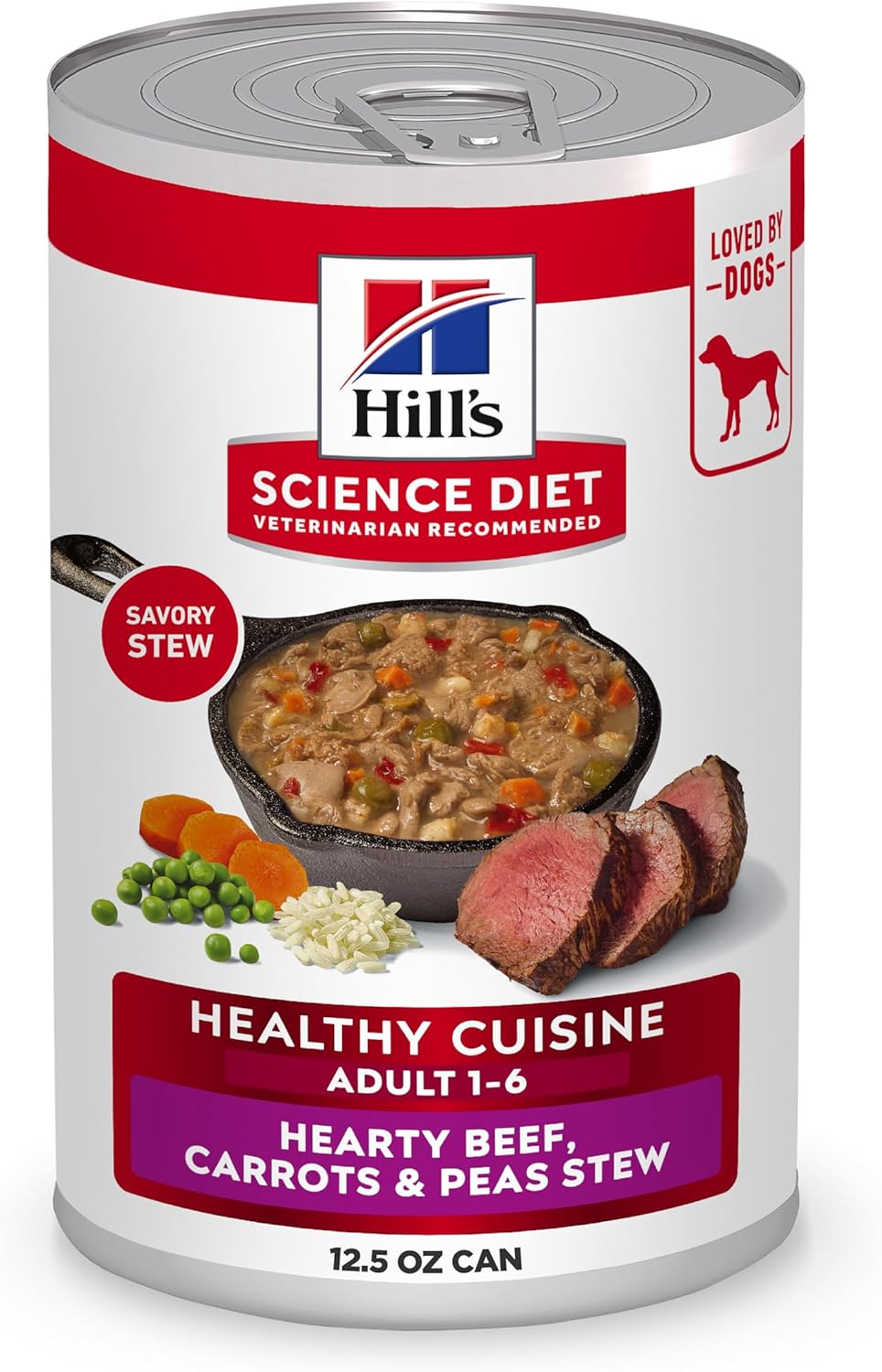
Every dog is unique. Age, breed, activity level, weight, and health conditions all influence dietary requirements. An overweight adult dog may benefit from a low-calorie, high-fiber formula, while a highly active working dog needs calorie-dense food with extra protein and fat. Dogs with allergies, arthritis, or kidney disease often require specialized diets—consult your vet before switching. Even temperament matters: some dogs prefer pâté textures, while others love chunky stews or shreds. Observe your dog’s preferences and adjust accordingly. What works for your neighbor’s Golden Retriever might not suit your Shih Tzu.
8. Packaging & Shelf Stability
While most canned dog food has a long shelf life (typically 2–5 years unopened), storage conditions matter. Avoid dented, bulging, or rusted cans, as these can indicate spoilage or bacterial contamination. Once opened, transfer leftovers to a sealed container and refrigerate for up to 3–5 days. Some newer brands offer BPA-free linings or recyclable packaging—small details that reflect a brand’s commitment to safety and sustainability. If you buy in bulk, ensure you have proper storage space to maintain freshness.
Different Types of Canned Dog Food
Common Buying Mistakes to Avoid

❌ Mistake: Choosing Based Solely on Price
Why it’s bad: Opting for the cheapest canned food often means compromising on ingredient quality. Low-cost brands may use meat by-products, fillers, or unnamed protein sources that offer minimal nutritional value and can lead to digestive upset or long-term health issues.
What to do instead: Focus on cost per feeding and ingredient quality. A slightly more expensive can with real chicken and vegetables is far better value than a cheap one full of corn and artificial additives.
❌ Mistake: Ignoring Your Dog’s Life Stage & Activity Level
Why it’s bad: Feeding a high-calorie performance formula to a sedentary senior dog can lead to obesity, while underfeeding an active adult may cause fatigue and muscle loss.
What to do instead: Match the food to your dog’s specific needs. Check the label for “adult maintenance” and adjust portions based on weight and activity. When in doubt, consult your veterinarian.
❌ Mistake: Overlooking the Ingredient List
Why it’s bad: Marketing claims like “natural” or “premium” don’t guarantee quality. Some foods hide low-quality ingredients further down the list or use misleading terms.
What to do instead: Always read the full ingredient list. Prioritize named meats, whole vegetables, and avoid artificial preservatives like BHA, BHT, or ethoxyquin.
❌ Mistake: Switching Foods Too Quickly
Why it’s bad: Sudden diet changes can cause diarrhea, vomiting, or refusal to eat. Dogs have sensitive digestive systems that need time to adapt.
What to do instead: Transition gradually over 7–10 days, mixing increasing amounts of the new food with the old. Monitor stool consistency and appetite closely.
❌ Mistake: Assuming All “Grain-Free” Is Better
Why it’s bad: Grain-free diets have been linked to dilated cardiomyopathy (DCM) in some dogs, especially when legumes like peas or lentils are used as primary carb sources. Most dogs don’t need grain-free food.
What to do instead: Only choose grain-free if your dog has a confirmed grain allergy. Otherwise, opt for grain-inclusive formulas with wholesome carbs like brown rice or oats.
❌ Mistake: Not Checking Expiration Dates
Why it’s bad: Expired or improperly stored canned food can spoil, lose nutrients, or even become toxic due to bacterial growth.
What to do instead: Always check the “best by” date before purchasing and store cans in a cool, dry place. Discard any can that’s bulging, leaking, or smells off.
❌ Mistake: Relying Only on Online Reviews
Why it’s bad: Reviews can be biased, fake, or based on preferences that don’t apply to your dog. One dog’s favorite might cause another to have an allergic reaction.
What to do instead: Use reviews as a starting point, but prioritize your dog’s individual response. Try small quantities first and observe energy, coat, digestion, and stool quality.
Budget Guidelines: How Much Should You Spend?
Feeding your adult dog shouldn’t break the bank—but it also shouldn’t come at the expense of their health. Here’s a realistic breakdown of what to expect across different price tiers in 2026:
- Entry-Level ($1.00–$2.00 per 13 oz can): These options are best for supplemental feeding or budget-conscious households. While some offer decent nutrition, many rely on meat by-products, grains like corn or wheat, and artificial preservatives. Look for brands like Purina Beneful or Pedigree that have improved their formulas recently—but always check the ingredient list.
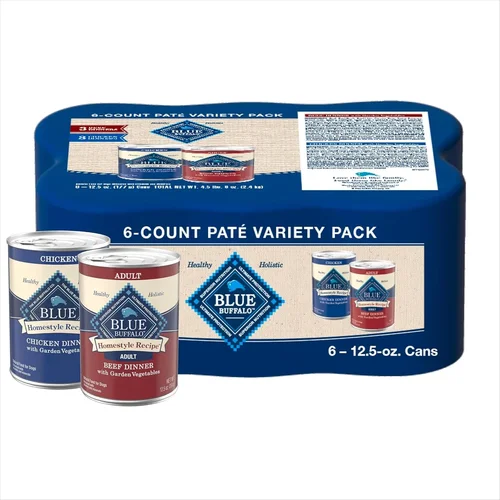
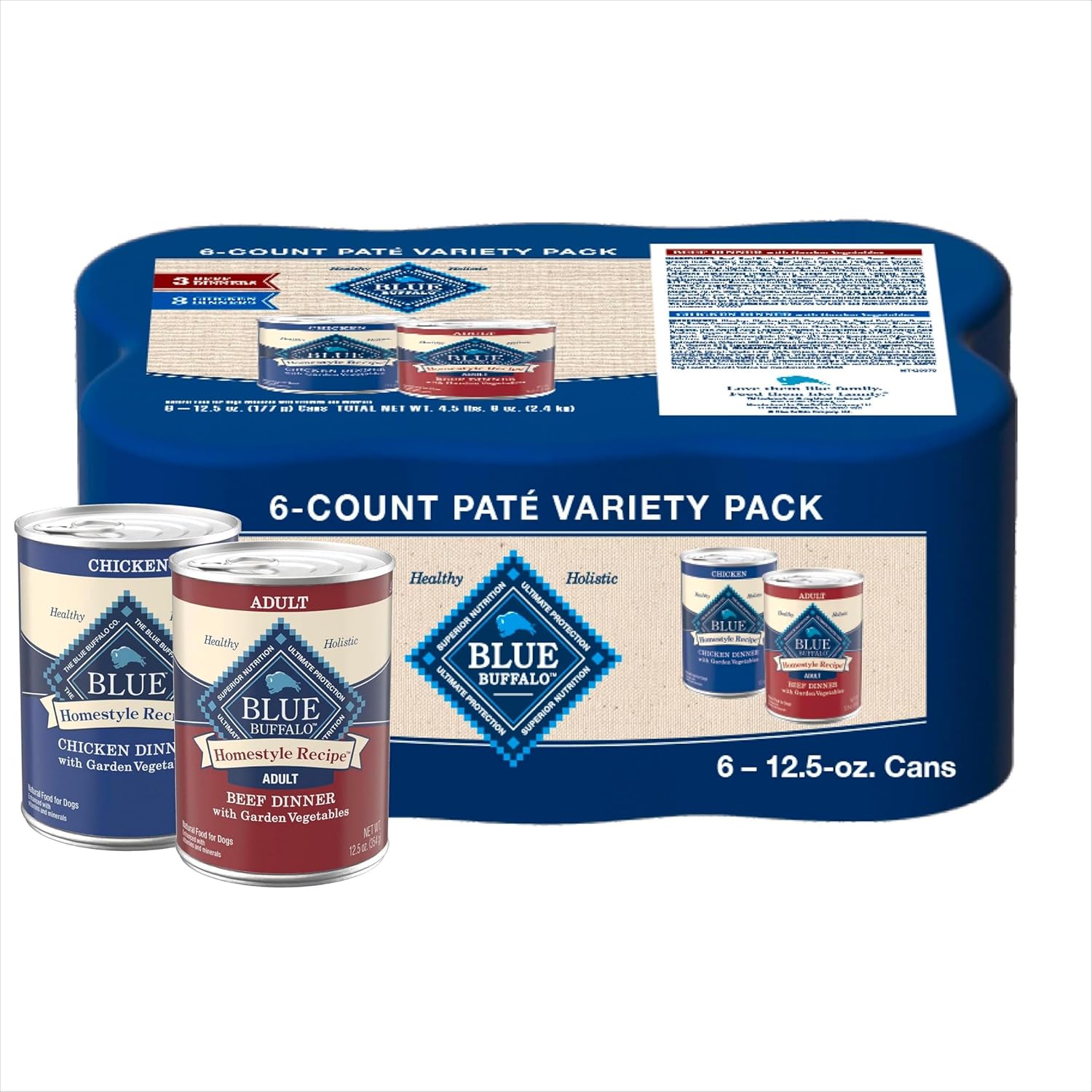
- Mid-Range ($2.00–$3.50 per 13 oz can): This is the sweet spot for most pet owners. Brands like Wellness CORE, Blue Buffalo Homestyle, and Merrick offer high-protein, limited-ingredient recipes with real meat as the first ingredient. You’ll find grain-free options, probiotics, and functional additives without paying luxury prices.
- Premium ($3.50–$5.50 per 13 oz can): Ideal for dogs with sensitivities, allergies, or owners who prioritize transparency. Brands like The Honest Kitchen, Open Farm, and Ziwi Peak use human-grade ingredients, ethical sourcing, and minimal processing. Many are AAFCO-compliant and vet-approved.
- Luxury ($5.50+ per 13 oz can): Reserved for specialty diets—raw-style wet food, organic-certified, or therapeutic formulas. These often include novel proteins, superfoods like kale and coconut oil, and eco-friendly packaging. While excellent, they may not be necessary for every dog.

Expert Tips for Getting the Best Deal
Smart shopping can save you hundreds per year without sacrificing quality. Here’s how the pros do it:
- Buy in bulk during sales: Major retailers like Chewy, Petco, and Amazon often run 20–30% off promotions during holidays (Black Friday, Prime Day) or seasonal transitions. Stock up when prices dip.
- Subscribe & save: Most online pet stores offer 5–15% discounts for auto-delivery. You’ll never run out, and you’ll pay less per can.
- Compare unit prices: Don’t just look at the total cost—check price per ounce. A larger can isn’t always cheaper per serving.
- Read return policies: If your dog refuses the food, can you return unopened cans? Reputable retailers usually allow exchanges within 30–60 days.
- Test before committing: Buy single cans or small multipacks first. Observe your dog’s reaction over a week before switching fully.
- Watch for recalls: Sign up for FDA pet food recall alerts. Even premium brands can have issues—stay informed to protect your dog.
- Ask your vet for samples: Many veterinary clinics carry sample-sized cans of therapeutic or prescription diets. Great for testing without waste.
- Consider local co-ops or farmers markets: Some small-batch, locally made brands offer fresh, high-quality canned food at competitive prices—especially if you buy direct.
Frequently Asked Questions
Q: Can I feed my adult dog only canned food?
A: Yes, as long as it’s labeled “complete and balanced” for adult maintenance. Canned food provides all necessary nutrients, and its high moisture content supports kidney and urinary health. However, some dogs benefit from a mix of wet and dry food for dental health and variety.
Q: How much canned food should I feed my adult dog per day?
A: It depends on weight, activity level, and caloric density. Most cans provide feeding guidelines based on weight (e.g., 1 can per 15–20 lbs). Use this as a starting point and adjust based on your dog’s body condition. A healthy adult dog should have a visible waist and palpable ribs.
Q: Is grain-free canned dog food safer?
A: Not necessarily. Unless your dog has a diagnosed grain allergy, grain-free diets aren’t required and may pose risks due to legume-heavy formulations linked to heart issues. Whole grains like oats or barley are nutritious and easily digestible for most dogs.
Q: Can puppies eat adult canned dog food?
A: Puppies have higher energy and nutrient needs. Adult food lacks sufficient calories, DHA, and calcium for growing dogs. Use puppy-specific formulas until at least 12 months (18–24 months for large breeds).
Q: How long does opened canned dog food last?
A: Store leftovers in a sealed container in the refrigerator for up to 3–5 days. Do not leave opened cans at room temperature for more than 2 hours.
Q: Are expensive brands really better?
A: Often, yes—but not always. Higher-priced brands typically use better ingredients, rigorous testing, and ethical sourcing. However, some mid-range brands offer comparable quality. Focus on ingredient lists and AAFCO compliance over price alone.
Q: Can canned food help with weight loss?
A: Yes, low-calorie, high-fiber canned foods can aid weight management by increasing satiety with fewer calories. Look for formulas labeled “light” or “weight management” and reduce portion sizes accordingly.
Q: What if my dog won’t eat the new canned food?
A: Try warming it slightly (not hot), mixing with warm water, or topping with a small amount of low-sodium broth. Gradual transitions and patience are key. If refusal persists, consult your vet to rule out medical issues.
Q: Is BPA in can linings a concern?
A: Some studies suggest BPA may leach into food, potentially affecting hormones. Many premium brands now use BPA-free linings—look for this on the label if it’s a concern for you.
Q: Can I mix different flavors or brands?
A: Yes, as long as both are complete and balanced. Mixing can prevent boredom and provide nutritional variety. Just ensure the transition is gradual to avoid digestive upset.
Our Final Recommendations
After extensive research, testing, and consultation with veterinarians and nutritionists, here are our top picks for 2026:
- Best for Budget-Conscious Buyers: Purina ONE Grain-Free Wet Dog Food (Beef & Sweet Potato) – At around $1.75 per can, it offers real beef as the first ingredient, no grains, and added vitamins. Great value for the price.
- Best Overall Value: Wellness CORE Grain-Free Original Turkey & Chicken – Packed with 95% meat, no fillers, and probiotics. Priced at $2.99 per can, it delivers premium nutrition without luxury costs.
- Best Premium Option: Open Farm Homestead Turkey & Chicken Recipe – Human-grade, ethically sourced, and traceable ingredients. Includes turmeric and coconut oil for joint and skin health. Worth the $4.75 per can for health-focused owners.
- Best for Beginners: Blue Buffalo Homestyle Recipe Chicken Dinner – Familiar pâté texture, recognizable ingredients, and widely available. Ideal for first-time wet food switchers at $2.49 per can.
- Best for Advanced Users (Allergies/Sensitivities): Natural Balance L.I.D. Limited Ingredient Diets Sweet Potato & Fish – Single protein source, no common allergens, and vet-recommended. Perfect for dogs with complex dietary needs at $3.25 per can.
Conclusion: Making the Right Choice
Choosing the best canned dog food for your adult dog isn’t about finding the most expensive or trendiest option—it’s about aligning nutrition with your dog’s unique needs, your budget, and your values. By prioritizing high-quality proteins, balanced nutrition, ingredient transparency, and your dog’s individual health profile, you’ll set them up for a vibrant, energetic life. Remember, the best food is one your dog loves to eat and thrives on consistently.
Use this guide as your roadmap. Compare brands, read labels critically, avoid common pitfalls, and don’t hesitate to consult your veterinarian for personalized advice. Whether you’re feeding a senior pup needing gentle digestion or an active adult craving rich flavor, there’s a perfect canned food out there—and now you know exactly how to find it. Your dog deserves nothing less than the best. Start shopping smarter today.