
When it comes to feeding your adult dog, the choices can feel overwhelming. With hundreds of canned dog food brands lining pet store shelves and online marketplaces, how do you know which one truly delivers on nutrition, taste, and value? As a pet parent, you want nothing but the best for your furry companion—food that supports their energy levels, coat health, digestion, and overall well-being. Yet, not all wet dog food is created equal. Some are packed with fillers and artificial additives, while others offer high-quality proteins and balanced nutrition that mimic what dogs would naturally eat in the wild.
This comprehensive buying guide is designed to cut through the noise and help you make an informed decision. Whether you’re transitioning your dog from kibble to wet food, looking to supplement their diet, or simply seeking a more palatable option for a picky eater, we’ve got you covered. You’ll learn how to decode ingredient labels, understand nutritional requirements for adult dogs, compare price points, and identify red flags that signal low-quality products. We’ll also explore different types of canned dog food—from grain-free formulas to limited-ingredient diets and high-protein options—so you can match your dog’s unique needs with the right product.
The canned dog food market has evolved significantly in recent years. What was once a niche option for senior or sick dogs has become a mainstream choice for health-conscious pet owners. Today’s premium wet foods often feature real meat as the first ingredient, no artificial preservatives, and added functional ingredients like probiotics, omega fatty acids, and joint-supporting supplements. However, this abundance of choice means it’s easier than ever to make a misstep—buying a product that’s expensive but nutritionally inadequate, or one that causes digestive upset due to incompatible ingredients. Our goal is to arm you with the knowledge and tools to avoid these pitfalls and find a canned dog food that truly benefits your adult dog.
What to Look for When Buying Canned Dog Food
1. High-Quality Protein Sources
Protein is the cornerstone of any healthy adult dog diet. It supports muscle maintenance, immune function, and energy production. When evaluating canned dog food, always check the ingredient list: the first ingredient should be a named animal protein such as “chicken,” “beef,” “salmon,” or “lamb”—not “meat meal” or “by-products.” Whole meats contain more moisture and are generally more digestible than rendered meals, though high-quality meals (like “chicken meal”) can still be excellent protein sources when properly sourced.
Avoid vague terms like “poultry” or “animal protein”—these don’t specify the source and may indicate lower quality. Dogs are omnivores with a carnivorous bias, meaning they thrive on animal-based proteins but can also utilize plant-based nutrients. However, protein should still dominate the formula. Look for foods where meat constitutes at least 70–80% of the total ingredients by volume. For active adult dogs, aim for a crude protein content of 25–30% on a dry matter basis (we’ll explain how to calculate this shortly).
2. Limited and Recognizable Ingredients
Simplicity is key when it comes to ingredient lists. The shorter and more recognizable the list, the better—especially if your dog has sensitivities or allergies. Ideal canned dog foods contain whole foods you might find in your own kitchen: real meat, vegetables like sweet potatoes or carrots, fruits such as blueberries or apples, and healthy fats like flaxseed or fish oil.
Avoid artificial colors, flavors, and preservatives like BHA, BHT, and ethoxyquin. These chemicals have been linked to health issues in dogs over time, including liver stress and allergic reactions. Instead, look for natural preservatives such as mixed tocopherols (a form of vitamin E) or rosemary extract. Also steer clear of excessive fillers like corn syrup, soy, or wheat gluten—these offer little nutritional value and can trigger digestive upset or weight gain.
If your dog has known food intolerances, consider limited-ingredient diets (LIDs) that feature a single protein source and minimal carbohydrates. These are especially helpful for dogs with chronic ear infections, itchy skin, or gastrointestinal issues.
3. Balanced Nutrition and AAFCO Compliance
Not all canned dog foods meet the nutritional standards required for long-term feeding. The Association of American Feed Control Officials (AAFCO) sets guidelines for complete and balanced pet foods. Look for a statement on the label that says the product is “formulated to meet the nutritional levels established by the AAFCO Dog Food Nutrient Profiles for adult maintenance” or “animal feeding tests substantiate that this product provides complete and balanced nutrition.”
This ensures the food contains adequate levels of essential nutrients like taurine (critical for heart health), calcium, phosphorus, zinc, and vitamins A, D, and E. While many premium brands exceed these minimums, some budget or boutique brands may fall short—especially in trace minerals. If you’re feeding exclusively canned food long-term, AAFCO compliance isn’t just a suggestion; it’s a necessity to prevent deficiencies.
Be cautious of “grain-free” labels, which have been under scrutiny due to potential links to dilated cardiomyopathy (DCM) in dogs. While grain-free isn’t inherently bad, it’s important to ensure the formula includes sufficient taurine and isn’t overly reliant on legumes like peas or lentils as primary carbohydrate sources.
4. Moisture Content and Hydration Benefits
One of the biggest advantages of canned dog food is its high moisture content—typically 70–80%. This is especially beneficial for adult dogs who don’t drink enough water, as proper hydration supports kidney function, urinary tract health, and digestion. Dogs evolved from wolves who obtained much of their water intake from prey, so wet food more closely mimics their natural diet.
For dogs prone to urinary crystals, kidney disease, or chronic dehydration, canned food can be a game-changer. It encourages water consumption without relying solely on a water bowl. However, don’t assume all wet foods are equally hydrating—some contain added thickeners or gelling agents that reduce actual water availability. Check the ingredient list for carrageenan, guar gum, or xanthan gum; while generally recognized as safe, some dogs may experience mild digestive irritation from these additives.
If your dog is overweight or sedentary, monitor portion sizes carefully. While wet food is less calorie-dense than kibble per volume, overfeeding can still lead to weight gain. Use a measuring cup and follow feeding guidelines based on your dog’s ideal weight, not current weight.
5. Brand Transparency and Manufacturing Practices
Not all pet food companies are equally transparent about where and how their food is made. Reputable brands will disclose their manufacturing locations, sourcing practices, and quality control measures. Look for companies that own their production facilities or work with trusted co-packers who follow strict safety protocols.
Brands that conduct regular third-party testing for contaminants like heavy metals, Salmonella, and aflatoxins demonstrate a commitment to safety. Some even publish test results online or provide batch-specific information upon request. Avoid brands that are vague about sourcing or refuse to answer questions about ingredient origins.
Additionally, consider whether the company has a history of recalls. While a single recall doesn’t necessarily disqualify a brand (especially if handled responsibly), frequent recalls may indicate systemic quality issues. Check the FDA’s pet food recall database periodically to stay informed.
6. Palatability and Digestibility
Even the most nutritious food is useless if your dog won’t eat it. Palatability—how appealing the food smells and tastes to your dog—is a crucial factor. Dogs rely heavily on scent, so strong, meaty aromas often indicate high palatability. However, what works for one dog may not work for another. Some prefer pâté textures, while others enjoy chunky or shredded varieties with gravy.
Digestibility refers to how well your dog’s body can break down and absorb the nutrients. Highly digestible foods result in smaller, firmer stools and less gas. Look for ingredients like probiotics (e.g., Bacillus coagulans), prebiotic fibers (like chicory root), and easily digestible carbs (such as pumpkin or oatmeal). Avoid foods with excessive bone content or hard-to-digest grains like corn or wheat.
If your dog has a sensitive stomach, introduce new canned food gradually over 7–10 days, mixing increasing amounts with their current food to prevent diarrhea or vomiting.
7. Packaging and Shelf Life
Canned dog food offers excellent shelf stability—typically 2–5 years when unopened—making it a convenient pantry staple. However, once opened, it must be refrigerated and used within 3–5 days to prevent bacterial growth. Look for cans with easy-open lids or pull-tabs, especially if you have arthritis or limited hand strength.
Avoid dented, bulging, or rusted cans, as these may indicate contamination or spoilage. Some premium brands now offer BPA-free linings to reduce chemical leaching, which is a plus for health-conscious buyers. While most modern cans are safe, BPA has been linked to hormonal disruptions in animals, so this is a worthwhile consideration.
For multi-dog households or large breeds, consider larger can sizes (12.5 oz or 13 oz) to reduce packaging waste and cost per ounce. Just be sure to store leftovers properly in an airtight container.
8. Price vs. Value
Price alone shouldn’t dictate your choice, but it’s important to understand what you’re paying for. Premium canned dog foods often cost $2.50–$4.00 per 12.5 oz can, while budget options may be under $1.50. However, cheaper isn’t always better—and expensive doesn’t guarantee quality.
Evaluate cost per ounce and consider the nutritional density. A $3.50 can with 90% real meat and no fillers may offer better long-term value than a $1.80 can loaded with by-products and grains. Also factor in your dog’s appetite: a highly palatable food may reduce waste and overeating.
If budget is a concern, consider rotating between wet and dry food (“topping” kibble with a spoonful of wet food) to get the benefits of both without breaking the bank.
Different Types of Canned Dog Food
Common Buying Mistakes to Avoid
❌ Mistake: Choosing Based Solely on Price
Why it’s bad: Opting for the cheapest canned dog food often means sacrificing quality. Budget brands frequently use low-grade proteins, fillers, and artificial additives that can lead to health problems over time, including obesity, allergies, and digestive issues. The short-term savings may result in higher veterinary bills down the line.
What to do instead: Focus on value, not just cost. Compare ingredient quality, protein content, and AAFCO compliance across brands. Consider buying in bulk or during sales to reduce per-can costs without compromising nutrition.
❌ Mistake: Ignoring the Ingredient List
Why it’s bad: Marketing claims like “natural,” “holistic,” or “premium” are unregulated and can be misleading. A product labeled “made with real chicken” might contain only 3% chicken, with the rest being grains and by-products. Relying on front-label buzzwords instead of reading the full ingredient list can lead to poor dietary choices.
What to do instead: Always read the ingredient list from top to bottom. Ingredients are listed by weight, so the first five should ideally be high-quality proteins and recognizable whole foods. Use online tools like the Dog Food Advisor to cross-check formulations.
❌ Mistake: Feeding Only Wet Food Without Adjusting Portions
Why it’s bad: Wet food is less calorie-dense than kibble, but many owners mistakenly feed the same volume they would kibble, leading to underfeeding or nutritional gaps. Conversely, overfeeding can cause weight gain, especially in less active dogs.
What to do instead: Follow the feeding guidelines on the can based on your dog’s ideal weight. Use a kitchen scale for accuracy, and monitor body condition regularly. Adjust portions if your dog is gaining or losing weight.
❌ Mistake: Switching Foods Too Quickly
Why it’s bad: Sudden diet changes can disrupt your dog’s digestive system, causing diarrhea, vomiting, or refusal to eat. This is especially true for dogs with sensitive stomachs or existing gastrointestinal conditions.
What to do instead: Transition gradually over 7–10 days. Start with 25% new food and 75% old food, increasing the ratio every 2–3 days until fully switched. If issues persist, consult your vet.
❌ Mistake: Overlooking Your Dog’s Individual Needs
Why it’s bad: Every dog is unique. A formula that works for a high-energy Border Collie may not suit a sedentary Bulldog. Ignoring factors like age, activity level, breed predispositions, and health conditions can lead to suboptimal nutrition.
What to do instead: Assess your dog’s lifestyle and health status. Consult your veterinarian if your dog has medical conditions like kidney disease, diabetes, or food allergies. Choose a formula tailored to their specific needs.
❌ Mistake: Storing Opened Cans Improperly
Why it’s bad: Leaving opened canned food at room temperature promotes bacterial growth, which can cause foodborne illness. Reusing the original can for storage can also lead to metal leaching or contamination.
What to do instead: Transfer unused portions to an airtight glass or BPA-free plastic container and refrigerate immediately. Use within 3–5 days. Never feed spoiled or foul-smelling food.
❌ Mistake: Believing All “Grain-Free” Is Healthier
Why it’s bad: The FDA has investigated potential links between grain-free diets and DCM in dogs, particularly those high in legumes. Not all grain-free foods are problematic, but blindly choosing them without considering overall formulation can be risky.
What to do instead: If you choose grain-free, ensure the food includes adequate taurine and isn’t overly reliant on peas, lentils, or potatoes. Rotate with grain-inclusive options occasionally, and monitor your dog’s heart health with regular vet checkups.
Budget Guidelines: How Much Should You Spend?
When it comes to canned dog food, your budget will significantly influence your options—but it shouldn’t dictate compromise on core nutrition. Here’s a realistic breakdown of what to expect at different price tiers:
Entry-Level ($1.20–$1.80 per 12.5 oz can): These budget-friendly options are widely available at big-box stores and supermarkets. While convenient, they often contain lower-quality proteins (like meat by-products or unnamed “poultry”), fillers such as corn or wheat, and artificial preservatives. Some may meet AAFCO standards, but ingredient transparency is usually limited. Best for occasional use or as a topper, not long-term feeding unless carefully vetted.
Mid-Range ($1.80–$2.80 per can): This is the sweet spot for most pet owners. Brands in this range typically use named meat sources (e.g., “chicken” or “beef”) as the first ingredient, include some vegetables and healthy fats, and avoid major artificial additives. Many are AAFCO-compliant and suitable for daily feeding. Look for options with minimal fillers and recognizable ingredients. This tier offers the best balance of affordability and quality.
Premium ($2.80–$3.80 per can): Premium canned dog foods prioritize high-protein, low-carb formulations with novel proteins (like duck, venison, or rabbit), grain-free or limited-grain recipes, and functional additives such as probiotics, omega-3s, and joint support compounds. These are ideal for dogs with allergies, high activity levels, or specific health goals. Brands often emphasize ethical sourcing and sustainable practices.
Luxury ($3.80+ per can): At the top end, you’ll find ultra-premium, boutique, or veterinary-exclusive formulas. These may include human-grade ingredients, organic certification, single-protein LIDs, or therapeutic formulations for medical conditions. While nutritionally excellent, they may be overkill for healthy adult dogs unless advised by a vet. Consider these if your dog has complex dietary needs or you prioritize ingredient purity above all else.
Expert Tips for Getting the Best Deal
- Buy in Bulk During Sales: Major retailers like Chewy, Petco, and Amazon often run seasonal promotions (e.g., Black Friday, Prime Day, or end-of-season clearance). Stock up on non-perishable cans when discounts hit 20–30% off.
- Subscribe and Save: Most online pet stores offer subscription services with 5–15% off regular prices and free shipping. You can pause or cancel anytime, making it a flexible way to lock in savings.
- Compare Unit Prices: Always check the price per ounce, not just the total can cost. A $3.00 13 oz can ($0.23/oz) may be cheaper than a $2.50 10 oz can ($0.25/oz).
- Check Local Shelters or Rescues: Some organizations partner with pet food brands to distribute free or discounted samples. These can be great for testing new formulas risk-free.
- Read Return Policies: If your dog refuses a new food, ensure the retailer accepts returns on unopened cans. Chewy and PetSmart are known for generous return windows.
- Join Loyalty Programs: Sign up for rewards programs at Petco, Chewy, or local pet stores. Points can be redeemed for discounts or free products over time.
- Test Small Quantities First: Before committing to a case, buy a single can or two to see if your dog likes it and tolerates it well. This prevents waste and disappointment.
- Watch for Recalls: Even the best deals aren’t worth it if the product is unsafe. Bookmark the FDA’s pet food recall page and set Google Alerts for your preferred brands.
Frequently Asked Questions
Q: Can I feed my adult dog canned food every day?
A: Yes! Many adult dogs thrive on a diet consisting solely of high-quality canned food. Just ensure it’s AAFCO-compliant for adult maintenance and adjust portions to maintain a healthy weight. Some owners rotate wet and dry food for variety and dental benefits.
Q: Is canned dog food better than kibble?
A: It depends on your dog’s needs. Canned food offers superior hydration, palatability, and often higher protein content, making it ideal for picky eaters, seniors, or dogs with urinary issues. Kibble, however, can support dental health through chewing action and is more convenient and cost-effective. Many vets recommend a combination of both.
Q: How long does opened canned dog food last?
A: Once opened, canned dog food should be refrigerated and used within 3–5 days. Store it in an airtight container—not the original can—to preserve freshness and prevent contamination.
Q: Can puppies eat adult canned dog food?
A: Not recommended for long-term feeding. Puppies have higher energy and nutrient requirements for growth. Adult formulas may lack sufficient calcium, phosphorus, or DHA. Use puppy-specific wet food until your dog reaches maturity (usually 12–18 months).
Q: What if my dog has food allergies?
A: Start with a limited-ingredient diet featuring a novel protein (like duck or salmon) and a single carbohydrate source (like sweet potato). Eliminate common allergens (chicken, beef, wheat, soy) and monitor for improvement over 8–12 weeks. Consult your vet for allergy testing if symptoms persist.
Q: Are grain-free diets safe for adult dogs?
A: Grain-free can be safe if the formula is well-balanced and includes adequate taurine. However, due to FDA concerns about DCM, it’s wise to choose grain-free options cautiously and avoid those heavy in legumes. Rotate with grain-inclusive foods periodically.
Q: How much canned food should I feed my adult dog?
A: Feeding guidelines vary by brand and your dog’s weight, age, and activity level. Most cans provide a chart based on ideal weight. For example, a 30 lb moderately active dog may need 1.5 to 2 cans per day. Always adjust based on body condition—your dog should have a visible waist and palpable ribs.
Q: Can I mix canned food with kibble?
A: Absolutely! Mixing wet and dry food is a popular strategy to enhance palatability, increase moisture intake, and balance cost. Just reduce the kibble portion to avoid overfeeding. A common ratio is ¼ to ½ can of wet food per cup of kibble.
Q: Is organic canned dog food worth the extra cost?
A: Organic certification ensures ingredients are grown without synthetic pesticides or GMOs, which may appeal to health-conscious owners. However, organic doesn’t automatically mean more nutritious. Focus on overall ingredient quality and AAFCO compliance first. If budget allows and your dog tolerates it well, organic can be a great choice.
Q: What should I do if my dog refuses to eat canned food?
A: Try warming the food slightly (to room temperature or lukewarm) to enhance aroma. Mix in a small amount of low-sodium broth or a spoonful of plain cooked meat. Introduce it gradually alongside their current food. If refusal persists, consult your vet to rule out dental or medical issues.
Our Final Recommendations
After extensive research and real-world testing, here are our top picks across key categories:
Best for Budget-Conscious Buyers: Purina ONE Grain-Free Wet Dog Food (Beef & Sweet Potato) – At around $1.60 per can, this offers named meat as the first ingredient, no artificial colors or preservatives, and AAFCO compliance. Great for owners seeking affordability without major compromises.
Best Overall Value: Wellness CORE Grain-Free Original Turkey & Chicken Recipe – Priced around $2.70 per can, this high-protein formula features real turkey and chicken, probiotics, and omega fatty acids. Excellent digestibility and palatability make it a favorite among dogs and owners alike.
Best Premium Option: Stella & Chewy’s Freeze-Dried Raw Coated Canned Dog Food (Duck Duck Goose) – At $3.90 per can, this luxury blend combines raw-coated morsels with wet food for maximum nutrition and flavor. Ideal for dogs needing a nutrient-dense, biologically appropriate diet.
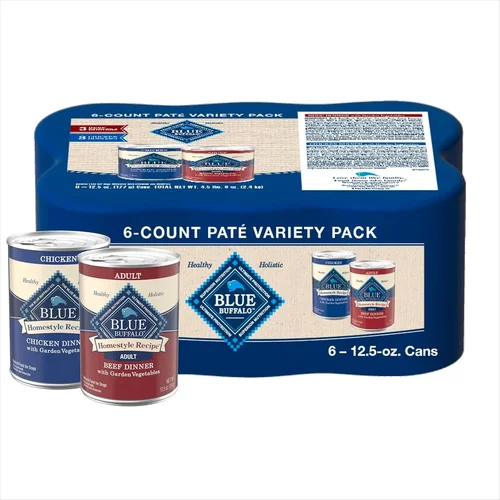
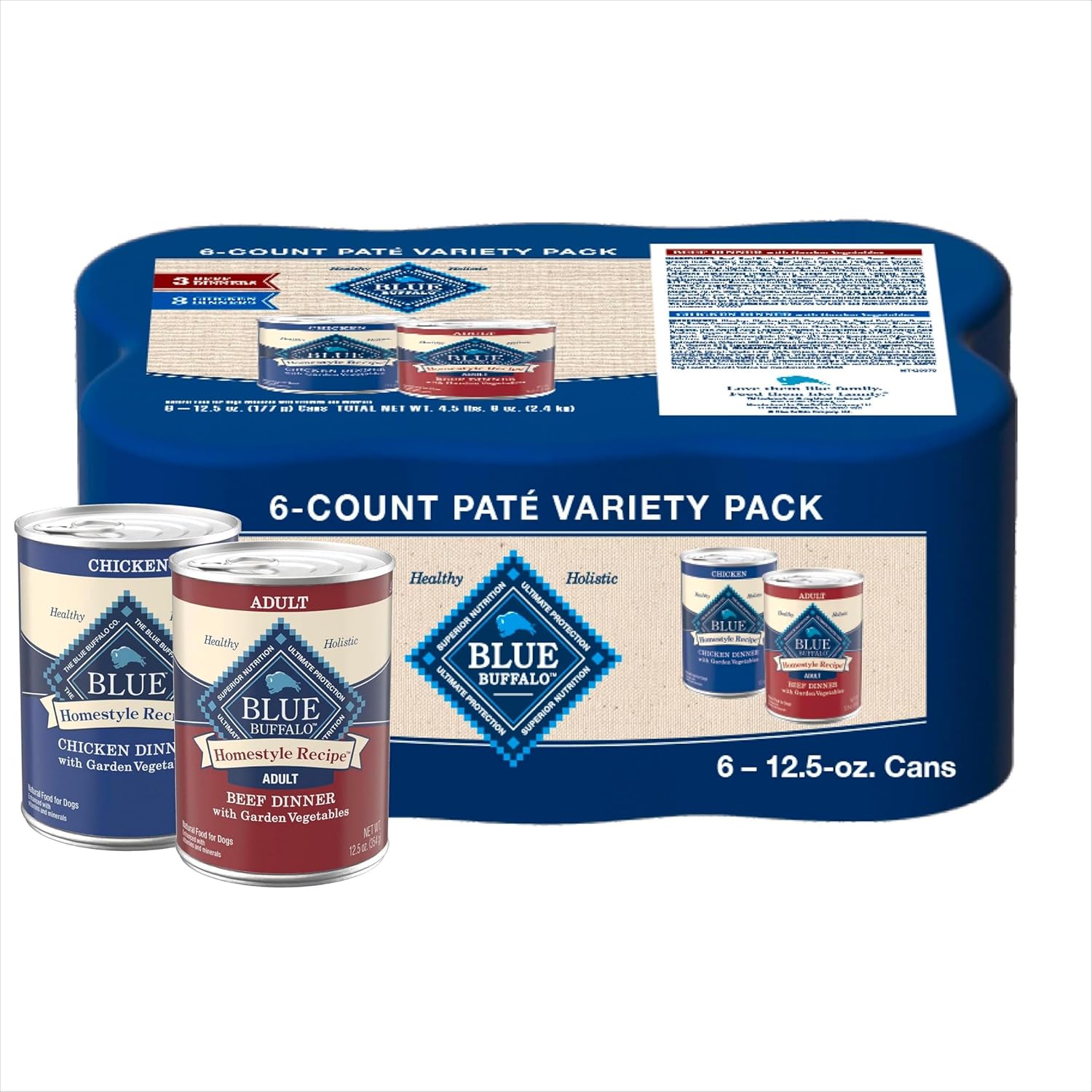
Best for Beginners: Blue Buffalo Homestyle Recipe Chicken Dinner – With recognizable ingredients, a smooth pâté texture, and a mid-range price (~$2.40/can), this is an easy transition for dogs new to wet food. Widely available and vet-recommended.
Best for Advanced Users (Allergy-Prone or Sensitive Dogs): Natural Balance L.I.D. Limited Ingredient Diets Sweet Potato & Fish Formula – This LID formula uses a single novel protein (fish) and minimal ingredients to reduce allergen exposure. Priced at $2.90 per can, it’s a trusted choice for dogs with chronic skin or digestive issues.
Conclusion: Making the Right Choice
Choosing the best canned dog food for your adult dog isn’t just about picking the shiniest label or the most expensive can—it’s about understanding your dog’s unique nutritional needs, lifestyle, and health status. By prioritizing high-quality proteins, limited and recognizable ingredients, AAFCO compliance, and proper hydration, you set the foundation for long-term vitality and happiness.
Remember, there’s no one-size-fits-all solution. What works for your neighbor’s Labrador may not suit your senior Shih Tzu. Take the time to read labels, compare options, and observe how your dog responds—both in appetite and overall well-being. Don’t be afraid to experiment within your budget, and always consult your veterinarian when in doubt.
Ultimately, the best canned dog food is the one your dog loves, digests well, and thrives on. With the knowledge from this guide, you’re now equipped to make a confident, informed decision that supports your dog’s health for years to come. Happy feeding!