
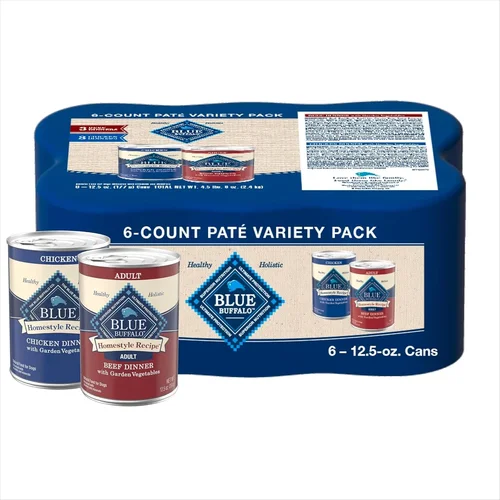
Finding the right canned dog food for your big dog doesn’t have to mean emptying your wallet. Large breed dogs—think Labs, German Shepherds, Golden Retrievers, and Mastiffs—have unique nutritional needs that go beyond just portion size. They require balanced protein levels to support muscle maintenance, joint-friendly ingredients like glucosamine and chondroitin, and controlled calorie density to prevent obesity, which can strain their hips and spine. Yet, many pet owners assume that “big dog = expensive food,” leading them to either overspend on premium brands or settle for low-quality fillers that do more harm than good.
This guide is designed to cut through the noise and help you make a smart, budget-conscious decision without compromising your dog’s health. Whether you’re feeding a growing puppy, an active adult, or a senior giant breed, we’ll walk you through exactly what to look for in affordable canned dog food—what ingredients matter most, how to decode labels, and where to find real value. You’ll learn how to balance cost with quality, avoid common pitfalls, and identify products that deliver nutrition, palatability, and digestive support at a price that fits your monthly pet budget.
The market for canned dog food has exploded in recent years, with dozens of brands flooding shelves and online stores with promises of “premium,” “grain-free,” or “vet-approved” formulas. But not all claims are created equal—and when you’re feeding a 70- or 100-pound dog, even small savings per can add up fast. Our goal is to empower you with expert-level knowledge so you can confidently choose a product that meets your dog’s dietary needs while keeping your grocery bill manageable. From understanding AAFCO standards to spotting hidden costs in marketing gimmicks, this guide covers everything you need to know to feed your large dog well—without breaking the bank.
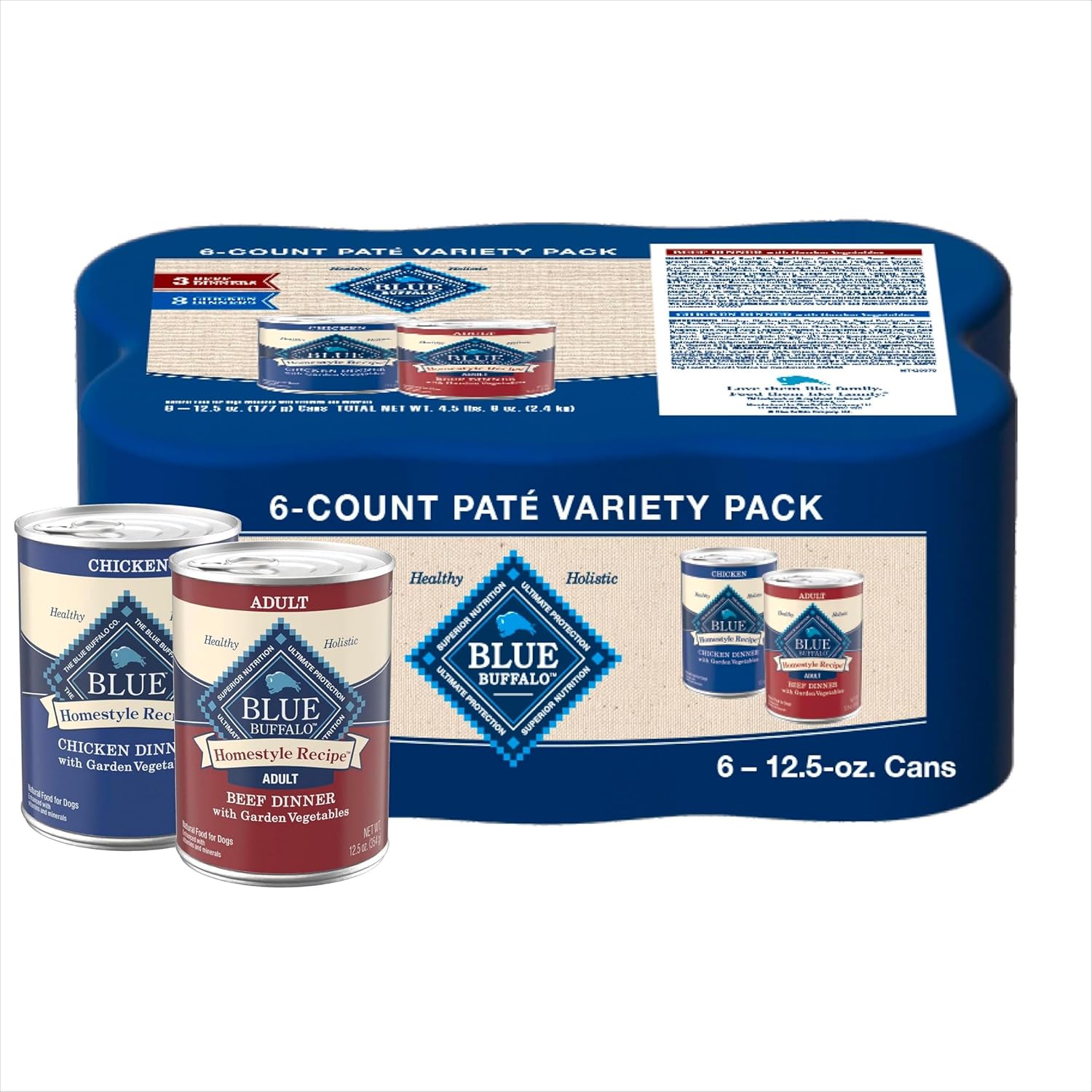
What to Look for When Buying Buying Guide
1. Protein Source and Quality
For large breed dogs, protein isn’t just about quantity—it’s about quality and digestibility. Look for named animal proteins as the first ingredient, such as “chicken,” “beef,” or “salmon,” rather than vague terms like “meat meal” or “animal by-products.” Whole meats provide complete amino acid profiles essential for muscle maintenance, especially in active or aging big dogs. Avoid formulas where plant-based proteins (like pea protein or corn gluten meal) dominate the top ingredients, as these are less bioavailable and may not support optimal muscle health.
Additionally, aim for a protein content between 25% and 30% on a dry matter basis—this ensures adequate support without overloading the kidneys, which is especially important for older large breeds. If your dog has food sensitivities, consider novel proteins like duck or venison, which are less likely to trigger allergic reactions.
2. Fat Content and Essential Fatty Acids
Fat provides concentrated energy and supports skin, coat, and brain health. For big dogs, a fat content of 12% to 18% (dry matter basis) is ideal—enough to fuel activity without contributing to weight gain. Look for named fat sources like “chicken fat” or “salmon oil,” which are rich in omega-3 and omega-6 fatty acids. These help reduce inflammation, support joint health, and promote a shiny coat.
Avoid foods listing “generic animal fat” or vegetable oils high in omega-6 without balancing omega-3s, as this can lead to chronic inflammation. Dogs with arthritis or hip dysplasia benefit greatly from EPA and DHA found in fish oils, so prioritize formulas that include these ingredients explicitly.
3. Joint Support Ingredients
Large and giant breed dogs are genetically predisposed to joint issues like hip dysplasia and osteoarthritis. Canned foods that include glucosamine, chondroitin sulfate, and MSM (methylsulfonylmethane) offer proactive support for cartilage health and mobility. While these aren’t always listed in the guaranteed analysis, check the ingredient list for sources like “green-lipped mussel,” “shark cartilage,” or added supplements.
Some budget-friendly brands now include these compounds even in mid-tier lines—look for them in the fine print. If your dog is already showing signs of stiffness or reluctance to climb stairs, a food with added joint support can significantly improve quality of life.
4. Carbohydrate Sources and Fiber
Carbohydrates should come from digestible, low-glycemic sources like sweet potatoes, peas, or oats—not corn, wheat, or soy, which are common fillers and allergens. These complex carbs provide sustained energy and help regulate blood sugar, which is crucial for preventing obesity in less active large breeds.
Fiber content should be moderate (around 3% to 5% dry matter), primarily from sources like pumpkin, beet pulp, or flaxseed. Adequate fiber supports healthy digestion and can help manage weight by promoting satiety. Avoid foods with excessive fiber from low-quality sources like cellulose, which offers little nutritional value.
5. Moisture Content and Hydration Benefits
Canned dog food typically contains 70% to 80% water, making it an excellent way to boost your dog’s hydration—especially important for large dogs who may not drink enough water on their own. Proper hydration supports kidney function, urinary tract health, and digestion.
For dogs prone to urinary crystals or kidney issues, wet food can be a game-changer. Even healthy big dogs benefit from the added moisture, particularly in dry climates or during winter months when indoor heating reduces ambient humidity. Choose formulas with high moisture content and avoid those with added sugars or artificial thickeners that dilute nutritional value.
6. Additive-Free and Natural Ingredients
Artificial preservatives like BHA, BHT, and ethoxyquin have been linked to health concerns in dogs, including liver stress and allergic reactions. Opt for canned foods preserved naturally with mixed tocopherols (vitamin E) or rosemary extract. Similarly, avoid artificial colors, flavors, and sweeteners—these offer no nutritional benefit and may trigger sensitivities.
Look for “no artificial preservatives” or “naturally preserved” on the label. While some budget brands still use synthetic additives to extend shelf life, many affordable options now offer clean ingredient panels. Reading the full ingredient list is essential—don’t rely solely on front-label claims.
7. AAFCO Compliance and Life Stage Appropriateness
Always verify that the food meets AAFCO (Association of American Feed Control Officials) standards for your dog’s life stage—“growth,” “maintenance,” or “all life stages.” This ensures the formula provides complete and balanced nutrition. For large breed puppies, choose foods specifically labeled for “large breed growth” to avoid excessive calcium and phosphorus, which can cause skeletal abnormalities.
Even if a food is labeled “for all life stages,” check whether it’s suitable for your dog’s size and age. Some “all life stages” formulas may not provide the right nutrient ratios for giant breeds. The AAFCO statement is usually found on the back or side of the can—don’t skip this step.
8. Price Per Ounce and Feeding Efficiency
When comparing canned dog food, don’t just look at the total can price—calculate the cost per ounce. A $2.50 can that’s 13 ounces costs about $0.19/oz, while a $1.80 can that’s only 5.5 ounces costs $0.33/oz. Large dogs eat more, so small cans can quickly become expensive.
Also consider how many cans your dog needs per day. A 100-pound dog may require 4–6 cans daily, so even a $0.10 difference per can adds up to $12–$18 extra per month. Look for value packs or bulk discounts, and compare subscription services that offer recurring savings. Some brands also offer larger 12.5- or 13-ounce cans at a lower per-ounce cost.
Different Types of Buying Guide

Common Buying Mistakes to Avoid

❌ Mistake: Choosing Based Solely on Price
Why it’s bad: The cheapest canned dog food often relies on fillers, by-products, and artificial additives that offer little nutritional value. Over time, this can lead to digestive issues, dull coats, weight gain, and even long-term health problems like kidney strain or joint deterioration.
What to do instead: Focus on cost per ounce and ingredient quality. A slightly more expensive can with real meat and no fillers may actually save you money on vet bills down the line. Compare labels, not just price tags.
❌ Mistake: Ignoring the AAFCO Statement
Why it’s bad: Without AAFCO compliance, you can’t be sure the food provides complete and balanced nutrition. Some budget brands market themselves as “natural” or “premium” but fail to meet nutritional standards, leaving your dog deficient in key vitamins or minerals.
What to do instead: Always check for the AAFCO statement on the packaging. It should clearly state whether the food is formulated for your dog’s life stage and whether it meets nutritional adequacy standards through feeding trials or formulation.
❌ Mistake: Overlooking Moisture Content for Hydration
Why it’s bad: Large dogs are prone to dehydration, especially if they don’t drink enough water. Dry kibble alone may not provide sufficient hydration, increasing the risk of urinary tract infections and kidney stones.
What to do instead: Prioritize canned food with high moisture content (70%+) to support kidney and urinary health. Even mixing a little wet food into dry kibble can significantly improve hydration.
❌ Mistake: Feeding “All Life Stages” to Large Breed Puppies
Why it’s bad: Large breed puppies grow rapidly, and excessive calcium and phosphorus can lead to developmental orthopedic diseases like osteochondrosis. “All life stages” foods often have higher mineral levels unsuitable for giant breeds.
What to do instead: Choose a formula specifically labeled for “large breed puppies” or “large breed growth.” These have controlled calcium levels (0.8–1.2%) to support steady, healthy bone development.
❌ Mistake: Not Transitioning Gradually
Why it’s bad: Switching dog food abruptly—even to a better brand—can cause digestive upset, diarrhea, or vomiting, especially in sensitive large breeds.
What to do instead: Transition over 7–10 days by mixing increasing amounts of the new food with the old. Start with 25% new food and 75% old, then gradually increase to 100% new food by day 10.
❌ Mistake: Buying Based on Marketing Claims
Why it’s bad: Terms like “premium,” “natural,” or “holistic” are not regulated and can be used misleadingly. A food labeled “grain-free” might still contain low-quality starches like tapioca or lentils as fillers.
What to do instead: Read the ingredient list and guaranteed analysis. Look for real meat first, recognizable ingredients, and avoid vague terms like “meat meal” or “animal digest.”
❌ Mistake: Neglecting Portion Control
Why it’s bad: Large dogs are prone to obesity, which exacerbates joint problems and shortens lifespan. Overfeeding—even healthy food—leads to weight gain and related health issues.
What to do instead: Follow the feeding guidelines on the can based on your dog’s weight and activity level. Adjust portions based on body condition, and use a kitchen scale for accuracy. Consult your vet if unsure.
Budget Guidelines: How Much Should You Spend?
Feeding a large dog doesn’t have to drain your wallet—but it does require smart budgeting. The key is understanding what you’re paying for and where you can safely cut costs without sacrificing nutrition. Below is a breakdown of price tiers to help you find the best value for your dog’s needs.
Entry-Level ($0.15 – $0.25 per ounce): This tier includes store brands like Walmart’s Pure Balance, Target’s Kindfull, or Kroger’s Abound. These foods often meet AAFCO standards and use named meats, but may include some fillers like corn gluten meal or soy. They’re a good option for budget-conscious owners who read labels carefully. Expect decent palatability and basic nutrition, but limited joint support or premium ingredients. Ideal for healthy adult dogs with no sensitivities.
Mid-Range ($0.25 – $0.40 per ounce): This is the sweet spot for most large dog owners. Brands like Wellness CORE Grain-Free, Blue Buffalo Wilderness, and Nutro Ultra offer high meat content, natural preservatives, and added supplements like glucosamine. These foods typically avoid artificial additives and use quality carbohydrate sources. You’ll find better ingredient transparency and more consistent quality. Great for active dogs, those with mild sensitivities, or owners wanting a balance of affordability and nutrition.
Premium ($0.40 – $0.60 per ounce): At this level, you’re paying for superior sourcing, novel proteins, and advanced formulations. Brands like Merrick, Taste of the Wild, and Canidae Pure often include human-grade ingredients, probiotics, and superfoods like blueberries or kale. These foods are ideal for dogs with allergies, digestive issues, or high energy demands. While more expensive, they can reduce vet visits and improve overall health over time.
Luxury ($0.60+ per ounce): These are top-tier, often limited-ingredient or raw-inspired wet foods from brands like The Honest Kitchen, Open Farm, or Ziwi Peak. They use ethically sourced meats, air-dried or freeze-dried components, and minimal processing. While excellent for picky eaters or dogs with complex health needs, they’re not necessary for most pets and can be cost-prohibitive for large breeds who eat multiple cans daily.

Expert Tips for Getting the Best Deal
- Buy in Bulk or Subscribe: Many online retailers like Chewy, Amazon, and Petco offer discounts for auto-shipping or bulk purchases. Subscribing to a recurring delivery can save 10–15% off retail price and ensure you never run out.
- Watch for Seasonal Sales: Major pet food sales happen around Black Friday, Cyber Monday, and back-to-school season (August). Stock up during these periods, but only buy what your dog can consume before expiration.
- Compare Unit Prices: Always check the price per ounce, not the total can price. A larger can may seem more expensive but often offers better value. Use your phone’s calculator to compare options quickly.
- Check Local Warehouse Clubs: Costco, Sam’s Club, and BJ’s often carry large multi-packs of name-brand wet dog food at discounted rates. A 24-can case of Wellness or Blue Buffalo can cost 20–30% less than buying individually.
- Use Cashback and Rewards Programs: Apps like Rakuten, Honey, or Ibotta offer cashback on pet food purchases. Combine these with store loyalty programs for maximum savings.
- Read Return Policies: If your dog refuses a new food, you want to be able to return it. Chewy and Petco have generous return policies, while some smaller retailers may not accept opened cans.
- Test Small Quantities First: Before committing to a large case, buy a single can or small pack to see if your dog likes it and tolerates it well. Digestive upset or refusal to eat wastes money.
- Look for Manufacturer Coupons: Brands like Purina, Hill’s, and Royal Canin often offer digital coupons on their websites or through vet offices. These can stack with store sales for extra savings.

Frequently Asked Questions
Q: Can I feed my large dog only canned food?
A: Yes, but it’s important to ensure the food is complete and balanced (AAFCO-compliant) and that you’re feeding the correct amount. Canned food is more expensive per calorie than dry kibble, so feeding exclusively wet food can be costly for large breeds. Many owners mix wet and dry to balance cost, hydration, and nutrition.
Q: Is grain-free canned dog food better for big dogs?
A: Not necessarily. Grain-free diets were once thought to be healthier, but recent studies suggest they may be linked to dilated cardiomyopathy (DCM) in some dogs, especially when legumes like peas or lentils are used as primary ingredients. Unless your dog has a diagnosed grain allergy, whole grains like oats or barley can be healthy, digestible sources of energy.
Q: How much canned food should I feed my 80-pound dog?
A: Feeding guidelines vary by brand and calorie density, but as a general rule, an 80-pound dog needs about 3.5 to 5 cans (13 oz each) per day. Check the label for specific recommendations based on weight and activity level. Adjust portions based on your dog’s body condition— ribs should be felt but not seen.
Q: Can canned dog food cause diarrhea?
A: Yes, especially if introduced too quickly or if the food contains ingredients your dog is sensitive to. Sudden diet changes are a common cause. Transition gradually over 7–10 days and monitor stool quality. If diarrhea persists, consult your vet—it could indicate a food intolerance or underlying health issue.
Q: Is it safe to leave canned dog food out?
A: No. Once opened, wet food should be refrigerated and used within 3–5 days. Leaving it out at room temperature for more than 2 hours can promote bacterial growth, especially in warm environments. Always cover unused portions and store in the fridge.
Q: Are store-brand canned dog foods safe?
A: Many store brands are safe and nutritionally adequate, especially if they meet AAFCO standards and use named meat sources. However, quality can vary, so read labels carefully. Some store brands are manufactured by the same companies that produce name-brand foods, offering similar quality at a lower price.
Q: Can I feed my senior large dog the same food as my adult dog?
A: Not always. Senior dogs often benefit from lower-calorie, higher-fiber foods with added joint support and easier-to-digest proteins. Look for formulas labeled “senior” or “mature” that include glucosamine, reduced phosphorus, and antioxidants. Consult your vet for personalized recommendations.
Q: Does canned dog food help with bad breath?
A: Not directly. Bad breath in dogs is usually caused by dental disease, not diet. However, wet food doesn’t provide the mechanical abrasion that dry kibble does, so it may contribute to plaque buildup if dental care is neglected. Regular brushing and dental chews are more effective for oral health.
Q: Can I mix different brands of canned dog food?
A: Yes, as long as both foods are complete and balanced. Mixing brands or flavors can add variety and prevent pickiness. However, avoid frequent drastic changes, as this can upset your dog’s stomach. Stick to gradual transitions when switching.
Q: Is it worth paying more for organic or human-grade canned dog food?
A: It depends on your budget and your dog’s needs. Organic and human-grade foods often use higher-quality ingredients and stricter sourcing standards, which can be beneficial for dogs with allergies or sensitivities. However, they’re not necessary for all dogs, and many mid-tier brands offer excellent nutrition at a lower cost.
Our Final Recommendations
Best for Budget-Conscious Buyers: Pure Balance Grain-Free Chicken & Vegetable Recipe (Walmart) – At around $0.18 per ounce, this store brand offers real chicken as the first ingredient, no artificial preservatives, and AAFCO compliance. It’s a solid choice for healthy adult large dogs on a tight budget.
Best Overall Value: Wellness CORE Grain-Free Original Turkey & Chicken – Priced at approximately $0.32 per ounce, this formula delivers high protein (34% dry matter), named meats, and added glucosamine. It’s widely available, palatable, and trusted by veterinarians.
Best Premium Option: Merrick Grain-Free Real Texas Beef + Sweet Potato – At $0.45 per ounce, this food uses deboned beef as the primary ingredient, includes probiotics for digestion, and is free from grains, corn, and soy. Ideal for dogs with sensitivities or high energy needs.
Best for Beginners: Blue Buffalo Wilderness High Protein Chicken – With clear labeling, strong brand reputation, and a balanced formula, this is an easy first choice for new dog owners. At $0.38 per ounce, it offers good quality without overwhelming complexity.
Best for Advanced Users: Canidae Pure Limited Ingredient Salmon & Sweet Potato – Designed for dogs with food intolerances, this formula uses a single animal protein and minimal ingredients. At $0.42 per ounce, it’s a top pick for owners managing allergies or digestive issues.
Conclusion: Making the Right Choice
Choosing the best canned dog food for your big dog doesn’t have to be a stressful or expensive decision. By focusing on key factors like protein quality, joint support, moisture content, and AAFCO compliance, you can find a nutritious, affordable option that keeps your dog healthy and happy. Avoid common pitfalls like buying based on price alone or ignoring ingredient lists, and always prioritize your dog’s individual needs—whether they’re a growing puppy, an active adult, or a senior with mobility concerns.
Remember, the cheapest option isn’t always the best value, and the most expensive isn’t always necessary. The sweet spot lies in balancing cost, quality, and your dog’s specific requirements. Use the tips in this guide to compare products, spot deals, and make informed choices that support long-term health. And don’t forget to involve your veterinarian—especially if your dog has health conditions or dietary restrictions.
Your big dog deserves the best care you can provide, and that includes thoughtful nutrition. With the right knowledge and a little planning, you can feed them well without overspending. Start by evaluating your current food against the criteria in this guide, and consider trying one of our recommended options. Your dog’s energy, coat, digestion, and overall vitality will thank you.