
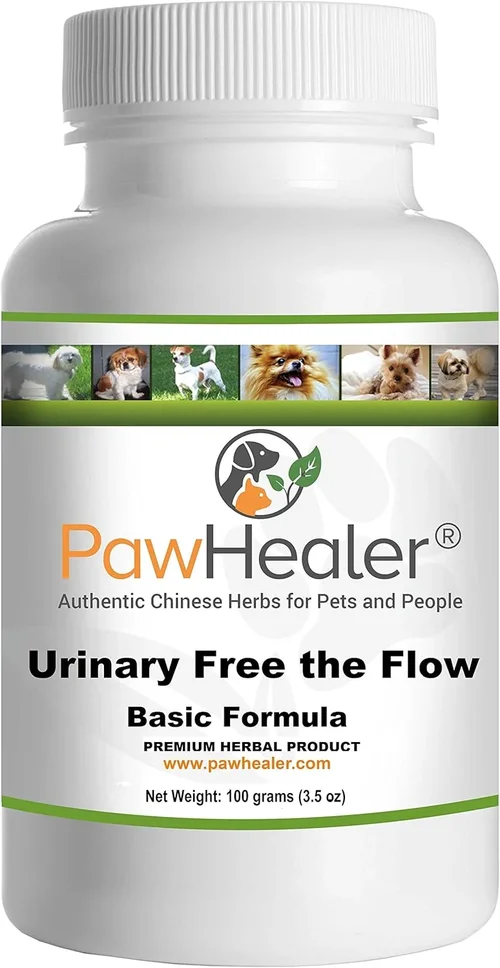
When your dog is diagnosed with bladder stones—also known as urolithiasis—it can be a stressful and confusing time for any pet parent. These mineral formations in the urinary tract can cause pain, frequent urination, blood in the urine, and even life-threatening blockages, especially in male dogs. While veterinary treatment is essential, diet plays a crucial role in both managing existing stones and preventing recurrence. In fact, nutritional therapy is often the cornerstone of long-term care for dogs prone to this condition.
That’s where choosing the right canned dog food becomes critical. Unlike dry kibble, high-moisture canned foods help increase urine volume and dilute mineral concentration, reducing the risk of stone formation. But not all wet dog foods are created equal—especially when it comes to supporting urinary health. With hundreds of brands and formulas on the market, it’s easy to feel overwhelmed. That’s why this comprehensive guide exists: to cut through the noise and help you make an informed, confident decision based on science, veterinary recommendations, and real-world results.
In this expert-level buying guide, you’ll learn everything you need to know about selecting the best canned dog food for bladder stones in 2026. We’ll walk you through the key nutritional factors that matter most—like protein source, mineral content, pH balance, and moisture levels—and explain how each impacts urinary health. You’ll also discover the different types of prescription and over-the-counter urinary diets, compare top-rated brands, avoid common pitfalls, and get actionable tips to save money without sacrificing quality. Whether you’re managing struvite, calcium oxalate, or another type of stone, this guide will empower you to choose a food that supports your dog’s recovery and long-term wellness.
The market for therapeutic and urinary-support dog foods has evolved significantly in recent years. Veterinary-prescribed diets remain the gold standard for active stone dissolution and prevention, but reputable over-the-counter options now offer science-backed formulations that can be effective for maintenance or mild cases—especially when used under vet supervision. Major pet food companies like Hill’s, Royal Canin, Purina, and Blue Buffalo have expanded their urinary health lines, while niche brands like Nom Nom and The Honest Kitchen have introduced fresh, moisture-rich alternatives. Meanwhile, pet parents are increasingly demanding transparency about ingredients, sourcing, and clinical efficacy. This guide cuts through marketing claims to focus on what truly matters: your dog’s health, comfort, and quality of life.

What to Look for When Buying Buying Guide
1. Urinary pH Balance
One of the most critical factors in preventing and managing bladder stones is maintaining the correct urine pH. Different types of stones form under different pH conditions. For example, struvite stones (magnesium ammonium phosphate) tend to develop in alkaline urine (pH above 7.0), while calcium oxalate stones are more likely in acidic urine (pH below 6.5). Therefore, the ideal canned dog food should help maintain a slightly acidic to neutral urine pH—typically between 6.0 and 6.5—to discourage the crystallization of minerals.
Look for foods that are specifically formulated to support urinary tract health and mention pH control on the label. Prescription diets often include controlled levels of protein, magnesium, and phosphorus, along with acidifying agents like DL-methionine. Over-the-counter options may use natural ingredients such as cranberry extract or apple cider vinegar, but their effectiveness can vary. Always consult your veterinarian to determine your dog’s current urine pH and the target range based on the type of stones they’ve had.
2. Moisture Content
Canned dog food typically contains 70–85% moisture, which is significantly higher than dry kibble (usually 10–12%). This increased water intake is one of the primary reasons wet food is recommended for dogs with bladder stones. More water in the diet leads to more frequent urination and diluted urine, which reduces the concentration of stone-forming minerals like calcium, magnesium, and phosphate.
For dogs prone to urinary issues, veterinarians often recommend feeding exclusively wet food or mixing it with dry kibble to boost hydration. When comparing canned foods, check the guaranteed analysis on the label—higher moisture content is generally better, but ensure the food still provides complete and balanced nutrition. Some low-quality canned foods may have high water content but lack essential nutrients, so balance is key.
3. Controlled Mineral Levels
Excess minerals—particularly magnesium, phosphorus, and calcium—can contribute to the formation of bladder stones. Struvite stones are directly linked to high levels of magnesium and phosphorus, while calcium oxalate stones are associated with elevated calcium and sometimes oxalate. Therefore, the best canned dog foods for bladder stones will have tightly controlled mineral content.
Prescription urinary diets are formulated to limit these minerals to safe, therapeutic levels. For example, Hill’s Prescription Diet c/d Multicare has reduced magnesium and phosphorus, while Royal Canin Urinary SO features controlled calcium and low oxalate levels. Even over-the-counter urinary support foods should list mineral content clearly. Avoid foods with added mineral supplements unless specifically recommended by your vet. Also, be cautious with high-calcium treats or supplements, as they can disrupt the balance.
4. High-Quality, Digestible Protein
Protein plays a dual role in urinary health. On one hand, excessive protein can increase the workload on the kidneys and alter urine pH. On the other hand, high-quality, easily digestible protein is essential for maintaining muscle mass, immune function, and overall health—especially in dogs recovering from surgery or illness.
The key is balance. Look for canned foods that use named animal proteins (like chicken, turkey, or salmon) as the first ingredient, and avoid those with vague terms like “meat meal” or “by-product meal.” Moderate protein levels (around 25–30% on a dry matter basis) are typically ideal for urinary support diets. Some prescription foods, like Purina Pro Plan Veterinary Diets UR Urinary St/Ox, are designed with highly digestible proteins to minimize nitrogen waste and support kidney function.
5. Added Urinary Support Ingredients
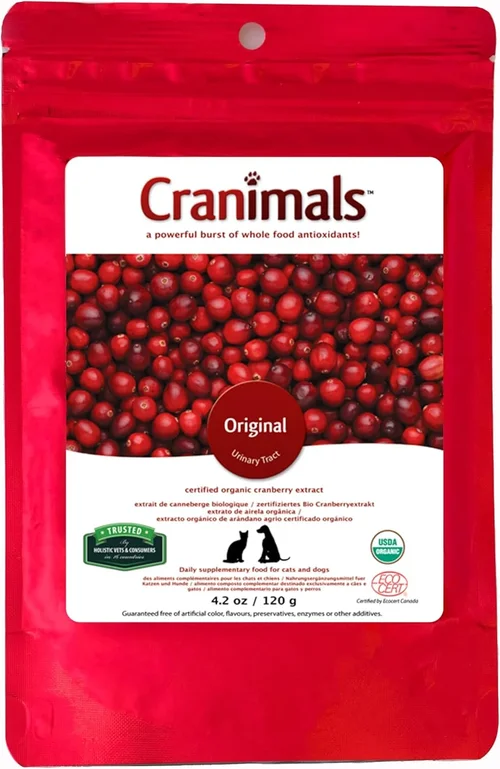
Beyond basic nutrition, some canned dog foods include functional ingredients that actively support urinary tract health. These can include cranberry extract (which may help prevent bacterial adhesion to the bladder wall), omega-3 fatty acids (for anti-inflammatory effects), and antioxidants (to support immune function).
Cranberry is particularly popular in over-the-counter urinary formulas, though scientific evidence in dogs is limited compared to humans. Still, it’s generally safe and may offer mild benefits. Omega-3s from fish oil can help reduce inflammation in the urinary tract, which is helpful for dogs with chronic cystitis or recurrent infections. Antioxidants like vitamin E and beta-carotene support cellular health and may reduce oxidative stress in the bladder lining.
When evaluating these additives, check the ingredient list for specific amounts or standardized extracts. Avoid foods that rely on artificial preservatives, colors, or flavors, as these can irritate sensitive systems.
6. Brand Reputation & Veterinary Backing
Not all pet food brands are created equal when it comes to scientific rigor and clinical validation. The most reliable canned dog foods for bladder stones are those developed with input from veterinary nutritionists and backed by research. Prescription diets from companies like Hill’s Science Diet, Royal Canin, and Purina Veterinary Diets have undergone extensive testing and are often used in clinical settings to dissolve stones and prevent recurrence.
Over-the-counter brands like Blue Buffalo, Wellness, and Nutro have also introduced urinary health formulas, but their efficacy may not be as well-documented. Look for brands that provide detailed nutritional profiles, feeding guidelines, and customer support. Transparency about sourcing, manufacturing practices, and ingredient quality is also a good sign. Avoid obscure or boutique brands that make bold claims without evidence.
Additionally, consider whether the brand offers a satisfaction guarantee or works with veterinarians. Some companies provide free consultations or feeding trials, which can be helpful when transitioning your dog to a new diet.
7. Palatability & Digestibility
Even the most scientifically sound diet won’t help if your dog refuses to eat it. Palatability is crucial, especially for dogs who may already be feeling unwell due to bladder stones. Canned foods are generally more aromatic and flavorful than dry kibble, which can encourage eating in picky or stressed pets.
Look for foods with natural flavors and high moisture content, which enhance taste and texture. Some dogs prefer pâté-style formulas, while others enjoy chunks in gravy or shredded meat. If your dog has a sensitive stomach, choose a formula with limited ingredients and no common allergens like wheat, soy, or artificial additives.
Digestibility is equally important. A food that’s easy to digest reduces the metabolic load on the kidneys and ensures your dog absorbs nutrients efficiently. High digestibility also means less waste and more consistent bowel movements, which can be a sign of good gut health. Brands like Nom Nom and The Honest Kitchen use fresh, human-grade ingredients that are gently cooked to preserve nutrients and enhance digestibility.
8. Availability & Cost
Managing bladder stones is often a long-term commitment, so the cost and availability of your chosen canned dog food matter. Prescription diets can be expensive—ranging from $2 to $4 per can—and may require a vet’s authorization, which can limit where you buy them. However, many veterinary clinics now offer online ordering and subscription services to make refills easier.
Over-the-counter urinary support foods are more widely available at pet stores, supermarkets, and online retailers like Chewy, Amazon, and Petco. Prices vary, but you can expect to pay $1.50 to $3 per can for reputable brands. While these options are more accessible, they may not be as effective for active stone dissolution.
Consider your budget and feeding frequency. A 12.5-ounce can typically feeds a 20–30 pound dog for one meal, so a 12-can case may last a week or two depending on your dog’s size. Look for bulk discounts, auto-ship programs, or loyalty rewards to save money over time. Also, check return policies in case your dog doesn’t tolerate the food well.
Different Types of Buying Guide

Common Buying Mistakes to Avoid
❌ Mistake: Choosing Based on Price Alone
Why it’s bad: While budget is important, the cheapest canned dog food may lack the precise nutritional balance needed for urinary health. Low-cost brands often use fillers, by-products, and high mineral content, which can worsen bladder stone formation.
What to do instead: Prioritize value over cost. Look for foods that offer the right pH control, mineral levels, and moisture content—even if they’re slightly more expensive. Consider the long-term savings from preventing costly vet visits and surgeries.
❌ Mistake: Ignoring the Type of Bladder Stone
Why it’s bad: Different stones require different dietary approaches. Feeding a struvite-targeted diet to a dog with calcium oxalate stones can be ineffective or even harmful.
What to do instead: Always confirm the stone type through veterinary analysis (via urinalysis, X-rays, or stone culture). Work with your vet to select a food tailored to your dog’s specific condition.
❌ Mistake: Switching Foods Too Quickly
Why it’s bad: Sudden diet changes can upset your dog’s digestive system and alter urine pH unpredictably, potentially triggering stone formation.
What to do instead: Transition gradually over 7–10 days, mixing increasing amounts of the new food with the old. Monitor your dog’s urine output and behavior during the switch.
❌ Mistake: Overlooking Water Intake
Why it’s bad: Even the best canned food won’t help if your dog isn’t drinking enough water. Dehydration concentrates urine and increases stone risk.
What to do instead: Encourage hydration by providing fresh water at all times, using a pet water fountain, or adding low-sodium broth to meals. Wet food helps, but it’s not a substitute for drinking.
❌ Mistake: Relying Solely on Over-the-Counter Diets for Active Stones
Why it’s bad: OTC urinary foods are not designed to dissolve existing stones. Using them in place of prescription diets can delay effective treatment.
What to do instead: Use OTC formulas only for maintenance or prevention under vet guidance. For active stones, follow your vet’s prescription diet plan strictly.
❌ Mistake: Not Monitoring Progress
Why it’s bad: Bladder stones can recur silently. Without regular check-ups, you may not realize the diet isn’t working until a blockage occurs.
What to do instead: Schedule follow-up vet visits every 3–6 months for urinalysis and imaging. Keep a log of your dog’s symptoms, appetite, and water intake.
❌ Mistake: Feeding Treats That Undermine the Diet
Why it’s bad: High-mineral or high-protein treats can counteract the benefits of a urinary diet, especially if given frequently.
What to do instead: Choose vet-approved treats that are low in magnesium, phosphorus, and calcium. Options include small pieces of cooked chicken, green beans, or specially formulated urinary treats.
Budget Guidelines: How Much Should You Spend?
- Entry-Level ($1.50–$2.20 per can): These are typically over-the-counter urinary support foods from mainstream brands. While more affordable and accessible, they may lack the precise mineral control and clinical backing of prescription diets. Best for low-risk dogs or maintenance after stone resolution.
- Mid-Range ($2.20–$3.00 per can): This is the sweet spot for most pet parents. You’ll find reputable OTC brands with good ingredient quality, added urinary support ingredients, and decent palatability. Some mid-range options are nearly as effective as prescriptions for prevention.
- Premium ($3.00–$4.00 per can): Includes top-tier prescription diets and high-end OTC formulas. These offer the most accurate nutritional profiles, extensive research backing, and excellent digestibility. Ideal for dogs with a history of stones or those at high risk.
- Luxury ($4.00+ per can): Fresh, refrigerated, or custom-formulated diets from companies like Nom Nom or JustFoodForDogs. These are minimally processed, human-grade, and highly palatable, but come at a significant cost. Best for dogs with multiple health issues or owners seeking the highest quality.

Expert Tips for Getting the Best Deal
- Buy in Bulk: Purchasing cases of 12 or 24 cans often reduces the per-can cost by 10–20%. Check for free shipping thresholds on sites like Chewy or Petco.
- Use Auto-Ship Programs: Most online retailers offer 5–15% off for recurring deliveries. This also ensures you never run out of critical medication food.
- Look for Vet Clinic Promotions: Some clinics run seasonal sales or offer loyalty points for prescription food purchases.
- Compare Dry Matter Basis: Since canned foods vary in moisture, compare protein, fat, and mineral levels on a dry matter basis to make fair comparisons.
- Check Return Policies: If your dog refuses the food or has an adverse reaction, you’ll want the option to return or exchange it. Most reputable brands offer satisfaction guarantees.
- Ask for Samples: Some vets provide free samples of prescription diets to test palatability before committing.
- Monitor Sales Cycles: Pet food sales often occur around holidays (e.g., Black Friday, Memorial Day) or during seasonal transitions. Stock up when prices drop.
- Combine with Insurance: Pet insurance plans may cover part of the cost of therapeutic diets, especially if prescribed for a diagnosed condition.

Frequently Asked Questions
Q: Can canned dog food dissolve bladder stones?
A: Yes, but only specific prescription diets are clinically proven to dissolve struvite stones over time (usually 1–3 months). These foods work by altering urine pH and reducing mineral concentration. They are not effective for calcium oxalate or other stone types, which often require surgical removal.
Q: How long should my dog stay on a urinary diet?
A: It depends on the stone type and your dog’s risk factors. For struvite stones, dogs may stay on the diet for 1–3 months during dissolution, then transition to a maintenance formula. For calcium oxalate or recurrent cases, lifelong management with a urinary-support diet is often recommended.
Q: Can I mix canned urinary food with dry kibble?
A: Yes, but ensure the dry food is also urinary-support formulated. Mixing a therapeutic wet food with regular kibble can dilute its effectiveness. If you must mix, use a urinary dry food or consult your vet for guidance.
Q: Are grain-free diets better for bladder stones?
A: Not necessarily. Grain-free diets are beneficial for dogs with grain allergies, but grains themselves are not linked to bladder stones. Focus on mineral content, pH, and moisture instead.
Q: Can puppies eat urinary support food?
A: Most urinary diets are not suitable for puppies due to lower calorie and nutrient levels. However, some brands offer growth formulas for urinary health. Always consult your vet before feeding therapeutic diets to young dogs.
Q: What if my dog won’t eat the new food?
A: Try warming the food slightly, mixing in a small amount of low-sodium broth, or gradually transitioning over 10–14 days. If refusal persists, talk to your vet about alternative formulas or appetite stimulants.
Q: Can I make homemade urinary diet food?
A: Homemade diets can be risky without veterinary supervision. Urinary diets require precise nutrient balance, and homemade recipes often lack clinical validation. If you choose this route, work with a board-certified veterinary nutritionist.
Q: How often should I test my dog’s urine?
A: For dogs on a urinary diet, urinalysis every 3–6 months is recommended to monitor pH, mineral levels, and signs of infection. More frequent testing may be needed during active treatment.
Q: Are there natural remedies that work with canned food?
A: Some pet parents use supplements like D-mannose or probiotics, but evidence in dogs is limited. Always discuss supplements with your vet to avoid interactions or imbalances.
Q: Can stress cause bladder stones?
A: Stress doesn’t directly cause stones, but it can contribute to urinary tract infections, which increase struvite stone risk. A calm environment and consistent routine support overall urinary health.
Our Final Recommendations
- Best for Budget-Conscious Buyers: Blue Buffalo Natural Veterinary Diet W+U Weight Management + Urinary Care – Offers solid urinary support at an affordable price, with controlled minerals and added cranberry.
- Best Overall Value: Hill’s Prescription Diet c/d Multicare Canned Dog Food – Clinically proven to dissolve struvite stones and prevent recurrence, with excellent palatability and vet trust.
- Best Premium Option: Royal Canin Veterinary Diet Urinary SO Canned Dog Food – Precision-formulated for multiple stone types, with optimal pH control and high digestibility.
- Best for Beginners: Purina Pro Plan Veterinary Diets UR Urinary St/Ox Canned Dog Food – Easy to find, vet-recommended, and effective for both struvite and calcium oxalate prevention.
- Best for Advanced Users: Nom Nom Fresh Dog Food – Urinary Support Recipe – Custom-portioned, human-grade, and designed with veterinary input for optimal urinary health.
Conclusion: Making the Right Choice
Choosing the best canned dog food for bladder stones isn’t just about picking a product off the shelf—it’s about making a thoughtful, informed decision that supports your dog’s long-term health. From understanding urine pH and mineral balance to recognizing the importance of moisture and palatability, every detail matters. While prescription diets remain the gold standard for active treatment, over-the-counter and fresh options offer viable alternatives for maintenance and prevention, especially when used wisely and under veterinary guidance.
Remember, no single food is right for every dog. Your pet’s age, breed, weight, activity level, and medical history all play a role in determining the ideal diet. Work closely with your veterinarian to tailor a feeding plan that addresses your dog’s unique needs. Monitor their progress, stay consistent with feeding and hydration, and don’t hesitate to adjust if something isn’t working.
Ultimately, the goal is to give your dog the best possible quality of life—free from pain, infection, and the fear of recurrence. With the right canned food, proactive care, and a little patience, you can help your furry friend live comfortably and happily for years to come. Start today by reviewing your current diet, consulting your vet, and taking the first step toward better urinary health. Your dog deserves nothing less.