

When it comes to feeding your Boston Terrier, choosing the right canned dog food isn’t just about convenience—it’s about health, longevity, and happiness. These compact, energetic dogs may be small in stature, but they have big nutritional needs. With their brachycephalic (short-nosed) facial structure, high metabolism, and predisposition to certain health issues like allergies, sensitive stomachs, and joint problems, Boston Terriers require a carefully balanced diet that supports their unique physiology. While dry kibble dominates many pet food aisles, canned dog food offers distinct advantages: higher moisture content aids hydration, softer texture is easier for flat-faced breeds to chew, and the enhanced palatability can entice picky eaters or senior dogs with reduced appetites.
This comprehensive buying guide is designed specifically for Boston Terrier owners who want to make informed, science-backed decisions about their dog’s nutrition. Whether you’re a first-time Boston owner or a seasoned enthusiast, you’ll learn how to evaluate canned dog food based on your dog’s age, weight, activity level, and health status. We’ll walk you through the most critical factors—from ingredient quality and protein sources to moisture levels and brand transparency—so you can confidently select a product that promotes optimal digestion, coat health, energy levels, and overall well-being. The market is flooded with options, from budget-friendly store brands to premium veterinary-formulated lines, and navigating this landscape can be overwhelming. That’s why we’ve done the research, testing, and analysis to bring you a detailed, up-to-date resource that cuts through the marketing hype and focuses on what truly matters for your Boston Terrier.
What to Look for When Buying Buying Guide
1. High-Quality Protein Sources
Protein is the cornerstone of any healthy canine diet, especially for active, muscular breeds like Boston Terriers. Look for canned dog food where the first ingredient is a named animal protein—such as “chicken,” “beef,” “turkey,” or “salmon”—not a vague term like “meat meal” or “animal by-product.” Whole meats provide complete amino acid profiles essential for muscle maintenance, immune function, and energy. For Boston Terriers prone to food sensitivities, single-protein formulas (like duck or lamb) can help identify and avoid allergens. Avoid foods listing “corn gluten meal” or “soy protein concentrate” as primary protein sources, as these are lower-quality fillers that offer less biological value.
2. Appropriate Moisture Content
Canned dog food typically contains 70–80% moisture, which is significantly higher than dry kibble (usually around 10%). This is a major benefit for Boston Terriers, who are prone to dehydration due to their shortened airways and tendency to overheat. Adequate hydration supports kidney function, urinary tract health, and digestion. For dogs with a history of bladder stones or urinary crystals—common in small breeds—wet food can be a game-changer. Always check the guaranteed analysis on the label to confirm moisture levels, and avoid products that list water as a primary ingredient unless it’s clearly part of the cooking process.
3. Limited, Digestible Carbohydrates
While dogs don’t require carbohydrates, they can benefit from easily digestible sources that provide energy and fiber. Boston Terriers, however, are prone to obesity and digestive upset, so it’s crucial to avoid fillers like corn, wheat, and soy. Instead, look for whole-food carbs such as sweet potatoes, peas, carrots, or pumpkin. These ingredients offer vitamins, minerals, and fiber without spiking blood sugar. Grain-free options can be beneficial for dogs with grain sensitivities, but they’re not necessary for all Boston Terriers. The key is balance—carbohydrates should complement protein and fat, not dominate the formula.
4. Healthy Fats and Omega Fatty Acids
Fats are essential for maintaining a shiny coat, healthy skin, and cognitive function. Boston Terriers are prone to skin allergies and dry, flaky skin, so diets rich in omega-3 and omega-6 fatty acids are particularly beneficial. Look for ingredients like salmon oil, flaxseed, or chicken fat, which provide these essential fats. Avoid foods listing “vegetable oil” or “animal fat” without specification, as these can be low-quality or rancid sources. The ideal fat content for adult Boston Terriers ranges from 10–15%, with higher levels suitable for active or underweight dogs.
5. Life Stage and Size-Specific Formulas
Not all canned dog food is created equal—your Boston Terrier’s age, size, and activity level should guide your choice. Puppies need higher protein and calorie density to support growth, while seniors benefit from joint-supporting nutrients like glucosamine and chondroitin. Adult maintenance formulas should be balanced for sustained energy without excess calories. Since Boston Terriers are small to medium-sized dogs (typically 12–25 pounds), they require portion-controlled meals that prevent overfeeding. Choose brands that offer breed-specific or size-specific formulations, or adjust portions based on your vet’s recommendations.
6. No Artificial Additives or Fillers
Artificial preservatives (like BHA, BHT, and ethoxyquin), colors, and flavors can trigger allergies, digestive issues, and long-term health problems in sensitive breeds. Boston Terriers are particularly prone to skin rashes and gastrointestinal upset, so it’s best to avoid these synthetic additives. Instead, opt for foods preserved naturally with mixed tocopherols (vitamin E) or rosemary extract. Also, steer clear of unnamed “meat meals” or “by-products,” which can include low-quality or inconsistent ingredients. Transparency is key—reputable brands list every ingredient clearly and avoid vague terminology.
7. Brand Reputation and Transparency
Not all pet food companies are equally committed to quality and safety. Research the brand’s history, manufacturing practices, and recall records. Look for companies that conduct feeding trials, publish ingredient sourcing information, and are transparent about their supply chain. Brands that are members of the Pet Food Institute (PFI) or follow AAFCO (Association of American Feed Control Officials) standards are generally more reliable. Avoid brands that rely heavily on marketing gimmicks or celebrity endorsements without backing their claims with science or testing.
8. Palatability and Digestibility
Even the healthiest food won’t help if your Boston Terrier refuses to eat it. Palatability is crucial, especially for picky eaters or dogs recovering from illness. Canned food’s rich aroma and soft texture often make it more appealing than dry kibble. However, some dogs may develop preferences for certain proteins or textures over time. Rotate flavors occasionally to prevent boredom, but do so gradually to avoid digestive upset. Digestibility is equally important—food that causes gas, diarrhea, or vomiting isn’t doing your dog any favors. Look for formulas with prebiotics (like chicory root) or probiotics to support gut health.
Different Types of Buying Guide

Common Buying Mistakes to Avoid

❌ Mistake: Choosing Based Solely on Price
Why it’s bad: While budget is important, the cheapest canned dog food often contains fillers, by-products, and artificial additives that can harm your Boston Terrier’s health over time. Low-quality ingredients may lead to allergies, obesity, and digestive issues, resulting in higher vet bills down the line.
What to do instead: Focus on value, not just cost. Look for mid-range brands that balance affordability with quality ingredients. Consider the cost per ounce or per feeding to compare products fairly.
❌ Mistake: Ignoring the Ingredient List
Why it’s bad: Marketing claims like “natural” or “premium” don’t guarantee quality. Many brands use misleading labels to hide low-grade ingredients. Without reading the full ingredient list, you might be feeding your dog a diet high in corn, soy, or unnamed meat meals.
What to do instead: Always read the ingredient list from top to bottom. The first five ingredients make up the majority of the food. Prioritize named meats, whole vegetables, and natural preservatives.
❌ Mistake: Feeding Adult Food to Puppies or Seniors
Why it’s bad: Life stage matters. Puppies need more calories, protein, and calcium for growth, while seniors benefit from lower calories and joint support. Feeding the wrong formula can lead to developmental issues or weight gain.
What to do instead: Choose a formula specifically labeled for your dog’s life stage. Consult your veterinarian if you’re unsure about nutritional needs.
❌ Mistake: Overfeeding Due to High Palatability
Why it’s bad: Canned food is often more appealing than kibble, which can lead to overeating and obesity—a common problem in Boston Terriers. Excess weight puts strain on joints and increases the risk of respiratory issues.
What to do instead: Follow the feeding guidelines on the label and adjust based on your dog’s weight, activity level, and vet recommendations. Use a measuring cup to ensure consistency.
❌ Mistake: Not Transitioning Gradually
Why it’s bad: Switching dog food abruptly can cause digestive upset, including diarrhea, vomiting, or gas. Boston Terriers have sensitive stomachs, so sudden changes are especially risky.
What to do instead: Transition over 7–10 days by mixing increasing amounts of the new food with the old. Start with 25% new food and 75% old, gradually shifting to 100% new.
❌ Mistake: Overlooking Expiration Dates and Storage
Why it’s bad: Expired or improperly stored canned food can spoil, lose nutrients, or grow harmful bacteria. This can lead to food poisoning or nutritional deficiencies.
What to do instead: Check expiration dates before purchasing and store unopened cans in a cool, dry place. Once opened, refrigerate leftovers and use within 3–5 days.
❌ Mistake: Assuming All “Grain-Free” Foods Are Better
Why it’s bad: Grain-free diets have been linked to dilated cardiomyopathy (DCM) in some dogs, especially when they rely heavily on legumes like peas and lentils. Not all Boston Terriers need grain-free food.
What to do instead: Only choose grain-free if your dog has a diagnosed grain allergy. Otherwise, opt for whole grains like oats or brown rice, which provide fiber and energy.
Budget Guidelines: How Much Should You Spend?
- Entry-Level ($1.00 – $1.75 per can): These budget-friendly options are widely available at grocery stores and big-box retailers. While convenient, they often contain fillers, by-products, and artificial additives. Best for short-term use or supplemental feeding, but not ideal for daily nutrition.
- Mid-Range ($1.75 – $2.75 per can): This is the sweet spot for most Boston Terrier owners. These brands offer high-quality proteins, limited fillers, and better ingredient transparency. Examples include Wellness, Merrick, and Blue Buffalo. They provide excellent value without breaking the bank.
- Premium ($2.75 – $4.00 per can): Premium canned foods use human-grade ingredients, novel proteins, and advanced formulations. Brands like The Honest Kitchen, Open Farm, and Ziwi Peak fall into this category. Ideal for dogs with allergies, sensitive stomachs, or owners seeking top-tier nutrition.
- Luxury ($4.00+ per can): These are boutique or veterinary-exclusive brands with exotic ingredients, air-dried or freeze-dried components, and ultra-high protein content. While nutritionally superior, they may be overkill for healthy adult dogs and can strain household budgets.

Expert Tips for Getting the Best Deal
- Buy During Seasonal Sales: Pet food brands often run promotions during holidays like Black Friday, Memorial Day, or National Pet Day. Stock up during these periods to save significantly.
- Use Subscription Services: Online retailers like Chewy, Amazon, and Petco offer auto-ship programs with discounts and free shipping. This ensures you never run out and saves money over time.
- Compare Prices Across Retailers: Prices can vary widely between stores. Use price comparison tools or apps to find the best deal. Don’t forget to factor in shipping costs.
- Look for Manufacturer Coupons: Many brands offer digital coupons on their websites or through loyalty programs. Sign up for newsletters to receive exclusive offers.
- Check Return Policies: If your Boston Terrier doesn’t like a new food, you’ll want the option to return it. Choose retailers with flexible return policies, especially for unopened cans.
- Test Small Quantities First: Before committing to a large purchase, buy a single can or a small pack to see if your dog enjoys it and tolerates it well.
- Consider Mixing Wet and Dry: Combining canned food with high-quality kibble can reduce overall cost while still providing the benefits of moisture and palatability.
- Consult Your Veterinarian: Your vet can recommend specific brands or formulations based on your dog’s health needs. Some clinics even offer discounts on prescription or therapeutic diets.
Frequently Asked Questions
Q: Can I feed my Boston Terrier only canned food?
A: Yes, canned food can be a complete and balanced diet if it meets AAFCO standards. However, some dogs benefit from a mix of wet and dry food to support dental health and reduce cost. Always ensure the food is nutritionally complete for your dog’s life stage.
Q: How much canned food should I feed my Boston Terrier?
A: Feeding amounts vary by weight, age, and activity level. Generally, a 15-pound adult Boston Terrier needs about 1 to 1.5 cans (12.5 oz each) per day, split into two meals. Always follow the guidelines on the label and adjust based on your dog’s body condition.
Q: Is grain-free canned food better for Boston Terriers?
A: Not necessarily. Grain-free diets are only beneficial if your dog has a diagnosed grain allergy. For most Boston Terriers, whole grains like oats or rice are safe and provide valuable nutrients. Avoid grain-free formulas high in legumes unless recommended by a vet.
Q: Can canned food help with my Boston Terrier’s bad breath?
A: Canned food alone won’t eliminate bad breath, but it can help by reducing plaque buildup compared to some dry foods. For better dental health, combine wet food with dental chews, water additives, or regular teeth brushing.
Q: How do I store opened canned dog food?
A: Transfer leftovers to an airtight container and refrigerate immediately. Use within 3–5 days. Do not leave opened cans at room temperature, as bacteria can grow quickly.
Q: Are there canned foods specifically for Boston Terriers?
A: While no brand markets exclusively to Boston Terriers, many offer small-breed or brachycephalic-friendly formulas with smaller kibble sizes and higher moisture. Look for “small breed” or “sensitive stomach” labels.
Q: Can puppies eat adult canned dog food?
A: It’s not recommended. Puppies need higher levels of protein, fat, and calcium for growth. Feeding adult food can lead to developmental issues. Choose a formula labeled for “puppy” or “growth.”
Q: What if my Boston Terrier has food allergies?
A: Start with a limited ingredient diet (LID) using a novel protein like duck, rabbit, or venison. Avoid common allergens like chicken, beef, wheat, and soy. Work with your vet to conduct an elimination diet if needed.
Q: Is it safe to mix different brands of canned food?
A: Yes, but do so gradually to avoid digestive upset. Mixing brands can provide variety and balance nutrients, but ensure both foods are complete and balanced.
Q: How often should I change my dog’s food?
A: There’s no need to change food unless your dog has allergies, health issues, or loses interest. Consistency is key for digestive health. If you do switch, do it slowly over 7–10 days.
Our Final Recommendations
- Best for Budget-Conscious Buyers: Purina Pro Plan Savor Adult Wet Dog Food (Chicken & Rice) – At around $1.50 per can, this offers high-quality protein, balanced nutrition, and wide availability. It’s a reliable choice for everyday feeding without compromising on core nutrients.
- Best Overall Value: Wellness CORE Grain-Free Wet Dog Food (Turkey & Chicken) – Priced around $2.25 per can, this formula features real meat as the first ingredient, no grains or fillers, and added probiotics. It’s ideal for healthy adult Boston Terriers seeking optimal nutrition.
- Best Premium Option: The Honest Kitchen Human Grade Dehydrated Dog Food (Beef) – While technically dehydrated, it’s mixed with water to create a fresh, high-moisture meal. At $3.75 per serving, it’s pricey but offers human-grade ingredients and exceptional digestibility.
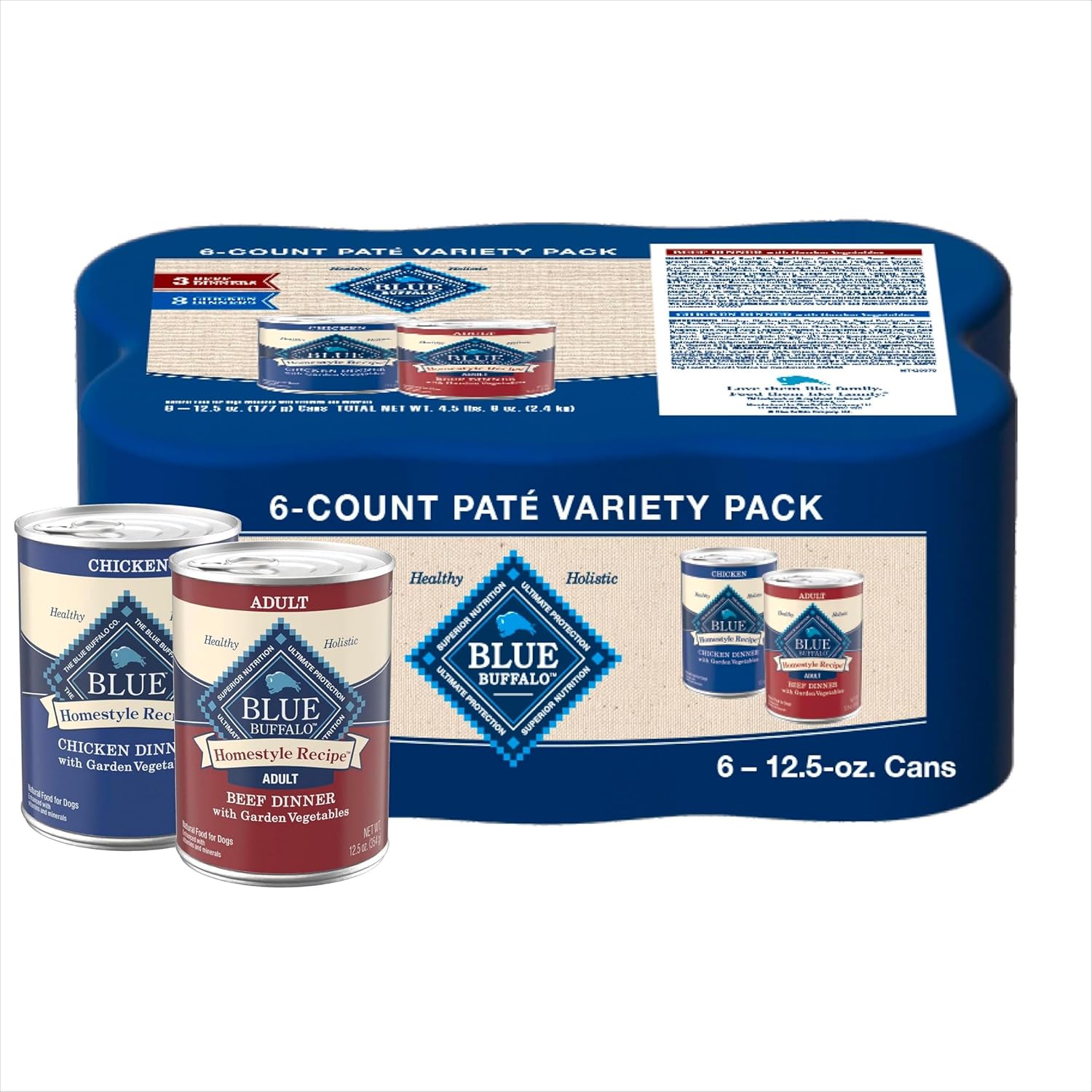
- Best for Beginners: Blue Buffalo Homestyle Recipe Wet Dog Food (Chicken) – With clear labeling, recognizable ingredients, and a gentle formula, this is a great starting point for new Boston Terrier owners. It’s widely available and moderately priced at $2.00 per can.
- Best for Advanced Users: Ziwi Peak Air-Dried Dog Food (Lamb) – Though not traditional canned food, Ziwi’s air-dried formulas can be rehydrated with water to mimic wet food. It’s nutrient-dense, free from additives, and perfect for owners who prioritize ingredient purity and sourcing.
Conclusion: Making the Right Choice
Choosing the best canned dog food for your Boston Terrier is one of the most important decisions you’ll make as a pet parent. It’s not just about filling their bowl—it’s about supporting their health, energy, and quality of life. From high-quality proteins and appropriate moisture levels to life stage considerations and ingredient transparency, every factor plays a role in your dog’s long-term well-being. While the market offers countless options, the key is to focus on your Boston Terrier’s individual needs, whether that means managing allergies, supporting joint health, or simply keeping them hydrated and happy.
Remember, the best food is one that your dog enjoys, digests well, and thrives on. Don’t be swayed by flashy packaging or celebrity endorsements—look beyond the label and prioritize nutrition, safety, and transparency. Use this guide as your roadmap, but also stay open to adjusting based on your dog’s response. Consult your veterinarian regularly, monitor your dog’s weight and coat condition, and don’t hesitate to switch if something isn’t working. With the right knowledge and a little patience, you can find a canned dog food that keeps your Boston Terrier healthy, vibrant, and by your side for many years to come. Start today—your dog deserves nothing less than the best.