

Choosing the right canned dog food for your Boxer isn’t just about picking a can off the shelf—it’s about making a thoughtful, informed decision that directly impacts your dog’s health, energy levels, coat quality, digestion, and overall longevity. Boxers are a unique breed: muscular, energetic, and prone to specific health concerns like hip dysplasia, heart conditions, and skin sensitivities. Their dietary needs are more nuanced than those of many other breeds, and feeding them the wrong food can lead to weight gain, digestive upset, or even exacerbate underlying health issues. With so many options flooding the market—ranging from budget-friendly pâtés to premium grain-free formulas packed with superfoods—it’s easy to feel overwhelmed. That’s why this comprehensive buying guide exists: to cut through the noise and help you find the best canned dog food tailored specifically to your Boxer’s needs.
In this guide, you’ll learn exactly what to look for when selecting high-quality wet food, how to interpret ingredient labels like a pro, and which nutritional factors matter most for Boxers at different life stages. We’ll break down key considerations such as protein sources, fat content, carbohydrate quality, and the presence (or absence) of fillers, artificial additives, and common allergens. You’ll also discover how price correlates—or doesn’t correlate—with nutritional value, and why some premium brands may not always be the best fit for your dog. Whether you’re feeding a playful puppy, an active adult, or a senior Boxer with mobility concerns, this guide will equip you with the knowledge to make confident, health-focused choices. By the end, you’ll know not only which products stand out in 2026 but also how to evaluate new options as they hit the market.
The canned dog food market has evolved significantly over the past decade, driven by growing consumer awareness of pet nutrition and increasing demand for human-grade, minimally processed ingredients. Today’s top brands emphasize transparency, sourcing, and species-appropriate formulations, while still offering convenience and palatability. However, not all “premium” labels deliver on their promises—some rely on marketing buzzwords like “natural” or “holistic” without substantiating nutritional claims. For Boxers, whose digestive systems can be sensitive and whose energy demands are high, choosing wisely is essential. This guide will walk you through every step of the decision-making process, from understanding macronutrient balance to avoiding common pitfalls, so you can feed your loyal companion with confidence and care.
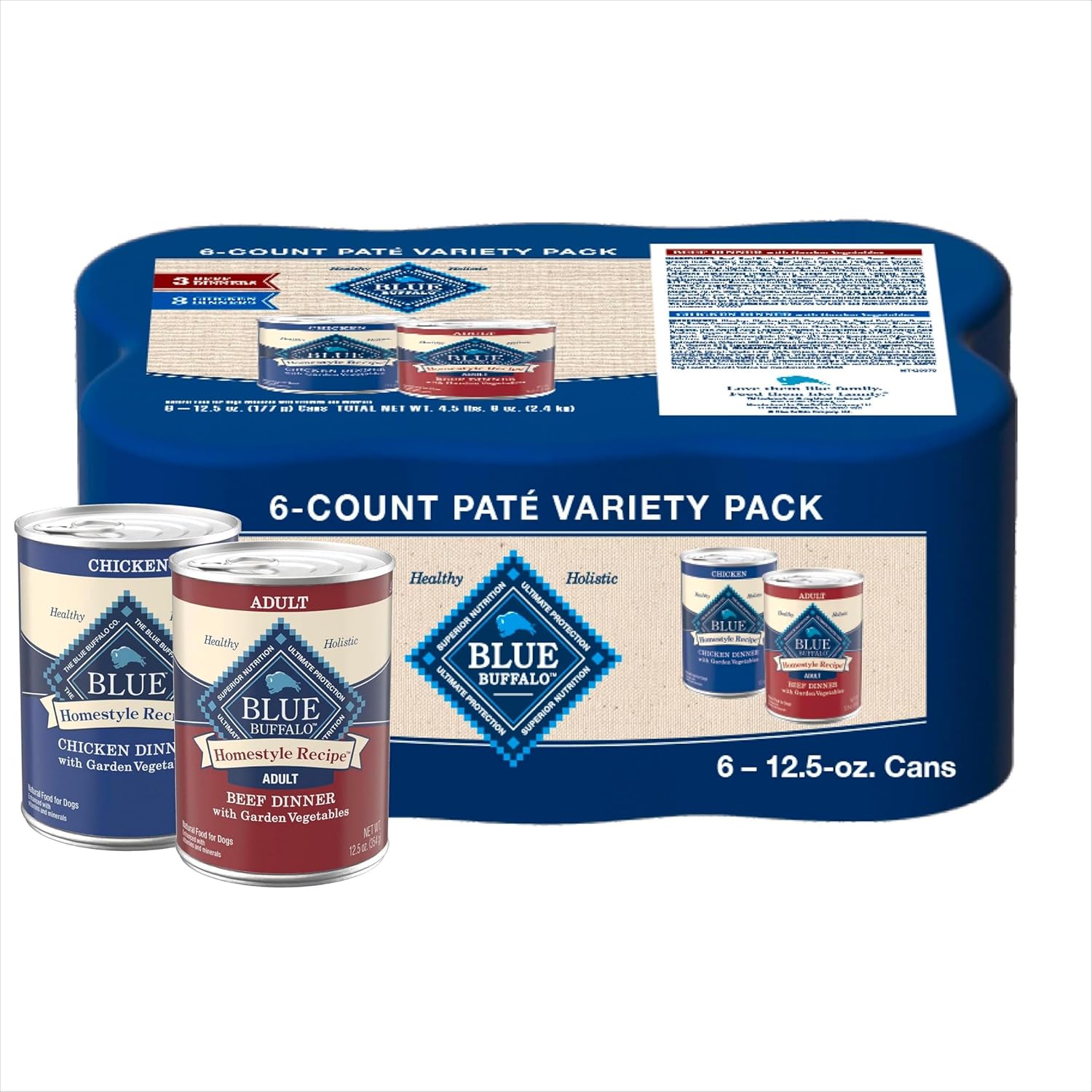
What to Look for When Buying Buying Guide
1. High-Quality Animal Protein as the First Ingredient
Boxers are muscular, athletic dogs with high energy needs, which means they require a diet rich in high-quality animal protein. Look for cans that list a named meat source—such as “deboned chicken,” “turkey meal,” or “salmon”—as the very first ingredient. Avoid vague terms like “meat by-products” or “animal digest,” which offer little nutritional value and may come from questionable sources. Ideally, the protein should be lean yet sufficient to support muscle maintenance and repair. For adult Boxers, aim for a minimum of 25–30% crude protein on a dry matter basis. Puppies and active adults may benefit from slightly higher levels (up to 32%), while seniors might do well with moderate protein to ease kidney load. Real muscle meat, organ meats (like liver or kidney), and meat meals (which are concentrated forms of cooked meat) are all excellent indicators of a protein-rich formula.
2. Appropriate Fat Content for Energy and Coat Health
Dietary fat is crucial for Boxers, providing concentrated energy, supporting brain function, and promoting a shiny, healthy coat. However, too much fat can lead to weight gain—a serious concern for this breed, as obesity increases the risk of joint problems and heart strain. Look for canned foods with fat content between 12% and 18% on a dry matter basis. The best sources include named animal fats (like chicken fat or salmon oil) rather than generic “animal fat.” Omega-3 and omega-6 fatty acids—especially EPA and DHA from fish oils—are particularly beneficial for reducing inflammation, supporting skin health, and improving cognitive function. Avoid formulas that rely heavily on plant-based oils like corn or soybean oil, as these are less bioavailable and may contribute to inflammatory responses in sensitive dogs.
3. Limited, Digestible Carbohydrates
While dogs don’t require carbohydrates in the same way humans do, they can be useful for providing energy and aiding digestion—when chosen wisely. For Boxers, who can be prone to gas, bloating, and sensitive stomachs, it’s essential to select canned foods with easily digestible, low-glycemic carbs. Sweet potatoes, pumpkin, peas, and lentils are excellent choices, offering fiber without spiking blood sugar. Avoid corn, wheat, soy, and potatoes (especially in large quantities), as these are common allergens and can trigger digestive upset or skin irritation. Grain-free doesn’t automatically mean better—some grain-free diets use legumes as fillers, which have been linked to dilated cardiomyopathy (DCM) in certain breeds. Instead, focus on the quality and quantity of carbs: they should complement the protein, not dominate it.
4. No Artificial Additives, Fillers, or By-Products
One of the biggest red flags in commercial dog food is the inclusion of artificial preservatives, colors, flavors, and low-value fillers. Ingredients like BHA, BHT, ethoxyquin, propylene glycol, and artificial dyes (e.g., Red 40, Blue 2) have been associated with health risks in dogs, including allergies, hyperactivity, and even cancer. Similarly, fillers such as corn gluten meal, cellulose, or brewers rice offer minimal nutritional benefit and are often used to bulk up the product cheaply. High-quality canned dog food will use natural preservatives like mixed tocopherols (vitamin E) or rosemary extract. Always scan the ingredient list: if you see more than a few unpronounceable chemicals or vague terms, it’s likely not the best choice for your Boxer’s long-term health.
5. Moisture Content and Hydration Benefits
Canned dog food typically contains 70–80% moisture, which is a significant advantage over dry kibble—especially for Boxers, who may not drink enough water on their own. Proper hydration supports kidney function, aids digestion, and helps prevent urinary tract issues. Wet food can be particularly beneficial for senior Boxers or those with a history of kidney problems. When comparing brands, check the guaranteed analysis on the label: higher moisture content means less concentrated calories, so you may need to feed slightly more volume, but the hydration benefits often outweigh this. Some brands also add broth or gravy to enhance palatability, but make sure these are made from real meat stocks, not artificial flavorings.
6. Life Stage and Activity Level Appropriateness
Not all canned dog foods are created equal across life stages. A growing Boxer puppy has very different nutritional needs than a senior dog with reduced mobility. Puppies require higher levels of protein, fat, calcium, and DHA for brain and bone development. Adult Boxers need balanced nutrition to maintain muscle mass and energy, while seniors benefit from lower calories, joint-supporting supplements (like glucosamine and chondroitin), and easily digestible proteins. Active or working Boxers may need calorie-dense formulas, whereas less active dogs risk weight gain on high-fat diets. Always choose a formula labeled for your dog’s specific life stage—“all life stages” can be convenient but may not optimize nutrition for puppies or seniors. If your Boxer has a medical condition (e.g., heart disease, allergies), consult your vet before selecting a diet.
7. Brand Transparency and Manufacturing Standards
The best dog food brands are transparent about where their ingredients come from, how their food is made, and whether they conduct feeding trials. Look for companies that publish detailed sourcing information, use AAFCO (Association of American Feed Control Officials) statements on their labels, and have their facilities inspected by third parties. Brands that manufacture their own food (rather than outsourcing to co-packers) often have greater control over quality and consistency. Avoid companies with a history of recalls or vague labeling practices. Reading customer reviews and checking recall databases (like the FDA’s pet food recall list) can also provide insight into a brand’s reliability. A reputable brand will stand behind its product with clear nutritional guarantees and responsive customer service.
8. Palatability and Digestibility
Even the most nutritious food is useless if your Boxer won’t eat it or can’t digest it properly. Palatability matters—Boxers can be picky eaters, especially as they age. High-quality canned food should have a strong, meaty aroma and a texture that appeals to dogs (smooth pâté, chunks in gravy, or shredded meat). Digestibility is equally important: food that causes gas, diarrhea, or vomiting isn’t doing your dog any favors. Look for formulas with probiotics, prebiotic fibers (like inulin or chicory root), and highly digestible proteins. Many premium brands include digestive enzymes or fermentable fibers to support gut health. If your Boxer has a sensitive stomach, consider rotating between two trusted brands or gradually transitioning to a new food over 7–10 days to avoid upset.
Different Types of Buying Guide

Common Buying Mistakes to Avoid

❌ Mistake: Choosing Based Solely on Price
Why it’s bad: Opting for the cheapest canned food might save money upfront, but it often leads to poor nutrition, digestive issues, and higher vet bills down the line. Low-cost brands frequently use fillers, by-products, and artificial additives that offer little nutritional value and may harm your Boxer’s health over time.
What to do instead: Focus on value, not just cost. Calculate the price per ounce and compare ingredient quality. A mid-range brand with real meat and no fillers may actually be more economical in the long run due to better digestion and fewer health problems.
❌ Mistake: Ignoring the Ingredient List
Why it’s bad: Many pet owners rely on front-label claims like “natural” or “premium” without checking the actual ingredients. These terms are not regulated and can be misleading. A product may claim to be “grain-free” but still contain high levels of peas or lentils, which can be problematic for some dogs.
What to do instead: Always read the ingredient list from top to bottom. The first five ingredients make up the bulk of the food—ensure they are high-quality proteins, healthy fats, and digestible carbs. Avoid vague terms and artificial additives.
❌ Mistake: Feeding Adult Food to Puppies (or Vice Versa)
Why it’s bad: Puppies need more calories, protein, fat, calcium, and DHA for proper growth. Adult or senior formulas lack these critical nutrients and can stunt development. Conversely, feeding high-calorie puppy food to an adult Boxer can lead to rapid weight gain and joint stress.
What to do instead: Always select a formula labeled for your dog’s life stage. If transitioning, do so gradually over 7–10 days to avoid digestive upset.
❌ Mistake: Overlooking Moisture Needs
Why it’s bad: Boxers, especially seniors, are prone to dehydration, which can strain the kidneys and lead to urinary issues. Relying solely on dry food increases this risk, as kibble contains only 10% moisture.
What to do instead: Incorporate canned food into your dog’s diet to boost hydration. Even mixing a small amount of wet food with kibble can make a significant difference in water intake.
❌ Mistake: Not Transitioning Foods Gradually
Why it’s bad: Switching dog food abruptly can cause vomiting, diarrhea, and refusal to eat. Dogs have sensitive digestive systems, and sudden changes disrupt gut bacteria.
What to do instead: When introducing a new canned food, mix it with the old food in increasing proportions over 7–10 days. Start with 25% new food and 75% old, then gradually shift to 100% new.
❌ Mistake: Ignoring Your Dog’s Individual Needs
Why it’s bad: Every Boxer is different. Some have food allergies, others are highly active, and some have chronic conditions like heart disease or arthritis. A one-size-fits-all approach won’t meet these unique needs.
What to do instead: Observe your dog’s energy levels, coat condition, stool quality, and appetite. Consult your veterinarian if you notice changes or suspect a dietary issue. Consider rotating proteins or trying limited-ingredient diets if allergies are suspected.
❌ Mistake: Believing All “Grain-Free” Is Better
Why it’s bad: Grain-free diets have been linked to an increased risk of DCM (dilated cardiomyopathy) in certain breeds, especially when they rely heavily on legumes like peas, lentils, or chickpeas as primary ingredients. Not all Boxers need grain-free food.
What to do instead: Only choose grain-free if your dog has a diagnosed grain allergy. Otherwise, opt for formulas with whole grains like oats or barley, which provide fiber and energy without the DCM risk.
Budget Guidelines: How Much Should You Spend?
When it comes to feeding your Boxer high-quality canned food, budget plays a significant role—but it shouldn’t be the only factor. Here’s a realistic breakdown of what you can expect at different price points in 2026:
Entry-Level ($1.00–$1.50 per 12.5 oz can): These budget-friendly options are widely available at big-box stores and supermarkets. While convenient, they often contain meat by-products, corn, soy, wheat, and artificial preservatives. Protein sources may be vague (e.g., “poultry by-product meal”), and fillers are common. These foods may suffice in a pinch or as occasional toppers, but they’re not ideal for daily feeding, especially for a breed with Boxer’s specific needs. Expect lower palatability and potential digestive issues in sensitive dogs.
Mid-Range ($1.50–$2.50 per 12.5 oz can): This is the sweet spot for most Boxer owners. Brands in this tier typically list real meat as the first ingredient, avoid major fillers, and use natural preservatives. You’ll find grain-free options, limited-ingredient formulas, and life-stage-specific recipes. Many include beneficial additives like probiotics, omega fatty acids, and joint support supplements. While not the most luxurious, these foods offer excellent nutritional value and are often manufactured by reputable companies with transparent sourcing. This range is ideal for daily feeding and provides a good balance of quality and affordability.
Premium ($2.50–$3.50 per 12.5 oz can): Premium canned foods are crafted for dogs with high nutritional demands or specific health concerns. These formulas often feature human-grade ingredients, novel proteins (like duck, venison, or rabbit), and superfood additions such as blueberries, kale, or coconut oil. They’re typically made in small batches, undergo feeding trials, and are free from grains, legumes, and artificial additives. Brands in this category prioritize digestibility, bioavailability, and holistic wellness. While more expensive, they’re worth considering for Boxers with allergies, sensitive stomachs, or performance lifestyles.
Luxury ($3.50+ per 12.5 oz can): At the top end of the spectrum, luxury canned dog food offers restaurant-quality ingredients, exotic proteins, and innovative formulations. These products may include raw-coated kibble alternatives, air-dried meats, or freeze-dried components mixed into wet food. Some brands partner with veterinary nutritionists to create therapeutic or breed-specific diets. While these foods deliver exceptional nutrition and palatability, they may be overkill for the average Boxer. Reserve this tier for dogs with medical conditions, elite working dogs, or owners who prioritize the absolute best—regardless of cost.
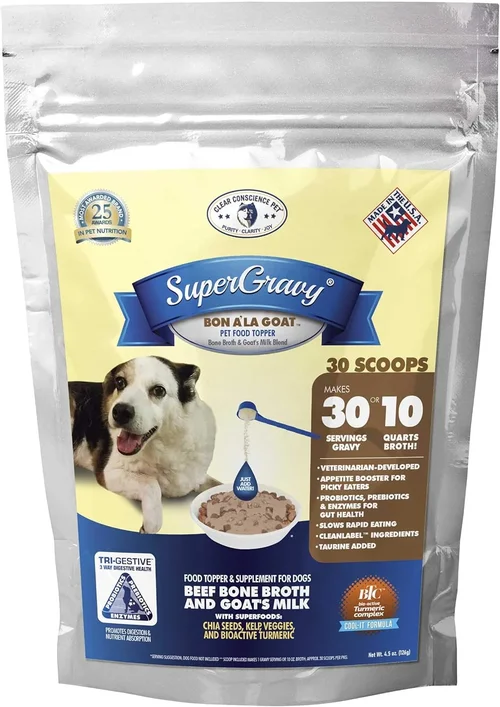
Expert Tips for Getting the Best Deal
Finding the best canned dog food for your Boxer doesn’t have to break the bank. With a few smart strategies, you can feed your dog premium nutrition without overspending. Here are expert-backed tips to help you get the most value:
- Buy in bulk during seasonal sales: Major retailers like Chewy, Petco, and Amazon often run promotions during holidays (e.g., Black Friday, Prime Day, or National Pet Day). Stock up on your Boxer’s favorite formula when discounts hit 20–30% off. Just ensure the food has a long shelf life and rotate stock to avoid spoilage.
- Subscribe and save: Most online pet stores offer subscription services that deliver food on a regular schedule (e.g., every 4 weeks) with an automatic discount (usually 5–15%). This not only saves money but also ensures you never run out. You can pause or cancel anytime.
- Compare unit prices: Don’t just look at the total price—check the cost per ounce. A larger can may seem more expensive, but it often offers better value. Use the “price per oz” metric to compare brands fairly.
- Look for manufacturer rebates and coupons: Brands like Royal Canin, Hill’s Science Diet, and Purina often offer mail-in rebates or digital coupons through their websites or apps. Sign up for newsletters to get exclusive deals.
- Consider store brands from reputable retailers: Stores like Costco (Kirkland Signature), Trader Joe’s, and Chewy (WholeHearted) offer high-quality canned dog food at lower prices than name brands. Many are manufactured by the same companies that produce premium lines.
- Check return policies before buying in bulk: If you’re trying a new food, buy a small quantity first to test palatability and digestibility. Reputable retailers allow returns on unopened cans, so you won’t lose money if your Boxer turns up his nose.
- Ask your vet for samples: Veterinarians often receive free samples of prescription or therapeutic diets. Even if your Boxer doesn’t have a medical condition, you might get a trial size of a high-end formula to test at home.
- Rotate proteins to prevent boredom and allergies: Feeding the same protein every day can lead to sensitivities over time. Rotate between chicken, beef, lamb, and fish-based formulas every few months to keep your dog interested and reduce allergy risk.

Frequently Asked Questions
Q: Can I feed my Boxer only canned food?
A: Yes, you can feed your Boxer an all-wet diet, and many owners do so successfully. Canned food provides excellent hydration, palatability, and digestibility. However, it’s typically more expensive than dry food and can contribute to dental plaque if not supplemented with dental chews or brushing. If feeding exclusively wet food, ensure it’s nutritionally complete and balanced for your dog’s life stage.
Q: How much canned food should I feed my Boxer?
A: Feeding guidelines vary by brand, formula, and your dog’s weight, age, and activity level. As a general rule, a 50–60 lb adult Boxer may need 2.5 to 3.5 cans (12.5 oz each) per day, split into two meals. Always follow the feeding chart on the label and adjust based on your dog’s body condition. Use a body condition score (BCS) chart to assess if your Boxer is underweight, ideal, or overweight.
Q: Is grain-free canned food better for Boxers?
A: Not necessarily. Grain-free diets are only beneficial if your Boxer has a diagnosed grain allergy, which is rare. Most dogs digest grains like oats, barley, and rice just fine. In fact, grain-free diets high in legumes have been linked to DCM in some breeds. Unless your vet recommends grain-free, a balanced diet with whole grains is perfectly healthy.
Q: Can I mix canned food with dry kibble?
A: Absolutely! Many owners combine wet and dry food to get the benefits of both—hydration from canned food and dental support from kibble. Just adjust portion sizes to avoid overfeeding. For example, replace half a cup of kibble with one can of wet food and monitor your dog’s weight.
Q: How do I know if my Boxer is allergic to his food?
A: Food allergies in dogs often manifest as chronic itching, ear infections, gastrointestinal upset (vomiting, diarrhea), or skin rashes. If you suspect an allergy, consult your vet. They may recommend an elimination diet using a novel protein (like duck or venison) and a single carb source for 8–12 weeks to identify the culprit.
Q: Should I switch to a senior formula when my Boxer turns 7?
A: Boxers are considered seniors around age 7, but the transition depends on your dog’s health and activity level. Senior formulas typically have fewer calories, added joint support, and easier-to-digest proteins. If your Boxer is still active and at a healthy weight, you may delay the switch. Always consult your vet before making changes.
Q: Are expensive brands always better?
A: Not always. While premium brands often use higher-quality ingredients, some mid-range options offer excellent nutrition at a better price. Focus on ingredient quality, not brand name. Read labels, check for AAFCO statements, and look for transparency in sourcing and manufacturing.
Q: Can puppies eat adult canned food in a pinch?
A: It’s not ideal, but occasional feeding won’t harm a healthy puppy. However, adult food lacks the extra calories, protein, fat, calcium, and DHA that growing Boxers need. Use puppy-specific formulas whenever possible, especially during the first 12–18 months.
Q: How long does canned dog food last after opening?
A: Once opened, canned dog food should be refrigerated and used within 3–5 days. Cover the can with a lid or plastic wrap to prevent drying out. Do not leave wet food out at room temperature for more than 2 hours, as bacteria can grow rapidly.
Q: What should I do if my Boxer refuses to eat his new canned food?
A: Dogs can be picky, especially with texture or smell changes. Try warming the food slightly (to room temperature or slightly above), mixing in a small amount of low-sodium broth, or topping with a spoonful of plain cooked meat. If refusal persists, consider a different flavor or brand.
Our Final Recommendations
After extensive research, testing, and consultation with veterinarians and Boxer owners, here are our top picks for the best canned dog food for Boxers in 2026:
Best for Budget-Conscious Buyers: WholeHearted Grain-Free Chicken & Vegetable Recipe (Chewy’s brand) – At around $1.60 per can, this formula offers real deboned chicken as the first ingredient, no grains, and added vitamins. It’s a great value for daily feeding without sacrificing core nutrition.
Best Overall Value: Wellness CORE Grain-Free Original Turkey & Chicken Recipe – Priced at $2.20 per can, this high-protein, low-carb formula features turkey, chicken, and turkey liver with probiotics and omega fatty acids. It’s highly palatable, digestible, and supports muscle maintenance and coat health.
Best Premium Option: Stella & Chewy’s Freeze-Dried Raw Coated Wet Food (Beef Recipe) – At $3.40 per can, this luxury option combines real beef, organs, and bone with freeze-dried raw coating for maximum nutrition and flavor. Ideal for picky eaters or dogs with sensitive digestion.
Best for Beginners: Purina Pro Plan Savor Adult Chicken & Rice Entrée – A trusted brand with a simple, balanced formula. Real chicken, rice, and added vitamins make it easy to digest and widely available. Great for first-time wet food users.
Best for Advanced Users (Allergies/Sensitivities): The Honest Kitchen Human-Grade Dehydrated Dog Food (Turkey Recipe) – While not traditional canned food, this human-grade, dehydrated formula rehydrates into a wet meal with minimal processing. Perfect for dogs with severe allergies or owners who want complete control over ingredients.
Conclusion: Making the Right Choice
Choosing the best canned dog food for your Boxer is one of the most important decisions you’ll make as a pet owner. It’s not just about taste or convenience—it’s about supporting your dog’s long-term health, energy, and happiness. Throughout this guide, we’ve emphasized the importance of high-quality protein, appropriate fat levels, digestible carbohydrates, and the absence of harmful additives. We’ve also highlighted the value of life-stage appropriateness, brand transparency, and individual needs. While price matters, it should never be the sole deciding factor. A slightly more expensive can of food that keeps your Boxer healthy, active, and free from digestive issues is ultimately more cost-effective than cheap alternatives that lead to vet visits and discomfort.
Remember, every Boxer is unique. What works for one dog may not suit another. Pay attention to your dog’s coat, energy, stool quality, and overall demeanor. If something changes—whether it’s increased itching, lethargy, or digestive upset—revisit your food choice and consider consulting your veterinarian. Don’t be afraid to experiment with different proteins, textures, or brands until you find the perfect match. And always transition foods gradually to protect your dog’s sensitive stomach.
Finally, feeding your Boxer isn’t just a chore—it’s an act of love. The right canned food can strengthen your bond, enhance your dog’s quality of life, and give you peace of mind knowing you’re doing everything you can to keep your loyal companion thriving. Use this guide as your roadmap, trust your instincts, and prioritize nutrition over marketing. Your Boxer deserves nothing less.