

Choosing the right canned dog food for your dachshund isn’t just about picking the most expensive or most popular brand on the shelf. It’s about understanding the unique nutritional needs of a breed that’s prone to specific health challenges—like back problems, obesity, and dental issues—and matching those needs with high-quality ingredients and balanced formulations. Dachshunds, with their long spines and short legs, require special attention when it comes to diet. A poor diet can exacerbate joint stress, lead to weight gain that strains their backs, or contribute to dental decay due to inadequate chewing stimulation. That’s why selecting the best canned dog food for dachshunds is a critical decision for any responsible pet parent.
This comprehensive buying guide is designed to help you navigate the crowded pet food market with confidence. Whether you’re a first-time dachshund owner or a seasoned enthusiast looking to upgrade your pup’s meals, you’ll learn how to evaluate ingredients, understand nutritional labels, compare brands, and avoid common pitfalls. We’ll break down everything from protein sources and moisture content to grain-free options and budget considerations. By the end of this guide, you’ll have the knowledge to make an informed choice that supports your dachshund’s long-term health, energy levels, and overall well-being.
The market for canned dog food has exploded in recent years, with hundreds of brands offering everything from budget-friendly pâtés to premium, human-grade formulations. While variety is a good thing, it can also be overwhelming. Many products claim to be “natural,” “grain-free,” or “vet-recommended,” but not all of these claims are backed by science or transparency. Our goal is to cut through the marketing noise and give you a clear, expert-backed roadmap to finding the best canned food for your dachshund—based on real nutritional value, not flashy packaging or celebrity endorsements.
What to Look for When Buying Canned Dog Food for Dachshunds
1. High-Quality Animal Protein as the First Ingredient
Protein is the foundation of any healthy dog diet, and for dachshunds, it’s especially important. As active, muscular dogs, they need ample protein to maintain lean body mass, support muscle repair, and sustain energy. When evaluating canned dog food, always check the ingredient list: the first ingredient should be a named animal protein source such as chicken, beef, lamb, turkey, or salmon. Avoid vague terms like “meat meal” or “animal by-products,” which can include low-quality or inconsistent sources.
Look for whole meats or meals (e.g., “chicken meal”) that are clearly identified. Chicken meal, for example, is rendered and concentrated, providing a high-protein, nutrient-dense option. The Association of American Feed Control Officials (AAFCO) recommends that adult dogs receive at least 18% protein, but active or younger dachshunds may benefit from 22–28%. Canned foods typically range from 7–12% protein on a dry matter basis, so compare labels carefully. Remember: moisture content in canned food is high (usually 70–80%), so always convert to dry matter to make accurate comparisons.
2. Appropriate Fat Content for Energy and Coat Health
Fat is a concentrated energy source and essential for healthy skin and a shiny coat. Dachshunds, especially those prone to dry skin or allergies, benefit from diets with moderate fat levels—typically between 10–15% on a dry matter basis. Look for named fat sources like chicken fat, salmon oil, or flaxseed oil, which provide omega-3 and omega-6 fatty acids. These fatty acids help reduce inflammation, support joint health, and improve skin condition.
Avoid foods with excessive fat, which can lead to weight gain—a serious concern for dachshunds due to their susceptibility to intervertebral disc disease (IVDD). Overweight dachshunds place extra strain on their spines, increasing the risk of slipped discs and chronic pain. Conversely, too little fat can result in lethargy and dull fur. Balance is key. Also, steer clear of generic “animal fat” or “vegetable oil” without specification, as these may be lower-quality or rancid sources.
3. Controlled Calorie Density to Prevent Obesity
Obesity is one of the top health threats for dachshunds. Their low activity levels, combined with a love of food, make them prone to packing on pounds. Canned dog food, while nutritious, is often more calorie-dense than dry kibble due to higher fat and protein content. This means portion control is crucial. When selecting a canned food, check the calorie count per can or per 100 grams. Ideal calorie density for dachshunds ranges from 300–400 kcal per 100 grams, depending on age, size, and activity level.
Puppies and highly active adults may need more calories, while seniors or less active dogs should be fed lower-calorie options. Many premium brands now offer “light” or “weight management” formulas specifically designed for small breeds. These often include added fiber to promote satiety without excess calories. Always follow feeding guidelines on the label, but adjust based on your dog’s body condition. A healthy dachshund should have a visible waist when viewed from above and palpable ribs without a thick fat layer.
4. Grain-Free vs. Whole Grains: What’s Best for Dachshunds?
The grain-free debate has raged in the pet food world, but recent FDA investigations have raised concerns about a potential link between grain-free diets and dilated cardiomyopathy (DCM) in dogs. While no definitive causal relationship has been proven, it’s wise to approach grain-free options with caution—especially for breeds not genetically predisposed to grain allergies.
For most dachshunds, whole grains like brown rice, oats, barley, or quinoa are safe and beneficial. They provide digestible carbohydrates for energy, fiber for gut health, and essential B vitamins. Unless your dachshund has a diagnosed grain allergy (which is rare), there’s no need to avoid grains. In fact, some grains like oats are excellent for sensitive stomachs. If you do choose grain-free, ensure the food uses safe alternative carb sources like sweet potatoes or peas—and avoid legume-heavy formulations (e.g.,大量 peas, lentils, chickpeas), which have been associated with DCM risk.
Always consult your veterinarian before switching to a grain-free diet, especially if your dachshund has a heart condition or family history of DCM.
5. Moisture Content and Hydration Benefits
Canned dog food is naturally high in moisture—typically 70–80%—which is a major advantage for dachshunds. Many small breeds don’t drink enough water, putting them at risk for urinary tract issues and kidney strain. The high water content in canned food helps maintain hydration, supports kidney function, and can reduce the risk of bladder stones.
For dachshunds prone to urinary issues, canned food is often recommended over dry kibble. It also aids digestion and can be easier for senior dogs or those with dental problems to consume. However, be mindful that high moisture means lower nutrient density per volume, so you may need to feed larger portions to meet caloric needs. This is another reason to compare dry matter values when evaluating nutrition.
Some brands offer “broth-based” or “gravy-enhanced” formulas that increase palatability and hydration further. These can be great for picky eaters or dogs recovering from illness, but check that the broth isn’t loaded with sodium or artificial flavors.
6. Limited, Digestible Ingredients for Sensitive Stomachs
Dachshunds are known for having sensitive digestive systems. Food allergies, intolerances, and gastrointestinal upset are common. To minimize digestive issues, choose canned foods with limited ingredient lists—ideally 10–15 recognizable components. Fewer ingredients mean fewer potential allergens and easier digestion.
Look for easily digestible proteins like chicken, turkey, or duck, and avoid common allergens such as corn, soy, wheat, and artificial additives (colors, flavors, preservatives). Natural preservatives like mixed tocopherols (vitamin E) or rosemary extract are safer alternatives to BHA, BHT, or ethoxyquin.
Probiotics and prebiotics are also valuable additions. These support gut health by promoting beneficial bacteria, improving nutrient absorption, and reducing diarrhea or gas. Brands like Wellness, Hill’s Science Diet, and Royal Canin often include these in their formulations.
7. Joint and Spine Support Nutrients
Given their long spines and short legs, dachshunds are genetically predisposed to IVDD—a painful and potentially debilitating condition. While diet alone can’t prevent IVDD, it can reduce risk factors like obesity and inflammation. Look for canned foods that include glucosamine, chondroitin, and omega-3 fatty acids (especially EPA and DHA from fish oil), which support cartilage health and reduce joint inflammation.
Antioxidants like vitamin E, vitamin C, and selenium also play a role in reducing oxidative stress that can damage spinal tissues. Some premium brands formulate their foods specifically for joint health, often marketed as “mobility support” or “joint care.” These may be worth the investment for dachshunds over 5 years old or those with a family history of back problems.
Additionally, maintaining a lean body weight through proper nutrition is one of the most effective ways to protect your dachshund’s spine. A healthy weight reduces pressure on the vertebrae and discs, lowering the risk of injury.
8. Brand Transparency and Safety Standards
Not all pet food brands are created equal. Some prioritize marketing over quality, while others invest heavily in research, testing, and ingredient sourcing. When choosing a canned food, research the brand’s reputation. Look for companies that:
- Provide detailed ingredient sourcing information
- Conduct regular nutritional testing and AAFCO feeding trials
- Have a history of recalls or safety issues (check FDA databases)
- Employ veterinary nutritionists or partner with animal health experts
- Offer transparency about manufacturing facilities and quality control
Reputable brands like Hill’s Science Diet, Royal Canin, Purina Pro Plan, and Wellness have long-standing commitments to pet nutrition and safety. Smaller, boutique brands may offer high-quality ingredients but may lack the rigorous testing and consistency of larger companies. Always read reviews, check for recalls, and consider consulting your veterinarian for recommendations.
Different Types of Canned Dog Food for Dachshunds
Common Buying Mistakes to Avoid

❌ Mistake: Choosing Based on Price Alone
Why it’s bad: The cheapest canned dog food often contains fillers, by-products, and artificial additives that offer little nutritional value. Over time, poor-quality food can lead to health issues, higher vet bills, and reduced lifespan.
What to do instead: Focus on value, not just cost. A mid-range food with high-quality ingredients may cost more per can but provides better nutrition and fewer health risks. Calculate cost per 100 kcal to compare fairly across brands.
❌ Mistake: Ignoring the Ingredient List
Why it’s bad: Marketing claims like “natural” or “premium” don’t guarantee quality. Without reading the ingredient list, you might be feeding your dachshund a diet high in corn, soy, or unnamed meat meals.
What to do instead: Always read the first 5 ingredients. They make up the bulk of the food. Prioritize named meats, whole grains, and recognizable vegetables. Avoid artificial colors, flavors, and preservatives.
❌ Mistake: Feeding Too Much Due to High Moisture Content
Why it’s bad: Because canned food is mostly water, it’s easy to overfeed, thinking your dog isn’t getting enough calories. This can lead to rapid weight gain, especially in less active dachshunds.
What to do instead: Follow feeding guidelines based on your dog’s weight and activity level. Use a kitchen scale to measure portions accurately. Adjust as needed based on body condition.
❌ Mistake: Switching Foods Too Quickly
Why it’s bad: Sudden diet changes can cause digestive upset, including diarrhea, vomiting, or gas. Dachshunds are especially sensitive to abrupt transitions.
What to do instead: Transition over 7–10 days. Start with 25% new food and 75% old, gradually increasing the ratio. Monitor for any adverse reactions.
❌ Mistake: Overlooking Dental Health
Why it’s bad: Canned food is soft and doesn’t promote chewing, which can lead to plaque buildup and dental disease—common in small breeds like dachshunds.
What to do instead: Combine canned food with dental chews, raw bones (safely), or dry kibble designed for dental health. Regular vet cleanings are also essential.
❌ Mistake: Not Consulting a Veterinarian
Why it’s bad: Every dachshund is unique. A food that works for one may not suit another, especially if there are underlying health conditions like allergies, kidney disease, or IVDD risk.
What to do instead: Schedule a nutritional consultation with your vet. They can recommend specific formulas based on age, weight, activity, and health status.
Budget Guidelines: How Much Should You Spend?
When it comes to canned dog food, price often reflects quality—but not always. Here’s a breakdown of what to expect at different budget levels:
- Entry-Level ($1.00–$1.75 per 5.5 oz can): These foods are widely available at grocery stores and big-box retailers. They often contain meat by-products, corn, soy, and artificial additives. While convenient and affordable, they offer minimal nutritional value and may contribute to long-term health issues. Best for temporary use or supplemental feeding.
- Mid-Range ($1.75–$3.00 per 5.5 oz can): This is the sweet spot for most dachshund owners. Brands like Purina Pro Plan, Iams, and Nutro offer balanced nutrition with real meat, whole grains, and added vitamins. These foods meet AAFCO standards and are widely recommended by vets. Ideal for daily feeding.
- Premium ($3.00–$4.50 per 5.5 oz can): These brands prioritize high-quality ingredients, limited fillers, and added functional benefits (e.g., probiotics, joint support). Examples include Wellness, Blue Buffalo, and Merrick. Often grain-free or made with novel proteins. Great for dogs with sensitivities or owners seeking optimal nutrition.
- Luxury ($4.50+ per 5.5 oz can): Top-tier brands like The Honest Kitchen, Open Farm, and Ziwi Peak use human-grade, ethically sourced ingredients. Many are air-dried or freeze-dried and rehydrated. While nutritionally excellent, they may be overkill for healthy dachshunds and can strain the budget.
Expert Tips for Getting the Best Deal
- Buy in bulk during sales: Stock up on canned food during seasonal promotions (e.g., Black Friday, pet store anniversaries). Many retailers offer 20–30% off large orders.
- Subscribe and save: Online retailers like Chewy, Amazon, and Petco offer subscription discounts (usually 5–15%) for recurring deliveries. Set it and forget it.
- Check for rebates and coupons: Brands often run promotions through their websites or apps. Sign up for newsletters to receive exclusive offers.
- Compare unit prices: Don’t just look at the total cost—check price per ounce or per 100 kcal. Smaller cans may seem cheaper but cost more per unit.
- Read return policies: If your dachshund doesn’t like a new food, you want the option to return it. Most reputable retailers accept unopened returns within 30 days.
- Rotate proteins: To prevent food sensitivities and keep meals interesting, rotate between chicken, beef, lamb, and fish-based formulas every few months.
- Store properly: Once opened, transfer unused portions to a sealed container and refrigerate for up to 5 days. Never leave canned food out at room temperature for more than 2 hours.
- Monitor your dog’s response: Keep a food journal noting energy levels, coat condition, stool quality, and appetite. This helps identify the best diet over time.

Frequently Asked Questions
Q: Can I feed my dachshund only canned food?
A: Yes, but it’s not always ideal. Canned food provides excellent hydration and palatability, but it lacks the mechanical abrasion needed for dental health. Many owners use a combination of canned and dry food to balance nutrition, cost, and oral care.
Q: How much canned food should I feed my dachshund per day?
A: It depends on weight, age, and activity level. A general guideline is 3/4 to 1.5 cans (5.5 oz each) per day for a 10–16 lb dachshund. Always follow the feeding chart on the label and adjust based on body condition.
Q: Is grain-free canned food better for dachshunds?
A: Not necessarily. Unless your dachshund has a diagnosed grain allergy, whole grains are safe and beneficial. Grain-free diets have been linked to DCM in some dogs, so consult your vet before making the switch.
Q: Can puppies eat adult canned dog food?
A: It’s not recommended. Puppies need higher levels of protein, fat, and calories for growth. Choose a canned food labeled for “puppy” or “all life stages” to meet their developmental needs.
Q: How do I transition my dachshund to a new canned food?
A: Mix the new food with the old, starting at 25% new and increasing by 25% every 2–3 days. Watch for digestive upset and slow the process if needed.
Q: Are organic or human-grade canned foods worth the cost?
A: They can be, especially for dogs with allergies or sensitivities. However, they’re not required for a healthy diet. Focus on ingredient quality and nutritional balance first.
Q: Can canned food cause diarrhea in dachshunds?
A: Yes, especially if introduced too quickly or if the food contains ingredients your dog is sensitive to. Gradual transitions and limited-ingredient diets can help.
Q: Should I add supplements to my dachshund’s canned food?
A: Only if recommended by your vet. Most complete and balanced canned foods provide all necessary nutrients. Over-supplementing can cause imbalances.
Q: How long does canned dog food last after opening?
A: Up to 5 days in the refrigerator if stored in a sealed container. Discard any food left out for more than 2 hours.
Q: Is it safe to mix different brands of canned food?
A: Yes, as long as both are complete and balanced. Mixing can add variety and prevent pickiness, but avoid combining foods with very different ingredient profiles to reduce digestive upset.
Our Final Recommendations
- Best for Budget-Conscious Buyers: Purina Pro Plan Savor Adult Canned Dog Food (Chicken & Rice) – Affordable, widely available, and made with real chicken. Meets AAFCO standards and includes probiotics for digestion.
- Best Overall Value: Wellness Complete Health Natural Canned Dog Food (Turkey & Salmon) – High-quality proteins, no grains, added glucosamine, and rich in omega fatty acids. Excellent for joint and coat health.
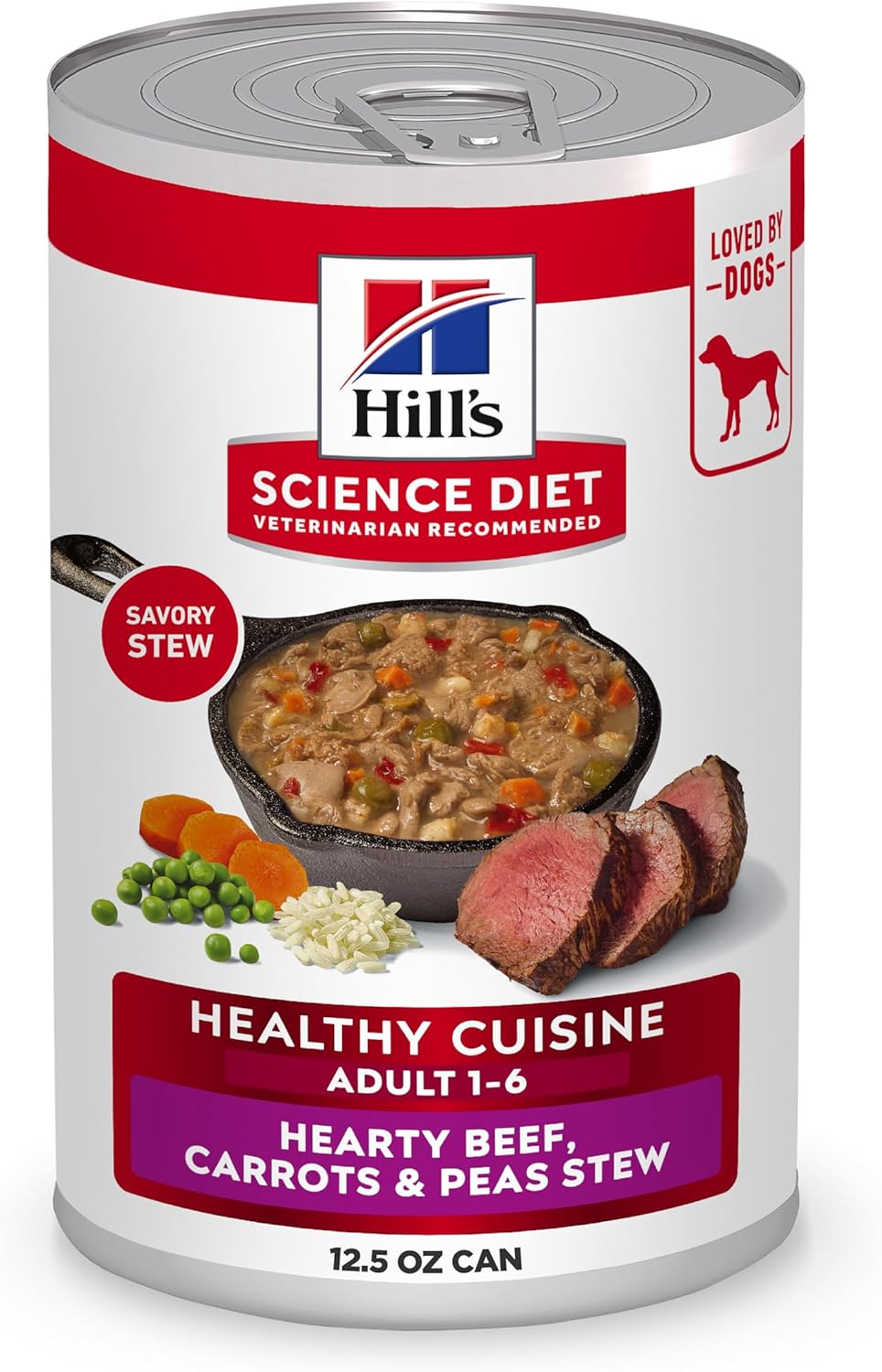
- Best Premium Option: Hill’s Science Diet Adult Perfect Weight Canned Dog Food – Specifically formulated for weight management, with controlled calories and high fiber. Vet-recommended and clinically proven.
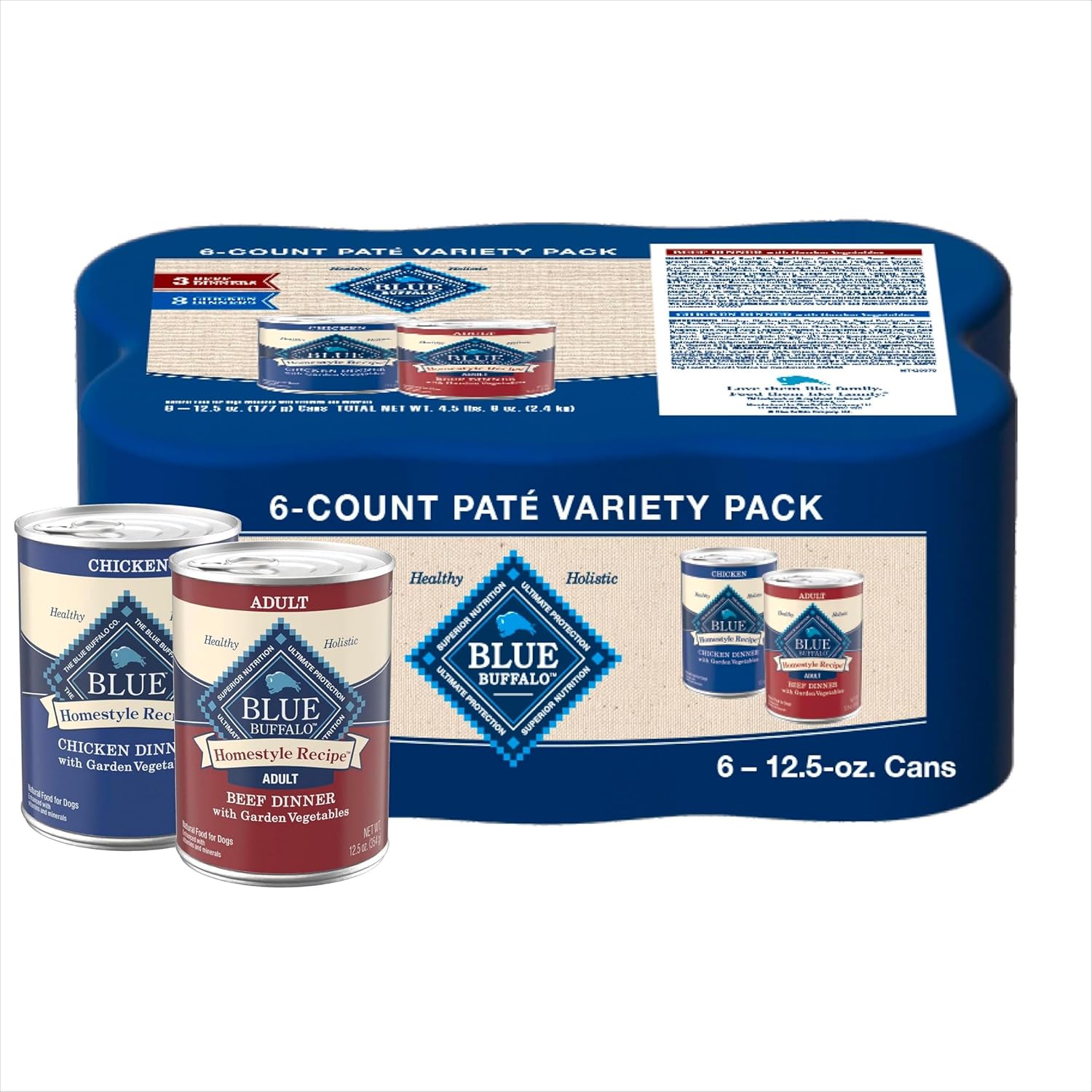
- Best for Beginners: Blue Buffalo Homestyle Recipe Natural Canned Dog Food (Chicken) – Easy to find, recognizable ingredients, and a smooth pâté texture that most dachshunds love.
- Best for Advanced Users: Open Farm Homestead Turkey & Chicken Canned Dog Food – Ethically sourced, human-grade ingredients, traceable supply chain, and free from artificial additives. Ideal for owners who prioritize transparency.
Conclusion: Making the Right Choice
Choosing the best canned dog food for your dachshund is a decision that impacts their health, happiness, and longevity. While the market offers endless options, the key is to focus on quality ingredients, nutritional balance, and your dog’s individual needs. Prioritize high-quality animal protein, moderate fat, controlled calories, and joint-supporting nutrients. Avoid common pitfalls like overfeeding, ignoring labels, or switching foods too quickly.
Remember, no single food is perfect for every dachshund. What works for one may not suit another. Use this guide as a foundation, but stay flexible and responsive to your dog’s changing needs. Consult your veterinarian regularly, monitor their body condition, and adjust as necessary.
Ultimately, the best canned dog food is one that your dachshund enjoys eating, digests well, and thrives on. With the knowledge from this guide, you’re now equipped to make a confident, informed choice—one that supports a long, healthy, and joyful life for your beloved long-bodied companion.