
When it comes to managing your dog’s diabetes, nutrition isn’t just a part of the equation—it’s the foundation. Unlike humans, dogs can’t simply adjust their insulin doses or swap out snacks on a whim. Their health depends heavily on consistent, well-balanced meals that support stable blood glucose levels. And while dry kibble often dominates the conversation around diabetic dog diets, canned dog food has quietly emerged as a powerful ally in blood sugar management. With higher moisture content, lower carbohydrate levels, and often more digestible proteins, wet food can be a game-changer for dogs struggling with insulin regulation.
But not all canned dog foods are created equal—especially when your pet has a chronic condition like diabetes. The wrong choice could spike blood sugar, worsen insulin resistance, or even lead to complications like pancreatitis. That’s why this guide exists: to cut through the marketing noise and give you the expert-level knowledge you need to make informed decisions. Whether you’re newly navigating a diabetes diagnosis or looking to optimize your dog’s current diet, you’ll learn how to evaluate ingredients, interpret labels, compare brands, and avoid common pitfalls. We’ll also break down real-world budget considerations, share pro tips for getting the best value, and spotlight top-performing products based on veterinary science and owner feedback.
The market for diabetic-friendly pet food has expanded significantly in recent years, driven by rising awareness of canine metabolic disorders and advances in veterinary nutrition. Today, you’ll find everything from prescription therapeutic diets to over-the-counter “low-carb” formulas—but knowing which path to take requires more than just reading the front of the can. This guide will walk you through every critical factor, from macronutrient balance to ingredient sourcing, so you can confidently choose a canned dog food that supports long-term health, energy, and quality of life for your furry companion.

What to Look for When Buying Buying Guide
1. Macronutrient Profile: Protein, Fat, and Carbohydrate Balance
The single most important factor in selecting canned dog food for diabetes is its macronutrient composition. Dogs with diabetes benefit from diets high in protein, moderate in fat, and very low in carbohydrates—especially simple sugars and starches. Why? Because carbohydrates break down into glucose during digestion, directly impacting blood sugar levels. High-carb meals cause rapid spikes, forcing the pancreas (or injected insulin) to work overtime, which can lead to poor glycemic control.
Look for canned foods where protein makes up at least 40–50% of the dry matter basis (DMB). Dry matter basis means removing water content to compare nutrient ratios fairly—since canned food is typically 70–80% water, judging by “as-fed” percentages alone can be misleading. For example, a can listing 10% protein “as-fed” might actually contain 50% protein on a dry matter basis once water is factored out. Use this formula: (protein % ÷ (100 – moisture %)) × 100.
Fat should be moderate—around 15–25% DMB—to provide energy without contributing to obesity, a major risk factor for insulin resistance. Avoid foods with excessive fat, as this can trigger pancreatitis, especially in predisposed breeds like Miniature Schnauzers. Carbohydrates should ideally come from complex, fiber-rich sources like pumpkin, green beans, or lentils—not corn, wheat, rice, or potatoes, which are high-glycemic and can destabilize blood sugar.
2. Ingredient Quality and Source Transparency
Not all proteins are equal. For diabetic dogs, prioritize named animal proteins as the first ingredient—such as “chicken,” “turkey,” or “salmon”—rather than vague terms like “meat meal” or “animal by-product.” Whole meats provide complete amino acid profiles and are generally more bioavailable than rendered meals. However, some high-quality meals (like “chicken meal”) are acceptable if they’re clearly identified and sourced responsibly.
Avoid artificial preservatives (BHA, BHT, ethoxyquin), colors, and flavors. These additives offer no nutritional benefit and may contribute to inflammation or allergic reactions, which can indirectly affect metabolic health. Instead, look for natural preservatives like mixed tocopherols (vitamin E) or rosemary extract.
Transparency matters. Reputable brands disclose their sourcing practices, manufacturing locations, and whether they conduct feeding trials. Check if the company follows AAFCO (Association of American Feed Control Officials) guidelines or has veterinary nutritionists on staff. Brands that publish full ingredient definitions and avoid “mystery meats” demonstrate a commitment to quality that’s especially crucial for medically sensitive dogs.
3. Fiber Content and Type
Dietary fiber plays a dual role in diabetic dog nutrition: it slows glucose absorption and promotes satiety, helping prevent overeating and weight gain. However, not all fibers are created equal. Soluble fibers (like psyllium, beet pulp, or pumpkin) form gels in the gut, delaying carbohydrate digestion and smoothing out blood sugar curves. Insoluble fibers (like cellulose) add bulk but don’t significantly impact glucose metabolism.
Aim for a total fiber content of 3–8% on a dry matter basis, with a blend of both soluble and insoluble types. Avoid foods that rely solely on cheap fillers like corn bran or peanut hulls—these offer minimal nutritional value and may irritate sensitive digestive systems. Instead, look for functional fibers such as chicory root (a prebiotic), flaxseed, or oat fiber, which support gut health alongside glycemic control.
4. Moisture Content and Hydration Benefits
Canned dog food typically contains 70–80% moisture, which is a significant advantage for diabetic dogs. Chronic hyperglycemia can lead to increased urination and dehydration, so maintaining hydration is essential. Wet food helps offset fluid loss and supports kidney function—a critical consideration since diabetic dogs are at higher risk for kidney disease.
Higher moisture content also means fewer concentrated calories per volume, which can help with portion control and weight management. Obesity exacerbates insulin resistance, so keeping your dog at an ideal body condition score (BCS of 4–5 out of 9) is vital. Canned food’s palatability may also encourage eating in picky or senior dogs who struggle with dry kibble.
However, be mindful of storage: once opened, canned food must be refrigerated and used within 3–5 days. Some owners rotate between wet and dry to balance convenience and benefits, but if your dog’s diabetes is unstable, consistency in meal composition is key.
5. Glycemic Index and Carbohydrate Sources
The glycemic index (GI) measures how quickly a food raises blood glucose. While not commonly listed on pet food labels, you can infer a product’s GI based on its carbohydrate sources. Low-GI ingredients include lentils, chickpeas, sweet potatoes (in moderation), and non-starchy vegetables like broccoli or zucchini. High-GI offenders include white rice, corn syrup, molasses, and potato starch—all of which should be avoided.
Even “grain-free” doesn’t guarantee low glycemic impact. Many grain-free formulas replace grains with potatoes or tapioca, which are equally high in digestible carbohydrates. Always read the ingredient list, not just the marketing claims. A truly diabetic-friendly formula will emphasize animal protein and use minimal, slow-digesting carbs.
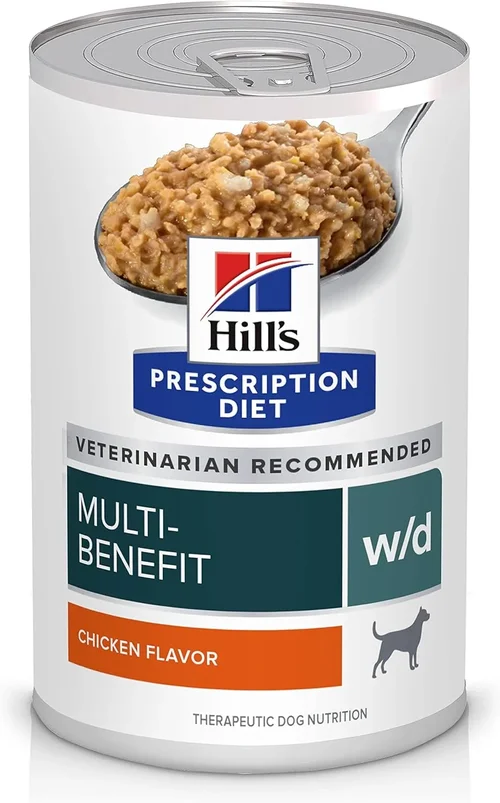
Some veterinary therapeutic diets (like Hill’s Prescription Diet w/d or Royal Canin Glycemic Control) are specifically formulated with low-GI ingredients and have been clinically tested for glycemic response. These may be worth considering if your dog’s diabetes is difficult to manage.
6. Brand Reputation and Veterinary Endorsement
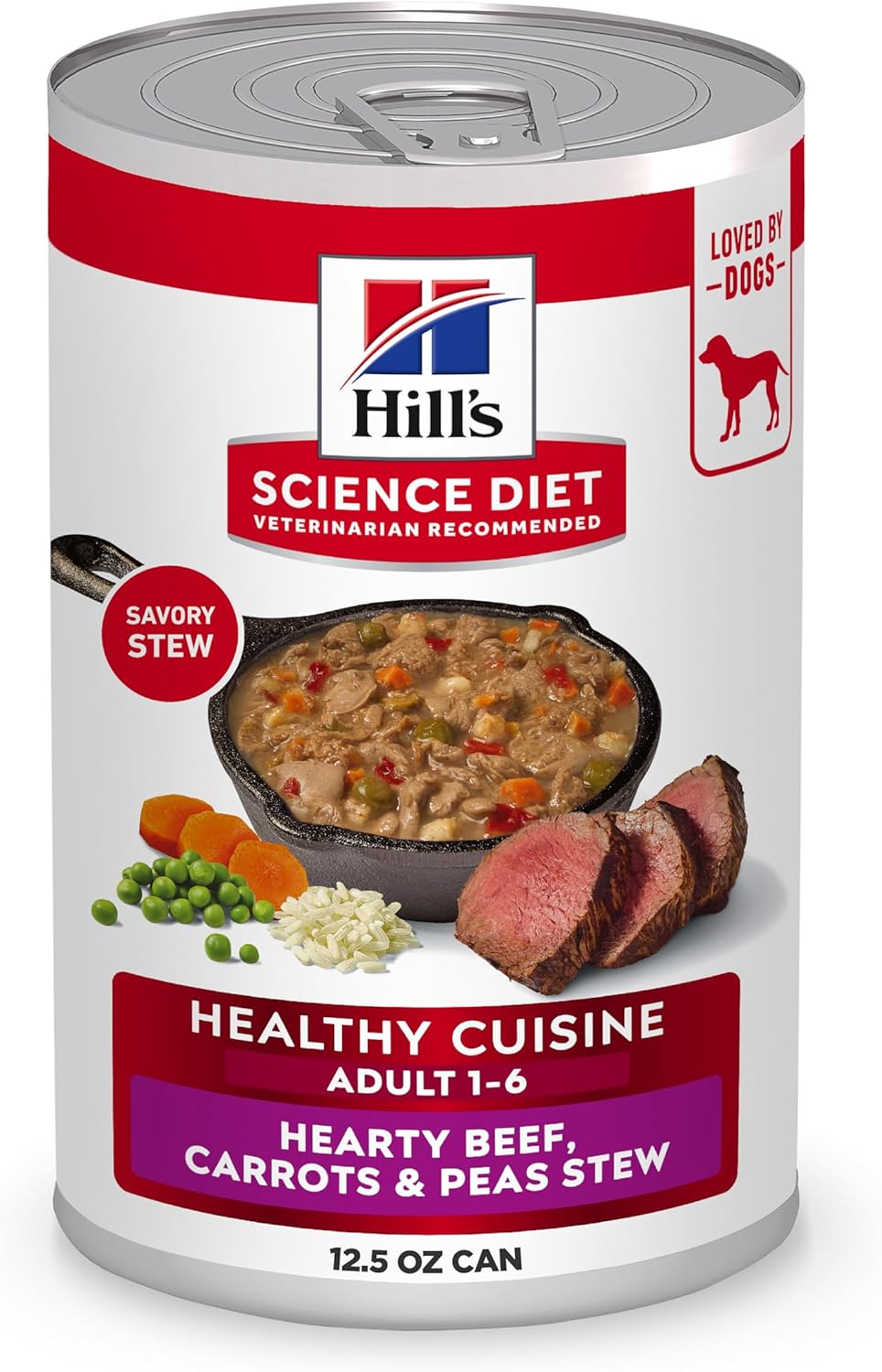
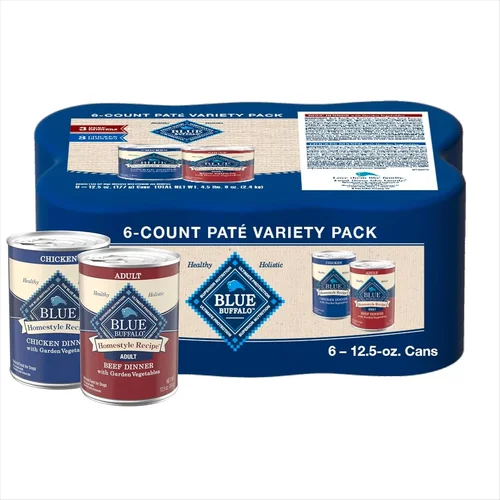
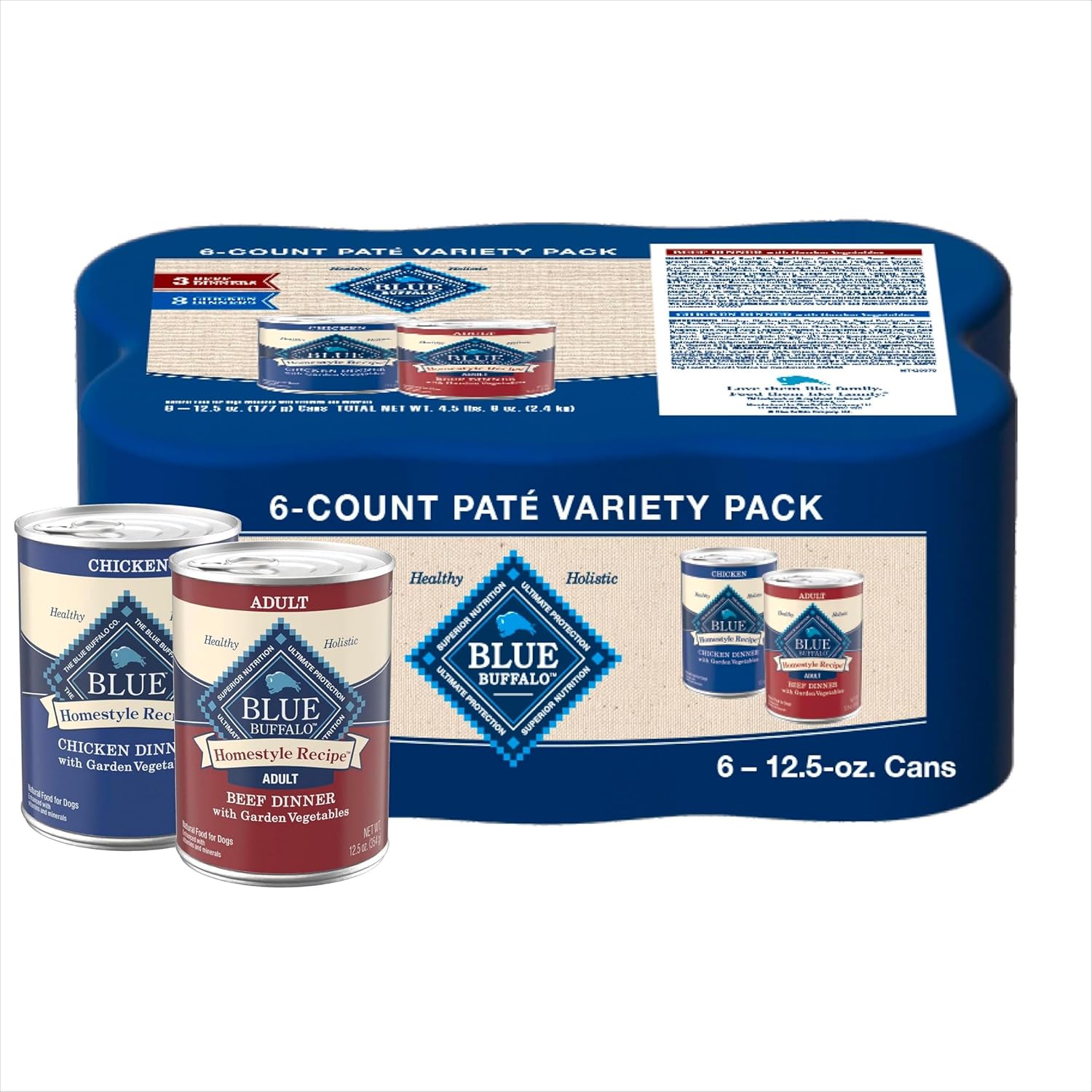
Not all pet food companies prioritize science over sales. Look for brands with a track record of transparency, research investment, and collaboration with veterinary nutritionists. Companies like Hill’s Science Diet, Royal Canin, Purina Pro Plan Veterinary Diets, and Blue Buffalo (with its “Veterinary Diet” line) have established credibility in the medical pet food space.
Independent reviews from veterinarians, peer-reviewed studies, and long-term customer feedback are strong indicators of reliability. Avoid brands that rely heavily on celebrity endorsements or vague “natural” claims without substantiation. Also, check for recalls—frequent recalls may signal quality control issues.
That said, some smaller boutique brands (like The Honest Kitchen or Open Farm) offer high-quality, low-carb canned options with transparent sourcing. Just ensure they meet AAFCO standards and provide complete and balanced nutrition.
7. Palatability and Digestibility
No matter how nutritionally perfect a food is, it’s useless if your dog won’t eat it. Diabetic dogs often experience fluctuations in appetite due to medication timing, stress, or concurrent illnesses. Canned food’s strong aroma and soft texture make it highly palatable, especially for older or dental-compromised dogs.
Digestibility is equally important. Poorly digested food can lead to inconsistent nutrient absorption, affecting blood sugar stability. Look for foods with highly digestible proteins (like egg, chicken, or lamb) and minimal fillers. Some dogs tolerate novel proteins (duck, rabbit, venison) better if they have food sensitivities that complicate diabetes management.
If your dog has a history of gastrointestinal upset, consider rotating between two trusted brands to maintain interest while ensuring nutritional consistency.
8. Cost per Feeding and Long-Term Affordability
Canned dog food is generally more expensive than kibble—often 2–3 times the cost per calorie. For diabetic dogs requiring strict portion control and consistent feeding schedules, this can add up quickly. Calculate the cost per feeding, not per can, since can sizes vary (3 oz, 5.5 oz, 12.5 oz, etc.).
Prescription diets tend to be the priciest ($2–$4 per can), while premium OTC options range from $1.50–$2.50. Budget-friendly brands may cost under $1 per can but often compromise on ingredient quality or macronutrient balance.
Consider your dog’s daily caloric needs. A 30-pound diabetic dog might require 400–500 kcal/day, which could mean 2–3 cans daily. Multiply that by 30 days, and the monthly cost becomes significant. Factor in potential savings from reduced vet bills due to better disease control—sometimes investing in higher-quality food pays off long-term.
Different Types of Buying Guide
Common Buying Mistakes to Avoid

❌ Mistake: Relying Solely on “Grain-Free” Labels
Why it’s bad: “Grain-free” does not equal “low-carb.” Many grain-free canned foods replace grains with potatoes, peas, or tapioca—all high-glycemic ingredients that can spike blood sugar just as effectively as corn or wheat.
What to do instead: Always check the full ingredient list and calculate carbohydrate content on a dry matter basis. Prioritize foods where the first three ingredients are animal proteins, followed by low-GI vegetables.
❌ Mistake: Ignoring Moisture When Comparing Nutrients
Why it’s bad: A can listing 8% protein “as-fed” might seem inadequate, but if it’s 78% water, the actual protein content could be over 35% on a dry matter basis—perfect for diabetic dogs.
What to do instead: Use the dry matter calculation formula: (nutrient % ÷ (100 – moisture %)) × 100. This ensures accurate comparisons across wet and dry foods.
❌ Mistake: Choosing Based on Price Alone
Why it’s bad: Cheap canned foods often contain fillers, by-products, and high-carb thickeners that undermine diabetes management. Short-term savings can lead to long-term vet costs.
What to do instead: Evaluate cost per feeding and consider the total value—including health outcomes. Sometimes spending $0.50 more per can prevents a $500 emergency visit.
❌ Mistake: Switching Foods Too Frequently
Why it’s bad: Diabetic dogs thrive on consistency. Frequent diet changes can disrupt gut flora, alter digestion rates, and make blood sugar monitoring unreliable.
What to do instead: Stick to one trusted formula unless advised by your vet. If transitioning, do so gradually over 7–10 days to avoid gastrointestinal upset.
❌ Mistake: Overlooking Fiber Type and Amount
Why it’s bad: Too little fiber fails to slow glucose absorption; too much (especially insoluble fiber) can cause bloating, gas, or nutrient malabsorption.
What to do instead: Aim for 3–8% total fiber DMB, with a mix of soluble and insoluble sources. Monitor stool quality and energy levels as indicators of tolerance.
❌ Mistake: Assuming All “Natural” Foods Are Safe
Why it’s bad: “Natural” is not regulated in pet food and doesn’t guarantee low carbs or medical suitability. Some natural ingredients (like honey or fruit purees) are high in sugar.
What to do instead: Focus on specific nutrient profiles and ingredient sourcing rather than broad marketing terms. Consult your vet before trying boutique or raw-inspired formulas.
❌ Mistake: Neglecting Portion Control
Why it’s bad: Even the best diabetic food can cause weight gain or blood sugar swings if portions are inconsistent or excessive.
What to do instead: Weigh your dog regularly, use a measuring cup for cans, and adjust portions based on vet recommendations and glucose curves.
Budget Guidelines: How Much Should You Spend?
Entry-Level ($0.90–$1.50 per can): These options are best for dogs with mild, well-controlled diabetes and owners on tight budgets. Expect simpler ingredient lists, possibly with some fillers like rice or potato, but many still offer decent protein levels. Brands like Iams ProActive Health or store-brand “lite” formulas may fall here. While not ideal for unstable cases, they can work with careful monitoring.
Mid-Range ($1.50–$2.50 per can): This is the sweet spot for most diabetic dog owners. You’ll find high-quality proteins, thoughtful carb sources, and added functional ingredients like prebiotics or omega-3s. Brands such as Wellness CORE Grain-Free, Nutro Ultra, and Blue Buffalo Wilderness fit here. These offer excellent value without requiring a prescription.
Premium ($2.50–$3.50 per can): Designed for dogs with complex needs—such as insulin resistance, pancreatitis, or kidney issues—these foods often include veterinary input and rigorous testing. Examples include Royal Canin Glycemic Control and Hill’s Prescription Diet w/d. The higher cost reflects clinical validation and precision formulation.
Luxury ($3.50+ per can): Reserved for specialty or small-batch brands using human-grade ingredients, novel proteins, or organic components. While nutritionally sound, the marginal benefit over premium options is often minimal for diabetic management. Best suited for owners prioritizing ingredient purity over cost-efficiency.
Expert Tips for Getting the Best Deal
- Buy in bulk during sales: Major retailers like Chewy, Petco, and Amazon often run 20–30% off promotions on pet food, especially around holidays (Black Friday, Prime Day). Stock up when prices dip, but check expiration dates.
- Subscribe and save: Auto-shipping programs typically offer 5–15% discounts and free shipping. Just ensure you’re not over-ordering—canned food has a shelf life of 1–2 years unopened.
- Compare unit prices: Don’t just look at total can cost—calculate price per ounce or per 100 kcal. A larger can may seem expensive but offer better value.
- Ask your vet for samples: Many veterinary clinics provide free samples of prescription diets. Test palatability before committing to a case.
- Check return policies: If your dog refuses a new food, reputable retailers (like Chewy) allow returns of unopened cans. Avoid stores with strict no-return rules.
- Monitor glucose curves before and after switching: Work with your vet to run blood glucose tests 1–2 weeks after changing foods. This confirms the diet’s effectiveness.
- Combine wet and dry strategically: Some owners use canned food for meals and a small amount of low-carb kibble as a topper or treat. Ensure total daily carbs remain controlled.
- Join owner communities: Online forums (like those on Reddit or Facebook) often share discount codes, recall alerts, and real-world feeding experiences.
Frequently Asked Questions
Q: Can I feed my diabetic dog regular canned food if I adjust insulin?
A: It’s not recommended. While insulin dosing can be adjusted, high-carb foods create unpredictable glucose spikes and increase the risk of hypoglycemia if insulin peaks before food is digested. Consistent, low-carb nutrition provides a stable baseline for insulin therapy.
Q: Is it safe to mix canned and dry food for diabetic dogs?
A: Yes, as long as both components are low-carb and the total daily carbohydrate intake is controlled. Mixing can improve palatability and hydration, but avoid high-starch kibbles.
Q: How often should I feed my diabetic dog canned food?
A: Most diabetic dogs do best with two evenly spaced meals per day, aligned with insulin injections. Consistency in timing and portion size is critical for stable blood sugar.
Q: What if my dog refuses low-carb canned food?
A: Try warming the food slightly (to body temperature) or mixing in a small amount of low-sodium broth. Gradually transition from their current diet over 7–10 days. If refusal persists, consult your vet—there may be an underlying issue.
Q: Are homemade diets better than canned food for diabetic dogs?
A: Homemade diets can be effective but require precise formulation by a veterinary nutritionist. Most owners lack the tools to balance nutrients correctly, risking deficiencies or imbalances. Canned therapeutic diets are safer and more convenient.
Q: Can puppies or senior dogs with diabetes eat the same canned food?
A: Puppies have different nutrient needs (higher calories, calcium), so avoid adult diabetic formulas. Senior dogs may benefit from added joint support or lower phosphorus—choose age-appropriate low-carb options.
Q: How do I know if a canned food is truly “complete and balanced”?
A: Look for an AAFCO statement on the label indicating the food meets nutrient profiles for your dog’s life stage (e.g., “for maintenance” or “all life stages”). Avoid foods that only say “intended for intermittent feeding.”
Q: What should I do if my dog has a blood sugar spike after eating?
A: Contact your vet immediately. Review the food’s ingredient list for hidden carbs or sugars. Keep a food diary to identify patterns and adjust accordingly.
Q: Are there any ingredients that are always unsafe for diabetic dogs?
A: Avoid corn syrup, molasses, honey, white rice, potato starch, and any ingredient ending in “-ose” (like dextrose or sucrose). These are pure sugars or rapidly digested carbs.
Q: Can I use canned food as treats for my diabetic dog?
A: Yes, but account for the calories and carbs in your daily total. Use small portions (1–2 tablespoons) and choose low-fat, low-sodium options to avoid digestive upset.
Our Final Recommendations
Best for Budget-Conscious Buyers: Wellness CORE Grain-Free Reduced Fat Turkey & Chicken Recipe
This mid-tier option offers high protein (45% DMB), minimal carbs, and no fillers—all under $2 per can. It’s widely available and well-tolerated by most dogs.
Best Overall Value: Royal Canin Glycemic Control Wet Dog Food
A prescription-grade formula with clinically proven glycemic control, moderate fat, and added fiber. Priced around $2.75 per can, it’s worth the investment for stable diabetes management.
Best Premium Option: Hill’s Prescription Diet w/d Canine Wet Food
Formulated with veterinary input, this food excels in fiber balance and low glycemic impact. Ideal for dogs with concurrent conditions like obesity or pancreatitis.
Best for Beginners: Blue Buffalo Natural Veterinary Diet W+U Weight Management + Urinary Care
Though labeled for weight and urinary health, its low-carb, high-protein profile makes it suitable for diabetic dogs. Easy to find and palatable.
Best for Advanced Users: The Honest Kitchen Human Grade Dehydrated Dog Food (rehydrated)
While not canned, this human-grade, low-carb option can be mixed with water to mimic wet food. Perfect for owners seeking maximum ingredient control and transparency.
Conclusion: Making the Right Choice
Choosing the right canned dog food for diabetes isn’t just about reading labels—it’s about understanding how every ingredient impacts your dog’s metabolic health. From macronutrient balance and fiber type to brand integrity and cost-effectiveness, each factor plays a role in achieving stable blood glucose, maintaining ideal weight, and supporting overall vitality. While the process may feel overwhelming at first, remember that small, informed changes can lead to significant improvements in your dog’s quality of life.
Prioritize consistency, consult your veterinarian regularly, and don’t be afraid to invest in nutrition as a form of preventive care. The best food is one that your dog enjoys eating, meets their medical needs, and fits within your lifestyle and budget. With the knowledge from this guide, you’re now equipped to make confident, science-backed decisions that honor your dog’s health for years to come. Your furry friend deserves nothing less.