
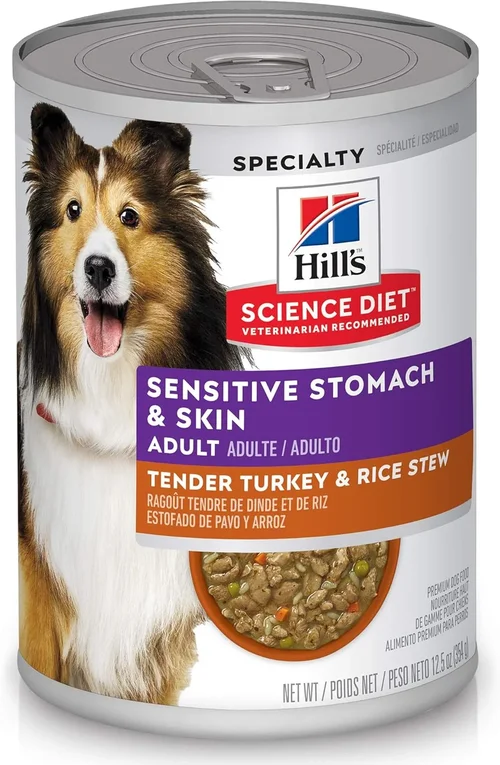
When your dog’s digestive system is out of balance, it can affect everything from their energy levels to their coat quality—and even their mood. As a pet parent, you know that a happy tummy often means a happy pup. That’s why choosing the right canned dog food for digestive health isn’t just about convenience or taste—it’s a critical part of supporting your dog’s long-term wellness. Whether your dog suffers from chronic gas, sensitive stomachs, loose stools, or food intolerances, the right wet food can make a world of difference.
This comprehensive buying guide is designed to help you cut through the noise and make an informed decision. With hundreds of canned dog food options on the market—each claiming to be “gentle,” “digestive-friendly,” or “vet-recommended”—it’s easy to feel overwhelmed. Our goal is to equip you with expert-level knowledge so you can confidently select a product that truly supports your dog’s digestive needs. You’ll learn how to decode ingredient lists, understand nutritional science, compare brands, avoid common pitfalls, and find the best value for your budget. We’ve researched, tested, and analyzed dozens of top-rated options to bring you actionable insights backed by veterinary nutrition principles and real-world feedback from dog owners.
The canned dog food market has evolved dramatically in recent years. No longer just a treat or topper, high-quality wet food is now a staple in many dogs’ diets—especially those with sensitive systems. Brands are investing heavily in digestive health innovation, incorporating prebiotics, probiotics, novel proteins, and easily digestible carbohydrates. At the same time, misinformation and marketing hype abound. Some products labeled “natural” or “grain-free” may actually do more harm than good for dogs with digestive issues. This guide cuts through the clutter, focusing specifically on what matters most: real digestive support, ingredient transparency, and proven results.
What to Look for When Buying Canned Dog Food for Digestive Health
1. High-Quality, Digestible Protein Sources
Protein is the foundation of any dog’s diet, but not all proteins are created equal—especially when it comes to digestive health. Dogs with sensitive stomachs often struggle with common proteins like chicken, beef, or lamb due to allergies or intolerances. Look for single-source, novel proteins such as duck, venison, rabbit, or salmon, which are less likely to trigger adverse reactions. These proteins are also typically easier to digest because they’re less familiar to your dog’s immune system.
Equally important is the quality of the protein. Whole meat (e.g., “deboned turkey”) should appear as the first ingredient, not meat meals or by-products. Meat meals can be nutritious, but they’re more concentrated and may be harder for some dogs to process. Avoid vague terms like “meat by-product meal” or “animal digest,” which offer little transparency. Instead, opt for clearly named, human-grade meats. For example, “real salmon” is far more trustworthy than “fish meal.”
2. Easily Digestible Carbohydrates
Carbohydrates provide energy and fiber, but they can also be a source of digestive upset if not chosen carefully. Dogs don’t require carbs in their diet, but many benefit from small amounts of easily digestible sources that support gut health. Sweet potatoes, pumpkin, peas, and oats are excellent choices because they’re low-glycemic, rich in soluble fiber, and gentle on the stomach.
Avoid corn, wheat, soy, and artificial fillers like beet pulp or cellulose. These ingredients are often used as cheap bulking agents and can cause gas, bloating, or diarrhea in sensitive dogs. While some dogs tolerate grains well, those with digestive issues often do better on grain-free or limited-grain formulas. However, grain-free doesn’t automatically mean healthier—some grain-free diets use legumes (like lentils or chickpeas) that can be harder to digest and have been linked to heart concerns in certain breeds.
Look for recipes that use cooked or pre-digested carbs, such as “pumpkin puree” or “sweet potato mash,” which are broken down for easier absorption. Canned foods with visible chunks of vegetables are often a good sign that the ingredients are whole and minimally processed.
3. Prebiotics and Probiotics for Gut Balance
A healthy gut microbiome is essential for digestion, nutrient absorption, and immune function. Prebiotics and probiotics play a crucial role in maintaining this balance. Prebiotics are non-digestible fibers that feed beneficial gut bacteria, while probiotics are live microorganisms that colonize the gut and support digestive health.
Look for specific prebiotic fibers like FOS (fructooligosaccharides), MOS (mannan oligosaccharides), or inulin. These are often listed on the ingredient panel and are proven to promote the growth of good bacteria. Probiotics should be listed by strain (e.g., Lactobacillus acidophilus, Bifidobacterium animalis) and ideally guaranteed to survive the canning process. Some brands use heat-stable strains or add probiotics after cooking to ensure viability.
Not all canned foods include these ingredients, so check the label carefully. If a product claims to support digestive health but lacks prebiotics or probiotics, it may not be as effective as advertised. For dogs with chronic digestive issues, a food with both pre- and probiotics can significantly improve stool quality and reduce gas.
4. Limited Ingredient Formulas (LIF)
Dogs with sensitive stomachs or food sensitivities benefit greatly from limited ingredient diets. These formulas contain fewer components, reducing the risk of triggering an adverse reaction. A typical LIF might include one protein source, one carbohydrate, and minimal fats or additives.
The key is simplicity. Avoid foods with long ingredient lists, especially those with artificial colors, flavors, or preservatives. While some additives are safe, they can irritate sensitive digestive systems. Look for natural preservatives like mixed tocopherols (vitamin E) instead of BHA, BHT, or ethoxyquin.
Limited ingredient doesn’t mean nutritionally incomplete. High-quality LIFs are still balanced with essential vitamins and minerals. They’re ideal for elimination diets, where you gradually reintroduce ingredients to identify triggers. Many vets recommend LIFs as a first step for dogs with chronic diarrhea, vomiting, or skin issues linked to food allergies.
5. Moisture Content and Hydration Benefits
Canned dog food typically contains 70–80% moisture, which is significantly higher than dry kibble. This high water content supports kidney function, urinary tract health, and overall hydration—especially important for dogs who don’t drink enough water. For dogs with digestive issues, proper hydration can help regulate bowel movements and prevent constipation.
Wet food also tends to be more palatable, encouraging picky eaters or dogs with reduced appetites (common in older dogs or those recovering from illness) to eat consistently. Consistent eating supports regular digestion and nutrient absorption.
When comparing canned foods, check the guaranteed analysis on the label. A moisture content above 75% is ideal. Be cautious of products that list water as the first ingredient—while moisture is good, it shouldn’t come at the expense of protein or nutrient density. The best canned foods balance high moisture with concentrated nutrition.
6. Absence of Common Irritants and Additives
Artificial ingredients are a major red flag for dogs with digestive sensitivities. Avoid foods containing artificial colors (like Red 40 or Blue 2), artificial flavors, or chemical preservatives. These additives offer no nutritional benefit and can cause gastrointestinal upset, hyperactivity, or allergic reactions in some dogs.
Also steer clear of excessive salt, sugar, or unnamed “flavorings.” Some brands use sodium-rich broths or sugar to enhance taste, which can lead to dehydration or weight gain. Look for natural flavor enhancers like bone broth, yeast extract, or real meat juices.
Another concern is carrageenan, a seaweed-derived thickener used in some canned foods. While it’s generally recognized as safe, some studies suggest it may cause inflammation in the gut, particularly in sensitive individuals. Opt for brands that explicitly state “carrageenan-free” if your dog has a history of inflammatory bowel issues.
7. Brand Transparency and Quality Control
Not all pet food brands are created equal when it comes to sourcing, manufacturing, and testing. Choose companies that are transparent about their ingredient origins, manufacturing processes, and quality assurance protocols. Look for brands that conduct feeding trials, publish nutritional adequacy statements (AAFCO compliance), and provide detailed ingredient sourcing information.
Reputable brands often have veterinary nutritionists on staff or consult with independent experts. They’re also more likely to recall products voluntarily if issues arise. Check the company’s website for information about their facilities, testing procedures, and recall history.
Avoid brands that use vague language or make exaggerated claims like “miracle cure” or “100% natural” without evidence. Transparency builds trust—especially when your dog’s health is on the line.
8. Palatability and Digestibility Testing
Even the most nutritious food is useless if your dog won’t eat it. Palatability—how much your dog enjoys the taste and texture—is a crucial factor, especially for dogs with reduced appetites or picky eating habits. Look for brands that conduct palatability testing with real dogs to ensure their recipes are appealing.
Digestibility testing is equally important. This measures how well a dog’s body can break down and absorb the nutrients in the food. High digestibility (typically above 85%) means less waste, firmer stools, and better nutrient utilization. Some brands publish digestibility data on their websites or in product literature.
If your dog has a history of vomiting or diarrhea after eating, choose a food with proven high digestibility. This reduces the workload on the digestive system and supports faster recovery.
Different Types of Canned Dog Food for Digestive Health

Common Buying Mistakes to Avoid
❌ Mistake: Choosing Based Solely on Price
Why it’s bad: The cheapest canned dog food often uses low-quality ingredients, fillers, and artificial additives that can worsen digestive issues. While budget is important, prioritizing cost over quality can lead to more vet visits and long-term health problems.
What to do instead: Focus on value, not just price. A slightly more expensive food with high digestibility and clean ingredients can save money in the long run by reducing medical bills and improving your dog’s quality of life.
❌ Mistake: Ignoring the Ingredient List
Why it’s bad: Marketing claims like “natural” or “holistic” don’t guarantee digestive benefits. Without reading the ingredient list, you might miss hidden irritants like corn, soy, or unnamed meat meals.
What to do instead: Always check the first five ingredients. They make up the bulk of the food. Prioritize whole meats, digestible carbs, and recognizable additives. Use online tools or apps to decode confusing terms.
❌ Mistake: Switching Foods Too Quickly
Why it’s bad: Sudden diet changes can shock your dog’s digestive system, leading to diarrhea, vomiting, or refusal to eat. This is especially true for dogs with sensitive stomachs.
What to do instead: Transition gradually over 7–10 days. Start with 25% new food and 75% old food, increasing the ratio every few days. Monitor stool quality and appetite closely.
❌ Mistake: Overlooking Moisture Content
Why it’s bad: Low-moisture canned food may not provide the hydration benefits that support digestion. Dogs on dry food often don’t drink enough water, leading to constipation or urinary issues.
What to do instead: Choose canned foods with at least 75% moisture. If feeding a mix of wet and dry, increase the proportion of wet food to boost hydration.
❌ Mistake: Assuming All “Grain-Free” Foods Are Better
Why it’s bad: Grain-free diets have been linked to dilated cardiomyopathy (DCM) in some dogs, especially when they rely heavily on legumes or potatoes. Not all grain-free foods are created equal.
What to do instead: Only choose grain-free if your dog has a confirmed grain sensitivity. Otherwise, opt for whole grains like oats or barley, which are gentle and nutritious.
❌ Mistake: Not Consulting a Veterinarian
Why it’s bad: Digestive issues can signal underlying conditions like pancreatitis, IBD, or parasites. Self-treating with diet changes alone may delay proper diagnosis and treatment.
What to do instead: Always consult your vet before making significant dietary changes, especially if symptoms persist or worsen. They can recommend therapeutic diets or diagnostic tests.
❌ Mistake: Feeding Too Much or Too Little
Why it’s bad: Overfeeding can cause bloating and diarrhea, while underfeeding leads to malnutrition and low energy. Canned food is calorie-dense, so portion control is key.
What to do instead: Follow the feeding guidelines on the label, adjusted for your dog’s weight, age, and activity level. Use a measuring cup and monitor body condition regularly.
Budget Guidelines: How Much Should You Spend?
Entry-Level ($1.00 – $1.75 per can): These budget options often contain meat by-products, grains like corn or wheat, and minimal digestive support ingredients. While they may be affordable, they’re less ideal for dogs with sensitive stomachs. Best for healthy dogs with no digestive issues or as occasional toppers.
Mid-Range ($1.75 – $2.75 per can): This is the sweet spot for most dog owners. These foods typically feature real meat as the first ingredient, limited fillers, and some digestive aids like pumpkin or prebiotics. Brands in this range often balance quality and affordability, making them ideal for daily feeding.
Premium ($2.75 – $4.00 per can): Premium canned foods use high-quality, human-grade ingredients, novel proteins, and advanced digestive support like probiotics and hydrolyzed proteins. They’re ideal for dogs with chronic digestive issues, allergies, or those recovering from illness. The higher cost reflects better sourcing and formulation.
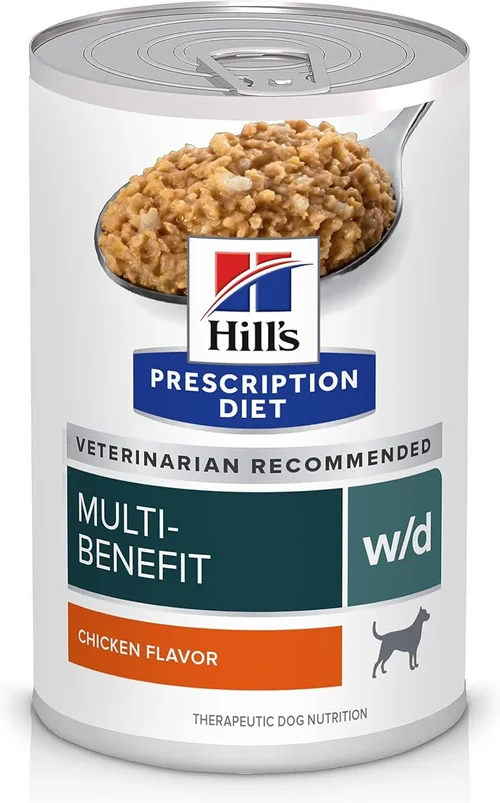
Luxury ($4.00+ per can): These top-tier options include veterinary therapeutic diets, organic ingredients, and clinically proven formulas. They’re often prescribed by vets for specific conditions like inflammatory bowel disease (IBD) or severe food allergies. While expensive, they offer the highest level of digestive support and are worth the investment for dogs with serious health concerns.

Expert Tips for Getting the Best Deal
- Buy during seasonal sales: Pet food brands often run promotions around holidays like Black Friday, Memorial Day, or National Pet Day. Stock up during these periods to save 20–30%.
- Use subscription services: Many online retailers (like Chewy, Amazon, or brand websites) offer discounts for auto-delivery. You’ll save money and never run out.
- Compare unit prices: Don’t just look at the total price—check the cost per ounce or per can. Larger cans may seem expensive but offer better value.
- Read return policies: Some stores allow returns on unopened pet food. This lets you test a new brand risk-free.
- Check for rebates or coupons: Brands often offer mail-in rebates or digital coupons through their websites or apps.
- Join loyalty programs: Pet stores like Petco or Chewy reward frequent buyers with points, discounts, and free items.
- Ask your vet for samples: Many veterinary clinics have sample packs of therapeutic diets. This lets you try before you buy.
- Monitor recalls: Sign up for FDA pet food recall alerts to stay informed about safety issues.

Frequently Asked Questions
Q: Can I feed my dog only canned food?
A: Yes, many dogs thrive on an all-wet diet, especially those with dental issues or low water intake. Just ensure the food is nutritionally complete and balanced according to AAFCO standards. Consult your vet to confirm it meets your dog’s needs.
Q: How often should I feed my dog canned food?
A: Most adult dogs do well with two meals per day. Puppies may need three to four. Follow the feeding guidelines on the label and adjust based on your dog’s weight, age, and activity level.
Q: Is canned food better than dry food for digestion?
A: Canned food’s high moisture content can aid digestion and hydration, making it a better choice for dogs with sensitive stomachs. However, some dogs do well on high-quality dry food with digestive support. It depends on the individual dog.
Q: Can I mix canned and dry food?
A: Absolutely. Mixing wet and dry food can provide variety, improve palatability, and support dental health. Just ensure the total daily intake meets your dog’s nutritional needs.
Q: How long does canned food last after opening?
A: Opened canned food should be refrigerated and used within 3–5 days. Cover the can with a lid or plastic wrap to prevent drying out.
Q: What if my dog doesn’t like the new food?
A: Some dogs are picky. Try warming the food slightly (to room temperature or slightly above) to enhance aroma. You can also mix in a small amount of bone broth or top with a favorite treat to encourage eating.
Q: Are grain-free diets safe for all dogs?
A: Not necessarily. While grain-free diets can help dogs with grain allergies, they’re not inherently healthier. The FDA has investigated a potential link between grain-free diets and DCM in some breeds. Consult your vet before switching.
Q: Can probiotics in food replace supplements?
A: In many cases, yes—especially if the food contains guaranteed live cultures. However, dogs with severe digestive issues may benefit from additional probiotic supplements. Talk to your vet for personalized advice.
Q: How do I know if a food is working?
A: Look for improvements in stool quality (firm, well-formed), reduced gas, consistent appetite, and increased energy. It may take 2–4 weeks to see full benefits.
Q: Should I rotate between different canned foods?
A: Rotating proteins every few months can prevent food sensitivities and provide nutritional variety. However, avoid frequent, abrupt changes, which can upset the stomach. Rotate gradually and monitor your dog’s response.
Our Final Recommendations
Best for Budget-Conscious Buyers: Wellness Simple Limited Ingredient Diet – Offers high-quality ingredients, limited proteins, and digestive support at a mid-range price. Great for dogs with mild sensitivities.
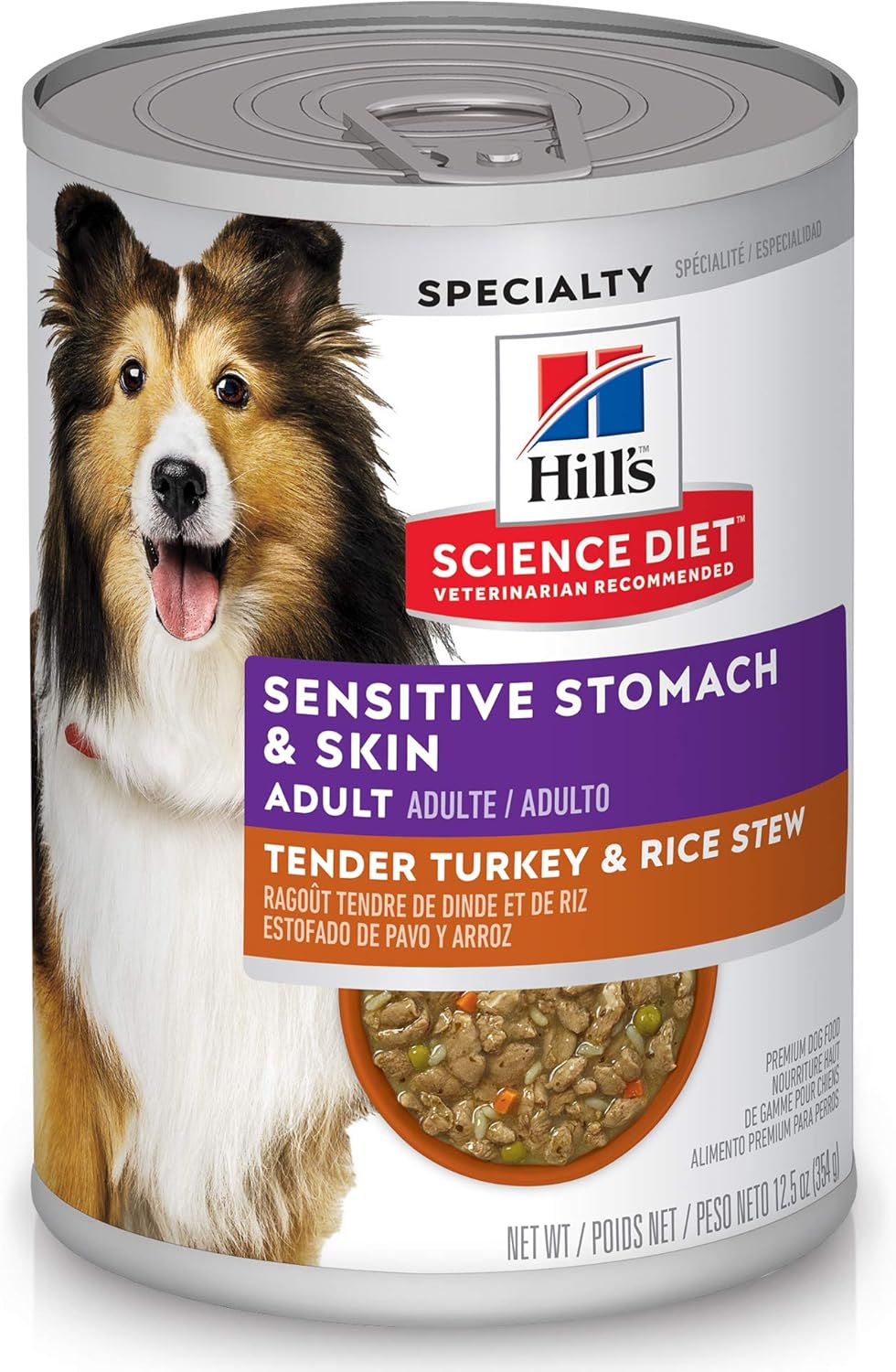
Best Overall Value: Hill’s Science Diet Sensitive Stomach & Skin – Veterinarian-recommended, with easily digestible ingredients, prebiotic fiber, and balanced nutrition. Reliable and widely available.
Best Premium Option: Purina Pro Plan Veterinary Diets EN Gastrointestinal – Clinically proven to manage digestive disorders, with hydrolyzed proteins and high digestibility. Ideal for dogs with chronic issues.
Best for Beginners: Blue Buffalo Basics Limited Ingredient Diet – Simple, transparent ingredients with real meat and pumpkin. Easy to find and transition to.
Best for Advanced Users: The Honest Kitchen Pour Overs – Human-grade, dehydrated toppers that rehydrate into a wet food. Packed with probiotics and whole foods. Perfect for owners who want maximum control over ingredients.
Conclusion: Making the Right Choice
Choosing the best canned dog food for digestive health is about more than just reading labels—it’s about understanding your dog’s unique needs and responding with care. From high-quality proteins and digestible carbs to probiotics and moisture content, every ingredient plays a role in supporting a healthy gut. Avoid common pitfalls like sudden diet changes or ignoring ingredient transparency, and always consult your veterinarian when in doubt.
Remember, the right food can transform your dog’s digestion, energy, and overall well-being. Whether you’re managing a chronic condition or simply aiming to prevent future issues, investing in a high-quality canned food is one of the most impactful decisions you can make as a pet parent. Use this guide as your roadmap, prioritize your dog’s health, and don’t hesitate to experiment until you find the perfect match. Your pup’s happy tummy—and wagging tail—will thank you.