
Digestive health in dogs isn’t just about avoiding upset stomachs—it’s foundational to their overall well-being. A healthy gut supports immune function, nutrient absorption, energy levels, and even behavioral stability. Yet, many pet owners unknowingly feed their dogs foods that disrupt digestion, leading to chronic gas, diarrhea, constipation, or food sensitivities. With the pet food market flooded with options—ranging from budget kibble to premium raw diets—it’s easy to feel overwhelmed. That’s why a science-backed, practical buying guide is essential.
This comprehensive guide is designed for dog owners who want to make informed decisions about their pet’s digestive health. Whether you’re dealing with a sensitive stomach, transitioning from puppy to adult food, or simply aiming to optimize your dog’s long-term wellness, you’ll find actionable insights here. We’ll break down the key ingredients, formulations, and feeding strategies that support optimal digestion, while debunking common myths and marketing traps. From understanding fiber types to evaluating probiotic strains, this guide equips you with the knowledge to choose the best dog food for digestive health—tailored to your dog’s breed, age, size, and lifestyle.
The market for digestive-support dog food has exploded in recent years, driven by rising awareness of gut health and increased veterinary recommendations. Brands now offer specialized formulas with prebiotics, probiotics, hydrolyzed proteins, and novel ingredients like pumpkin, ginger, and fermented botanicals. However, not all “digestive health” claims are created equal. Some products use buzzwords without scientific backing, while others are overpriced for minimal benefit. Our goal is to cut through the noise, offering a clear, evidence-based roadmap to help you select a diet that truly supports your dog’s gastrointestinal system—without overspending or compromising on quality.
What to Look for When Buying Dog Food for Digestive Health
1. High-Quality, Digestible Protein Sources
Protein is essential for muscle maintenance, immune function, and tissue repair, but not all proteins are equally digestible. Dogs thrive on animal-based proteins because they’re biologically appropriate and easier to break down than plant-based alternatives. Look for named meat sources as the first ingredient—such as “chicken,” “salmon,” or “lamb”—rather than vague terms like “meat meal” or “animal by-products.” Single-protein or limited-ingredient diets are especially beneficial for dogs with food sensitivities or allergies.
Highly digestible proteins reduce the workload on the digestive system, minimizing undigested residue that can ferment in the gut and cause gas or bloating. For example, fresh chicken has a digestibility rate of over 90%, while some plant proteins like soy or corn gluten meal may be as low as 70%. If your dog has a history of digestive issues, consider novel proteins like duck, venison, or rabbit, which are less likely to trigger immune reactions.
2. Prebiotics and Probiotics
Probiotics are live beneficial bacteria that colonize the gut and support a balanced microbiome, while prebiotics are non-digestible fibers that feed these good bacteria. Together, they form a powerful duo for digestive health. Look for dog foods that specify the strain and colony-forming units (CFUs) of probiotics—such as Lactobacillus acidophilus or Bifidobacterium animalis—and include prebiotics like FOS (fructooligosaccharides), MOS (mannan oligosaccharides), or inulin.
Not all probiotics survive the manufacturing process or stomach acid. Microencapsulated or freeze-dried strains are more likely to reach the intestines alive. Some brands, like Purina Pro Plan and Hill’s Science Diet, use patented probiotic strains clinically proven to reduce diarrhea and improve stool quality. Avoid products that simply list “probiotics” without specifying strain or CFU count—this is often a marketing tactic with little real benefit.
3. Soluble and Insoluble Fiber Balance
Fiber plays a critical role in regulating bowel movements, but the type and amount matter. Soluble fiber (found in oats, barley, and pumpkin) absorbs water and forms a gel-like substance that slows digestion and feeds beneficial gut bacteria. Insoluble fiber (found in cellulose, beet pulp, and rice hulls) adds bulk to stool and helps move waste through the colon.
A balanced ratio of both types supports healthy digestion. Too much insoluble fiber can lead to dry, hard stools or constipation, while excessive soluble fiber may cause loose stools or gas. Ideal dog foods contain 3–7% crude fiber, with a mix of sources. Pumpkin is a natural, gentle fiber source often added to digestive formulas. Beet pulp is another common ingredient—it’s controversial but well-researched and effective when used appropriately.
4. Limited and Transparent Ingredients
Simpler ingredient lists are generally better for digestive health, especially for dogs with sensitivities. Foods with fewer ingredients reduce the risk of triggering adverse reactions. Look for brands that disclose full ingredient sourcing and avoid artificial additives like BHA, BHT, ethoxyquin, and artificial colors or flavors, which can irritate the gut.
Transparency also extends to manufacturing practices. Brands that use human-grade ingredients, avoid cross-contamination, and provide batch testing results are more trustworthy. Avoid “mystery meats” or vague terms like “poultry by-product meal.” If a brand can’t tell you where their ingredients come from, it’s a red flag.
5. Grain-Inclusive vs. Grain-Free Considerations
The grain-free trend has led many owners to avoid grains entirely, but recent FDA investigations have linked certain grain-free diets to dilated cardiomyopathy (DCM) in dogs. Unless your dog has a diagnosed grain allergy, whole grains like brown rice, oats, and quinoa can actually support digestion. They provide energy, fiber, and essential nutrients like B vitamins and magnesium.
Grain-free diets often replace grains with legumes (peas, lentils, chickpeas), which are high in starch and may disrupt gut bacteria in some dogs. If you choose grain-free, ensure the formula includes easily digestible carbohydrates like sweet potato or tapioca and is backed by veterinary nutritionists.
6. Moisture Content and Hydration Support
Hydration is crucial for digestion, yet many dogs on dry kibble don’t drink enough water. Low moisture intake can lead to constipation and urinary issues. Wet or canned food contains 70–80% water, which helps keep the digestive tract lubricated and supports kidney function.
If you feed kibble, consider adding warm water or low-sodium broth to increase moisture. Some brands offer “fresh” or refrigerated foods with higher water content and fewer preservatives. These are excellent for dogs with sensitive stomachs but require refrigeration and have a shorter shelf life.
7. Brand Reputation and Veterinary Backing
Not all pet food brands are created equal. Look for companies with a history of scientific research, veterinary partnerships, and transparent manufacturing. Brands like Hill’s Science Diet, Royal Canin, and Purina Pro Plan have veterinary nutritionists on staff and conduct feeding trials to ensure efficacy.
Avoid boutique brands that rely on marketing over science. While some small brands offer high-quality ingredients, others cut corners on testing and formulation. Check if the brand is AAFCO (Association of American Feed Control Officials) compliant and whether they publish feeding trial results.
8. Transition Strategy and Feeding Guidelines
Even the best dog food won’t help if introduced too quickly. Sudden diet changes can cause diarrhea, vomiting, or refusal to eat. Always transition over 7–10 days, gradually increasing the new food while decreasing the old.
Start with 25% new food and 75% old food for days 1–3, then 50/50 for days 4–6, and 75% new for days 7–9. By day 10, your dog should be on 100% new food. Monitor stool consistency, energy levels, and appetite throughout the process.
Different Types of Dog Food for Digestive Health

Common Buying Mistakes to Avoid
❌ Mistake: Choosing Based on Marketing Claims Alone
Why it’s bad: Phrases like “all-natural,” “grain-free,” or “holistic” are not regulated and can be misleading. A food labeled “natural” may still contain low-quality ingredients or lack essential nutrients.
What to do instead: Read the ingredient list and guaranteed analysis. Focus on protein source, fiber content, and presence of probiotics—not buzzwords.
❌ Mistake: Ignoring Your Dog’s Age and Size
Why it’s bad: Puppies, seniors, and small breeds have different digestive needs. Feeding a high-calorie adult formula to a senior dog can lead to obesity and slowed digestion.
What to do instead: Choose age- and size-specific formulas. Senior dogs benefit from lower fat and added joint support, while puppies need higher protein and DHA for brain development.
❌ Mistake: Overlooking Transition Periods
Why it’s bad: Sudden diet changes disrupt gut bacteria and can cause vomiting, diarrhea, or refusal to eat.
What to do instead: Always transition over 7–10 days, mixing increasing amounts of new food with the old.
❌ Mistake: Feeding Too Much or Too Often
Why it’s bad: Overfeeding strains the digestive system and can lead to bloat, especially in large breeds. Free-feeding also makes it hard to monitor appetite and stool quality.
What to do instead: Follow portion guidelines based on weight and activity level. Feed measured meals 2–3 times daily.
❌ Mistake: Not Consulting a Veterinarian
Why it’s bad: Chronic digestive issues may signal underlying conditions like pancreatitis, IBD, or parasites. Treating symptoms without diagnosis can delay proper care.
What to do instead: If your dog has persistent diarrhea, vomiting, or weight loss, see a vet before switching foods.
❌ Mistake: Assuming Expensive Means Better
Why it’s bad: High price doesn’t guarantee quality. Some premium brands use exotic ingredients that offer no digestive benefit.
What to do instead: Compare ingredient quality, not price tags. A mid-range food with real meat and probiotics may outperform a luxury brand with fillers.
❌ Mistake: Ignoring Stool Quality
Why it’s bad: Stool is a direct indicator of digestive health. Firm, well-formed stools mean good digestion; loose or foul-smelling stools suggest issues.
What to do instead: Monitor stool daily. Use a 1–5 scale (1 = watery, 5 = hard pellets) to track changes when switching foods.
Budget Guidelines: How Much Should You Spend?
Entry-Level ($15–$30 per 15-lb bag): These foods often contain by-products, fillers, and minimal probiotics. While affordable, they may not support long-term digestive health. Look for brands like Iams or Pedigree with added fiber, but avoid those with artificial additives.
Mid-Range ($30–$60 per 15-lb bag): This is the sweet spot for most dog owners. Brands like Blue Buffalo, Wellness, and Nutro offer high-quality proteins, prebiotics, and limited fillers. Many include probiotics and are AAFCO-compliant. Ideal for dogs with mild sensitivities.
Premium ($60–$100 per 15-lb bag): These formulas use human-grade ingredients, novel proteins, and advanced probiotic strains. Brands like Orijen, Acana, and The Honest Kitchen are excellent for dogs with chronic digestive issues or food allergies.
Luxury ($100+ per month): Fresh, refrigerated, or custom-formulated diets fall into this category. Services like Nom Nom or JustFoodForDogs provide portioned, vet-designed meals. Best for dogs with severe conditions or owners seeking maximum nutrition.

Expert Tips for Getting the Best Deal
- Buy in bulk during sales: Many retailers offer 20–30% off during Black Friday, Prime Day, or end-of-season clearances. Stock up on 3–6 months’ supply if your dog tolerates the food well.
- Subscribe for discounts: Most online pet stores (Chewy, Petco, Amazon) offer 5–15% off with auto-ship. You can cancel anytime if your dog’s needs change.
- Compare unit prices: Don’t just look at total cost—check price per pound or ounce. A larger bag may seem expensive but cost less per serving.
- Use manufacturer coupons: Brands like Hill’s and Purina often mail coupons or offer rebates. Sign up for newsletters to stay updated.
- Ask your vet for samples: Many clinics provide free samples of prescription or therapeutic diets. This lets you test before buying a full bag.
- Check return policies: Some retailers allow returns if your dog doesn’t like the food. Chewy, for example, accepts unopened bags within 365 days.
- Rotate proteins: Feeding the same protein for years can lead to sensitivities. Rotate between chicken, beef, fish, and lamb every 3–6 months.
- Store food properly: Keep kibble in an airtight container in a cool, dry place. Exposure to heat and moisture reduces probiotic viability and causes spoilage.

Frequently Asked Questions
Q: Can I make homemade food for my dog’s digestive health?
A: Yes, but it requires careful balancing. Homemade diets must include the right ratio of protein, fat, carbohydrates, vitamins, and minerals. Consult a veterinary nutritionist to formulate a complete recipe. Common mistakes include too much fat (causing pancreatitis) or insufficient calcium.
Q: How long does it take to see improvement in digestion?
A: Most dogs show improvement within 1–2 weeks of switching to a digestive-support food. Stool consistency, gas, and appetite should stabilize. If no improvement occurs after 3–4 weeks, consult your vet.
Q: Are grain-free diets better for digestion?
A: Not necessarily. Grains like rice and oats are easily digestible and provide fiber. Grain-free diets are only beneficial if your dog has a confirmed grain allergy, which is rare.
Q: Can puppies eat digestive health food?
A: Yes, but choose a formula labeled for puppies or all life stages. Puppies need higher protein and fat for growth. Avoid adult-only digestive foods, which may lack essential nutrients.
Q: What if my dog refuses the new food?
A: Mix in a small amount of wet food, bone broth, or plain cooked pumpkin to enhance flavor. Warm the food slightly to release aromas. If refusal persists, try a different protein or texture.
Q: Do probiotics in dog food really work?
A: Yes, if the strains are viable and present in sufficient amounts. Look for CFU counts over 1 billion and strains like L. acidophilus. Supplements can boost effectiveness, especially during illness.
Q: Can digestive issues be genetic?
A: Yes. Breeds like German Shepherds, Boxers, and Shar-Peis are prone to IBD and sensitive stomachs. Choose breed-specific formulas when possible.
Q: Is raw food better for digestion?
A: Raw diets can be highly digestible but carry risks of bacterial contamination (Salmonella, E. coli) and nutritional imbalances. If feeding raw, use commercially prepared, balanced formulas and practice strict hygiene.
Q: How often should I change my dog’s food?
A: Only change when necessary—due to age, health, or intolerance. Frequent switching can disrupt gut flora. When changing, do so gradually over 7–10 days.
Q: Can stress affect my dog’s digestion?
A: Absolutely. Stress triggers the release of cortisol, which can slow digestion and alter gut bacteria. Changes in routine, travel, or loud noises may cause temporary upset. Probiotics and calming supplements can help.
Our Final Recommendations
Best for Budget-Conscious Buyers: Purina Pro Plan Sensitive Skin & Stomach – Offers real salmon, probiotics, and prebiotic fiber at an affordable price. Widely available and vet-recommended.
Best Overall Value: Blue Buffalo Basics Limited Ingredient Diet – Features turkey and potato, no grains or dairy, and includes LifeSource Bits with antioxidants. Great for mild sensitivities.
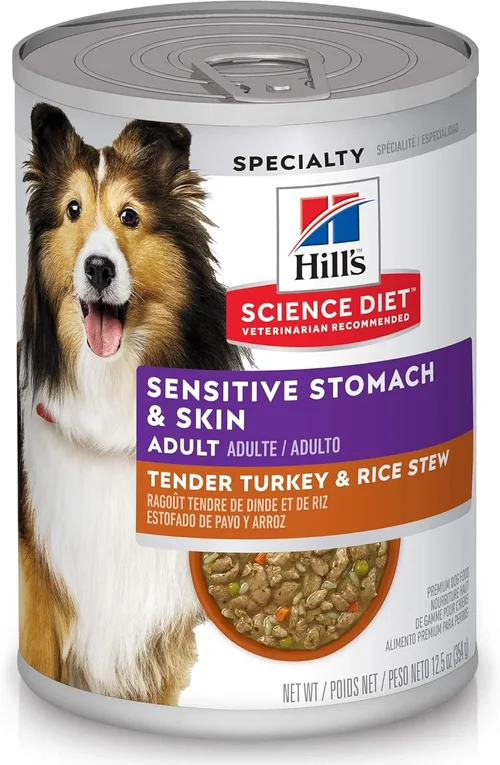
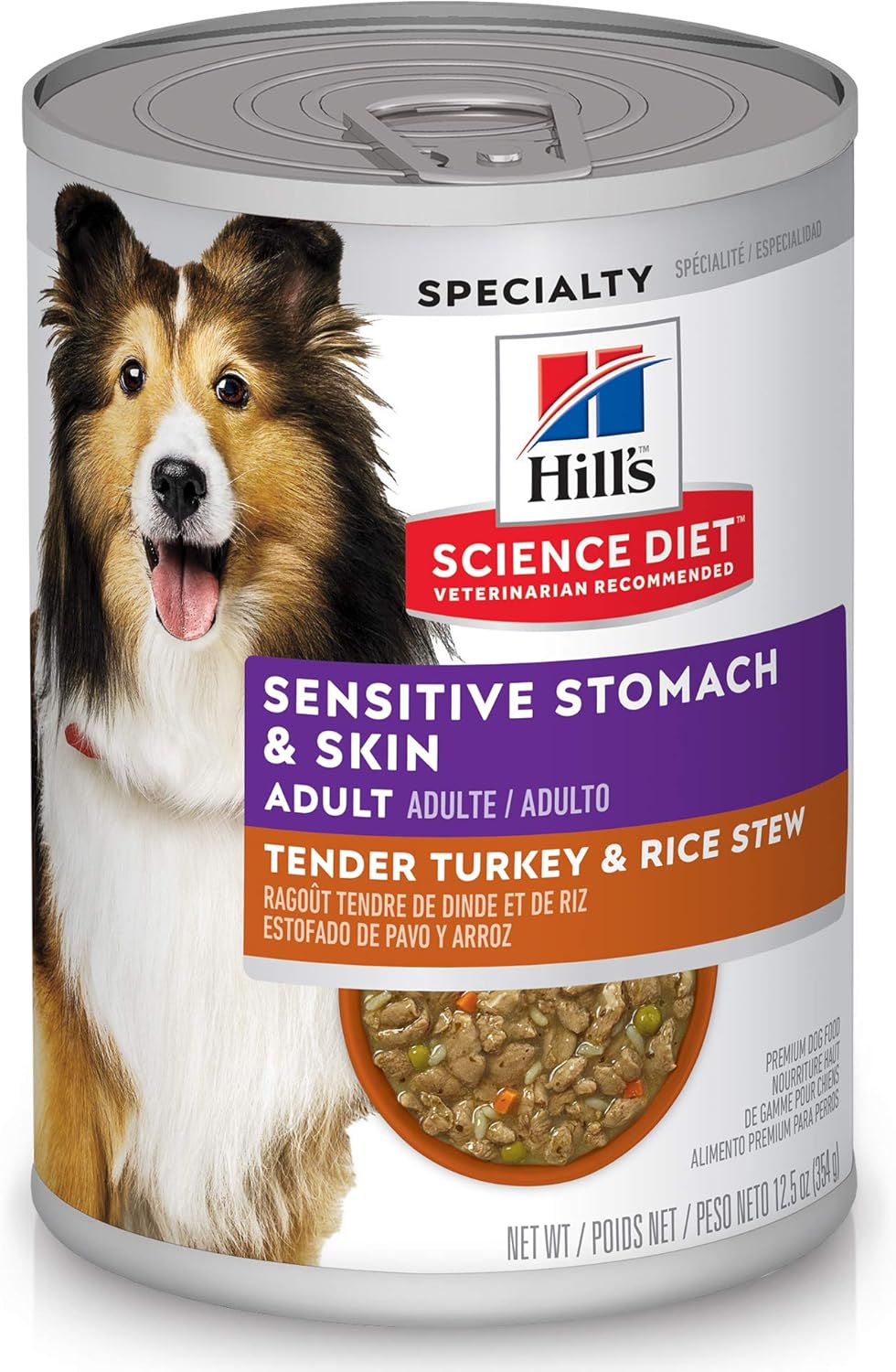
Best Premium Option: Hill’s Science Diet Adult Sensitive Stomach & Skin – Clinically proven to improve digestion in 24 hours. Contains prebiotic fiber and omega-6 fatty acids for skin health.
Best for Beginners: Wellness Simple Limited Ingredient Diet – Easy-to-digest salmon and potato formula with no fillers. Transparent labeling and gentle on the stomach.
Best for Advanced Users: Nom Nom Fresh Dog Food – Customized, human-grade meals delivered fresh. Ideal for dogs with complex digestive needs or food intolerances.
Conclusion: Making the Right Choice
Choosing the right dog food for digestive health is one of the most impactful decisions you can make for your pet’s quality of life. It’s not just about avoiding upset stomachs—it’s about supporting immunity, energy, and longevity through a balanced, science-backed diet. By focusing on high-quality proteins, beneficial fibers, live probiotics, and transparent sourcing, you can dramatically improve your dog’s gut health and overall well-being.
Remember, every dog is unique. What works for one may not suit another. Pay attention to your dog’s individual needs, monitor their response to new foods, and don’t hesitate to consult your veterinarian when in doubt. Avoid falling for marketing gimmicks, and prioritize ingredients over packaging. With the knowledge from this guide, you’re now equipped to make confident, informed choices that support your dog’s digestive health for years to come.
Take the next step: review your current dog food label, assess your dog’s digestive habits, and consider a gradual transition to a formula that aligns with their needs. Your dog’s gut—and their happiness—will thank you.