
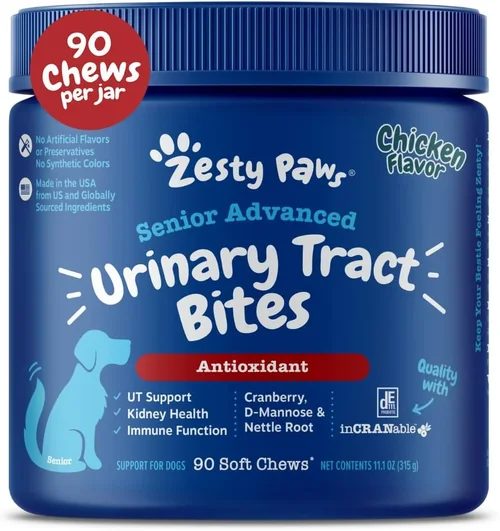
When your dog starts showing signs of urinary discomfort—frequent urination, straining, blood in the urine, or accidents in the house—it’s not just alarming; it’s a signal that something deeper might be going on. Bladder and urinary tract health are critical yet often overlooked aspects of canine wellness. Left unaddressed, conditions like bladder stones, urinary tract infections (UTIs), or idiopathic cystitis can lead to serious complications, including kidney damage or life-threatening blockages, especially in male dogs. That’s why choosing the right dog food isn’t just about nutrition—it’s about proactive health management.
This comprehensive buying guide is designed to empower dog owners with the knowledge and tools needed to make informed decisions about their pet’s bladder health through diet. Whether you’re dealing with a recurring issue or simply want to prevent future problems, understanding how food impacts urinary function is essential. We’ll walk you through the science behind bladder-supportive nutrition, decode ingredient labels, compare different types of therapeutic and preventive diets, and help you avoid common pitfalls. By the end, you’ll know exactly what to look for—and what to avoid—when selecting the best dog food for bladder health.
The market for specialized canine nutrition has exploded in recent years, with dozens of brands claiming to support urinary health. From prescription veterinary diets to over-the-counter “urinary care” formulas, the options can be overwhelming. Some products are backed by clinical research and formulated by veterinary nutritionists, while others rely on marketing buzzwords with little scientific backing. This guide cuts through the noise, offering expert insights based on veterinary recommendations, nutritional science, and real-world feedback from pet owners. Our goal isn’t to sell you a product—it’s to equip you with the confidence to choose the right food for your dog’s unique needs.

What to Look for When Buying Dog Food for Bladder Health
1. Controlled Mineral Content (Magnesium, Phosphorus, Calcium)
One of the most critical factors in bladder health is mineral balance, particularly magnesium, phosphorus, and calcium. These minerals are essential for overall health, but in excess—or in the wrong ratios—they can contribute to the formation of urinary crystals and stones. Struvite and calcium oxalate stones are the two most common types affecting dogs, and both are directly influenced by dietary mineral levels.
Struvite stones form in alkaline urine and are often associated with high levels of magnesium and phosphorus. Calcium oxalate stones, on the other hand, tend to develop in acidic urine and can be exacerbated by excessive calcium or imbalanced calcium-to-phosphorus ratios. Therefore, a bladder-supportive diet must carefully regulate these minerals to prevent crystallization.
Look for foods that specify controlled levels of these minerals on the label. For example, a struvite-prevention formula should contain reduced magnesium (typically under 0.1% on a dry matter basis) and moderate phosphorus. Calcium levels should be balanced—too little can weaken bones, while too much may increase oxalate stone risk. The ideal calcium-to-phosphorus ratio is between 1:1 and 1.5:1.
2. Optimal Urine pH Level
Urine pH is a key determinant in urinary stone formation. The ideal urine pH for most dogs is slightly acidic, ranging from 6.0 to 6.5. This acidity helps dissolve struvite crystals and prevents their growth into stones. Conversely, overly alkaline urine (pH above 7.0) creates an environment where struvite crystals thrive.
Dog foods formulated for bladder health often include acidifying ingredients such as methionine, a sulfur-containing amino acid that helps lower urine pH. Some diets also use controlled levels of animal protein, which naturally produces acidic byproducts during digestion.
It’s important to note that urine pH can fluctuate based on diet, hydration, and health status. While food plays a major role, it’s not the only factor. However, consistently feeding a diet designed to maintain a healthy pH range significantly reduces the risk of crystal formation.
Avoid diets that promote alkaline urine unless specifically recommended by a veterinarian for a rare condition. Most commercial “urinary care” foods are designed to acidify urine, but always verify this through ingredient lists or veterinary guidance.
3. High Moisture Content
Hydration is one of the most powerful tools in preventing bladder issues. Increased water intake dilutes urine, reducing the concentration of minerals and toxins that can form crystals or irritate the bladder lining. Unfortunately, most dry kibble contains only 6–10% moisture, which is far below a dog’s natural dietary intake from prey animals (which can be 70% water or more).
Wet or canned dog food typically contains 70–80% moisture, making it an excellent choice for promoting urinary health. Even if you feed dry kibble, consider supplementing with wet food or adding water to increase hydration.
Some dogs are reluctant drinkers, so boosting moisture through food is often more effective than trying to get them to drink more water. Look for wet formulas labeled for urinary support, or choose high-moisture diets with controlled minerals and pH-balancing ingredients.
4. High-Quality, Digestible Protein Sources
Protein is essential for muscle maintenance, immune function, and overall health, but not all proteins are created equal—especially when it comes to urinary health. High-quality, highly digestible proteins produce fewer nitrogenous waste products, which reduces the workload on the kidneys and bladder.
Look for named animal protein sources as the first ingredient, such as “chicken,” “salmon,” or “turkey,” rather than vague terms like “meat meal” or “animal by-products.” These indicate a higher concentration of usable protein and fewer fillers.
However, protein levels must be balanced. While excessive protein isn’t typically a direct cause of bladder stones, very high-protein diets can increase urine concentration and ammonia production, potentially irritating the bladder. Moderate, high-quality protein (around 25–30% for most adult dogs) is ideal.
Avoid diets with excessive plant-based proteins (like soy or corn gluten meal), which are less digestible and may contribute to urinary imbalances in some dogs.
5. Limited Fillers and Artificial Additives
Fillers such as corn, wheat, soy, and artificial preservatives (like BHA, BHT, or ethoxyquin) offer little nutritional value and may contribute to inflammation or allergic reactions that can indirectly affect bladder health. Some dogs are sensitive to certain grains or additives, which can lead to gastrointestinal upset and, in rare cases, immune-mediated urinary issues.
Choose foods with whole-food ingredients and natural preservatives like mixed tocopherols (vitamin E) or rosemary extract. The ingredient list should be short and recognizable—think real meat, vegetables, and healthy fats.
Artificial colors and flavors are unnecessary and may irritate sensitive systems. While they don’t directly cause bladder stones, they can contribute to overall inflammation and stress on the body.
6. Added Urinary Support Ingredients
Some advanced formulas include functional ingredients specifically chosen to support bladder and urinary tract health. These may include:
– Cranberry extract: Contains proanthocyanidins that may prevent bacteria like E. coli from adhering to the bladder wall, reducing the risk of UTIs.
– Glucosamine and chondroitin: Support the glycosaminoglycan (GAG) layer of the bladder lining, which acts as a protective barrier against irritation and infection.
– Omega-3 fatty acids (from fish oil): Have anti-inflammatory properties that can soothe the urinary tract and reduce irritation.
– D-mannose: A sugar that may help flush bacteria from the urinary tract, though research in dogs is limited compared to humans.
While these ingredients aren’t a substitute for veterinary care, they can be valuable additions in a preventive or supportive diet—especially for dogs prone to recurrent UTIs.
7. Veterinary Formulation and Clinical Backing
Not all “urinary care” dog foods are created equal. Some are developed by veterinary nutritionists and tested in clinical trials, while others are formulated by marketing teams with minimal scientific input. Prescription diets from brands like Hill’s Science Diet, Royal Canin, and Purina Pro Plan Veterinary Diets are often the gold standard for dogs with diagnosed urinary conditions.
These diets are designed to dissolve existing struvite stones or prevent recurrence of various stone types. They are typically available only through veterinarians and may require a diagnosis to purchase.
Over-the-counter (OTC) urinary support foods can be effective for prevention but may not be strong enough for active stone dissolution. If your dog has a history of bladder stones or UTIs, consult your vet before choosing an OTC product.
8. Palatability and Digestibility
No matter how nutritious a food is, it’s useless if your dog won’t eat it. Palatability is crucial, especially for dogs with sensitive stomachs or those recovering from urinary issues. A food that’s too salty, too rich, or poorly flavored may lead to reduced intake, which can concentrate urine and worsen bladder problems.
Look for diets that use natural flavor enhancers like real meat broth or dehydrated liver. Avoid excessive salt (sodium), which can increase thirst and urination but may also contribute to stone formation in susceptible dogs.
Digestibility is equally important. Foods with high digestibility ensure that nutrients are absorbed efficiently, reducing waste and strain on the urinary system. Look for brands that publish digestibility studies or use highly bioavailable ingredients.
Different Types of Dog Food for Bladder Health

Common Buying Mistakes to Avoid
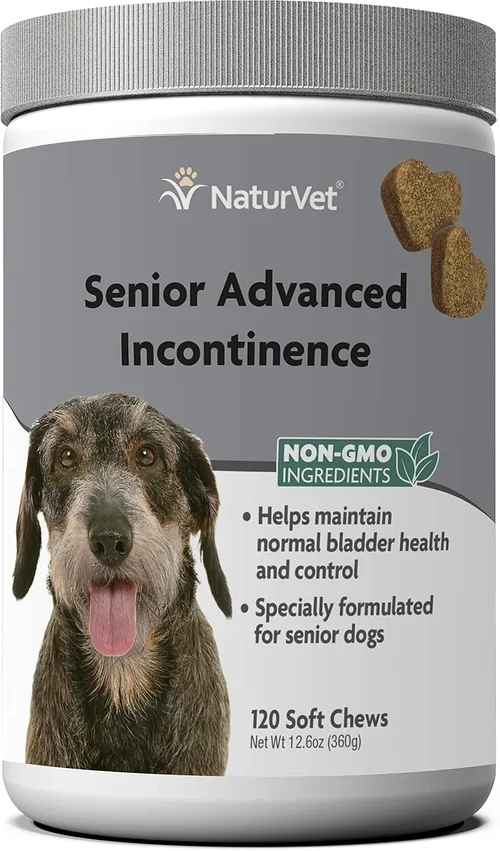
❌ Mistake: Choosing Based Solely on Marketing Claims
Why it’s bad: Many brands use terms like “urinary health,” “bladder support,” or “crystal prevention” without providing evidence or proper formulation. These claims can be misleading, especially if the food lacks controlled minerals or pH-balancing ingredients.
What to do instead: Always read the ingredient list and guaranteed analysis. Look for specific mineral levels, acidifying agents, and moisture content. When in doubt, consult your veterinarian or a veterinary nutritionist.
❌ Mistake: Feeding a High-Protein Diet to a Dog with Kidney Issues
Why it’s bad: While protein is important, dogs with compromised kidney function may struggle to process excess nitrogenous waste. This can lead to toxin buildup and worsen urinary problems.
What to do instead: If your dog has kidney disease, choose a diet with moderate, high-quality protein and reduced phosphorus. Work with your vet to balance protein needs with kidney support.
❌ Mistake: Ignoring Hydration
Why it’s bad: Even the best urinary diet won’t work if your dog isn’t drinking enough water. Concentrated urine increases the risk of crystal formation.
What to do instead: Encourage water intake by providing fresh water daily, using multiple bowls, or investing in a pet water fountain. Consider adding wet food or broth to meals.
❌ Mistake: Switching Foods Too Quickly
Why it’s bad: Sudden diet changes can upset your dog’s digestive system and alter urine pH, potentially triggering crystals or UTIs.
What to do instead: Transition to a new food over 7–10 days, gradually increasing the proportion of new food while decreasing the old. Monitor for any changes in urination.
❌ Mistake: Using Human Supplements Without Guidance
Why it’s bad: Supplements like cranberry pills or D-mannose may seem helpful, but they can interact with medications or cause imbalances if not dosed correctly.
What to do instead: Always consult your vet before adding supplements. Some may be beneficial, but dosage and formulation matter.
❌ Mistake: Assuming All Urinary Issues Are the Same
Why it’s bad: Bladder stones, UTIs, and idiopathic cystitis require different approaches. Feeding a struvite-prevention diet to a dog with calcium oxalate stones can be ineffective or harmful.
What to do instead: Get a proper diagnosis. Urinalysis and imaging (like X-rays or ultrasound) are essential to determine the cause and choose the right diet.
❌ Mistake: Neglecting Regular Vet Check-Ups
Why it’s bad: Bladder conditions can recur or progress silently. Without monitoring, you may miss early signs of trouble.
What to do instead: Schedule annual (or biannual) vet visits with urine testing, especially if your dog has a history of urinary issues.
Budget Guidelines: How Much Should You Spend?
– Entry-Level ($1.00–$1.80 per pound): These foods may claim urinary support but often lack precise mineral control or clinical backing. They’re better than standard kibble but not ideal for dogs with active issues. Best for low-risk dogs needing mild prevention.
– Mid-Range ($1.80–$3.00 per pound): This is the sweet spot for most owners. Many reputable brands offer well-formulated urinary support diets with controlled minerals, added moisture, and functional ingredients. Great for prevention and mild maintenance.
– Premium ($3.00–$4.50 per pound): Includes prescription veterinary diets and high-end OTC formulas with clinical research, veterinary input, and superior ingredients. Ideal for dogs with diagnosed conditions or high risk.
– Luxury ($4.50+ per pound): Fresh, homemade, or boutique brands with human-grade ingredients and custom formulations. Excellent for owners who prioritize ingredient quality and are willing to pay a premium. Requires careful balancing to ensure urinary health.

Expert Tips for Getting the Best Deal
– Buy in bulk during sales: Many pet retailers offer discounts on larger bags or subscription plans. Sign up for newsletters to get alerts on promotions.
– Compare cost per pound, not per bag: A smaller bag may seem cheaper, but the price per pound could be higher. Always calculate the true cost.
– Ask your vet about rebates: Some veterinary diets offer manufacturer rebates or loyalty programs that can reduce long-term costs.
– Consider subscription services: Brands like Chewy, Petco, and Amazon offer auto-ship discounts (usually 5–10% off) and free shipping.
– Read return policies: If your dog doesn’t like the food or has a reaction, you want the option to return or exchange it.
– Test with a small bag first: Before committing to a large purchase, try a small bag to ensure palatability and digestibility.
– Look for vet-approved OTC alternatives: Some non-prescription diets are nearly as effective as prescription ones for prevention. Ask your vet for recommendations.
– Track your dog’s response: Keep a journal of urination habits, appetite, and energy levels. This helps you assess whether the food is working.

Frequently Asked Questions
Q: Can dog food really prevent bladder stones?
A: Yes, but only if it’s properly formulated. Diets that control mineral levels, maintain optimal urine pH, and promote hydration can significantly reduce the risk of stone formation. However, genetics, breed, and underlying health conditions also play a role.
Q: How long does it take for a urinary diet to work?
A: For prevention, improvements in urine concentration and pH can be seen within 1–2 weeks. For dissolving struvite stones, it may take 1–3 months, depending on stone size and diet efficacy. Always follow your vet’s monitoring plan.
Q: Can I feed urinary diet food to my healthy dog?
A: Yes, but with caution. Long-term feeding of certain prescription urinary diets (especially those low in magnesium or high in salt) may not be ideal for healthy dogs. OTC urinary support foods are generally safe for prevention.
Q: What breeds are most at risk for bladder issues?
A: Dalmatians, Miniature Schnauzers, Shih Tzus, Bichon Frises, and Lhasa Apsos are prone to urate or struvite stones. Bulldogs and Yorkshire Terriers may also be at higher risk.
Q: Is wet food always better for bladder health?
A: Not always, but it’s often superior due to higher moisture content. If your dog prefers dry food, soaking it in water or adding broth can help. The key is increasing total daily water intake.
Q: Can stress cause bladder problems in dogs?
A: Yes. Stress can trigger idiopathic cystitis, especially in cats, but it can also affect dogs. A calm environment, routine, and bladder-supportive diet can help manage stress-related urinary issues.
Q: Should I avoid all treats on a urinary diet?
A: Not necessarily, but choose treats wisely. Avoid high-mineral treats like rawhides or certain chews. Opt for low-phosphorus, low-magnesium options, or use small pieces of the prescribed food as treats.
Q: Can I make homemade food for bladder health?
A: Yes, but it’s complex. Homemade diets require precise balancing of minerals, protein, and moisture. Work with a veterinary nutritionist to formulate a recipe that meets your dog’s needs.
Q: What if my dog refuses to eat the new food?
A: Try mixing it with their old food gradually. Warming the food or adding low-sodium broth can enhance palatability. If refusal persists, consult your vet—there may be an underlying issue.
Q: How often should I test my dog’s urine?
A: For dogs with a history of urinary issues, every 6–12 months is recommended. For high-risk breeds, annual testing is wise even without symptoms.
Our Final Recommendations
– Best for Budget-Conscious Buyers: Purina Pro Plan Focus Urinary Tract Health Formula (Dry) – Offers solid urinary support at an affordable price with controlled minerals and added moisture.
– Best Overall Value: Hill’s Science Diet Adult Urinary & Hairball Control (Wet) – Combines high moisture, pH control, and hairball prevention in a palatable, vet-recommended formula.
– Best Premium Option: Royal Canin Veterinary Diet Urinary SO (Dry or Wet) – Clinically proven to dissolve struvite stones and prevent recurrence, available through veterinarians.
– Best for Beginners: Blue Buffalo Natural Veterinary Diet W+U Weight Management + Urinary Care – Easy-to-find OTC option with clear labeling and added cranberry.
– Best for Advanced Users: Freshly Prepared Homemade Diet (Custom-Formulated) – For owners willing to invest time and money, a vet-approved fresh diet offers maximum control and freshness.
Conclusion: Making the Right Choice
Choosing the right dog food for bladder health is one of the most impactful decisions you can make for your pet’s long-term well-being. It’s not just about avoiding expensive vet bills—it’s about ensuring your dog lives a comfortable, pain-free life free from the discomfort of urinary issues. By focusing on controlled minerals, optimal pH, high moisture, and high-quality ingredients, you can significantly reduce the risk of bladder stones, infections, and other urinary problems.
Remember, no single food is perfect for every dog. Your pet’s age, breed, activity level, and medical history all play a role in determining the best diet. Use this guide as a starting point, but always consult your veterinarian before making major dietary changes—especially if your dog has a diagnosed condition.
Prioritize prevention, stay informed, and don’t hesitate to ask questions. The best dog food for bladder health isn’t always the most expensive or the most heavily marketed—it’s the one that’s scientifically sound, tailored to your dog’s needs, and consistently fed with care. With the right knowledge and a proactive approach, you can give your furry friend the gift of lasting urinary health.