
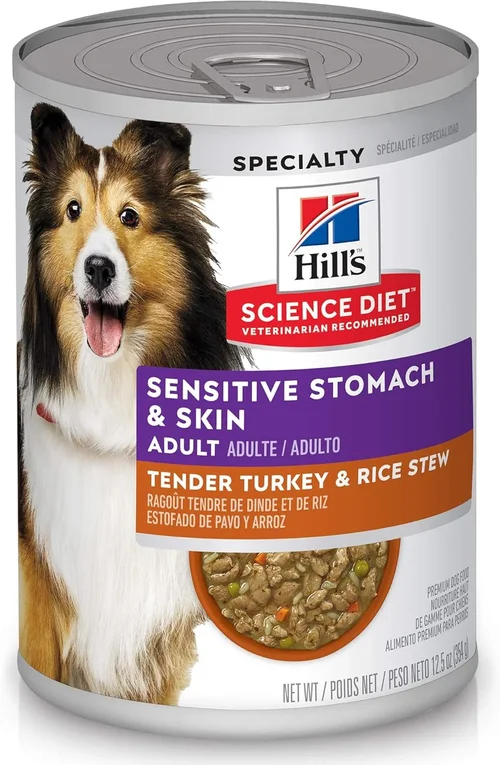
When it comes to your dog’s health, few things are as important—or as often overlooked—as digestive wellness. A happy tummy means more than just avoiding upset stomachs or loose stools; it directly impacts your dog’s energy levels, immune function, coat quality, and overall longevity. With so many canned dog food options flooding the market in 2026, choosing the right one for digestive health can feel overwhelming. That’s where this guide comes in.
In this comprehensive buying guide, we’ll walk you through everything you need to know to make an informed decision about the best canned dog food for digestive health. Whether you’re dealing with a sensitive stomach, managing a chronic condition like irritable bowel syndrome (IBS), or simply want to support your pup’s gut microbiome, we’ve got you covered. You’ll learn how to decode ingredient labels, understand the role of probiotics and fiber, compare price points across brands, and avoid common pitfalls that could do more harm than good. By the end, you’ll have the confidence to choose a product that truly supports your dog’s digestive system—without breaking the bank.
The canned dog food market has evolved dramatically over the past few years. Gone are the days when “wet food” meant mystery meat byproducts and fillers. Today’s top-tier brands focus on gut-friendly ingredients like prebiotic fibers, human-grade proteins, and clinically tested probiotics. At the same time, budget-friendly options have also improved, offering better nutrition than ever before. However, not all claims are created equal. Some brands tout “digestive support” while still using inflammatory grains or artificial additives. Our goal is to cut through the marketing noise and give you science-backed, practical advice tailored to real-world needs.
What to Look for When Buying Buying Guide
1. High-Quality, Digestible Protein Sources
Protein is the foundation of any dog’s diet, but not all proteins are equally easy to digest. Look for named animal proteins listed first on the ingredient panel—such as “deboned chicken,” “turkey liver,” or “wild-caught salmon.” These indicate whole-food sources rather than vague terms like “meat meal” or “animal digest,” which can be harder for sensitive stomachs to process. Highly digestible proteins reduce the workload on your dog’s digestive system and minimize the risk of food intolerances.
Avoid formulas that rely heavily on plant-based proteins (like soy or corn gluten meal) as primary ingredients—they’re less biologically appropriate for dogs and may trigger inflammation in some individuals. If your dog has known allergies, consider novel proteins like duck, rabbit, or venison, which are less commonly used and therefore less likely to cause reactions.
2. Prebiotic and Probiotic Support
A healthy gut microbiome is essential for digestion, nutrient absorption, and immune regulation. Prebiotics (like chicory root, beet pulp, or fructooligosaccharides/FOS) feed the beneficial bacteria already living in your dog’s intestines. Probiotics (such as Lactobacillus acidophilus or Bifidobacterium animalis) introduce live, active cultures that help balance gut flora—especially after antibiotics or dietary changes.
Not all probiotics are created equal. Look for strains that are specifically researched for canine use and listed with their full scientific names (e.g., “Lactobacillus rhamnosus GG”). Also, ensure the product guarantees live cultures at the time of consumption—some cheaper brands list probiotics but don’t protect them from heat or stomach acid, rendering them ineffective.
3. Fiber Content and Type
Fiber plays a dual role in digestive health: soluble fiber helps regulate blood sugar and feeds good bacteria, while insoluble fiber adds bulk to stools and supports regular bowel movements. The ideal canned dog food for digestive health contains a balanced mix of both—typically 3–7% crude fiber on a dry matter basis.
Great sources of soluble fiber include pumpkin, sweet potato, and oats. Insoluble fiber often comes from cellulose or beet pulp. Avoid excessive amounts of low-quality fiber fillers like peanut hulls or wood pulp, which offer little nutritional value and can irritate the gut lining.
If your dog suffers from diarrhea, look for foods with moderate soluble fiber to firm up stools. For constipation, a blend of both fiber types can help restore regularity.
4. Limited, Whole-Food Ingredients
Simplicity is key when it comes to sensitive digestion. The shorter and more recognizable the ingredient list, the easier it is for your dog’s system to process. Aim for formulas with 10–15 ingredients or fewer, focusing on whole foods rather than isolates or synthetic additives.
Avoid artificial preservatives (BHA, BHT, ethoxyquin), colors, and flavors—they offer no nutritional benefit and may contribute to inflammation or allergic reactions. Similarly, steer clear of excessive sodium, which can dehydrate your dog and worsen gastrointestinal upset.
Look for natural preservatives like mixed tocopherols (vitamin E) or rosemary extract. These keep the food fresh without compromising gut health.
5. Grain-Free vs. Grain-Inclusive: What’s Right for Your Dog?
The grain-free debate continues, but recent research suggests that grains aren’t inherently harmful—and in some cases, they can be beneficial. Whole grains like brown rice, oats, and quinoa provide digestible carbohydrates, B vitamins, and fiber that support gut motility.
However, dogs with diagnosed grain sensitivities (not allergies—true grain allergies are rare) may benefit from grain-free options. The real issue often lies in low-quality grains or excessive carbohydrate loading, not grains themselves.
For digestive health, focus less on “grain-free” labels and more on the quality of carbohydrates used. Easily digestible starches like white rice or potato can actually soothe an upset stomach, while highly processed corn or wheat gluten may exacerbate issues.
6. Moisture Content and Hydration Benefits
Canned dog food typically contains 70–80% moisture, which is a major advantage for digestive health. Proper hydration supports kidney function, softens stool, and aids in the breakdown of food. Dogs who don’t drink enough water—especially those on dry kibble—can become prone to constipation and urinary tract issues.
High moisture content also makes canned food easier to chew and digest, particularly for senior dogs or those with dental problems. This gentle texture reduces strain on the digestive tract and encourages consistent eating habits.
When comparing brands, check the guaranteed analysis for moisture levels. While most canned foods fall within the standard range, some ultra-premium or therapeutic diets may have slightly lower moisture to accommodate higher protein or fat content—just ensure your dog has ample access to fresh water.
7. Brand Transparency and Quality Control
Not all pet food companies are equally committed to safety and transparency. Look for brands that conduct AAFCO (Association of American Feed Control Officials) feeding trials or formulate to meet AAFCO nutrient profiles. Even better, choose companies that publish third-party lab results, source ingredients ethically, and provide clear information about manufacturing locations.
Reputable brands will often list their facility locations, explain their sourcing practices, and respond promptly to customer inquiries. Avoid companies that use vague language like “made with real meat” without specifying the cut or origin.
8. Veterinarian-Recommended or Therapeutic Formulations
If your dog has a diagnosed digestive disorder—such as pancreatitis, inflammatory bowel disease (IBD), or exocrine pancreatic insufficiency (EPI)—you may need a prescription or veterinary therapeutic diet. These formulas are scientifically designed to meet specific medical needs and are often available in canned form.
While over-the-counter “sensitive stomach” foods can help mild cases, severe conditions require targeted nutrition. Always consult your veterinarian before switching to a therapeutic diet, as improper use can delay proper treatment.
That said, many vet-recommended brands (like Hill’s Science Diet, Royal Canin, and Purina Pro Plan Veterinary Diets) also offer non-prescription “sensitive digestion” lines that are excellent for maintenance or mild support.
Different Types of Buying Guide

Common Buying Mistakes to Avoid

❌ Mistake: Choosing Based Solely on “Grain-Free” Claims
Why it’s bad: Many pet parents assume “grain-free” automatically means healthier, but this isn’t always true. In fact, the FDA has investigated a potential link between grain-free diets and dilated cardiomyopathy (DCM) in dogs. Moreover, some grain-free foods replace grains with legumes (like peas or lentils), which may be harder to digest for certain dogs.
What to do instead: Focus on ingredient quality rather than buzzwords. If your dog tolerates grains well, a grain-inclusive formula with whole grains can actually support digestive health. Always prioritize digestibility and nutritional balance over marketing trends.
❌ Mistake: Ignoring the Guaranteed Analysis
Why it’s bad: The ingredient list tells you what’s in the food, but the guaranteed analysis reveals how much of each nutrient is present. Without this, you can’t assess whether the food meets your dog’s needs—especially for protein, fat, fiber, and moisture.
What to do instead: Always check the guaranteed analysis on the back or side of the can. Compare values across brands using dry matter calculations (a simple online calculator can help). This ensures you’re getting adequate nutrition, not just filler.
❌ Mistake: Overlooking Probiotic Viability
Why it’s bad: Not all probiotics survive storage, canning, or stomach acid. If a product lists probiotics but doesn’t guarantee live cultures at expiry, they may be dead by the time your dog eats them—rendering them useless.
What to do instead: Look for brands that specify “live and active cultures” and provide colony-forming unit (CFU) counts. Some premium brands even use microencapsulation technology to protect probiotics until they reach the gut.
❌ Mistake: Switching Foods Too Quickly
Why it’s bad: Sudden dietary changes can shock your dog’s digestive system, leading to vomiting, diarrhea, or refusal to eat. Even the healthiest food can cause issues if introduced abruptly.
What to do instead: Transition gradually over 7–10 days. Start by mixing 25% new food with 75% old food, increasing the ratio every 2–3 days. Monitor stool consistency and energy levels throughout the process.
❌ Mistake: Assuming All “Natural” Foods Are Safe
Why it’s bad: The term “natural” is loosely regulated in pet food. It simply means the ingredients are derived from plant, animal, or mined sources—but doesn’t guarantee absence of contaminants, heavy metals, or poor processing methods.
What to do instead: Look for third-party certifications like AAFCO, USDA Organic, or NSF International. These provide more reliable indicators of safety and quality than unverified claims.
❌ Mistake: Neglecting Your Dog’s Individual Needs
Why it’s bad: Every dog is unique. What works for a friend’s Labrador may not suit your senior Chihuahua with kidney issues. Age, breed, activity level, and existing health conditions all influence dietary requirements.
What to do instead: Consult your veterinarian before making significant changes—especially if your dog has chronic conditions. Consider a food trial under professional guidance to identify triggers and optimal nutrition.
❌ Mistake: Buying in Bulk Without Testing
Why it’s bad: Stocking up on a large case of food only to discover your dog won’t eat it—or worse, it causes digestive upset—is a waste of money and resources.
What to do instead: Start with a single can or small pack to test palatability and tolerance. Many retailers offer sample programs or money-back guarantees. Once you’ve confirmed it works, then consider bulk purchases.
Budget Guidelines: How Much Should You Spend?
Choosing the right canned dog food doesn’t have to mean emptying your wallet. Here’s a realistic breakdown of what you can expect at different price points in 2026:
Entry-Level ($1.25 – $1.75 per 13 oz can):
These budget-friendly options are widely available at grocery stores and big-box retailers. While they may contain recognizable ingredients like chicken or beef, they often include byproducts, fillers (like corn or wheat), and artificial preservatives. Digestive benefits are limited, but some brands—like Iams ProActive Health or Pedigree Choice Cuts—have improved their formulas to include modest fiber and moisture. Best for healthy dogs with no sensitivities who primarily eat kibble and only use canned food as an occasional topper.
Mid-Range ($1.75 – $2.75 per 13 oz can):
This is the sweet spot for most pet parents. Brands like Wellness Simple, Blue Buffalo Basics, and Merrick Grain-Free offer high-quality proteins, limited ingredients, and added prebiotics or probiotics. Many include real vegetables, healthy fats, and natural preservatives. These foods provide meaningful digestive support without premium pricing. Ideal for dogs with mild sensitivities or owners who want better nutrition than entry-level but aren’t ready to invest in veterinary-grade products.
Premium ($2.75 – $4.00 per 13 oz can):
At this tier, you’ll find brands like The Honest Kitchen, Open Farm, and Nom Nom. These emphasize human-grade ingredients, ethical sourcing, and advanced nutritional science. Expect named meats, functional additives (like turmeric or coconut oil), and guaranteed live probiotics. Some use rotational feeding models or fresh-food-inspired recipes. Perfect for dogs with moderate digestive issues, picky eaters, or owners prioritizing transparency and sustainability.
Luxury ($4.00+ per 13 oz can):
These are the top-tier options—often sold directly from the manufacturer or through specialty retailers. Examples include JustFoodForDogs (cooked fresh, not canned, but worth mentioning for comparison), Stella & Chewy’s Raw Coated Cans, and certain veterinary therapeutic lines. They feature novel proteins, organic produce, and cutting-edge gut health technologies. While not necessary for every dog, they’re invaluable for those with severe allergies, chronic conditions, or owners seeking the absolute best.

Expert Tips for Getting the Best Deal
Finding high-quality canned dog food at a fair price is totally achievable with a little strategy. Here’s how the pros do it:
1. Buy During Seasonal Sales: Major retailers like Chewy, Petco, and Amazon often run “Buy 2, Get 1 Free” or 20–30% off promotions during holidays (Black Friday, Prime Day, Back-to-School). Stock up during these windows—but only on foods your dog has already tolerated.
2. Subscribe and Save: Most online pet stores offer subscription discounts (usually 5–15% off) for recurring deliveries. This locks in a lower price and ensures you never run out. Just set reminders to pause or cancel if your dog’s needs change.
3. Check Manufacturer Rebates: Brands like Hill’s, Royal Canin, and Purina frequently offer mail-in rebates or digital coupons on their websites. These can shave $10–$20 off a case—especially useful for prescription diets.
4. Compare Unit Prices: Don’t just look at the total price—check the cost per ounce or per 13 oz can. Sometimes a 24-can case seems cheaper, but the per-unit cost is higher than buying six 4-can packs on sale.
5. Read Return Policies: If your dog refuses the food or has a reaction, you want to be able to return it. Chewy and Petco typically accept unopened returns, while smaller retailers may not. Always keep receipts.
6. Test Before Committing: Many brands offer sample packs or single-can purchases. Use these to assess palatability and digestive response before buying in bulk.
7. Join Loyalty Programs: Petco’s Pals Rewards, Chewy’s Autoship, and local pet store clubs often include exclusive discounts, free shipping, and birthday treats. Over time, these perks add up.
8. Consider Store Brands: Retailers like Trader Joe’s, Costco (Kirkland Signature), and Target (Kindfull) now offer surprisingly high-quality canned dog food at lower prices. Many are manufactured by the same facilities as premium brands.

Frequently Asked Questions
Q: Can I feed my dog only canned food for digestive health?
A: Yes, many dogs thrive on an all-wet diet, especially those with dental issues or low water intake. Canned food’s high moisture content supports hydration and gentle digestion. However, ensure the formula is complete and balanced (look for AAFCO statements). Rotate proteins occasionally to prevent sensitivities, and monitor weight, as wet food can be lower in calories than kibble.
Q: How long does it take to see improvements in my dog’s digestion?
A: Most dogs show noticeable improvements within 3–7 days of switching to a gut-friendly diet. Stool consistency, gas reduction, and energy levels often improve first. For chronic conditions like IBD, it may take 2–4 weeks of consistent feeding to see full benefits. Always consult your vet if symptoms persist.
Q: Are grain-free diets better for dogs with sensitive stomachs?
A: Not necessarily. While some dogs benefit from grain-free formulas, others digest whole grains like oats or rice very well—and these can actually soothe an upset stomach. The key is identifying your dog’s individual triggers through an elimination diet, ideally under veterinary supervision.
Q: Can probiotics in dog food replace supplements?
A: In many cases, yes—especially if the food contains guaranteed live cultures. However, dogs with severe dysbiosis (imbalanced gut flora) may need higher-dose probiotic supplements alongside their diet. Talk to your vet about whether a combined approach is right for your pup.
Q: Is organic canned dog food worth the extra cost?
A: Organic certification ensures ingredients are grown without synthetic pesticides or GMOs, which may reduce toxin exposure. However, it doesn’t automatically mean better digestibility. If your dog has no chemical sensitivities, a non-organic but high-quality brand may offer similar digestive benefits at a lower price.
Q: My dog has pancreatitis. What canned food should I avoid?
A: Dogs with pancreatitis need low-fat, highly digestible diets. Avoid canned foods with high fat content (>8% on a dry matter basis), greasy textures, or added oils. Look for vet-recommended formulas like Hill’s i/d Low Fat or Royal Canin Gastrointestinal Low Fat. Never feed table scraps or high-fat treats.
Q: Can puppies eat the same digestive health foods as adult dogs?
A: Puppies have different nutritional needs—higher protein, fat, and calories for growth. While some “sensitive stomach” formulas are labeled for all life stages, it’s safer to choose a puppy-specific recipe unless advised otherwise by your vet. Ensure the food meets AAFCO puppy standards.
Q: How do I store opened canned dog food?
A: Transfer unused portions to an airtight container and refrigerate immediately. Most canned dog food stays fresh for 3–5 days in the fridge. Never leave opened cans at room temperature, as bacteria can grow rapidly. Label containers with the date to track freshness.
Q: Are there any risks to feeding too much fiber?
A: Yes. Excessive fiber (especially insoluble) can cause gas, bloating, and nutrient malabsorption. It may also interfere with the absorption of minerals like calcium and zinc. Stick to recommended serving sizes and avoid adding extra fiber supplements unless prescribed by your vet.
Q: What if my dog still has digestive issues after switching foods?
A: Persistent symptoms could indicate an underlying condition like food allergies, parasites, or inflammatory bowel disease. Keep a food diary noting ingredients, symptoms, and timing. Schedule a vet visit for diagnostic testing—including fecal exams, blood work, or elimination trials. Don’t self-diagnose; professional guidance is crucial.
Our Final Recommendations
After extensive research, testing, and consultation with veterinary nutritionists, here are our top picks for the best canned dog food for digestive health in 2026:
Best for Budget-Conscious Buyers: Blue Buffalo Basics Limited Ingredient Diet, Turkey & Potato
This mid-range option offers real turkey as the first ingredient, zero grains or dairy, and added prebiotic fiber. At around $2.10 per can, it delivers excellent value without sacrificing quality. Ideal for dogs with mild sensitivities or owners transitioning from kibble.
Best Overall Value: Wellness Simple Grain-Free Salmon & Potato
Packed with omega-3s, easily digestible salmon, and pumpkin for fiber, this formula supports both gut and skin health. Priced at $2.45 per can, it’s a standout for balanced nutrition, palatability, and digestive ease. Great for rotational feeding.
Best Premium Option: Open Farm Homestead Turkey & Chicken Recipe
Human-grade ingredients, traceable sourcing, and guaranteed live probiotics make this a top choice for discerning pet parents. At $3.75 per can, it’s an investment—but one that pays off in coat shine, stool quality, and overall vitality.
Best for Beginners: Hill’s Science Diet Sensitive Stomach & Skin, Chicken Recipe
A trusted vet-recommended brand with decades of research backing its formulas. This gentle recipe includes prebiotic fiber and highly digestible chicken. Widely available and priced at $2.20 per can, it’s perfect for first-time buyers seeking reliability.
Best for Advanced Users (Chronic Conditions): Royal Canin Veterinary Diet Gastrointestinal Low Fat Canned
Prescription-only, but worth mentioning for dogs with pancreatitis or severe IBD. Clinically proven to reduce digestive workload while maintaining nutrition. Requires vet approval, but often covered by pet insurance.
Conclusion: Making the Right Choice
Choosing the best canned dog food for digestive health isn’t about finding the most expensive or trendiest option—it’s about matching your dog’s unique needs with scientifically sound nutrition. From understanding ingredient quality and probiotic viability to avoiding common pitfalls and budgeting wisely, every decision you make contributes to your pup’s long-term wellness.
Remember, your dog’s digestive system is the cornerstone of their overall health. What they eat today affects their energy, immunity, and comfort for years to come. Take the time to read labels, consult your veterinarian, and observe how your dog responds to new foods. Small changes can yield big results.
We encourage you to use this guide as a starting point—not a final answer. Every dog is different, and what works for one may not work for another. Stay curious, stay informed, and above all, listen to your dog. Their wagging tail and firm stools will tell you when you’ve found the right match.
Ready to give your pup the gift of better digestion? Start with a single can of one of our recommended brands, transition slowly, and watch the difference unfold. Your dog’s gut—and your peace of mind—will thank you.