
If your dog is dealing with digestive issues—whether it’s chronic diarrhea, vomiting, gas, or sensitive stomach flare-ups—you know how stressful and heartbreaking it can be. Watching your furry companion struggle with discomfort, irregular bowel movements, or food intolerances can leave even the most experienced pet parent feeling helpless. The good news? The right nutrition can make a world of difference. In fact, one of the most effective ways to support your dog’s digestive health is by switching to a high-quality canned dog food specifically formulated for sensitive systems.
That’s where this comprehensive buyer’s guide comes in. Whether you’re a first-time dog owner or a seasoned pet parent navigating ongoing gastrointestinal challenges, this guide is designed to cut through the noise and help you make an informed, confident decision. We’ll walk you through everything you need to know—from understanding key ingredients and nutritional profiles to comparing top brands, avoiding common pitfalls, and finding the best value for your budget. Our goal isn’t just to recommend products; it’s to empower you with the knowledge to choose the best canned dog food for your dog’s unique digestive needs.
The market for digestive-support dog food has exploded in recent years, with dozens of brands touting “sensitive stomach formulas,” “limited ingredients,” and “probiotic-enriched” recipes. While innovation is a good thing, it also means more confusion for consumers. Not all “digestive-friendly” labels are created equal, and some products may do more harm than good if they contain fillers, artificial additives, or low-quality proteins. This guide will help you separate marketing hype from real science-backed nutrition. By the end, you’ll know exactly what to look for, what to avoid, and how to transition your dog safely to a new diet that supports long-term gut health.
What to Look for When Buying Canned Dog Food for Digestive Problems
1. High-Quality, Easily Digestible Protein Sources
Protein is the foundation of any dog’s diet, but when your dog has digestive issues, not all proteins are created equal. Look for canned foods that list a single, named animal protein as the first ingredient—such as deboned chicken, turkey meal, or lamb. These are typically easier to digest than by-products, meat meals with unspecified sources, or plant-based proteins like soy or corn gluten meal.
Why does this matter? Dogs with sensitive stomachs often struggle to break down complex or novel proteins, especially if they’ve developed food intolerances. A high-quality, single-source protein reduces the risk of triggering an adverse reaction. Additionally, highly digestible proteins ensure your dog absorbs more nutrients and produces less waste, which is especially important for dogs with chronic diarrhea or malabsorption issues.
Avoid formulas that use vague terms like “meat meal” or “animal digest.” These can come from low-quality sources and may contain contaminants or allergens. Instead, opt for brands that are transparent about sourcing and processing. For example, Wellness Simple Limited Ingredient Diet uses real deboned turkey as the primary ingredient, making it a top choice for dogs with protein sensitivities.
2. Limited Ingredient Formulas (L.I.D.)
When your dog is prone to digestive upset, less is often more. Limited ingredient diets (L.I.D.) are specifically designed to minimize the number of components in the food, reducing the likelihood of triggering an allergic or inflammatory response. These formulas typically contain one protein source, one carbohydrate source, and minimal additives.
For dogs with food sensitivities or allergies, L.I.D. foods are a game-changer. By eliminating common allergens like beef, dairy, wheat, and soy, these recipes give your dog’s system a chance to reset and heal. Brands like Blue Buffalo Basics and Natural Balance L.I.D. offer canned options with as few as five core ingredients, making them ideal for elimination diets or long-term management of digestive disorders.
However, don’t assume that “limited” automatically means “better.” Always check the ingredient list. Some L.I.D. foods still include unnecessary fillers or artificial preservatives. The best limited ingredient canned foods use whole, recognizable ingredients and avoid synthetic additives like BHA, BHT, or ethoxyquin.
3. Added Probiotics and Prebiotics
Gut health starts with the microbiome—the trillions of beneficial bacteria living in your dog’s digestive tract. When this balance is disrupted (due to stress, antibiotics, or poor diet), it can lead to diarrhea, constipation, bloating, and poor nutrient absorption. That’s why probiotics and prebiotics are essential in digestive-support dog food.
Probiotics are live beneficial bacteria (like Lactobacillus and Bifidobacterium) that help restore gut flora. Prebiotics, such as fructooligosaccharides (FOS) and mannanoligosaccharides (MOS), act as food for these good bacteria, helping them thrive. Together, they support a healthy gut barrier, improve digestion, and strengthen immune function.
Look for canned foods that explicitly list probiotic strains and colony-forming units (CFUs) on the label. For example, Purina Pro Plan Sensitive Skin & Stomach includes live probiotics guaranteed through the expiration date. Avoid products that only mention “natural flavors” or “digestive enzymes” without specifying microbial content—these may not provide meaningful gut support.
4. Highly Digestible Carbohydrates
Carbohydrates provide energy, but not all carbs are gentle on the stomach. Dogs with digestive issues often struggle with grains like corn, wheat, and soy, which can be difficult to break down and may contribute to inflammation. Instead, look for easily digestible, low-glycemic carbohydrate sources.
Sweet potatoes, pumpkin, peas, and oats are excellent choices. These ingredients are rich in soluble fiber, which helps regulate bowel movements and soothe the intestinal lining. Pumpkin, in particular, is a natural remedy for both diarrhea and constipation due to its high fiber and water content.
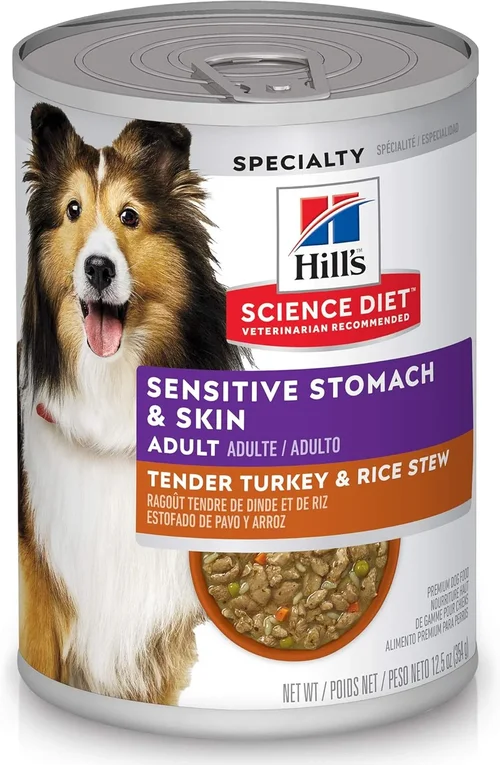
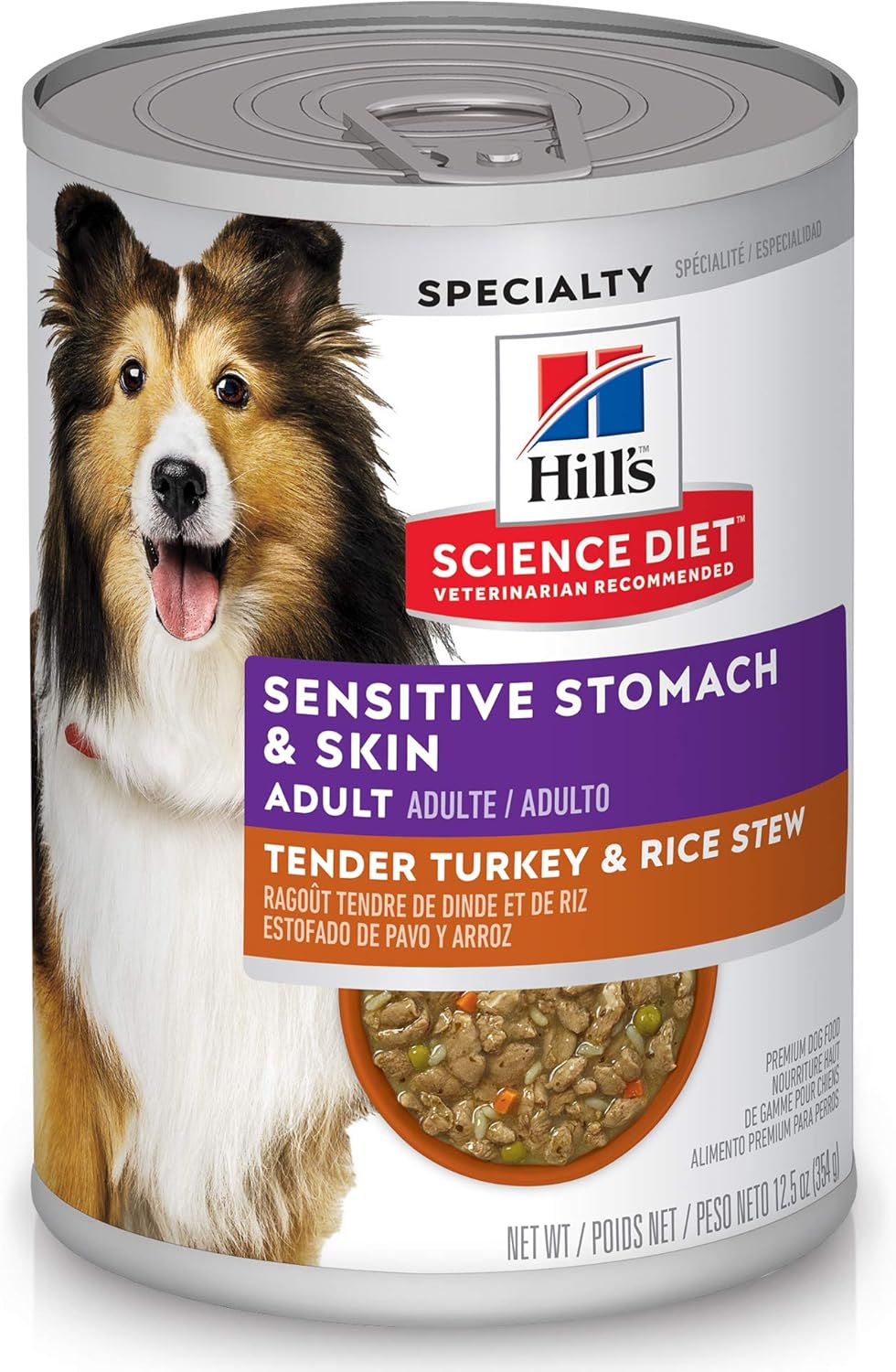
For example, Hill’s Science Diet Sensitive Stomach & Skin uses beet pulp and oat fiber as primary carbohydrate sources—both of which are gentle on the gut and support healthy digestion. Avoid canned foods with corn syrup, refined flours, or excessive amounts of potato starch, as these can spike blood sugar and worsen digestive symptoms.
5. No Artificial Additives or Fillers
Artificial colors, flavors, and preservatives are not only unnecessary—they can actively harm your dog’s digestive system. Ingredients like BHA, BHT, ethoxyquin, and propylene glycol have been linked to gastrointestinal irritation, allergic reactions, and even long-term health risks.
Fillers such as corn, wheat, and soy are also problematic. While they’re cheap and help bulk up the food, they offer little nutritional value and can exacerbate food sensitivities. Dogs with digestive problems need nutrient-dense meals, not empty calories.
Always read the ingredient list carefully. The best canned dog foods for digestive issues use natural preservatives like mixed tocopherols (a form of vitamin E) and avoid artificial additives altogether. Brands like The Honest Kitchen and Open Farm are known for their clean, human-grade ingredients and transparent sourcing practices.
6. Appropriate Moisture Content
Canned dog food naturally contains high moisture content—typically 70–80%—which is a major advantage for dogs with digestive problems. Adequate hydration is crucial for maintaining healthy digestion, preventing constipation, and supporting kidney function.
Dogs with chronic diarrhea or inflammatory bowel disease (IBD) are especially prone to dehydration. Wet food helps replenish fluids and makes it easier for your dog to stay hydrated, even if they’re not drinking enough water on their own. Additionally, the soft texture of canned food is gentler on sensitive stomachs and can be easier to digest than dry kibble.
When comparing products, check the guaranteed analysis on the label. A moisture content of at least 75% is ideal. Avoid foods with added water or broth unless it’s clearly labeled as a natural ingredient. Some brands dilute their formulas with excess water to increase volume, which can reduce nutrient density.
7. Brand Reputation and Transparency
Not all pet food companies are created equal. Some prioritize marketing over nutrition, while others invest heavily in research, quality control, and ethical sourcing. When your dog’s health is on the line, choosing a reputable brand is non-negotiable.
Look for companies that conduct feeding trials, publish ingredient sourcing information, and are members of the Association of American Feed Control Officials (AAFCO). Brands like Royal Canin, Hill’s Science Diet, and Purina Pro Plan have veterinary nutritionists on staff and offer prescription and therapeutic diets backed by clinical research.
Transparency is key. Avoid brands that use vague terms like “meat by-products” or “animal digest” without specifying the source. The best companies provide detailed information about where their ingredients come from, how they’re processed, and what quality checks are in place. Customer service responsiveness and recall history are also important indicators of reliability.
8. Veterinarian Recommendations and Clinical Support
While many over-the-counter canned dog foods are excellent for mild digestive issues, dogs with severe or chronic conditions—such as pancreatitis, IBD, or exocrine pancreatic insufficiency (EPI)—may require veterinary-formulated diets. These prescription foods are designed to meet specific medical needs and are often recommended by veterinarians.
For example, Hill’s Prescription Diet i/d is clinically proven to help manage digestive disorders and is frequently prescribed for dogs with acute diarrhea or malabsorption. Similarly, Royal Canin Gastrointestinal Low Fat is formulated for dogs with pancreatitis or fat intolerance.
Even if your dog doesn’t need a prescription diet, consulting your vet before making a switch is always wise. They can help identify underlying causes of digestive problems and recommend the most appropriate food based on your dog’s age, breed, weight, and medical history. Never self-diagnose or treat serious conditions with over-the-counter products alone.
Different Types of Canned Dog Food for Digestive Problems
Common Buying Mistakes to Avoid
❌ Mistake: Choosing Based on Price Alone
Why it’s bad: While budget is important, the cheapest canned dog food often contains low-quality ingredients, fillers, and artificial additives that can worsen digestive issues. Saving a few dollars per can may lead to higher veterinary bills down the line.
What to do instead: Focus on value, not just cost. Look for brands that offer high-quality ingredients at a reasonable price. Mid-range options like Blue Buffalo Basics or Natural Balance often provide excellent nutrition without breaking the bank.
❌ Mistake: Ignoring the Ingredient List
Why it’s bad: Marketing claims like “natural” or “holistic” don’t guarantee digestive safety. Some foods labeled “for sensitive stomachs” still contain common allergens like chicken by-products or corn.
What to do instead: Always read the full ingredient list. Prioritize foods with whole, recognizable ingredients and avoid those with vague terms or synthetic additives.
❌ Mistake: Switching Foods Too Quickly
Why it’s bad: Sudden diet changes can shock your dog’s system, leading to diarrhea, vomiting, or refusal to eat. This is especially risky for dogs with existing digestive problems.
What to do instead: Transition gradually over 7–10 days. Start by mixing 25% new food with 75% old food, increasing the ratio every few days until fully switched.
❌ Mistake: Overlooking Moisture Content
Why it’s bad: Dry kibble can exacerbate dehydration and constipation, especially in dogs with digestive disorders. Canned food’s high moisture content is a key advantage.
What to do instead: Choose canned foods with at least 75% moisture. If your dog prefers dry food, consider adding water or low-sodium broth to increase hydration.
❌ Mistake: Not Consulting a Veterinarian
Why it’s bad: Digestive issues can be symptoms of serious conditions like IBD, parasites, or organ disease. Self-treating without a diagnosis may delay proper care.
What to do instead: Schedule a vet visit to rule out underlying health problems. Your vet can recommend the best diet and monitor your dog’s progress.
❌ Mistake: Assuming All “Grain-Free” Foods Are Better
Why it’s bad: Grain-free diets have been linked to dilated cardiomyopathy (DCM) in some dogs, especially when they rely heavily on legumes like peas and lentils. Not all grain-free foods are created equal.
What to do instead: Choose grain-free options only if your dog has a confirmed grain allergy. Otherwise, opt for easily digestible grains like oats or rice.
Budget Guidelines: How Much Should You Spend?
- Entry-Level ($1.00–$1.75 per can): These budget-friendly options may work for mild sensitivities but often contain lower-quality proteins, fillers, and fewer digestive-support ingredients. Best for short-term use or as a temporary solution.
- Mid-Range ($1.75–$3.00 per can): This is the sweet spot for most pet owners. Brands like Blue Buffalo Basics, Natural Balance, and Wellness Simple offer high-quality ingredients, probiotics, and limited formulas at an affordable price.
- Premium ($3.00–$4.50 per can): These foods use human-grade ingredients, novel proteins, and advanced digestive support. Ideal for dogs with chronic conditions or owners who prioritize top-tier nutrition.
- Luxury ($4.50+ per can): Top-tier brands like The Honest Kitchen and Open Farm offer dehydrated or gently cooked wet food with organic, ethically sourced ingredients. Best for dogs with severe sensitivities or owners seeking the absolute best.

Expert Tips for Getting the Best Deal
- Buy during seasonal sales: Pet food companies often run promotions in January (New Year’s resolutions) and September (back-to-school). Stock up when prices drop.
- Compare unit prices: Don’t just look at the total cost—check the price per ounce or can. Larger cans may seem expensive but offer better value.
- Use cashback apps: Apps like Rakuten or Ibotta offer rebates on pet food purchases at major retailers like Chewy, Petco, and Amazon.
- Check for vet discounts: Some veterinary clinics offer discounts on therapeutic diets for their patients.
- Read return policies: Ensure the retailer allows returns if your dog doesn’t tolerate the food. Chewy and Petco have generous return windows.
- Test small quantities first: Buy a single can or small case before committing to a large purchase. This minimizes waste if your dog rejects the food.
- Look for manufacturer coupons: Sign up for brand newsletters to receive exclusive discounts and free sample offers.

Frequently Asked Questions
Q: How long does it take to see improvement after switching to digestive-support food?
A: Most dogs show improvement within 3–7 days, especially with diarrhea or gas. For chronic conditions like IBD, it may take 2–4 weeks of consistent feeding to see significant changes.
Q: Can I mix canned food with dry kibble?
A: Yes, but do so gradually. Mixing can help transition your dog and increase moisture intake. Just ensure both foods are compatible in terms of ingredients and nutritional profile.
Q: Is grain-free food always better for sensitive stomachs?
A: Not necessarily. Some dogs are sensitive to grains, but others tolerate them well. Focus on digestibility and ingredient quality rather than grain content alone.
Q: Should I avoid all treats when my dog has digestive issues?
A: Not all treats are off-limits, but choose ones that align with your dog’s new diet. Look for limited-ingredient, probiotic, or vet-recommended treats.
Q: Can probiotics in food replace supplements?
A: In many cases, yes—especially if the food contains guaranteed live cultures. However, dogs with severe imbalances may benefit from additional probiotic supplements.
Q: What if my dog refuses to eat the new food?
A: Try warming the food slightly, adding low-sodium broth, or mixing in a small amount of their old food. Patience and gradual transition are key.
Q: Are prescription diets worth the cost?
A: For dogs with diagnosed medical conditions, yes. Prescription diets are scientifically formulated and often more effective than over-the-counter options.
Q: Can puppies eat digestive-support canned food?
A: Only if it’s labeled for all life stages or specifically for puppies. Puppies have different nutritional needs, so consult your vet before switching.
Our Final Recommendations
- Best for Budget-Conscious Buyers: Blue Buffalo Basics Limited Ingredient Diet – Affordable, high-quality, and free from common allergens.
- Best Overall Value: Natural Balance L.I.D. Sweet Potato & Fish – Excellent ingredient quality, probiotics, and great digestibility at a fair price.
- Best Premium Option: The Honest Kitchen Human-Grade Dehydrated Food – Organic, minimally processed, and ideal for dogs with severe sensitivities.
- Best for Beginners: Wellness Simple Limited Ingredient Diet – Easy to find, vet-recommended, and gentle on the stomach.
- Best for Advanced Users: Hill’s Prescription Diet i/d – Clinically proven, widely available, and trusted by veterinarians for serious digestive disorders.
Conclusion: Making the Right Choice
Choosing the best canned dog food for digestive problems isn’t just about picking a product off the shelf—it’s about understanding your dog’s unique needs, reading labels like a pro, and making informed decisions that support long-term health. From high-quality proteins and probiotics to limited ingredients and proper hydration, every detail matters when your dog’s comfort and well-being are on the line.
Remember, no single food works for every dog. What helps one pup may not suit another. That’s why patience, observation, and collaboration with your veterinarian are essential. Start with a trusted brand, transition slowly, and monitor your dog’s response closely. With the right nutrition, most dogs with digestive issues can enjoy healthier stools, less gas, improved energy, and a happier life.
Don’t let confusion or marketing claims steer you wrong. Use this guide as your roadmap, prioritize ingredient quality and digestive support, and invest in your dog’s health with confidence. Your furry friend deserves nothing less than the best—and now, you have the tools to give it to them.