

Finding the right canned dog food for a dog with allergies isn’t just about picking something that tastes good—it’s about safeguarding your pet’s health, comfort, and long-term well-being. Food allergies in dogs are more common than many owners realize, and they can manifest in a variety of distressing ways: chronic itching, ear infections, digestive upset, skin rashes, or even behavioral changes due to discomfort. Unlike humans, dogs often develop allergies to ingredients they’ve eaten for years, making identification and elimination a complex process. This is where choosing the right canned dog food becomes critical. The market is flooded with options, from grain-free formulas to novel protein sources and limited-ingredient diets, but not all are created equal—especially when it comes to managing sensitivities.
This comprehensive buying guide is designed to cut through the noise and help you make an informed, confident decision. Whether you’re dealing with a newly diagnosed allergy or managing a long-term condition, you’ll learn how to evaluate ingredients, understand labeling claims, compare product types, and avoid common pitfalls. We’ll walk you through key factors like protein sources, carbohydrate content, artificial additives, and brand transparency. You’ll also get expert-backed advice on budgeting, reading reviews, and transitioning your dog safely to a new diet. By the end of this guide, you won’t just know which brands are popular—you’ll understand why certain foods work better for allergic dogs and how to choose the best match for your pet’s unique needs.
The canned dog food market has evolved significantly in recent years, driven by increased awareness of pet health and the rise of hypoallergenic nutrition. Today’s top-tier formulas go beyond basic nutrition to support immune function, skin health, and digestive balance. Brands are investing in veterinary nutritionists, conducting feeding trials, and using high-quality, easily digestible ingredients. However, this progress also means more marketing claims and confusing labels. Some products labeled “grain-free” or “natural” may still contain common allergens like chicken, beef, or soy. Others may use vague terms like “meat by-products” or “animal digest,” which can be red flags for sensitive dogs. This guide will help you navigate these complexities with clarity and confidence, ensuring your dog gets the nourishment they need without triggering allergic reactions.
What to Look for When Buying Buying Guide
1. Limited Ingredient Formulas
When your dog has allergies, less is often more. Limited ingredient diets (LIDs) are specifically formulated to minimize the number of components in each recipe, making it easier to identify and avoid allergens. These diets typically feature a single protein source and one or two carbohydrate sources, reducing the risk of cross-reactivity. For example, a LID might contain only duck and sweet potato, with no fillers, grains, or common allergens like chicken, beef, wheat, or dairy. The fewer ingredients, the lower the chance of an adverse reaction.
Look for cans that list only recognizable, whole-food ingredients. Avoid products with vague terms like “meat meal” or “animal fat,” which can mask the actual source. Instead, opt for clearly named proteins such as “deboned salmon,” “lamb meal,” or “venison.” Also, check that the first ingredient is a high-quality protein—this indicates the food is meat-based rather than carb-heavy. Dogs are primarily carnivores, and their digestive systems are optimized for animal protein. A limited ingredient diet not only reduces allergen exposure but also supports better digestion and nutrient absorption.
2. Novel Protein Sources
Novel proteins are ingredients your dog has likely never encountered before, which makes them ideal for allergy management. Common allergens in dog food include chicken, beef, dairy, eggs, and wheat. If your dog has been eating standard kibble for years, their immune system may have developed a sensitivity to these familiar proteins. Switching to a novel source—such as venison, bison, duck, rabbit, or even fish like whitefish or salmon—can help break the cycle of allergic reactions.
Novel proteins are especially effective during elimination diets, where you systematically remove potential allergens and reintroduce them one at a time to identify triggers. Canned foods with novel proteins often come in limited ingredient formats, making them doubly beneficial. However, it’s important to rotate proteins occasionally to prevent your dog from developing a new allergy over time. For instance, if you’ve been feeding duck for six months, consider switching to rabbit or kangaroo to maintain dietary diversity.
Be cautious with “exotic” proteins marketed as novel—some, like alligator or kangaroo, may be harder to find consistently or may come with higher price tags. Also, ensure the protein is the primary ingredient and not just a minor component listed near the end. A food that says “with duck” but lists chicken meal first is not truly novel and could still trigger a reaction.
3. Grain-Free vs. Grain-Inclusive Options
The grain-free trend has dominated pet food marketing for over a decade, but the reality is more nuanced. While some dogs are genuinely allergic to grains like wheat, corn, or soy, true grain allergies are relatively rare—estimated to affect less than 10% of dogs with food sensitivities. More commonly, dogs react to proteins or artificial additives. That said, grain-free canned foods can still be beneficial for dogs with confirmed grain allergies or those who simply digest grains poorly.
Grain-free formulas typically use alternative carbohydrates such as sweet potatoes, peas, lentils, or chickpeas. These ingredients provide energy and fiber without the gluten or proteins found in traditional grains. However, some grain-free diets have been linked to concerns about taurine deficiency and dilated cardiomyopathy (DCM) in certain breeds, particularly when legumes like peas and lentils are overused. The FDA has investigated this connection, though no definitive causal link has been established.
On the other hand, grain-inclusive diets can be perfectly safe and even beneficial for many dogs. Oats, barley, and brown rice are easily digestible, nutrient-rich grains that provide sustained energy and support gut health. If your dog tolerates grains well, there’s no need to avoid them. The key is to match the diet to your dog’s specific sensitivities, not to follow trends blindly.
4. Absence of Artificial Additives
Artificial preservatives, colors, and flavors are common culprits in allergic reactions and should be avoided in any dog food, especially for sensitive pets. Ingredients like BHA, BHT, ethoxyquin, and propylene glycol are synthetic preservatives that have raised health concerns in both pets and humans. Similarly, artificial colors (e.g., Red 40, Blue 2) and flavor enhancers (e.g., “meat flavor,” “animal digest”) offer no nutritional value and may trigger immune responses.
Look for canned foods preserved with natural alternatives such as mixed tocopherols (a form of vitamin E), rosemary extract, or citric acid. These are safer, more stable, and less likely to cause adverse reactions. Also, avoid products with added sugars, corn syrup, or molasses—these can contribute to inflammation and weight gain, which may worsen allergy symptoms like itching and skin irritation.
Transparency is key. Reputable brands will clearly list all ingredients and avoid vague terms. If a can says “no artificial preservatives” but lists “BHA” in the ingredients, that’s a red flag. Always read the full ingredient list, not just the marketing claims on the front of the package.
5. Digestibility and Gut Health Support
A dog’s digestive system plays a central role in immune function—up to 70% of the immune system resides in the gut. When the gut is inflamed or imbalanced due to food sensitivities, it can lead to “leaky gut syndrome,” where undigested food particles enter the bloodstream and trigger allergic reactions. Therefore, choosing a canned food that supports digestive health is essential for managing allergies.
Look for formulas that include prebiotics (like chicory root or inulin) and probiotics (live beneficial bacteria such as Lactobacillus or Bifidobacterium). These ingredients help maintain a healthy gut microbiome, improve nutrient absorption, and reduce inflammation. Some high-quality canned foods also include digestive enzymes or fiber sources like pumpkin or beet pulp, which aid in smooth digestion and firm stools.
Additionally, highly digestible proteins—such as those from fresh meat, hydrolyzed proteins, or gently cooked sources—are easier on the stomach and less likely to cause irritation. Hydrolyzed proteins are broken down into smaller molecules that are less likely to be recognized by the immune system as allergens, making them ideal for dogs with severe sensitivities.
6. Brand Transparency and Quality Control
Not all pet food brands are created equal when it comes to sourcing, manufacturing, and quality assurance. For dogs with allergies, it’s crucial to choose a brand that prioritizes transparency and rigorous testing. Look for companies that provide detailed information about where their ingredients come from, how their food is made, and whether they conduct feeding trials or third-party testing.
Reputable brands will often publish feeding trial results, ingredient sourcing maps, or sustainability reports on their websites. They may also be members of industry organizations like the Association of American Feed Control Officials (AAFCO) or the Global Animal Partnership (GAP). These affiliations don’t guarantee safety, but they indicate a commitment to standards and accountability.
Avoid brands that use vague language, outsource manufacturing without oversight, or have a history of recalls. A recall doesn’t automatically disqualify a brand, but frequent issues may signal inconsistent quality control. Check the FDA’s pet food recall database and online reviews for patterns of concern.
7. Veterinarian-Recommended or Prescription Options
In some cases, over-the-counter canned foods may not be sufficient to manage a dog’s allergies, especially if the condition is severe or involves multiple triggers. Veterinarian-recommended or prescription diets are formulated under strict guidelines and often undergo clinical testing to ensure efficacy. These foods may contain hydrolyzed proteins, novel ingredients, or specialized nutrient profiles designed to reduce immune responses.
Prescription diets are typically available through your vet and may be more expensive, but they offer a higher level of assurance. They’re often used during diagnostic elimination diets to confirm food allergies. Once the allergen is identified, you may be able to transition to a high-quality over-the-counter alternative.
That said, not all vet-recommended foods are prescription-only. Many reputable brands offer therapeutic or clinical nutrition lines that are available without a prescription but are still formulated with veterinary input. These can be a good middle ground for dogs with moderate sensitivities.
Always consult your veterinarian before starting any new diet, especially if your dog has a diagnosed condition. Your vet can help determine whether a prescription diet is necessary or if a carefully selected commercial option will suffice.
8. Packaging and Shelf Life
While often overlooked, packaging plays a role in the quality and safety of canned dog food. High-quality cans are BPA-free, which is important because BPA (bisphenol A) is a chemical that can leach into food and has been linked to hormonal disruptions. Look for brands that explicitly state their cans are BPA-free or use alternative linings.
Shelf life is another consideration. Most canned dog foods have a shelf life of 2–5 years when unopened, but once opened, they should be refrigerated and used within 3–5 days. Check the “best by” date and avoid dented, bulging, or rusted cans, which may indicate spoilage or contamination.
Some premium brands use nitrogen-flushed packaging to extend freshness and prevent oxidation, which can degrade nutrients and create off-flavors. This is especially important for foods with high-fat content, such as those containing fish or duck, which are more prone to rancidity.
Different Types of Buying Guide

Common Buying Mistakes to Avoid
❌ Mistake: Relying Solely on Marketing Claims
Why it’s bad: Terms like “natural,” “holistic,” or “grain-free” are not regulated and can be used misleadingly. A food labeled “natural” may still contain artificial preservatives or common allergens. Similarly, “grain-free” doesn’t mean “allergen-free”—many grain-free foods use legumes or potatoes that can also trigger reactions.
What to do instead: Always read the full ingredient list and guaranteed analysis. Focus on what’s not in the food—avoiding chicken, beef, wheat, soy, and artificial additives—rather than relying on front-label buzzwords.
❌ Mistake: Switching Foods Too Quickly
Why it’s bad: Introducing a new food too rapidly can cause digestive upset, even if the ingredients are safe. Dogs with allergies often have sensitive stomachs, and abrupt changes can worsen symptoms like diarrhea or vomiting.
What to do instead: Transition gradually over 7–10 days, mixing increasing amounts of the new food with the old. Start with 25% new food and 75% old, then move to 50/50, then 75/25, before fully switching. Monitor your dog closely for any adverse reactions.
❌ Mistake: Ignoring Cross-Contamination Risks
Why it’s bad: Even if a food lists only safe ingredients, it may be manufactured in facilities that also process common allergens like chicken or wheat. Cross-contamination can trigger reactions in highly sensitive dogs.
What to do instead: Choose brands that state they use dedicated facilities or have strict allergen control protocols. Look for statements like “made in a facility free of chicken” or “tested for cross-contamination.”
❌ Mistake: Overlooking Water Content in Canned Food
Why it’s bad: Canned food is typically 70–80% water, which can dilute nutrient density. Some budget brands use excess water to reduce costs, resulting in lower protein and fat content per serving.
What to do instead: Check the guaranteed analysis for protein and fat percentages on a dry matter basis. Aim for at least 40% protein and 15% fat (dry matter) for optimal nutrition.
❌ Mistake: Not Consulting a Veterinarian
Why it’s bad: Food allergies can mimic other conditions like environmental allergies, parasites, or infections. Self-diagnosing and treating without professional input can delay proper care and worsen symptoms.
What to do instead: Work with your vet to rule out other causes and confirm a food allergy. They may recommend an elimination diet or allergy testing to guide your choices.
❌ Mistake: Sticking to One Protein Indefinitely
Why it’s bad: Feeding the same protein for years increases the risk of developing a new allergy. Dogs can become sensitized to any ingredient over time, even novel ones.
What to do instead: Rotate proteins every 3–6 months once your dog’s symptoms are under control. This supports immune balance and reduces long-term allergy risk.
Budget Guidelines: How Much Should You Spend?
Entry-Level ($1.00 – $1.75 per 12.5 oz can): These options are typically mass-market brands with lower ingredient quality. They may contain common proteins, grains, and artificial additives. While affordable, they’re less suitable for dogs with allergies unless specifically formulated as limited ingredient. Best for temporary use or dogs with mild sensitivities.
Mid-Range ($1.75 – $3.00 per 12.5 oz can): This is the sweet spot for most allergy-prone dogs. Brands in this range often use novel proteins, limited ingredients, and natural preservatives. They balance cost and quality, offering good digestibility and nutritional value. Ideal for long-term feeding.
Premium ($3.00 – $5.00 per 12.5 oz can): These foods feature high-quality, human-grade ingredients, often sourced sustainably. They may include probiotics, prebiotics, and functional additives like omega-3s for skin health. Best for dogs with moderate to severe allergies or owners prioritizing ingredient transparency.
Luxury ($5.00+ per 12.5 oz can): Top-tier brands offering prescription-grade nutrition, hydrolyzed proteins, or exotic ingredients. Often used under veterinary supervision. Justified for dogs with complex, chronic conditions, but may be overkill for mild cases.

Expert Tips for Getting the Best Deal
– Buy in bulk during sales: Many online retailers offer discounts on multi-can purchases, especially during seasonal promotions like Black Friday or pet expos.
– Subscribe and save: Services like Chewy or Amazon Subscribe & Save offer 5–15% off recurring orders and free shipping.
– Check local pet stores: Some independent shops price-match online retailers or offer loyalty programs.
– Look for rebates and coupons: Brands often run promotions through their websites or vet clinics.
– Compare cost per ounce: A larger can may seem more expensive but could offer better value.
– Test small quantities first: Buy single cans or sample packs to ensure your dog tolerates the food before committing to a case.
– Read return policies: Choose retailers with hassle-free returns in case the food doesn’t agree with your dog.
Frequently Asked Questions
Q: How long does it take to see improvement after switching foods?
A: Most dogs show improvement within 2–4 weeks, but some may take up to 8–12 weeks, especially if the allergy is long-standing. Skin and coat changes often appear first, followed by digestive improvements.
Q: Can dogs be allergic to fish?
A: Yes, though less common. Fish allergies do occur, particularly with salmon or whitefish. If your dog reacts to a fish-based food, try a different protein like duck or rabbit.
Q: Is grain-free always better for allergic dogs?
A: Not necessarily. Only dogs with confirmed grain allergies benefit from grain-free diets. For others, grains like oats or barley can be healthy and easily digestible.
Q: Can I mix canned food with kibble?
A: Yes, but ensure both are compatible in terms of ingredients. Mixing a limited ingredient canned food with a standard kibble containing chicken could negate the benefits.
Q: What if my dog still has symptoms on a limited ingredient diet?
A: Consider environmental allergies, parasites, or non-food triggers. Consult your vet for further testing or a prescription diet.
Q: Are homemade diets a good alternative?
A: They can be, but require careful formulation to avoid nutrient deficiencies. Work with a veterinary nutritionist to ensure balance.
Q: How do I know if a food is truly hypoallergenic?
A: True hypoallergenic foods use hydrolyzed proteins or novel ingredients and are often prescription-only. Look for clinical backing and vet recommendations.
Our Final Recommendations
– Best for Budget-Conscious Buyers: Wellness Simple Limited Ingredient Diet (Salmon & Potato) – Affordable, high-quality, and free of common allergens.
– Best Overall Value: Blue Buffalo Basics Limited Ingredient Diet (Turkey & Potato) – Balances price, ingredient quality, and digestibility.
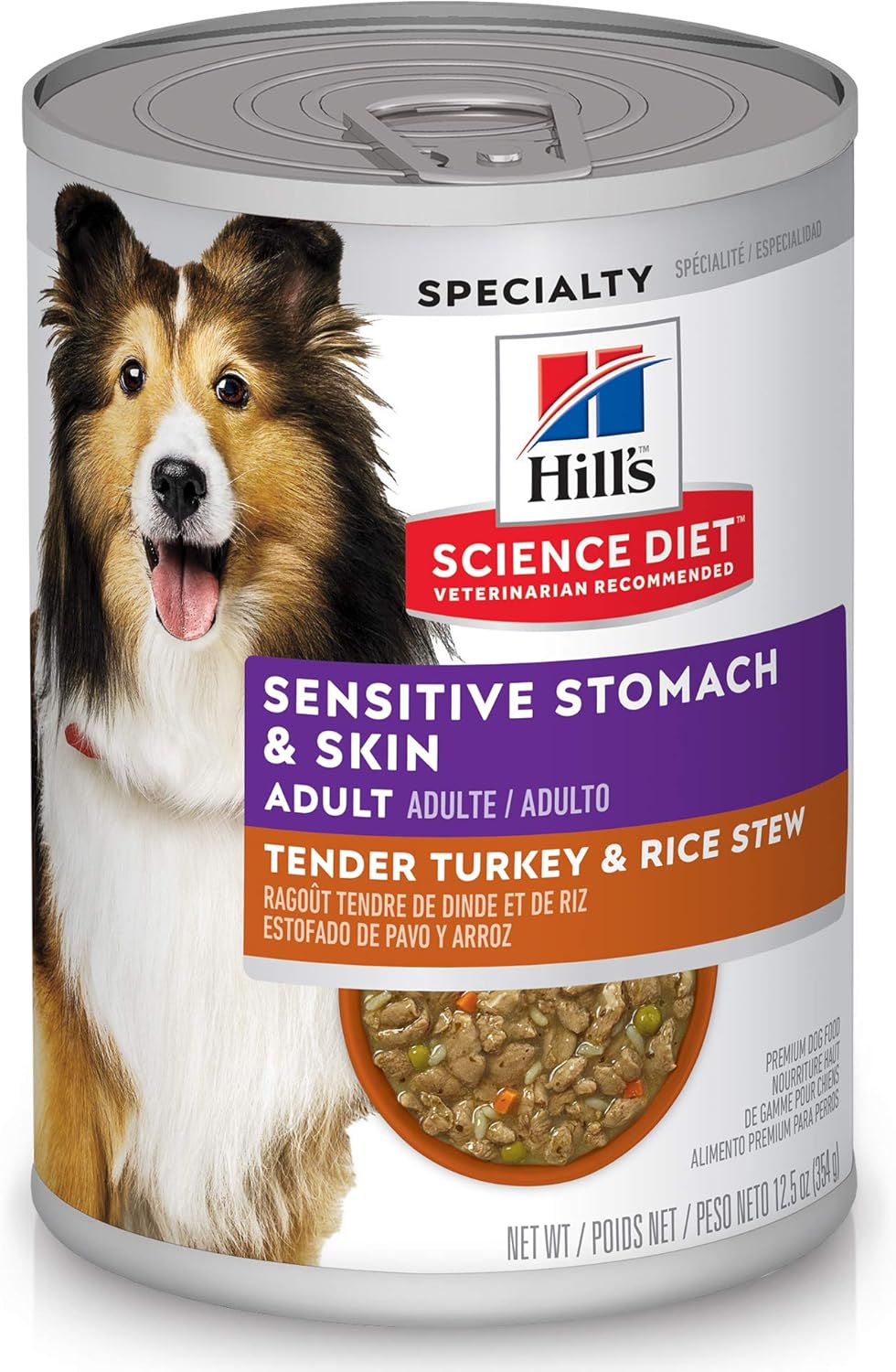
– Best Premium Option: Hill’s Science Diet Sensitive Stomach & Skin (Salmon) – Veterinarian-recommended with prebiotics and omega-3s.
– Best for Beginners: Purina Pro Plan Sensitive Skin & Stomach (Salmon) – Widely available, trusted brand, gentle formula.
– Best for Advanced Users: Royal Canin Veterinary Diet Hydrolyzed Protein – Prescription-grade, ideal for severe allergies.
Conclusion: Making the Right Choice
Choosing the best canned dog food for allergies is a deeply personal decision that depends on your dog’s unique health profile, your budget, and your commitment to long-term management. The key is to prioritize ingredient quality, transparency, and consistency over marketing hype. Start with a limited ingredient or novel protein formula, transition slowly, and monitor your dog’s response closely. Don’t hesitate to involve your veterinarian—especially if symptoms persist or worsen.
Remember, managing food allergies is often a journey, not a one-time fix. What works today may need adjustment in six months. Stay observant, keep detailed notes, and be willing to adapt. With the right food, most dogs with allergies can live comfortably, itch-free, and full of energy. Your patience and care will make all the difference.