
When it comes to feeding your dog, the decision between dry kibble and wet (canned) food can feel overwhelming—especially with so many options flooding the market. While kibble has long dominated pet food aisles, canned dog food is gaining serious traction among pet parents who prioritize nutrition, palatability, and hydration for their four-legged companions. Whether you’re a first-time dog owner or a seasoned pet enthusiast, choosing the right canned dog food isn’t just about convenience—it’s about supporting your dog’s long-term health, energy levels, and overall well-being.
This comprehensive buyer’s guide is designed to cut through the noise and help you make an informed, confident decision. We’ll walk you through everything you need to know: from understanding ingredient quality and nutritional balance to comparing brands, avoiding common pitfalls, and finding the best value for your budget. You’ll learn how to read labels like a pro, identify red flags in marketing claims, and match your dog’s unique needs—whether they’re a senior with sensitive digestion, a high-energy puppy, or a picky eater who turns up their nose at dry food. By the end of this guide, you’ll have the knowledge and tools to choose a canned dog food that truly nourishes your pet.
The canned dog food market has evolved dramatically over the past decade. What was once limited to basic meat-and-gravy formulas now includes grain-free, limited-ingredient, organic, raw-inspired, and even veterinary-recommended diets. Major brands like Hill’s Science Diet, Royal Canin, and Purina Pro Plan now compete with premium upstarts such as The Honest Kitchen, Wellness, and Open Farm. This surge in variety means more choices—but also more complexity. With prices ranging from under $1 per can to over $5, and formulations tailored to everything from weight management to joint health, knowing what to look for is more important than ever. This guide will help you navigate that landscape with clarity and confidence.
What to Look for When Buying Canned Dog Food
1. Ingredient Quality & Sourcing
The foundation of any great canned dog food starts with high-quality ingredients. Look for real, named animal proteins as the first ingredient—such as “chicken,” “salmon,” or “lamb”—not vague terms like “meat meal” or “animal by-products.” Whole meats should be clearly identifiable and sourced from reputable suppliers. Ideally, the protein source should be human-grade or at least meet AAFCO (Association of American Feed Control Officials) standards for animal feed.
Avoid foods that list fillers like corn, soy, or wheat as primary ingredients. These are often used to bulk up the product cheaply and offer little nutritional value. Similarly, watch out for artificial preservatives (like BHA, BHT, or ethoxyquin), colors, and flavors—these additives serve no nutritional purpose and may pose long-term health risks. Instead, opt for natural preservatives such as mixed tocopherols (a form of vitamin E) or rosemary extract.
Also consider where ingredients are sourced. Brands that disclose their supply chain—such as those using U.S.-raised chicken or sustainably caught fish—tend to be more transparent and trustworthy. If a brand doesn’t list ingredient origins, it’s a red flag. Transparency builds trust, especially when it comes to your dog’s health.
2. Nutritional Adequacy & AAFCO Compliance
Not all canned dog foods are created equal when it comes to nutrition. The most reliable way to ensure a product meets your dog’s dietary needs is to check for AAFCO nutritional adequacy statements on the label. These statements confirm that the food has been formulated to meet the nutritional levels established by AAFCO Dog Food Nutrient Profiles for a specific life stage—such as “growth,” “maintenance,” or “all life stages.”
For example, a food labeled “complete and balanced for adult maintenance” is suitable for healthy adult dogs but may not provide enough calcium and phosphorus for a growing puppy. Conversely, puppy formulas are too rich for senior dogs and could lead to weight gain. Always match the life stage on the label to your dog’s current needs.
Additionally, check the guaranteed analysis for protein, fat, fiber, and moisture content. Most quality canned foods contain 7–10% protein (on a dry matter basis), 5–8% fat, and less than 5% fiber. Moisture content in canned food typically ranges from 70% to 85%, which is normal and beneficial for hydration. However, don’t rely solely on the “as-fed” percentages—convert them to dry matter basis for accurate comparisons between wet and dry foods.
3. Protein Source & Digestibility
Protein is the cornerstone of a dog’s diet, supporting muscle development, immune function, and energy. But not all proteins are equal. High-quality animal proteins—like chicken, beef, turkey, lamb, or fish—are more biologically appropriate and digestible for dogs than plant-based proteins or meat meals.
Look for foods where the primary protein is a whole meat (e.g., “deboned chicken”) rather than a rendered product (e.g., “chicken meal”). While chicken meal can still be nutritious—it’s concentrated protein with moisture removed—it should not be the sole or dominant ingredient unless clearly justified. Whole meats provide better amino acid profiles and are easier on your dog’s digestive system.
Digestibility is another key factor. Some dogs struggle with certain proteins due to sensitivities or allergies. If your dog experiences gas, diarrhea, or itchy skin, consider a limited-ingredient diet with a novel protein like duck, venison, or rabbit. These are less common in commercial diets and less likely to trigger allergic reactions. Always transition slowly when switching proteins to avoid digestive upset.
4. Grain-Free vs. Grain-Inclusive: What’s Right for Your Dog?
The grain-free debate has been hotly contested in recent years, especially after the FDA’s investigation into a potential link between grain-free diets and dilated cardiomyopathy (DCM) in dogs. While the issue is still under review, the consensus among veterinarians is that grains are not inherently harmful—and for many dogs, they’re a valuable source of fiber, vitamins, and energy.
Grain-free diets replace grains with legumes like peas, lentils, or potatoes. While this works well for dogs with diagnosed grain allergies (which are actually quite rare), it may not be necessary for the average dog. In fact, some studies suggest that high levels of legumes in grain-free formulas could contribute to heart issues in predisposed breeds.
If your dog has no known sensitivities, a grain-inclusive diet with whole grains like brown rice, oats, or barley can be a healthy, balanced choice. These grains provide complex carbohydrates and support digestive health. However, if your dog has a confirmed grain allergy or thrives on a grain-free diet, there are still safe, vet-approved options available. Always consult your veterinarian before making major dietary changes.
5. Additives, Preservatives & Artificial Ingredients
Just because a food is canned doesn’t mean it’s free from harmful additives. Many budget-friendly brands use artificial preservatives to extend shelf life, but these can pose risks over time. BHA, BHT, and ethoxyquin are synthetic preservatives linked to cancer and liver damage in animal studies. While they’re still approved for use in pet food, many pet owners prefer to avoid them.
Instead, look for natural preservatives like vitamin E (mixed tocopherols), vitamin C (ascorbic acid), or rosemary extract. These are effective at preventing spoilage without the health concerns. Similarly, avoid artificial colors (like Red 40 or Yellow 5) and flavors—dogs don’t need rainbow-colored food to enjoy it, and these additives offer no nutritional benefit.
Be wary of “natural flavor” on labels—while it sounds wholesome, it can still be derived from animal digest or other processed sources. If transparency is important to you, choose brands that specify the source of their flavors (e.g., “natural chicken flavor”).
6. Brand Reputation & Transparency
Not all pet food brands are created equal. Some have decades of research, veterinary input, and rigorous quality control, while others prioritize marketing over nutrition. When evaluating a brand, consider its history, manufacturing practices, and willingness to disclose information.
Top-tier brands often publish detailed ingredient sourcing policies, conduct feeding trials, and have veterinary nutritionists on staff. They’re also more likely to recall products voluntarily if issues arise. Look for brands that are members of the Pet Food Institute or have third-party certifications like USDA Organic, Non-GMO Project Verified, or Certified Humane.
Transparency extends beyond ingredients. Does the brand list where its food is manufactured? Are recalls clearly communicated? Do they offer customer support for dietary questions? A brand that’s open about its processes is more likely to produce safe, high-quality food. Avoid companies that use vague language or make exaggerated health claims without evidence.
7. Price & Value for Money
Canned dog food can range from under $1 to over $5 per 13-ounce can, so it’s important to assess value beyond just price. A cheaper can may seem like a bargain, but if it’s loaded with fillers and low-quality proteins, your dog may need to eat more to feel full—increasing long-term costs.
Calculate cost per feeding based on your dog’s size and recommended portion. For example, a large breed may require two cans per day, while a small dog may only need half a can. Multiply that by 30 to estimate monthly costs. Sometimes, a mid-range brand offers better nutrition at a lower per-serving cost than a premium brand with tiny portions.
Also consider subscription models and bulk discounts. Many online retailers (like Chewy or Amazon) offer auto-ship programs with 5–15% off, free shipping, and easy returns. These can significantly reduce the per-can price over time. Just be sure to store cans properly—once opened, they should be refrigerated and used within 3–5 days.
8. Palatability & Your Dog’s Preferences
Even the most nutritious food is useless if your dog refuses to eat it. Palatability—how appealing the food smells and tastes to your dog—is a crucial factor. Dogs have strong preferences, and what works for one may not work for another.
Texture matters too. Some dogs love pâté, while others prefer chunks in gravy or shredded meat. If your dog is a picky eater, consider rotating between a few high-quality brands to keep meals interesting. Just avoid frequent, abrupt changes, which can upset their stomach.
You can test palatability by offering small samples before committing to a full case. Many brands offer trial sizes or money-back guarantees. Pay attention to your dog’s reaction: Do they eat it eagerly? Is there any vomiting, diarrhea, or lethargy afterward? A good canned food should be enjoyed and well-tolerated.
Different Types of Canned Dog Food
Common Buying Mistakes to Avoid
❌ Mistake: Choosing Based Solely on Price
Why it’s bad: Opting for the cheapest canned food often means sacrificing ingredient quality. Low-cost brands frequently use meat by-products, fillers, and artificial preservatives that offer little nutritional value and may harm your dog’s health over time. While budget is important, it shouldn’t be the only factor.
What to do instead: Focus on value—not just cost. Calculate the price per feeding and compare ingredient lists. A mid-range brand with real meat and no fillers may actually be more economical in the long run because your dog will eat less and stay healthier.
❌ Mistake: Ignoring Life Stage Requirements
Why it’s bad: Feeding a puppy food to an adult dog (or vice versa) can lead to nutritional imbalances. Puppy formulas are higher in calories, fat, and calcium, which can cause obesity and joint problems in adult dogs. Senior dogs, on the other hand, need fewer calories and more joint support.
What to do instead: Always check the AAFCO statement on the label to ensure the food matches your dog’s life stage. If your dog has special needs (e.g., weight management, kidney disease), consult your vet for a tailored recommendation.
❌ Mistake: Falling for Marketing Buzzwords
Why it’s bad: Terms like “premium,” “gourmet,” or “natural” are not regulated by the FDA or AAFCO. A food labeled “natural” can still contain by-products and artificial preservatives. These buzzwords are designed to appeal emotionally, not inform nutritionally.
What to do instead: Read the ingredient list and guaranteed analysis instead of relying on front-label claims. Look for specific, identifiable ingredients and avoid vague terms like “meat meal” or “animal digest.”
❌ Mistake: Not Transitioning Gradually
Why it’s bad: Switching your dog’s food abruptly can cause digestive upset, including diarrhea, vomiting, and loss of appetite. Dogs have sensitive digestive systems, and sudden changes disrupt the balance of gut bacteria.
What to do instead: Transition over 7–10 days by gradually increasing the new food and decreasing the old. Start with 25% new food and 75% old, then move to 50/50, then 75/25, before fully switching. Monitor your dog’s stool and energy levels throughout.
❌ Mistake: Overlooking Hydration Needs
Why it’s bad: While canned food is naturally high in moisture, some owners still don’t provide enough fresh water. Dogs on wet food still need access to clean water, especially in hot weather or after exercise. Dehydration can lead to urinary tract issues and kidney problems.
What to do instead: Always keep fresh water available and encourage drinking. You can also add a little low-sodium broth or water to the food to increase intake, especially for senior dogs or those with kidney concerns.
❌ Mistake: Buying in Bulk Without Testing
Why it’s bad: Purchasing a 24-can case of a new food only to find your dog hates it is a waste of money and storage space. Even high-quality food won’t help if your dog refuses to eat it.
What to do instead: Start with a single can or a small multi-pack to test palatability and digestibility. Many retailers offer sample sizes or satisfaction guarantees. Once you’ve confirmed your dog likes it and tolerates it well, then consider bulk buying.
❌ Mistake: Ignoring Your Vet’s Advice
Why it’s bad: While online reviews and brand claims can be helpful, they don’t replace professional veterinary guidance. Dogs with medical conditions (like diabetes, pancreatitis, or food allergies) require specialized diets that over-the-counter foods may not provide.
What to do instead: Always consult your veterinarian before making major dietary changes, especially if your dog has health issues. Your vet can recommend therapeutic or prescription diets that are scientifically formulated for specific conditions.
Budget Guidelines: How Much Should You Spend?
When it comes to canned dog food, price doesn’t always equal quality—but it often correlates with ingredient sourcing, manufacturing standards, and nutritional research. Here’s a breakdown of what to expect at different price points:
- Entry-Level ($0.75 – $1.50 per can): These are typically mass-market brands found in grocery stores. While convenient, they often contain meat by-products, fillers like corn and wheat, and artificial preservatives. Best for occasional use or as a topper, not as a primary diet. Examples: Pedigree, Alpo.
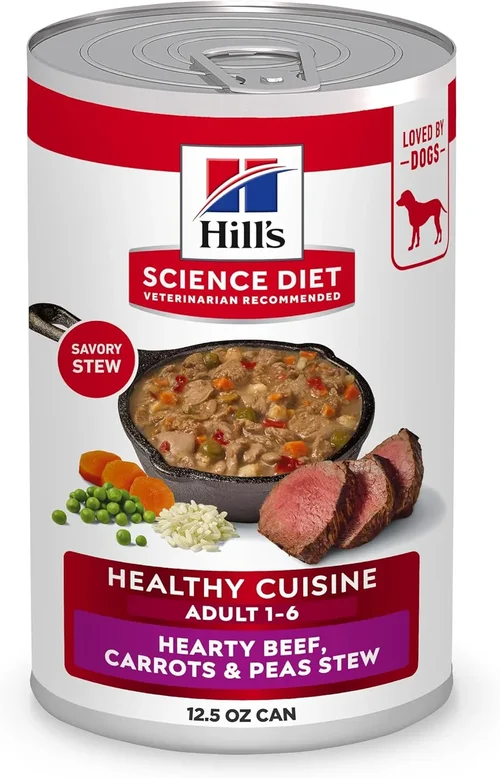
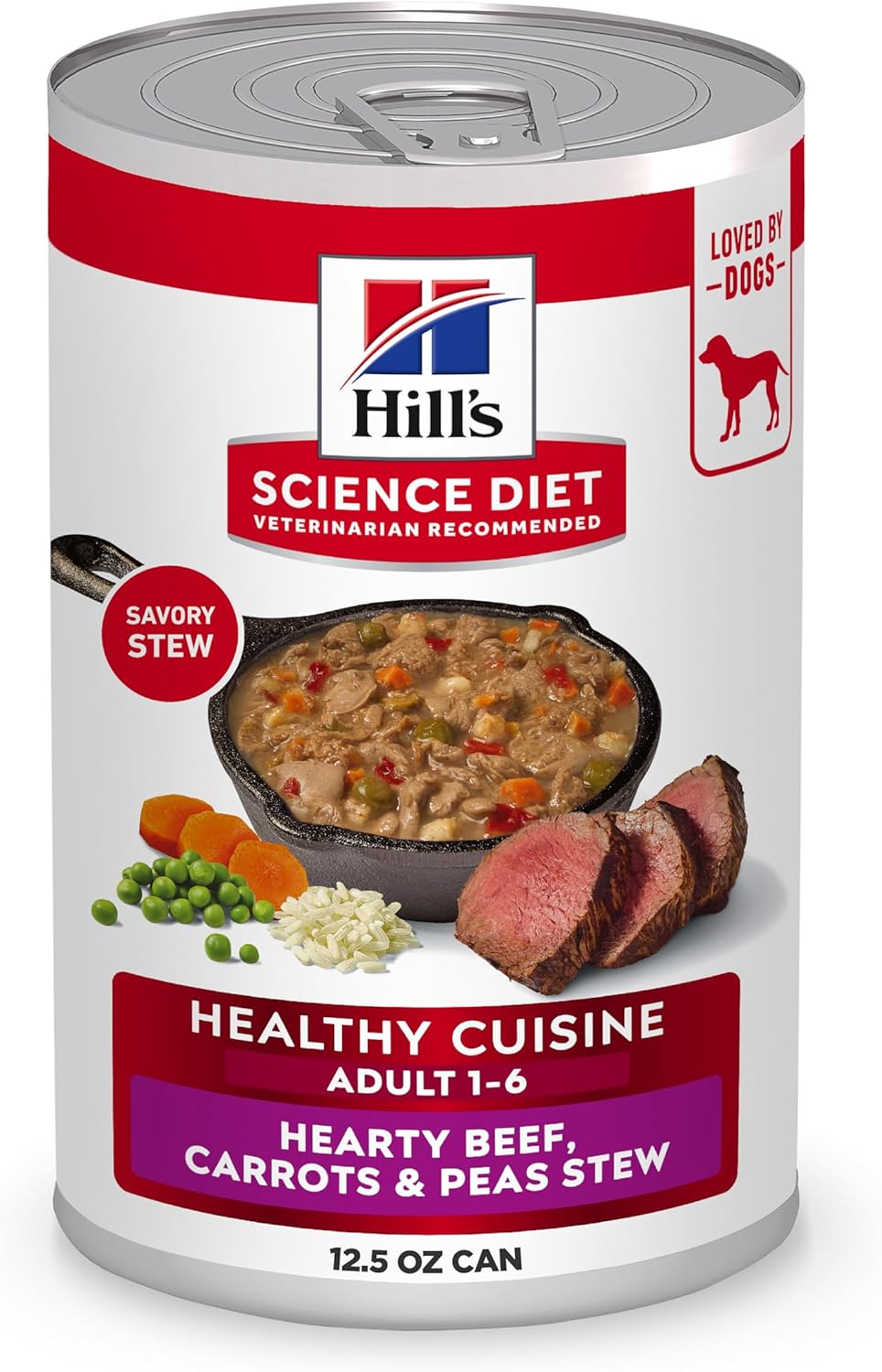
- Mid-Range ($1.50 – $3.00 per can): This is the sweet spot for most pet owners. Brands in this range use real meat as the first ingredient, avoid artificial additives, and meet AAFCO standards. They offer good nutrition at a reasonable price. Examples: Purina Pro Plan, Hill’s Science Diet, Iams.
- Premium ($3.00 – $5.00 per can): These foods feature high-quality proteins, limited ingredients, and often include functional additives like probiotics, omega-3s, or glucosamine. Ideal for dogs with sensitivities, allergies, or performance needs. Examples: Wellness, Blue Buffalo, Merrick.
- Luxury ($5.00+ per can): Top-tier brands with human-grade ingredients, organic certification, and innovative formulations (like raw-inspired or air-dried). Often sold through specialty retailers or online. Best for owners who prioritize transparency and cutting-edge nutrition. Examples: The Honest Kitchen, Open Farm, Ziwi Peak.
Expert Tips for Getting the Best Deal
- Buy During Sales Cycles: Major pet food brands often run promotions in January (New Year, new diet resolutions), July (summer sales), and November (Black Friday). Sign up for newsletters from Chewy, Petco, or Amazon to get alerts.
- Use Auto-Ship Programs: Most online retailers offer 5–15% off when you set up recurring deliveries. This not only saves money but ensures you never run out.
- Check for Manufacturer Rebates: Brands like Hill’s and Royal Canin frequently offer mail-in rebates or free samples through vet clinics. These can significantly reduce costs over time.
- Compare Unit Prices: Don’t just look at the total price—check the cost per ounce or per can. A larger case may seem cheaper, but if the per-unit cost is higher, it’s not a good deal.
- Read Return Policies: Make sure the retailer allows returns or exchanges if your dog doesn’t like the food. Chewy, for example, offers a 100% satisfaction guarantee.
- Test Before Committing: Buy a single can or small pack first. If your dog loves it and tolerates it well, then invest in a larger quantity.
- Consider Mixing Wet and Dry: Combining canned food with kibble can reduce costs while boosting palatability and hydration. Use wet food as a topper or mix half-and-half.
- Look for Bundle Deals: Some brands offer discounts when you buy multiple varieties or sizes. For example, a 12-can variety pack may cost less per can than buying individual flavors.
Frequently Asked Questions
Q: Is canned dog food better than dry kibble?
A: Not necessarily—both have pros and cons. Canned food is higher in moisture, which supports kidney and urinary health, and is often more palatable. However, it’s more expensive and doesn’t help clean teeth like crunchy kibble. Many owners use a combination of both for balanced nutrition.
Q: How long does opened canned dog food last?
A: Once opened, canned food should be covered and refrigerated. Use it within 3–5 days to prevent spoilage. Never leave wet food out at room temperature for more than 2 hours, especially in warm weather.
Q: Can I feed my dog only canned food?
A: Yes, as long as it’s labeled “complete and balanced” for your dog’s life stage. However, some dogs benefit from the dental benefits of dry food. Consult your vet to determine the best feeding plan.
Q: Is grain-free food safer for my dog?
A: Not always. While grain-free diets help dogs with grain allergies, they’re not necessary for most dogs. The FDA has raised concerns about a potential link between grain-free diets and heart disease in some breeds. Talk to your vet before switching.
Q: How much canned food should I feed my dog?
A: Feeding guidelines are usually printed on the can based on weight. However, individual needs vary based on age, activity level, and metabolism. Start with the recommended amount and adjust based on your dog’s body condition and energy levels.
Q: Can puppies eat adult canned dog food?
A: It’s not ideal. Puppy food is higher in calories, protein, and calcium to support growth. Feeding adult food to a puppy can lead to nutritional deficiencies. Use a formula specifically designed for puppies or “all life stages.”
Q: Are expensive brands worth the cost?
A: Sometimes. Premium brands often use higher-quality ingredients and conduct more rigorous testing. However, many mid-range brands offer excellent nutrition at a lower price. Focus on ingredient quality and AAFCO compliance rather than brand name.
Q: Can I mix different brands of canned food?
A: Yes, but do so gradually to avoid digestive upset. Mixing can add variety and prevent picky eating, but ensure both foods are nutritionally complete and balanced.
Q: What should I do if my dog has a food allergy?
A: Work with your vet to identify the allergen through an elimination diet. Once identified, choose a limited-ingredient diet with a novel protein and carbohydrate source. Avoid foods with common allergens like chicken, beef, or wheat.
Q: Is it safe to feed raw-inspired canned food?
A: Raw-inspired canned foods are cooked but formulated to mimic raw diets. They’re generally safe and nutritious, but not truly raw. If you’re considering a raw diet, consult your vet about safety, handling, and nutritional balance.
Our Final Recommendations
- Best for Budget-Conscious Buyers: Purina Pro Plan Savor Adult Wet Dog Food – Offers real meat as the first ingredient, AAFCO compliance, and reliable nutrition at under $2 per can. Great for everyday feeding without breaking the bank.
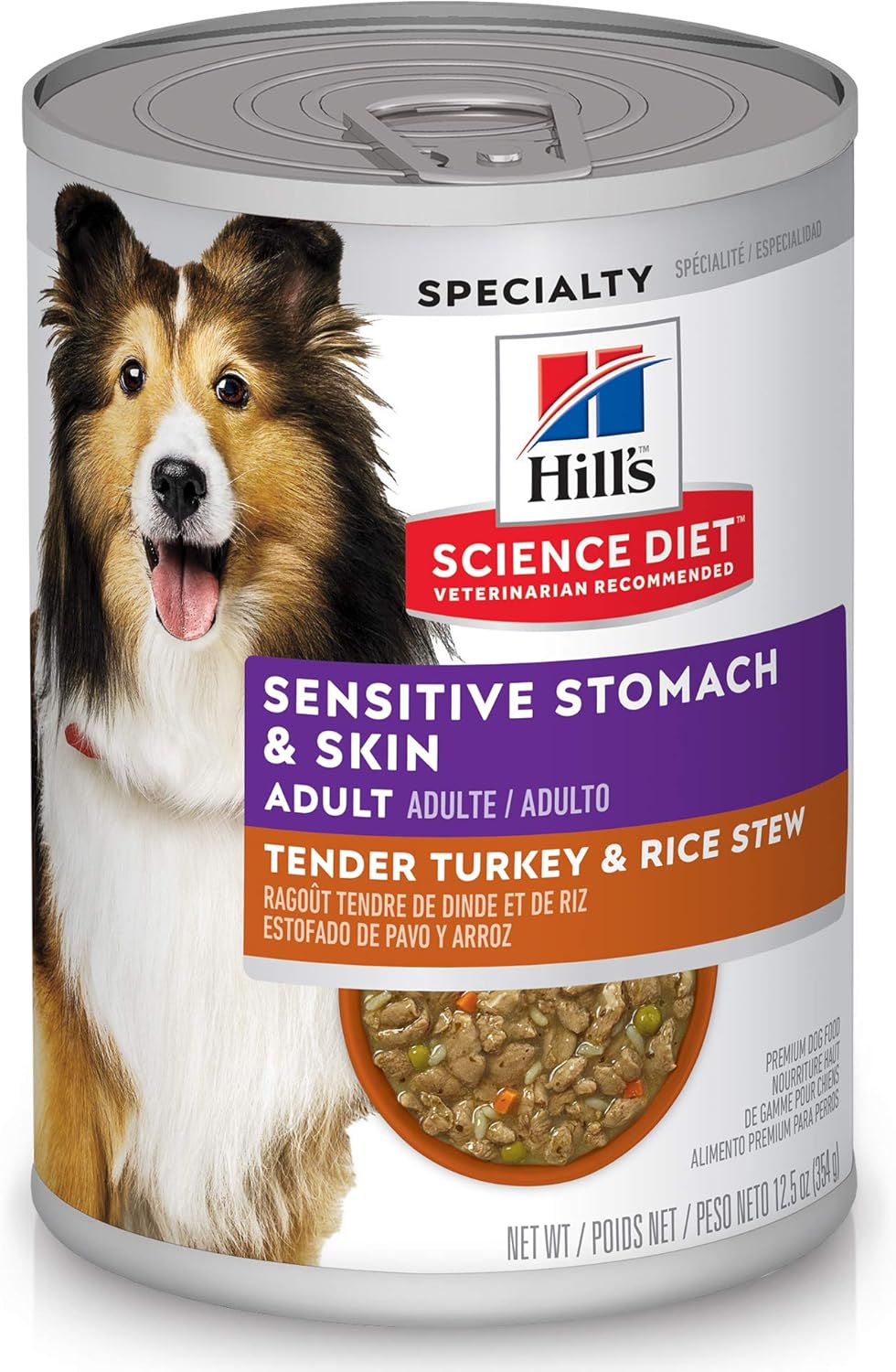
- Best Overall Value: Hill’s Science Diet Adult Wet Dog Food – Backed by veterinary research, this food provides balanced nutrition, high digestibility, and supports long-term health. Priced around $2.50 per can, it’s a trusted choice for millions of pet owners.
- Best Premium Option: Wellness CORE Grain-Free Wet Dog Food – Packed with high-protein, grain-free ingredients and no artificial additives. Ideal for dogs with sensitivities or owners who want top-tier nutrition. Around $3.75 per can.
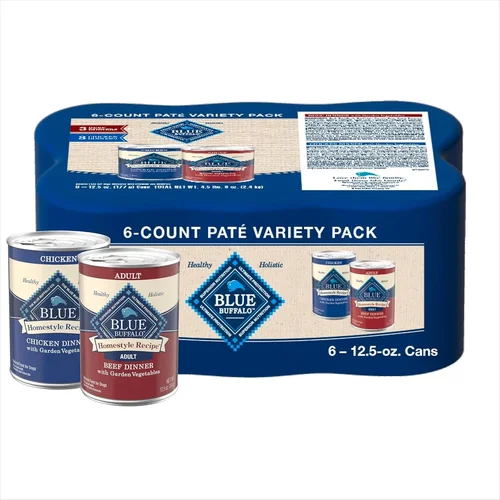
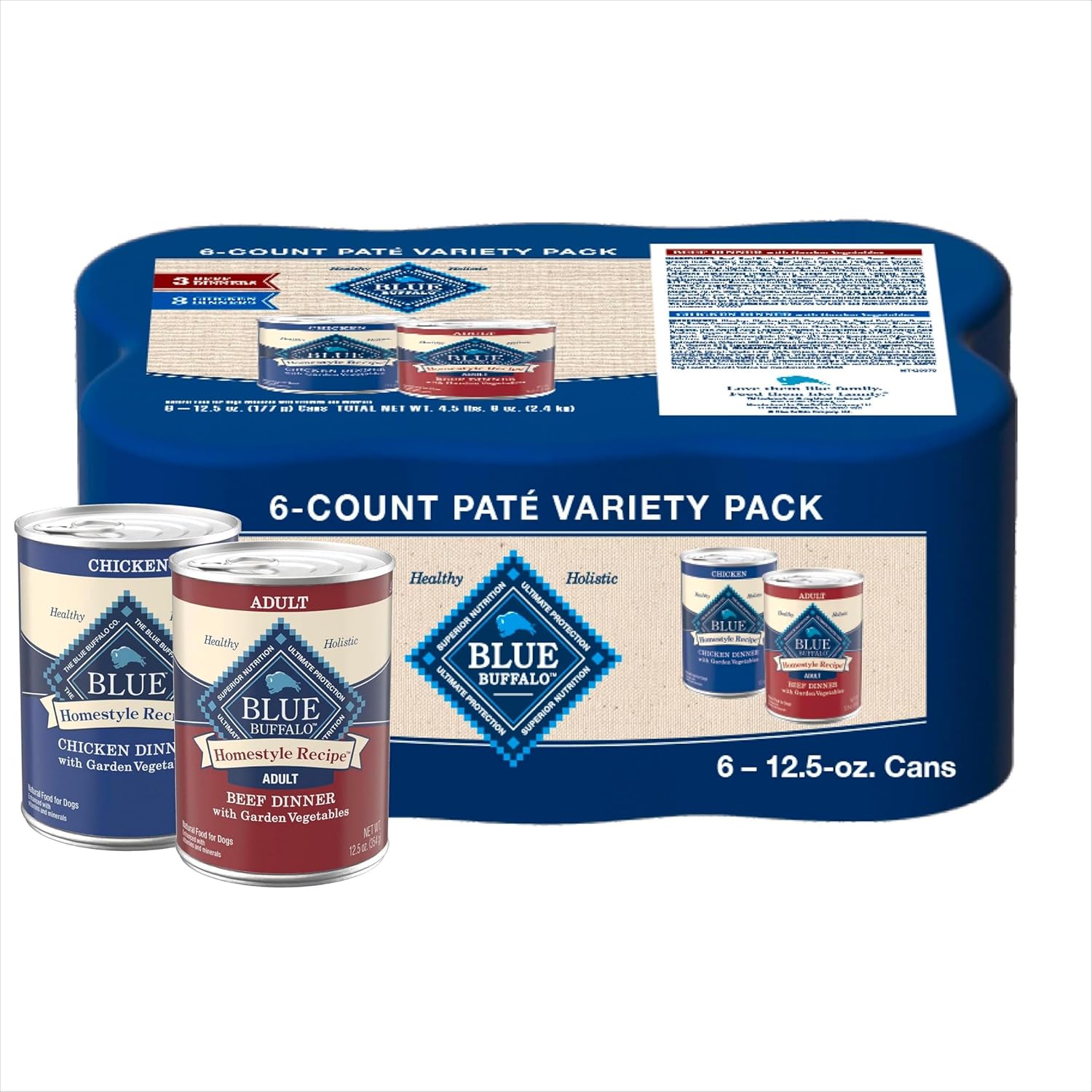
- Best for Beginners: Blue Buffalo Homestyle Recipe – Easy to find, affordable, and made with real meat and natural ingredients. A great entry point for new dog owners exploring wet food.
- Best for Advanced Users: The Honest Kitchen Human-Grade Dehydrated Food (reconstituted as wet) – While not traditional canned food, this human-grade, dehydrated meal can be mixed with water to create a fresh, minimally processed wet meal. Perfect for owners who want maximum control over ingredients.
Conclusion: Making the Right Choice
Choosing the best canned dog food isn’t about finding the most expensive or most advertised option—it’s about matching your dog’s unique needs with a product that delivers real nutrition, quality ingredients, and long-term health benefits. From understanding ingredient labels to avoiding common pitfalls, this guide has equipped you with the knowledge to make a confident, informed decision.
Remember, every dog is different. What works for your neighbor’s Labrador may not suit your senior Chihuahua. Prioritize your dog’s age, health status, activity level, and preferences when selecting a food. And when in doubt, consult your veterinarian—they’re your best partner in your dog’s nutritional journey.
Whether you’re feeding a growing puppy, a working dog, or a beloved senior, the right canned food can make a meaningful difference in their energy, coat, digestion, and overall happiness. Take the time to research, test, and observe. Your dog deserves nothing less than the best.