
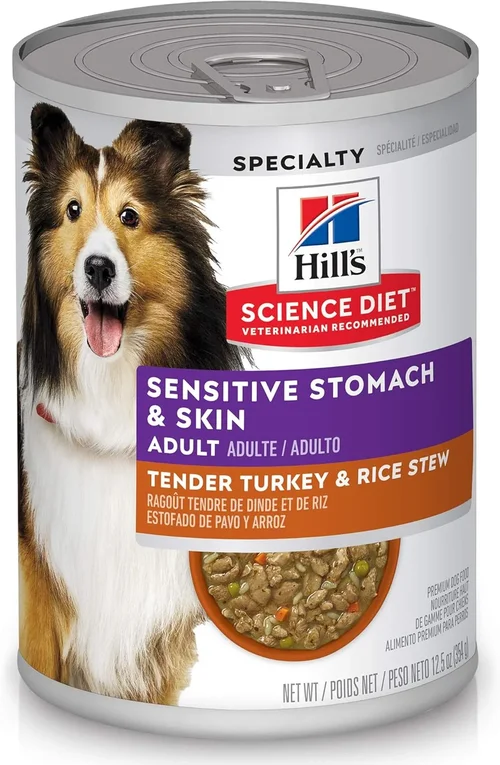
Pancreatitis in dogs is more than just a digestive upset—it’s a serious, potentially life-threatening condition that demands immediate attention and long-term dietary management. When a dog’s pancreas becomes inflamed, it can no longer properly produce digestive enzymes or regulate blood sugar, leading to symptoms like vomiting, abdominal pain, lethargy, and loss of appetite. In severe cases, pancreatitis can result in organ failure or even death if not treated promptly. Because the pancreas plays such a critical role in digestion—especially fat metabolism—diet becomes one of the most powerful tools in both treating acute episodes and preventing future flare-ups.
This is where choosing the right canned dog food becomes not just helpful, but essential. Unlike dry kibble, which often contains higher fat levels and fillers that can stress an already compromised pancreas, high-quality canned dog food offers a moisture-rich, highly digestible alternative that’s easier on sensitive digestive systems. The right formula can help reduce pancreatic workload, support healing, and maintain stable energy levels without triggering inflammation. With so many options on the market—ranging from vet-prescribed therapeutic diets to over-the-counter “sensitive stomach” formulas—it’s easy for pet owners to feel overwhelmed. That’s why this comprehensive guide exists: to cut through the noise and help you make an informed, confident decision for your dog’s health.
In this expert-level buying guide, you’ll learn everything you need to know about selecting the best canned dog food for dogs with pancreatitis in 2026. We’ll break down the key nutritional factors that matter most—like low-fat content, high digestibility, and ingredient quality—and explain how to interpret labels like a pro. You’ll discover the differences between veterinary therapeutic diets and commercial “pancreatitis-friendly” brands, understand common pitfalls to avoid, and get actionable tips for managing your dog’s diet long-term. Whether you’re dealing with a recent diagnosis or looking to prevent recurrence, this guide will equip you with the knowledge to choose a food that supports healing, promotes comfort, and gives your dog the best possible quality of life.
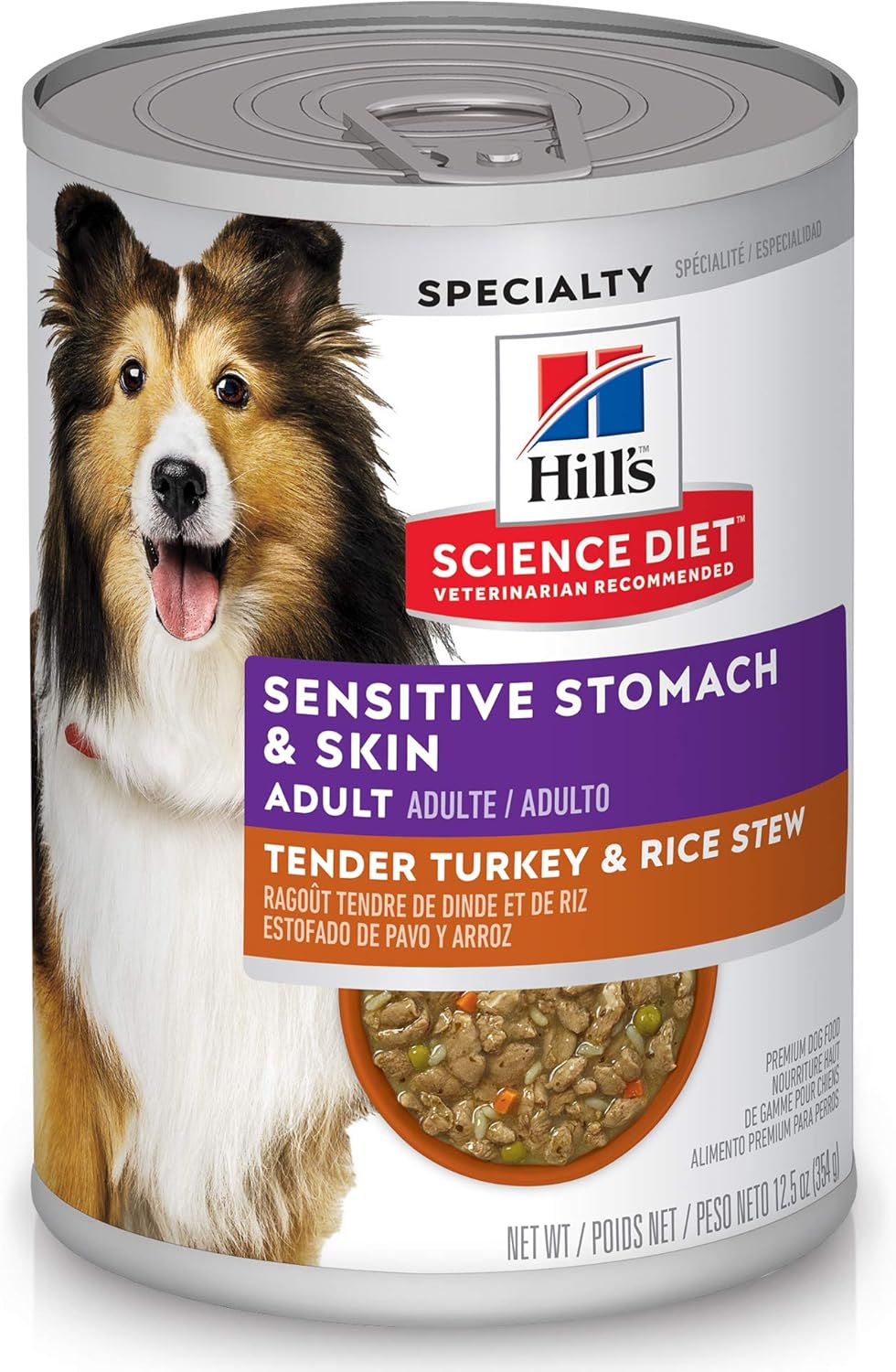
What to Look for When Buying Canned Dog Food for Pancreatitis
1. Low Fat Content (Under 10% on a Dry Matter Basis)
Fat is the single most important factor when selecting food for a dog with pancreatitis. The pancreas produces lipase, the enzyme responsible for breaking down dietary fats. When inflamed, it cannot handle even moderate fat loads, which can trigger another painful episode. For dogs recovering from or managing pancreatitis, experts universally recommend a diet with less than 10% fat on a dry matter basis (DMB)—and ideally closer to 5–7%. To calculate DMB, you must account for the high moisture content in canned food. For example, if a label lists 5% fat and 78% moisture, the actual dry matter fat percentage is closer to 22.7%, which is far too high. Always convert percentages using the dry matter calculation: (fat % ÷ (100 – moisture %)) × 100. Look for cans that clearly state “low fat” or list ingredients like lean turkey, white-meat chicken, or rabbit—and avoid any product with fatty cuts like duck, lamb, or beef as primary ingredients.
2. High Digestibility (Over 85%)
Digestibility refers to how efficiently your dog’s body can break down and absorb nutrients from food. For dogs with pancreatitis, highly digestible ingredients reduce the workload on the pancreas and minimize undigested food that could ferment in the gut and cause discomfort. Ideal ingredients include easily broken-down proteins like egg, cottage cheese, and well-cooked white rice or oatmeal. Avoid complex carbohydrates like corn, wheat, or soy, which are harder to digest and may irritate the gastrointestinal tract. Many veterinary therapeutic diets undergo digestibility testing and publish results—look for brands that disclose digestibility scores above 85%. High digestibility also means fewer digestive upsets, better stool quality, and more consistent nutrient absorption during recovery.
3. Limited, High-Quality Ingredients
Simplicity is key when managing pancreatitis. The fewer ingredients in the can, the easier it is to identify and avoid potential triggers. Look for formulas with a short ingredient list featuring named animal proteins (e.g., “deboned chicken” rather than “poultry by-product meal”), digestible carbs, and minimal additives. Avoid artificial colors, flavors, preservatives (like BHA, BHT, or ethoxyquin), and excessive fillers. While some dogs tolerate novel proteins like venison or duck well, others may react to new ingredients during recovery—so stick to familiar, gentle proteins unless advised otherwise by your vet. High-quality ingredients not only reduce inflammation risk but also ensure your dog gets maximum nutrition per bite, which is crucial during healing.
4. Appropriate Protein Source and Level
Protein is essential for tissue repair and immune function, but not all proteins are created equal for pancreatitis patients. Choose moderate-protein diets (around 18–22% DMB) made from highly bioavailable sources like egg, lean poultry, or hydrolyzed proteins. Avoid high-protein formulas (>25% DMB), as they can increase metabolic demand and potentially stress the pancreas. Hydrolyzed proteins—those broken down into smaller peptides—are especially beneficial because they’re easier to digest and less likely to provoke an immune response. If your dog has concurrent conditions like kidney disease, work with your vet to balance protein needs carefully. Remember: it’s not just about quantity, but quality and digestibility.
5. Added Fiber (Soluble vs. Insoluble)
Fiber plays a nuanced role in pancreatitis management. Soluble fiber (found in pumpkin, sweet potato, and oats) helps regulate digestion by slowing gastric emptying and feeding beneficial gut bacteria—both of which can soothe an inflamed system. Insoluble fiber (like cellulose or beet pulp) adds bulk but may irritate sensitive guts if overused. Aim for a balanced approach: look for canned foods that include moderate amounts of soluble fiber without excessive roughage. Avoid formulas heavy in grain hulls or peanut shells. Some therapeutic diets include prebiotics like FOS (fructooligosaccharides) or MOS (mannanoligosaccharides) to support gut health—these can be helpful during recovery.
6. Moisture Content (70% or Higher)
Canned food naturally provides superior hydration compared to kibble, which is vital for dogs with pancreatitis. Dehydration can worsen pancreatic stress and slow recovery, so high-moisture diets help maintain fluid balance and support kidney function. Most quality canned foods contain 70–80% moisture—aim for the higher end if your dog isn’t drinking enough water independently. Wet food also tends to be more palatable, encouraging eating in dogs who may have lost their appetite due to nausea or pain. For picky eaters or those recovering from hospitalization, the aroma and texture of wet food can make all the difference in maintaining caloric intake.
7. Veterinary Approval or Therapeutic Formulation
Not all “pancreatitis-friendly” labels are backed by science. The gold standard remains veterinary therapeutic diets formulated specifically for pancreatic support, such as Hill’s Prescription Diet i/d Low Fat or Royal Canin Gastrointestinal Low Fat. These foods undergo rigorous clinical testing and are designed to meet strict nutritional guidelines for pancreatitis management. While some over-the-counter brands claim to be suitable, they may not meet the same standards for fat content, digestibility, or ingredient purity. If your dog has had a severe episode or recurrent pancreatitis, strongly consider a vet-prescribed diet. Your veterinarian can also help monitor progress and adjust the diet as needed.
8. Brand Transparency and Recall History
Trust matters when your dog’s health is on the line. Research the manufacturer’s reputation: Do they publish ingredient sourcing details? Have they had recalls related to contamination or mislabeling? Reputable brands like Purina Pro Plan Veterinary Diets, Blue Buffalo Natural Veterinary Diet, and Wellness Core offer clear nutritional information, batch tracking, and responsive customer service. Avoid obscure brands with vague labeling (“meat meal,” “animal digest”) or those with a history of safety issues. Transparency extends to AAFCO statements—ensure the food is complete and balanced for your dog’s life stage, and ideally formulated for gastrointestinal health.
Different Types of Canned Dog Food for Pancreatitis
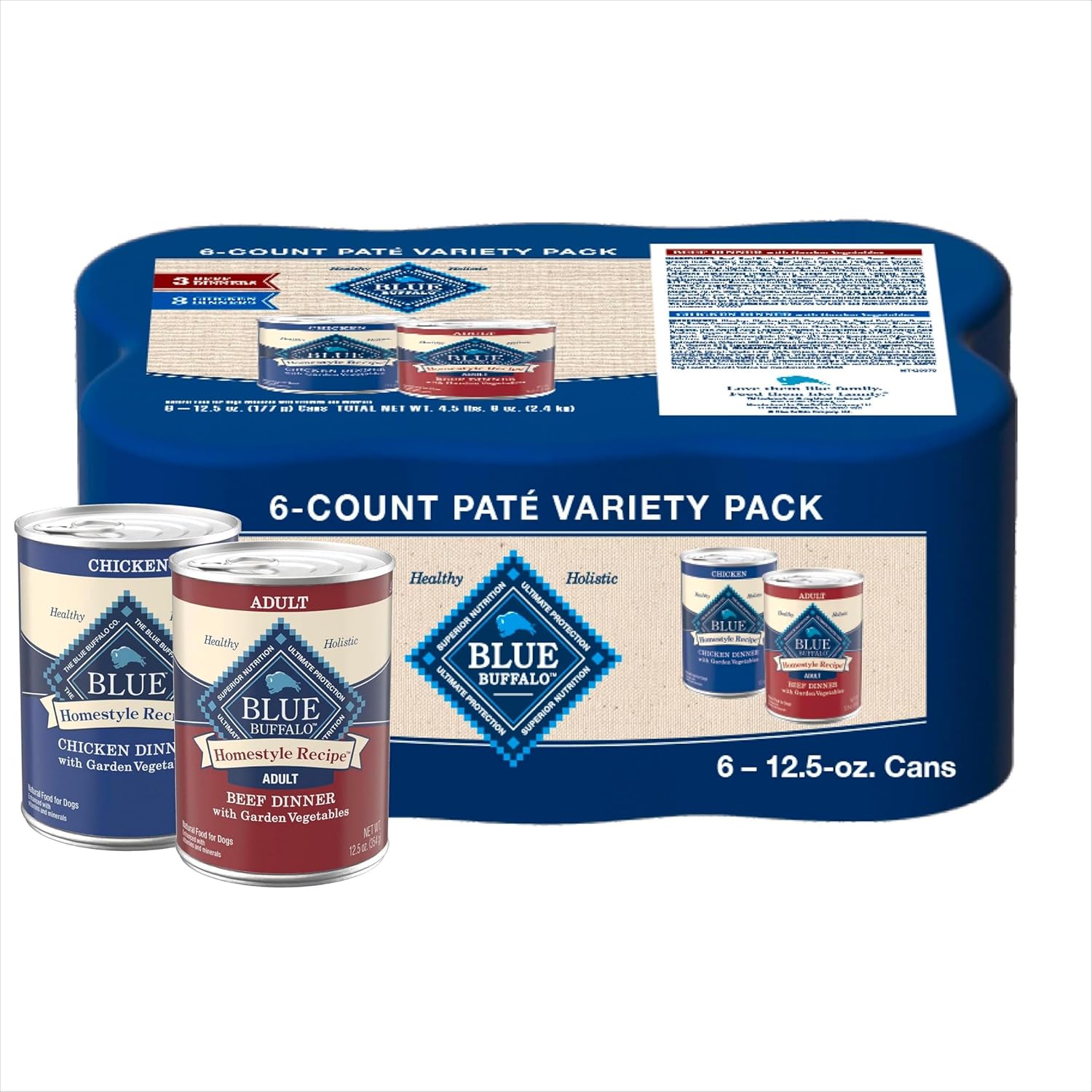
Common Buying Mistakes to Avoid

❌ Mistake: Assuming All “Low Fat” Labels Are Equal
Why it’s bad: Many commercial brands market themselves as “low fat” but still exceed the 10% DMB threshold once moisture is accounted for. This can inadvertently trigger another pancreatitis episode.
What to do instead: Always calculate dry matter fat percentage yourself or consult the manufacturer’s nutritional analysis. When in doubt, choose a vet-recommended therapeutic diet with verified low-fat content.
❌ Mistake: Feeding High-Fat Treats Alongside Low-Fat Meals
Why it’s bad: Even small amounts of fatty treats (like cheese, peanut butter, or table scraps) can overload the pancreas and undo the benefits of a carefully chosen diet.
What to do instead: Use low-fat, vet-approved treats such as boiled chicken breast, green beans, or specially formulated dental chews. Keep treat calories under 10% of daily intake.
❌ Mistake: Switching Foods Too Quickly
Why it’s bad: Sudden dietary changes can disrupt gut flora and worsen digestive upset, especially in sensitive dogs.
What to do instead: Transition over 7–10 days by gradually increasing the new food while decreasing the old. Monitor stool quality and appetite closely.
❌ Mistake: Ignoring Concurrent Health Conditions
Why it’s bad: Dogs with pancreatitis often have other issues like diabetes, IBD, or kidney disease. A food that’s perfect for pancreatitis might be inappropriate if it’s high in phosphorus or sugar.
What to do instead: Work with your vet to create a holistic nutrition plan that addresses all health concerns simultaneously.
❌ Mistake: Relying Solely on Online Reviews
Why it’s bad: While helpful, reviews can be biased or based on dogs with different conditions. What works for one dog may not suit another.
What to do instead: Use reviews as a starting point, but prioritize veterinary guidance and nutritional science over anecdotal success stories.
❌ Mistake: Overlooking Portion Control
Why it’s bad: Overfeeding—even on a low-fat diet—can contribute to obesity, which is a known risk factor for pancreatitis recurrence.
What to do instead: Follow feeding guidelines based on your dog’s ideal weight (not current weight if overweight) and adjust based on body condition scoring.
❌ Mistake: Not Reassessing Diet Over Time
Why it’s bad: A dog’s nutritional needs change during recovery, maintenance, and aging. Sticking to the same food indefinitely may lead to deficiencies or excesses.
What to do instead: Schedule regular check-ups and bloodwork to evaluate pancreatic enzymes and overall health. Adjust diet as needed with vet input.
Budget Guidelines: How Much Should You Spend?
Entry-Level ($1.20–$1.80 per 13 oz can):
At this price point, you’ll find basic commercial brands like Iams ProActive Health or Pediatric Select Sensitive Stomach. While some may meet minimum low-fat requirements, ingredient quality and digestibility are often inconsistent. These are best suited for short-term use or dogs with very mild, infrequent episodes—but always verify fat content and avoid fillers.
Mid-Range ($1.80–$2.80 per 13 oz can):
This is the sweet spot for most pet owners. Brands like Wellness Simple, Blue Buffalo Basics, and Natural Balance Limited Ingredient Diet offer transparent labeling, moderate fat levels, and recognizable ingredients. Many include prebiotics and omega fatty acids for gut and skin health. Ideal for maintenance after recovery or mild pancreatitis cases.
Premium ($2.80–$3.80 per 13 oz can):
Premium options include veterinary lines available without a prescription (e.g., Purina Pro Plan Sensitive Skin & Stomach) and high-end natural brands like The Honest Kitchen or Open Farm. These prioritize human-grade ingredients, sustainable sourcing, and enhanced digestibility. Great for dogs with multiple sensitivities or owners willing to invest in long-term wellness.
Luxury ($3.80+ per 13 oz can):
Top-tier therapeutic diets like Hill’s Prescription Diet i/d Low Fat or Royal Canin Gastrointestinal Low Fat fall here. These are formulated with hydrolyzed proteins, ultra-low fat, and clinically proven efficacy. While expensive, they’re often covered partially by pet insurance and can prevent costly hospitalizations. Reserved for severe, recurrent, or post-surgical pancreatitis.

Expert Tips for Getting the Best Deal
– Time your purchases around seasonal sales: Major pet retailers often run promotions in January (New Year wellness), July (summer clearance), and November (Black Friday). Stock up during these periods if your dog tolerates the food well.
– Buy directly from manufacturer websites: Brands like Hill’s, Royal Canin, and Purina frequently offer first-time buyer discounts, free shipping, or loyalty rewards through their vet portals or online stores.
– Use price comparison tools: Websites like Petco, Chewy, and Amazon allow side-by-side comparisons. Enable price alerts to catch drops.
– Ask your vet about sample programs: Many pharmaceutical pet food companies provide free samples or trial sizes to help you test tolerance before committing.
– Check return policies: Ensure the retailer accepts returns for unopened cans in case your dog refuses the food—this is common during recovery when appetite is fragile.
– Consider mixing wet and dry (if approved): Some therapeutic diets come in both forms. Mixing can reduce cost while maintaining palatability—but only do this under vet supervision.
– Join pet insurance plans early: While pancreatitis may become a pre-existing condition, some plans cover therapeutic diets if enrolled before diagnosis.
– Track your dog’s response: Keep a food journal noting energy levels, stool quality, and any signs of discomfort. This helps justify continued use (or switching) and supports vet consultations.

Frequently Asked Questions
Q: Can my dog ever eat regular dog food again after pancreatitis?
A: It depends on the severity and frequency of episodes. Some dogs can transition back to a normal diet after full recovery and weight management, but many require lifelong low-fat feeding to prevent recurrence. Always consult your vet before making changes.
Q: Is grain-free food better for pancreatitis?
A: Not necessarily. Grains like rice and oats are actually beneficial for digestion and provide energy without fat. Grain-free diets aren’t inherently lower in fat—and some use high-fat legumes like lentils. Focus on fat content, not grain presence.
Q: How long should I feed a therapeutic diet?
A: Typically 8–12 weeks during active recovery, then reassess. Some dogs need it indefinitely. Your vet will monitor bloodwork (like serum trypsin-like immunoreactivity or TLI) to guide decisions.
Q: Can I make homemade canned food for my dog with pancreatitis?
A: Yes, but it’s risky without veterinary nutritionist guidance. Homemade diets often lack balanced calcium, vitamins, and minerals. If you choose this route, use a recipe formulated by a board-certified veterinary nutritionist and supplement appropriately.
Q: What if my dog refuses to eat the new food?
A: Try warming the food slightly (to body temperature), mixing in low-sodium broth (fat-free!), or hand-feeding small amounts. Appetite loss is common post-pancreatitis—persistence and patience are key. Never force-feed.
Q: Are there human foods I can safely give?
A: Small amounts of boiled, skinless chicken breast, plain pumpkin (not pie filling), or steamed green beans are generally safe. Avoid onions, garlic, dairy, and fatty meats.
Q: Does weight affect pancreatitis risk?
A: Absolutely. Obesity is a major risk factor. Even moderate weight loss (5–10% of body weight) can significantly reduce inflammation and improve outcomes.
Q: Can puppies get pancreatitis?
A: Yes, though it’s less common. Puppies with genetic predispositions, dietary indiscretion (eating garbage), or certain infections can develop it. Use puppy-specific low-fat formulas if needed.
Q: Is there a link between pancreatitis and certain breeds?
A: Yes. Miniature Schnauzers, Cavalier King Charles Spaniels, and Yorkshire Terriers are predisposed due to higher fat metabolism tendencies. These breeds require extra vigilance with diet.
Q: Should I avoid all fats, including healthy ones?
A: No. Essential fatty acids (like omega-3s from fish oil) have anti-inflammatory properties and may actually help reduce pancreatic inflammation—but only in very small, vet-approved doses. Never supplement without guidance.
Our Final Recommendations
Best for Budget-Conscious Buyers: Blue Buffalo Basics Limited Ingredient Diet, Turkey & Potato
At around $1.90 per can, this formula offers a simple ingredient list, 7.5% DMB fat, and no grains or dairy. Ideal for mild cases or maintenance after recovery.
Best Overall Value: Wellness Simple Limited Ingredient Diet, Duck & Oatmeal
Priced at $2.40 per can, it combines novel protein, soluble fiber, and 6.8% DMB fat. Highly digestible and widely available, it strikes a perfect balance between quality and cost.
Best Premium Option: Hill’s Prescription Diet i/d Low Fat Canned
At $3.60 per can, this vet-exclusive formula features hydrolyzed protein, 4.5% DMB fat, and clinically proven efficacy. The top choice for severe or recurrent pancreatitis.
Best for Beginners: Purina Pro Plan Sensitive Skin & Stomach, Salmon & Rice
Easy to find in stores, moderately priced ($2.20/can), and formulated with prebiotics and omega-6 fatty acids. Great for owners new to managing digestive conditions.
Best for Advanced Users (Multiple Sensitivities): Royal Canin Gastrointestinal Low Fat Canned
Designed for complex cases, this diet includes highly digestible proteins, controlled fiber, and added antioxidants. Requires vet authorization but offers precision nutrition for challenging cases.
Conclusion: Making the Right Choice
Choosing the best canned dog food for pancreatitis isn’t just about picking a low-fat label—it’s about understanding your dog’s unique physiology, respecting the science of digestion, and partnering with your veterinarian for long-term success. Pancreatitis is a wake-up call that demands thoughtful, consistent dietary management, but with the right food, most dogs go on to live full, comfortable lives. Prioritize transparency, digestibility, and veterinary guidance over marketing claims or convenience. Remember, the goal isn’t perfection—it’s progress: fewer flare-ups, better energy, and more quality time with your best friend.
As you navigate this journey, keep detailed records, stay in close contact with your vet, and don’t hesitate to adjust your approach as your dog heals and changes. The market offers more options than ever in 2026, but your dog’s health depends less on the brand name and more on your commitment to informed, compassionate care. Use this guide as your compass—and trust that every thoughtful meal you serve is a step toward a healthier, happier future for your canine companion.