
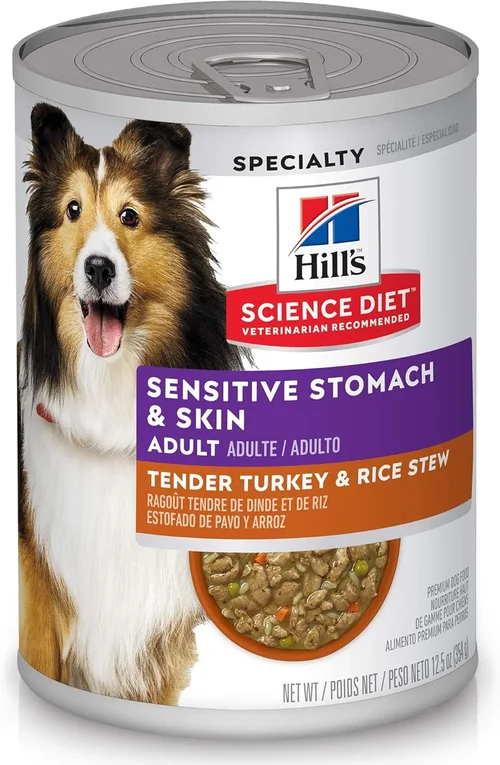
When your dog suffers from a sensitive stomach, mealtime can quickly become a source of stress—not just for your pup, but for you as their caregiver. Digestive upset, gas, diarrhea, vomiting, or chronic loose stools aren’t just unpleasant; they can signal underlying food intolerances, allergies, or gastrointestinal conditions that require thoughtful dietary management. In these situations, choosing the right canned dog food isn’t just about nutrition—it’s about comfort, healing, and long-term wellness. That’s why we’ve created this comprehensive, expert-level buying guide: to cut through the noise, decode ingredient lists, and help you make confident, informed decisions that support your dog’s digestive health.
In this guide, you’ll learn exactly what to look for in high-quality canned dog food designed specifically for sensitive stomachs. We’ll break down the key nutritional factors—from protein sources and fiber content to probiotics and grain-free formulations—and explain how each element impacts digestive function. You’ll also discover how to avoid common pitfalls like misleading marketing claims, hidden fillers, and overpriced “premium” brands that offer little real benefit. Whether you’re dealing with a newly diagnosed sensitivity or managing a chronic condition, this guide will equip you with the knowledge to choose a food that soothes, nourishes, and supports your dog’s unique needs.
The market for sensitive stomach dog food has exploded in recent years, with dozens of brands—from mainstream giants like Hill’s Science Diet and Purina to boutique lines like The Honest Kitchen and Open Farm—offering specialized wet food formulas. While this variety is great for consumers, it also means more confusion. Not all “sensitive stomach” labels are created equal. Some products rely on buzzwords without delivering on digestibility, while others use novel proteins or limited ingredients that may not suit every dog. Our goal is to help you navigate this crowded landscape with clarity and confidence, so you can find a canned food that truly works for your dog—without overspending or compromising on quality.
What to Look for When Buying Canned Dog Food for Sensitive Stomachs
1. High-Quality, Easily Digestible Protein Sources
Protein is the cornerstone of any dog’s diet, but for dogs with sensitive stomachs, not all proteins are equal. The key is choosing a single, high-quality animal protein that’s easy on the digestive system and less likely to trigger allergic reactions or intolerances. Look for named meats like “deboned chicken,” “turkey meal,” or “salmon” listed as the first ingredient—avoid vague terms like “meat meal” or “animal by-products,” which can contain inconsistent or low-quality protein sources.
Novel proteins—such as duck, venison, rabbit, or kangaroo—are excellent options for dogs with known food sensitivities, especially if they’ve been eating chicken or beef for years. These less-common proteins reduce the likelihood of an immune response. However, if your dog hasn’t shown signs of food allergies, a simple, high-quality protein like lamb or chicken (from a reputable brand) may be sufficient. Always ensure the protein is highly digestible; studies show that proteins like egg, turkey, and salmon rank among the most digestible for canines.
2. Limited Ingredient Formulas
Dogs with sensitive stomachs often benefit from limited ingredient diets (LIDs), which contain fewer components to minimize the risk of triggering digestive upset. These formulas typically feature one protein source, one carbohydrate, and minimal additives. The fewer ingredients, the easier it is to identify and eliminate problem foods if symptoms persist.
Look for cans that list 8–12 ingredients or fewer. Avoid products with long lists of fillers, artificial preservatives, or unnecessary additives. While “simple” doesn’t always mean “better,” in the case of sensitive digestion, simplicity often leads to better tolerance. Brands like Wellness Simple, Natural Balance L.I.D., and Merrick Limited Ingredient Diet offer excellent canned options with transparent, minimal ingredient lists.
However, don’t confuse “limited” with “incomplete.” A good LID should still meet AAFCO nutritional standards and provide balanced nutrition. Always check the guaranteed analysis and ingredient panel to ensure the food isn’t sacrificing essential nutrients for the sake of simplicity.
3. Digestive Enzymes and Probiotics
Probiotics and digestive enzymes are game-changers for dogs with sensitive stomachs. Probiotics—live beneficial bacteria like Lactobacillus and Bifidobacterium—help restore and maintain a healthy gut microbiome, which is essential for proper digestion, nutrient absorption, and immune function. Dogs with chronic digestive issues often have imbalanced gut flora, and supplementing with probiotics can reduce symptoms like gas, bloating, and irregular stools.
Digestive enzymes, such as amylase, lipase, and protease, assist in breaking down carbohydrates, fats, and proteins, making nutrients more accessible and reducing the digestive workload. These are especially helpful for older dogs or those with pancreatic insufficiency.
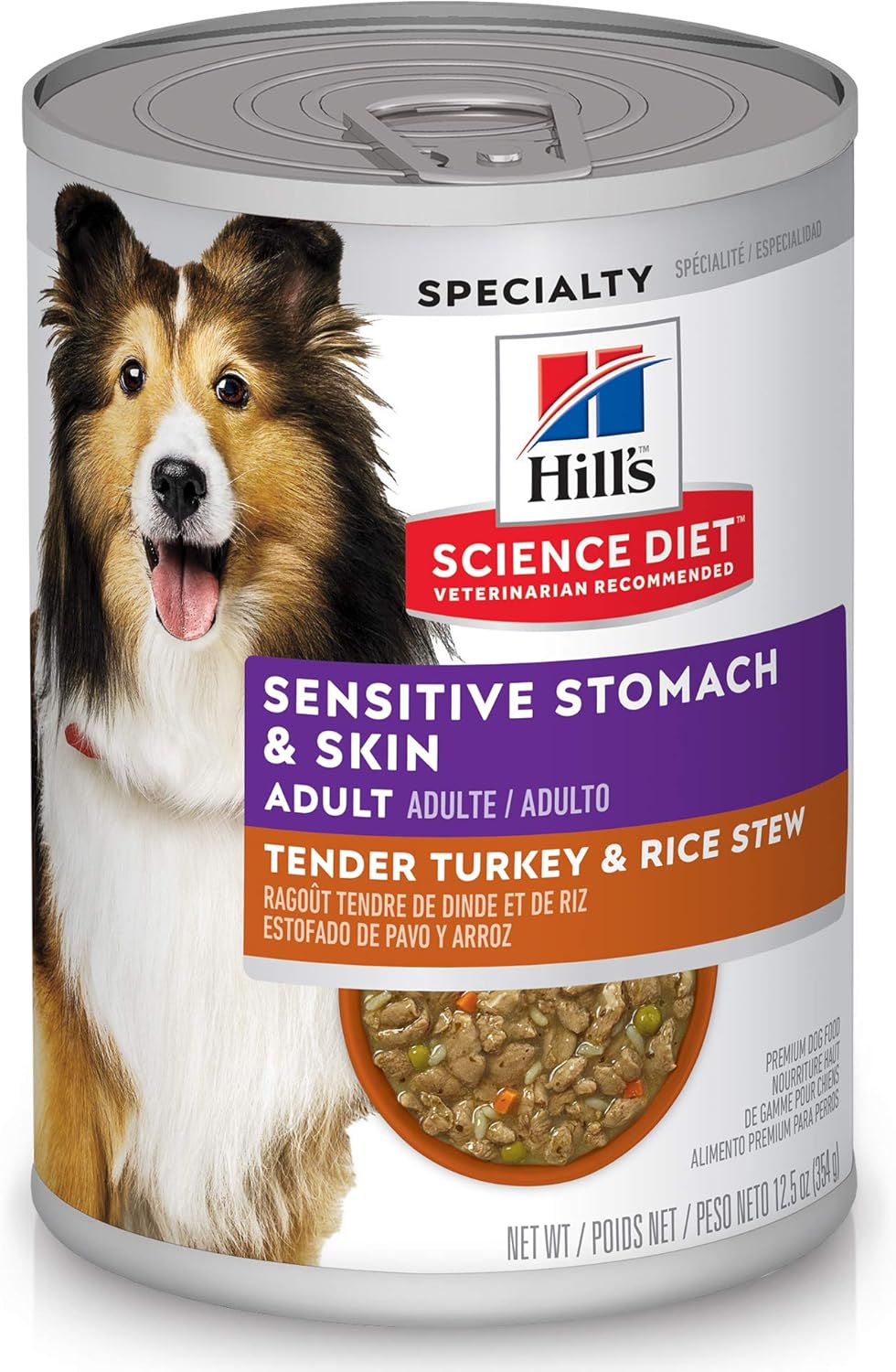
When evaluating canned foods, look for labels that specify “live and active cultures” or list specific probiotic strains (e.g., Enterococcus faecium). Avoid vague claims like “contains probiotics” without strain details. Brands like Purina Pro Plan Veterinary Diets, Hill’s Science Diet Sensitive Stomach & Skin, and Blue Buffalo Basics often include these supportive ingredients.
4. Appropriate Fiber Content and Type
Fiber plays a crucial role in digestive health, but not all fiber is created equal. Dogs with sensitive stomachs need a balanced amount of soluble and insoluble fiber to regulate bowel movements without causing irritation. Too little fiber can lead to constipation or poor stool quality, while too much—especially from low-quality sources—can cause gas and bloating.
Soluble fibers, such as pumpkin, sweet potato, and beet pulp, absorb water and form a gel-like substance that helps soften stools and slow digestion. Insoluble fibers, like cellulose or pea fiber, add bulk and promote regularity. The best canned foods for sensitive stomachs include moderate levels of both, often from whole-food sources rather than isolated fiber additives.
Aim for a crude fiber content between 2% and 4% on the guaranteed analysis. Avoid foods with excessive fillers like corn gluten meal or soybean hulls, which are poorly digestible and can irritate the gut. Ingredients like pumpkin, oat bran, and flaxseed are excellent natural sources of beneficial fiber.
5. Grain-Free vs. Grain-Inclusive: What’s Best?
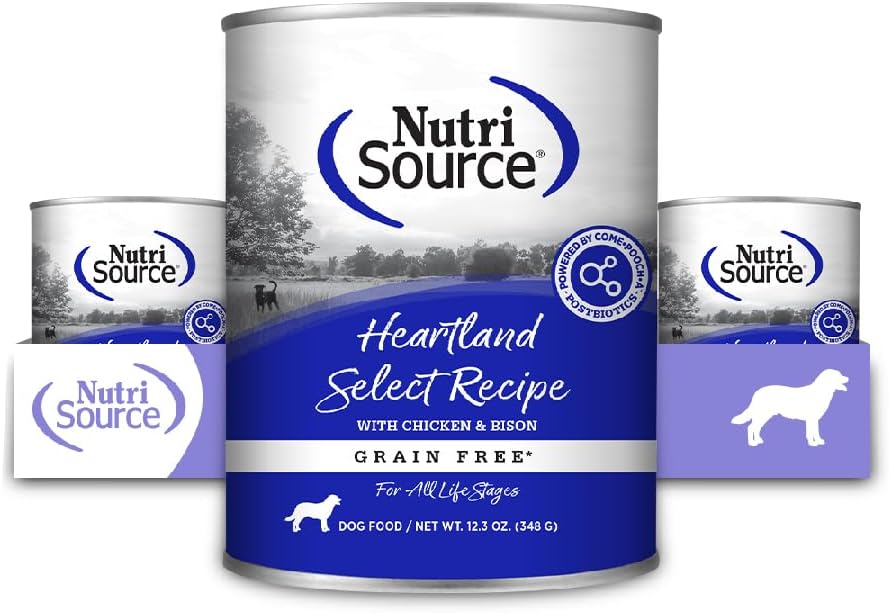
The grain-free debate continues to spark controversy, but for dogs with sensitive stomachs, the answer isn’t black and white. While some dogs benefit from grain-free diets due to grain allergies or intolerances, most can digest grains like rice, oats, and barley without issue. In fact, whole grains provide valuable fiber, B vitamins, and energy.
The real concern isn’t grains themselves, but low-quality grain substitutes like peas, lentils, and potatoes, which have been linked to increased risk of diet-associated dilated cardiomyopathy (DCM) in some dogs. If your dog tolerates grains well, a grain-inclusive formula with easily digestible options like white rice or oatmeal may be ideal. These carbohydrates are gentle on the stomach and provide quick energy without spiking blood sugar.
However, if your dog shows signs of grain sensitivity—such as itching, ear infections, or chronic gas—a grain-free formula with alternative carbs like sweet potato or tapioca may be worth trying. Always consult your veterinarian before making significant dietary changes, especially if your dog has a history of heart issues.
6. Absence of Common Irritants and Fillers
Many commercial dog foods contain ingredients that can irritate sensitive digestive systems, even if they’re not technically allergens. Common culprits include artificial colors, flavors, and preservatives (like BHA, BHT, and ethoxyquin), which can trigger inflammation or allergic reactions. Similarly, low-quality fillers such as corn syrup, soy, and meat by-products offer little nutritional value and can be hard to digest.
Look for canned foods that are free from artificial additives and use natural preservatives like mixed tocopherols (vitamin E) or rosemary extract. Avoid products with excessive sugar, salt, or unnamed “flavors.” Even some “natural” ingredients can be problematic—for example, garlic and onion, often added for flavor, are toxic to dogs and should never appear in ingredient lists.
Transparency is key. Reputable brands will clearly list every ingredient and avoid vague terms like “meat flavor” or “animal digest.” If you can’t pronounce it or don’t know what it is, it’s probably not ideal for a sensitive stomach.
7. Moisture Content and Hydration Benefits
Canned dog food typically contains 70–80% moisture, which is significantly higher than dry kibble. This high water content offers several advantages for dogs with sensitive stomachs. First, it aids digestion by softening food and promoting smooth passage through the gastrointestinal tract. Second, it supports hydration, which is especially important for dogs who don’t drink enough water on their own.
Dehydration can exacerbate digestive issues like constipation and slow gut motility. For dogs with chronic conditions such as inflammatory bowel disease (IBD) or pancreatitis, increased fluid intake can reduce symptoms and improve comfort. Wet food also tends to be more palatable, encouraging picky eaters or dogs with reduced appetite due to illness to consume adequate calories.
When choosing a canned food, check the moisture content on the label—most reputable brands list it in the guaranteed analysis. Aim for at least 75% moisture for optimal hydration benefits. Avoid products with added water or broth unless it’s clearly stated and from a high-quality source.
8. Brand Reputation and Transparency
Not all dog food brands are created equal, especially when it comes to quality control and ingredient sourcing. For dogs with sensitive stomachs, choosing a brand with a strong reputation for safety, transparency, and nutritional integrity is essential. Look for companies that conduct feeding trials, publish ingredient sourcing information, and are transparent about manufacturing processes.
Brands like Hill’s Science Diet, Royal Canin, and Purina Pro Plan have veterinary backing and rigorous quality standards, making them reliable choices for dogs with medical conditions. However, smaller brands like The Honest Kitchen, Open Farm, and Ziwi Peak also excel in transparency, using human-grade ingredients and ethical sourcing practices.
Avoid brands that rely heavily on marketing buzzwords without substantiated claims. If a company won’t disclose where their ingredients come from or how their food is made, it’s a red flag. Check for recalls, customer reviews, and third-party certifications like AAFCO compliance or NSF certification.
Different Types of Canned Dog Food for Sensitive Stomachs
Common Buying Mistakes to Avoid

❌ Mistake: Choosing Based Solely on “Grain-Free” Labels
Why it’s bad: Many pet owners assume grain-free automatically means better for sensitive stomachs, but this isn’t always true. Grains like rice and oats are highly digestible and provide beneficial fiber. Grain-free diets often replace grains with legumes or potatoes, which can be harder to digest and have been linked to heart issues in some dogs.
What to do instead: Focus on the overall ingredient quality and your dog’s individual response. If your dog tolerates grains, a grain-inclusive formula may be gentler and more balanced.
❌ Mistake: Ignoring the First Five Ingredients
Why it’s bad: Ingredients are listed by weight, so the first few items make up the bulk of the food. If the first ingredient is a vague filler like “meat by-products” or “corn gluten meal,” the food is likely low-quality and hard to digest.
What to do instead: Always check the first five ingredients. Look for a named animal protein (e.g., “deboned turkey”) as the first item, followed by digestible carbs and healthy fats.
❌ Mistake: Overlooking Moisture Content
Why it’s bad: Some canned foods have surprisingly low moisture levels, especially budget brands that use thickeners or gels to mimic wet food. Low moisture can lead to dehydration and worsen digestive issues.
What to do instead: Choose cans with at least 75% moisture. Check the guaranteed analysis on the label and avoid products with added gums or starches.
❌ Mistake: Switching Foods Too Quickly
Why it’s bad: Sudden diet changes can shock the digestive system, causing diarrhea, vomiting, or refusal to eat. Even high-quality foods can cause upset if introduced too fast.
What to do instead: Transition gradually over 7–10 days, mixing increasing amounts of the new food with the old. This allows the gut microbiome to adapt.
❌ Mistake: Relying on Marketing Claims Over Science
Why it’s bad: Terms like “natural,” “holistic,” or “premium” are not regulated and can be used misleadingly. A food labeled “sensitive stomach” may still contain irritants like artificial flavors or low-quality proteins.
What to do instead: Read the ingredient list and guaranteed analysis. Look for AAFCO statements and feeding trial data. When in doubt, consult your veterinarian.
❌ Mistake: Not Consulting a Veterinarian
Why it’s bad: Chronic digestive issues can be symptoms of serious conditions like IBD, parasites, or pancreatic disease. Treating them with diet alone may delay proper diagnosis and treatment.
What to do instead: Always involve your vet when introducing a new diet for a sensitive stomach. They can recommend therapeutic foods, run tests, and monitor progress.
Budget Guidelines: How Much Should You Spend?
– Entry-Level ($1.00–$1.75 per can): These budget-friendly options, such as Iams ProActive Health or Pedigree Choice Cuts, can work for dogs with mild sensitivities. However, they often contain fillers, artificial preservatives, and lower-quality proteins. Best for short-term use or as a topper, not long-term feeding.
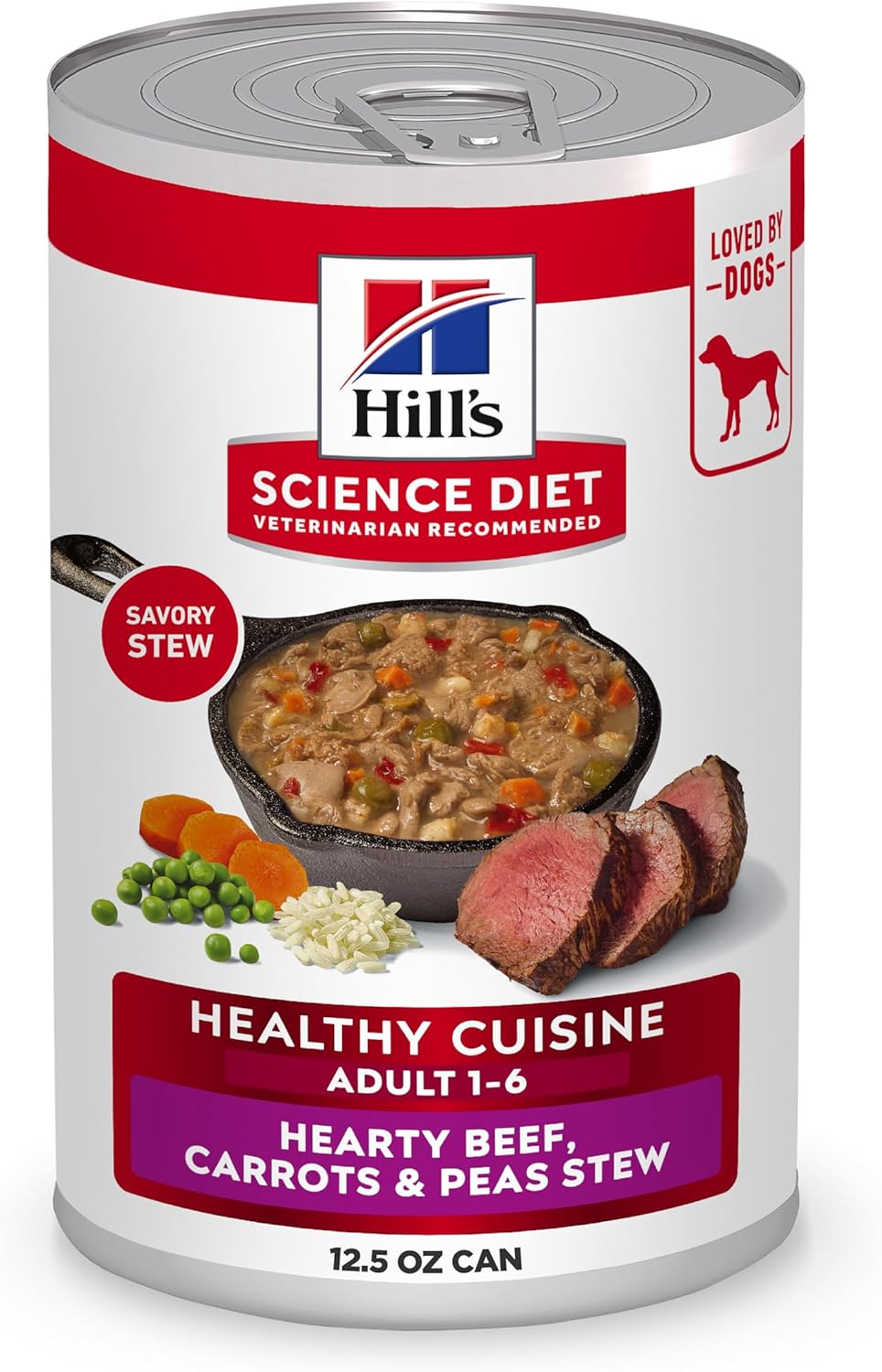
– Mid-Range ($1.75–$2.75 per can): This is the sweet spot for most pet owners. Brands like Hill’s Science Diet Sensitive Stomach, Purina ONE SmartBlend, and Wellness Simple offer balanced nutrition, high digestibility, and quality ingredients without breaking the bank. Ideal for daily feeding.
– Premium ($2.75–$4.00 per can): These foods, including Royal Canin Veterinary Diet, Blue Buffalo Basics, and Merrick Grain-Free, use novel proteins, probiotics, and human-grade ingredients. They’re excellent for dogs with moderate to severe sensitivities or those needing therapeutic support.
– Luxury ($4.00+ per can): Top-tier brands like Ziwi Peak, The Honest Kitchen, and Open Farm offer air-dried or fresh-cooked wet foods with ethically sourced, whole-food ingredients. While expensive, they provide maximum digestibility and palatability for dogs with extreme sensitivities or picky appetites.

Expert Tips for Getting the Best Deal
– Buy during seasonal sales: Major retailers like Chewy, Petco, and Amazon often run promotions in January (New Year, new diet resolutions) and November (Black Friday). Stock up when prices drop.
– Use subscription services: Most online pet stores offer discounts for auto-shipping. You’ll save money and never run out of food.
– Check for rebates and coupons: Brands like Hill’s and Royal Canin frequently offer mail-in rebates or digital coupons through their websites or vet clinics.
– Compare unit prices: Don’t just look at the total cost—compare price per ounce or per can. Larger cans may seem expensive but offer better value.
– Read return policies: If your dog doesn’t tolerate a new food, you’ll want to return it. Choose retailers with flexible return windows.
– Test small quantities first: Buy a single can or a small case before committing to a large purchase. This minimizes waste if your dog rejects the food.
– Ask your vet for samples: Many veterinary diets come with free samples. Try them before buying a full case.
– Consider mixing wet and dry: Use canned food as a topper for kibble to boost moisture and palatability while controlling costs.
Frequently Asked Questions
Q: How long does it take to see improvement in my dog’s digestion?
A: Most dogs show improvement within 1–2 weeks of switching to a sensitive stomach formula. However, dogs with chronic conditions like IBD may take 4–6 weeks to fully respond. Consistency is key—don’t switch foods too soon.
Q: Can I feed my dog human food instead of canned dog food?
A: While plain cooked chicken and rice can be used short-term for upset stomachs, they lack essential nutrients for long-term feeding. Always choose a complete and balanced dog food.
Q: Is it safe to mix different canned foods?
A: Yes, as long as both foods are high-quality and your dog tolerates them. Mixing can add variety and improve palatability, but introduce new foods gradually.
Q: What if my dog still has digestive issues on a sensitive stomach formula?
A: Consult your veterinarian. Your dog may have a food allergy, bacterial overgrowth, or another condition requiring medical treatment or a prescription diet.
Q: Are raw or fresh diets better for sensitive stomachs?
A: Some dogs thrive on fresh diets, but they require careful balancing and can be expensive. Raw diets carry bacterial risks. Always consult your vet before switching.
Q: Can puppies with sensitive stomachs eat the same food as adult dogs?
A: Puppies need higher levels of protein, fat, and calories. Choose a canned food specifically formulated for puppies or all life stages.
Q: How much canned food should I feed my dog?
A: Follow the feeding guidelines on the label based on your dog’s weight. Adjust as needed to maintain a healthy body condition. Most dogs eat 1–2 cans per day, depending on size.
Q: Should I avoid foods with carrageenan?
A: Carrageenan, a thickening agent derived from seaweed, has been linked to inflammation in some studies. While not proven harmful in dogs, many owners prefer to avoid it. Check ingredient lists carefully.
Q: Can I freeze leftover canned food?
A: Yes, store leftovers in an airtight container and freeze for up to 3 months. Thaw in the refrigerator before serving. Do not refreeze.
Q: Is it okay to feed sensitive stomach food to healthy dogs?
A: Yes, as long as the food meets AAFCO standards. These formulas are often highly digestible and can benefit any dog, especially seniors or those prone to gas.
Our Final Recommendations
– Best for Budget-Conscious Buyers: Hill’s Science Diet Sensitive Stomach & Skin – Offers excellent digestibility, includes prebiotic fiber, and is widely available at an affordable price.
– Best Overall Value: Purina Pro Plan Sensitive Skin & Stomach – Features real salmon, probiotics, and no artificial additives. A trusted choice for daily feeding.
– Best Premium Option: Royal Canin Veterinary Diet Gastrointestinal Low Fat – Clinically proven for dogs with chronic digestive issues. Requires a vet’s approval but delivers exceptional results.
– Best for Beginners: Wellness Simple Limited Ingredient Diet – Easy-to-read labels, single-protein formulas, and gentle ingredients make it ideal for first-time sensitive stomach feeders.
– Best for Advanced Users: Ziwi Peak Air-Dried Mackerel & Lamb – High-moisture, human-grade, and packed with natural enzymes. Perfect for dogs needing maximum digestibility and nutrition.
Conclusion: Making the Right Choice
Choosing the best canned dog food for a sensitive stomach is about more than just reading labels—it’s about understanding your dog’s unique needs, recognizing quality ingredients, and making informed decisions that support long-term health. While the process can feel overwhelming, remember that small changes can lead to big improvements in your dog’s comfort and well-being.
Start by prioritizing high-quality protein, limited ingredients, and digestive support features like probiotics and fiber. Avoid common pitfalls like over-relying on marketing claims or switching foods too quickly. And always involve your veterinarian when dealing with chronic symptoms.
Ultimately, the right food is the one your dog tolerates, enjoys, and thrives on. With the knowledge from this guide, you’re now equipped to make that choice with confidence. Your dog’s digestive health—and happiness—depends on it.