

As our beloved canine companions age, their nutritional needs shift dramatically. Just like humans, senior dogs experience changes in metabolism, digestion, mobility, and organ function—all of which demand a thoughtful approach to diet. One of the most impactful decisions you can make for your aging dog is choosing the right food, and canned (wet) dog food often emerges as a top choice for elderly pets. It’s easier to chew, more palatable for picky eaters, and typically higher in moisture content—critical for maintaining hydration in older dogs who may drink less water. With countless options flooding the market, however, finding the best canned dog food for elderly dogs can feel overwhelming. That’s where this comprehensive buying guide comes in.
In this detailed 2026 guide, we’ll walk you through everything you need to know to make an informed, compassionate decision for your senior dog. Whether your furry friend is dealing with arthritis, kidney issues, dental problems, or simply slowing down with age, we’ll help you understand what ingredients matter most, how to interpret labels, and which brands truly deliver on their promises. You’ll learn how to balance nutrition, budget, and your dog’s unique health profile—so you can feel confident that every spoonful supports their golden years. From ingredient quality and moisture content to brand transparency and vet recommendations, we’ve done the research so you don’t have to.
The pet food industry has evolved significantly over the past decade, with a growing emphasis on science-backed formulations, natural ingredients, and tailored nutrition for life stages. Canned dog food, once seen as a luxury or occasional treat, is now recognized by veterinarians and pet nutritionists as a viable—and often superior—option for senior dogs. Advances in packaging, shelf stability, and ingredient sourcing have made high-quality wet food more accessible than ever. But not all canned foods are created equal. Some are packed with fillers and artificial preservatives, while others offer biologically appropriate, nutrient-dense meals designed specifically for aging bodies. Our goal is to cut through the marketing noise and give you the tools to choose wisely, ensuring your dog enjoys not just longer life, but better life.
What to Look for When Buying Canned Dog Food for Elderly Dogs
1. High-Quality Protein Sources
Protein is the cornerstone of any dog’s diet, but it becomes especially critical in senior years. As dogs age, they lose muscle mass—a condition known as sarcopenia—which can lead to weakness, reduced mobility, and a decline in overall health. High-quality, easily digestible protein helps preserve lean muscle and supports immune function. When evaluating canned dog food, look for named animal proteins as the first ingredient, such as “chicken,” “turkey,” “beef,” or “salmon.” Avoid vague terms like “meat meal” or “animal by-products,” which can include low-quality or inconsistent sources.
2. Optimal Moisture Content
One of the biggest advantages of canned dog food is its high water content—typically 70–80%. This is a game-changer for elderly dogs, many of whom suffer from decreased thirst drive and are prone to dehydration. Chronic dehydration can exacerbate kidney disease, urinary tract infections, and constipation. Wet food naturally increases fluid intake, supporting kidney function and overall hydration. For dogs with chronic kidney disease (CKD), veterinarians often recommend wet food as a primary dietary source.
Look for cans that list water or broth early in the ingredient list, but ensure it’s not being used as a filler to dilute nutritional value. The best formulations balance moisture with nutrient density, so your dog gets hydration without sacrificing essential vitamins and minerals.
3. Joint and Mobility Support Ingredients
Arthritis and joint stiffness are common in older dogs, affecting up to 80% of dogs over the age of eight. Canned foods that include joint-supportive ingredients can make a meaningful difference in your dog’s comfort and mobility. Key nutrients to look for include:
– Glucosamine and Chondroitin: Naturally occurring compounds that support cartilage health and reduce inflammation.
– Omega-3 Fatty Acids (EPA/DHA): Found in fish oil, these anti-inflammatory fats help reduce joint pain and improve coat condition.
– MSM (Methylsulfonylmethane): A sulfur compound that may help reduce pain and swelling.
Some premium brands also include green-lipped mussel extract or turmeric, both of which have natural anti-inflammatory properties. These ingredients are especially beneficial for large breeds or dogs with a history of hip dysplasia.
4. Digestive Health and Fiber Balance
Digestive efficiency declines with age, and many senior dogs experience issues like constipation, gas, or sensitive stomachs. A good canned food for elderly dogs should include easily digestible fibers and probiotics to support gut health. Look for:
– Prebiotic fibers: Such as beet pulp, chicory root, or pumpkin, which feed beneficial gut bacteria.
– Probiotics: Live cultures like Lactobacillus or Bifidobacterium that promote a healthy microbiome.
– Moderate fat content: Too much fat can be hard on aging pancreases, while too little can lead to dry skin and low energy.
Avoid foods with excessive grains, corn, or soy, which can be difficult to digest and may trigger allergies. Instead, opt for recipes with digestible carbohydrates like sweet potatoes, peas, or oats.
5. Low Sodium and Kidney-Friendly Formulations
Kidney disease is one of the leading causes of death in senior dogs. As kidneys lose their ability to filter waste, sodium intake must be carefully managed. High sodium levels can increase blood pressure and put additional strain on already compromised kidneys. When choosing canned food for an elderly dog, check the sodium content—ideally, it should be below 0.3% on a dry matter basis.
Many veterinary and senior-specific formulas are designed to be kidney-friendly, with reduced phosphorus and controlled protein levels. These are not “low-protein” diets per se, but rather diets with high-quality, highly digestible protein to minimize waste products. If your dog has been diagnosed with early-stage kidney disease, your vet may recommend a prescription diet, but some over-the-counter senior foods are formulated with similar principles.
6. Palatability and Texture
Appetite often wanes in older dogs due to dental pain, reduced sense of smell, or general lethargy. Canned food’s soft texture and strong aroma make it far more appealing than dry kibble for many seniors. Look for pâtés, stews, or shreds in gravy—textures that are easy to chew and swallow, especially for dogs with missing teeth or gum disease.
Some brands offer “senior-specific” textures, such as finely minced or slow-cooked meats that release more aroma. If your dog is particularly finicky, consider rotating flavors (e.g., chicken, beef, lamb) to maintain interest. Avoid foods with artificial flavors or excessive salt, which may mask poor ingredient quality.
7. Brand Transparency and Ingredient Sourcing
Not all pet food companies are created equal. Some prioritize marketing over nutrition, using vague labels and sourcing ingredients from questionable suppliers. When evaluating a brand, ask:
– Are ingredients clearly listed with specific names (e.g., “deboned chicken” vs. “poultry”)?
– Does the company disclose where ingredients are sourced and manufactured?
– Are there third-party certifications (e.g., AAFCO, USDA, or Global Animal Partnership)?
– Does the brand have a history of recalls or safety issues?
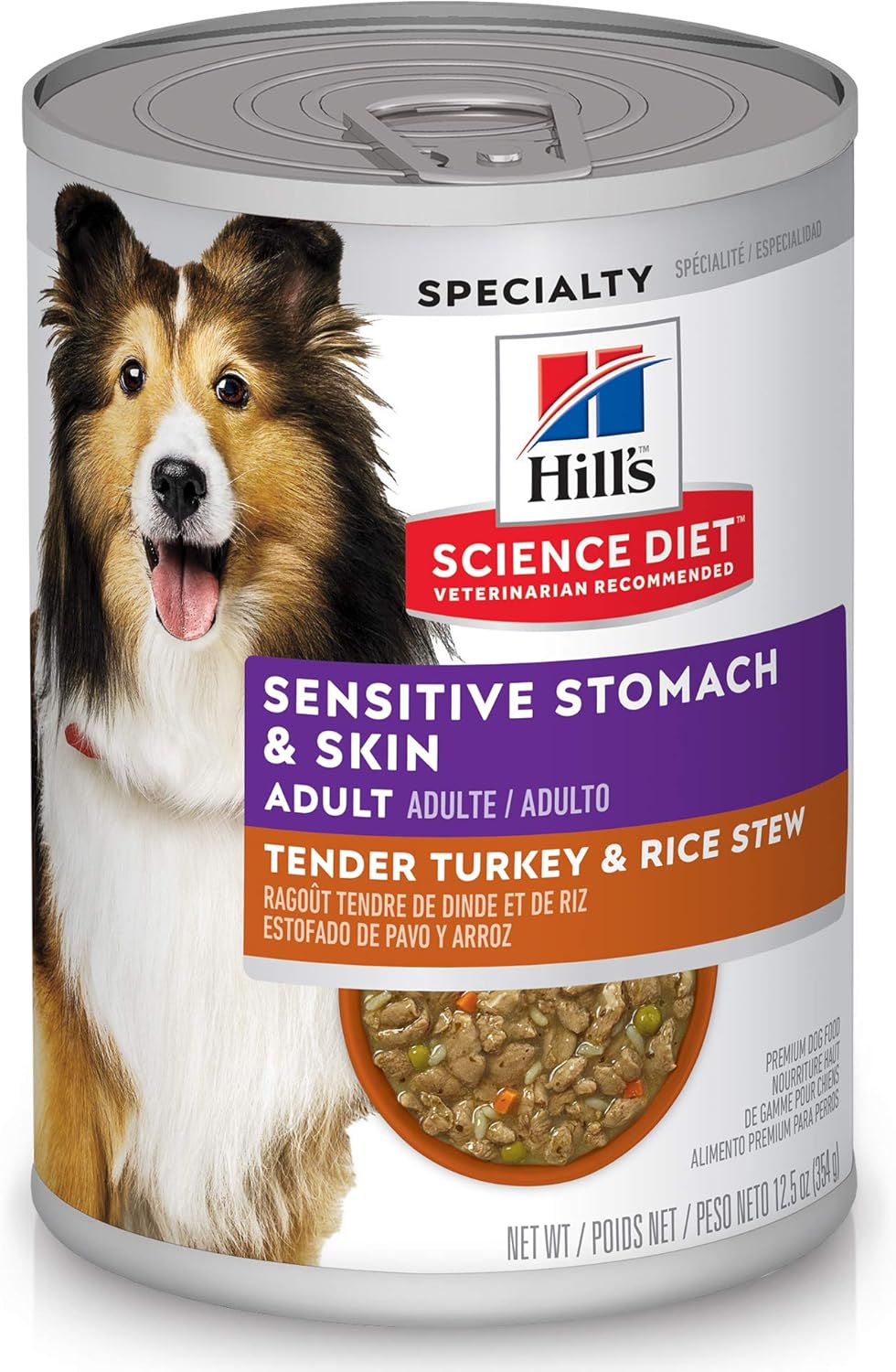
Reputable brands like Hill’s Science Diet, Royal Canin, Wellness, and The Honest Kitchen provide detailed nutritional information, feeding guides, and even vet consultations. They also invest in research and development to ensure their formulas meet the evolving needs of senior dogs.
8. AAFCO Compliance and Life Stage Appropriateness
The Association of American Feed Control Officials (AAFCO) sets nutritional standards for pet food. While not a government agency, AAFCO compliance is a strong indicator of a product’s nutritional adequacy. Look for a statement on the label such as:
> “[Product name] is formulated to meet the nutritional levels established by the AAFCO Dog Food Nutrient Profiles for adult maintenance or all life stages.”
For senior dogs, “adult maintenance” is usually sufficient unless your dog has specific health conditions. Avoid foods labeled only for “growth” or “reproduction,” as these may contain excess protein and calcium, which aren’t ideal for older pets.
Different Types of Canned Dog Food for Elderly Dogs
Common Buying Mistakes to Avoid
❌ Mistake: Choosing Based Solely on Price
Why it’s bad: While budget is important, the cheapest canned dog food often contains fillers, by-products, and artificial preservatives that offer little nutritional value. Over time, poor-quality food can lead to health issues that cost far more in vet bills than the savings on food.
What to do instead: Focus on value, not just cost. Calculate price per ounce and compare ingredient quality. A slightly more expensive can with real meat and no fillers is a better long-term investment.
❌ Mistake: Ignoring Your Dog’s Health Conditions
Why it’s bad: Feeding a high-sodium food to a dog with kidney disease—or a high-phosphorus diet to one with bone issues—can accelerate decline. Generic “senior” labels don’t always address specific medical needs.
What to do instead: Work with your veterinarian to identify your dog’s health priorities. If your dog has diabetes, look for low-glycemic ingredients. If they have heart disease, choose low-sodium options.
❌ Mistake: Overlooking Transition Periods
Why it’s bad: Sudden diet changes can cause digestive upset, including vomiting, diarrhea, or refusal to eat. Elderly dogs are especially sensitive to abrupt shifts.
What to do instead: Transition gradually over 7–10 days, mixing increasing amounts of new food with the old. Monitor stool consistency and appetite closely.
❌ Mistake: Assuming All “Natural” or “Organic” Foods Are Better
Why it’s bad: These terms are not strictly regulated in pet food. A product labeled “natural” may still contain low-quality proteins or lack essential nutrients.
What to do instead: Read the full ingredient list and guaranteed analysis. Look for AAFCO statements and third-party testing. Organic doesn’t automatically mean healthier for your dog.
❌ Mistake: Feeding Only Wet Food Without Monitoring Calories
Why it’s bad: Wet food is less calorie-dense than kibble, but overfeeding can still lead to obesity—especially in less active senior dogs. Obesity worsens joint pain and increases disease risk.
What to do instead: Follow feeding guidelines on the label and adjust based on your dog’s weight, activity level, and body condition score. Use a kitchen scale for accuracy.
❌ Mistake: Not Rotating Proteins or Flavors
Why it’s bad: Feeding the same protein source for years increases the risk of developing food sensitivities. It can also lead to boredom and reduced appetite.
What to do instead: Rotate between 2–3 high-quality proteins (e.g., chicken, beef, salmon) every few months. This supports digestive diversity and keeps mealtime exciting.
❌ Mistake: Skipping Regular Vet Checkups
Why it’s bad: Diet needs change as dogs age. What worked at 8 may not be ideal at 12. Without regular bloodwork and health assessments, you might miss early signs of disease.
What to do instead: Schedule bi-annual vet visits for senior dogs. Use these appointments to review diet, weight, and any new symptoms.
Budget Guidelines: How Much Should You Spend?
– Entry-Level ($1.00 – $1.50 per 12.5 oz can): These are budget-friendly options often found at big-box stores. While convenient, they may contain meat by-products, corn, and artificial preservatives. Best for short-term use or supplemental feeding. Examples include Purina Beneful and Pedigree Chopped Ground Dinner.
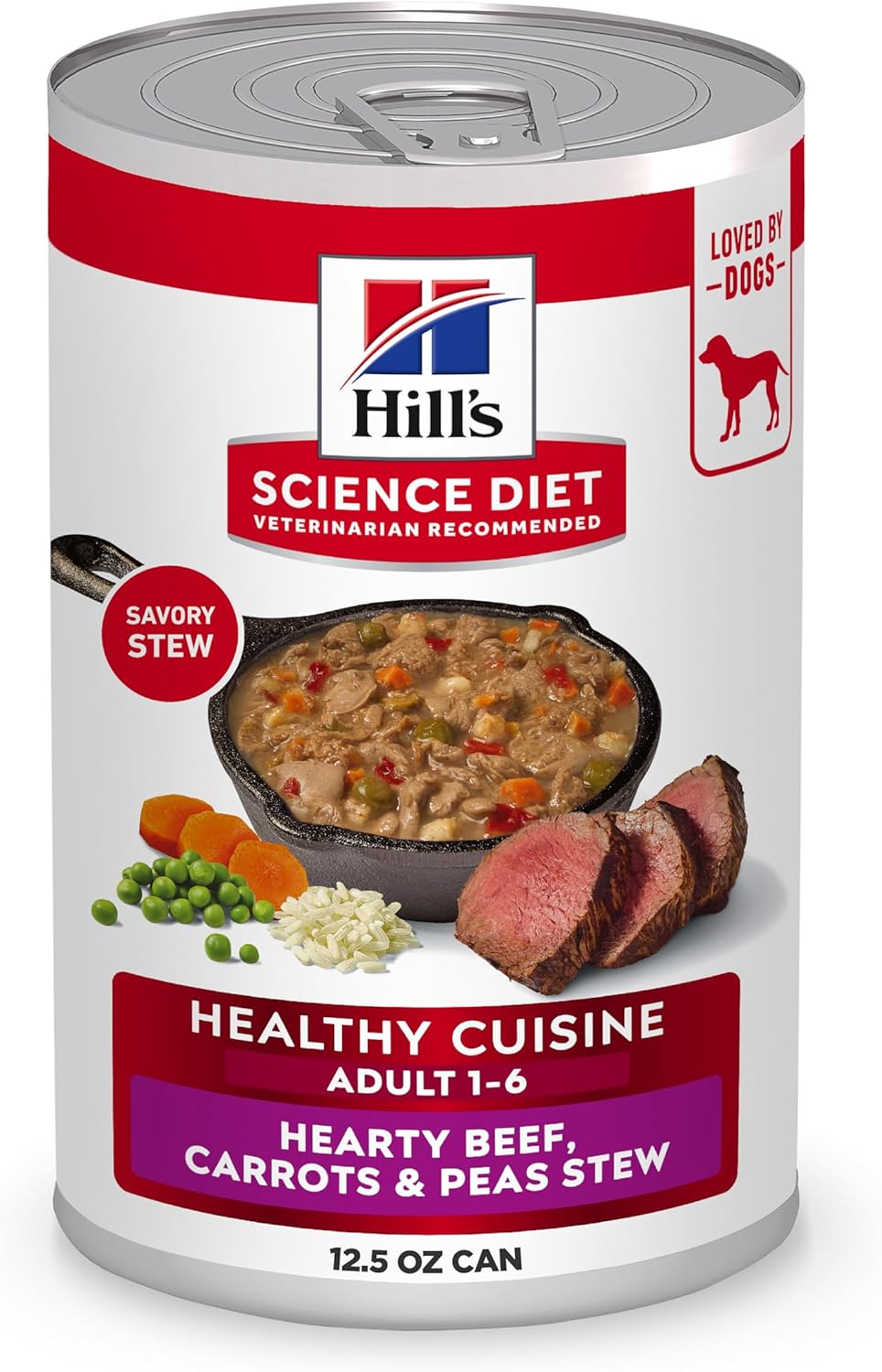
– Mid-Range ($1.50 – $2.50 per 12.5 oz can): This is the sweet spot for most dog owners. Brands like Hill’s Science Diet, Royal Canin, and Iams offer science-backed formulas with real meat, balanced nutrients, and senior-specific support. These foods provide excellent value and are widely available.
– Premium ($2.50 – $4.00 per 12.5 oz can): Ideal for health-conscious owners or dogs with mild sensitivities. Brands like Wellness, Blue Buffalo, and Nutro offer grain-free, limited-ingredient, or high-moisture options with premium proteins and added supplements like glucosamine and probiotics.
– Luxury ($4.00+ per 12.5 oz can): Top-tier brands such as The Honest Kitchen, Open Farm, and Ziwi Peak use human-grade, ethically sourced ingredients. These foods often include novel proteins (e.g., venison, duck), air-dried or freeze-dried elements, and transparent sourcing. Best for dogs with complex health needs or owners prioritizing ingredient integrity.

Expert Tips for Getting the Best Deal
– Buy During Seasonal Sales: Major retailers like Chewy, Petco, and Amazon offer discounts during Black Friday, Prime Day, and end-of-year clearance events. Stock up during these periods.
– Use Subscription Services: Auto-shipping programs often include discounts and free shipping. You can pause or cancel anytime, making it flexible for changing needs.
– Check for Manufacturer Rebates: Brands like Hill’s and Royal Canin frequently offer mail-in rebates or digital coupons through their websites or vet clinics.
– Compare Unit Prices: Don’t just look at the total cost—compare price per ounce. A larger can may seem expensive but offer better value.
– Read Return Policies: If your dog refuses a new food, you want the option to return or exchange it. Chewy and Petco have generous return windows.
– Ask Your Vet for Samples: Many veterinary offices provide free samples of prescription or senior diets. This lets you test palatability before committing.
– Join Loyalty Programs: Pet stores like PetSmart and Chewy reward repeat customers with points, discounts, and exclusive offers.
– Consider Store Brands: Some retailers (e.g., Costco’s Kirkland Signature) offer high-quality canned food at lower prices. Always check the ingredient list, but many store brands are manufactured by reputable companies.
Frequently Asked Questions
Q: Can I feed my senior dog only canned food?
A: Yes, many senior dogs thrive on an all-wet diet, especially if they have dental issues or low thirst drive. Just ensure the food is nutritionally complete and balanced. If mixing with kibble, adjust portions to avoid overfeeding.
Q: How much canned food should I feed my elderly dog?
A: Feeding guidelines vary by brand and your dog’s weight, activity level, and health. Most cans provide a recommended amount based on weight. Start with the label suggestion and adjust based on body condition. Senior dogs typically need 20–30% fewer calories than adults.
Q: Is grain-free food better for senior dogs?
A: Not necessarily. Unless your dog has a diagnosed grain allergy, whole grains like oats or barley can provide beneficial fiber and energy. The FDA has investigated a potential link between grain-free diets and dilated cardiomyopathy (DCM), so consult your vet before switching.
Q: Can canned food help with bad breath in older dogs?
A: While it won’t replace dental care, wet food is less likely to contribute to plaque buildup than kibble. Some brands include enzymes or parsley to freshen breath. Regular teeth brushing and vet cleanings are still essential.
Q: Should I avoid foods with carrageenan?
A: Carrageenan, a thickening agent derived from seaweed, has been linked to inflammation in some studies. While not conclusively proven harmful in pets, many owners prefer to avoid it. Check labels and choose brands that use alternatives like agar-agar or guar gum.
Q: How long can I store opened canned food?
A: Transfer unused portions to a sealed container and refrigerate. Most wet food stays fresh for 3–5 days. Do not leave opened cans at room temperature for more than 2 hours.
Q: Can I freeze canned dog food?
A: Yes, you can freeze wet food in portion-sized containers or ice cube trays. Thaw in the refrigerator before serving. Freezing may slightly alter texture, but it’s safe and reduces waste.
Q: What if my senior dog refuses to eat canned food?
A: Try warming it slightly (not hot) to enhance aroma, mixing in a small amount of low-sodium broth, or topping with a sprinkle of freeze-dried meat. Rule out dental pain or illness with a vet visit.
Q: Are there canned foods for dogs with cancer?
A: Some veterinary diets (e.g., Hill’s n/d) are formulated for cancer support, with higher fat and antioxidants. Always work with an oncologist or vet to tailor nutrition to your dog’s treatment plan.
Q: Can I make homemade canned food for my senior dog?
A: While possible, homemade diets require careful balancing to avoid deficiencies. Consult a veterinary nutritionist to formulate a complete recipe. Canned commercial foods are rigorously tested for safety and nutrition.
Our Final Recommendations
– Best for Budget-Conscious Buyers: Hill’s Science Diet Senior Wet Dog Food (Chicken & Barley) – Affordable, vet-recommended, and formulated for joint and digestive health. Widely available and trusted by pet owners.
– Best Overall Value: Royal Canin Aging 12+ Loaf in Sauce – Specifically designed for dogs over 12, with controlled phosphorus, omega-3s, and antioxidants. Excellent palatability and kidney support.
– Best Premium Option: Wellness Complete Health Senior Chicken & Sweet Potato – Made with real deboned chicken, no grains, and added glucosamine and probiotics. High moisture content and clean ingredients.
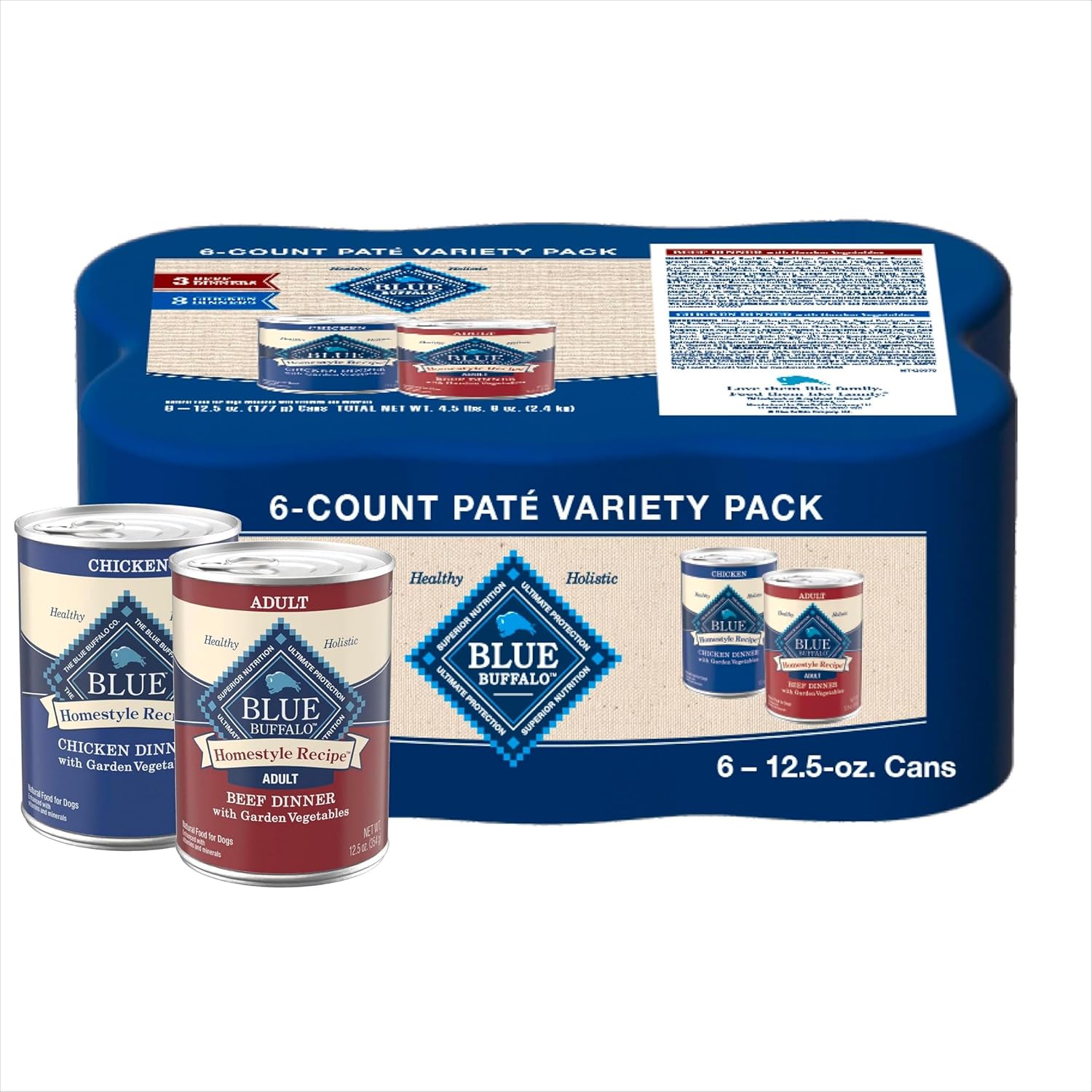
– Best for Beginners: Blue Buffalo Homestyle Recipe Senior Chicken Dinner – Easy to find, affordable, and made with natural ingredients. Great for transitioning from kibble.
– Best for Advanced Users (Health-Conscious or Medically Complex): The Honest Kitchen Human-Grade Dehydrated Dog Food (Rehydrated as Wet) – Not technically canned, but when rehydrated, it offers the texture and moisture of wet food with human-grade, whole-food ingredients. Ideal for dogs with multiple sensitivities or owners seeking maximum transparency.
Conclusion: Making the Right Choice
Choosing the best canned dog food for your elderly dog is one of the most loving and impactful decisions you can make. It’s not just about filling their bowl—it’s about supporting their health, comfort, and quality of life in their golden years. By focusing on high-quality protein, optimal moisture, joint support, and digestive health, you can help your senior dog stay active, hydrated, and happy.
Remember, every dog is unique. What works for one may not suit another. Use this guide as a foundation, but always tailor your choice to your dog’s individual needs, preferences, and medical conditions. Consult your veterinarian regularly, monitor your dog’s response to new food, and don’t be afraid to adjust as they age.
Investing in the right nutrition now can add not just months, but meaningful, joyful years to your dog’s life. With the knowledge from this guide, you’re equipped to make a confident, compassionate choice—one delicious, nourishing spoonful at a time.