

When it comes to your dog’s health, few things are as telling—or as concerning—as their stool quality. Loose, runny, or inconsistent bowel movements can signal digestive upset, dietary sensitivities, or underlying health issues. While occasional soft stools are normal, chronic diarrhea or irregularity often points to a need for dietary adjustment. One of the most effective ways to support firmer, healthier stools in dogs is through high-quality canned dog food formulated with digestive health in mind. Unlike dry kibble, which often contains fillers, artificial additives, and lower moisture content, premium canned dog food offers superior hydration, highly digestible proteins, and targeted fiber sources that promote optimal gut function.
This comprehensive buying guide is designed to help dog owners navigate the crowded pet food market with confidence. Whether you’re dealing with a sensitive stomach, transitioning from kibble, or simply looking to improve your dog’s digestive wellness, we’ll walk you through everything you need to know. You’ll learn how to evaluate ingredients, understand nutritional profiles, compare brands, and make informed decisions based on your dog’s unique needs. We’ve analyzed dozens of top-rated canned dog foods, consulted veterinary nutritionists, and reviewed real-world customer feedback to bring you the most up-to-date, science-backed recommendations for 2026.
The market for canned dog food has evolved significantly in recent years. With growing awareness of pet nutrition, manufacturers are now prioritizing clean labels, functional ingredients, and transparency. However, not all wet dog foods are created equal—some are packed with beneficial fibers and probiotics, while others rely on low-quality by-products and excessive carbohydrates that can worsen digestive issues. Our goal is to cut through the marketing noise and deliver actionable insights so you can choose a product that genuinely supports firmer stools and long-term digestive health. From budget-friendly options to premium formulations, this guide covers it all.
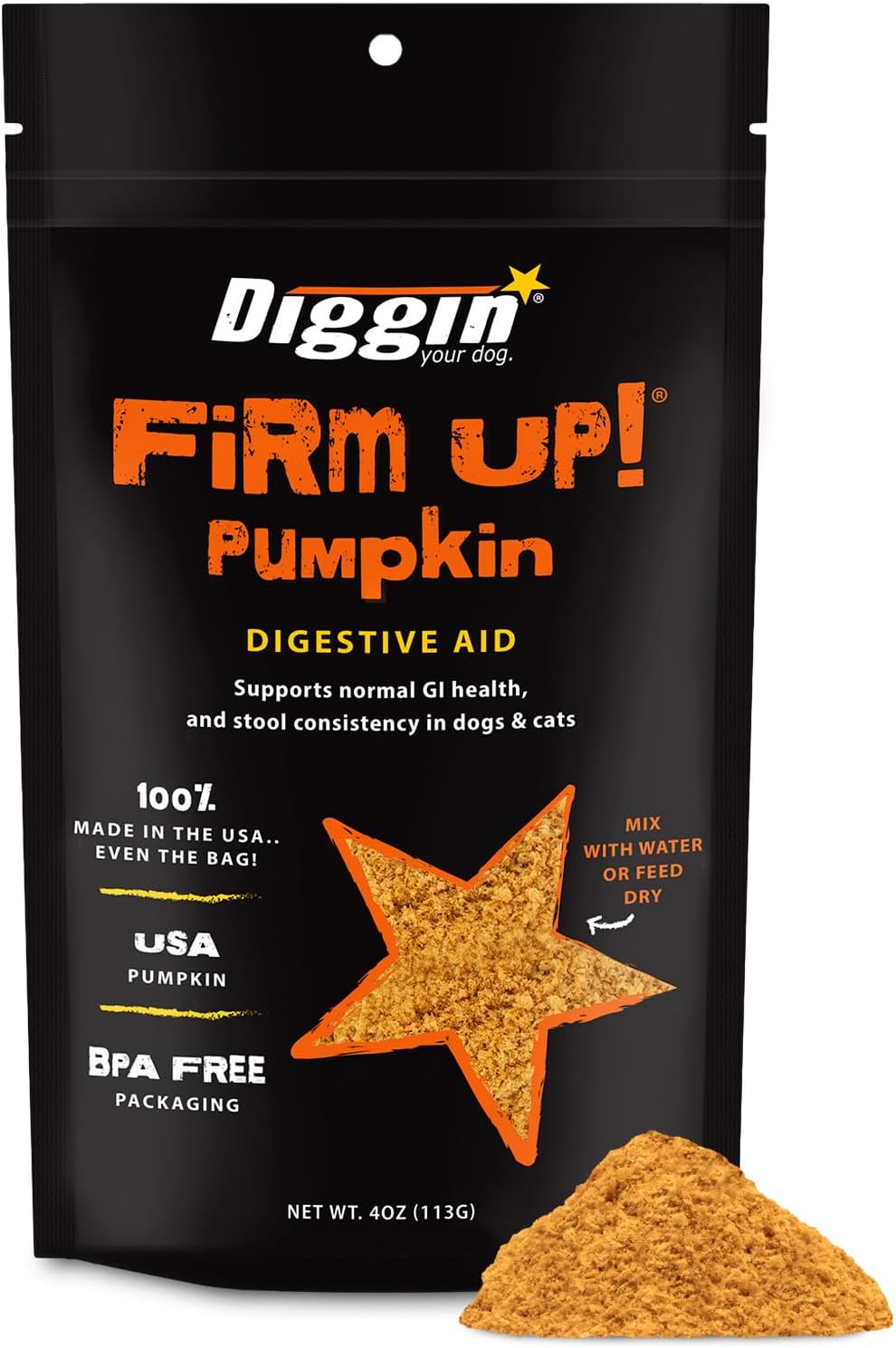
What to Look for When Buying Canned Dog Food for Firmer Stools
1. High-Quality, Digestible Protein Sources
Protein is the foundation of any dog’s diet, but not all proteins are equally digestible. When selecting canned dog food to promote firmer stools, prioritize recipes that list a named animal protein as the first ingredient—such as chicken, turkey, lamb, or salmon. These whole meats are easier for your dog’s system to break down and absorb, reducing the likelihood of digestive upset. Avoid vague terms like “meat meal” or “animal by-product meal,” which can indicate lower-quality, less digestible sources.
Additionally, look for novel proteins if your dog has food sensitivities. Ingredients like duck, venison, or rabbit are less commonly used and less likely to trigger allergic reactions that can lead to loose stools. High digestibility means more nutrients are absorbed and less waste is produced, which directly contributes to firmer, more consistent bowel movements.
2. Appropriate Fiber Content and Type
Fiber plays a crucial role in regulating digestion and stool formation. However, not all fiber is created equal. Soluble fiber (found in ingredients like pumpkin, sweet potato, and oats) absorbs water and helps form gel-like substances that slow digestion, while insoluble fiber (from sources like cellulose or beet pulp) adds bulk and speeds up transit time. For firmer stools, a balanced blend of both types is ideal.
Look for canned foods that include pumpkin, psyllium husk, or chicory root—these are gentle, natural fiber sources known to support digestive regularity. Avoid excessive amounts of grain-based fibers like corn or wheat, which can be harder to digest and may contribute to gas or bloating. The ideal fiber content for digestive health typically ranges from 3% to 5% on a dry matter basis.
3. Limited Ingredients and No Common Allergens
Dogs with sensitive stomachs often react poorly to complex ingredient lists filled with artificial additives, fillers, and common allergens. Simplified recipes with fewer ingredients reduce the risk of triggering food intolerances that can lead to diarrhea or inconsistent stools. Opt for canned foods labeled as “limited ingredient” or “sensitive stomach” formulas.
Common allergens to avoid include wheat, corn, soy, and dairy. These ingredients are not only difficult for some dogs to digest but are also frequent culprits behind chronic digestive issues. Instead, choose grain-free or grain-inclusive options that use easily digestible carbohydrates like brown rice, quinoa, or barley—if grains are included at all.
4. Added Probiotics and Prebiotics
A healthy gut microbiome is essential for proper digestion and stool consistency. Probiotics are live beneficial bacteria that help maintain a balanced gut environment, while prebiotics (like fructooligosaccharides or FOS) feed those good bacteria. Many high-quality canned dog foods now include these functional ingredients to support digestive health.
Look for labels that specify “contains live probiotics” or list strains such as Lactobacillus acidophilus or Bifidobacterium animalis. These can significantly improve gut flora, enhance nutrient absorption, and lead to firmer, more formed stools. Prebiotics like chicory root extract or inulin are also excellent indicators of a gut-friendly formula.
5. Moisture Content and Hydration Benefits
Canned dog food typically contains 70–80% moisture, which is significantly higher than dry kibble (usually around 10%). This increased hydration supports kidney function, aids digestion, and helps prevent constipation—especially in dogs who don’t drink enough water. For dogs prone to loose stools, proper hydration can also help regulate bowel movements by ensuring the digestive tract functions smoothly.
While high moisture content is generally beneficial, it’s important to ensure the food still provides adequate fiber and protein to form solid stools. Some ultra-liquid formulas may lack the structural components needed for firmness, so balance is key. Choose recipes that combine high moisture with solid chunks or pâté textures for optimal digestion.
6. Absence of Artificial Additives and Fillers
Artificial colors, flavors, preservatives, and chemical additives can irritate a dog’s digestive system and contribute to inconsistent stools. Ingredients like BHA, BHT, ethoxyquin, and propylene glycol are particularly concerning and should be avoided. These substances have been linked to gastrointestinal upset and long-term health risks.
Instead, look for canned foods preserved naturally with mixed tocopherols (vitamin E) or ascorbic acid (vitamin C). Clean labels with recognizable, whole-food ingredients are a strong indicator of quality. The shorter the ingredient list, the easier it is to identify potential triggers if your dog experiences digestive issues.
7. Brand Transparency and Manufacturing Standards
Not all pet food companies are equally committed to quality and safety. Reputable brands conduct regular testing, source ingredients responsibly, and provide clear information about their manufacturing processes. Look for companies that are AAFCO-compliant and have their foods tested by third-party laboratories.
Transparency matters—brands that publish ingredient sourcing details, nutritional analyses, and recall histories demonstrate accountability. Avoid companies with vague labeling or those that have had multiple recalls due to contamination or nutritional imbalances. Trusted brands often have veterinary nutritionists on staff and invest in research to improve pet health.
8. Palatability and Digestibility Testing
Even the most nutritious canned dog food won’t help if your dog refuses to eat it. Palatability—how appealing the food smells and tastes—is a critical factor, especially for picky eaters or dogs recovering from illness. High-quality brands often conduct feeding trials to ensure their recipes are both tasty and easily digested.
Look for products that mention “feeding trials” or “digestibility studies” on their packaging or website. These indicate that the food has been tested on real dogs under controlled conditions. A food that is both palatable and digestible increases the likelihood of consistent eating habits, which in turn supports regular, firm stools.
Different Types of Canned Dog Food for Digestive Health

Common Buying Mistakes to Avoid
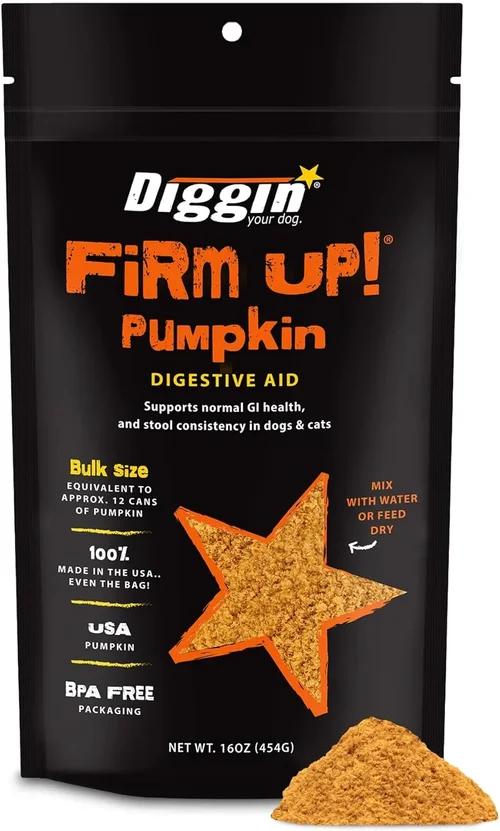
❌ Mistake: Choosing Based Solely on Price
Why it’s bad: While budget is important, the cheapest canned dog food often contains low-quality proteins, fillers, and artificial additives that can worsen digestive issues. Saving a few cents per can may lead to higher vet bills down the line.
What to do instead: Focus on value, not just cost. Look for mid-range options that balance affordability with high-quality ingredients. Consider the cost per feeding and long-term health benefits.
❌ Mistake: Ignoring the Ingredient List
Why it’s bad: Marketing claims like “natural” or “premium” can be misleading. Without reading the ingredient list, you might miss hidden allergens, fillers, or low-quality proteins that contribute to loose stools.
What to do instead: Always check the first five ingredients. Prioritize whole meats, recognizable vegetables, and avoid vague terms like “meat by-products” or “animal digest.”
❌ Mistake: Overlooking Fiber Sources
Why it’s bad: Not all fiber is helpful. Some canned foods use cheap, poorly digestible fibers like corn bran or cellulose, which can irritate the gut and fail to firm stools.
What to do instead: Choose recipes with natural, soluble fibers like pumpkin, sweet potato, or psyllium. These support healthy digestion without causing gas or bloating.
❌ Mistake: Switching Foods Too Quickly
Why it’s bad: Sudden dietary changes can shock your dog’s system, leading to diarrhea or vomiting—even if the new food is high quality.
What to do instead: Transition gradually over 7–10 days, mixing increasing amounts of the new food with the old. This allows the gut microbiome to adapt.
❌ Mistake: Assuming All Wet Food Is Equal
Why it’s bad: Some canned foods are mostly gravy or broth with minimal meat content. These may lack the protein and fiber needed for firm stools.
What to do instead: Look for pâté or chunked textures with visible meat. Check the guaranteed analysis for protein and fiber levels.
❌ Mistake: Not Consulting a Veterinarian
Why it’s bad: Chronic diarrhea can signal serious conditions like pancreatitis, parasites, or inflammatory bowel disease. Treating it with diet alone may delay proper diagnosis.
What to do instead: If your dog has persistent loose stools, consult your vet before making dietary changes. They may recommend a prescription diet or diagnostic tests.
❌ Mistake: Feeding Inconsistent Portions
Why it’s bad: Overfeeding or irregular meal times can disrupt digestion and lead to inconsistent stools, even with high-quality food.
What to do instead: Follow feeding guidelines on the label and divide daily portions into 2–3 meals. Use a measuring cup to ensure consistency.
Budget Guidelines: How Much Should You Spend?
- Entry-Level ($1.00 – $1.50 per can): These budget options often contain by-product meals, corn, and artificial preservatives. While they may be affordable, they’re less likely to support firm stools and may contribute to digestive issues. Best for short-term use or supplemental feeding.
- Mid-Range ($1.50 – $2.50 per can): This is the sweet spot for most dog owners. These foods typically feature named meat proteins, limited fillers, and some functional ingredients like pumpkin or probiotics. Brands like Wellness, Merrick, and Nutro offer reliable options in this range.
- Premium ($2.50 – $4.00 per can): Premium canned foods prioritize high-quality, human-grade ingredients, novel proteins, and advanced digestive support. Look for brands like The Honest Kitchen, Open Farm, or Ziwi Peak. These are ideal for dogs with chronic digestive issues or food sensitivities.
- Luxury ($4.00+ per can): Top-tier options include air-dried or freeze-dried wet foods, single-protein recipes, and veterinary-grade formulations. These are often used for therapeutic purposes or by owners seeking the absolute best nutrition. Examples include Royal Canin Veterinary Diet and Hill’s Prescription Diet.
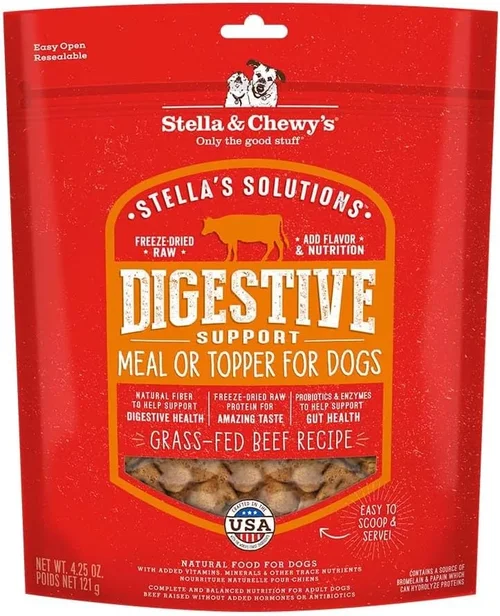
Expert Tips for Getting the Best Deal
- Buy during seasonal sales: Major pet retailers often run promotions around holidays like Black Friday, Memorial Day, and back-to-school season. Stock up when prices drop.
- Subscribe and save: Most online pet stores (Chewy, Petco, Amazon) offer recurring delivery with discounts. This ensures you never run out and locks in lower prices.
- Compare unit prices: Don’t just look at the total cost—check the price per ounce or per can. Larger cans may seem expensive but offer better value.
- Read return policies: Some brands offer money-back guarantees if your dog doesn’t like the food. This reduces risk when trying new recipes.
- Test small quantities first: Before committing to a full case, buy a single can or variety pack to see how your dog reacts.
- Look for rebates and coupons: Manufacturers often provide digital coupons on their websites or through apps like Rakuten or Honey.
- Consider mixing with kibble: If budget is tight, use canned food as a topper to boost moisture and palatability while maintaining firm stools.
- Monitor your dog’s response: Keep a stool diary for 1–2 weeks after switching foods. Note consistency, frequency, and any changes in behavior.

Frequently Asked Questions
Q: Can canned dog food really help with loose stools?
A: Yes—especially if the food contains high-quality protein, digestible fibers, and probiotics. The increased moisture also supports healthy digestion, and the absence of fillers reduces irritation.
Q: How long does it take to see improvements in stool quality?
A: Most dogs show improvement within 3–7 days of switching to a better diet. However, dogs with chronic conditions may take 2–4 weeks to fully adjust.
Q: Is grain-free canned food better for digestive health?
A: Not necessarily. While grain-free diets help dogs with grain allergies, grains like oats or rice can be beneficial for others. Focus on digestibility, not just grain content.
Q: Can I mix canned food with dry kibble?
A: Absolutely. Many owners use canned food as a topper to enhance flavor and moisture. Just adjust portions to avoid overfeeding.
Q: Are probiotics in canned food effective?
A: Yes, if the product specifies live cultures and proper storage conditions. Refrigerate after opening to maintain potency.
Q: What if my dog still has loose stools after switching foods?
A: Consult your veterinarian. Persistent diarrhea may indicate parasites, infections, or underlying diseases that require medical treatment.
Q: Is pumpkin in canned dog food safe?
A: Yes—plain, cooked pumpkin (not pie filling) is a safe and effective fiber source. It’s commonly used to firm stools in both dogs and humans.
Q: How much canned food should I feed my dog?
A: Follow the feeding guidelines on the label based on your dog’s weight. Adjust as needed based on activity level and body condition.
Q: Can puppies eat canned dog food for digestive health?
A: Yes, but choose formulas labeled for puppies or all life stages. Puppies have different nutritional needs, so avoid adult-only recipes.
Q: Is it safe to feed canned food long-term?
A: Absolutely. High-quality canned food can be part of a balanced, long-term diet. Just ensure it meets AAFCO standards for complete and balanced nutrition.
Our Final Recommendations
- Best for Budget-Conscious Buyers: Wellness CORE Grain-Free Turkey & Chicken Liver Recipe – Offers high protein, limited ingredients, and pumpkin for under $2 per can.
- Best Overall Value: Merrick Grain-Free Real Texas Beef + Sweet Potato – Features real deboned beef, probiotics, and sweet potato for digestive support at a mid-range price.
- Best Premium Option: The Honest Kitchen Human Grade Dehydrated Dog Food (rehydrated as wet food) – Made with whole foods, no fillers, and excellent digestibility. Ideal for sensitive dogs.
- Best for Beginners: Blue Buffalo Basics Limited Ingredient Diet Turkey & Potato – Simple recipe, easy to find, and gentle on the stomach.
- Best for Advanced Users (Therapeutic Needs): Royal Canin Veterinary Diet Gastrointestinal Low Fat Canned Dog Food – Clinically proven to manage chronic diarrhea and pancreatitis. Requires vet approval.
Conclusion: Making the Right Choice
Choosing the right canned dog food for firmer stools isn’t just about fixing a temporary issue—it’s about supporting your dog’s long-term digestive health and overall well-being. By focusing on high-quality proteins, appropriate fiber sources, and gut-friendly additives like probiotics, you can make a meaningful difference in your dog’s daily comfort and vitality. Remember, every dog is unique, so what works for one may not work for another. Pay attention to your dog’s individual response, consult your veterinarian when needed, and don’t be afraid to experiment within safe boundaries.
Ultimately, the best canned dog food is one that your dog enjoys eating, digests easily, and that leads to consistent, firm stools. Use this guide as your roadmap to navigate the options with confidence. Prioritize transparency, ingredient quality, and your dog’s specific needs over flashy packaging or celebrity endorsements. With the right food, you’re not just feeding your dog—you’re investing in their health, happiness, and quality of life for years to come. Start today, and take the first step toward a happier, healthier pup.