

When it comes to feeding your French Bulldog, choosing the right canned dog food isn’t just about convenience—it’s about supporting their unique health needs. French Bulldogs are a brachycephalic breed, meaning they have short snouts and compact facial structures, which can make chewing dry kibble difficult and even dangerous in some cases. Their sensitive digestive systems, tendency toward allergies, and predisposition to obesity also demand a carefully considered diet. That’s where high-quality canned dog food comes in: it’s easier to eat, highly digestible, and often packed with moisture to support hydration—especially important for flat-faced breeds who may not drink enough water on their own.
This comprehensive buying guide is designed to help you navigate the crowded pet food market with confidence. Whether you’re a first-time Frenchie owner or a seasoned enthusiast looking to upgrade your pup’s meals, you’ll find everything you need to make an informed decision. We’ll break down the essential factors to consider—from ingredient quality and nutritional balance to price, brand reputation, and feeding practicalities. You’ll also learn how to avoid common pitfalls, understand different product categories, and discover expert-backed tips for getting the best value. By the end of this guide, you’ll know exactly what to look for in a canned dog food that supports your French Bulldog’s health, happiness, and longevity.
The market for premium canned dog food has exploded in recent years, with dozens of brands offering everything from grain-free formulas to limited-ingredient diets and even fresh-cooked options. While this variety is a win for pet parents, it can also be overwhelming. Not all canned foods are created equal—some are packed with fillers, artificial preservatives, or excessive sodium, while others deliver complete, balanced nutrition tailored to small breeds. This guide cuts through the noise, focusing specifically on what works best for French Bulldogs. We’ve analyzed ingredient lists, consulted veterinary nutritionists, and reviewed real-world feedback from Frenchie owners to bring you a trusted, up-to-date resource for 2026.
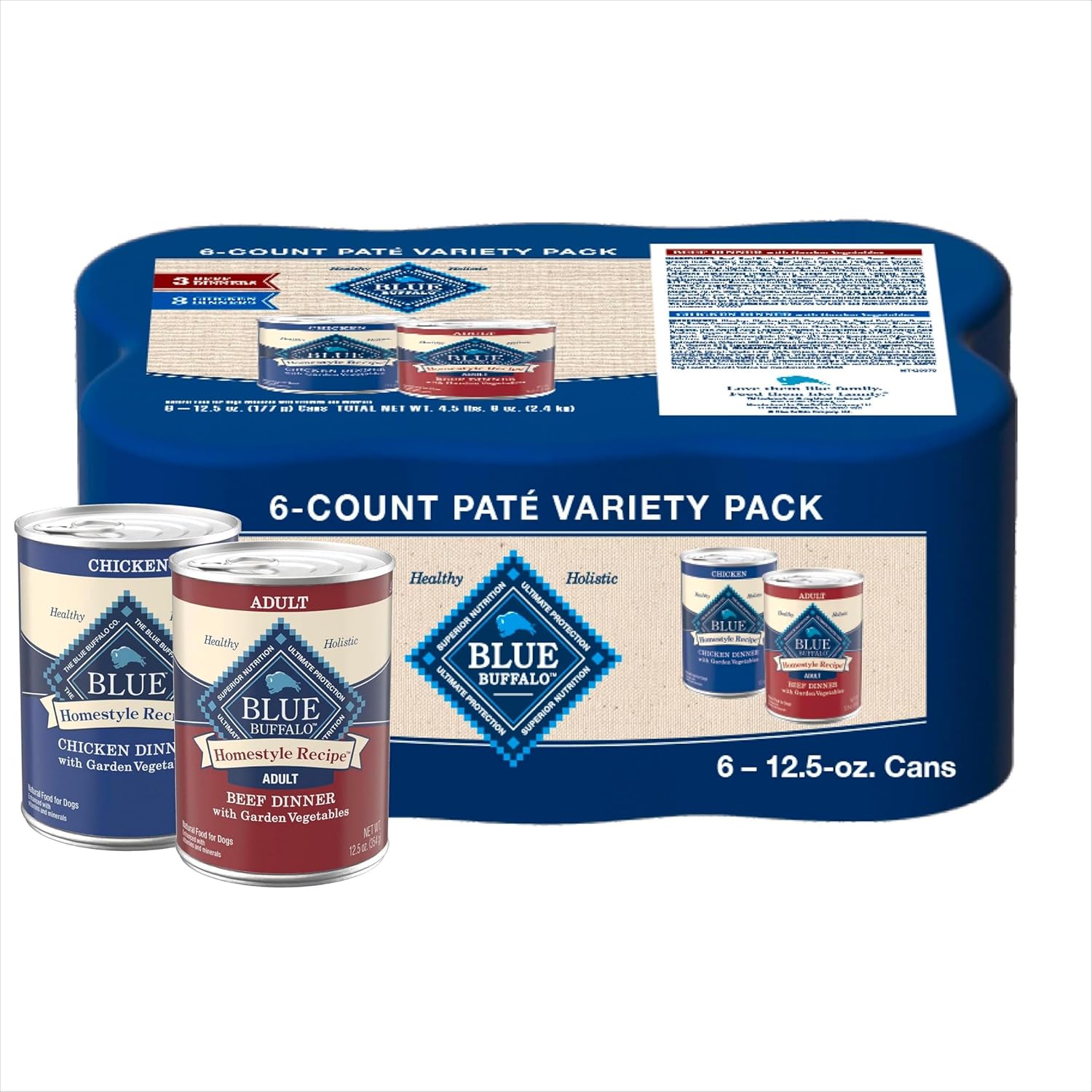
What to Look for When Buying Canned Dog Food for French Bulldogs
1. High-Quality Protein Sources
Protein is the cornerstone of any healthy dog diet, but for French Bulldogs, it’s especially critical. As muscular, active small dogs, they require a diet rich in animal-based proteins to maintain lean muscle mass and support energy levels. Look for canned foods where the first ingredient is a named meat source—such as chicken, turkey, lamb, or salmon—rather than vague terms like “meat meal” or “animal by-products.” Whole meats or meat meals (like chicken meal or lamb meal) are both acceptable, but the key is transparency and quality.
French Bulldogs are prone to food sensitivities, so novel proteins like duck, venison, or rabbit can be excellent choices if your dog shows signs of allergies. Avoid formulas with excessive plant-based proteins (like pea protein or soy), as these are less biologically appropriate and can contribute to digestive upset. A good rule of thumb: the protein content should be at least 8–10% on a dry matter basis for adult maintenance, and higher for puppies or active dogs.
2. Limited, Digestible Carbohydrates
While dogs don’t require carbohydrates, they can be a useful energy source when sourced properly. For French Bulldogs, who often struggle with gas, bloating, and sensitive stomachs, it’s crucial to choose easily digestible carbs. Sweet potatoes, pumpkin, peas, and carrots are excellent options—they’re low-glycemic, rich in fiber, and gentle on the digestive system. Avoid corn, wheat, and soy, which are common allergens and can trigger inflammation or digestive issues.
Grain-free doesn’t always mean better, but for Frenchies with known sensitivities, grain-free formulas can reduce the risk of skin rashes, ear infections, and gastrointestinal distress. However, always check with your vet before switching to grain-free, as recent studies have raised concerns about a potential link between certain grain-free diets and dilated cardiomyopathy (DCM) in some dogs. The key is balance: choose a formula with moderate, high-fiber carbs that support gut health without overloading your dog’s system.
3. Healthy Fats for Skin and Coat
French Bulldogs are notorious for skin problems—ranging from allergies to yeast infections in their wrinkles. A diet rich in healthy fats can make a dramatic difference. Look for canned foods that include sources of omega-3 and omega-6 fatty acids, such as fish oil, flaxseed, or chicken fat. These fats reduce inflammation, support skin barrier function, and promote a shiny, healthy coat.
Avoid formulas with excessive plant-based oils like corn or canola oil, which are high in omega-6 and can promote inflammation when not balanced with omega-3s. The ideal ratio of omega-6 to omega-3 should be between 5:1 and 10:1. Additionally, some premium brands now include supplements like biotin or vitamin E, which further support skin health—especially helpful for Frenchies prone to dry, flaky skin or hot spots.
4. Moisture Content and Hydration Support
One of the biggest advantages of canned dog food is its high moisture content—typically 70–80%, compared to just 10% in dry kibble. This is a game-changer for French Bulldogs, who often don’t drink enough water due to their brachycephalic anatomy. Proper hydration supports kidney function, aids digestion, and helps prevent urinary tract issues, which can be a concern in small breeds.
When comparing products, check the guaranteed analysis on the label. A higher moisture content means less risk of dehydration, especially in warmer climates or for dogs who are less active. Some brands even add broth or bone broth for extra flavor and hydration. However, be cautious of formulas with added salt or sodium to enhance palatability—excess sodium can strain the kidneys over time. Aim for a sodium content under 0.3% on a dry matter basis.
5. No Artificial Additives or Fillers
French Bulldogs are sensitive to artificial ingredients, which can trigger allergies, digestive upset, or behavioral changes. Avoid canned foods that contain artificial colors (like Red 40 or Blue 2), flavors, or preservatives such as BHA, BHT, or ethoxyquin. These chemicals have been linked to health issues in dogs and offer no nutritional benefit.
Instead, look for natural preservatives like mixed tocopherols (vitamin E), rosemary extract, or citric acid. Fillers like corn gluten meal, rice bran, or beet pulp should also be minimized—they’re often used to bulk up the food cheaply and can contribute to weight gain or poor digestion. A clean ingredient list with recognizable, whole-food components is a strong indicator of quality.
6. Appropriate Caloric Density and Portion Control
French Bulldogs are prone to obesity, which can exacerbate breathing difficulties, joint problems, and heart issues. Because canned food is more calorie-dense than dry kibble, it’s essential to feed the right portion size. Overfeeding—even with healthy food—can lead to weight gain.
Check the calorie content per can (usually listed in kcal/kg or kcal per cup). Most adult French Bulldogs require between 300–400 calories per day, depending on age, activity level, and metabolism. Puppies and nursing mothers need more. Choose a formula that allows you to meet your dog’s caloric needs without overfeeding. Some brands offer “light” or “weight management” versions, which can be helpful for less active dogs.
7. Brand Transparency and Manufacturing Standards
Not all pet food companies are equally committed to quality. Look for brands that are transparent about their sourcing, manufacturing processes, and testing procedures. Reputable companies will publish information about where their ingredients come from, whether their facilities are AAFCO-compliant, and if they conduct regular safety testing for contaminants like heavy metals or bacteria.
Brands that employ veterinary nutritionists or partner with independent labs for nutritional analysis are generally more trustworthy. Avoid companies that use vague language like “made with real meat” without specifying the source. Also, check for recalls—brands with a history of frequent recalls may have quality control issues. Reading the fine print on the label and visiting the company’s website can give you valuable insight into their standards.
8. Palatability and Texture Preferences
French Bulldogs can be picky eaters, and their short snouts make it harder to chew certain textures. Canned food should be soft, moist, and easy to eat—especially for older dogs or those with dental issues. Pâté-style foods are often the most palatable, but some dogs prefer chunky or shredded textures.
Consider your dog’s individual preferences when choosing a formula. If your Frenchie turns up their nose at a new food, it may not be the right texture or flavor. Many brands offer variety packs, which allow you to test different recipes before committing. Also, warming the food slightly (to room temperature or slightly above) can enhance aroma and make it more appealing.
Different Types of Canned Dog Food for French Bulldogs

Common Buying Mistakes to Avoid
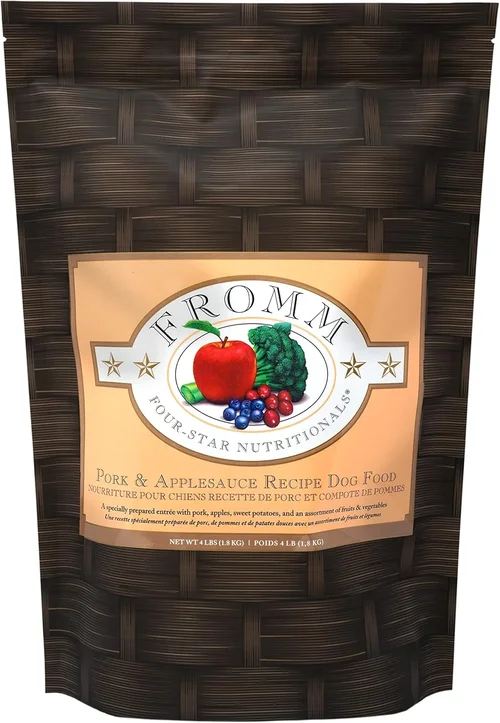
❌ Mistake: Choosing Based Solely on Price
Why it’s bad: Opting for the cheapest canned food might save money upfront, but it can lead to long-term health issues. Low-cost brands often use fillers, by-products, and artificial additives that can trigger allergies, digestive problems, or obesity in French Bulldogs.
What to do instead: Focus on value, not just cost. A slightly more expensive can with high-quality ingredients can prevent vet bills and improve your dog’s quality of life. Look for sales, bulk discounts, or subscription services to reduce long-term costs.
❌ Mistake: Ignoring the Ingredient List
Why it’s bad: Many pet parents are swayed by flashy packaging or marketing claims like “natural” or “premium” without reading the fine print. These terms are not regulated and can be misleading. A product labeled “with real chicken” might still contain mostly corn and soy.
What to do instead: Always read the ingredient list from top to bottom. The first three ingredients should be high-quality proteins and recognizable whole foods. Avoid vague terms and prioritize transparency.
❌ Mistake: Feeding the Same Food Indefinitely
Why it’s bad: While consistency is important, feeding the same food forever can lead to nutrient imbalances or the development of food sensitivities. Dogs benefit from variety, and rotating proteins can help prevent allergies.
What to do instead: Rotate between 2–3 trusted brands or formulas every few months. Introduce new foods gradually over 7–10 days to avoid digestive upset.
❌ Mistake: Overlooking Portion Sizes and Caloric Needs
Why it’s bad: Canned food is calorie-dense, and French Bulldogs gain weight easily. Overfeeding—even with healthy food—can lead to obesity, which worsens breathing issues and joint pain.
What to do instead: Use a feeding calculator based on your dog’s weight, age, and activity level. Measure portions carefully and adjust based on body condition. Consult your vet if unsure.
❌ Mistake: Not Considering Texture and Palatability
Why it’s bad: A nutritionally perfect food is useless if your Frenchie won’t eat it. Texture matters—some dogs refuse chunky food, while others dislike pâté.
What to do instead: Try variety packs or sample sizes before committing. Observe your dog’s preferences and choose a texture they enjoy. Warming the food can also increase appeal.
❌ Mistake: Skipping the Vet Consultation
Why it’s bad: Every French Bulldog is unique. What works for one dog may not suit another, especially if they have underlying health conditions like allergies, kidney issues, or heart problems.
What to do instead: Always consult your veterinarian before making major dietary changes. They can recommend formulas based on your dog’s specific needs and health status.
Budget Guidelines: How Much Should You Spend?
When it comes to feeding your French Bulldog, budget plays a significant role—but it shouldn’t be the only factor. Here’s a breakdown of what you can expect at different price points in 2026:
- Entry-Level ($1.00 – $1.50 per can): These are typically mass-market brands available at big-box stores. While convenient, they often contain fillers, by-products, and artificial additives. Best for temporary use or as a topper, but not ideal for long-term feeding.
- Mid-Range ($1.50 – $2.20 per can): This is the sweet spot for most French Bulldog owners. Brands in this range offer high-quality proteins, limited fillers, and better ingredient transparency. Look for formulas with named meat sources, digestible carbs, and no artificial preservatives.
- Premium ($2.20 – $3.00 per can): These brands prioritize nutrition, often using human-grade ingredients, novel proteins, and added supplements like probiotics or joint support. Ideal for dogs with sensitivities or owners who want the best for their pet.
- Luxury ($3.00+ per can): Top-tier brands offering gourmet, fresh-cooked, or freeze-dried options. These are minimally processed, highly palatable, and often made in small batches. Best for picky eaters or those seeking the absolute highest quality.

Expert Tips for Getting the Best Deal
- Buy in Bulk or Subscribe: Many online retailers (like Chewy, Amazon, or brand websites) offer discounts for auto-ship subscriptions or bulk purchases. This can save 10–20% over time.
- Watch for Seasonal Sales: Pet food brands often run promotions around holidays (Black Friday, Christmas, National Pet Day) or during seasonal transitions. Stock up when prices drop.
- Compare Unit Prices: Don’t just look at the total price—check the cost per ounce or per 100 kcal. A larger can isn’t always a better deal.
- Use Cashback and Rewards: Sign up for cashback programs (like Rakuten) or loyalty rewards at pet stores. These can add up to significant savings over time.
- Check Return Policies: If your dog doesn’t like a new food, you want to be able to return it. Choose retailers with flexible return policies, especially for unopened cans.
- Read Reviews from Real Frenchie Owners: Look for reviews on forums, Facebook groups, or pet food databases that specifically mention French Bulldogs. Their experiences can be more relevant than general dog reviews.
- Ask for Samples: Some premium brands offer free samples or trial sizes. This is a great way to test a new food without committing to a full case.

Frequently Asked Questions
Q: Can I feed my French Bulldog only canned food?
A: Yes, many French Bulldogs thrive on an all-canned diet, especially if they have dental issues or difficulty chewing kibble. Just ensure the food is nutritionally complete and balanced according to AAFCO standards. Consult your vet to confirm it meets your dog’s needs.
Q: How often should I feed my French Bulldog canned food?
A: Most adult French Bulldogs do well with two meals per day. Puppies may need three to four smaller meals. Follow the feeding guidelines on the can and adjust based on your dog’s weight and activity level.
Q: Is grain-free canned food safe for French Bulldogs?
A: Grain-free can be safe and beneficial for dogs with grain allergies, but it’s not necessary for all Frenchies. Recent research suggests a potential link between certain grain-free diets and heart disease, so discuss with your vet before making the switch.
Q: Can I mix canned food with dry kibble?
A: Absolutely! Many owners use canned food as a topper to enhance palatability and hydration. Just adjust portion sizes to avoid overfeeding. Mixing can also help transition to a new diet.
Q: How long can I leave canned food out?
A: Canned food should not be left out for more than 1–2 hours at room temperature, especially in warm weather. Bacteria can grow quickly, increasing the risk of foodborne illness. Refrigerate leftovers and use within 3–5 days.
Q: What if my French Bulldog has food allergies?
A: Look for limited-ingredient diets (LID) with novel proteins like duck, venison, or rabbit. Avoid common allergens like chicken, beef, wheat, and soy. An elimination diet under veterinary supervision may be needed to identify triggers.
Q: Are expensive brands really better?
A: Not always—but higher-priced brands often use better ingredients, more rigorous testing, and superior manufacturing standards. Focus on ingredient quality and nutritional balance rather than price alone.
Q: Can puppies eat adult canned dog food?
A: It’s best to feed puppy-specific formulas, which are higher in calories, protein, and fat to support growth. Adult food may not provide enough nutrition for developing puppies.
Q: How do I transition my French Bulldog to a new canned food?
A: Gradually mix the new food with the old over 7–10 days, increasing the proportion of new food each day. This helps prevent digestive upset and allows your dog to adjust.
Our Final Recommendations
- Best for Budget-Conscious Buyers: Purina Pro Plan Sensitive Skin & Stomach (Salmon & Rice) – Offers high-quality protein, limited fillers, and excellent digestibility at a mid-range price. Widely available and vet-recommended.
- Best Overall Value: Wellness CORE Grain-Free Small Breed (Turkey & Chicken) – Packed with protein, healthy fats, and probiotics. Designed specifically for small breeds with high energy needs.
- Best Premium Option: The Honest Kitchen Human Grade Dehydrated Food (Beef) – While not canned, it rehydrates into a moist, fresh-like meal with minimal processing and top-tier ingredients.
- Best for Beginners: Blue Buffalo Basics Limited Ingredient Diet (Turkey & Potato) – Simple, clean recipe ideal for dogs with sensitivities. Easy to find and widely trusted.
- Best for Advanced Users: Stella & Chewy’s Freeze-Dried Raw Patties (Chicken) – Offers the benefits of raw feeding with the convenience of canned-style rehydration. High in protein and biologically appropriate.
Conclusion: Making the Right Choice
Choosing the best canned dog food for your French Bulldog is about more than just filling their bowl—it’s about investing in their long-term health and happiness. From high-quality proteins and digestible carbs to proper hydration and clean ingredients, every detail matters. By understanding your dog’s unique needs and avoiding common pitfalls, you can select a food that supports their energy, digestion, skin, and overall well-being.
Remember, there’s no one-size-fits-all solution. What works for one Frenchie may not suit another. Take the time to read labels, consult your vet, and observe how your dog responds to different foods. With the right knowledge and a little patience, you’ll find the perfect match that keeps your French Bulldog thriving for years to come.
Ready to make the switch? Start by trying one of our top recommendations or use this guide to evaluate your current food. Your Frenchie’s tail wags will thank you.