
Finding the right canned dog food for a fussy eater can feel like navigating a minefield—especially when your pup turns up their nose at everything you offer. Whether your dog is a seasoned food snob, has recently lost interest in meals, or has always been selective about what goes into their bowl, the struggle is real. You want to ensure they’re getting balanced nutrition, but you also don’t want to waste money on products they’ll refuse to eat. That’s where this guide comes in.
In this comprehensive buying guide, we’ll walk you through everything you need to know to choose the best canned dog food for even the most discerning canine palates. From understanding ingredient quality and flavor profiles to decoding labels and avoiding common pitfalls, we’ve got you covered. We’ll also break down different types of wet dog food, compare top brands, and share expert tips to help you make a confident, informed decision—without the trial-and-error frustration.
The market for canned dog food has exploded in recent years, with hundreds of options flooding shelves and online stores. From grain-free formulas and limited-ingredient recipes to high-protein, organic, and vet-recommended lines, the choices can be overwhelming. But not all wet food is created equal—especially when it comes to satisfying picky eaters. Some dogs are sensitive to certain proteins, others prefer pâté over chunks, and many are simply drawn to richer aromas and textures. Our goal is to help you cut through the noise and find a product that not only meets your dog’s nutritional needs but also gets them excited at mealtime.
What to Look for When Buying Canned Dog Food for Fussy Eaters
1. High-Quality Protein Sources
Protein is the cornerstone of any healthy dog diet, especially for fussy eaters who may not be eating consistently. Look for canned foods that list a named animal protein as the first ingredient—such as “chicken,” “beef,” “salmon,” or “turkey”—rather than vague terms like “meat meal” or “animal by-products.” Real meat provides essential amino acids, supports muscle maintenance, and often has a stronger aroma and flavor that appeals to picky dogs.
For dogs with sensitivities or allergies, consider novel proteins like duck, venison, or rabbit. These are less common in commercial diets, so they’re less likely to trigger adverse reactions. Additionally, some dogs prefer the taste of certain proteins over others—your dog might love salmon but turn their nose up at chicken. It’s worth experimenting with different protein sources to find what excites them most.
2. Palatability Enhancers and Natural Flavors
Palatability is key when dealing with a picky dog. Many premium canned foods include natural flavor enhancers like broth, liver, or meat juices to boost taste without relying on artificial additives. Look for ingredients such as “chicken broth,” “beef liver,” or “turkey heart”—these not only improve flavor but also add nutritional value.
Avoid products that use artificial flavors, colors, or preservatives like BHA, BHT, or ethoxyquin. These chemicals may deter sensitive dogs and offer no health benefits. Instead, opt for brands that use natural preservation methods like vitamin E (mixed tocopherols) or rosemary extract. Some dogs are particularly sensitive to strong smells or artificial ingredients, so cleaner formulas often lead to better acceptance.
Another factor is texture. Some dogs prefer smooth pâté, while others enjoy chunky or shredded varieties. If your dog is texture-sensitive, consider trying a few different styles to see what they prefer. Mixing textures—like adding a spoonful of pâté to kibble—can also help transition a reluctant eater.
3. Moisture Content and Hydration Benefits
Canned dog food typically contains 70–85% moisture, which is significantly higher than dry kibble (which averages around 10%). This makes wet food an excellent choice for dogs who don’t drink enough water, especially older dogs or those with kidney concerns. Increased hydration supports urinary tract health, aids digestion, and can improve overall energy levels.
For fussy eaters, the high moisture content also contributes to a softer, more aromatic texture that’s easier to chew and more appealing to the senses. Dogs with dental issues or missing teeth often find canned food more comfortable to eat than hard kibble. Even healthy dogs may be more inclined to eat when the food feels and smells more like a “real” meal.
However, not all wet foods are equally hydrating. Some brands add fillers like starches or gelling agents that reduce effective moisture. Always check the ingredient list and avoid products with excessive thickeners like carrageenan, which has been linked to digestive inflammation in some dogs.
4. Limited Ingredient and Hypoallergenic Formulas
If your dog is not only picky but also prone to digestive upset, skin irritation, or food allergies, a limited-ingredient diet (LID) may be the solution. These formulas contain fewer components, making it easier to identify and eliminate potential allergens. Common allergens in dog food include beef, chicken, dairy, wheat, soy, and corn.
Look for canned foods labeled “limited ingredient” or “hypoallergenic,” which typically feature a single protein source and a single carbohydrate source (like sweet potato or peas). Brands like Natural Balance, Blue Buffalo Basics, and Wellness Simple specialize in these types of recipes. They’re ideal for dogs with sensitive stomachs or chronic ear infections, itching, or diarrhea linked to food intolerances.
It’s important to note that “grain-free” doesn’t always mean “hypoallergenic.” While some dogs benefit from grain-free diets, others may react to legumes or potatoes used as substitutes. Always consult your vet before making significant dietary changes, especially if your dog has known health issues.
5. Brand Reputation and Transparency
Not all pet food companies are created equal. Some prioritize marketing over quality, while others invest heavily in research, sourcing, and manufacturing standards. When choosing canned food for a fussy eater, brand reputation matters—especially when it comes to consistency, safety, and ingredient integrity.
Look for brands that are transparent about their sourcing, manufacturing processes, and quality control. Companies that publish nutritional analyses, conduct feeding trials, and are members of the Association of American Feed Control Officials (AAFCO) are generally more trustworthy. Avoid brands with a history of recalls or vague labeling practices.
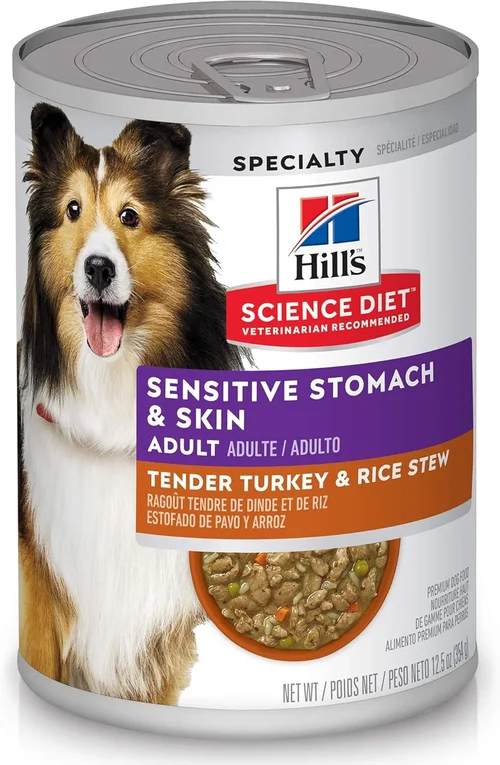
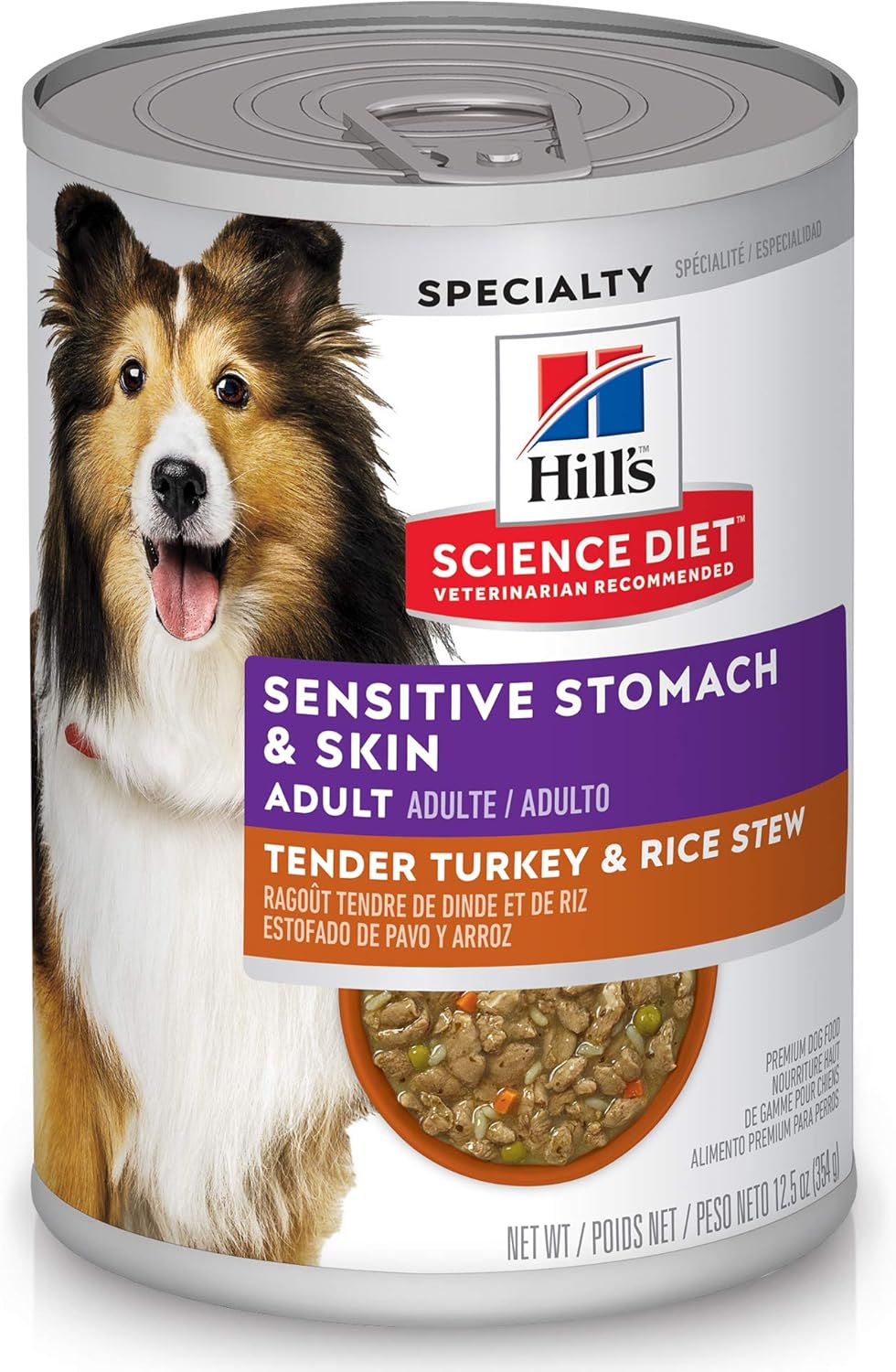
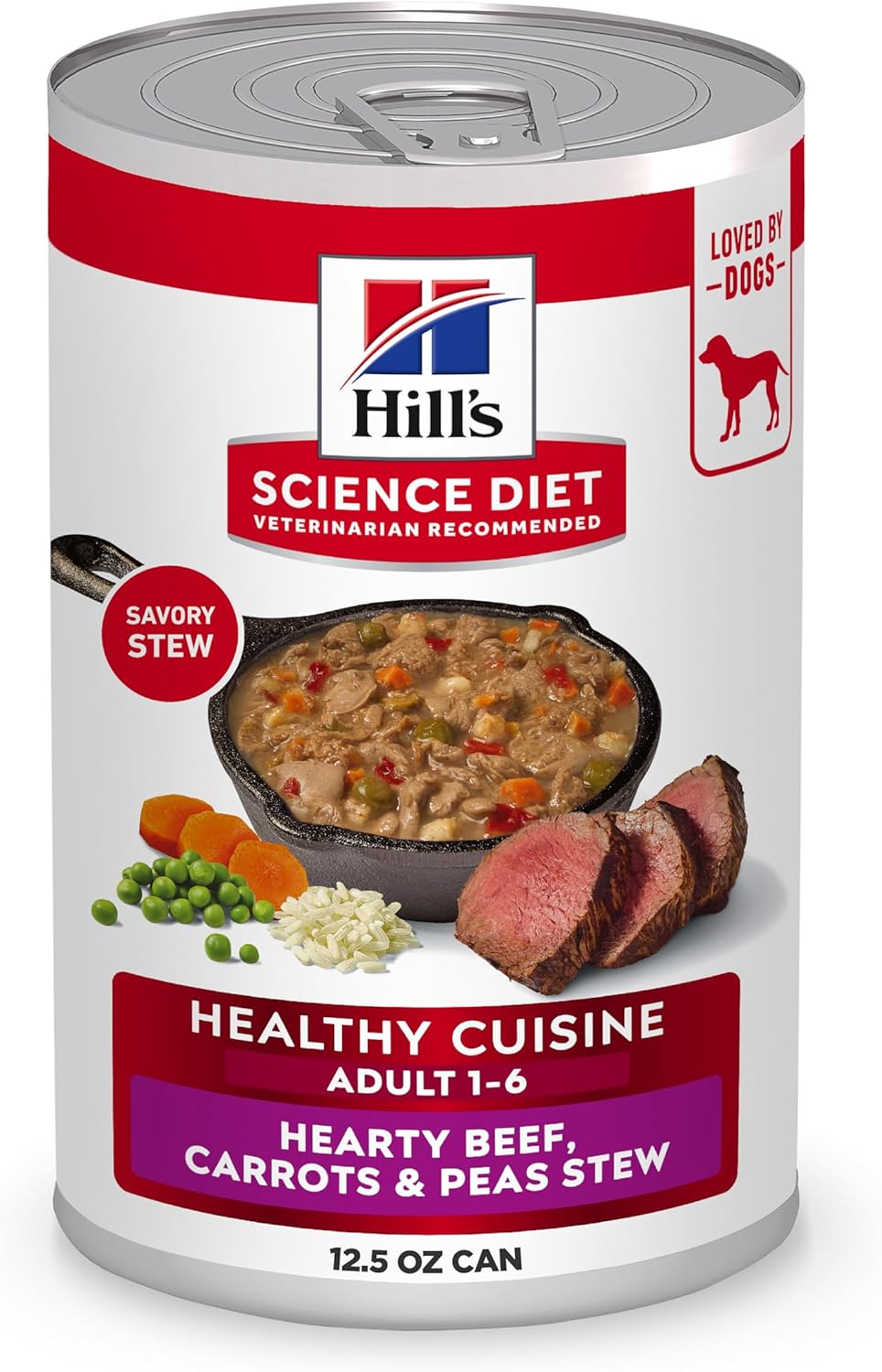
Some of the most reputable brands in the premium wet food space include Hill’s Science Diet, Royal Canin, Purina Pro Plan, Merrick, and The Honest Kitchen. These companies often have veterinary nutritionists on staff and offer specialized formulas for different life stages, sizes, and health conditions. While they may come at a higher price point, the consistency and reliability can be worth it for a dog who’s hard to please.
6. Price and Value for Money
Budget is a real consideration for most pet owners, especially when feeding a fussy eater who may go through multiple cans before finding one they like. Canned dog food is generally more expensive per pound than dry food, but it offers superior palatability and hydration—key factors for picky dogs.
That said, higher price doesn’t always mean better quality. Some mid-range brands offer excellent nutrition and flavor at a more accessible price point. When evaluating value, consider the cost per ounce, the ingredient quality, and how much your dog actually eats. A $3 can that your dog refuses is worse value than a $2 can they devour.
Look for bulk discounts, subscription services, or store brands that meet AAFCO standards. Many retailers like Chewy, Petco, and Amazon offer auto-ship discounts that can reduce the long-term cost. Also, consider mixing wet and dry food—using a small amount of high-quality canned food as a topper can enhance the appeal of kibble without breaking the bank.
7. Packaging and Convenience
While it may seem minor, packaging can make a big difference in your experience—and your dog’s. Easy-open lids, resealable containers, and portion-controlled sizes help maintain freshness and reduce waste. Some dogs are sensitive to the smell of metal or the sound of a can opening, so consider BPA-free pouches or trays as alternatives.
Single-serve cups or trays are ideal for small dogs or those with small appetites, as they minimize spoilage and allow for precise portion control. Larger cans (12–13 oz) are more economical for bigger dogs but may go bad if not consumed quickly. Look for brands that offer a variety of sizes to suit your dog’s needs.
Storage is another factor. Unlike dry food, opened cans must be refrigerated and used within 3–5 days. If you’re feeding multiple small meals, consider transferring leftovers to an airtight container to preserve flavor and prevent contamination.
8. Vet Recommendations and Health Considerations
Always consider your dog’s individual health needs when choosing food. A fussy eater with kidney disease, diabetes, or obesity may require a specialized diet that balances palatability with medical requirements. In such cases, vet-recommended formulas can be a game-changer.
Prescription diets from brands like Hill’s Prescription Diet or Royal Canin Veterinary Diet are formulated to manage specific conditions and are often available in canned form. While they can be pricey, they’re designed to be highly palatable even to dogs with reduced appetites due to illness.
Even if your dog is healthy, consulting your vet before switching foods is wise—especially if the pickiness is a new behavior. Loss of appetite can be a sign of underlying issues like dental pain, gastrointestinal problems, or stress. A quick check-up can rule out medical causes and ensure your dietary changes are safe and appropriate.
Different Types of Canned Dog Food for Fussy Eaters
Common Buying Mistakes to Avoid
❌ Mistake: Choosing Based Solely on Price
Why it’s bad: Opting for the cheapest canned food often means compromising on ingredient quality. Low-cost brands may use fillers, by-products, and artificial additives that not only lack nutritional value but can also deter picky eaters. A dog who refuses to eat is more expensive in the long run due to wasted food and potential health issues.
What to do instead: Focus on value, not just cost. Look for mid-range brands that balance affordability with high-quality ingredients. Consider the cost per meal and how much your dog actually consumes. Sometimes spending a little more upfront leads to better acceptance and fewer digestive issues.
❌ Mistake: Ignoring Ingredient Lists
Why it’s bad: The ingredient list tells you everything about what you’re feeding your dog. Vague terms like “meat meal” or “animal digest” can hide low-quality or inconsistent sources. Dogs with sensitivities may react to hidden allergens like corn, soy, or artificial preservatives.
What to do instead: Always read the label. Prioritize products with named meats, whole foods, and minimal processing. Use online resources like the Dog Food Advisor or AAFCO guidelines to compare brands. If you can’t pronounce an ingredient, research it before feeding.
❌ Mistake: Sticking to One Flavor or Brand
Why it’s bad: Dogs can get bored with the same food, just like humans. A fussy eater may suddenly reject a food they’ve eaten for months due to flavor fatigue. Sticking to one brand also limits your ability to find the perfect match for your dog’s preferences.
What to do instead: Rotate proteins and brands periodically. Offer variety in texture and flavor—try chicken one week, salmon the next. This not only prevents boredom but can also reduce the risk of developing new food sensitivities.
❌ Mistake: Overlooking Texture Preferences
Why it’s bad: Texture plays a huge role in a dog’s willingness to eat. A dog who loves shredded chicken may refuse a smooth pâté, even if the ingredients are identical. Ignoring texture can lead to mealtime battles and wasted food.
What to do instead: Experiment with different textures. Offer samples or small portions of pâté, chunks, and shreds to see what your dog prefers. Mix textures if needed—some dogs enjoy a combination of soft and chewy.
❌ Mistake: Not Transitioning Gradually
Why it’s bad: Sudden diet changes can upset your dog’s stomach, leading to diarrhea, vomiting, or further food refusal. This is especially true for sensitive or senior dogs.
What to do instead: Transition over 7–10 days by mixing increasing amounts of the new food with the old. Start with 25% new food and 75% old, then gradually shift to 100%. This helps the digestive system adjust and increases acceptance.
❌ Mistake: Assuming All “Natural” or “Organic” Foods Are Better
Why it’s bad: Terms like “natural” and “organic” are not strictly regulated in pet food and can be used for marketing. Some organic foods still contain fillers or lack essential nutrients. Not all natural ingredients are safe or appropriate for dogs.
What to do instead: Look beyond buzzwords. Check for AAFCO statements, guaranteed analysis, and ingredient sourcing. Organic doesn’t always mean more palatable—focus on what your dog actually eats and enjoys.
❌ Mistake: Feeding Straight from the Can Without Warming
Why it’s bad: Cold food from the refrigerator can be less aromatic and less appealing, especially to dogs with reduced smell sensitivity (common in seniors). A lack of aroma may cause a fussy eater to ignore the meal.
What to do instead: Warm the food slightly before serving. Place the can in warm water for a few minutes or microwave for 10–15 seconds (stir well to avoid hot spots). This enhances the smell and makes the food more enticing.
Budget Guidelines: How Much Should You Spend?
- Entry-Level ($1.00 – $1.75 per 5.5 oz can): These are typically store brands or economy lines. While they meet basic nutritional standards, they often contain fillers, by-products, and artificial additives. Best for short-term use or as a topper, but not ideal for long-term feeding of a picky eater.
- Mid-Range ($1.75 – $2.75 per 5.5 oz can): This is the sweet spot for most pet owners. Brands like Purina Pro Plan, Iams, and some Merrick lines offer high-quality ingredients, good palatability, and reliable nutrition. Many include real meat, broth, and limited fillers.
- Premium ($2.75 – $4.00 per 5.5 oz can): These foods feature named proteins, limited ingredients, and often include functional additives like probiotics or omega fatty acids. Ideal for dogs with sensitivities or those who are particularly selective. Brands like Wellness, Blue Buffalo, and The Honest Kitchen fall into this category.
- Luxury ($4.00+ per 5.5 oz can): Top-tier brands like Open Farm, Ollie, and Nom Nom offer human-grade ingredients, fresh preparation, and customized recipes. These are often sold by subscription and delivered fresh or frozen. Best for owners who prioritize ingredient transparency and are willing to invest in their dog’s diet.

Expert Tips for Getting the Best Deal
- Buy in Bulk or Subscribe: Many online retailers offer discounts for auto-ship subscriptions or bulk purchases. Chewy, for example, gives 5–10% off recurring orders. This ensures you never run out and saves money over time.
- Watch for Sales and Promotions: Major pet food brands often run promotions during holidays like Black Friday, National Pet Day, or back-to-school season. Sign up for newsletters to get early access to deals.
- Use Manufacturer Coupons: Brands like Hill’s, Royal Canin, and Purina frequently offer coupons on their websites or through vet clinics. These can significantly reduce the cost of premium or prescription diets.
- Try Sample Packs: Some brands offer variety packs or sample sizes. This is a low-risk way to test different flavors and textures without committing to a full case.
- Check Return Policies: If your dog refuses the food, can you return it? Some retailers allow returns on unopened cans, while others do not. Know the policy before buying in bulk.
- Mix Wet and Dry: Use a small amount of high-quality canned food as a topper for kibble. This boosts palatability without the full cost of feeding wet food exclusively.
- Store Properly: Keep unopened cans in a cool, dry place. Once opened, refrigerate and use within 3–5 days. Proper storage preserves flavor and prevents spoilage.
- Consult Your Vet for Samples: Many veterinary offices have sample packs of prescription or therapeutic diets. This is a great way to test a new food before buying a full case.

Frequently Asked Questions
Q: How do I know if my dog is truly a fussy eater or has a medical issue?
A: A sudden change in appetite, especially if accompanied by lethargy, vomiting, diarrhea, or weight loss, could indicate an underlying health problem. Dental pain, gastrointestinal issues, or systemic diseases like kidney failure can reduce appetite. If your dog refuses food for more than 24–48 hours, consult your veterinarian. True pickiness usually involves selective eating over time, not sudden refusal.
Q: Can I mix different brands of canned dog food?
A: Yes, mixing brands is generally safe and can help prevent flavor fatigue. However, do so gradually to avoid digestive upset. Stick to similar protein sources and textures to maintain consistency. Avoid mixing prescription diets with regular food unless advised by your vet.
Q: Is grain-free canned food better for fussy eaters?
A: Not necessarily. While some dogs with grain sensitivities benefit from grain-free diets, most dogs tolerate grains well. The FDA has investigated a potential link between grain-free diets and dilated cardiomyopathy (DCM) in dogs, so it’s important to choose grain-free options only if medically necessary. Focus on ingredient quality and palatability first.
Q: How often should I feed my dog canned food?
A: Most adult dogs do well with two meals per day. Puppies may need three to four. Follow the feeding guidelines on the can based on your dog’s weight and activity level. Adjust portions if mixing with dry food to avoid overfeeding.
Q: Can I feed my dog only canned food?
A: Yes, as long as the food is complete and balanced according to AAFCO standards. Canned food provides adequate nutrition and hydration. Some owners prefer to feed a mix of wet and dry to balance cost, dental benefits, and palatability.
Q: What if my dog still refuses to eat?
A: Try warming the food, adding a small amount of low-sodium broth, or mixing in a favorite treat. Ensure the food is fresh and not expired. If refusal persists, rule out medical causes with your vet. In some cases, appetite stimulants or behavioral training may be needed.
Q: Are homemade toppers a good idea?
A: Yes, but with caution. Small amounts of cooked chicken, plain pumpkin, or scrambled eggs can make food more appealing. Avoid onions, garlic, grapes, and other toxic foods. Always consult your vet before adding human food regularly.
Q: How long does canned dog food last after opening?
A: Once opened, canned food should be refrigerated and used within 3–5 days. Transfer leftovers to an airtight container to maintain freshness and prevent contamination.
Q: Is it safe to feed my dog raw or fresh food instead of canned?
A: Raw and fresh diets can be nutritious but require careful handling to avoid bacterial contamination. They’re often more expensive and less convenient than canned food. If you’re considering a raw diet, work with a veterinary nutritionist to ensure it’s balanced and safe.
Q: Can I use canned food to help my dog gain weight?
A: Yes, canned food is often higher in fat and calories than dry food, making it a good option for underweight dogs. Look for formulas labeled “weight control” or “high-calorie.” Consult your vet to determine the best approach for healthy weight gain.
Our Final Recommendations
- Best for Budget-Conscious Buyers: Purina Pro Plan Wet Dog Food (Beef & Rice) – Offers real beef as the first ingredient, rich gravy, and strong aroma at an affordable price. Widely available and consistently accepted by picky eaters.
- Best Overall Value: Merrick Grain-Free Real Chicken + Sweet Potato – Features deboned chicken, no grains, and a smooth pâté texture. Highly palatable and made in the USA with quality ingredients.
- Best Premium Option: The Honest Kitchen Human-Grade Dehydrated Dog Food (Rehydrated as Wet) – While not traditional canned food, rehydrating this human-grade mix creates a fresh, aromatic meal that many fussy dogs love. Made with whole foods and no fillers.
- Best for Beginners: Blue Buffalo Homestyle Recipe (Chicken) – A trusted brand with a simple ingredient list, natural flavors, and a texture that appeals to most dogs. Easy to find in stores and online.
- Best for Advanced Users: Ollie Fresh Dog Food (Custom Recipe Delivered) – A subscription-based service that delivers fresh, cooked meals tailored to your dog’s needs. Highly palatable and nutritionally optimized, though more expensive.
Conclusion: Making the Right Choice
Choosing the best canned dog food for a fussy eater is both a science and an art. It requires understanding your dog’s unique preferences, health needs, and nutritional requirements, while also navigating a crowded market filled with marketing claims and varying price points. The key is to prioritize quality ingredients, palatability, and consistency—while avoiding common pitfalls like sudden diet changes or ignoring ingredient labels.
Remember, what works for one dog may not work for another. Be patient, observant, and willing to experiment. Keep a food journal to track what your dog likes and dislikes, and don’t hesitate to consult your veterinarian if pickiness persists or is accompanied by other symptoms.
Ultimately, the goal is to find a food that your dog not only eats but enjoys—while supporting their long-term health and well-being. With the insights and recommendations in this guide, you’re now equipped to make a confident, informed decision that turns mealtime from a battle into a joy. Your fussy eater deserves nothing less.