
When it comes to feeding your German Shepherd, the choices can feel overwhelming. With so many brands, formulas, and formats on the market, how do you know which canned dog food is truly the best fit for your loyal companion? German Shepherds are large, active dogs with unique nutritional needs—especially as they age or face health challenges like joint issues, sensitive digestion, or skin allergies. That’s why selecting the right canned dog food isn’t just about convenience; it’s about supporting your dog’s long-term health, energy levels, coat quality, and overall well-being.
This comprehensive buying guide is designed to cut through the noise and help you make an informed, confident decision. Whether you’re a first-time German Shepherd owner or a seasoned guardian looking to upgrade your pup’s diet, you’ll learn exactly what to look for in high-quality canned dog food. We’ll break down the most important factors—from ingredient quality and protein sources to price, brand reputation, and special dietary needs. You’ll also discover common pitfalls to avoid, budget-friendly options that don’t compromise on nutrition, and expert tips to get the best value for your money. By the end of this guide, you’ll have a clear roadmap to choosing the best canned dog food tailored specifically to your German Shepherd’s lifestyle and health.
The market for canned dog food has exploded in recent years, with premium brands offering everything from grain-free recipes to limited-ingredient diets and even fresh-cooked formulations. While variety is a good thing, it also means more confusion for pet parents. Some products boast “human-grade” ingredients, while others emphasize “veterinarian-recommended” formulas—but not all claims are backed by science or transparency. German Shepherds, in particular, benefit from diets rich in high-quality animal protein, healthy fats, and joint-supporting nutrients like glucosamine and chondroitin. This guide will help you navigate the crowded marketplace and identify products that deliver real nutritional value, not just marketing hype.
What to Look for When Buying Canned Dog Food for German Shepherds
1. High-Quality Animal Protein as the First Ingredient
One of the most critical factors in choosing canned dog food for your German Shepherd is the protein source. Dogs are primarily carnivorous, and German Shepherds—being large, muscular, and active—require a diet rich in animal-based protein to maintain lean muscle mass, support energy needs, and promote healthy organ function. Look for cans where a named meat (like “chicken,” “beef,” or “salmon”) is listed as the first ingredient. Avoid products that lead with vague terms like “meat meal” or “animal by-products,” which can include low-quality or inconsistent sources.
High-quality protein should come from real, identifiable sources such as deboned chicken, turkey, lamb, or fish. These ingredients provide essential amino acids like taurine, L-carnitine, and arginine, which are vital for heart health, metabolism, and immune function. For example, a can listing “deboned chicken, chicken broth, chicken liver” as the top three ingredients is far superior to one starting with “corn gluten meal” or “wheat flour.” Additionally, consider the protein content percentage—most premium canned foods contain 8–12% protein on a dry matter basis, which translates to about 30–40% when adjusted for moisture. This level is ideal for supporting your German Shepherd’s active lifestyle without overloading their system.
2. Balanced Fat Content for Energy and Coat Health
Fats are another essential component of your German Shepherd’s diet, serving as a concentrated energy source and playing a crucial role in maintaining a shiny coat and healthy skin. Look for canned foods that include healthy animal fats like chicken fat, salmon oil, or flaxseed oil. These sources provide omega-3 and omega-6 fatty acids, which help reduce inflammation, support brain function, and prevent dry, flaky skin—a common issue in large breeds like German Shepherds.
The ideal fat content in canned dog food ranges from 5% to 8% on a dry matter basis. Too little fat can lead to lethargy and poor coat condition, while too much may contribute to weight gain, especially in less active or senior dogs. Avoid products with excessive vegetable oils or unnamed “animal fats,” as these are often lower in nutritional value and harder for dogs to digest. Instead, opt for formulas that clearly list fat sources and include beneficial additives like fish oil or coconut oil for added health benefits.
3. Digestibility and Gut Health Support
German Shepherds are prone to digestive sensitivities, including gas, bloating, and occasional diarrhea. This makes digestibility a top priority when selecting canned dog food. Highly digestible ingredients—such as real meat, sweet potatoes, pumpkin, and brown rice—are easier on your dog’s stomach and ensure better nutrient absorption. Look for formulas that include prebiotics (like chicory root or beet pulp) and probiotics, which promote a healthy gut microbiome and improve stool quality.
Avoid foods with excessive fillers like corn, soy, or artificial additives, which can irritate sensitive digestive systems. Some premium brands also use gently cooked or slow-cooked methods to preserve nutrients and enhance digestibility. If your dog has a history of food intolerances, consider limited-ingredient diets (LIDs) that feature a single protein source and minimal carbohydrates. These are especially helpful for identifying and eliminating potential allergens.
4. Joint and Bone Support Nutrients
German Shepherds are genetically predisposed to joint issues such as hip and elbow dysplasia, making joint support a non-negotiable aspect of their diet. Look for canned foods that include natural sources of glucosamine and chondroitin—compounds that help maintain cartilage health and reduce inflammation. These are often derived from chicken cartilage, green-lipped mussel, or added as supplements.
Additionally, calcium and phosphorus levels should be balanced to support strong bones without contributing to skeletal abnormalities, especially in growing puppies. The ideal calcium-to-phosphorus ratio is between 1:1 and 1.5:1. Some premium brands also include collagen, MSM (methylsulfonylmethane), or turmeric for added anti-inflammatory benefits. While no food can cure joint disease, a diet rich in joint-supporting nutrients can slow progression and improve mobility.
5. Grain-Free vs. Grain-Inclusive: What’s Best?
The grain-free debate has raged in the pet food world for years, but recent research suggests that grains are not inherently harmful—and may even be beneficial for some dogs. German Shepherds can thrive on both grain-free and grain-inclusive diets, depending on their individual needs. Grain-free formulas often use alternative carbohydrates like sweet potatoes, peas, or lentils, which can be helpful for dogs with grain allergies or sensitivities.
However, the FDA has raised concerns about a potential link between grain-free diets and dilated cardiomyopathy (DCM) in dogs, particularly when legumes or potatoes are used as primary ingredients. While the evidence is not conclusive, it’s wise to choose grain-free options cautiously and ensure they are nutritionally balanced. If your dog shows no signs of grain intolerance (such as itching, ear infections, or digestive issues), a grain-inclusive formula with whole grains like brown rice, oats, or barley may provide additional fiber and nutrients.
6. Moisture Content and Hydration Benefits
Canned dog food typically contains 70–80% moisture, making it an excellent way to boost your German Shepherd’s hydration—especially important for dogs who don’t drink enough water. Proper hydration supports kidney function, digestion, and temperature regulation. This is particularly beneficial for senior dogs or those prone to urinary tract issues.
Unlike dry kibble, which can be dehydrating, canned food helps maintain fluid balance and can be especially helpful during hot weather or after exercise. Some owners even mix a spoonful of canned food into dry kibble to increase palatability and moisture intake. When comparing brands, look for high moisture content (ideally 75% or higher) and avoid products with excessive water or broth fillers that dilute nutritional value.
7. Brand Transparency and Manufacturing Standards
Not all pet food brands are created equal. When choosing canned dog food, prioritize companies that are transparent about their sourcing, manufacturing processes, and ingredient quality. Look for brands that conduct regular nutritional analyses, publish feeding trials, and are members of the Association of American Feed Control Officials (AAFCO). These indicators suggest a commitment to safety and nutritional adequacy.
Avoid brands that use vague labeling terms like “meat by-products” or “animal digest,” and instead choose those that list specific ingredients and provide detailed nutritional information. Some premium brands even offer batch-specific testing results online, allowing you to verify the quality of your purchase. Additionally, consider whether the food is made in a facility that also processes allergens like wheat or soy, especially if your dog has known sensitivities.
8. Price and Value for Money
While price shouldn’t be the only factor, it’s important to consider the cost per ounce when comparing canned dog foods. Premium brands often cost more, but they may offer better ingredient quality, higher protein content, and fewer fillers—making them more cost-effective in the long run. A $3 can that your dog eats in one sitting may seem expensive, but if it provides complete nutrition and reduces vet bills due to better health, it’s a worthwhile investment.
Compare the price per ounce across brands and consider bulk purchasing or subscription services to save money. Some retailers offer discounts for auto-delivery or multi-can purchases. However, avoid ultra-cheap canned foods, as they often contain low-quality ingredients, artificial preservatives, and excessive fillers that can compromise your dog’s health over time.
Different Types of Canned Dog Food for German Shepherds

Common Buying Mistakes to Avoid

❌ Mistake: Choosing Based on Marketing Claims Alone
Why it’s bad: Many canned dog foods use flashy labels like “natural,” “holistic,” or “premium” without providing transparent ingredient lists or nutritional data. These terms are not regulated and can be misleading. A product labeled “grain-free” might still contain low-quality fillers like peas or potatoes, which can contribute to heart issues in some dogs.
What to do instead: Always read the ingredient list and guaranteed analysis. Focus on real meat as the first ingredient, avoid artificial preservatives (like BHA or BHT), and verify AAFCO compliance. Use third-party review sites or veterinary resources to validate claims.
❌ Mistake: Ignoring Your Dog’s Age and Activity Level
Why it’s bad: Feeding a high-calorie, protein-rich formula to a sedentary senior German Shepherd can lead to weight gain and joint stress. Conversely, a low-protein diet may not meet the needs of a working or active dog.
What to do instead: Match the food to your dog’s life stage and lifestyle. Puppies need growth formulas, seniors benefit from joint support, and active dogs require higher protein and fat. Adjust portion sizes and feeding frequency accordingly.
❌ Mistake: Overlooking Portion Control and Feeding Guidelines
Why it’s bad: Canned food is calorie-dense, and overfeeding can quickly lead to obesity—especially in large breeds prone to weight-related health issues. Many owners feed too much because the cans seem small.
What to do instead: Follow the feeding guidelines on the label based on your dog’s weight and adjust based on body condition. Use a kitchen scale for accuracy and monitor your dog’s weight monthly. Split meals into two servings per day to aid digestion.
❌ Mistake: Switching Foods Too Quickly
Why it’s bad: Sudden dietary changes can cause diarrhea, vomiting, or refusal to eat. German Shepherds have sensitive stomachs, and abrupt switches increase the risk of digestive upset.
What to do instead: Transition gradually over 7–10 days. Start with 25% new food and 75% old food, increasing the ratio every 2–3 days until fully switched. Monitor stool quality and energy levels throughout.
❌ Mistake: Buying the Cheapest Option Available
Why it’s bad: Low-cost canned foods often contain fillers, by-products, and artificial additives that provide little nutritional value. Over time, this can lead to health problems, increased vet bills, and poor coat or energy levels.
What to do instead: Invest in mid-range to premium brands that prioritize quality ingredients. Calculate cost per feeding and consider long-term health benefits. Look for sales, bulk discounts, or subscription services to save money.
❌ Mistake: Not Rotating Proteins or Diets
Why it’s bad: Feeding the same protein source for years increases the risk of developing food sensitivities or allergies. Limited variety can also reduce nutrient diversity.
What to do instead: Rotate between different protein sources (chicken, beef, fish, lamb) every 2–3 months. Consider mixing canned food with dry kibble or trying novel proteins like duck or venison for variety.
❌ Mistake: Ignoring Signs of Food Intolerance
Why it’s bad: Symptoms like itching, ear infections, gas, or loose stools may indicate a food sensitivity. Ignoring these signs can lead to chronic discomfort and more serious health issues.
What to do instead: Keep a food diary and note any changes in behavior or health. If symptoms persist, consult your vet and consider an elimination diet or limited-ingredient formula to identify triggers.
Budget Guidelines: How Much Should You Spend?
Entry-Level ($1.50–$2.50 per can): These options are budget-friendly but often contain lower-quality ingredients, fillers, and artificial preservatives. While they may meet basic nutritional standards, they’re not ideal for long-term use, especially for sensitive or active German Shepherds. Look for brands that at least list a real meat as the first ingredient and avoid excessive by-products.
Mid-Range ($2.50–$3.50 per can): This is the sweet spot for most pet owners. Mid-range canned foods typically feature high-quality proteins, digestible carbohydrates, and beneficial additives like probiotics or omega fatty acids. Brands in this range often have transparent labeling and AAFCO compliance. They offer excellent value without breaking the bank.
Premium ($3.50–$4.50 per can): Premium canned foods use human-grade ingredients, novel proteins, and advanced formulations tailored to specific needs (like joint health or weight management). These are ideal for German Shepherds with allergies, seniors, or those requiring specialized nutrition. The higher cost is justified by superior ingredient quality and health benefits.
Luxury ($4.50+ per can): Top-tier brands offer small-batch, fresh-cooked, or freeze-dried options with minimal processing and maximum nutrient retention. These are often sold through specialty retailers or direct-to-consumer. While expensive, they’re perfect for owners who prioritize the absolute best for their dog’s health and are willing to invest in premium nutrition.
Expert Tips for Getting the Best Deal
- Buy in bulk or subscribe: Many online retailers (like Chewy, Amazon, or Petco) offer discounts for auto-delivery or multi-can purchases. This can save 10–20% off regular prices.
- Watch for seasonal sales: Major holidays (Black Friday, Prime Day, end-of-year sales) often feature deep discounts on pet food. Stock up during these periods.
- Compare price per ounce: Don’t just look at the can price—calculate the cost per ounce to compare value across different sizes and brands.
- Check return policies: Ensure the retailer allows returns or exchanges in case your dog doesn’t like the food or has a reaction.
- Read customer reviews: Look for feedback from other German Shepherd owners, especially regarding palatability, digestion, and coat improvement.
- Test small quantities first: Buy a single can or small pack before committing to a large purchase. This minimizes waste if your dog rejects the food.
- Consider mixing with dry food: Using canned food as a topper can enhance flavor and nutrition while reducing overall cost.
- Consult your vet: If your dog has special health needs, ask for brand recommendations. Some vets offer discounts on prescription or therapeutic diets.
Frequently Asked Questions
Q: How often should I feed my German Shepherd canned dog food?
A: Most adult German Shepherds do well with two meals per day. You can feed canned food exclusively or mix it with dry kibble. Puppies may need 3–4 smaller meals. Adjust based on your dog’s age, weight, and activity level.
Q: Can I feed my German Shepherd only canned food?
A: Yes, as long as the food is nutritionally complete and balanced (AAFCO-compliant). However, some dogs benefit from the dental benefits of dry kibble, so a mix of both is often ideal.
Q: Is grain-free canned food better for German Shepherds?
A: Not necessarily. Grain-free diets can be helpful for dogs with grain allergies, but they’re not inherently superior. Focus on ingredient quality and nutritional balance rather than grain content alone.
Q: How do I store opened canned dog food?
A: Transfer unused portions to an airtight container and refrigerate for up to 3–5 days. Do not leave opened cans at room temperature for more than 2 hours.
Q: What if my German Shepherd refuses to eat canned food?
A: Try warming the food slightly (to room temperature or slightly above), mixing in a small amount of warm water, or topping with a bit of low-sodium broth. Gradual introduction also helps.
Q: Are expensive canned foods worth the cost?
A: Often, yes—especially if they contain high-quality ingredients, fewer fillers, and targeted nutrition. However, some mid-range brands offer excellent value. Focus on ingredient quality, not just price.
Q: Can canned food help with my dog’s bad breath?
A: Canned food alone won’t eliminate bad breath, but it can reduce plaque buildup compared to dry kibble. Regular dental care (brushing, chews, vet cleanings) is still essential.
Q: Should I rotate between different canned foods?
A: Yes, rotating proteins and brands every few months can prevent food sensitivities and provide nutritional variety. Just transition gradually to avoid digestive upset.
Q: Is it safe to feed canned food to a German Shepherd puppy?
A: Yes, as long as it’s labeled for puppies or all life stages. Look for formulas with balanced calcium and DHA for proper growth and development.
Q: How do I know if a canned food is causing an allergic reaction?
A: Watch for symptoms like itching, redness, ear infections, vomiting, or diarrhea. If these occur after switching foods, consult your vet and consider an elimination diet.
Our Final Recommendations
Best for Budget-Conscious Buyers: Purina Pro Plan Savor Adult Canned Dog Food (Beef & Rice) – Offers solid nutrition at an affordable price, with real beef as the first ingredient and added probiotics for digestion.
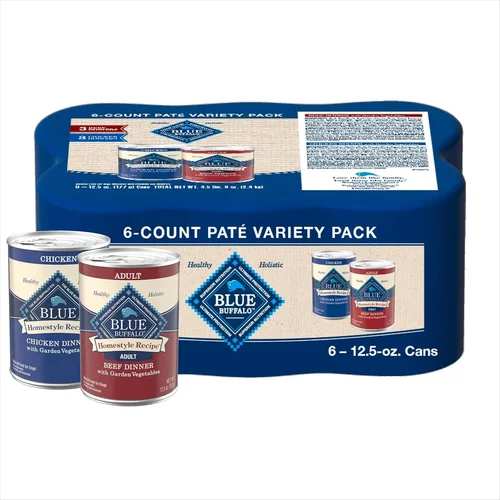
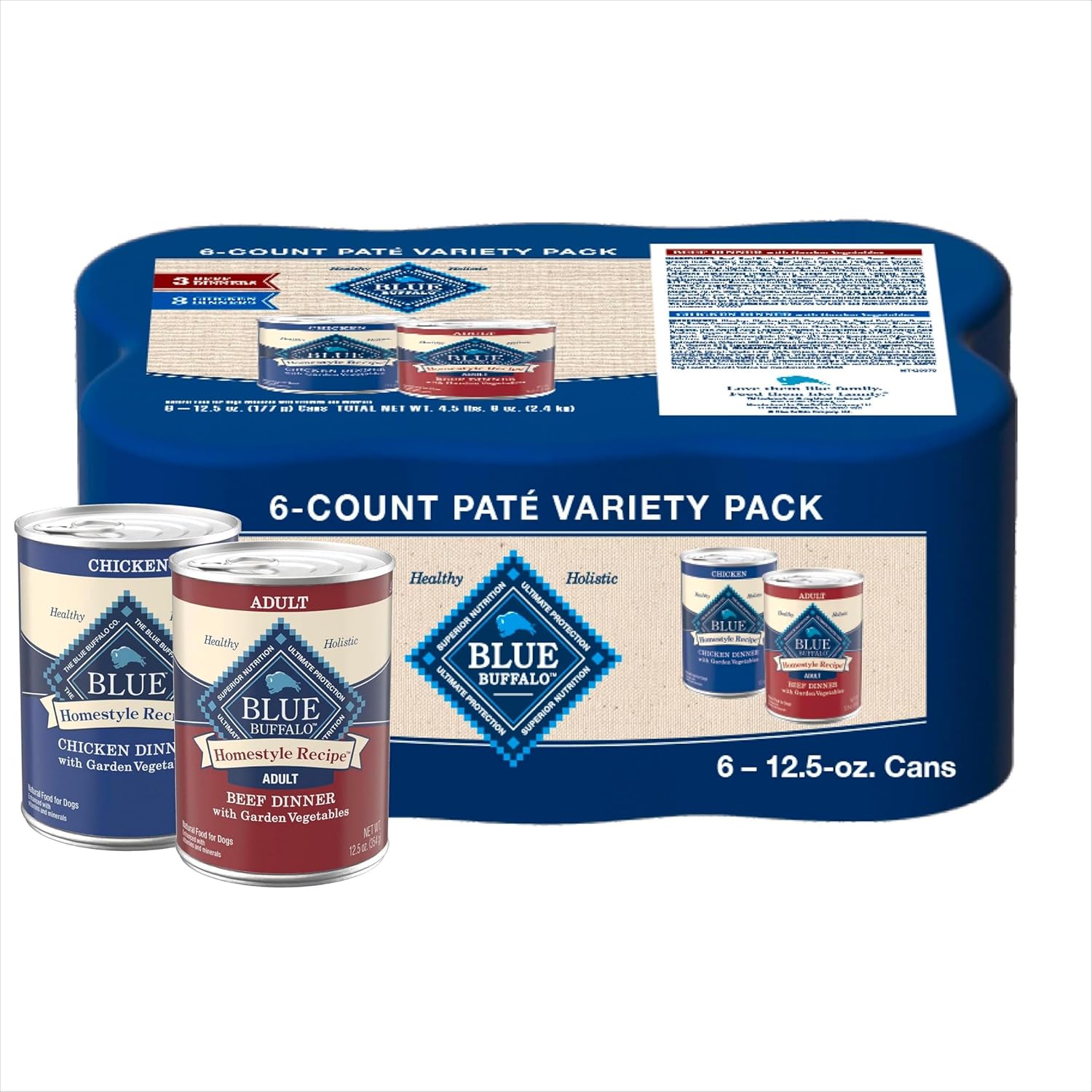
Best Overall Value: Blue Buffalo Wilderness High Protein Grain-Free Canned Dog Food (Chicken) – Features deboned chicken, sweet potatoes, and omega fatty acids. Excellent balance of quality and price.
Best Premium Option: Wellness CORE Grain-Free Original Canned Dog Food – High-protein, limited-ingredient formula with turkey, chicken liver, and no fillers. Ideal for active or sensitive German Shepherds.
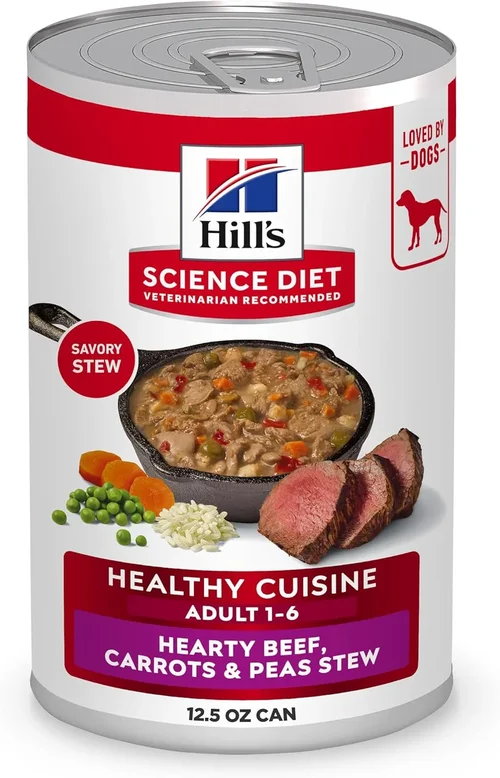
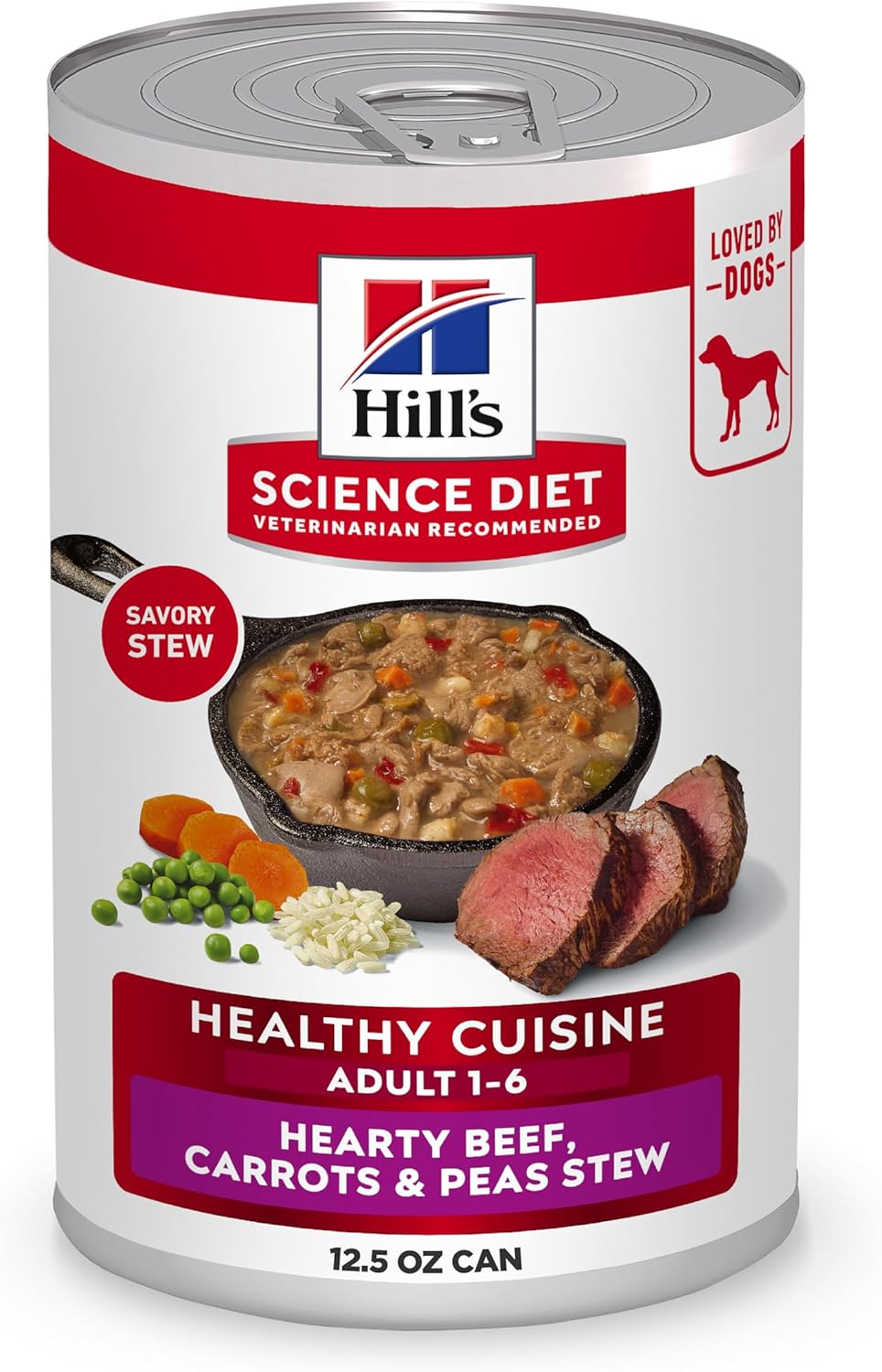
Best for Beginners: Hill’s Science Diet Adult Savory Stew with Chicken & Vegetables – Veterinarian-recommended, easy to digest, and widely available. Great for first-time canned food users.
Best for Advanced Users: The Honest Kitchen Human-Grade Dehydrated Dog Food (Rehydratable) – Not traditional canned food, but rehydrates into a fresh, nutrient-dense meal. Perfect for owners seeking the highest quality and transparency.
Conclusion: Making the Right Choice
Choosing the best canned dog food for your German Shepherd is about more than just picking a can off the shelf—it’s about investing in your dog’s long-term health, happiness, and vitality. By focusing on high-quality animal protein, balanced fats, digestibility, joint support, and brand transparency, you can make a decision that truly benefits your loyal companion. Avoid common pitfalls like over-relying on marketing claims or ignoring your dog’s individual needs, and always prioritize gradual transitions and portion control.
Remember, every German Shepherd is unique. What works for one dog may not suit another. Pay attention to your dog’s energy levels, coat condition, stool quality, and overall demeanor as indicators of dietary success. Don’t hesitate to consult your veterinarian for personalized advice, especially if your dog has health concerns.
Ultimately, the best canned dog food is one that meets your German Shepherd’s nutritional requirements, fits your budget, and keeps them thriving for years to come. Use this guide as your trusted resource, and feel confident knowing you’re making a well-informed choice. Your dog deserves nothing less.