
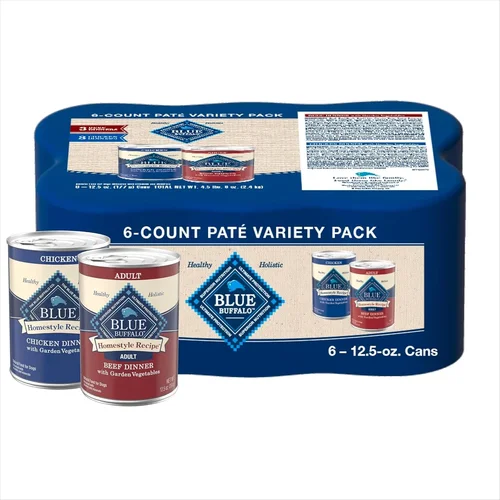
When it comes to feeding your German Shepherd, choosing the right canned dog food isn’t just about convenience—it’s about supporting a large, active breed with unique nutritional needs. German Shepherds are prone to joint issues like hip and elbow dysplasia, sensitive digestion, and skin allergies, all of which can be influenced by diet. While dry kibble dominates the market, high-quality canned dog food offers superior hydration, enhanced palatability, and often more bioavailable nutrients—making it an excellent choice for picky eaters, senior dogs, or those needing extra moisture in their diet. Whether you’re supplementing meals, transitioning from puppy to adult food, or managing a health condition, selecting the best canned dog food for your German Shepherd requires careful consideration of ingredients, protein sources, and nutritional balance.
This comprehensive buying guide is designed to help you navigate the crowded pet food aisle with confidence. You’ll learn how to decode ingredient labels, understand AAFCO standards, evaluate protein-to-fat ratios, and identify red flags like fillers and artificial additives. We’ll also explore how different life stages—puppy, adult, senior—and activity levels affect your dog’s dietary needs. With so many brands claiming to be “premium” or “natural,” it’s easy to feel overwhelmed. Our goal is to cut through the marketing noise and deliver expert-backed, practical advice that prioritizes your German Shepherd’s long-term health and well-being. By the end of this guide, you’ll know exactly what to look for, what to avoid, and which products truly deliver on their promises.
The market for canned dog food has evolved significantly over the past decade, with more brands offering grain-free, limited-ingredient, and biologically appropriate recipes tailored to large breeds. From veterinary-formulated diets to boutique organic lines, options abound—but not all are created equal. Some focus on high meat content and minimal processing, while others emphasize affordability and shelf stability. Understanding these differences is crucial, especially for a breed as genetically predisposed to health challenges as the German Shepherd. This guide will equip you with the knowledge to make an informed decision that aligns with your dog’s age, size, activity level, and any existing health concerns.
What to Look for When Buying Canned Dog Food for German Shepherds
1. High-Quality Animal Protein as the First Ingredient
German Shepherds are muscular, active dogs that thrive on diets rich in animal-based protein. Look for canned foods where real meat—such as chicken, beef, lamb, or fish—is listed as the first ingredient. Whole meats like “deboned chicken” or “turkey meal” are superior to vague terms like “meat by-products” or “animal digest.” Protein supports muscle maintenance, immune function, and energy levels, all of which are vital for this working breed. Aim for a minimum of 8–10% crude protein on a dry matter basis, though many top-tier formulas exceed 12%. Avoid foods that rely heavily on plant-based proteins like corn gluten meal or soy, as these are less digestible and may contribute to food sensitivities.
2. Appropriate Fat Content for Energy and Coat Health
Fat is a concentrated source of energy and essential fatty acids that support skin, coat, and brain health. For German Shepherds, a fat content between 5–8% (dry matter basis) is ideal—enough to fuel their activity without promoting obesity. Look for named fat sources like chicken fat, salmon oil, or flaxseed, which provide omega-3 and omega-6 fatty acids. These nutrients help reduce inflammation, improve joint mobility, and give your dog a shiny, healthy coat. Avoid generic “animal fat” or excessive use of vegetable oils, which may lack the balanced fatty acid profile your dog needs.
3. Joint-Supportive Nutrients Like Glucosamine and Chondroitin
Due to their size and genetics, German Shepherds are highly susceptible to joint disorders. Canned foods fortified with glucosamine, chondroitin, or green-lipped mussel extract can help maintain cartilage health and reduce the risk of arthritis. While these supplements are often added to dry kibble, some premium canned formulas include them as well. If your dog is already showing signs of stiffness or discomfort, consider a therapeutic diet prescribed by your vet. Even in healthy dogs, proactive inclusion of joint-supportive ingredients can pay dividends in later years.
4. Digestive Health: Probiotics, Prebiotics, and Fiber
German Shepherds often have sensitive stomachs and may suffer from gas, bloating, or irregular bowel movements. Canned food with added probiotics (like Lactobacillus acidophilus) and prebiotic fibers (such as chicory root or beet pulp) promotes a healthy gut microbiome. These ingredients aid digestion, enhance nutrient absorption, and strengthen immune function. Additionally, moderate levels of soluble and insoluble fiber help regulate stool quality. Avoid foods with excessive fillers like corn, wheat, or soy, which can trigger digestive upset in sensitive individuals.
5. Limited and Recognizable Ingredients
Simplicity is key when it comes to ingredient lists. The shorter and more recognizable the list, the better—especially if your German Shepherd has food allergies or intolerances. Ideal canned foods contain whole foods you could theoretically find in your kitchen: real meat, vegetables like sweet potatoes or carrots, and healthy fats. Steer clear of artificial preservatives (BHA, BHT, ethoxyquin), colors, and flavors, which offer no nutritional value and may pose long-term health risks. If you see ingredients like “meat meal” without a species specified (e.g., “chicken meal”), that’s a red flag.
6. Moisture Content and Hydration Benefits
One of the biggest advantages of canned food is its high moisture content—typically 70–80%, compared to 10% in dry kibble. This is especially beneficial for German Shepherds, who may not drink enough water on their own. Proper hydration supports kidney function, urinary tract health, and overall cellular function. Senior dogs, in particular, benefit from increased fluid intake, as aging can reduce thirst sensation. If you feed a combination of wet and dry food, canned options can help bridge the hydration gap and encourage better water consumption.
7. Life Stage and Activity Level Appropriateness
Not all canned foods are suitable for every life stage. Puppies need higher protein and calorie density to support rapid growth, while seniors benefit from lower-calorie, joint-supportive formulas. Active working dogs or those in training may require more calories and fat, whereas less active or overweight dogs need portion-controlled, lower-fat options. Always check the label for AAFCO statements indicating whether the food is formulated for growth, maintenance, or all life stages. Feeding an inappropriate formula can lead to nutritional imbalances or weight issues.
8. Brand Transparency and Manufacturing Standards
Reputable brands openly share information about sourcing, manufacturing, and testing. Look for companies that conduct feeding trials (not just lab analysis), publish ingredient origins, and are transparent about recalls or quality control issues. Brands that manufacture their own food in-house or use human-grade facilities tend to have tighter quality control. Avoid brands with vague sourcing practices or those that outsource production to unknown third parties. Reading customer reviews and checking third-party certifications (like USDA Organic or Non-GMO Project Verified) can also provide insight into a brand’s reliability.
Different Types of Canned Dog Food for German Shepherds
Common Buying Mistakes to Avoid

❌ Mistake: Choosing Based Solely on Price
Why it’s bad: Cheap canned food often contains low-quality proteins, fillers, and artificial additives that can harm your German Shepherd’s health over time. While budget-friendly options exist, the cheapest cans may cost more in vet bills due to poor nutrition.
What to do instead: Focus on value, not just price. Compare cost per ounce and evaluate ingredient quality. A slightly more expensive can with real meat and no fillers is a better long-term investment.
❌ Mistake: Ignoring the AAFCO Statement
Why it’s bad: Without an AAFCO nutritional adequacy statement, you can’t be sure the food meets your dog’s dietary needs. Some brands market themselves as “natural” or “premium” but aren’t complete and balanced.
What to do instead: Always check the label for an AAFCO statement confirming the food is formulated for your dog’s life stage (e.g., “for adult maintenance”). This ensures it provides all essential nutrients.
❌ Mistake: Overlooking Portion Size and Caloric Density
Why it’s bad: Canned food varies widely in calorie content. Feeding too much can lead to obesity, while too little may result in malnutrition. German Shepherds are prone to weight gain, especially as they age.
What to do instead: Calculate your dog’s daily caloric needs based on weight, age, and activity level. Use the feeding guidelines on the can as a starting point, then adjust based on body condition.
❌ Mistake: Switching Foods Too Quickly
Why it’s bad: Sudden changes in diet can cause gastrointestinal upset, including diarrhea and vomiting. German Shepherds have sensitive digestive systems and may react strongly to abrupt transitions.
What to do instead: Gradually transition over 7–10 days by mixing increasing amounts of the new food with the old. Monitor stool quality and energy levels throughout the process.
❌ Mistake: Assuming All “Natural” or “Organic” Foods Are Equal
Why it’s bad: Terms like “natural” and “organic” are not strictly regulated in pet food. Some brands use them as marketing tactics without meaningful differences in quality.
What to do instead: Look for third-party certifications (e.g., USDA Organic, AAFCO compliance) and read ingredient lists carefully. Don’t rely on front-label claims alone.
❌ Mistake: Feeding Only Canned Food Without Monitoring Weight
Why it’s bad: While canned food is nutritious, it’s often more calorie-dense than kibble. Feeding exclusively wet food without adjusting portions can lead to weight gain, especially in less active dogs.
What to do instead: Use a combination of wet and dry food if desired, or carefully measure portions. Weigh your dog regularly and adjust intake to maintain a healthy body condition score.
❌ Mistake: Not Consulting a Veterinarian for Health Issues
Why it’s bad: If your German Shepherd has chronic diarrhea, skin rashes, or joint pain, the cause may be dietary—but it could also signal an underlying condition. Self-diagnosing and switching foods without professional input can delay proper treatment.
What to do instead: Always consult your vet before making significant dietary changes, especially if your dog has known health problems. They can recommend therapeutic diets or conduct allergy testing if needed.
Budget Guidelines: How Much Should You Spend?
- Entry-Level ($1.50–$2.50 per can): These options are best for supplemental feeding or budget-conscious owners. Expect simpler formulas with meat by-products, grains, and fewer supplements. Brands like Pedigree and Alpo fall into this range. While convenient, they may not meet the nutritional standards for long-term feeding of a large, active breed like the German Shepherd.
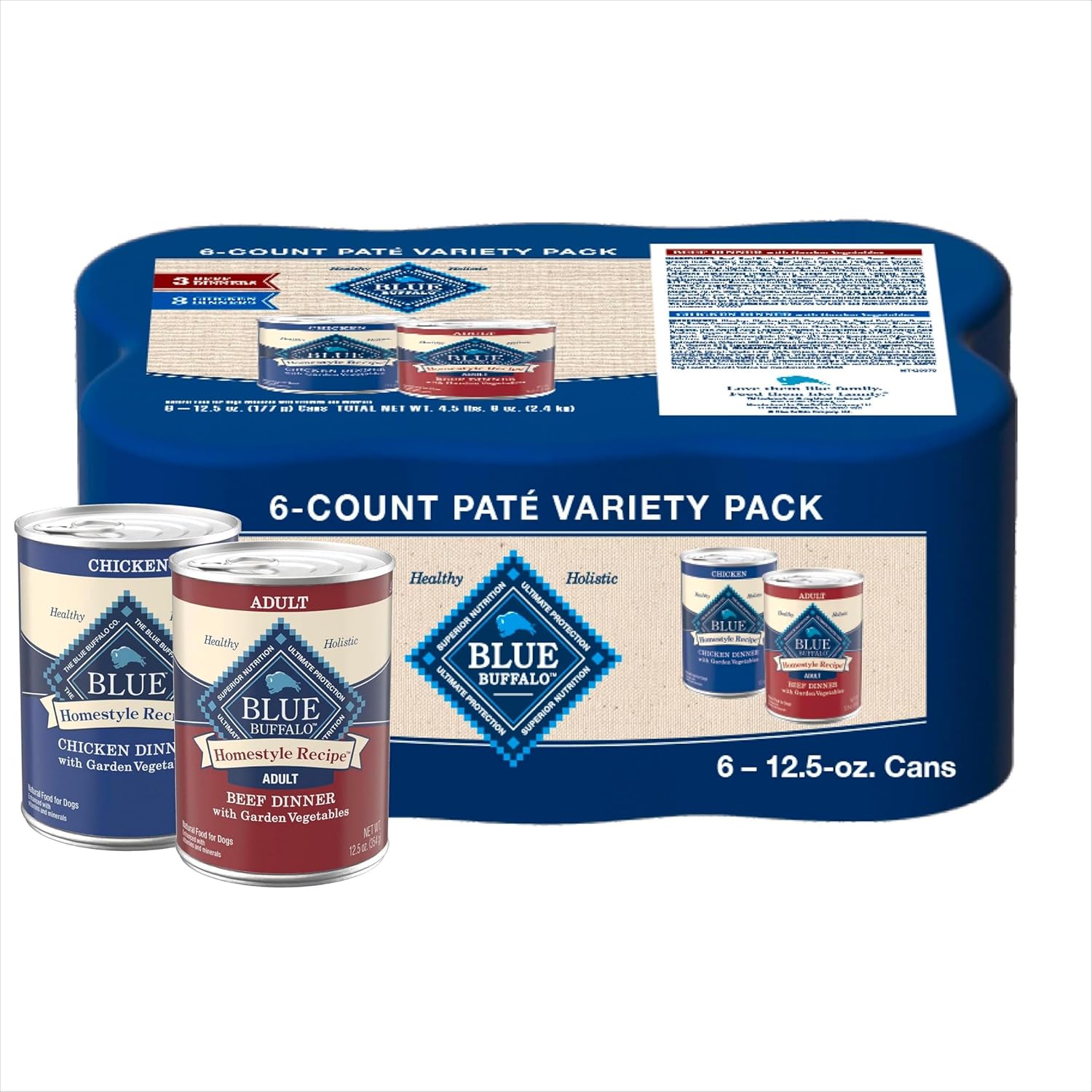
- Mid-Range ($2.50–$4.00 per can): This is the sweet spot for most German Shepherd owners. You’ll find high-quality proteins, limited fillers, and added nutrients like omega fatty acids and probiotics. Brands such as Wellness CORE, Blue Buffalo, and Merrick offer excellent value here. These foods support overall health without breaking the bank.
- Premium ($4.00–$6.00 per can): Ideal for owners prioritizing optimal nutrition. These formulas often feature novel proteins (like duck or venison), grain-free recipes, and functional ingredients like glucosamine and turmeric. Brands like Orijen, Acana, and Taste of the Wild dominate this tier. They’re excellent for dogs with sensitivities or high activity levels.
- Luxury ($6.00+ per can): Reserved for boutique, fresh, or veterinary-grade diets. These include human-grade ingredients, raw-inspired recipes, or prescription formulas for medical conditions. While top-tier in quality, they may not be necessary for healthy dogs and can be cost-prohibitive for daily feeding.

Expert Tips for Getting the Best Deal
- Buy During Seasonal Sales: Major pet retailers often run promotions in January (post-holiday), July (summer clearance), and November (Black Friday). Stock up on non-perishable items like canned food during these periods.
- Use Subscription Services: Chewy, Amazon Subscribe & Save, and Petco’s Repeat Delivery offer discounts (up to 20%) for recurring orders. This ensures you never run out and saves money over time.
- Compare Cost Per Ounce: Don’t just look at the total price—calculate the cost per ounce to compare value across different can sizes. A larger can may seem expensive but could be cheaper per serving.
- Check for Manufacturer Rebates: Some premium brands offer mail-in rebates or free sample programs. Sign up for newsletters to stay informed about promotions.
- Read Return Policies: If you’re trying a new food, ensure the retailer allows returns for unopened cans. This lets you test palatability and digestibility without financial risk.
- Rotate Proteins Safely: Introduce variety by rotating between 2–3 trusted brands or protein sources (e.g., chicken, lamb, salmon). This reduces allergy risk and keeps meals interesting.
- Store Properly: Once opened, transfer unused portions to an airtight container and refrigerate for up to 3–5 days. This preserves freshness and prevents bacterial growth.
- Monitor Your Dog’s Response: Keep a food journal noting energy levels, coat condition, stool quality, and appetite. This helps you identify which foods work best and when to make changes.

Frequently Asked Questions
Q: Can I feed my German Shepherd only canned food?
A: Yes, but it requires careful portion control and attention to caloric intake. Canned food is more calorie-dense than kibble, so overfeeding can lead to weight gain. Ensure the formula is complete and balanced for your dog’s life stage, and consult your vet if you’re unsure about portion sizes.
Q: Is grain-free canned food better for German Shepherds?
A: Not necessarily. While grain-free diets can help dogs with grain allergies, most German Shepherds tolerate grains like rice or oats well. The FDA has investigated a potential link between grain-free diets and dilated cardiomyopathy (DCM), so choose grain-free only if your dog has a diagnosed sensitivity.
Q: How often should I feed my German Shepherd canned food?
A: Adult German Shepherds typically eat twice daily. You can feed canned food as the main meal, as a topper for kibble, or as occasional treats. Consistency in feeding times helps regulate digestion and prevents bloating.
Q: What if my dog doesn’t like the new canned food?
A: Try warming it slightly (to room temperature or slightly above) to enhance aroma, or mix it with a small amount of warm water or low-sodium broth. Gradually increase the proportion over several days. If rejection persists, consider a different protein or brand.
Q: Are there canned foods specifically for German Shepherd puppies?
A: Yes. Look for formulas labeled for “growth” or “large breed puppy.” These contain higher protein and calcium levels tailored to support controlled growth and prevent skeletal issues. Avoid adult maintenance foods for puppies under 12 months.
Q: Can canned food cause dental problems?
A: Unlike kibble, canned food doesn’t provide mechanical cleaning action. However, dental health is more influenced by genetics, chew toys, and regular brushing than diet alone. Consider dental chews or water additives to complement wet food feeding.
Q: Is it safe to mix different brands of canned food?
A: Yes, as long as both foods are complete and balanced. Mixing can add variety and reduce the risk of nutrient deficiencies. However, introduce new brands gradually to avoid digestive upset.
Q: How do I know if my German Shepherd is allergic to an ingredient?
A: Common signs include itchy skin, ear infections, chronic paw licking, vomiting, or diarrhea. If you suspect a food allergy, work with your vet to conduct an elimination diet using a novel protein (like duck or rabbit) and limited ingredients.
Q: Should I refrigerate opened cans?
A: Absolutely. Once opened, cover the can and store it in the refrigerator for up to 3–5 days. Transferring to a glass or plastic container can help preserve flavor and prevent metallic taste.
Q: Are homemade diets better than canned food?
A: Homemade diets can be nutritious but require precise balancing of nutrients to avoid deficiencies. Unless formulated by a veterinary nutritionist, they may lack essential vitamins and minerals. High-quality canned food offers convenience and nutritional completeness.
Our Final Recommendations
- Best for Budget-Conscious Buyers: Blue Buffalo Homestyle Recipe Chicken & Brown Rice – Offers real deboned chicken, wholesome grains, and essential vitamins at an affordable price. AAFCO-compliant and widely available.
- Best Overall Value: Wellness CORE Grain-Free Original Turkey & Chicken – High protein (12%+), grain-free, and packed with probiotics and omega fatty acids. Excellent for active German Shepherds.
- Best Premium Option: Orijen Original Grain-Free Canned Dog Food – Features 95% meat ingredients, including fresh and raw meats. Biologically appropriate and ideal for dogs with sensitivities.
- Best for Beginners: Merrick Grain-Free Real Texas Beef + Sweet Potato – Simple, recognizable ingredients, great palatability, and easy transition from kibble. Perfect for first-time wet food users.
- Best for Advanced Users (Health-Conscious Owners): Stella & Chewy’s Freeze-Dried Raw Patties (Rehydratable) – While technically not canned, these rehydratable raw patties offer the benefits of wet food with the nutrition of raw. Ideal for owners seeking minimal processing and maximum bioavailability.
Conclusion: Making the Right Choice
Choosing the best canned dog food for your German Shepherd is about more than taste—it’s about supporting a lifetime of health, energy, and vitality. From prioritizing high-quality animal protein to avoiding common pitfalls like artificial additives and improper portioning, every decision you make impacts your dog’s well-being. Remember that no single food is perfect for every dog; individual needs vary based on age, activity level, and health status. Use this guide as a roadmap, but stay flexible and observant. Monitor your dog’s response to new foods, consult your veterinarian when in doubt, and don’t hesitate to adjust your approach as your dog ages or circumstances change.
Ultimately, the best canned dog food is one that your German Shepherd enjoys eating, digests well, and thrives on over time. Whether you opt for a mid-range favorite or splurge on a premium formula, the key is consistency, quality, and attentiveness. Your dog relies on you to make informed choices—and with the knowledge from this guide, you’re well-equipped to do just that. Start reading labels, comparing options, and investing in nutrition that supports not just survival, but a vibrant, joyful life. Your German Shepherd deserves nothing less.