
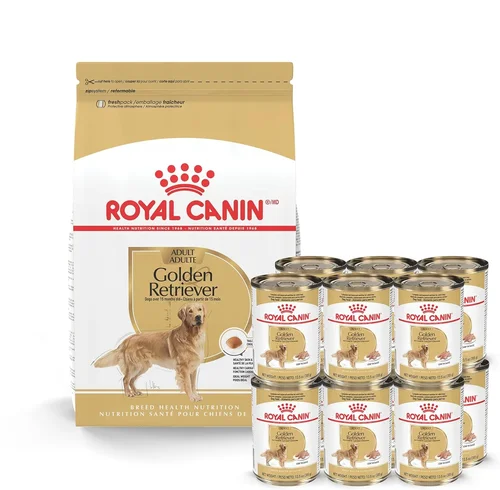
When it comes to feeding your golden retriever, choosing the right canned dog food isn’t just about convenience—it’s about nutrition, health, and long-term well-being. Golden retrievers are beloved family dogs known for their friendly demeanor, intelligence, and boundless energy. But they’re also prone to specific health concerns like hip dysplasia, obesity, skin allergies, and heart conditions. That means their diet plays a crucial role in supporting joint health, maintaining a healthy weight, promoting a shiny coat, and boosting immune function. With so many canned dog food options flooding the market—each claiming to be “premium,” “natural,” or “vet-recommended”—it’s easy for even the most attentive pet parent to feel overwhelmed.
This comprehensive buying guide is designed to cut through the noise and help you make an informed, confident decision. Whether you’re a first-time golden retriever owner or a seasoned dog parent looking to upgrade your pup’s meals, you’ll learn exactly what to look for in high-quality canned food. We’ll break down the essential nutritional needs of golden retrievers, explain how to interpret ingredient labels like a pro, compare different product categories, and highlight common pitfalls to avoid. By the end of this guide, you’ll have a clear roadmap to selecting a canned dog food that supports your golden’s unique physiology, life stage, and lifestyle—without overspending or compromising on quality.
The canned dog food market has evolved significantly in recent years. Gone are the days when wet food was seen as a mere treat or topper. Today, many premium brands offer complete and balanced meals in convenient cans, often featuring real meat as the first ingredient, limited fillers, and added functional ingredients like glucosamine, omega fatty acids, and probiotics. However, not all canned foods are created equal. Some are packed with artificial preservatives, excessive sodium, or low-quality protein sources that can do more harm than good over time. Our goal is to equip you with the knowledge to distinguish between marketing hype and genuinely beneficial nutrition—so your golden retriever thrives from puppyhood through their golden years.

What to Look for When Buying Canned Dog Food for Golden Retrievers
1. High-Quality Protein as the First Ingredient
Golden retrievers are active, muscular dogs with high energy needs, especially during their growth phase and adult years. Protein is essential for building and maintaining lean muscle mass, supporting immune function, and providing sustained energy. When evaluating canned dog food, always check the ingredient list: the first ingredient should be a named animal protein source such as chicken, beef, salmon, or turkey—not vague terms like “meat meal” or “animal by-products.” Look for whole meats (e.g., “deboned chicken”) or meals (e.g., “chicken meal”), which are concentrated sources of protein. Avoid foods where grains or vegetables appear before meat, as this often indicates lower protein content.
For golden retrievers prone to food sensitivities, novel proteins like duck, venison, or lamb can be excellent alternatives. Additionally, ensure the food meets AAFCO (Association of American Feed Control Officials) standards for your dog’s life stage—whether puppy, adult, or senior. A good rule of thumb: aim for at least 25–30% crude protein on a dry matter basis for adult goldens, and slightly higher for puppies.
2. Healthy Fats for Skin, Coat, and Joint Health
Golden retrievers are famous for their lustrous, water-resistant double coats—but maintaining that shine requires more than just grooming. Omega-3 and omega-6 fatty acids are critical for reducing inflammation, supporting skin health, and promoting a soft, glossy coat. Look for ingredients like fish oil, flaxseed, chicken fat, or canola oil in the formulation. Salmon-based recipes are particularly beneficial due to their high DHA and EPA content, which also support brain health and cognitive function.
Joint health is another major concern for this breed. Large dogs like golden retrievers are susceptible to hip and elbow dysplasia, so diets rich in anti-inflammatory fats can help manage discomfort and slow degeneration. Some premium canned foods include added glucosamine and chondroitin, which work synergistically with healthy fats to support cartilage integrity. Avoid foods with excessive saturated fats or unnamed “animal fats,” which may come from low-quality sources.
3. Limited, Digestible Carbohydrates
While golden retrievers need some carbohydrates for energy, they don’t require large amounts—especially in wet food, which is already high in moisture. Excessive carbs can contribute to weight gain, a common issue in less active goldens. Focus on easily digestible, nutrient-dense carb sources such as sweet potatoes, peas, carrots, or pumpkin. These provide fiber for digestive health without spiking blood sugar.
Avoid canned foods that rely heavily on corn, wheat, soy, or potato starch as fillers. These ingredients are not only less nutritious but can also trigger allergies or sensitivities in some dogs. If your golden has a sensitive stomach, consider grain-free options—but only if recommended by your vet, as recent studies have raised concerns about a potential link between grain-free diets and dilated cardiomyopathy (DCM) in certain breeds. Always prioritize whole-food carbohydrates over processed starches.
4. Moisture Content and Hydration Support
One of the biggest advantages of canned dog food is its high moisture content—typically 70–80%, compared to just 10% in dry kibble. This is especially beneficial for golden retrievers, who may not drink enough water on their own. Proper hydration supports kidney function, urinary tract health, and overall metabolic efficiency. Senior goldens, in particular, benefit from increased fluid intake to prevent dehydration and support organ function.
When comparing brands, check the guaranteed analysis on the label. A higher moisture percentage means less concentrated calories, so you may need to feed slightly larger portions—but the trade-off in hydration is usually worth it. Some canned foods also include broth or added water, which enhances palatability and encourages eating in picky dogs or those recovering from illness.
5. No Artificial Additives or Fillers
Artificial colors, flavors, and preservatives like BHA, BHT, and ethoxyquin have no place in your golden retriever’s diet. These chemicals have been linked to allergic reactions, hyperactivity, and long-term health risks. Instead, opt for canned foods preserved with natural alternatives such as mixed tocopherols (vitamin E), rosemary extract, or ascorbic acid (vitamin C).
Also be wary of “mystery ingredients” like “animal digest” or “natural flavoring”—these terms are vague and may hide low-quality components. Transparency is key. Reputable brands will clearly list every ingredient and avoid misleading marketing claims. If a product boasts “no artificial anything” but still uses unnamed meat sources or excessive sodium, it’s likely cutting corners elsewhere.
6. Appropriate Caloric Density for Your Dog’s Needs
Golden retrievers come in all shapes and sizes, and their caloric needs vary based on age, activity level, and metabolism. Overfeeding is a leading cause of obesity in this breed, which can exacerbate joint problems and shorten lifespan. Canned food is more calorie-dense than dry food per volume, so portion control is essential.
Check the feeding guidelines on the can, but don’t rely on them blindly. Use your dog’s body condition score (BCS) as a guide: you should be able to feel their ribs without seeing them, and they should have a visible waist when viewed from above. Active adult goldens may need 1,200–1,500 calories per day, while seniors or less active dogs may require 20–30% less. Some premium canned foods provide calorie counts per cup or can, making it easier to tailor portions accurately.
7. Brand Reputation and Transparency
Not all pet food companies are equally committed to quality. Research the brand’s history, manufacturing practices, and recall record. Companies that own their production facilities and conduct regular third-party testing tend to have better quality control. Look for brands that publish ingredient sourcing information and nutritional research on their websites.
Transparency also extends to labeling. Avoid brands that use marketing buzzwords like “gourmet” or “holistic” without backing them up with clear ingredient lists and nutritional analysis. The best brands will proudly display AAFCO statements, feeding trials, and veterinary endorsements. Reading customer reviews can also reveal patterns—such as consistent reports of digestive upset or picky eating—that aren’t evident from the label alone.
8. Life Stage and Special Dietary Needs
Golden retrievers have different nutritional requirements at various stages of life. Puppies need higher protein and fat for growth, while seniors benefit from lower calories, added joint support, and easily digestible ingredients. If your golden has specific health issues—such as food allergies, kidney disease, or pancreatitis—you may need a therapeutic or prescription diet formulated by veterinarians.
For example, dogs with skin allergies may thrive on limited-ingredient diets with novel proteins and hydrolyzed fats. Those with sensitive stomachs might do better with easily digestible proteins like turkey or duck and prebiotic fibers like chicory root. Always consult your vet before switching to a specialized diet, especially if your dog is on medication or has chronic conditions.
Different Types of Canned Dog Food for Golden Retrievers

Common Buying Mistakes to Avoid
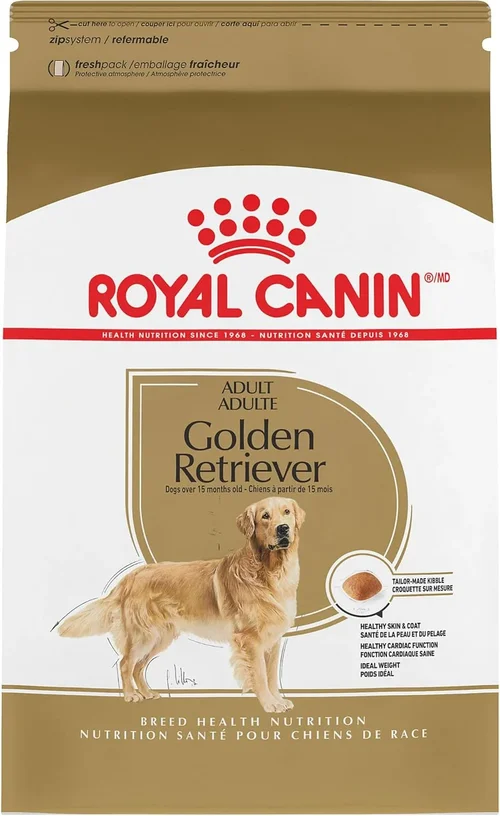
❌ Mistake: Choosing Based Solely on Price
Why it’s bad: Cheap canned dog food often contains fillers, by-products, and artificial additives that can lead to long-term health problems. While budget-friendly options exist, the lowest price rarely reflects the best value when considering your dog’s health and veterinary costs down the line.
What to do instead: Focus on cost per ounce and nutritional value. A slightly more expensive can with high-quality ingredients may actually be more economical if it reduces the risk of allergies, obesity, or digestive issues. Compare the ingredient list and guaranteed analysis—not just the sticker price.
❌ Mistake: Ignoring the Ingredient List
Why it’s bad: Marketing claims like “natural” or “premium” are unregulated and can be misleading. Without reading the ingredient list, you might be feeding your golden retriever a diet high in corn syrup, meat by-products, or unnamed fats.
What to do instead: Always scan the first five ingredients. They make up the bulk of the food. Prioritize whole meats, recognizable vegetables, and natural preservatives. Use resources like the Dog Food Advisor or AAFCO guidelines to verify claims.
❌ Mistake: Overfeeding Due to High Moisture Content
Why it’s bad: Because canned food is less calorie-dense by volume than kibble, it’s easy to overfeed, thinking your dog isn’t getting enough. This can lead to rapid weight gain, especially in less active goldens.
What to do instead: Weigh your dog regularly and adjust portions based on body condition. Use a kitchen scale to measure food accurately, and consult your vet for personalized feeding recommendations.
❌ Mistake: Switching Foods Too Quickly
Why it’s bad: Sudden diet changes can cause vomiting, diarrhea, or refusal to eat. Golden retrievers with sensitive stomachs are especially prone to digestive upset.
What to do instead: Transition gradually over 7–10 days, mixing increasing amounts of the new food with the old. Monitor for signs of intolerance, and slow the process if needed.
❌ Mistake: Assuming All “Grain-Free” Diets Are Healthy
Why it’s bad: The FDA has investigated a potential link between grain-free diets and DCM in dogs, particularly those using legumes (like peas and lentils) as primary ingredients. Not all grain-free foods are problematic, but blind adherence to the trend can be risky.
What to do instead: Only choose grain-free if your dog has a diagnosed grain allergy. Otherwise, opt for whole grains like oats or barley, which provide fiber and nutrients without the DCM risk.
❌ Mistake: Neglecting Life Stage Appropriateness
Why it’s bad: Feeding a puppy formula to a senior golden—or vice versa—can lead to nutritional imbalances. Puppies need more calories and calcium; seniors need fewer calories and more joint support.
What to do instead: Match the food to your dog’s age, size, and activity level. Look for AAFCO statements indicating the food is formulated for your dog’s specific life stage.
❌ Mistake: Not Consulting a Veterinarian for Health Issues
Why it’s bad: Self-diagnosing and switching to a “hypoallergenic” or “sensitive stomach” diet without professional guidance can delay treatment for underlying conditions like infections, parasites, or organ disease.
What to do instead: If your golden shows signs of food intolerance (itching, ear infections, chronic diarrhea), consult your vet before changing their diet. They may recommend an elimination trial or prescription food.
Budget Guidelines: How Much Should You Spend?
Feeding a golden retriever high-quality canned food is an investment in their health, but it doesn’t have to break the bank. Here’s a realistic breakdown of what to expect at different price points:
- Entry-Level ($1.00–$1.75 per 12.5 oz can): These options are widely available at big-box stores and supermarkets. While convenient, they often contain lower-quality proteins, fillers like corn and wheat, and artificial preservatives. Best for occasional use or mixing with kibble, but not ideal as a primary diet for long-term health.
- Mid-Range ($1.75–$2.50 per 12.5 oz can): This is the sweet spot for most golden retriever owners. Brands in this tier typically use named meat sources, limited fillers, and natural preservatives. Many offer grain-free, LID, or high-protein varieties. Examples include Wellness, Merrick, and Nutro. These provide excellent value without sacrificing nutrition.
- Premium ($2.50–$3.50 per 12.5 oz can): These foods are formulated with human-grade ingredients, novel proteins, and added functional benefits like probiotics, glucosamine, or omega-3s. Brands like Orijen, Acana, and The Honest Kitchen fall into this category. Ideal for active dogs, those with sensitivities, or owners prioritizing top-tier nutrition.
- Luxury ($3.50+ per 12.5 oz can): At this level, you’re paying for ultra-premium sourcing, limited production runs, and innovative formulations. Some brands use wild-caught fish, organic vegetables, or air-dried meats. While not necessary for every dog, these can be worthwhile for goldens with complex dietary needs or owners seeking the absolute best.
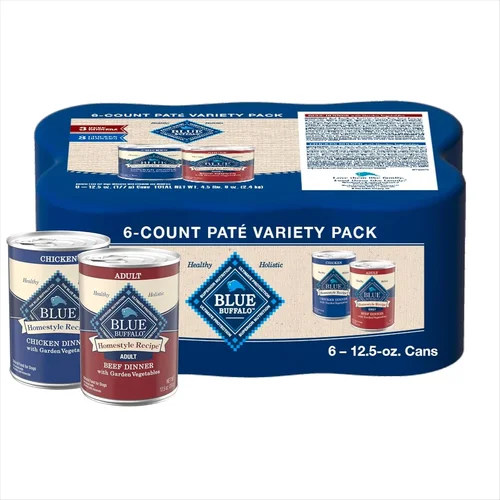
Expert Tips for Getting the Best Deal
- Shop During Seasonal Sales: Pet food brands often run promotions in January (New Year’s resolutions), April (National Pet Month), and November (Black Friday). Sign up for newsletters to get early access to discounts.
- Compare Online vs. In-Store Prices: Online retailers like Chewy, Amazon, and Petco often have lower prices and better selection than local stores. Use price-comparison tools to find the best deal.
- Look for Subscription Discounts: Many websites offer 5–15% off when you sign up for auto-ship. This also ensures you never run out of food.
- Check Return Policies: If your golden doesn’t like a new food, you want the option to return or exchange it. Reputable retailers usually allow returns within 30 days.
- Read Customer Reviews: Look for patterns in reviews—especially comments about palatability, digestion, and coat condition. A food that works for one golden may not suit another.
- Ask Your Vet for Samples: Some veterinary clinics offer free samples of prescription or therapeutic diets. This lets you test the food before committing.
- Consider Mixing with Kibble: If cost is a concern, use canned food as a topper or mix it with high-quality dry food. This boosts moisture and flavor while stretching your budget.
- Monitor Expiration Dates: Canned food has a long shelf life (usually 2–5 years), but always check the “best by” date to ensure freshness.
Frequently Asked Questions
Q: Can I feed my golden retriever canned food every day?
A: Yes! Many dog owners feed canned food as a complete meal, and it’s perfectly safe and healthy when nutritionally balanced. Just ensure the food meets AAFCO standards for your dog’s life stage and adjust portions to maintain a healthy weight.
Q: Is canned food better than dry food for golden retrievers?
A: Canned food offers superior hydration and palatability, which can benefit dogs who don’t drink enough water or are picky eaters. However, dry food can be more convenient and cost-effective. Many owners use a combination of both for optimal nutrition and dental health.
Q: How much canned food should I feed my golden retriever?
A: This depends on your dog’s weight, age, and activity level. As a general guide, a 60–70 lb adult golden may need 2.5 to 3.5 cans (12.5 oz each) per day, split into two meals. Always refer to the feeding guidelines and adjust based on body condition.
Q: Can puppies eat adult canned dog food?
A: It’s not recommended. Puppies have higher needs for protein, fat, and calcium to support rapid growth. Feeding adult food can lead to developmental issues. Choose a formula specifically labeled for puppies or “all life stages.”
Q: What if my golden retriever has food allergies?
A: Symptoms like itching, ear infections, or digestive upset may indicate a food allergy. Work with your vet to identify the trigger through an elimination diet. Limited-ingredient or hydrolyzed protein diets are often used during testing.
Q: Are grain-free diets safe for golden retrievers?
A: Grain-free diets are safe for dogs with diagnosed grain allergies, but they’re not necessary for most. Due to potential DCM risks linked to legume-heavy grain-free foods, consult your vet before making the switch.
Q: Can I mix different brands of canned food?
A: Yes, but do so gradually to avoid digestive upset. Mixing brands can provide variety and balance nutrients, but ensure both foods are complete and balanced.
Q: How should I store opened canned dog food?
A: Transfer unused portions to an airtight container and refrigerate for up to 5–7 days. Do not leave opened cans at room temperature, as bacteria can grow quickly.
Q: Is it okay to feed my senior golden retriever puppy food?
A: No. Puppy food is too high in calories and calcium for older dogs, which can strain kidneys and joints. Choose a senior-specific formula with lower calories and added joint support.
Q: What are the signs of a high-quality canned dog food?
A: Look for real meat as the first ingredient, minimal fillers, natural preservatives, AAFCO compliance, and transparent labeling. High-quality food should also result in healthy stools, a shiny coat, and sustained energy.
Our Final Recommendations
- Best for Budget-Conscious Buyers: Wellness Complete Health Grain-Free Chicken & Sweet Potato – Offers excellent nutrition at a mid-range price, with real chicken, no grains, and added probiotics.
- Best Overall Value: Merrick Grain-Free Real Texas Beef + Sweet Potato – Packed with 96% meat, rich in omega fatty acids, and highly palatable for picky eaters.
- Best Premium Option: Orijen Original Grain-Free – Biologically appropriate with fresh regional ingredients, high protein (38%), and no plant proteins as fillers.
- Best for Beginners: Nutro Ultra Grain-Free Adult Wet Dog Food – Simple, recognizable ingredients, easy to digest, and widely available at pet stores.
- Best for Advanced Users (with sensitivities): Royal Canin Veterinary Diet Hydrolyzed Protein – A prescription-grade option for dogs with severe food allergies, using hydrolyzed soy protein to prevent immune reactions.
Conclusion: Making the Right Choice
Choosing the best canned dog food for your golden retriever is about more than just reading labels—it’s about understanding your dog’s unique needs and committing to their long-term health. From prioritizing high-quality protein and healthy fats to avoiding common pitfalls like overfeeding or ignoring life stage requirements, every decision you make contributes to their vitality, longevity, and happiness. While the market offers countless options, the right food will support strong joints, a radiant coat, a healthy weight, and a robust immune system.
Remember, there’s no one-size-fits-all solution. What works for one golden may not suit another. Take the time to observe your dog’s response to new foods, consult your veterinarian when in doubt, and don’t be afraid to experiment within safe boundaries. Whether you’re feeding a playful puppy, an active adult, or a wise senior, the effort you put into selecting nutritious, balanced meals will pay dividends in years of tail wags, muddy paws, and unconditional love.
Use this guide as your trusted companion in the journey toward optimal canine nutrition. With the right knowledge and a little patience, you’ll find a canned dog food that keeps your golden retriever thriving—inside and out.