
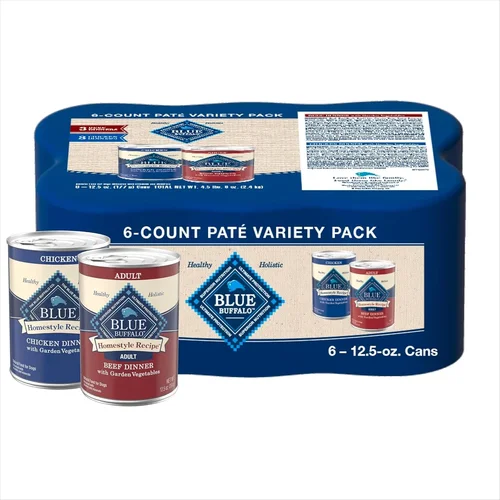
Great Danes are majestic, gentle giants—but their size comes with unique nutritional needs that can’t be met by just any dog food. As one of the largest dog breeds in the world, Great Danes require a carefully balanced diet to support their rapid growth (especially during puppyhood), maintain joint health, and prevent life-threatening conditions like bloat and dilated cardiomyopathy. While dry kibble is common, many owners turn to canned dog food for its high moisture content, palatability, and digestibility—especially important for large-breed dogs prone to dehydration and sensitive stomachs.
Choosing the right canned dog food for your Great Dane isn’t just about picking the most expensive or popular brand on the shelf. It’s about understanding your dog’s specific life stage, activity level, health concerns, and dietary sensitivities. With hundreds of options flooding the market—from grain-free formulas to limited-ingredient diets and prescription-grade foods—it’s easy to feel overwhelmed. That’s why this guide exists: to cut through the noise and help you make an informed, confident decision based on science, expert insight, and real-world experience.
In this comprehensive buying guide, you’ll learn exactly what to look for in canned dog food tailored to Great Danes. We’ll break down key nutritional factors like protein sources, fat content, calcium-to-phosphorus ratios, and ingredient quality. You’ll also discover how to avoid common pitfalls, compare different types of wet food formulations, and find the best value within your budget. Whether you’re feeding a growing Dane puppy, an active adult, or a senior with mobility issues, this guide will equip you with the knowledge to choose a food that supports longevity, vitality, and overall well-being.
The market for premium pet food has exploded in recent years, driven by increased consumer awareness about animal nutrition and wellness. Brands now offer everything from organic, human-grade recipes to vet-formulated blends targeting large-breed health. However, not all “premium” labels deliver on their promises. Some contain fillers disguised as superfoods, while others lack the precise nutrient balance required for giant breeds. Our goal is to help you navigate this landscape with clarity and confidence—so your Great Dane gets the nourishment they deserve without unnecessary additives or inflated costs.
What to Look for When Buying Canned Dog Food for Great Danes
1. High-Quality Animal Protein as the First Ingredient
Great Danes are muscular, active dogs that thrive on high-protein diets—but not all proteins are created equal. Look for named animal sources like “deboned chicken,” “turkey meal,” or “salmon” listed as the first ingredient. Avoid vague terms like “meat meal” or “animal by-product meal,” which can include low-quality or inconsistent protein sources. For adult Great Danes, aim for at least 22–26% crude protein; for puppies, 26–30% is ideal to support controlled growth without overstimulating bone development.
Animal-based proteins provide complete amino acid profiles, including taurine—an essential nutrient linked to heart health. Given that Great Danes are predisposed to dilated cardiomyopathy (DCM), ensuring adequate taurine intake through quality protein is critical. Also, consider whether the protein source aligns with your dog’s sensitivities. If your Dane has food allergies, novel proteins like duck, venison, or rabbit may be better choices than common meats like beef or chicken.
2. Appropriate Fat Content for Energy and Coat Health
Fat provides concentrated energy and supports skin and coat condition, but too much can contribute to obesity—a serious concern for giant breeds. Ideal fat levels for adult Great Danes range from 10% to 15%, while puppies may benefit from slightly higher levels (up to 18%) during rapid growth phases. Look for healthy fat sources such as chicken fat, salmon oil, or flaxseed oil, which supply omega-3 and omega-6 fatty acids.
Omega-3s, particularly EPA and DHA from fish oils, have anti-inflammatory properties that may help manage joint stress and support cognitive function. Avoid foods with excessive plant-based oils like corn or soybean oil, which offer less bioavailable omega-3s. Also, be cautious of “low-fat” formulas marketed for weight management—unless your vet recommends them, they may not meet your Dane’s energy needs.
3. Balanced Calcium-to-Phosphorus Ratio
This is perhaps the most overlooked—and most critical—factor for Great Danes. These dogs grow extremely fast, and improper mineral balance can lead to skeletal disorders like osteochondrosis or hip dysplasia. The ideal calcium-to-phosphorus ratio in canned food for large-breed dogs should be between 1.1:1 and 1.4:1. Excess calcium, often found in puppy foods not formulated for giant breeds, can accelerate bone growth and cause permanent damage.
Always check the guaranteed analysis on the label. If calcium exceeds 1.5% or phosphorus falls below 0.8%, consider it a red flag—even if the food claims to be “for large breeds.” Many reputable brands now offer “giant breed” formulas with carefully calibrated minerals. When in doubt, consult your veterinarian, especially if feeding a puppy under 12 months.
4. Moisture Content and Hydration Support
Canned dog food typically contains 70–80% moisture, making it an excellent choice for promoting hydration—a major benefit for Great Danes, who are prone to bloat (gastric dilatation-volvulus or GDV). Dehydration can exacerbate GDV risk, so foods with high water content help maintain healthy digestion and reduce gastric distress.
Unlike dry kibble, wet food doesn’t require your dog to drink large amounts of water immediately after eating, which can trigger bloat. Additionally, older Danes or those with kidney issues often benefit from increased fluid intake, and canned food can be a palatable way to boost it. Just ensure the food isn’t overly salty, as excess sodium can counteract hydration benefits.
5. Limited Fillers and Artificial Additives
Great Danes have sensitive digestive systems, and unnecessary fillers can cause gas, bloating, or allergic reactions. Avoid canned foods containing corn, wheat, soy, artificial colors, flavors, or preservatives like BHA, BHT, or ethoxyquin. These ingredients offer little nutritional value and may contribute to long-term health issues.
Instead, look for whole-food carbohydrates like sweet potatoes, peas, or brown rice—easily digestible sources of energy and fiber. Some premium brands use functional ingredients like pumpkin (for digestion), blueberries (antioxidants), or glucosamine (joint support). While these aren’t essential, they can enhance overall wellness when included in moderation.
6. Life Stage Appropriateness
Not all canned foods are suitable for every life stage. Great Dane puppies need formulas designed specifically for large or giant breeds to prevent overly rapid growth. Adult Danes require maintenance diets with balanced calories to avoid weight gain, while seniors may benefit from lower-calorie, higher-fiber options with joint-supporting supplements.
Feeding a puppy formula to an adult Dane can lead to obesity and joint strain, while adult food may not provide enough nutrients for a growing puppy. Always match the food to your dog’s age, size, and activity level. Many brands clearly label their products as “Puppy,” “Adult,” or “Senior,” but double-check the nutrient profile to ensure it aligns with AAFCO (Association of American Feed Control Officials) standards for your dog’s life stage.
7. Palatability and Digestibility
Even the most nutritious food is useless if your Great Dane refuses to eat it. Palatability matters—especially for picky eaters or dogs recovering from illness. High-moisture canned foods are generally more aromatic and appealing than kibble, but texture and flavor variety also play a role. Some dogs prefer pâté, while others enjoy chunks in gravy or shredded meat.
Digestibility is equally important. Look for foods with highly digestible ingredients (e.g., real meat, easily broken-down carbs) and minimal processing. Poorly digestible foods can lead to loose stools, excessive gas, or nutrient malabsorption. If your Dane has a history of gastrointestinal issues, consider limited-ingredient diets or hydrolyzed protein formulas under veterinary guidance.
8. Brand Transparency and Recall History
Not all pet food companies prioritize safety and transparency. Research the brand’s manufacturing practices, ingredient sourcing, and recall history. Reputable companies publish detailed nutritional information, conduct third-party testing, and are open about where their ingredients come from.
Check the FDA’s pet food recall database and review sites like DogFoodAdvisor.com for user reports. Brands with frequent recalls or vague labeling should raise concerns. Opt for companies that adhere to AAFCO guidelines, use human-grade ingredients where possible, and provide clear contact information for customer inquiries.
Different Types of Canned Dog Food for Great Danes

Common Buying Mistakes to Avoid

❌ Mistake: Choosing Food Based Solely on Price
Why it’s bad: Cheap canned dog food often contains low-quality proteins, fillers, and artificial additives that can harm your Great Dane’s health over time. While budget is important, prioritizing cost over nutrition may lead to higher vet bills due to digestive issues, allergies, or chronic conditions.
What to do instead: Focus on value, not just price. Calculate cost per ounce or per meal, and compare ingredient quality. A slightly more expensive can with real meat and no fillers is often cheaper in the long run than frequent vet visits.
❌ Mistake: Ignoring Life Stage Requirements
Why it’s bad: Feeding adult food to a growing Great Dane puppy can stunt development, while puppy food for adults can cause obesity and joint stress. Each life stage has unique nutritional needs that generic “all-life-stage” formulas may not meet adequately.
What to do instead: Always select food labeled for your dog’s specific life stage. If using an all-life-stage product, verify it meets AAFCO standards for both growth and maintenance.
❌ Mistake: Overlooking Calcium and Phosphorus Levels
Why it’s bad: Excess calcium in puppy food is a leading cause of developmental orthopedic disease in giant breeds. Even some “large breed” formulas contain too much calcium for Great Danes.
What to do instead: Check the guaranteed analysis. Ensure calcium is below 1.5% and the Ca:P ratio is between 1.1:1 and 1.4:1. When in doubt, consult your vet or a veterinary nutritionist.
❌ Mistake: Switching Foods Too Quickly
Why it’s bad: Sudden diet changes can upset your Dane’s stomach, leading to diarrhea, vomiting, or refusal to eat. This is especially risky for sensitive breeds like Great Danes.
What to do instead: Transition gradually over 7–10 days, mixing increasing amounts of new food with the old. Monitor stool consistency and appetite throughout the process.
❌ Mistake: Relying Only on Marketing Claims
Why it’s bad: Terms like “natural,” “premium,” or “holistic” are not regulated by the FDA or AAFCO. A food can claim to be “grain-free” but still contain low-quality ingredients or imbalanced nutrients.
What to do instead: Read the ingredient list and guaranteed analysis, not just the front label. Look for AAFCO statements and research the brand’s reputation independently.
❌ Mistake: Not Considering Portion Size and Feeding Frequency
Why it’s bad: Great Danes eat large volumes, and overfeeding—even healthy food—can lead to obesity and increase bloat risk. Free-feeding or irregular meals also disrupt digestion.
What to do instead: Follow feeding guidelines on the label, adjusted for your dog’s weight and activity level. Feed 2–3 smaller meals per day to reduce GDV risk, and avoid exercise immediately before or after eating.
❌ Mistake: Neglecting Hydration Beyond Food
Why it’s bad: While canned food boosts moisture intake, it doesn’t replace fresh water. Dehydration remains a risk, especially in hot climates or for active dogs.
What to do instead: Always provide clean, fresh water. Consider adding a water fountain to encourage drinking, and monitor urine output to ensure proper hydration.
Budget Guidelines: How Much Should You Spend?
- Entry-Level ($1.50–$2.50 per can): These foods often use meat by-products, corn, or soy as primary ingredients. While acceptable for short-term use or supplemental feeding, they may lack optimal nutrition for long-term health. Best for owners on tight budgets who prioritize affordability over premium ingredients.
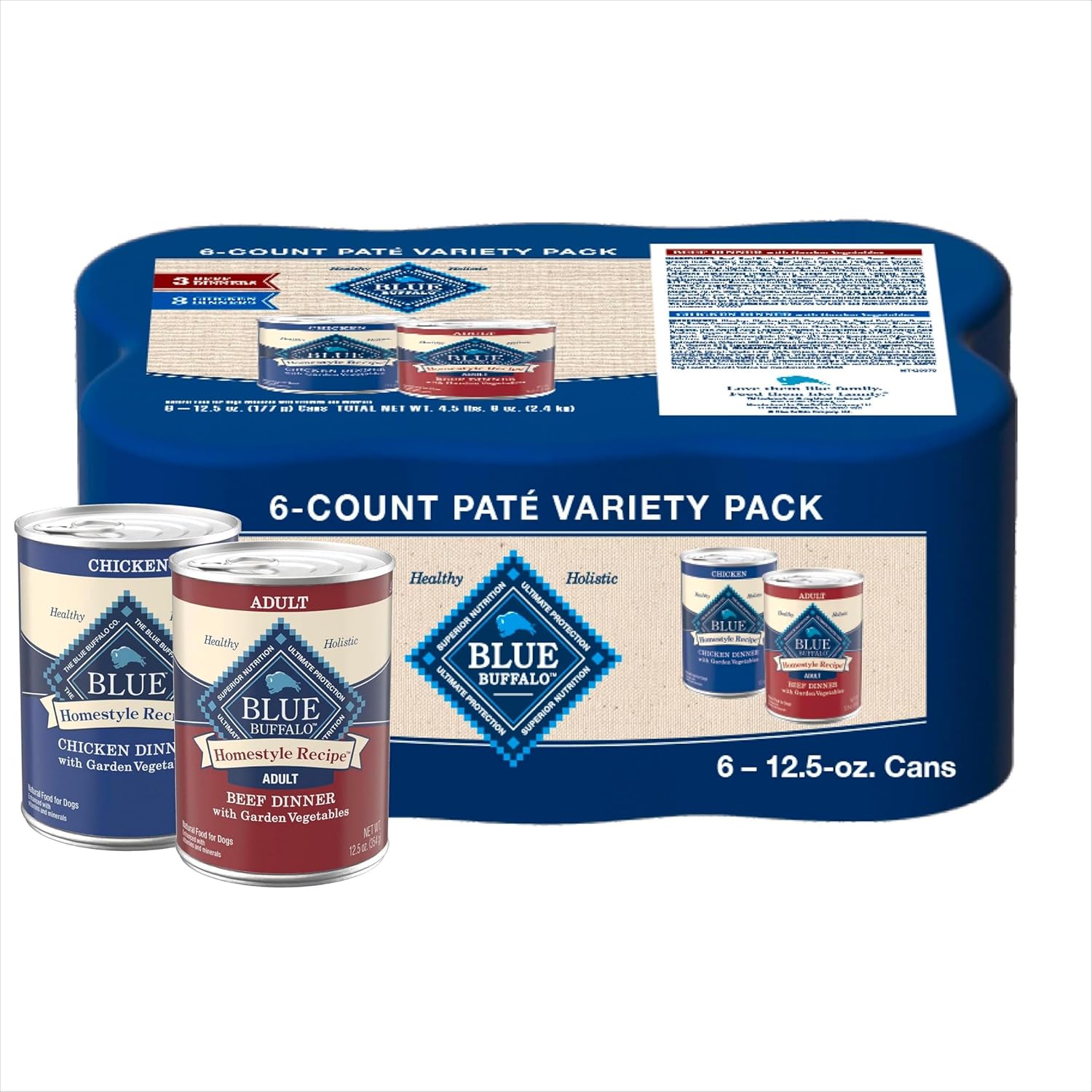
- Mid-Range ($2.50–$4.00 per can): This is the sweet spot for most Great Dane owners. Brands in this range typically feature named meat sources, balanced nutrients, and minimal fillers. Many offer giant breed-specific formulas with appropriate calcium levels and joint support. Examples include Wellness CORE Large Breed and Blue Buffalo Wilderness High Protein.
- Premium ($4.00–$6.00 per can): These foods use high-quality, often human-grade ingredients, with added functional benefits like probiotics, glucosamine, or omega-rich oils. Ideal for dogs with sensitivities, performance needs, or owners seeking the best possible nutrition. Brands like The Honest Kitchen and Weruva offer excellent options in this tier.
- Luxury ($6.00+ per can): Top-tier brands like Nom Nom, Ollie, or Freshpet provide fresh, minimally processed meals with full transparency. While costly, they’re ideal for dogs with complex health needs or owners willing to invest in preventive care. Some require refrigeration and have shorter shelf lives.
Expert Tips for Getting the Best Deal
- Buy in bulk during sales: Major retailers like Chewy, Petco, and Amazon often run 20–30% off promotions on canned dog food, especially around holidays or seasonal transitions. Stock up when prices drop, but check expiration dates.
- Subscribe and save: Many online pet stores offer discounts (up to 15%) for auto-ship subscriptions. This ensures consistent supply and locks in lower prices—ideal for large breeds that go through cans quickly.
- Compare unit pricing: Don’t just look at the total can price. Calculate cost per ounce (total price ÷ ounces per can) to compare value across brands and sizes. Larger cans aren’t always cheaper per unit.
- Check local pet food co-ops or farms: Some regions have co-ops that offer discounted premium pet food. Others sell locally sourced, minimally processed options at competitive prices.
- Use manufacturer coupons and rebates: Sign up for brand newsletters (e.g., Hill’s, Royal Canin) to receive exclusive offers. Some vet clinics also provide discount cards for therapeutic diets.
- Rotate proteins to prevent allergies: Feeding the same protein for months can lead to sensitivities. Rotate between chicken, beef, fish, and novel proteins every few months to maintain digestive resilience.
- Store properly to extend shelf life: Once opened, transfer unused portions to airtight containers and refrigerate for up to 5 days. Freeze in portion-sized containers for longer storage.
- Consult your vet before switching: Especially for puppies, seniors, or dogs with health conditions, professional guidance ensures the new food supports—not hinders—their well-being.

Frequently Asked Questions
Q: Can I feed my Great Dane only canned food?
A: Yes, but it requires careful planning. Canned food alone can meet all nutritional needs if it’s complete and balanced (look for AAFCO statements). However, it’s typically more expensive than kibble, so many owners use a mix. Ensure daily caloric intake matches your dog’s energy needs to avoid weight gain or deficiency.
Q: How much canned food should I feed my Great Dane?
A: It depends on age, weight, and activity level. As a general rule, adult Great Danes (100–150 lbs) need 6–10 cans (12.5 oz each) per day, split into 2–3 meals. Puppies may require more. Always follow the feeding guidelines on the label and adjust based on body condition.
Q: Is grain-free canned food better for Great Danes?
A: Not necessarily. Grain-free diets are beneficial only if your dog has a diagnosed grain allergy. Most Great Danes tolerate grains like rice or oats well. In fact, some grain-free foods use legumes (e.g., peas, lentils), which have been linked to DCM in certain dogs—so choose wisely.
Q: Can canned food help prevent bloat in Great Danes?
A: Indirectly, yes. High-moisture food reduces the need for large water intake post-meal, which is a bloat risk factor. However, canned food alone won’t prevent GDV. Other preventive measures include slow feeding, elevated bowls (controversial), and avoiding vigorous exercise around meal times.
Q: Should I add supplements to canned dog food?
A: Only if recommended by your vet. Most quality canned foods are nutritionally complete. Over-supplementing—especially with calcium or vitamin D—can harm growing Danes. If your dog has joint issues, ask about glucosamine or omega-3 supplements instead of guessing.
Q: How do I transition my Great Dane to a new canned food?
A: Mix 25% new food with 75% old food for days 1–2, then 50/50 for days 3–4, 75% new for days 5–6, and 100% new by day 7. Watch for digestive upset. If issues arise, slow the transition or consult your vet.
Q: Are expensive canned foods worth it?
A: Often, yes—especially for dogs with health concerns or sensitivities. Premium foods use better ingredients, undergo stricter quality control, and may include functional additives. However, some mid-range brands offer excellent value. Focus on ingredient quality and nutritional balance, not just price.
Q: Can I feed canned food to a Great Dane puppy?
A: Absolutely, but only if it’s formulated for large or giant breed puppies. These recipes control calcium and phosphorus to support healthy bone development. Avoid standard puppy foods, which can promote overly rapid growth.
Q: What should I do if my Great Dane refuses canned food?
A: Try warming it slightly (not hot) to enhance aroma, mixing in a small amount of low-sodium broth, or topping with a spoonful of plain cooked meat. Ensure the food isn’t spoiled and that your dog isn’t stressed during mealtime.
Q: How long does canned dog food last after opening?
A: Store opened cans in the refrigerator for up to 5 days in a sealed container. Do not leave at room temperature for more than 2 hours. For longer storage, freeze in silicone molds or portion bags.
Our Final Recommendations
- Best for Budget-Conscious Buyers: Wellness CORE Grain-Free Large Breed Recipe – Offers high protein, balanced minerals, and no fillers at a mid-range price. Great value for the quality.
- Best Overall Value: Blue Buffalo Wilderness High Protein Chicken Recipe – Named meat first, rich in omega fatty acids, and widely available. Suitable for most adult Great Danes.
- Best Premium Option: The Honest Kitchen Human-Grade Dehydrated Food (reconstituted as wet) – While not traditional canned food, it’s prepared with water to mimic wet food and offers unmatched ingredient transparency and quality.
- Best for Beginners: Royal Canin Giant Adult Loaf in Sauce – Specifically formulated for giant breeds with precise nutrient balance. Easy to digest and vet-recommended.
- Best for Advanced Users (Health-Conscious Owners): Nom Nom Fresh Dog Food (Beef Mash) – Fresh, portion-controlled, and tailored to your dog’s profile. Delivered refrigerated with feeding instructions. Ideal for proactive health management.
Conclusion: Making the Right Choice
Choosing the best canned dog food for your Great Dane is one of the most impactful decisions you’ll make as a pet parent. It’s not just about satisfying hunger—it’s about supporting a long, healthy life for a dog whose size and physiology demand careful attention. From protein quality and mineral balance to hydration and life stage appropriateness, every detail matters. By prioritizing nutrition over marketing, avoiding common pitfalls, and understanding your budget options, you can confidently select a food that nourishes your gentle giant from the inside out.
Remember, no single food is perfect for every dog. Your Great Dane’s needs may evolve with age, activity, or health changes. Stay observant, consult your veterinarian regularly, and don’t hesitate to adjust your approach. The best diet is one that keeps your Dane energetic, comfortable, and thriving—year after year.
Take the insights from this guide, compare your options thoughtfully, and trust your instincts. With the right information and a little diligence, you’ll find a canned dog food that not only meets your Great Dane’s nutritional requirements but also brings joy to mealtime. Your loyal companion deserves nothing less.