

Finding the right canned dog food for a senior dog with allergies isn’t just about picking a label that says “grain-free” or “limited ingredient.” It’s about understanding the complex interplay between aging physiology, immune sensitivity, digestive health, and nutritional precision. As dogs enter their golden years—typically around age 7 and up, depending on breed and size—their metabolism slows, joints may ache, energy levels dip, and their immune systems become more reactive. When you layer food allergies or intolerances on top of these natural changes, the challenge intensifies. A single ingredient that once caused no issue can suddenly trigger skin rashes, ear infections, gastrointestinal upset, or chronic itching.
This guide exists because too many pet parents are left confused, frustrated, or misled by marketing claims that don’t align with real-world results. The pet food market is flooded with options, but not all are created equal—especially when it comes to senior dogs with dietary sensitivities. Some brands prioritize flavor over function, while others use vague terms like “natural” or “holistic” without meaningful nutritional backing. Our mission is to cut through the noise and provide you with science-backed, vet-informed, and experience-tested advice to help your aging companion thrive—not just survive—on a diet that supports their health, comfort, and longevity.
In this comprehensive buying guide, you’ll learn how to identify truly hypoallergenic formulas, understand the difference between food allergies and intolerances, evaluate ingredient quality, and choose a canned food that meets your senior dog’s unique needs without breaking the bank. We’ll walk you through key factors like protein sources, digestibility, moisture content, added supplements, and brand transparency. You’ll also discover common pitfalls to avoid, budget-friendly strategies, expert tips for transitioning your dog safely, and answers to frequently asked questions from real pet owners. By the end, you’ll have the confidence and knowledge to make an informed decision that prioritizes your dog’s well-being above all else.
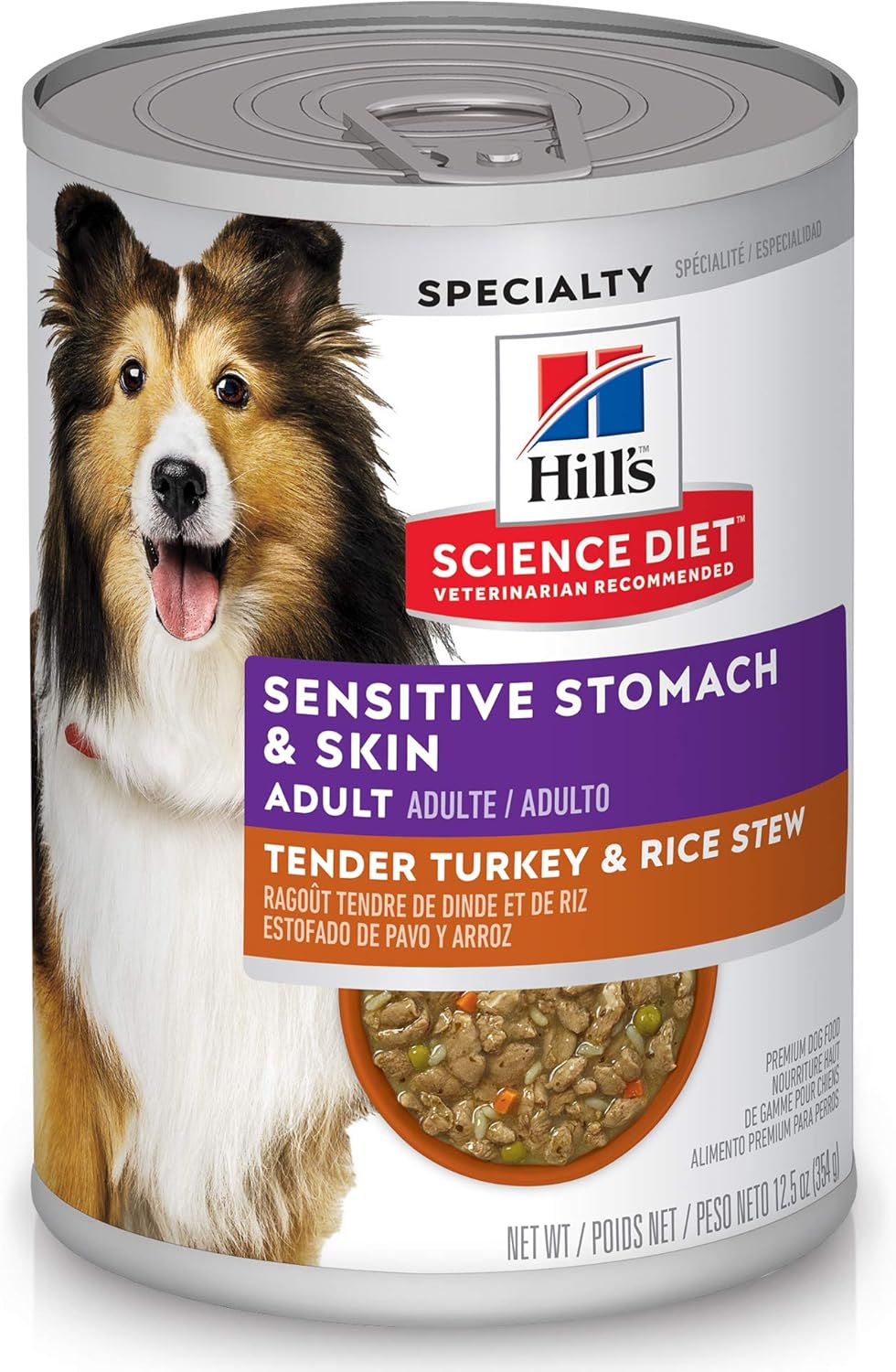
What to Look for When Buying Canned Dog Food for Senior Dogs with Allergies
1. Limited, Novel, or Hydrolyzed Protein Sources
Protein is the cornerstone of any dog’s diet, but for senior dogs with allergies, the type and source of protein matter immensely. Food allergies in dogs are almost always triggered by proteins—not grains, as commonly believed. Common culprits include beef, chicken, dairy, eggs, soy, and wheat. When your dog has a confirmed or suspected allergy, you need a formula that uses either a novel protein (one your dog has never eaten before) or a hydrolyzed protein (chemically broken down so the immune system doesn’t recognize it as an allergen).
Novel proteins might include duck, venison, rabbit, kangaroo, or even fish like salmon or whitefish—depending on your dog’s history. Hydrolyzed proteins are typically found in prescription diets and are highly effective for severe allergies. Always check the ingredient list: the first ingredient should be a named, high-quality protein source (e.g., “deboned duck” rather than “poultry by-product meal”). Avoid vague terms like “meat meal” or “animal digest,” which can mask allergenic ingredients.
2. Grain-Free vs. Grain-Inclusive: What’s Right for Your Dog?
The grain-free trend has dominated pet food marketing for years, but recent FDA investigations have raised concerns about a potential link between grain-free diets and dilated cardiomyopathy (DCM) in dogs. While the exact cause remains under study, many experts now recommend caution—especially for breeds predisposed to heart issues. For senior dogs with allergies, the key isn’t necessarily avoiding grains altogether, but identifying whether grains are actually the problem.
True grain allergies are rare in dogs. Most reactions attributed to grains are actually due to proteins in the grain (like wheat gluten) or cross-contamination during manufacturing. If your dog has been diagnosed with a grain allergy via elimination diet or blood testing, then grain-free may be necessary. However, if the allergy is to chicken or beef, a grain-inclusive diet with easily digestible carbohydrates like sweet potato, oats, or brown rice can be perfectly safe and beneficial. Look for formulas that use whole grains rather than refined flours, as they offer more fiber and nutrients to support senior digestion.
3. High Moisture Content for Hydration and Kidney Support
Canned dog food typically contains 70–80% moisture, which is a major advantage for senior dogs. As dogs age, their kidneys become less efficient at concentrating urine, increasing the risk of dehydration and urinary tract issues. Wet food helps maintain hydration, supports kidney function, and can make eating more appealing for dogs with reduced appetites or dental problems.
For senior dogs with allergies, hydration is even more critical. Allergic skin conditions often lead to excessive scratching, which can cause dry, cracked skin and secondary infections. Proper hydration helps maintain skin elasticity and supports the body’s natural detoxification processes. When comparing canned foods, prioritize those with high water content and avoid products with added fillers like corn syrup or excessive starch, which can dehydrate the body over time.
4. Digestibility and Gut Health Support
Senior dogs often experience slower digestion, reduced enzyme production, and changes in gut microbiota. When combined with food allergies, this can lead to chronic diarrhea, gas, bloating, or constipation. The best canned foods for allergic seniors are highly digestible, meaning the body can break them down and absorb nutrients efficiently with minimal waste.
Look for ingredients that support gut health, such as prebiotic fibers (like chicory root or beet pulp), probiotics (listed as live cultures), and easily digestible carbohydrates. Avoid artificial preservatives like BHA, BHT, and ethoxyquin, which can irritate the digestive tract. Also, check for the presence of omega-3 fatty acids (from fish oil or flaxseed), which have anti-inflammatory properties that can soothe both the gut and skin.
5. Joint and Mobility Support
Arthritis and joint stiffness are common in senior dogs, and inflammation from food allergies can exacerbate these issues. The best canned foods for allergic seniors include ingredients that support joint health, such as glucosamine, chondroitin, and MSM (methylsulfonylmethane). These compounds help maintain cartilage integrity and reduce pain and stiffness.
Additionally, omega-3 fatty acids—particularly EPA and DHA from fish oil—have been shown to reduce joint inflammation and improve mobility in older dogs. Look for formulas that list fish oil or salmon oil as a top ingredient. Avoid foods high in omega-6 fatty acids (like corn or soybean oil), which can promote inflammation when not balanced with omega-3s.
6. Calorie Density and Weight Management
Senior dogs typically have lower energy needs due to reduced activity levels, but they still require high-quality nutrition. Overfeeding can lead to obesity, which worsens joint problems, diabetes risk, and heart strain. Conversely, underfeeding can result in muscle loss and weakened immunity. The ideal canned food for a senior dog with allergies should be calorie-controlled yet nutrient-dense.
Check the calorie content per can (usually listed in kcal/kg or kcal per cup equivalent). Most senior dogs need between 20–30 kcal per pound of body weight daily, depending on activity level. If your dog is overweight, look for “light” or “low-calorie” formulas with added L-carnitine to support fat metabolism. If your dog is underweight or has a poor appetite, choose a higher-calorie option with rich, palatable proteins to encourage eating.
7. Brand Transparency and Manufacturing Practices
Not all pet food companies are equally transparent about their sourcing, testing, and manufacturing processes. For dogs with allergies, cross-contamination is a real risk—even in “limited ingredient” diets. Reputable brands will disclose whether their facilities process common allergens like chicken, beef, or grains, and whether they test for contaminants.
Look for brands that provide detailed ingredient sourcing information, conduct feeding trials (not just lab analysis), and are members of the Association of American Feed Control Officials (AAFCO). Avoid companies that use vague language, refuse to answer questions about manufacturing, or have a history of recalls. Reading third-party reviews and checking the FDA’s pet food recall database can also help you make a safer choice.
8. Palatability and Texture for Senior Dogs
As dogs age, their sense of smell and taste may decline, making them pickier eaters. A food that’s nutritionally perfect won’t help if your dog refuses to eat it. Canned food is often more palatable than dry kibble due to its aroma and moisture, but texture matters too. Some senior dogs prefer pâté, while others do better with chunks in gravy or shredded meat.
If your dog has dental issues or missing teeth, a smooth pâté or finely minced formula may be easier to chew and swallow. Avoid foods with large chunks or tough fibers that could cause discomfort. You can also enhance palatability by warming the food slightly (to room temperature or slightly above) or adding a small amount of low-sodium broth (ensure it’s onion- and garlic-free).
Different Types of Canned Dog Food for Senior Dogs with Allergies
Common Buying Mistakes to Avoid
❌ Mistake: Assuming “Grain-Free” Means Hypoallergenic
Why it’s bad: Many pet owners switch to grain-free food thinking it will solve allergy issues, but grains are rarely the true culprit. This can lead to unnecessary dietary restrictions and potential health risks, especially with the DCM concerns linked to certain grain-free diets.
What to do instead: Work with your vet to identify the actual allergen through an elimination diet. If grains aren’t the issue, choose a diet that addresses the real problem—whether it’s a protein source, additive, or preservative.
❌ Mistake: Ignoring the Full Ingredient List
Why it’s bad: Just because a can says “duck and potato” doesn’t mean those are the only ingredients. Hidden allergens like chicken fat, beef broth, or soy lecithin can be listed further down and still trigger reactions.
What to do instead: Read every ingredient, even the small-print ones. If you see anything your dog has reacted to before—even in trace amounts—avoid that product.
❌ Mistake: Switching Foods Too Quickly
Why it’s bad: Sudden diet changes can cause digestive upset, even if the new food is “better.” For dogs with allergies, this can mask whether the new food is truly helping or just causing a different kind of reaction.
What to do instead: Transition gradually over 7–10 days, mixing increasing amounts of the new food with the old. This allows the gut to adapt and gives you a clearer picture of how your dog responds.
❌ Mistake: Overlooking Moisture Content in Senior Diets
Why it’s bad: Senior dogs are prone to dehydration, and dry kibble doesn’t provide enough water. Feeding only dry food can worsen kidney function and make skin allergies worse due to dryness.
What to do instead: Incorporate canned food into your dog’s diet, even if it’s just as a topper. Aim for at least 50% wet food in their daily intake to support hydration.
❌ Mistake: Choosing Based on Price Alone
Why it’s bad: Cheap canned foods often use low-quality proteins, fillers, and artificial additives that can trigger allergies or fail to meet nutritional needs. Over time, this can lead to health complications and higher vet bills.
What to do instead: View pet food as an investment in your dog’s health. A slightly more expensive but high-quality diet can prevent costly medical issues down the line.
❌ Mistake: Not Consulting a Veterinarian
Why it’s bad: Self-diagnosing food allergies can lead to incorrect conclusions. Skin issues, for example, can be caused by environmental allergens, parasites, or infections—not food.
What to do instead: Always consult your vet before starting an elimination diet or switching to a hypoallergenic formula. They can help rule out other causes and recommend the best course of action.
❌ Mistake: Sticking to One Brand Indefinitely
Why it’s bad: While consistency is important, dogs can develop new sensitivities over time. Sticking to the same food for years without reassessment may lead to delayed reactions or nutritional imbalances.
What to do instead: Reevaluate your dog’s diet annually or whenever symptoms change. Rotate between compatible formulas if advised by your vet to reduce the risk of new allergies.
Budget Guidelines: How Much Should You Spend?
When it comes to feeding a senior dog with allergies, cost is a real concern—but it shouldn’t be the only factor. Here’s a breakdown of what you can expect at different price points:
- Entry-Level ($1.00 – $1.75 per can): These foods often use common proteins like chicken or beef and may include fillers like corn or wheat. While some brands in this range offer decent quality, they’re less likely to be truly hypoallergenic. Best for dogs with mild sensitivities or as a temporary solution while identifying allergens.
- Mid-Range ($1.75 – $3.00 per can): This is the sweet spot for most pet owners. You’ll find reputable brands offering limited ingredient diets, novel proteins, and added supplements like glucosamine and omega-3s. These foods balance affordability with quality and are ideal for managing moderate allergies in senior dogs.
- Premium ($3.00 – $5.00 per can): These formulas often use human-grade ingredients, hydrolyzed proteins, or exotic meats. They’re typically made in smaller batches with rigorous quality control. Best for dogs with severe allergies or those who need veterinary-level nutrition without a prescription.
- Luxury ($5.00+ per can): Reserved for prescription diets or ultra-premium brands, these foods are scientifically formulated to eliminate allergens and support complex health needs. Often recommended for dogs with chronic conditions or those unresponsive to over-the-counter options.

Expert Tips for Getting the Best Deal
- Time your purchases: Pet food sales often coincide with holidays like Black Friday, Memorial Day, or back-to-school season. Sign up for newsletters from trusted retailers to get early access to discounts.
- Compare unit prices: Don’t just look at the total cost per can—check the price per ounce or per 100 kcal to make accurate comparisons between different sizes and brands.
- Use subscription services: Many online pet stores (like Chewy, Petco, or Amazon) offer 5–15% off when you set up auto-delivery. This also ensures you never run out.
- Ask your vet about samples: Some prescription or therapeutic diets offer free samples. This lets you test the food before committing to a full case.
- Check return policies: If your dog doesn’t like the food or has a reaction, you want to be able to return it. Look for retailers with flexible return windows, especially for unopened cans.
- Read customer reviews carefully: Focus on reviews from owners of senior dogs with similar issues. Look for patterns in feedback about palatability, digestion, and allergy relief.
- Consider mixing wet and dry: If budget is tight, use canned food as a topper or mixer with a high-quality dry kibble. This boosts moisture and flavor without doubling your cost.
- Monitor your dog’s response: Keep a food journal noting what you feed, how your dog reacts, and any changes in symptoms. This helps you identify what works and justify the cost of premium options.

Frequently Asked Questions
Q: How do I know if my senior dog has a food allergy?
A: Common signs include chronic itching (especially around the ears, paws, and belly), recurring ear infections, gastrointestinal issues like vomiting or diarrhea, and skin rashes. Unlike environmental allergies, food allergies don’t typically respond to seasonal changes. A vet can help confirm the diagnosis through an elimination diet, which involves feeding a novel or hydrolyzed protein for 8–12 weeks while avoiding all other foods and treats.
Q: Can senior dogs develop food allergies later in life?
A: Yes. Dogs can develop allergies at any age, even if they’ve eaten the same food for years. This is because repeated exposure to an ingredient can sensitize the immune system over time. Senior dogs are especially prone due to age-related changes in gut permeability and immune function.
Q: Is it safe to feed grain-free food to my senior dog?
A: It depends. While grain-free diets are not inherently harmful, the FDA has investigated a potential link between certain grain-free diets (especially those high in legumes like peas and lentils) and DCM in dogs. If your dog is a breed at risk (like Dobermans, Boxers, or Cocker Spaniels), or if they have heart issues, consult your vet before choosing grain-free. For most dogs, grain-inclusive diets with whole grains are safe and beneficial.
Q: How long does it take to see improvement after switching foods?
A: For food allergies, it can take 8–12 weeks to see significant improvement, as the body needs time to clear the allergen and heal. Skin conditions may improve faster than gastrointestinal issues. Be patient and consistent—don’t switch foods prematurely.
Q: Can I make homemade food for my allergic senior dog?
A: Homemade diets can work, but they require careful formulation to ensure nutritional balance. Senior dogs with allergies often need specific ratios of protein, fat, fiber, and supplements. Work with a veterinary nutritionist to create a recipe that meets AAFCO standards. Improperly balanced homemade diets can lead to deficiencies or exacerbate health issues.
Q: What if my dog doesn’t like the new food?
A: Try warming it slightly, adding a small amount of low-sodium broth (check for onions and garlic), or mixing in a teaspoon of plain pumpkin puree for flavor and fiber. You can also gradually increase the proportion of new food over 10–14 days. If your dog still refuses to eat, consult your vet—there may be an underlying issue affecting appetite.
Q: Are prescription diets worth the cost?
A: For dogs with severe or multiple allergies, yes. Prescription diets are rigorously tested, highly controlled, and often the only option that provides complete allergen avoidance. While expensive, they can prevent costly vet visits for chronic conditions and significantly improve quality of life.
Q: Can I rotate between different hypoallergenic foods?
A: Rotation feeding can reduce the risk of developing new allergies, but it must be done carefully. Only rotate between foods with completely different protein sources (e.g., duck, then rabbit, then fish). Avoid rotating if your dog has a confirmed severe allergy, as even small exposures can trigger reactions.
Q: What should I do if my dog has a reaction to a new food?
A: Stop feeding the food immediately and contact your vet. Mild reactions (like itching or loose stool) may resolve once the food is removed. Severe reactions (vomiting, swelling, difficulty breathing) require emergency care. Keep a record of the food and symptoms to help your vet diagnose the issue.
Q: How often should I feed my senior dog canned food?
A: Most senior dogs do well with two meals per day to support digestion and blood sugar stability. The exact amount depends on their weight, activity level, and the calorie density of the food. Follow the feeding guidelines on the can and adjust based on your dog’s body condition score.
Our Final Recommendations
- Best for Budget-Conscious Buyers: Wellness Simple Limited Ingredient Diet Canned Dog Food (Salmon & Potato) – Offers a clean, novel protein formula at an affordable price, with no grains, fillers, or artificial additives. Great for mild to moderate allergies.
- Best Overall Value: Hill’s Science Diet Adult 7+ Sensitive Stomach & Skin Canned Dog Food (Chicken & Vegetable) – Combines digestibility, skin support, and joint health in a vet-recommended formula. Uses prebiotic fiber and omega-6 for coat health.
- Best Premium Option: Royal Canin Veterinary Diet Hydrolyzed Protein Canned Dog Food – A prescription-grade hydrolyzed protein diet ideal for severe allergies. Clinically proven to eliminate reactions and support long-term health.
- Best for Beginners: Blue Buffalo Basics Limited Ingredient Diet (Turkey & Potato) – Easy to find in stores, clearly labeled, and uses a single animal protein with no common allergens. Great for pet parents new to managing allergies.
- Best for Advanced Users: Purina Pro Plan Veterinary Diets HA Hydrolyzed Canned Dog Food – A scientifically advanced hydrolyzed formula for complex cases. Requires a vet’s authorization but offers unparalleled allergen control.
Conclusion: Making the Right Choice
Choosing the best canned dog food for a senior dog with allergies is one of the most impactful decisions you can make for their health and happiness. It’s not just about avoiding reactions—it’s about providing a diet that supports aging bodies, soothes sensitive systems, and enhances quality of life. By focusing on high-quality proteins, digestibility, hydration, and brand integrity, you can find a food that truly meets your dog’s needs.
Remember, every dog is unique. What works for one senior may not work for another. Be patient, observant, and proactive in working with your veterinarian. Keep detailed records, transition foods slowly, and don’t hesitate to seek professional guidance when needed. Your dog’s comfort, energy, and vitality are worth the effort.
Ultimately, the right food isn’t the most expensive or the most marketed—it’s the one that helps your senior dog thrive. Use this guide as your roadmap, trust your instincts, and prioritize your dog’s well-being above all else. With the right nutrition, your golden years together can be filled with comfort, joy, and tail wags.