

As our beloved canine companions age, their nutritional needs shift dramatically—especially when chronic health conditions like heart disease enter the picture. Senior dogs with heart conditions require specialized diets that support cardiovascular function, manage symptoms, and maintain overall vitality without overburdening their bodies. Unfortunately, the pet food market is flooded with options, many of which claim to be “senior-friendly” or “heart-healthy” but fall short in delivering the precise balance of nutrients these dogs truly need. This guide exists to cut through the noise, offering expert-backed, science-driven advice to help you make the safest, most informed choice for your aging pup.
In this comprehensive buying guide, you’ll learn exactly what to look for in canned dog food tailored to senior dogs with heart conditions. We’ll break down the critical nutritional components—such as low sodium, high-quality protein, and essential fatty acids—and explain why each matters for cardiac health. You’ll also discover how to interpret labels, avoid misleading marketing claims, and select brands that prioritize transparency and veterinary input. Whether you’re navigating congestive heart failure, valvular disease, or early-stage cardiomyopathy, this guide equips you with the knowledge to choose a diet that supports longevity, comfort, and quality of life.
The market for therapeutic and senior-specific pet foods has grown significantly in recent years, driven by increased awareness of pet health and advancements in veterinary nutrition. However, not all products are created equal. While some brands collaborate with veterinary cardiologists and use clinically tested formulations, others rely on vague terms like “natural” or “holistic” without substantiated benefits. Our goal is to empower you—not just as a pet owner, but as an advocate for your dog’s well-being—by providing actionable insights, real-world comparisons, and expert recommendations based on current veterinary guidelines and nutritional research.

What to Look for When Buying Canned Dog Food for Senior Dogs with Heart Conditions
1. Low Sodium Content
Sodium restriction is perhaps the most critical factor when selecting food for a senior dog with a heart condition. Excess sodium leads to fluid retention, which increases blood volume and puts additional strain on the heart—a dangerous cycle for dogs already struggling with compromised cardiac function. The American College of Veterinary Internal Medicine (ACVIM) recommends that dogs with heart disease consume diets containing less than 100 mg of sodium per 1,000 kcal of metabolizable energy. Many commercial “senior” foods exceed this threshold, so it’s essential to check the guaranteed analysis on the label or consult the manufacturer’s nutritional data.
Look for canned foods that explicitly state “low sodium” or “sodium-restricted.” Avoid products listing salt, sodium chloride, or sodium nitrate in the top five ingredients. Some brands even provide sodium content per can or per serving, making it easier to track daily intake. For example, Hill’s Prescription Diet h/d Heart Care contains approximately 60 mg sodium per 1,000 kcal, well within safe limits. Always consult your veterinarian before making dietary changes, especially if your dog is on diuretics like furosemide, which can alter electrolyte balance.
2. High-Quality, Digestible Protein
Contrary to outdated beliefs, senior dogs with heart disease do not necessarily require reduced protein intake. In fact, maintaining muscle mass is crucial for mobility, metabolism, and overall health—particularly as dogs age and naturally lose lean body mass. However, the source and digestibility of protein matter greatly. High-quality animal-based proteins (like chicken, turkey, lamb, or fish) are more bioavailable and easier on the kidneys than plant-heavy or by-product-laden formulas.
Look for named meat sources as the first ingredient—e.g., “deboned chicken” rather than “poultry by-product meal.” Avoid foods with excessive fillers like corn gluten meal or soybean meal, which offer lower nutritional value and may contribute to inflammation. Canned foods typically have higher moisture content, which aids digestion and helps prevent dehydration—a common issue in senior dogs. Aim for a crude protein level between 18% and 25% on a dry matter basis, depending on your dog’s individual needs and kidney function.
3. Omega-3 Fatty Acids (EPA & DHA)
Omega-3 fatty acids, particularly eicosapentaenoic acid (EPA) and docosahexaenoic acid (DHA), play a vital role in reducing inflammation, supporting heart rhythm, and improving endothelial function. Studies have shown that dogs with heart disease benefit from supplemental omega-3s, which can slow disease progression and improve exercise tolerance. The ideal ratio of omega-6 to omega-3 fatty acids in therapeutic diets is between 5:1 and 10:1—much lower than the 20:1 or higher ratios found in many standard kibbles.
When evaluating canned foods, check for added fish oil, salmon oil, or algae-based sources of DHA. Brands like Royal Canin Veterinary Diet Cardiac and Purina Pro Plan Veterinary Diets NF Kidney Function include clinically proven levels of EPA and DHA. Avoid products that only list “fish oil” without specifying EPA/DHA content, as concentrations can vary widely. If your chosen food is low in omega-3s, your vet may recommend a separate supplement, but always coordinate this to avoid overdosing.
4. Controlled Phosphorus Levels
While phosphorus restriction is primarily associated with kidney disease, it’s also relevant for senior dogs with heart conditions—especially those on long-term diuretic therapy, which can affect kidney function over time. Elevated phosphorus levels may contribute to vascular calcification and worsen cardiac workload. Although not as strictly regulated as sodium, phosphorus should be monitored in senior dogs, particularly if early kidney changes are present.
Look for canned foods with phosphorus levels below 0.6% on a dry matter basis. Many therapeutic cardiac diets are formulated with this in mind. For instance, Blue Buffalo Natural Veterinary Diet HF Heart + Mobility Care contains 0.55% phosphorus (dry matter), making it suitable for dogs with mild renal involvement. Always ask your vet for a full blood panel to assess kidney values before finalizing your diet choice.
5. Antioxidant Support
Oxidative stress plays a significant role in the progression of heart disease. As dogs age, their natural antioxidant defenses decline, leaving them more vulnerable to cellular damage. Diets rich in antioxidants—such as vitamin E, vitamin C, selenium, and beta-carotene—can help neutralize free radicals and support immune function.
Check the ingredient list for natural sources of antioxidants like blueberries, spinach, cranberries, or added vitamins. Avoid foods that rely solely on synthetic preservatives like BHA or BHT, which may have pro-oxidant effects at high doses. Many premium therapeutic brands fortify their formulas with antioxidant blends specifically designed for senior dogs. For example, Nutro Ultra Senior Wet Dog Food includes a trio of superfoods (kale, chia, and coconut) alongside added vitamins E and C.
6. Palatability and Texture
Senior dogs often experience decreased appetite due to medication side effects, dental pain, or reduced sense of smell. A highly palatable canned food can make the difference between adequate nutrition and malnutrition. Look for recipes with rich meat juices, gravies, or broth-based formulations that entice eating. Pâté-style textures are generally easier for older dogs to chew and digest than chunky or shredded varieties.
Some brands offer flavor variety packs (e.g., chicken, beef, lamb) to prevent food fatigue. If your dog is particularly finicky, consider warming the food slightly or mixing in a small amount of low-sodium bone broth (vet-approved). Avoid foods with artificial flavors or excessive sugar, which can disrupt gut health and contribute to weight gain.
7. Brand Transparency and Veterinary Backing
Not all pet food companies prioritize scientific rigor. When managing a serious condition like heart disease, it’s essential to choose brands that invest in research, employ veterinary nutritionists, and provide detailed nutritional profiles. Reputable companies will openly share feeding trials, ingredient sourcing, and manufacturing practices.
Look for brands that offer veterinary-exclusive lines (e.g., Hill’s Prescription Diet, Royal Canin Veterinary Diet, Purina Pro Plan Veterinary Diets) or those with strong clinical support, such as Wellness CORE Grain-Free Senior or Instinct Raw Boost Senior. Avoid obscure brands with vague labeling or those that refuse to disclose sodium or phosphorus content. Transparency builds trust—and when your dog’s health is on the line, trust matters.
8. Appropriate Caloric Density
Senior dogs typically have lower energy needs due to reduced activity levels, but those with heart disease may burn more calories simply trying to breathe or pump blood efficiently. Obesity exacerbates cardiac strain, while underweight dogs lack the reserves to fight illness. Therefore, caloric density must be carefully balanced.
Canned foods generally range from 300 to 500 kcal per 13 oz can. For weight management, choose lower-calorie options (around 300–350 kcal/can); for underweight dogs, opt for higher-density recipes (400+ kcal/can). Always adjust portion sizes based on your dog’s body condition score (BCS) and vet recommendations. Regular weigh-ins and body condition assessments are key to avoiding unintended weight fluctuations.
Different Types of Canned Dog Food for Senior Dogs with Heart Conditions

Common Buying Mistakes to Avoid
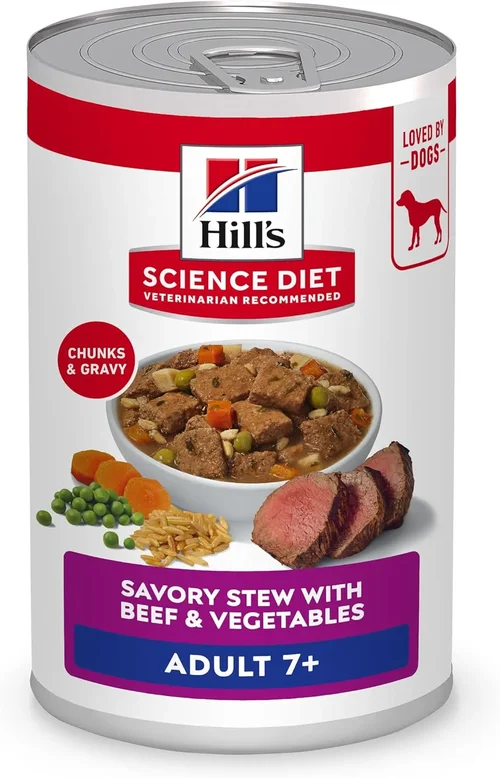
❌ Mistake: Choosing Based Solely on “Senior” Labeling
Why it’s bad: The term “senior” is unregulated and often used as a marketing tactic. Many so-called senior foods contain high sodium, excessive carbohydrates, or low-quality proteins that can worsen heart conditions.
What to do instead: Always read the guaranteed analysis and ingredient list. Prioritize sodium content, protein quality, and added functional nutrients over generic labeling.
❌ Mistake: Ignoring Prescription Diet Options
Why it’s bad: Over-the-counter “heart-healthy” foods may not meet the stringent nutritional standards required for managing cardiac disease. Prescription diets are formulated based on clinical research and feeding trials.
What to do instead: Consult your veterinarian about therapeutic diets like Hill’s h/d or Royal Canin Cardiac. These are often covered by pet insurance and can be purchased online with a vet’s authorization.
❌ Mistake: Over-Supplementing Without Guidance
Why it’s bad: Adding omega-3 supplements, CoQ10, or other nutraceuticals to an already balanced diet can lead to toxicity or nutrient imbalances, especially if the base food is already fortified.
What to do instead: Discuss all supplements with your vet. Many therapeutic diets already include optimal levels of supportive nutrients—adding more may be unnecessary or harmful.
❌ Mistake: Switching Foods Too Quickly
Why it’s bad: Sudden dietary changes can cause gastrointestinal upset, refusal to eat, or stress—all of which are particularly risky for dogs with heart conditions.
What to do instead: Transition gradually over 7–10 days, mixing increasing amounts of the new food with the old. Monitor appetite, stool quality, and energy levels closely.
❌ Mistake: Neglecting Hydration
Why it’s bad: Senior dogs with heart disease are prone to dehydration, which thickens blood and increases cardiac workload. Dry kibble exacerbates this risk.
What to do instead: Choose canned food with high moisture content (70–80%) and encourage water intake with multiple bowls, fountains, or low-sodium broths.
❌ Mistake: Buying in Bulk Without Testing
Why it’s bad: Senior dogs can be picky, and a large case of unsuitable food leads to waste and financial loss.
What to do instead: Purchase single cans or small variety packs first. Observe your dog’s acceptance, digestion, and energy levels before committing to a bulk order.
❌ Mistake: Overlooking Expiration Dates and Storage
Why it’s bad: Canned food loses nutritional integrity over time, and improper storage can lead to spoilage or bacterial growth—especially dangerous for immunocompromised seniors.
What to do instead: Check expiration dates at purchase, store unopened cans in a cool, dry place, and refrigerate leftovers for no more than 3–4 days.
Budget Guidelines: How Much Should You Spend?
Feeding a senior dog with a heart condition doesn’t have to break the bank—but cutting corners on nutrition can cost far more in vet bills down the line. Here’s a realistic breakdown of what to expect across price tiers:
- Entry-Level ($1.20–$1.80 per can): These options often include store brands or economy lines. While some may meet basic nutritional standards, they frequently contain higher sodium, fillers, and lower-quality proteins. Only consider if financially constrained—and always verify sodium content. Examples include certain Walmart or Kroger house brands.
- Mid-Range ($1.80–$2.80 per can): This is the sweet spot for most pet owners. Brands like Wellness, Nutro, and Blue Buffalo offer senior-specific canned foods with decent ingredient quality, moderate sodium control, and added antioxidants. Many are available at major retailers and online, making them accessible and reliable.
- Premium ($2.80–$4.00 per can): These include veterinary therapeutic diets and high-end natural brands. They feature clinically validated formulations, ultra-low sodium, high omega-3 content, and premium ingredients. Ideal for dogs with moderate to severe heart disease. Hill’s Prescription Diet, Royal Canin Veterinary Diet, and Purina Pro Plan Veterinary Diets fall here.
- Luxury ($4.00+ per can): Reserved for boutique or fresh-pressed brands like The Honest Kitchen, Open Farm, or Nom Nom. These use human-grade, ethically sourced ingredients and often provide personalized feeding plans. While excellent for overall health, ensure they meet cardiac-specific needs—some may be too high in sodium or fat.
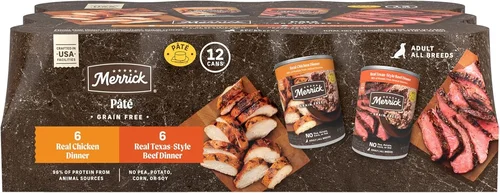
Expert Tips for Getting the Best Deal
- Buy During Seasonal Sales: Major retailers like Chewy, Petco, and Amazon often run promotions in January (New Year wellness), September (back-to-school for pets), and November (Black Friday). Stock up on non-perishable items during these periods.
- Use Subscription Services: Chewy and PetSmart AutoShip offer 5–15% off recurring orders and free shipping. Set reminders to review your dog’s needs quarterly—don’t let auto-ship lock you into an unsuitable product.
- Compare Unit Prices: Don’t just look at total cost—calculate price per ounce or per 100 kcal. A larger can may seem expensive but offer better value. Use online calculators or spreadsheet templates to compare.
- Check Veterinarian Rebates: Some brands (e.g., Hill’s, Royal Canin) offer rebates or free samples through your vet. These can offset initial costs while you trial a new diet.
- Read Return Policies: Ensure the retailer accepts returns on opened cans if your dog refuses the food. Chewy and Petco are generally flexible; smaller online stores may not be.
- Test Before Committing: Order single cans or variety packs first. Observe your dog’s coat, energy, stool, and appetite for 1–2 weeks before switching fully.
- Combine with Dry Food (If Appropriate): Some owners mix canned therapeutic food with a low-sodium kibble to reduce cost while maintaining hydration. Only do this under veterinary guidance to avoid nutrient imbalances.
- Monitor for Coupons and Cashback: Apps like Rakuten, Honey, or Ibotta often offer cashback on pet food purchases. Sign up for brand newsletters for exclusive promo codes.
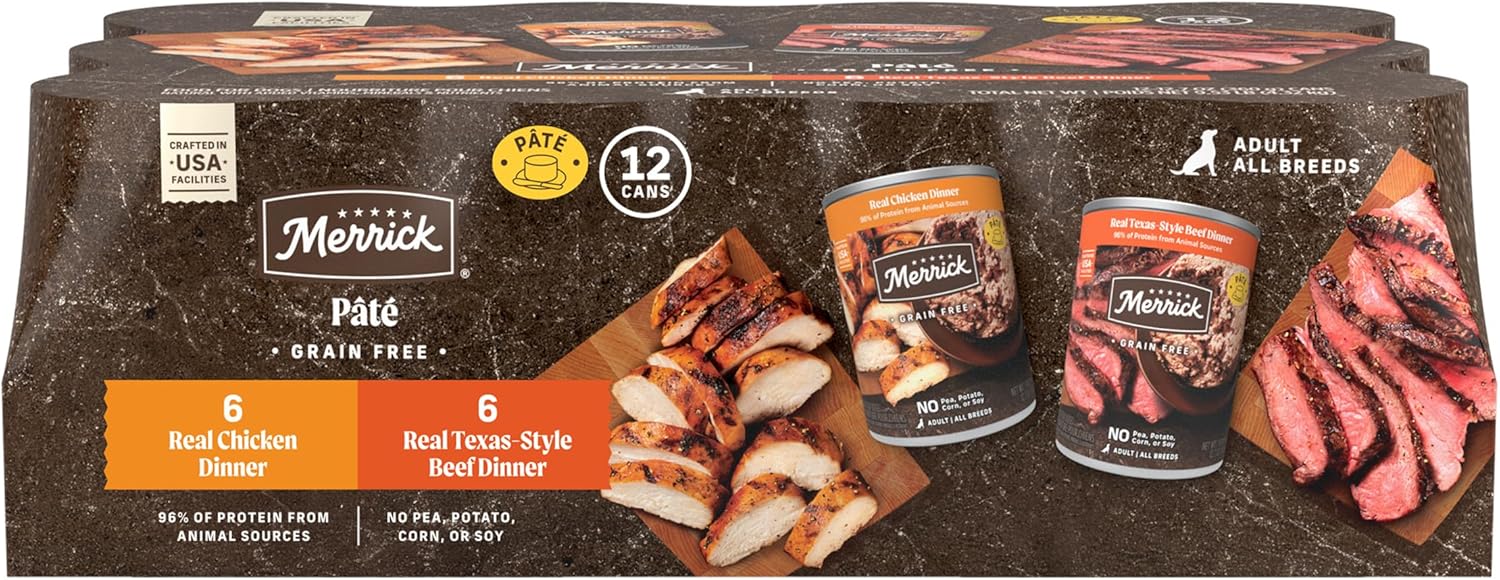
Frequently Asked Questions
Q: Can I feed my senior dog with heart disease regular senior canned food?
A: It depends. If the food is low in sodium (<100 mg/1,000 kcal), high in quality protein, and includes omega-3s, it may be acceptable for mild cases. However, dogs with diagnosed heart disease—especially those on medication—should ideally be on a veterinary therapeutic diet formulated specifically for cardiac support.
Q: How often should I feed my senior dog with heart disease?
A: Most vets recommend 2–3 small meals per day instead of one large meal. This reduces gastric distension and eases the heart’s workload. Avoid feeding immediately before or after vigorous activity.
Q: Is grain-free food better for dogs with heart conditions?
A: Not necessarily. While grain-free diets can benefit dogs with grain allergies, there’s no evidence they improve heart health. In fact, some grain-free foods use legumes (like peas or lentils) that have been linked to dilated cardiomyopathy (DCM) in rare cases. Focus on sodium, protein, and omega-3s—not grain content.
Q: Can I make homemade food for my dog with heart disease?
A: Yes, but only under strict veterinary supervision. Homemade diets require precise balancing of nutrients, especially sodium, taurine, and omega-3s. Work with a board-certified veterinary nutritionist to formulate a recipe that meets your dog’s needs.
Q: What signs indicate the food isn’t working?
A: Watch for increased coughing, labored breathing, lethargy, refusal to eat, weight loss, or swelling in the abdomen or limbs. These may signal that the diet isn’t adequately managing the condition. Schedule a vet visit promptly.
Q: Are there alternatives to canned food for hydration?
A: Yes. You can add water or low-sodium broth to dry kibble, use hydration gels, or offer ice cubes made from bone broth. However, canned food remains the most reliable source of moisture for senior dogs.
Q: How long does it take to see improvements on a new diet?
A: Some dogs show increased energy and appetite within days. For measurable cardiac benefits (like reduced fluid retention), it may take 4–8 weeks. Regular vet check-ups with echocardiograms are the best way to assess progress.
Q: Can puppies or younger dogs eat senior heart food?
A: No. These diets are formulated for lower energy needs and may lack sufficient calories, calcium, or other nutrients required for growth. Use only as directed by a veterinarian.
Q: Is it safe to switch between different therapeutic brands?
A: Generally, yes—but do so gradually and with vet approval. Different brands may have varying nutrient profiles, and abrupt changes can upset digestion or alter medication efficacy.
Q: What if my dog refuses to eat the new food?
A: Try warming it slightly, mixing in a small amount of low-sodium tuna juice or cooked chicken (vet-approved), or hand-feeding. If refusal persists beyond 24–48 hours, contact your vet—it could indicate worsening illness or dental pain.
Our Final Recommendations
- Best for Budget-Conscious Buyers: Blue Buffalo Natural Veterinary Diet HF Heart + Mobility Care – Offers excellent value with low sodium (0.35%), added glucosamine, and real deboned chicken. Priced around $2.20 per can, it’s widely available and vet-recommended.
- Best Overall Value: Hill’s Prescription Diet h/d Heart Care – The gold standard in cardiac nutrition, with clinically proven results, ultra-low sodium, and high palatability. Slightly pricier ($3.50/can) but worth the investment for dogs with moderate to severe heart disease.
- Best Premium Option: Royal Canin Veterinary Diet Cardiac – Developed in collaboration with veterinary cardiologists, this formula includes targeted levels of EPA/DHA, L-carnitine, and antioxidants. Ideal for dogs needing comprehensive cardiac and metabolic support.
- Best for Beginners: Wellness CORE Grain-Free Senior – A user-friendly, over-the-counter option with transparent labeling, low sodium, and high moisture. Great for owners new to managing senior health issues.
- Best for Advanced Users: Nom Nom Fresh Dog Food (Heart Health Recipe) – For owners willing to invest in personalized, fresh-pressed meals. Delivered weekly with portion control and vet-approved formulations. Requires subscription but offers unmatched freshness and customization.
Conclusion: Making the Right Choice
Choosing the right canned dog food for a senior dog with a heart condition is one of the most impactful decisions you can make as a pet parent. It’s not just about convenience or cost—it’s about extending quality of life, reducing symptom burden, and giving your dog the best possible chance at comfort and joy in their golden years. By prioritizing low sodium, high-quality protein, omega-3 fatty acids, and brand transparency, you’re not just feeding your dog—you’re supporting their heart, their mobility, and their spirit.
Remember, every dog is unique. What works for one senior with mitral valve disease may not suit another with dilated cardiomyopathy. Always partner with your veterinarian, monitor your dog’s response closely, and don’t hesitate to adjust as their needs evolve. The right diet, combined with love, regular check-ups, and attentive care, can make all the difference.
Take the time to read labels, ask questions, and invest in nutrition that truly matters. Your dog’s heartbeat—steady, strong, and full of life—is worth every effort.