

As our beloved canine companions age, their nutritional needs evolve in ways that can significantly impact their health, comfort, and overall quality of life. Senior dogs—typically those over seven years old, though this varies by breed—often face a range of age-related challenges, including reduced metabolism, joint stiffness, dental issues, and notably, sensitive digestive systems. A sensitive stomach in an older dog can manifest as frequent gas, diarrhea, vomiting, or difficulty maintaining a healthy weight. These symptoms aren’t just uncomfortable; they can signal underlying health issues or poor nutrient absorption, which may accelerate the aging process if left unaddressed.
This is where choosing the right canned dog food becomes critically important. Unlike dry kibble, canned food offers higher moisture content, which supports kidney function and hydration—especially vital for senior dogs prone to urinary or kidney issues. Additionally, many canned formulas are crafted with easily digestible proteins, limited ingredients, and gentle fibers to soothe sensitive stomachs. With the pet food market flooded with options—ranging from budget-friendly brands to premium veterinary-grade formulas—it’s easy for pet parents to feel overwhelmed. That’s why this comprehensive buying guide exists: to cut through the noise, demystify the labels, and help you make an informed, compassionate choice for your aging pup.
In this guide, you’ll learn how to evaluate canned dog food specifically tailored for senior dogs with sensitive stomachs. We’ll break down the key factors to consider—from ingredient quality and protein sources to moisture content and digestibility—and explain why each matters for your dog’s unique needs. You’ll also discover common pitfalls to avoid, budget-friendly strategies, and expert tips to ensure you’re getting the best value without compromising on nutrition. Whether you’re transitioning your senior dog from kibble to wet food or simply looking to upgrade their current diet, this guide will equip you with the knowledge to choose a product that supports long-term health, digestive comfort, and vitality. The market for senior-specific canned dog food has grown significantly in recent years, with brands like Hill’s Science Diet, Royal Canin, Purina Pro Plan, and Blue Buffalo leading the charge—but not all formulas are created equal. By the end of this article, you’ll know exactly what to look for, what to avoid, and how to find the perfect match for your dog’s age, size, and digestive sensitivities.
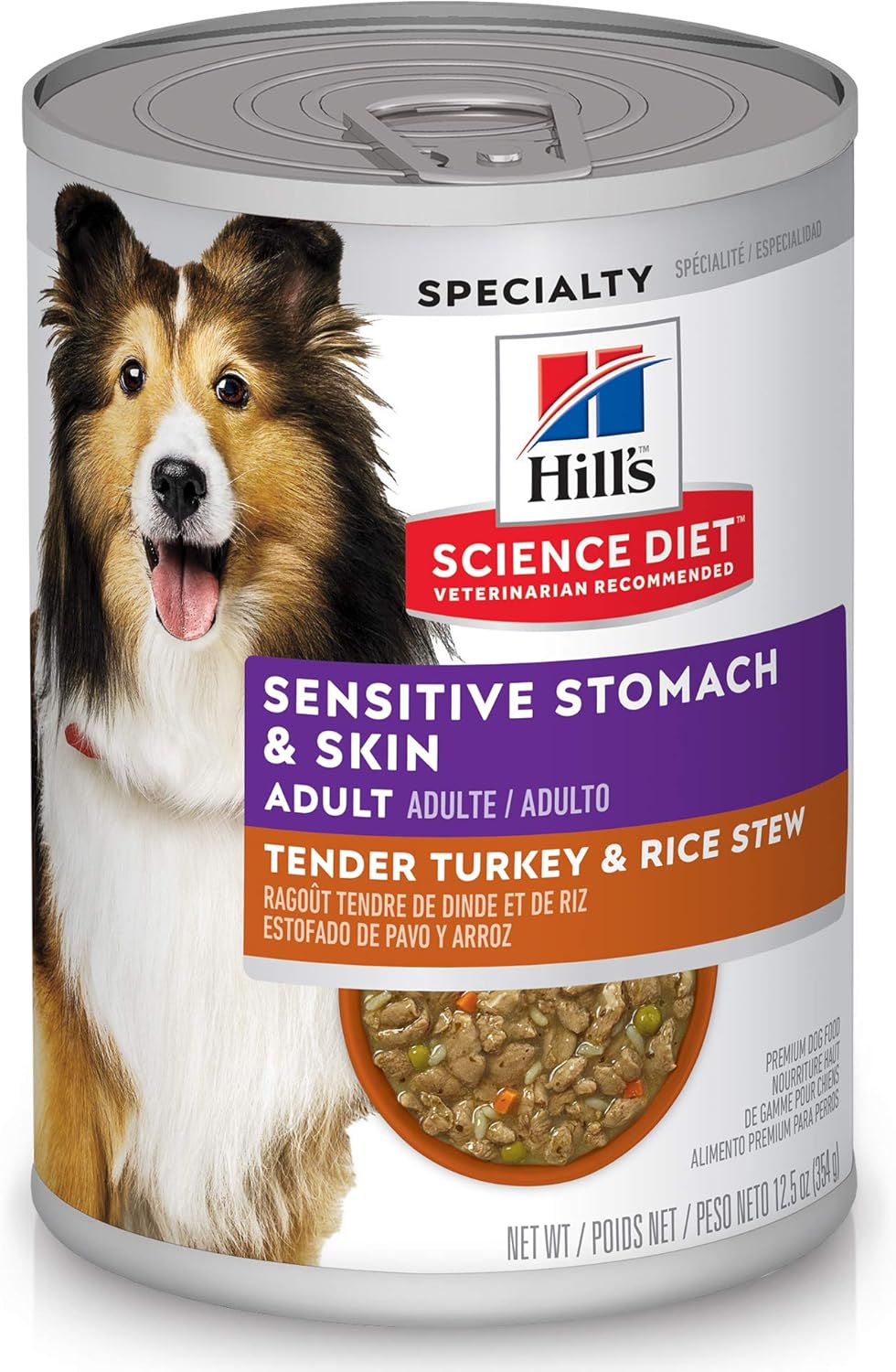
What to Look for When Buying Canned Dog Food for Senior Dogs with Sensitive Stomachs
1. High-Quality, Easily Digestible Protein Sources
Protein is the cornerstone of any dog’s diet, but for senior dogs with sensitive stomachs, not all proteins are equal. As dogs age, their ability to digest and utilize protein can decline, making it essential to choose formulas with highly digestible, bioavailable protein sources. Look for named animal proteins listed as the first ingredient—such as deboned chicken, turkey meal, or lamb—rather than vague terms like “meat by-products” or “animal digest.” These high-quality proteins are easier on the digestive system and provide essential amino acids needed to maintain muscle mass, which naturally diminishes with age.
Avoid common allergens like beef, chicken by-products, or soy, which can trigger gastrointestinal upset in sensitive dogs. Instead, consider novel proteins such as duck, rabbit, or venison, especially if your dog has shown signs of food intolerance. These less-common proteins are less likely to provoke an immune response and are often used in hypoallergenic or limited-ingredient diets. Additionally, some senior formulas include hydrolyzed proteins—proteins broken down into smaller molecules—which are ultra-easy to digest and ideal for dogs with chronic digestive issues.
2. Limited Ingredient Formulas
For senior dogs with sensitive stomachs, simplicity is key. Limited ingredient diets (LIDs) contain fewer components, reducing the likelihood of digestive irritation or allergic reactions. These formulas typically feature one primary protein source and one carbohydrate source, minimizing the risk of exposure to problematic additives or fillers. For example, a canned food with duck and sweet potato as the main ingredients is far less likely to cause upset than a multi-protein blend with grains, legumes, and artificial preservatives.
When evaluating limited ingredient options, check the ingredient list for hidden culprits like corn syrup, artificial colors, or unnamed meat meals. Even “natural” flavors can be vague and potentially problematic. The best LIDs are transparent, listing every ingredient clearly and avoiding unnecessary additives. Brands like Wellness Simple and Natural Balance L.I.D. specialize in these types of formulas and are widely recommended by veterinarians for dogs with digestive sensitivities.
3. High Moisture Content (70% or More)
One of the biggest advantages of canned dog food over dry kibble is its high water content—typically ranging from 70% to 85%. This is especially beneficial for senior dogs, who are more prone to dehydration due to reduced thirst drive and declining kidney function. Adequate hydration supports healthy kidney function, aids digestion, and helps prevent urinary tract infections, which are common in older dogs.
For dogs with sensitive stomachs, moisture-rich food can also ease the passage of food through the digestive tract, reducing the risk of constipation or hard stools. Additionally, wet food is often more palatable, encouraging appetite in senior dogs who may be experiencing a diminished sense of smell or dental pain. When comparing products, look for cans that list water or broth as one of the first ingredients, and avoid those with excessive thickening agents like carrageenan, which some studies suggest may contribute to gut inflammation.
4. Added Digestive Support (Probiotics, Prebiotics, and Fiber)
Digestive health is paramount for senior dogs, and many high-quality canned foods now include functional ingredients designed to support gut balance. Probiotics—live beneficial bacteria—help maintain a healthy microbiome, improving nutrient absorption and reducing diarrhea or gas. Look for strains like Lactobacillus acidophilus or Enterococcus faecium listed on the label.
Prebiotics, such as fructooligosaccharides (FOS) or mannan oligosaccharides (MOS), serve as food for these good bacteria, promoting their growth and activity. Together, probiotics and prebiotics create a synergistic effect that can significantly improve digestive comfort.
Fiber is another critical component. Soluble fibers like pumpkin, psyllium husk, or beet pulp help regulate bowel movements and can alleviate both diarrhea and constipation. Insoluble fibers, such as cellulose, add bulk to stools and support regular digestion. However, avoid excessive fiber, as too much can lead to gas or nutrient malabsorption.
5. Joint and Cognitive Support Ingredients
While the primary focus is on digestive health, senior dogs also benefit from formulas that address other age-related concerns. Look for canned foods enriched with glucosamine and chondroitin, which support joint health and may help manage arthritis—a common issue in older dogs. These compounds help maintain cartilage integrity and reduce inflammation, improving mobility and comfort.
Cognitive decline is another concern for senior dogs, often referred to as canine cognitive dysfunction (CCD), similar to dementia in humans. Diets containing omega-3 fatty acids (especially DHA from fish oil), antioxidants (like vitamin E and C), and medium-chain triglycerides (MCTs) have been shown to support brain health and may slow cognitive decline. Brands like Hill’s Science Diet Senior Vitality and Royal Canin Aging 12+ include these neuroprotective ingredients in their formulations.
6. Appropriate Caloric Density and Fat Content
Senior dogs typically have lower energy needs due to reduced activity levels, making it easy for them to gain weight if overfed. However, those with sensitive stomachs may struggle to maintain weight due to poor nutrient absorption or reduced appetite. The ideal canned food strikes a balance—providing enough calories to sustain energy without excess fat that can strain the liver or pancreas.
Look for formulas with moderate fat content (around 10–15% on a dry matter basis) and high-quality fat sources like chicken fat or salmon oil. These provide essential fatty acids for skin, coat, and brain health without overwhelming the digestive system. Avoid foods with excessive fat or low-quality oils like corn oil or soybean oil, which offer fewer nutritional benefits and may contribute to inflammation.
Caloric density is also important. Some senior formulas are designed to be energy-dense, allowing smaller portions to meet nutritional needs—ideal for dogs with small appetites. Others are lower in calories to prevent weight gain. Always check the feeding guidelines and adjust portions based on your dog’s weight, activity level, and body condition.
7. No Artificial Additives or Fillers
Artificial preservatives, colors, and flavors are not only unnecessary but can be harmful to dogs with sensitive stomachs. Ingredients like BHA, BHT, and ethoxyquin have been linked to health concerns, including liver damage and allergic reactions. Similarly, artificial colors (e.g., Red 40, Yellow 5) serve no nutritional purpose and may trigger hyperactivity or digestive upset.
Fillers such as corn, wheat, and soy are often used to bulk up food cheaply but offer little nutritional value and can be difficult to digest. They’re also common allergens. Instead, opt for formulas that use whole-food carbohydrates like brown rice, oats, or quinoa, which provide energy and fiber without the digestive burden.
8. Veterinarian Recommended and AAFCO Compliant
When it comes to senior nutrition, trust matters. Choose canned dog food that is veterinarian recommended and formulated to meet the nutritional standards set by the Association of American Feed Control Officials (AAFCO). AAFCO compliance ensures the food provides complete and balanced nutrition for your dog’s life stage.
Many premium brands conduct feeding trials to validate their claims, offering greater assurance of safety and efficacy. While not all excellent foods undergo trials (due to cost), AAFCO statements on the label—such as “formulated to meet the nutritional levels established by the AAFCO Dog Food Nutrient Profiles for adult maintenance”—are a good baseline.
Additionally, consider consulting your veterinarian before making a switch, especially if your dog has underlying health conditions like kidney disease, diabetes, or pancreatitis. Your vet may recommend a therapeutic diet available only through veterinary channels.
Different Types of Canned Dog Food for Senior Dogs
Common Buying Mistakes to Avoid
❌ Mistake: Choosing Based Solely on Price
Why it’s bad: While budget is important, the cheapest canned food often contains low-quality proteins, fillers, and artificial additives that can worsen digestive issues in senior dogs. Over time, this can lead to malnutrition, weight loss, or chronic health problems, resulting in higher veterinary costs.
What to do instead: Focus on value, not just cost. Look for formulas that offer high-quality ingredients, digestive support, and AAFCO compliance within your budget. Consider buying in bulk or during sales to reduce per-can cost without sacrificing quality.
❌ Mistake: Ignoring the Ingredient List
Why it’s bad: Marketing claims like “natural,” “holistic,” or “premium” are unregulated and can be misleading. A food labeled “grain-free” might still contain legumes or potatoes that cause gas or inflammation in sensitive dogs.
What to do instead: Always read the full ingredient list. Prioritize named animal proteins, avoid artificial additives, and watch for hidden allergens. If you can’t pronounce it or don’t know what it is, it’s probably not ideal.
❌ Mistake: Switching Foods Too Quickly
Why it’s bad: Sudden dietary changes can shock a senior dog’s digestive system, leading to diarrhea, vomiting, or refusal to eat. This is especially risky for dogs with sensitive stomachs.
What to do instead: Transition gradually over 7–10 days. Start by mixing 25% new food with 75% old food, increasing the ratio every few days until fully switched. Monitor stool quality and appetite throughout.
❌ Mistake: Overlooking Portion Size and Feeding Frequency
Why it’s bad: Senior dogs have slower metabolisms and may not self-regulate intake. Overfeeding can lead to obesity, while underfeeding can cause muscle loss and weakness.
What to do instead: Follow the feeding guidelines on the label, but adjust based on your dog’s body condition, activity level, and vet recommendations. Consider splitting meals into smaller, more frequent feedings to aid digestion.
❌ Mistake: Assuming All “Senior” Foods Are Equal
Why it’s bad: Not all senior formulas are designed for sensitive stomachs. Some are high in fat, contain grains, or lack digestive support, making them unsuitable for dogs with gastrointestinal issues.
What to do instead: Look for formulas specifically labeled for “senior dogs with sensitive digestion” or “digestive care.” These are more likely to include probiotics, limited ingredients, and gentle fibers.
❌ Mistake: Not Consulting a Veterinarian
Why it’s bad: Digestive issues in senior dogs can be symptoms of serious conditions like pancreatitis, IBD, or kidney disease. Treating them with diet alone without a proper diagnosis can delay necessary medical care.
What to do instead: Schedule a vet visit if your dog shows persistent vomiting, diarrhea, weight loss, or changes in appetite. Your vet can recommend appropriate diagnostic tests and therapeutic diets if needed.
❌ Mistake: Sticking to One Brand Indefinitely
Why it’s bad: Dogs can develop sensitivities to ingredients over time, even if they’ve been eating the same food for years. A sudden intolerance can develop, leading to digestive upset.
What to do instead: Rotate between two or three trusted brands or formulas every 3–6 months to reduce the risk of developing new allergies. Keep transitions gradual and monitor for reactions.
Budget Guidelines: How Much Should You Spend?
Entry-Level ($1.50–$2.50 per 12.5 oz can): These options are often available at big-box retailers and include brands like Purina ONE Senior and Iams ProActive Health. While convenient and affordable, they may contain by-products, grains, or artificial preservatives. Best for dogs with mild sensitivities or as a temporary solution.
Mid-Range ($2.50–$3.50 per 12.5 oz can): This is the sweet spot for most pet owners. Brands like Blue Buffalo Life Protection Senior, Wellness Complete Health Senior, and Nutro Ultra Senior offer high-quality proteins, limited fillers, and added digestive support. These formulas balance cost and nutrition effectively.
Premium ($3.50–$5.00 per 12.5 oz can): Ideal for dogs with moderate to severe digestive issues. Brands such as Hill’s Science Diet, Royal Canin, and Orijen Senior include clinically proven ingredients, probiotics, and joint support. Often recommended by veterinarians.
Luxury ($5.00+ per 12.5 oz can): Top-tier options like The Honest Kitchen, Ziwi Peak, and Open Farm use human-grade ingredients, novel proteins, and air-dried or freeze-dried elements. These are best for dogs with complex health needs or owners seeking the absolute highest quality.

Expert Tips for Getting the Best Deal
- Buy in bulk: Many online retailers (Chewy, Amazon) offer discounts on multi-can purchases. Look for “subscribe and save” options for recurring deliveries.
- Watch for seasonal sales: Pet food brands often run promotions around holidays like Black Friday, Cyber Monday, or National Pet Day.
- Check for rebates and coupons: Sign up for brand newsletters or use apps like Fetch Rewards to earn cash back on pet purchases.
- Compare unit prices: Don’t just look at the total cost—compare price per ounce to find the best value.
- Consider store brands: Some pet stores (e.g., Petco’s Authority, Chewy’s Tylee’s) offer high-quality formulas at lower prices than name brands.
- Ask your vet about samples: Many veterinary clinics provide free samples of therapeutic diets, allowing you to test before committing.
- Read return policies: Ensure the retailer allows returns if your dog doesn’t tolerate the food.

Frequently Asked Questions
Q: Can I mix canned food with dry kibble for my senior dog?
A: Yes, many owners use a combination of wet and dry food to increase palatability and moisture intake. Just ensure the total daily calories are balanced and adjust portions accordingly. Mixing can also help transition picky eaters to wet food.
Q: How often should I feed my senior dog canned food?
A: Most senior dogs benefit from two smaller meals per day to aid digestion and maintain energy levels. However, some may prefer three smaller meals, especially if they have a sensitive stomach.
Q: Is grain-free food better for senior dogs with sensitive stomachs?
A: Not necessarily. While grain-free diets can help dogs with grain allergies, many senior dogs tolerate grains like rice or oats well. The key is identifying individual sensitivities—grain-free isn’t automatically healthier.
Q: Can canned food cause dental problems in senior dogs?
A: Wet food is softer and doesn’t provide the mechanical cleaning action of kibble, so dental care is important. Brush your dog’s teeth regularly or use dental chews to prevent plaque buildup.
Q: How long can I store opened canned dog food?
A: Store opened cans in the refrigerator for up to 5–7 days. Use an airtight container to prevent odor absorption and bacterial growth. Never leave wet food out at room temperature for more than 2 hours.
Q: Should I warm canned food before serving?
A: Warming enhances aroma and can stimulate appetite in senior dogs. Use warm (not hot) water or microwave briefly, stirring well to avoid hot spots. Always test temperature before serving.
Q: What if my dog refuses to eat canned food?
A: Try mixing it with a small amount of warm water or low-sodium broth to increase appeal. Gradually increase the ratio over time. If refusal persists, consult your vet—it could signal dental pain or illness.
Q: Are homemade diets better than canned food?
A: Homemade diets can be nutritious but require careful balancing to avoid deficiencies. Unless formulated by a veterinary nutritionist, they may lack essential nutrients. Canned food offers convenience and guaranteed balance.
Q: Can I feed puppy food to my senior dog?
A: No. Puppy food is higher in calories, fat, and certain nutrients that can be harmful to older dogs. It may contribute to obesity or strain organs.
Q: How do I know if the food is working?
A: Look for improvements in stool consistency, energy levels, coat condition, and appetite. A healthy senior dog should have firm stools, maintain a stable weight, and show interest in food.
Our Final Recommendations
Best for Budget-Conscious Buyers: Purina Pro Plan Senior Wet Dog Food with Salmon & Rice – Offers high-quality protein, omega-3s, and digestive support at an affordable price. Widely available and vet-recommended.
Best Overall Value: Blue Buffalo Life Protection Formula Senior Chicken & Brown Rice – Combines real deboned chicken, whole grains, and LifeSource Bits with antioxidants. Excellent balance of nutrition and cost.
Best Premium Option: Hill’s Science Diet Senior Wet Dog Food with Chicken & Vegetables – Clinically proven to support digestive health, joint function, and immune system. Ideal for dogs with moderate sensitivities.
Best for Beginners: Wellness Simple Limited Ingredient Diet Duck & Potato – Easy-to-digest, grain-free formula perfect for first-time switchers. Minimal ingredients reduce risk of reaction.
Best for Advanced Users: Royal Canin Veterinary Diet Gastrointestinal Low Fat Canned – Therapeutic formula for dogs with chronic digestive issues. Requires vet authorization but highly effective.
Conclusion: Making the Right Choice
Choosing the best canned dog food for your senior dog with a sensitive stomach is one of the most impactful decisions you can make for their health and happiness. It’s not just about filling their bowl—it’s about providing nutrition that supports digestion, hydration, joint health, and overall vitality during their golden years. By focusing on high-quality proteins, limited ingredients, moisture content, and digestive support, you can significantly improve your dog’s comfort and quality of life.
Remember, every dog is unique. What works for one senior pup may not suit another. Take the time to read labels, consult your veterinarian, and observe your dog’s response to new food. Avoid common pitfalls like rushing transitions or prioritizing price over quality. With the right information and a little patience, you’ll find a formula that keeps your aging companion thriving.
Ultimately, the best food is one that your dog enjoys eating, digests well, and helps them maintain a healthy weight and active lifestyle. Use this guide as your roadmap, but let your dog’s individual needs be your compass. Your love and attention are the greatest gifts you can give—and the right food is a powerful way to show it.