
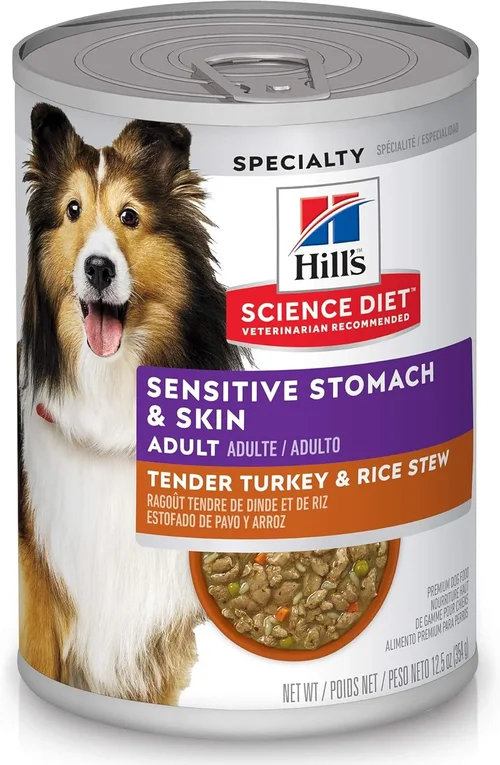
When it comes to your dog’s health, few things are as telling—or as important—as their poop. Solid, well-formed stools are a strong indicator of digestive health, proper nutrient absorption, and overall wellness. Yet, many dog owners unknowingly feed their pets canned food that leads to loose stools, irregular digestion, or inconsistent bowel movements. Whether you’re dealing with chronic diarrhea, occasional digestive upset, or simply want to optimize your dog’s gut health, choosing the right canned dog food can make all the difference.
This comprehensive buying guide is designed for dog parents who prioritize digestive health and want to make informed, science-backed decisions about their pet’s nutrition. We’ll walk you through everything you need to know—from understanding what makes canned food promote solid poop to evaluating ingredients, brands, and price points. By the end of this guide, you’ll have the knowledge and confidence to select a high-quality canned dog food that supports healthy digestion, reduces gastrointestinal issues, and keeps your pup’s bathroom habits on track.
The market for canned dog food has exploded in recent years, with hundreds of brands offering everything from grain-free formulas to limited-ingredient diets, novel proteins, and vet-recommended recipes. While variety is a good thing, it also makes choosing the right product overwhelming. Some foods claim to support digestive health but fall short due to poor ingredient quality, excessive fillers, or imbalanced nutrition. Others may work for some dogs but cause issues in others due to sensitivities or intolerances. Our goal is to cut through the noise and help you identify the best canned dog food options that consistently deliver solid, healthy stools—without compromising on taste, nutrition, or value.
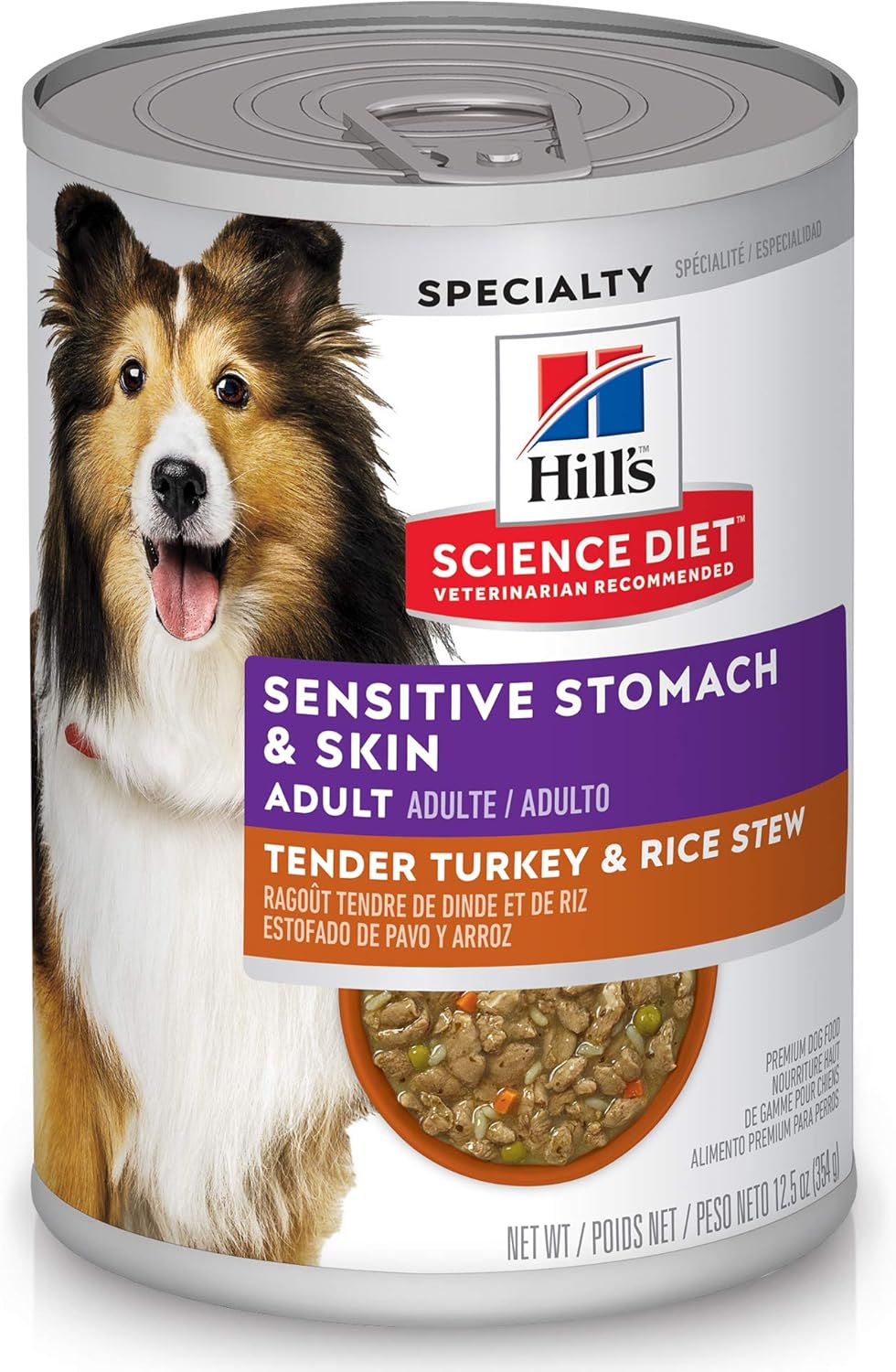
What to Look for When Buying Canned Dog Food for Solid Poop
1. High-Quality, Digestible Protein Sources
Protein is the foundation of any dog’s diet, but not all proteins are created equal—especially when it comes to digestion. Dogs thrive on animal-based proteins that are easily broken down and absorbed by their digestive systems. Look for named meat sources like “chicken,” “turkey,” “beef,” or “salmon” listed as the first ingredient. Avoid vague terms like “meat meal” or “animal by-products,” which can indicate lower-quality, less digestible protein.
Highly digestible proteins reduce the workload on your dog’s digestive tract, leading to better nutrient absorption and firmer stools. For example, chicken and turkey are generally well-tolerated by most dogs and are less likely to cause gastrointestinal upset compared to exotic or novel proteins like kangaroo or alligator—unless your dog has a specific allergy. Additionally, some brands use hydrolyzed proteins, which are broken down into smaller molecules for easier digestion, making them ideal for dogs with sensitive stomachs or food intolerances.
2. Limited, Recognizable Ingredients
Simplicity is key when it comes to digestive health. The fewer ingredients in a canned dog food, the easier it is to pinpoint what’s causing digestive upset—if any. Look for recipes with short ingredient lists that feature whole foods like real meat, vegetables, and healthy fats. Avoid foods with long lists of artificial additives, preservatives, colors, or flavor enhancers.
Common culprits that can lead to loose stools include corn, soy, wheat, and artificial sweeteners like xylitol (which is toxic to dogs). Even some “natural” ingredients like beet pulp or pea fiber can cause digestive issues in sensitive dogs if included in large amounts. Instead, opt for foods that use easily digestible carbohydrates like sweet potatoes, pumpkin, or brown rice—ingredients known for their gentle effect on the gut.
3. Added Fiber for Digestive Regularity
Fiber plays a crucial role in forming solid, well-structured stools. It adds bulk to the stool, slows digestion, and helps regulate bowel movements. However, not all fiber is beneficial. Soluble fiber (found in pumpkin, oats, and apples) absorbs water and forms a gel-like substance that softens stool, while insoluble fiber (found in cellulose, beet pulp, and pea hulls) adds bulk and speeds up transit time.
For dogs with loose stools, a balanced mix of both types of fiber is ideal. Look for canned foods that include natural fiber sources like pumpkin, sweet potato, or flaxseed. These ingredients not only support digestion but also provide additional nutrients. Avoid foods with excessive amounts of indigestible fillers like corn gluten meal or soybean hulls, which can irritate the gut and lead to inconsistent stools.
4. Probiotics and Prebiotics for Gut Health
A healthy gut microbiome is essential for digestion, nutrient absorption, and immune function. Probiotics are live beneficial bacteria that help maintain a balanced gut environment, while prebiotics are non-digestible fibers that feed these good bacteria. Together, they promote regular bowel movements and reduce the risk of diarrhea or constipation.
When shopping for canned dog food, look for products that include probiotics like Lactobacillus or Bifidobacterium, or prebiotics like inulin, fructooligosaccharides (FOS), or mannan oligosaccharides (MOS). These ingredients are often listed on the label or in the guaranteed analysis. Some premium brands even use enteric-coated probiotics to ensure they survive the acidic environment of the stomach and reach the intestines alive.
5. Moisture Content and Hydration
Canned dog food typically contains 70–80% moisture, which is significantly higher than dry kibble. This high water content helps keep your dog hydrated, supports kidney function, and aids in digestion. Proper hydration is essential for forming solid stools—dehydration can lead to hard, dry stools or constipation, while excessive water intake without fiber can result in loose stools.
However, not all moisture is equal. Some brands use water or broth as a filler, which doesn’t contribute much nutritionally. Look for foods that use bone broth, meat juices, or vegetable broths, as these add flavor and nutrients. Also, consider your dog’s overall water intake. If they drink very little water, canned food can be a great way to boost hydration and improve stool consistency.
6. Grain-Free vs. Grain-Inclusive: What’s Best for Digestion?
The grain-free trend has dominated the pet food market for years, but recent studies have raised concerns about a potential link between grain-free diets and dilated cardiomyopathy (DCM) in dogs. While the exact cause is still under investigation, some experts believe that legumes (like peas and lentils) and potatoes—common substitutes for grains—may interfere with taurine absorption, a vital amino acid for heart health.
For digestive health, the choice between grain-free and grain-inclusive depends on your dog’s individual needs. Some dogs digest grains like rice, oats, or barley very well and benefit from the fiber and nutrients they provide. Others may have grain sensitivities or allergies, in which case a grain-free formula with alternative carbohydrates (like sweet potatoes) may be better.
The key is to choose a food that your dog tolerates well. If your dog has solid stools on a grain-inclusive diet, there’s no need to switch. But if they experience gas, bloating, or loose stools, a grain-free option might be worth trying—just ensure it’s nutritionally balanced and doesn’t rely heavily on legumes.
7. Brand Transparency and Quality Control
Not all pet food brands are created equal when it comes to quality control, sourcing, and manufacturing practices. Reputable brands conduct regular testing for contaminants, pathogens, and nutritional adequacy. They also provide clear information about where their ingredients come from and how their food is made.
Look for brands that:
– Are AAFCO (Association of American Feed Control Officials) compliant
– Conduct feeding trials (not just formulation analysis)
– Provide batch codes and expiration dates
– Offer customer service and vet support
– Have a history of recalls (check the FDA’s pet food recall database)
Transparency builds trust. Brands that openly share their sourcing, testing, and manufacturing processes are more likely to produce consistent, high-quality food that supports digestive health.
8. Price vs. Value: Getting What You Pay For
While it’s tempting to go for the cheapest option, canned dog food is one area where price often reflects quality. Lower-priced foods may use cheaper protein sources, fillers, and artificial additives that can disrupt digestion and lead to inconsistent stools. On the other hand, premium brands often use human-grade ingredients, conduct rigorous testing, and include functional additives like probiotics and omega fatty acids.
That said, you don’t need to break the bank to feed your dog well. Many mid-range brands offer excellent nutrition at a reasonable price. The key is to evaluate the cost per ounce or per meal, not just the total price. A $3 can that lasts two meals may be a better value than a $2 can that only feeds one.
Different Types of Canned Dog Food for Digestive Health
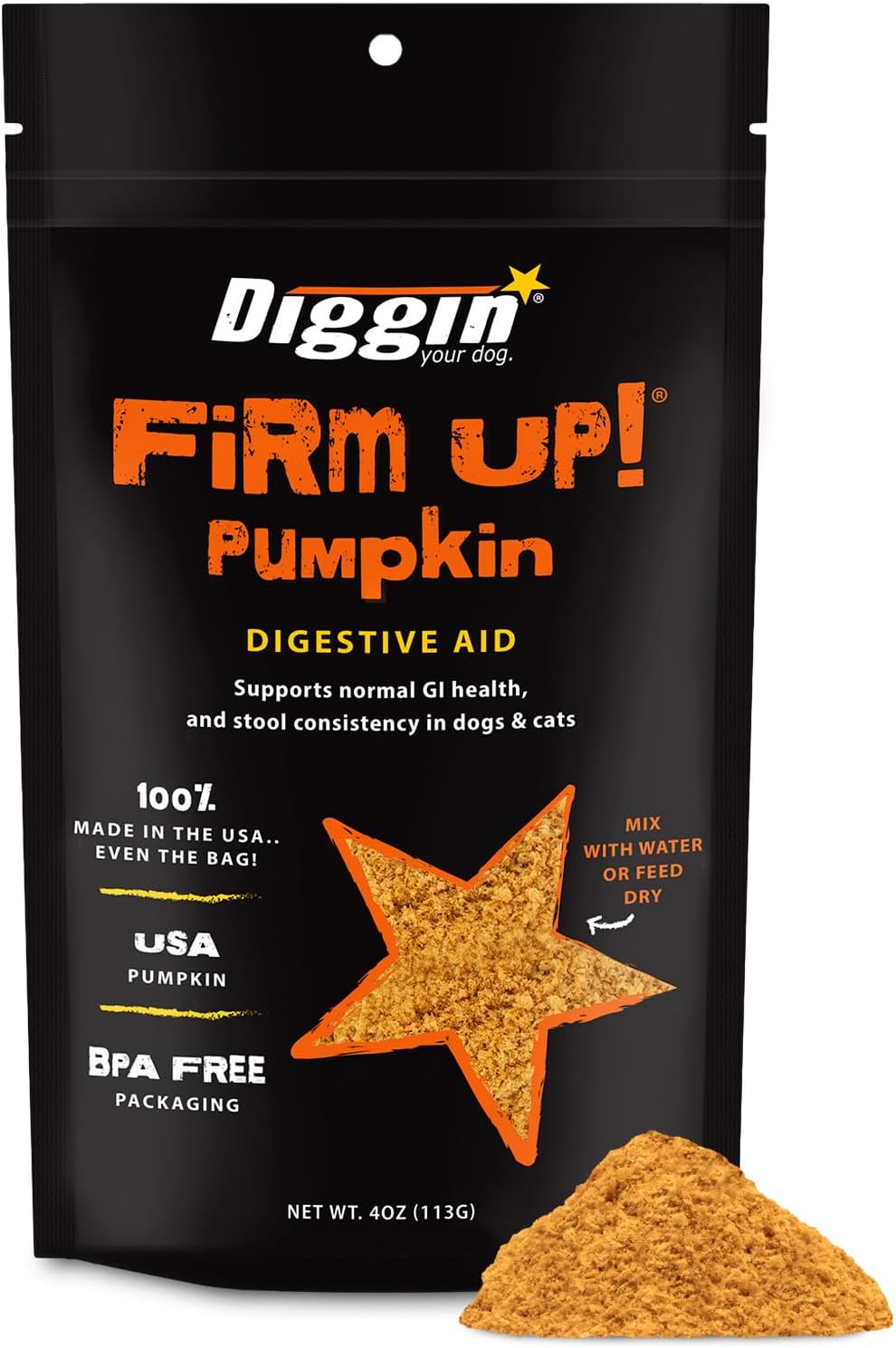
Common Buying Mistakes to Avoid
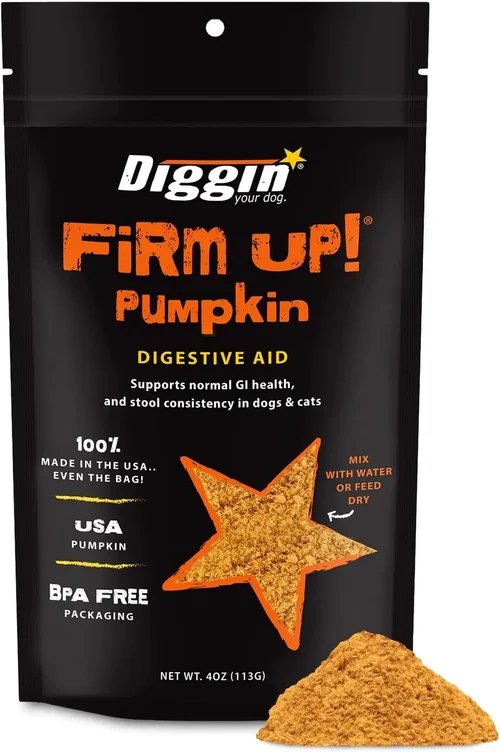
❌ Mistake: Choosing Based on Marketing Claims Alone
Why it’s bad: Phrases like “all-natural,” “premium,” or “holistic” are not regulated and can be used by any brand—even those with low-quality ingredients. Relying on flashy labels instead of reading the ingredient list can lead to poor digestive outcomes.
What to do instead: Always read the ingredient list and guaranteed analysis. Look for named meats, limited fillers, and functional additives like probiotics. Use third-party reviews and vet recommendations to verify claims.
❌ Mistake: Switching Foods Too Quickly
Why it’s bad: Sudden changes in diet can disrupt your dog’s gut microbiome, leading to diarrhea, gas, or vomiting. Even high-quality food can cause issues if introduced too fast.
What to do instead: Transition gradually over 7–10 days. Start with 25% new food and 75% old food, increasing the ratio every few days. This allows your dog’s digestive system to adapt.
❌ Mistake: Ignoring Your Dog’s Individual Needs
Why it’s bad: Every dog is different. What works for one may not work for another. Feeding a high-protein food to a sedentary senior dog, for example, can lead to digestive stress.
What to do instead: Consider your dog’s age, breed, activity level, and health history. Consult your vet if your dog has chronic digestive issues or medical conditions.
❌ Mistake: Overlooking Expiration Dates and Storage
Why it’s bad: Expired or improperly stored canned food can spoil, lose nutrients, or grow harmful bacteria—leading to digestive upset or food poisoning.
What to do instead: Check expiration dates before buying and store unopened cans in a cool, dry place. Once opened, refrigerate leftovers and use within 3–5 days.
❌ Mistake: Feeding Too Much or Too Little
Why it’s bad: Overfeeding can cause loose stools due to excess intake, while underfeeding can lead to constipation or malnutrition. Both affect stool consistency.
What to do instead: Follow the feeding guidelines on the label, but adjust based on your dog’s weight, activity, and body condition. Monitor stool quality and energy levels.
❌ Mistake: Not Monitoring Stool Changes
Why it’s bad: Stool quality is a direct reflection of digestive health. Ignoring changes can allow underlying issues to worsen.
What to do instead: Keep a stool journal. Note color, consistency, frequency, and any signs of blood or mucus. Share this with your vet during check-ups.
Budget Guidelines: How Much Should You Spend?
– Entry-Level ($1.00 – $1.75 per can): These foods often use by-product meals, corn, and artificial additives. While affordable, they may lead to inconsistent stools or digestive issues in sensitive dogs. Best for short-term use or dogs with no sensitivities.
– Mid-Range ($1.75 – $3.00 per can): This is the sweet spot for most dog owners. These brands use named meats, limited fillers, and often include functional ingredients like fiber or probiotics. They offer excellent value and are widely available.
– Premium ($3.00 – $4.50 per can): Ideal for dogs with digestive sensitivities or owners who prioritize quality. These foods often feature human-grade ingredients, novel proteins, and advanced nutrition. Many include probiotics, prebiotics, and omega fatty acids.
– Luxury ($4.50+ per can): Top-tier brands with exotic proteins, organic ingredients, and clinical backing. Best for dogs with severe allergies, chronic digestive disorders, or owners seeking the absolute best. Often available through vets or specialty retailers.

Expert Tips for Getting the Best Deal
– Buy in bulk during sales: Many retailers offer discounts on multi-can packs, especially during holidays or seasonal promotions. Subscribe-and-save options on Amazon or Chewy can save 10–15%.
– Compare cost per ounce: A larger can isn’t always a better deal. Calculate the price per ounce to find the best value.
– Use loyalty programs: Sign up for rewards programs at pet stores or online retailers to earn points, get free shipping, or receive exclusive discounts.
– Check for rebates and coupons: Brands often offer mail-in rebates or digital coupons on their websites. Combine these with store sales for maximum savings.
– Rotate proteins: Feeding the same protein long-term can lead to sensitivities. Rotating between 2–3 trusted brands or proteins can improve tolerance and digestion.
– Consult your vet: If your dog has chronic digestive issues, ask about prescription or therapeutic diets. Some are covered by pet insurance or available at a discount through clinics.
– Test before committing: Buy a single can or small pack first to see how your dog reacts. If stools improve and your dog enjoys it, stock up.

Frequently Asked Questions
Q: Can canned dog food cause diarrhea?
A: Yes, especially if introduced too quickly, contains low-quality ingredients, or doesn’t agree with your dog’s digestive system. Transition slowly and choose high-quality, digestible formulas.
Q: How long does it take for a new food to affect stool quality?
A: Most dogs show changes in stool consistency within 3–5 days of switching foods. Full adaptation may take 1–2 weeks.
Q: Is grain-free food better for digestion?
A: Not necessarily. While some dogs benefit from grain-free diets, others digest grains well. The key is individual tolerance and overall ingredient quality.
Q: Can I mix canned and dry food?
A: Yes, many dogs thrive on a mixed diet. Just ensure both foods are compatible and adjust portions to avoid overfeeding.
Q: What if my dog’s stools are still loose after switching foods?
A: Consult your vet. Persistent diarrhea could indicate food allergies, parasites, infections, or underlying conditions like IBD.
Q: Are homemade diets better for digestion?
A: They can be, but they require careful balancing to meet nutritional needs. Work with a veterinary nutritionist to avoid deficiencies.
Q: How often should I feed canned food?
A: Most adult dogs do well with two meals per day. Puppies may need 3–4 smaller meals. Adjust based on your dog’s age, size, and activity level.
Q: Can probiotics in food replace supplements?
A: In some cases, yes—especially if the food contains live, viable cultures. However, supplements may be needed for dogs with severe digestive issues.
Our Final Recommendations
– Best for Budget-Conscious Buyers: Purina Pro Plan Sensitive Skin & Stomach (Salmon & Rice) – Affordable, widely available, and formulated for digestive health with prebiotic fiber and omega fatty acids.
– Best Overall Value: Wellness Simple Limited Ingredient Diet (Turkey & Potato) – High-quality ingredients, limited allergens, and includes probiotics for firm stools.
– Best Premium Option: The Honest Kitchen Grain-Free Beef Recipe – Human-grade, dehydrated then rehydrated, with real meat and no fillers. Excellent for sensitive dogs.
– Best for Beginners: Blue Buffalo Basics Limited Ingredient Diet (Turkey & Potato) – Easy to find, vet-recommended, and designed for dogs with food sensitivities.
– Best for Advanced Users: Royal Canin Veterinary Diet Gastrointestinal Low Fat – Clinically proven for dogs with chronic diarrhea or IBD. Requires vet approval but highly effective.
Conclusion: Making the Right Choice
Choosing the right canned dog food for solid poop isn’t just about avoiding messes—it’s about supporting your dog’s long-term health, comfort, and happiness. Digestive wellness is a cornerstone of overall well-being, and the food you choose plays a pivotal role in maintaining it. By focusing on high-quality proteins, digestible ingredients, fiber, and gut-supporting additives, you can make a meaningful difference in your dog’s daily life.
Remember, every dog is unique. What works for one may not work for another. Be patient, observant, and willing to experiment—within reason. Monitor your dog’s stools, energy levels, and coat condition as indicators of how well their diet is working. And when in doubt, consult your veterinarian. They can help rule out medical issues and guide you toward the best nutritional choices.
Ultimately, the best canned dog food is one that your dog enjoys, digests well, and thrives on. With the knowledge from this guide, you’re now equipped to make confident, informed decisions that prioritize your pup’s digestive health. Your dog’s solid poop is a small but powerful sign that you’re on the right track—so keep feeding with care, consistency, and confidence.