

If you’re the proud guardian of a Staffordshire Bull Terrier—or “Staffie” for short—you already know these dogs are more than just pets. They’re loyal, energetic, and full of personality. But with their muscular build, high metabolism, and predisposition to certain health issues like skin sensitivities, joint problems, and food allergies, choosing the right nutrition is critical. While kibble has long dominated the dog food market, canned (wet) dog food is gaining serious traction among discerning pet parents—especially those with Staffies.
Canned dog food offers several advantages: higher moisture content supports hydration (a big plus for active breeds), palatability encourages picky eaters to finish their meals, and many premium formulas use real meat as the first ingredient with minimal fillers. For Staffies—who often have sensitive stomachs or skin conditions triggered by low-quality ingredients—wet food can be a game-changer. But not all canned dog foods are created equal. The market is flooded with options ranging from budget-friendly blends to veterinary-grade formulations, making it easy to feel overwhelmed. That’s where this guide comes in.
In this comprehensive buying guide, you’ll learn exactly what to look for when selecting the best canned dog food for your Staffie in 2026. We’ll break down the key nutritional factors that matter most for this breed, compare different types of wet food formulations, highlight common pitfalls to avoid, and provide actionable tips to help you make a confident, informed decision. Whether you’re feeding a puppy, an adult, or a senior Staffie, whether your dog has dietary restrictions or thrives on variety, this guide will equip you with the knowledge to choose a product that supports long-term health, energy, and happiness.
The canned dog food market has evolved significantly in recent years. Brands now offer breed-specific recipes, limited-ingredient diets, grain-free options, and even functional formulas targeting joint health, coat shine, or digestive wellness. With so many choices, it’s no longer just about picking the most expensive or most advertised option—it’s about matching your dog’s unique needs with scientifically backed nutrition. By the end of this article, you’ll understand how to read labels like a pro, interpret ingredient lists, assess value beyond price per can, and ultimately select a wet food that your Staffie will love and benefit from for years to come.
What to Look for When Buying Canned Dog Food for Staffies
1. High-Quality Protein as the First Ingredient
Protein is the cornerstone of any healthy diet for active, muscular breeds like Staffies. These dogs require ample high-quality animal protein to maintain lean muscle mass, support recovery after exercise, and sustain their naturally high energy levels. When evaluating canned dog food, always check the ingredient list: the first item should be a named animal protein source such as “chicken,” “beef,” “turkey,” or “salmon”—not “meat meal” or vague terms like “poultry by-product.”
Look for foods where real meat constitutes a significant portion of the formula. For example, “chicken broth, chicken, chicken liver” indicates a meat-forward recipe, whereas “corn, wheat gluten, chicken by-product meal” suggests fillers dominate. Staffies are prone to food sensitivities, so novel proteins like duck, rabbit, or venison can be excellent alternatives if your dog shows signs of intolerance to common meats like chicken or beef.
2. Appropriate Fat Content for Energy and Coat Health
Fat provides concentrated energy and supports skin and coat health—both especially important for Staffies, who often struggle with dry skin, dandruff, or allergic dermatitis. However, too much fat can lead to weight gain, which puts extra strain on joints and increases the risk of hip dysplasia, a condition some Staffies are genetically predisposed to.
The ideal fat content in canned dog food for adult Staffies ranges from 5% to 8% on a dry matter basis. Look for named fat sources like “chicken fat” or “salmon oil” rather than generic “animal fat.” Omega-3 and omega-6 fatty acids—found in fish oils, flaxseed, and sunflower oil—are particularly beneficial for reducing inflammation and promoting a shiny, healthy coat.
Avoid formulas with excessive plant-based oils or unspecified fats, as these may not provide the same bioavailability or nutritional benefit. If your Staffie is overweight or sedentary, consider lower-fat options (around 4–5% DMB), but never sacrifice essential fatty acids entirely.
3. Limited, Digestible Carbohydrates
While dogs don’t require carbohydrates in their diet, they can serve as a useful energy source—especially for active Staffies. The key is choosing easily digestible, low-glycemic carbs that won’t spike blood sugar or contribute to weight gain. Sweet potatoes, peas, lentils, and pumpkin are excellent choices because they’re rich in fiber, vitamins, and minerals while being gentle on the digestive system.
Avoid corn, soy, wheat, and artificial starches like potato starch or tapioca (unless used sparingly). These ingredients are common allergens and offer little nutritional value. Staffies with sensitive stomachs often react poorly to grains, so grain-free options can be helpful—but only if they replace grains with nutritious alternatives, not just fillers.
4. Moisture Content and Hydration Support
One of the biggest advantages of canned dog food is its high moisture content—typically 70–80%. This is crucial for Staffies, who may not drink enough water on their own, especially during hot weather or after intense play. Proper hydration supports kidney function, aids digestion, and helps prevent urinary tract issues.
Dry kibble contains only about 10% moisture, so switching to wet food can significantly boost your dog’s daily water intake. For Staffies prone to kidney stones or urinary crystals, this added hydration can be a preventive measure. Even if you continue feeding kibble, mixing in a small amount of high-moisture canned food can improve overall fluid balance.
When comparing brands, don’t just focus on protein and fat—check the guaranteed analysis for moisture. Anything below 70% may indicate added thickeners or reduced water content, which diminishes the hydrating benefit.
5. Absence of Artificial Additives and Fillers
Staffies are notorious for their sensitivity to artificial ingredients. Colors, flavors, preservatives like BHA/BHT, and chemical additives can trigger allergic reactions, digestive upset, or behavioral changes. Always scan the ingredient list for red flags: “red 40,” “yellow 5,” “propylene glycol,” or “sodium nitrite” should be avoided.
Instead, opt for natural preservatives like mixed tocopherols (vitamin E) or rosemary extract. These are safer and align with a whole-food approach to canine nutrition. Fillers such as corn gluten meal, brewers rice, or cellulose provide bulk but little nutrition—and can exacerbate weight issues or allergies.
Premium brands often highlight “no artificial anything” on their packaging, but don’t rely solely on marketing claims. Read the fine print. A truly clean label will list recognizable, whole-food ingredients without hidden chemicals.
6. Breed-Specific or Life Stage Formulations
Not all canned dog food is suitable for every life stage. Puppies, adults, and seniors have different nutritional needs. Staffie puppies, for example, require higher levels of calcium and phosphorus for proper bone development, while senior Staffies benefit from joint-supporting ingredients like glucosamine and chondroitin.
Some brands now offer breed-specific recipes tailored to medium-sized, active dogs like Staffies. These formulas often include targeted nutrients—such as L-carnitine for metabolism support or prebiotics for gut health—that align with the breed’s physiology. While not essential, these specialized recipes can provide peace of mind and optimized nutrition.
Always match the food to your dog’s age, size, and activity level. Feeding an adult formula to a growing puppy (or vice versa) can lead to developmental issues or obesity.
7. Brand Transparency and Manufacturing Standards
Not all pet food companies are equally committed to quality. Look for brands that disclose their sourcing practices, manufacturing locations, and testing protocols. Reputable companies will publish AAFCO (Association of American Feed Control Officials) statements on their labels, confirming the food meets nutritional standards for your dog’s life stage.
Avoid brands that outsource production to unknown facilities or refuse to share ingredient origins. Transparency builds trust—and ensures consistency. Companies that conduct regular third-party testing for contaminants (like heavy metals or salmonella) demonstrate a higher level of accountability.
Check if the brand has a history of recalls. A single recall doesn’t necessarily disqualify a company, but repeated issues may signal systemic problems. Websites like the FDA’s pet food recall database can help you stay informed.
8. Palatability and Digestibility
Even the most nutritious food is useless if your Staffie won’t eat it. Palatability matters—especially for picky eaters or dogs recovering from illness. High-moisture canned foods with rich broths, real meat chunks, and natural flavors tend to be more appealing than dry, crumbly textures.
Digestibility is equally important. A food that causes gas, loose stools, or vomiting isn’t doing your dog any favors, regardless of its ingredient list. Look for formulas with added probiotics, prebiotics, or digestive enzymes to support gut health. Many premium brands include these functional ingredients to enhance nutrient absorption and reduce gastrointestinal upset.
Different Types of Canned Dog Food for Staffies
Each type serves a distinct purpose, and the best choice depends on your Staffie’s individual health profile, preferences, and lifestyle. For example, a young, active Staffie with no known allergies might thrive on a classic pate, while an older dog with arthritis could benefit from a functional formula with joint support.
Common Buying Mistakes to Avoid
❌ Mistake: Choosing Based Solely on Price
Why it’s bad: Cheap canned dog food often relies on low-quality proteins, fillers, and artificial additives that can harm your Staffie’s health over time. While budget constraints are real, consistently feeding subpar nutrition may lead to vet bills that far exceed the savings.
What to do instead: Focus on value, not just cost. Calculate price per ounce or per meal, and compare ingredient quality across brands. Sometimes spending $0.50 more per can buys significantly better protein and fewer allergens.
❌ Mistake: Ignoring the Ingredient List
Why it’s bad: Marketing claims like “natural” or “premium” are unregulated and can be misleading. A product may boast “real chicken” but list it fifth after multiple grains and by-products.
What to do instead: Always read the full ingredient list. Prioritize foods where named meats appear in the top three ingredients and avoid those with vague terms like “meat meal” or “animal digest.”
❌ Mistake: Overlooking Life Stage Appropriateness
Why it’s bad: Puppy food is too rich for adult dogs and can cause obesity. Senior food may lack the protein an active adult Staffie needs. Mismatched nutrition affects energy, coat, and long-term health.
What to do instead: Select a formula labeled for your dog’s specific life stage (puppy, adult, senior) or one that meets AAFCO standards for “all life stages.”
❌ Mistake: Switching Foods Too Quickly
Why it’s bad: Sudden changes can cause diarrhea, vomiting, or refusal to eat. Staffies with sensitive stomachs are especially vulnerable.
What to do instead: Gradually transition over 7–10 days, mixing increasing amounts of new food with the old. Monitor stool consistency and appetite closely.
❌ Mistake: Assuming All Grain-Free Is Better
Why it’s bad: Grain-free diets have been linked to dilated cardiomyopathy (DCM) in some dogs when they rely heavily on legumes like peas and lentils as primary ingredients.
What to do instead: Only choose grain-free if your Staffie has a diagnosed grain allergy. Otherwise, opt for whole grains like oats or barley, which provide fiber and nutrients safely.
❌ Mistake: Neglecting Portion Control
Why it’s bad: Canned food is calorie-dense. Overfeeding—even healthy food—leads to weight gain, which strains joints and reduces lifespan.
What to do instead: Follow feeding guidelines on the label, adjust based on your dog’s activity level, and use a kitchen scale for accuracy. Split daily portions into two meals to aid digestion.
❌ Mistake: Not Consulting Your Veterinarian
Why it’s bad: Nutritional needs vary based on health conditions. A dog with kidney disease, for example, requires a completely different diet than a healthy adult.
What to do instead: Discuss any dietary changes with your vet, especially if your Staffie has chronic health issues. They can recommend therapeutic or prescription wet foods if needed.
Budget Guidelines: How Much Should You Spend?
– Entry-Level ($1.00–$2.00 per 13 oz can): What to expect… These budget options often contain meat by-products, corn, soy, and artificial preservatives. While acceptable for occasional use or mixing with kibble, they’re not ideal for daily feeding due to lower protein quality and potential allergens. Brands like Pedigree or Purina ONE fall into this range.
– Mid-Range ($2.00–$3.50 per 13 oz can): Sweet spot for most buyers… This tier offers a balance of quality and affordability. You’ll find real meat as the first ingredient, limited fillers, and natural preservatives. Brands like Wellness CORE, Merrick, and Blue Buffalo fit here. Ideal for healthy adult Staffies without severe sensitivities.
– Premium ($3.50–$5.00 per 13 oz can): For enthusiasts and professionals… These formulas use human-grade ingredients, novel proteins, and functional additives like probiotics or omega-rich oils. Often grain-free or LID, they’re excellent for dogs with allergies or owners prioritizing holistic nutrition. Consider brands like Taste of the Wild, Instinct, or The Honest Kitchen.
– Luxury ($5.00+ per 13 oz can): Top-tier features… Includes fresh-style, raw-coated, or air-dried wet foods with minimal processing. Ingredients are often locally sourced, organic, or ethically raised. Perfect for owners willing to invest in cutting-edge nutrition. Examples include Open Farm, Nom Nom, and Ziwi Peak.
Remember: feeding one Staffie costs roughly $30–$80 per month on canned food, depending on brand and portion size. While premium options cost more upfront, they may reduce long-term health expenses by preventing diet-related illnesses.

Expert Tips for Getting the Best Deal
– Buy in bulk during sales: Major retailers like Chewy, Petco, and Amazon often run 20–30% off promotions during holidays (Black Friday, Prime Day) or seasonal transitions. Stock up when prices drop.
– Subscribe and save: Most online pet stores offer discounts (10–15%) for recurring deliveries. This also ensures you never run out and avoids last-minute trips to the store.
– Compare unit prices: Don’t just look at the total can price—check price per ounce. A larger can may seem expensive but offer better value.
– Read verified buyer reviews: Look for detailed feedback about palatability, stool quality, and coat changes. Photos from real customers can reveal texture and portion size.
– Check return policies: Some brands offer money-back guarantees if your dog doesn’t like the food. This reduces risk when trying something new.
– Rotate proteins: Feeding the same protein daily can increase allergy risk. Rotate between chicken, beef, fish, and novel meats every few months to diversify nutrition.
– Store properly: Once opened, refrigerate leftovers in an airtight container for up to 5 days. Never leave wet food out at room temperature for more than 2 hours.
– Ask your vet for samples: Many premium brands provide free samples through veterinary clinics. Test a small amount before committing to a full case.

Frequently Asked Questions
Q: Can I feed my Staffie only canned dog food?
A: Yes, as long as the food is nutritionally complete and balanced according to AAFCO standards. Many owners feed 100% wet food successfully. Just ensure you’re meeting daily caloric needs and not overfeeding due to the food’s high palatability.
Q: Is grain-free canned food safe for Staffies?
A: It can be, but only if your dog has a confirmed grain allergy. Recent FDA investigations suggest that grain-free diets high in legumes may contribute to heart disease in some dogs. Consult your vet before making the switch.
Q: How much canned food should I feed my Staffie?
A: General guidelines suggest 1 can (13 oz) per 20–30 pounds of body weight daily, split into two meals. However, adjust based on your dog’s age, activity level, and metabolism. A 40-pound active Staffie may need closer to 1.5 cans per day.
Q: Can puppies eat adult canned dog food?
A: Not recommended. Puppy food contains higher levels of calcium, phosphorus, and calories essential for growth. Feeding adult food to a puppy can lead to developmental bone issues.
Q: My Staffie has itchy skin—will wet food help?
A: Possibly. High-moisture diets support skin hydration, and premium wet foods with omega fatty acids can reduce inflammation. However, persistent itching may indicate a food allergy—consider an elimination diet under veterinary guidance.
Q: Are expensive brands really better?
A: Not always—but they often use higher-quality ingredients, stricter sourcing, and better manufacturing practices. Focus on ingredient transparency and nutritional adequacy rather than price alone.
Q: Can I mix canned food with kibble?
A: Absolutely! Many owners combine both for variety, texture, and cost savings. Just adjust portions to avoid overfeeding. For example, replace half a kibble meal with a half-can of wet food.
Q: How do I know if my Staffie is allergic to a food?
A: Symptoms include chronic ear infections, paw licking, diarrhea, vomiting, or persistent itching. If you suspect an allergy, work with your vet to trial a limited-ingredient diet for 8–12 weeks.
Q: Is raw-coated wet food safe?
A: Yes, if it’s commercially prepared and handled properly. These products are typically high-pressure processed (HPP) to eliminate pathogens while preserving raw-like nutrition.
Q: What’s the shelf life of unopened canned dog food?
A: Most unopened cans last 2–5 years from the manufacture date. Always check the “best by” date and store in a cool, dry place.
Our Final Recommendations
– Best for Budget-Conscious Buyers: Wellness Complete Health Pate Chicken & Chicken Liver – Offers real chicken as the first ingredient, no grains or artificial additives, and costs under $2.50 per can. Great for daily feeding without breaking the bank.
– Best Overall Value: Merrick Grain-Free Real Texas Beef + Sweet Potato – Features deboned beef, sweet potatoes, and probiotics. Priced around $3.20 per can, it balances quality, palatability, and digestibility for most Staffies.
– Best Premium Option: Instinct Original Grain-Free Real Rabbit Recipe – Uses novel protein (rabbit), raw-coated kibble pieces, and no fillers. Ideal for dogs with chicken or beef sensitivities. Around $4.80 per can.
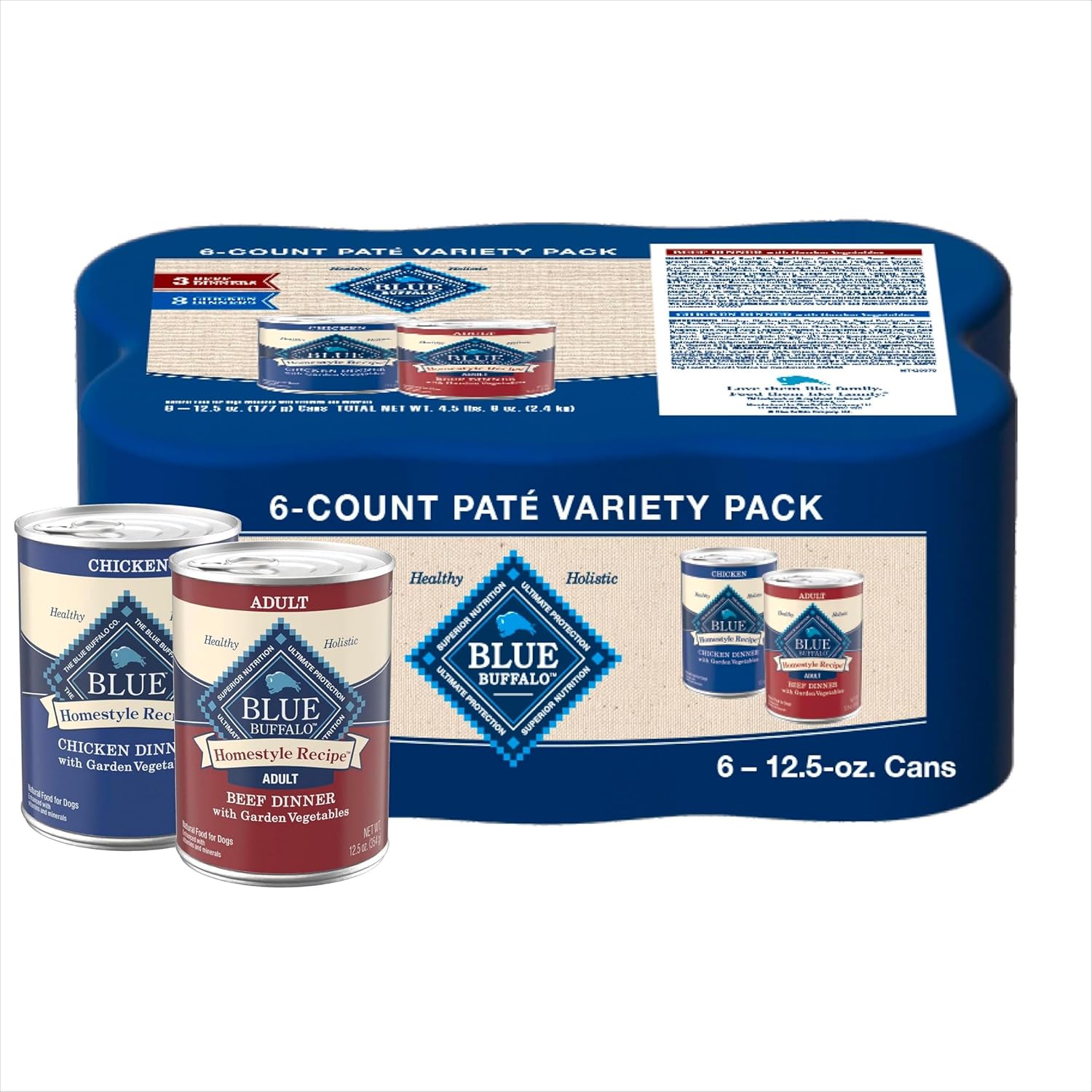
– Best for Beginners: Blue Buffalo Homestyle Recipe Chicken Dinner – Familiar ingredients, easy-to-find in stores, and affordable ($2.80/can). A safe starting point for new wet food users.
– Best for Advanced Users: Open Farm Homestead Turkey & Chicken Recipe – Ethically sourced, traceable ingredients, human-grade standards, and rich in omega fatty acids. Priced at $5.50 per can, it’s for owners who prioritize transparency and sustainability.
Conclusion: Making the Right Choice
Choosing the best canned dog food for your Staffie isn’t just about picking the shiniest label or the most popular brand—it’s about understanding your dog’s unique nutritional needs and matching them with a product that delivers real, measurable benefits. From high-quality protein and healthy fats to moisture-rich formulas and clean ingredients, every factor we’ve discussed plays a role in supporting your Staffie’s energy, coat, digestion, and long-term vitality.
Remember, there’s no one-size-fits-all solution. What works for one Staffie may not suit another. Pay attention to how your dog responds—watch for changes in stool quality, coat shine, energy levels, and overall demeanor. And don’t hesitate to consult your veterinarian, especially if your dog has health concerns.
Ultimately, the best canned dog food is the one your Staffie enjoys eating, digests well, and thrives on. Use this guide as your roadmap, trust your instincts, and prioritize nutrition that aligns with your dog’s breed, age, and lifestyle. With the right food, your loyal, loving Staffie will stay by your side—healthy, happy, and full of life—for many years to come.