
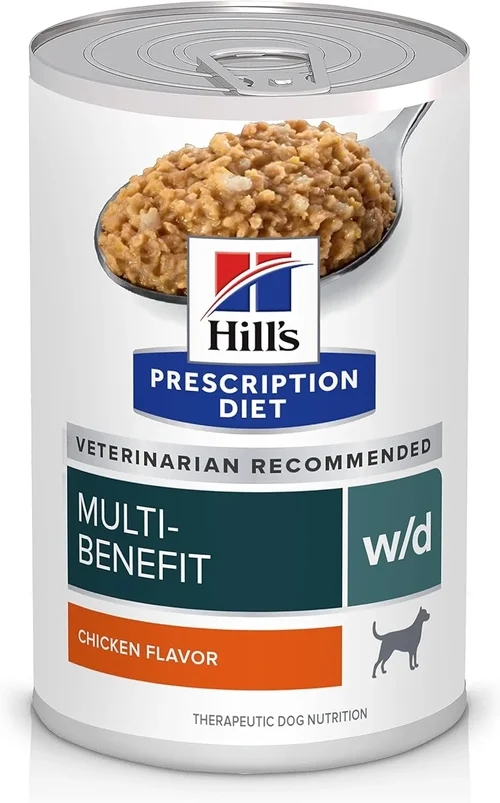
Urinary health issues in dogs are more common than many pet owners realize—and they can be serious if left unaddressed. From recurrent urinary tract infections (UTIs) to the formation of bladder stones, these conditions can cause discomfort, pain, and even life-threatening blockages, especially in male dogs. While veterinary care is essential for diagnosis and treatment, diet plays a pivotal role in both managing existing conditions and preventing future episodes. That’s why choosing the right canned dog food for urinary health isn’t just a matter of preference—it’s a critical component of your dog’s long-term wellness.
In this comprehensive buying guide, we’ll walk you through everything you need to know to make an informed decision about the best canned dog food for your dog’s urinary health. Whether you’re dealing with a recent diagnosis or simply want to take a proactive approach to your pet’s well-being, this guide will help you understand what ingredients matter most, how to interpret labels, and which brands truly deliver on their promises. We’ll also debunk common myths, highlight red flags to avoid, and provide expert-backed recommendations based on veterinary science, ingredient quality, and real-world performance.
The market for therapeutic and wellness-focused pet foods has exploded in recent years, with dozens of brands claiming to support urinary health. But not all are created equal. Some rely on marketing buzzwords without scientific backing, while others use fillers or excessive sodium that can actually worsen urinary issues. Our goal is to cut through the noise and give you a clear, actionable roadmap—so you can confidently choose a product that supports your dog’s health, fits your budget, and aligns with your values as a pet parent.

What to Look for When Buying Buying Guide
1. Moisture Content
One of the most important factors in supporting urinary health is hydration—and canned dog food excels in this area. Dry kibble typically contains only 10% moisture, while high-quality canned formulas offer 70–80% water content. This increased hydration helps dilute urine, reducing the concentration of minerals like magnesium, calcium, and phosphorus that can contribute to crystal and stone formation. Dilute urine also encourages more frequent urination, which helps flush bacteria from the bladder and reduces the risk of UTIs.
When evaluating canned foods, look for products that clearly state high moisture content—ideally above 75%. Avoid brands that use excessive thickening agents like gums or starches to artificially boost volume without adding real hydration. Also, consider pairing canned food with fresh water access throughout the day to maximize urinary tract flushing.
2. Controlled Mineral Levels
Excess minerals, particularly magnesium, phosphorus, and calcium, are primary contributors to struvite and calcium oxalate stones—the two most common types of urinary stones in dogs. Struvite stones form in alkaline urine and are often associated with bacterial infections, while calcium oxalate stones develop in acidic urine and are more common in certain breeds like Miniature Schnauzers and Lhasa Apsos.
The best urinary health canned foods are formulated with tightly controlled mineral levels. Look for products that specify “low magnesium” or “controlled mineral content” on the label. Veterinarians often recommend magnesium levels below 0.1% on a dry matter basis for dogs prone to struvite stones. Additionally, some formulas include ingredients that help maintain optimal urine pH—typically slightly acidic (around 6.0–6.5) to prevent struvite crystallization.
3. Urine pH Management
Urine pH is a critical factor in urinary stone formation. Struvite stones thrive in alkaline urine (pH above 7.0), while calcium oxalate stones are more likely in acidic environments (pH below 6.0). The ideal urine pH for most dogs is between 6.2 and 6.5—a range that discourages the growth of both types of crystals.
Many therapeutic urinary diets include pH-modifying ingredients such as DL-methionine, a sulfur-containing amino acid that acidifies urine. Some premium brands also use cranberry extract or other natural compounds that support a healthy urinary environment. When reviewing labels, check for these ingredients and avoid foods that promote overly alkaline or acidic conditions without veterinary guidance.
4. High-Quality Protein Sources
Protein plays a dual role in urinary health. On one hand, high-protein diets were once thought to increase the risk of urinary stones due to increased nitrogen waste. However, modern research shows that high-quality, digestible protein actually supports muscle maintenance and overall health without negatively impacting urinary function—especially when moisture levels are high.
Look for canned foods that list a named animal protein as the first ingredient—such as “chicken,” “turkey,” or “salmon”—rather than vague terms like “meat meal” or “by-product meal.” Avoid formulas with excessive plant-based proteins (like soy or corn gluten meal), which are less bioavailable and may contribute to urinary imbalances in sensitive dogs. Additionally, moderate protein levels (around 8–10% on a dry matter basis) are often recommended for dogs with a history of stones, but this should be tailored to your dog’s age, activity level, and health status.
5. Limited Fillers and Additives
Fillers such as corn, wheat, soy, and artificial preservatives (like BHA, BHT, or ethoxyquin) offer little nutritional value and may contribute to inflammation or digestive upset—both of which can indirectly affect urinary health. Some dogs are also sensitive to certain grains or additives, which can lead to chronic low-grade inflammation in the bladder or urinary tract.
Opt for canned foods with minimal, recognizable ingredients. The shorter the ingredient list, the better—especially if it includes whole foods like real meat, vegetables, and healthy fats. Avoid products with artificial colors, flavors, or sweeteners, as these offer no benefit and may irritate sensitive systems. Natural preservatives like mixed tocopherols (vitamin E) or rosemary extract are safer alternatives.
6. Veterinarian-Recommended Formulas
Not all urinary health diets are created equal—and some are specifically designed for veterinary use. Prescription diets like Hill’s Prescription Diet c/d, Royal Canin Urinary SO, and Purina Pro Plan UR are clinically proven to dissolve struvite stones and prevent recurrence. These formulas are often available through your veterinarian and may require a prescription.
While over-the-counter (OTC) options can be effective for maintenance or mild cases, they may not be sufficient for dogs with active stone formation or recurrent infections. If your dog has been diagnosed with urinary issues, consult your vet before switching foods. Even among OTC brands, look for those that have undergone clinical trials or are endorsed by veterinary nutritionists. Transparency in research and formulation is a strong indicator of quality.
7. Palatability and Digestibility
p>Even the most scientifically sound diet won’t help if your dog refuses to eat it. Palatability is crucial—especially for dogs recovering from urinary issues, who may already be stressed or reluctant to eat. Canned food’s rich aroma and soft texture make it inherently more appealing than dry kibble, but some brands go the extra mile with slow-cooked meats, broth-based formulas, or added flavor enhancers like liver or fish oil.
Digestibility is equally important. A food that’s easy on the stomach reduces the risk of gastrointestinal upset, which can indirectly affect urinary health by altering gut flora and systemic inflammation. Look for brands that use highly digestible proteins and prebiotic fibers (like beet pulp or chicory root) to support gut health. Avoid foods with excessive fat or hard-to-digest grains, which can lead to loose stools or gas.
8. Brand Transparency and Quality Control
Not all pet food manufacturers are equally committed to quality. Some outsource production to third-party facilities with inconsistent standards, while others lack rigorous testing for contaminants or nutritional accuracy. When choosing a canned food for urinary health, prioritize brands that are transparent about their sourcing, manufacturing processes, and testing protocols.
Look for companies that conduct AAFCO (Association of American Feed Control Officials) feeding trials or meet AAFCO nutrient profiles. Brands that publish third-party lab results or have veterinary nutritionists on staff are generally more trustworthy. Avoid companies that use vague language like “natural” or “holistic” without substantiation. Reputable brands will also provide clear feeding guidelines and be responsive to customer inquiries.
Different Types of Buying Guide

Common Buying Mistakes to Avoid
❌ Mistake: Choosing Based on Marketing Claims Alone
Why it’s bad: Many brands use terms like “urinary health,” “bladder support,” or “pH balanced” without providing evidence or clinical backing. These claims can be misleading and may not reflect the actual formulation.
What to do instead: Always read the ingredient list and guaranteed analysis. Look for specific minerals (like magnesium) listed with numerical values, and check if the food meets AAFCO standards for urinary health. When in doubt, consult your veterinarian.
❌ Mistake: Ignoring Moisture Content
Why it’s bad: Even if a food claims to support urinary health, low moisture content undermines its effectiveness. Dry foods don’t promote urine dilution, which is essential for preventing crystal formation.
What to do instead: Prioritize canned or wet foods with at least 75% moisture. If you must feed kibble, consider rehydrating it with water or switching to a wet food as the primary diet.
❌ Mistake: Overlooking Sodium Levels
Why it’s bad: High sodium can increase thirst and urination, which might seem beneficial—but excessive salt can strain the kidneys and contribute to hypertension, especially in older dogs or those with pre-existing conditions.
What to do instead: Choose foods with moderate sodium levels (ideally under 0.3% on a dry matter basis). Avoid products with added salt or sodium-based preservatives unless recommended by your vet.
❌ Mistake: Switching Foods Too Quickly
Why it’s bad: Abrupt dietary changes can cause digestive upset, which may lead to reduced water intake and concentrated urine—exactly what you’re trying to avoid.
What to do instead: Transition to a new food gradually over 7–10 days, mixing increasing amounts of the new food with the old. This helps maintain gut health and ensures consistent hydration.
❌ Mistake: Feeding the Wrong Diet for the Stone Type
Why it’s bad: Struvite and calcium oxalate stones require different dietary approaches. Feeding a struvite-prevention diet to a dog with calcium oxalate stones can worsen the condition.
What to do instead: Always confirm the type of stone with your veterinarian through urinalysis or imaging. Use a diet specifically formulated for that stone type—never guess.
❌ Mistake: Neglecting Regular Vet Check-Ups
Why it’s bad: Diet alone cannot treat active infections or large stones. Relying solely on food without veterinary care can delay necessary treatment and lead to complications.
What to do instead: Use urinary health food as part of a comprehensive care plan that includes regular vet visits, urine tests, and monitoring for symptoms like straining, blood in urine, or frequent licking.
❌ Mistake: Assuming All “Natural” Foods Are Safe
Why it’s bad: “Natural” doesn’t always mean “safe” for urinary health. Some natural ingredients, like high-oxalate vegetables (spinach, beet greens), can increase the risk of calcium oxalate stones.
What to do instead: Research ingredients and avoid foods with high-oxalate vegetables if your dog is prone to calcium oxalate stones. Stick to vet-recommended formulas when in doubt.
Budget Guidelines: How Much Should You Spend?
When it comes to canned dog food for urinary health, price often reflects quality—but that doesn’t mean you need to break the bank. Here’s a breakdown of what to expect at different price points:
- Entry-Level ($1.00–$1.75 per can): These are typically mass-market brands with basic formulations. While some may offer decent moisture content, they often include fillers, artificial preservatives, and less precise mineral control. Best for short-term use or dogs with mild, non-recurrent issues.
- Mid-Range ($1.75–$2.50 per can): This is the sweet spot for most pet owners. Brands in this range often use higher-quality proteins, controlled minerals, and natural ingredients. Many OTC urinary support formulas fall here and are effective for prevention and mild cases.
- Premium ($2.50–$3.50 per can): These foods are often formulated with input from veterinary nutritionists and may include clinically tested ingredients. They’re ideal for dogs with a history of urinary issues or those needing long-term management.
- Luxury ($3.50+ per can): Top-tier brands offer human-grade ingredients, limited batches, and advanced formulations. While not always necessary, they can be worth it for dogs with complex health needs or owners seeking the highest quality.
Expert Tips for Getting the Best Deal
- Buy during seasonal sales: Pet food brands often run promotions in January (New Year’s resolutions), June (summer wellness), and November (Black Friday). Stock up during these periods to save significantly.
- Compare online vs. in-store prices: Online retailers like Chewy, Amazon, and Petco often have lower prices and faster shipping than brick-and-mortar stores. Use price comparison tools to find the best deal.
- Look for manufacturer rebates: Some brands offer mail-in rebates or instant discounts for first-time buyers. Check the company’s website for current promotions.
- Check return policies: If your dog doesn’t like the food, you want to be able to return it. Choose retailers with flexible return windows—especially for opened cans.
- Ask your vet for samples: Many veterinary clinics provide free samples of prescription diets. This lets you test palatability before committing to a large purchase.
- Monitor your dog’s response: Keep a journal of your dog’s urination habits, energy levels, and coat condition after switching foods. This helps you assess effectiveness and make adjustments if needed.
- Rotate flavors cautiously: While variety can prevent boredom, frequent changes may disrupt urinary balance. Stick to similar formulas or rotate within the same brand line.
- Don’t overlook store brands: Some pet stores offer high-quality private-label urinary diets at lower prices. These are often manufactured by the same companies as name brands.

Frequently Asked Questions
Q: Can canned dog food really prevent urinary stones?
A: Yes—when formulated correctly. High moisture content, controlled minerals, and proper pH management significantly reduce the risk of stone formation. However, diet works best as part of a holistic approach that includes regular vet care and hydration.
Q: How long does it take to see results from a urinary health diet?
A: For prevention, improvements in urine concentration and frequency may be noticeable within 1–2 weeks. For dogs with existing stones, it can take 4–8 weeks to dissolve struvite stones, depending on size and severity. Always follow your vet’s monitoring schedule.
Q: Can I mix canned urinary food with dry kibble?
A: It’s not recommended, especially for dogs with active urinary issues. Kibble’s low moisture content can counteract the benefits of canned food. If you must mix, use a high-moisture kibble or rehydrate it thoroughly.
Q: Are grain-free diets better for urinary health?
A: Not necessarily. While grain-free diets can help dogs with grain sensitivities, there’s no direct evidence that grains cause urinary problems. Focus on moisture, minerals, and protein quality instead.
Q: My dog has calcium oxalate stones. Should I avoid all vegetables?
A: No—but avoid high-oxalate vegetables like spinach, rhubarb, and beet greens. Low-oxalate options like carrots, green beans, and zucchini are safe in moderation.
Q: Can puppies eat urinary health food?
A: Generally, no. Most urinary diets are formulated for adult maintenance and may lack the nutrients puppies need for growth. Consult your vet before feeding any therapeutic diet to a puppy.
Q: Is it safe to feed urinary health food long-term?
A: Yes, especially for dogs with a history of stones or UTIs. Many owners use these diets for years with great success. Just ensure the food meets AAFCO standards for long-term feeding.
Q: What if my dog refuses to eat the new food?
A: Try warming the food slightly to enhance aroma, mixing in a small amount of low-sodium broth, or gradually transitioning over 10–14 days. If refusal persists, consult your vet—there may be an underlying issue.
Q: Are there natural alternatives to prescription diets?
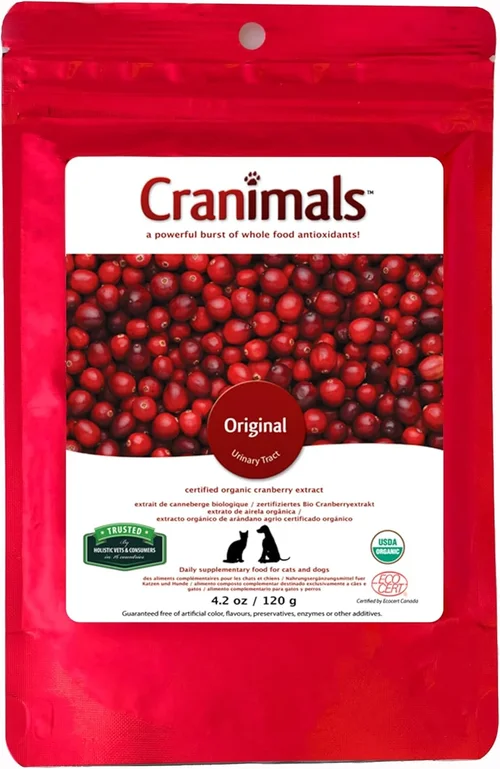
A: While some natural supplements (like cranberry extract or D-mannose) may support urinary health, they are not substitutes for clinically proven diets in dogs with active stones. Always work with your vet.
Q: How often should I test my dog’s urine?
A: For dogs with a history of urinary issues, urinalysis every 3–6 months is recommended. Healthy dogs may only need annual checks unless symptoms arise.
Our Final Recommendations
- Best for Budget-Conscious Buyers: Purina Pro Plan Focus Urinary Tract Health Formula – Offers solid urinary support at an affordable price, with controlled magnesium and high moisture. Available widely without a prescription.
- Best Overall Value: Hill’s Science Diet Adult Urinary & Hairball Control – Combines urinary health with digestive support, using high-quality ingredients and proven efficacy. Great for long-term use.
- Best Premium Option: Royal Canin Urinary SO – A veterinary-recommended formula clinically proven to dissolve struvite stones and prevent recurrence. Ideal for dogs with diagnosed urinary disease.
- Best for Beginners: Wellness Complete Health Urinary Support – Easy-to-find OTC option with natural ingredients, high moisture, and no artificial additives. Great for first-time buyers.
- Best for Advanced Users: Blue Buffalo Natural Veterinary Diet W+U Weight Management + Urinary Care – Combines urinary support with weight management, using novel proteins and precise nutrient control. Best for dogs with multiple health concerns.
Conclusion: Making the Right Choice
Choosing the best canned dog food for urinary health is about more than just reading labels—it’s about understanding your dog’s unique needs and taking a proactive role in their wellness. From prioritizing moisture and mineral control to avoiding common pitfalls and selecting the right price tier, every decision you make contributes to a healthier, happier life for your pet.
Remember, no single food is a magic cure. Urinary health is best supported through a combination of proper diet, regular veterinary care, and attentive observation. By using this guide as your foundation, you’re already ahead of the curve. Whether you’re managing an existing condition or simply aiming to prevent future issues, the right canned food can make a meaningful difference.
Take the time to evaluate your options, consult your veterinarian, and monitor your dog’s response. With the right knowledge and a little patience, you can give your dog the gift of long-term urinary health—and peace of mind for yourself. Your dog deserves nothing less.