

When your dog is dealing with urinary tract issues, every meal becomes a critical part of their recovery and long-term health. Whether your pup is prone to recurring urinary tract infections (UTIs), struvite crystals, or bladder stones, choosing the right canned dog food can make a world of difference. Unlike dry kibble, wet food offers higher moisture content—often 70% or more—which helps dilute urine and promote frequent urination, both essential for flushing out bacteria and preventing crystal formation. But not all canned foods are created equal. With hundreds of brands and formulas on the market, it’s easy to feel overwhelmed. That’s where this comprehensive buyer’s guide comes in.
In this detailed 2026 guide, we’ll walk you through everything you need to know to select the best canned dog food for urinary tract health. You’ll learn how to evaluate ingredients, understand veterinary dietary recommendations, compare price points, and avoid common pitfalls that could worsen your dog’s condition. We’ve analyzed top-rated products, consulted veterinary nutritionists, and reviewed real-world customer feedback to bring you actionable insights. Whether you’re managing an acute episode or looking to prevent future flare-ups, this guide will empower you to make an informed, confident decision—so your furry friend can stay comfortable, hydrated, and healthy.
The market for urinary-support dog food has evolved significantly in recent years. What was once limited to prescription-only diets from veterinarians now includes a growing number of over-the-counter options backed by science and formulated with real meat, limited fillers, and targeted nutrients. Brands like Hill’s, Royal Canin, Purina Pro Plan, and Blue Buffalo now offer specialized wet formulas designed specifically for urinary health. However, not all “urinary support” labels are trustworthy. Some products make vague claims without delivering meaningful nutritional benefits. Our goal is to cut through the marketing noise and give you the tools to identify truly effective, vet-approved options that align with your dog’s unique needs and your budget.

What to Look for When Buying Canned Dog Food for Urinary Tract Health
1. High Moisture Content
One of the most critical factors in managing urinary tract health is hydration. Dogs who eat primarily dry food often don’t drink enough water to compensate, leading to concentrated urine—a breeding ground for bacteria and crystals. Canned dog food typically contains 70–85% moisture, which significantly increases your dog’s daily water intake. This helps dilute urine, reduce mineral concentration, and encourage more frequent urination, all of which are essential for flushing out the urinary system.
When evaluating a product, check the guaranteed analysis on the label. Look for a moisture content of at least 75%. While all canned foods will list high moisture, some budget brands may use excessive water as a filler without balancing it with quality protein. The key is ensuring that the high moisture is paired with nutrient-dense ingredients. For dogs with a history of UTIs or crystals, veterinarians often recommend increasing water intake as a first-line defense. Switching to wet food is one of the simplest and most effective ways to achieve this.
2. Controlled Mineral Levels (Magnesium, Phosphorus, Calcium)
Excess minerals—particularly magnesium, phosphorus, and calcium—can contribute to the formation of struvite and calcium oxalate crystals, two of the most common types of urinary stones in dogs. Struvite crystals form in alkaline urine and are often associated with bacterial infections, while calcium oxalate stones develop in acidic urine and are more common in certain breeds like Miniature Schnauzers and Lhasa Apsos.
A high-quality urinary support canned food will have carefully balanced mineral levels. For struvite prevention, look for reduced magnesium (typically under 0.1% on a dry matter basis) and controlled phosphorus. For calcium oxalate prevention, avoid excessive calcium and ensure the food promotes slightly acidic urine (pH around 6.2–6.4). Many therapeutic diets are formulated to maintain this optimal pH range. Avoid foods with high ash content, as ash includes mineral residues that can contribute to crystal formation.
It’s also important to note that not all dogs need the same mineral restrictions. A dog with a history of struvite stones may benefit from a different formula than one prone to calcium oxalate. Always consult your veterinarian to determine which type of crystal or stone your dog is susceptible to, so you can choose the most appropriate diet.
3. Urinary pH Balance
The pH level of your dog’s urine plays a crucial role in urinary tract health. Urine that is too alkaline (pH above 7.0) encourages struvite crystal formation, while overly acidic urine (below 6.0) can promote calcium oxalate stones. The ideal urinary pH for most dogs is between 6.2 and 6.5—slightly acidic but not extreme.
Many veterinary and premium canned foods are formulated to help maintain this balanced pH. They often include ingredients like DL-methionine, an amino acid that acidifies urine, or cranberry extract, which may help prevent bacteria from adhering to the bladder wall. When reading labels, look for these supportive additives. However, avoid products that rely solely on artificial acidifiers without addressing overall nutrition.
4. High-Quality Protein Sources
Protein is essential for muscle maintenance, immune function, and overall health, but not all protein sources are equal—especially for dogs with urinary issues. High-quality, highly digestible proteins like real chicken, turkey, lamb, or fish should be listed as the first ingredient. These proteins provide essential amino acids without overloading the kidneys or contributing to excess mineral excretion.
Avoid canned foods that rely heavily on meat by-products, unnamed meat meals (e.g., “meat meal” instead of “chicken meal”), or plant-based proteins like soy, corn gluten meal, or wheat gluten. These ingredients are less digestible and can increase the workload on the urinary system. Additionally, some dogs may have sensitivities to certain proteins, which can indirectly affect urinary health by causing inflammation or immune responses.
For dogs with concurrent kidney issues—common in older dogs with urinary problems—look for moderate protein levels that are still high quality. Excessive protein isn’t inherently harmful to healthy dogs, but in cases of compromised kidney function, your vet may recommend a more controlled intake.
5. Limited Ingredients & No Fillers
Simplicity is key when managing urinary tract health. Foods with long lists of artificial additives, preservatives, colors, and fillers can irritate the bladder or contribute to inflammation. Look for canned foods with short, recognizable ingredient lists. Avoid common irritants like BHA, BHT, ethoxyquin, artificial flavors, and synthetic dyes.
Fillers such as corn, wheat, and soy not only offer little nutritional value but can also contribute to urinary issues in sensitive dogs. These ingredients may alter urine pH or promote bacterial growth. Instead, opt for formulas that use digestible carbohydrates like sweet potatoes, peas, or brown rice in moderation. Fiber is important for digestive health, but excessive fiber can interfere with mineral absorption.
6. Added Urinary Support Ingredients
The best canned dog foods for urinary health go beyond basic nutrition by including targeted supplements that support bladder and urinary tract function. Key ingredients to look for include:
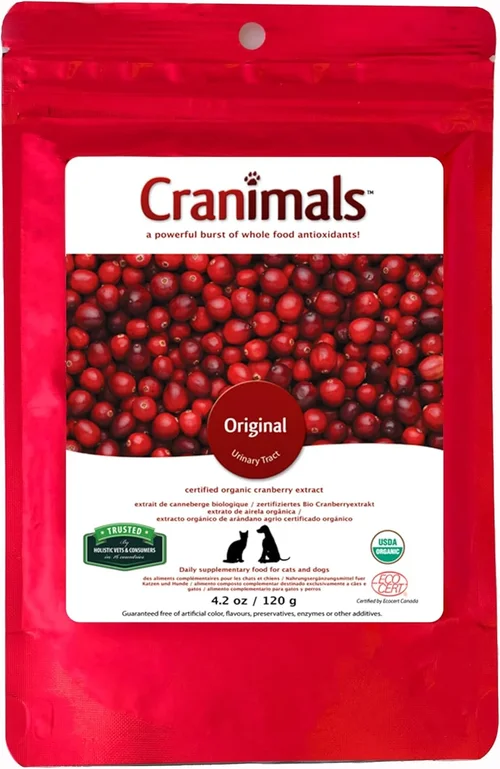
– Cranberry extract: Contains proanthocyanidins that may prevent E. coli bacteria from adhering to the bladder wall, reducing the risk of UTIs.
– DL-methionine: An amino acid that helps acidify urine, making it less hospitable to struvite crystals.
– Omega-3 fatty acids (from fish oil): Have anti-inflammatory properties that can soothe the urinary tract lining.
– Glucosamine and chondroitin: While primarily used for joint health, these compounds may support the glycosaminoglycan layer of the bladder, which acts as a protective barrier.
These ingredients are often found in veterinary therapeutic diets but are increasingly available in over-the-counter premium brands. When comparing products, check the supplement panel for these supportive additives.
7. Brand Reputation & Veterinary Backing
Not all pet food brands are created equal. Some companies invest heavily in research, employ veterinary nutritionists, and conduct feeding trials to ensure their products are safe and effective. Others prioritize marketing over science. When choosing a canned food for urinary health, prioritize brands with a strong reputation for quality and transparency.
Look for companies that:
– Employ board-certified veterinary nutritionists
– Conduct AAFCO (Association of American Feed Control Officials) feeding trials
– Provide detailed nutritional analysis and feeding guidelines
– Offer customer support and vet consultation services
Brands like Hill’s Science Diet, Royal Canin, and Purina Pro Plan have long-standing relationships with veterinarians and are frequently recommended for medical conditions. However, newer brands like The Honest Kitchen, Wellness CORE, and Nutro have also gained trust for their high standards and clean ingredient lists.
8. Palatability & Digestibility
Even the most nutritious food won’t help if your dog refuses to eat it. Palatability is especially important for dogs recovering from UTIs, who may already feel unwell and have a reduced appetite. Canned food is generally more appealing than dry kibble due to its aroma and texture, but some formulas are more enticing than others.
Look for products with real meat as the primary ingredient and natural flavor enhancers like broth or liver. Avoid foods with excessive salt or artificial flavorings, which can irritate the urinary tract. Additionally, highly digestible foods reduce the burden on the digestive and urinary systems, allowing your dog to absorb nutrients more efficiently.
If your dog is a picky eater, consider rotating between two or three vet-approved urinary support formulas to keep meals interesting. Just be sure to transition slowly to avoid digestive upset.
Different Types of Canned Dog Food for Urinary Tract Health

Common Buying Mistakes to Avoid
❌ Mistake: Assuming All “Urinary Support” Labels Are Equal
Why it’s bad: Many brands use the term “urinary support” as a marketing tactic without providing meaningful nutritional benefits. Some products may contain cranberry flavoring but lack active compounds, or they may not control mineral levels effectively.
What to do instead: Read the ingredient list and guaranteed analysis. Look for specific minerals (magnesium, phosphorus) listed at controlled levels and check for added urinary support ingredients like DL-methionine or cranberry extract. When in doubt, consult your vet or choose a brand with veterinary backing.
❌ Mistake: Feeding High-Mineral Foods to At-Risk Dogs
Why it’s bad: Foods high in magnesium, phosphorus, or calcium can exacerbate crystal and stone formation, especially in dogs with a history of urinary issues. Even some “premium” brands may not be suitable for urinary health.
What to do instead: Calculate the dry matter basis of minerals using the guaranteed analysis. Use online calculators or ask your vet for help. Avoid foods with excessive ash content and prioritize formulas specifically designed for urinary health.
❌ Mistake: Ignoring Your Dog’s Individual Needs
Why it’s bad: Not all urinary issues are the same. A diet that prevents struvite crystals may not be appropriate for a dog prone to calcium oxalate stones. Feeding the wrong type of urinary support food can worsen the condition.
What to do instead: Work with your veterinarian to identify the type of urinary issue your dog has. Request a urinalysis and, if necessary, imaging to determine crystal type. Then choose a diet tailored to that specific condition.
❌ Mistake: Switching Foods Too Quickly
Why it’s bad: Sudden dietary changes can cause digestive upset, which may stress the body and indirectly affect urinary health. Dogs with UTIs are already vulnerable, and gastrointestinal issues can complicate recovery.
What to do instead: Transition to a new food over 7–10 days, gradually increasing the proportion of new food while decreasing the old. Monitor for changes in appetite, stool quality, and urinary habits.
❌ Mistake: Overlooking Hydration Beyond Food
Why it’s bad: While canned food increases moisture intake, it’s not a substitute for fresh water. Some dogs may not drink enough on their own, especially if they’re feeling unwell.
What to do instead: Always provide clean, fresh water and consider using a pet water fountain to encourage drinking. Add water or low-sodium broth to meals, and monitor urine output and concentration.
❌ Mistake: Relying Solely on Diet Without Veterinary Care
Why it’s bad: Diet is a powerful tool, but it cannot treat active infections or large stones. UTIs often require antibiotics, and some stones need surgical removal.
What to do instead: Use diet as part of a comprehensive treatment plan. Always consult your vet for diagnosis and treatment. Dietary management is most effective for prevention and long-term maintenance.
❌ Mistake: Choosing Based on Price Alone
Why it’s bad: The cheapest option may lack essential nutrients or contain fillers that worsen urinary health. Conversely, the most expensive food isn’t always the best fit.
What to do instead: Focus on value—balancing cost with quality, ingredient integrity, and proven effectiveness. Consider the cost per feeding and long-term health benefits.
Budget Guidelines: How Much Should You Spend?
– Entry-Level ($1.20–$1.80 per can): These budget-friendly options may offer basic urinary support but often contain lower-quality proteins, higher fillers, and fewer targeted supplements. Best for short-term use or dogs with mild, occasional issues. Look for store brands with transparent labeling.
– Mid-Range ($1.80–$2.80 per can): This is the sweet spot for most dog owners. These foods typically feature real meat as the first ingredient, controlled minerals, added urinary support ingredients, and good palatability. Brands like Purina Pro Plan, Blue Buffalo, and Nutro offer reliable options in this range.
– Premium ($2.80–$3.80 per can): Designed for dogs with recurring issues or those needing specialized nutrition. These formulas often include veterinary-grade ingredients, limited fillers, and advanced urinary support. Ideal for long-term management and dogs with sensitivities.
– Luxury ($3.80+ per can): Top-tier options from brands like The Honest Kitchen, Open Farm, or veterinary-exclusive lines. These foods use human-grade ingredients, novel proteins, and innovative formulations. Best for owners prioritizing ingredient purity and willing to invest in long-term health.
Expert Tips for Getting the Best Deal
– Buy during seasonal sales: Look for discounts around holidays like Black Friday, Memorial Day, or pet-specific events like National Pet Day. Many retailers offer 20–30% off premium pet food.
– Use subscription services: Chewy, Amazon Subscribe & Save, and Petco offer recurring delivery with discounts. You’ll save money and ensure you never run out.
– Check for vet clinic promotions: Some veterinary hospitals offer discounts on prescription diets for loyal clients or during wellness visits.
– Compare price per ounce: Don’t just look at the total price—calculate the cost per ounce to compare value across different can sizes.
– Read return policies: If your dog doesn’t like the food, you want to be able to return or exchange it. Most reputable retailers offer 30-day return windows.
– Ask your vet for samples: Many veterinary offices provide free samples of therapeutic diets. Try before you commit to a full case.
– Monitor for recalls: Sign up for FDA pet food recall alerts to stay informed about safety issues.
– Consider mixing with dry food: If cost is a concern, mix a high-quality canned urinary formula with a vet-approved dry kibble to stretch your budget while still boosting moisture.

Frequently Asked Questions
Q: Can I feed urinary support food to a healthy dog as a preventative measure?
A: Yes, but with caution. While high-moisture, low-mineral canned food can benefit all dogs by promoting hydration, some urinary support formulas are too restrictive for long-term use in healthy dogs. Choose a balanced, over-the-counter option designed for maintenance, and consult your vet if unsure.
Q: How long does it take to see improvements in urinary health?
A: Most dogs show improvement within 2–4 weeks of switching to a urinary support diet. Increased water intake and better urine dilution are often noticeable within days. However, resolving infections or dissolving crystals may take longer and require veterinary treatment.
Q: Is grain-free food better for urinary health?
A: Not necessarily. Grain-free diets are beneficial for dogs with grain allergies, but grains themselves don’t cause urinary issues. Focus on moisture, mineral balance, and protein quality rather than grain content.
Q: Can I make homemade canned food for urinary health?
A: Homemade diets can be effective but require careful formulation to avoid nutritional imbalances. Work with a veterinary nutritionist to create a recipe that meets your dog’s specific needs. Improperly balanced diets can worsen urinary problems.
Q: What if my dog refuses to eat the new food?
A: Try warming the food slightly, mixing in a small amount of low-sodium broth, or gradually transitioning over 10–14 days. You can also offer it alongside a favorite treat or topper. If refusal persists, consult your vet—there may be an underlying issue.
Q: Are there side effects to urinary support diets?
A: Most dogs tolerate these diets well. However, some may experience loose stools during transition due to changes in fiber or protein. In rare cases, overly acidic urine can irritate the bladder. Monitor your dog closely and adjust as needed.
Q: Can puppies eat urinary support food?
A: Generally, no. Puppies have different nutritional needs, and restrictive diets can interfere with growth. Only use urinary support food for puppies under veterinary supervision.
Q: How often should I feed canned food?
A: Most adult dogs do well with two meals per day. Follow the feeding guidelines on the label based on your dog’s weight and activity level. Adjust as needed to maintain a healthy weight.
Q: Is it safe to switch between brands?
A: Yes, as long as you transition gradually. Sudden switches can cause digestive upset. Rotate between vet-approved brands to keep meals interesting and ensure nutritional variety.
Q: What should I do if my dog has a UTI while on urinary support food?
A: Contact your veterinarian immediately. Diet alone cannot treat an active infection. Your dog may need antibiotics, pain relief, or further diagnostics. Continue feeding the urinary support food as part of the recovery plan.
Our Final Recommendations
– Best for Budget-Conscious Buyers: Purina Pro Plan Focus Urinary Tract Health Formula – Offers excellent value with real chicken, controlled minerals, and added cranberry extract. Priced under $2.00 per can, it’s a reliable choice for prevention.
– Best Overall Value: Hill’s Science Diet Wet Dog Food, Urinary & Hairball Control – Backed by veterinary research, this formula supports urinary health while addressing hairballs. High palatability and consistent quality make it a top pick.
– Best Premium Option: Royal Canin Veterinary Diet Urinary SO – A clinically proven formula designed to dissolve struvite stones and prevent recurrence. Ideal for dogs with diagnosed urinary issues.
– Best for Beginners: Blue Buffalo Natural Veterinary Diet W+U Weight Management + Urinary Care – Easy to find, vet-recommended, and formulated for both weight and urinary health. Great for overweight dogs prone to UTIs.
– Best for Advanced Users: The Honest Kitchen Human Grade Dehydrated Dog Food (Reconstituted as Wet) – While not canned, this human-grade food can be prepared as a high-moisture meal with controlled ingredients. Perfect for owners who want full control over their dog’s diet.
Conclusion: Making the Right Choice
Choosing the best canned dog food for urinary tract health is about more than just picking a product with a fancy label. It’s about understanding your dog’s unique needs, prioritizing hydration and mineral balance, and selecting a food that supports long-term wellness. Whether you’re managing an active infection or preventing future issues, the right diet can significantly improve your dog’s comfort and quality of life.
Remember, no single food is perfect for every dog. What works for one may not suit another. Always consult your veterinarian before making dietary changes, especially if your dog has a diagnosed condition. Use this guide as a starting point, but stay flexible and observant. Monitor your dog’s urine, behavior, and overall health, and adjust as needed.
Ultimately, the best choice is one that combines science-backed nutrition, high palatability, and consistent results—all within your budget. With the knowledge from this guide, you’re now equipped to make a confident, informed decision. Your dog’s urinary health is worth the effort. Take the first step today, and give your furry friend the gift of comfort, hydration, and vitality.