

Obesity in dogs is a growing epidemic, and it’s more than just a cosmetic concern—it’s a serious health issue that can drastically shorten your dog’s lifespan. According to the Association for Pet Obesity Prevention, over 50% of dogs in the United States are classified as overweight or obese. This excess weight puts immense strain on joints, increases the risk of diabetes, heart disease, and respiratory problems, and can significantly reduce mobility and quality of life. As a veterinarian with over 15 years of clinical experience, I’ve seen firsthand how even a modest weight loss of 5–10% can transform a lethargic, uncomfortable dog into a vibrant, active companion.
Choosing the right diet is one of the most impactful decisions you can make for your dog’s health—especially when weight management is the goal. While dry kibble often dominates the conversation, canned dog food offers unique advantages for weight loss: higher moisture content, lower carbohydrate levels, and often more palatable protein sources that help maintain muscle mass during calorie restriction. However, not all canned foods are created equal. Many brands market themselves as “light” or “weight management” formulas, but a closer look at the ingredient list and nutritional profile often reveals hidden pitfalls like fillers, artificial additives, or insufficient protein. That’s why this comprehensive guide exists—to cut through the marketing noise and help you make an informed, science-backed decision.
In this expert-level buying guide, you’ll learn exactly what to look for in a high-quality canned dog food designed for weight loss. We’ll break down the critical nutritional factors, compare different product categories, highlight common mistakes to avoid, and provide actionable tips to get the best value. Whether you’re managing your senior Labrador’s slowing metabolism or helping your energetic Beagle shed a few stubborn pounds, this guide will equip you with the knowledge to choose a food that supports sustainable, healthy weight loss—without sacrificing taste or nutrition. The pet food market is flooded with options, but with the right information, you can confidently select a product that aligns with your dog’s unique needs and your budget.

What to Look for When Buying Canned Dog Food for Weight Loss
1. High-Quality Protein Content
Protein is the cornerstone of any effective weight-loss diet for dogs. It helps preserve lean muscle mass while promoting satiety—meaning your dog feels fuller longer on fewer calories. Look for canned foods where a named animal protein (like chicken, turkey, salmon, or lamb) is the first ingredient. Avoid vague terms like “meat meal” or “poultry by-products.” Aim for a minimum of 8–10% crude protein on a dry matter basis (DMB), though many premium weight-loss formulas offer 10–12% or more. High protein also supports metabolic health, which is crucial for dogs struggling with weight due to slowed metabolism or hormonal imbalances.
2. Low to Moderate Fat Levels
While fat is a concentrated energy source, it’s also calorie-dense—9 calories per gram compared to 4 for protein or carbs. For weight loss, you want to reduce overall caloric intake without starving your dog. Ideal canned foods for weight management contain 4–7% fat on a dry matter basis. This range provides enough essential fatty acids for skin and coat health while keeping calories in check. Avoid foods with excessive fat, especially if your dog is sedentary. However, don’t go too low—fat contributes to flavor and helps absorb fat-soluble vitamins.
3. Controlled Carbohydrate Content
Carbohydrates aren’t inherently bad, but many commercial dog foods overload on them as cheap fillers. For weight loss, prioritize low-glycemic, fiber-rich carbs like sweet potatoes, peas, or green beans over corn, wheat, or soy. These ingredients provide sustained energy and help regulate blood sugar, preventing hunger spikes. Aim for less than 30% carbohydrates on a dry matter basis. High-fiber ingredients (like pumpkin or beet pulp) are especially beneficial—they add bulk without calories, promoting fullness and healthy digestion.
4. High Moisture Content
One of the biggest advantages of canned food is its high water content—typically 70–80%. This helps your dog feel full while consuming fewer calories. Water has zero calories but increases meal volume, which can reduce begging and overeating. It also supports kidney and urinary tract health, particularly important for older or overweight dogs prone to urinary issues. When comparing brands, check the guaranteed analysis: higher moisture means less dense calories per can.
5. Added Fiber for Satiety
Fiber is a game-changer in weight-loss diets. It slows digestion, stabilizes blood sugar, and increases the feeling of fullness. Look for natural sources like pumpkin, psyllium husk, flaxseed, or chicory root. Aim for at least 5–8% crude fiber on a dry matter basis. Soluble fiber (like that in pumpkin) forms a gel in the gut, delaying gastric emptying, while insoluble fiber adds bulk to stools. Some formulas even include prebiotics (like FOS or MOS) to support gut health—another bonus for overall wellness.
6. No Artificial Additives or Fillers
Avoid canned foods with artificial colors, flavors, preservatives (like BHA, BHT, or ethoxyquin), or unnecessary fillers such as corn gluten meal, soy protein concentrate, or cellulose. These ingredients offer little nutritional value and may contribute to inflammation or allergic reactions. Instead, choose brands that use natural preservatives like mixed tocopherols (vitamin E) and list whole, recognizable ingredients. Clean labels not only support weight loss but also long-term health.
7. Appropriate Caloric Density
Calorie control is essential for weight loss. Check the kcal/can or kcal/kg on the label. For most overweight dogs, aim for 250–350 kcal per 13 oz can, depending on size and activity level. Your vet can help calculate your dog’s resting energy requirement (RER) and daily caloric needs. Overfeeding—even healthy food—can stall weight loss. Use a measuring cup or kitchen scale to ensure accurate portions, and adjust based on your dog’s progress.
8. Veterinarian-Recommended or AAFCO-Compliant
Always choose a food that meets AAFCO (Association of American Feed Control Officials) standards for complete and balanced nutrition. Look for a statement like “formulated to meet the nutritional levels established by the AAFCO Dog Food Nutrient Profiles.” Better yet, opt for brands recommended by veterinarians or developed with veterinary nutritionists. These formulas are rigorously tested and designed to support specific health goals, including weight management.
Different Types of Canned Dog Food for Weight Loss
Common Buying Mistakes to Avoid
❌ Mistake: Choosing “Light” or “Lite” Labels Without Checking Nutrition
Why it’s bad: The term “light” is not strictly regulated and can be misleading. Some “light” formulas still contain high levels of fat or fillers, offering minimal calorie reduction. Relying solely on marketing claims can lead to ineffective weight loss or even weight gain.
What to do instead: Always read the guaranteed analysis and ingredient list. Compare dry matter calories and protein levels across brands. Use online calculators or consult your vet to verify if the food truly supports weight loss.
❌ Mistake: Overfeeding Due to “Healthy” Perception
Why it’s bad: Even the healthiest canned food is calorie-dense. Many owners assume that because a food is natural or high-protein, they can feed more freely. This often results in stalled weight loss or unintended weight gain.
What to do instead: Follow the feeding guidelines on the label as a starting point, then adjust based on your dog’s progress. Weigh your dog monthly and reduce portions if weight loss slows. Use a kitchen scale for precision.
❌ Mistake: Ignoring Your Dog’s Individual Needs
Why it’s bad: A food that works for a sedentary senior dog may not suit an active adolescent. Age, breed, activity level, and underlying health conditions all influence nutritional requirements. One-size-fits-all approaches rarely succeed.
What to do instead: Consult your veterinarian to assess your dog’s body condition score (BCS) and determine ideal weight. Choose a formula tailored to your dog’s life stage and health status.
❌ Mistake: Switching Foods Too Quickly
Why it’s bad: Abrupt dietary changes can cause digestive upset, including diarrhea or vomiting. This may lead owners to abandon the new food prematurely, even if it’s nutritionally superior.
What to do instead: Transition gradually over 7–10 days. Start with 25% new food and 75% old food, increasing the ratio every 2–3 days. Monitor stool quality and appetite throughout.
❌ Mistake: Neglecting Hydration and Exercise
Why it’s bad: Diet alone isn’t enough for sustainable weight loss. Without increased physical activity and proper hydration, progress will be slow, and muscle loss may occur.
What to do instead: Combine a balanced diet with daily walks, playtime, or interactive toys. Ensure fresh water is always available—canned food helps, but additional water intake supports metabolism and kidney function.
❌ Mistake: Falling for “Grain-Free = Low-Calorie” Myth
Why it’s bad: Grain-free doesn’t automatically mean lower in calories or better for weight loss. Some grain-free formulas use starchy substitutes like potatoes or lentils, which can be high in carbs and calories.
What to do instead: Focus on overall macronutrient balance rather than grain content. Compare calorie density and fiber levels across options, regardless of grain inclusion.
❌ Mistake: Not Monitoring Progress
Why it’s bad: Without tracking, it’s easy to miss plateaus or unintended weight gain. Subjective assessments (“He looks thinner”) are unreliable.
What to do instead: Weigh your dog monthly using a pet scale or visit your vet. Keep a journal of weight, body condition, and energy levels. Adjust food or activity as needed.
Budget Guidelines: How Much Should You Spend?
Entry-Level ($1.00–$1.80 per can): These options are often store brands or economy lines. While some offer decent nutrition, many rely on by-products, fillers, and artificial preservatives. Calorie control may be inconsistent, and protein quality is typically lower. Best for short-term use or dogs with no health complications, but not ideal for long-term weight management.
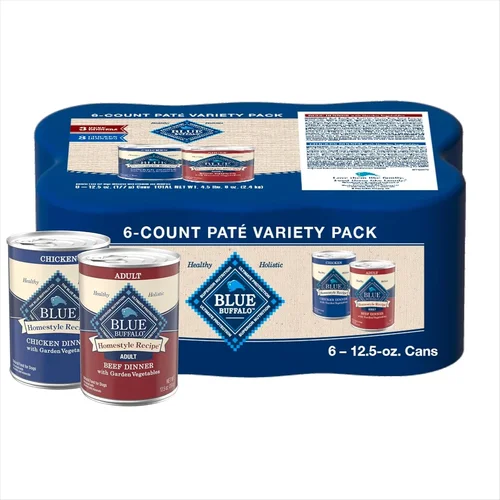
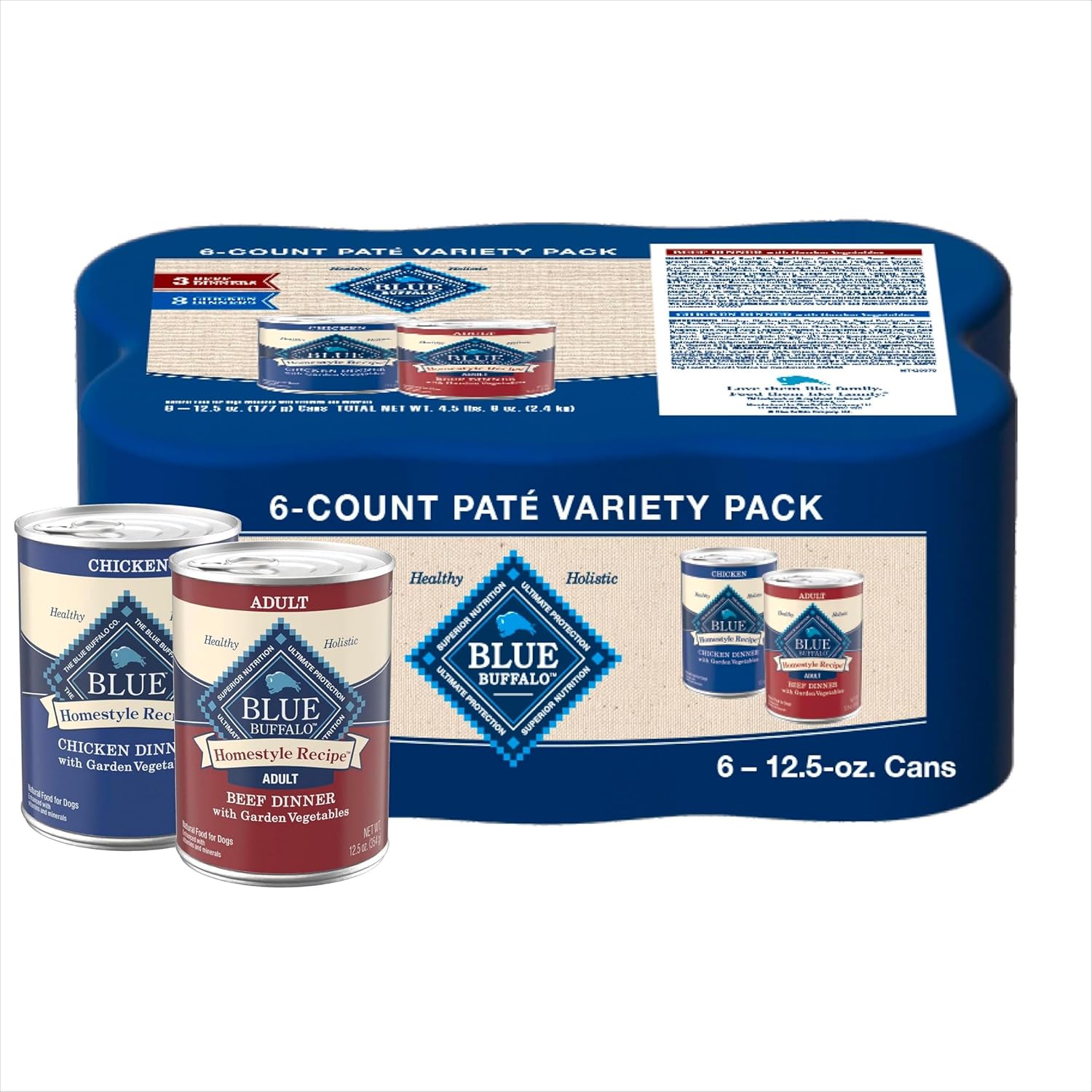
Mid-Range ($1.80–$2.80 per can): This is the sweet spot for most dog owners. Brands in this tier offer high-quality proteins, moderate fat, and added fiber. Many are AAFCO-compliant and free from artificial additives. Examples include Wellness CORE Reduced Fat and Blue Buffalo Weight Control. You get excellent value without compromising on nutrition.
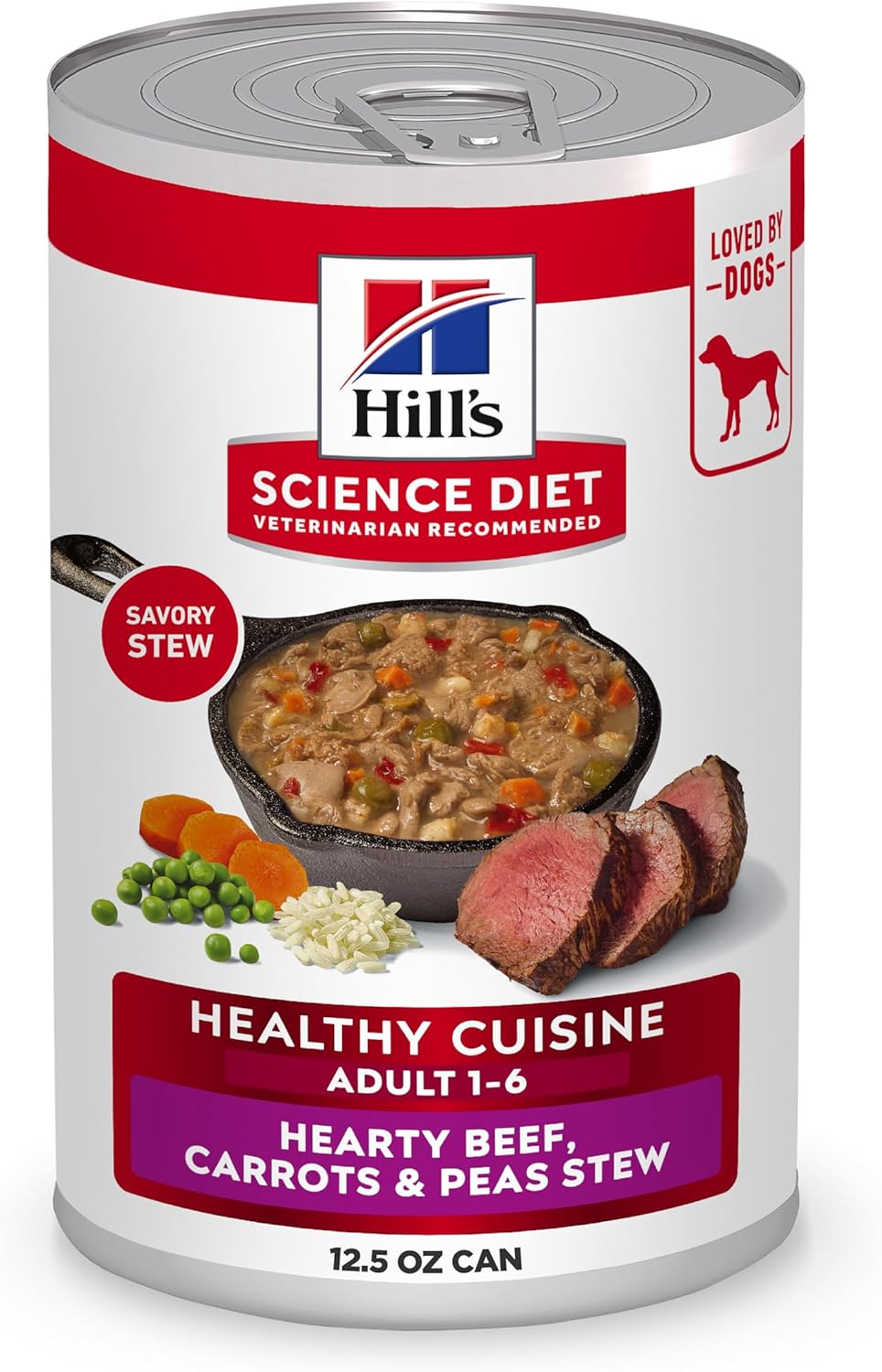
Premium ($2.80–$3.80 per can): These formulas often include novel proteins (like duck or venison), superfoods (blueberries, spinach), and functional ingredients (probiotics, omega-3s). Brands like Hill’s Science Diet and Royal Canin offer vet-recommended options with precise nutrient profiles. Ideal for dogs with sensitivities or those needing targeted support.
Luxury ($3.80+ per can): Top-tier brands like The Honest Kitchen or Open Farm use human-grade, minimally processed ingredients. While nutritionally superior, the cost may not justify the benefits for weight loss alone. Best for owners prioritizing ingredient transparency and ethical sourcing, but ensure the formula still meets calorie and protein goals.
Expert Tips for Getting the Best Deal
– Buy in bulk during sales: Many online retailers (Chewy, Petco, Amazon) offer discounts on multi-can packs, especially during Black Friday or end-of-season promotions. Stock up when prices drop, but check expiration dates.
– Subscribe and save: Auto-ship programs often provide 5–15% off regular prices. Set reminders to adjust quantities if your dog’s needs change.
– Compare unit prices: Don’t just look at total cost—check price per ounce or kcal. A larger can may seem expensive but offer better value.
– Use manufacturer coupons: Sign up for brand newsletters (Hill’s, Purina, Blue Buffalo) to receive exclusive discounts and rebates.
– Consider mixing with dry food: Some owners feed half canned, half kibble to reduce cost while maintaining moisture and palatability. Ensure the combined diet meets nutritional needs.
– Check return policies: If your dog refuses the food, you want the option to return or exchange. Most reputable retailers allow returns within 30 days.
– Consult your vet for samples: Many veterinary clinics provide free samples of therapeutic diets. Try before committing to a full case.
– Monitor for recalls: Use the FDA’s pet food recall database to stay informed. Choose brands with transparent sourcing and quality control.
Frequently Asked Questions
Q: Can I feed my dog only canned food for weight loss?
A: Yes, many dogs thrive on an all-canned diet, especially for weight management. The high moisture content helps with satiety and hydration. Just ensure the food is complete and balanced, and monitor portion sizes to avoid overfeeding.
Q: How fast should my dog lose weight?
A: Safe weight loss is 1–2% of body weight per week. Faster loss can lead to muscle wasting or liver issues. For a 50-pound dog, that’s 0.5–1 pound weekly. Consult your vet to set realistic goals.
Q: Is grain-free better for weight loss?
A: Not necessarily. Grain-free diets eliminate grains but may replace them with other starches. Focus on low-carb, high-protein formulas regardless of grain content. Some dogs do better without grains due to sensitivities—adjust based on individual response.
Q: Can I mix different brands of canned food?
A: Yes, as long as both are complete and balanced. Mixing can add variety and prevent pickiness. Introduce new foods gradually to avoid digestive upset.
Q: What if my dog won’t eat the new food?
A: Try warming the food slightly (to body temperature) or mixing in a small amount of low-sodium broth. Gradual transition over 7–10 days also helps. If refusal persists, consult your vet—there may be an underlying issue.
Q: Are “light” formulas safe for long-term use?
A: Most are, but only if they meet AAFCO standards and provide adequate nutrition. Avoid formulas with excessive fillers or very low protein. Rotate brands occasionally to ensure a broad nutrient profile.
Q: Should I adjust feeding based on activity level?
A: Absolutely. Active dogs may need more calories, while sedentary ones require fewer. Adjust portions monthly based on weight trends and energy levels.
Q: Can puppies or pregnant dogs use weight-loss food?
A: No. These life stages require higher calorie and nutrient intake. Use growth or maintenance formulas only. Consult your vet for appropriate diets.
Q: How do I know if the food is working?
A: Track weight, body condition score, and energy levels. You should see gradual weight loss, improved mobility, and a shinier coat. If no progress after 4–6 weeks, reassess diet or activity.
Q: Is homemade food better than canned?
A: Homemade diets can be excellent but require careful formulation to avoid deficiencies. Canned foods offer convenience and guaranteed balance. If preparing homemade meals, work with a veterinary nutritionist.
Our Final Recommendations
Best for Budget-Conscious Buyers: Purina Pro Plan Weight Management Canned Dog Food (Chicken & Rice)
At around $1.60 per can, this formula offers solid nutrition with real chicken as the first ingredient, 9% protein, and added fiber. It’s widely available and AAFCO-compliant, making it a reliable choice for cost-conscious owners.
Best Overall Value: Wellness CORE Reduced Fat Grain-Free Canned Dog Food
Priced at $2.40 per can, this grain-free option features deboned turkey, high protein (10% DMB), and 7% fat. It includes probiotics and antioxidants, supporting both weight loss and overall health.
Best Premium Option: Hill’s Science Diet Perfect Weight Canned Dog Food
At $3.20 per can, this vet-recommended formula is clinically proven to help dogs lose weight and keep it off. It contains high-quality chicken, natural fibers, and no artificial additives—ideal for long-term management.
Best for Beginners: Blue Buffalo Weight Control Chicken & Brown Rice Recipe
With clear labeling and a simple ingredient list, this $2.10-per-can option is easy to understand and transition to. It includes LifeSource Bits for added vitamins and minerals.
Best for Advanced Users: Royal Canin Veterinary Diet Canine Weight Control
Designed for dogs with obesity-related conditions, this $3.80-per-can therapeutic diet offers precise nutrient control, L-carnitine for fat metabolism, and joint support. Requires a vet’s authorization but delivers exceptional results.
Conclusion: Making the Right Choice
Choosing the best canned dog food for weight loss isn’t just about finding the lowest-calorie option—it’s about selecting a nutritionally balanced, high-moisture diet that supports your dog’s long-term health and well-being. By prioritizing high-quality protein, controlled fat, added fiber, and clean ingredients, you set the foundation for sustainable weight loss and improved vitality. Remember, every dog is unique. What works for one may not suit another, so stay attuned to your dog’s response and adjust as needed.
Don’t let marketing claims or price tags dictate your decision. Instead, use the criteria outlined in this guide—protein content, caloric density, ingredient quality, and veterinary compliance—to evaluate each product critically. Combine your chosen diet with regular exercise, portion control, and consistent monitoring for the best results. And always consult your veterinarian before making significant dietary changes, especially if your dog has underlying health conditions.
Your dog’s weight is more than a number on the scale—it’s a reflection of their overall health, mobility, and quality of life. With the right food, patience, and commitment, you can help your furry friend achieve a healthier weight and enjoy more active, joyful years together. Start today, stay consistent, and celebrate every small victory along the way.