
Obesity in dogs has become a silent epidemic. According to the Association for Pet Obesity Prevention, over 50% of dogs in the United States are classified as overweight or obese—a staggering statistic with serious health consequences. Excess weight puts strain on joints, increases the risk of diabetes, heart disease, and respiratory issues, and can significantly shorten a dog’s lifespan. As pet parents become more aware of these risks, the demand for effective weight management solutions—especially high-quality canned dog food—has surged.
Choosing the right canned dog food for weight management isn’t just about picking a product labeled “light” or “low-calorie.” It requires a nuanced understanding of canine nutrition, ingredient quality, caloric density, and how different formulas support satiety and metabolic health. With hundreds of brands flooding the market—from budget-friendly store labels to premium veterinary diets—it’s easy to feel overwhelmed. This guide cuts through the noise, offering science-backed insights and practical advice to help you make an informed decision that supports your dog’s long-term wellness.
In this comprehensive buying guide, you’ll learn how to evaluate canned dog foods specifically designed for weight control. We’ll break down the key nutritional factors to prioritize, explain how to interpret labels and ingredient lists, compare different product categories, and highlight common pitfalls to avoid. Whether you’re managing your dog’s weight due to a vet’s recommendation or simply aiming to keep them at a healthy size, this guide equips you with the knowledge to choose wisely. By the end, you’ll know exactly what to look for—and what to skip—when shopping for the best canned dog food for weight management in 2026.
What to Look for When Buying Canned Dog Food for Weight Management
1. Protein Content and Quality
Protein is the cornerstone of any effective weight management diet for dogs. High-quality protein supports lean muscle mass, which is essential because muscle burns more calories at rest than fat. When dogs lose weight, they often lose muscle along with fat—unless their diet provides adequate, bioavailable protein. Look for canned foods where the first ingredient is a named animal protein source, such as “chicken,” “turkey breast,” or “salmon,” rather than vague terms like “meat meal” or “animal by-products.”
Aim for a minimum of 30–40% crude protein on a dry matter basis (more on that below). This ensures your dog stays full longer while preserving muscle during calorie restriction. For example, a food listing “deboned chicken” as the first ingredient and containing 12% protein on the label may actually deliver over 35% protein when adjusted for moisture—since canned food is typically 70–80% water. Always convert wet food percentages to dry matter to compare accurately across brands.
2. Caloric Density (kcal per cup or can)
Calorie control is fundamental to weight loss. Even the healthiest ingredients won’t help if the food is too energy-dense. Most weight management canned dog foods range from 250 to 400 kcal per 13 oz (370g) can. Compare this to standard adult maintenance formulas, which often contain 400–600 kcal per can.
Check the feeding guidelines on the label—they should specify how many cans or cups correspond to your dog’s ideal weight, not their current weight. For instance, a 50-pound dog might need only one 13 oz can per day of a low-calorie formula, whereas a regular diet could require 1.5–2 cans. Overfeeding is the number one reason weight loss plans fail, so precise calorie awareness is non-negotiable.
3. Fiber Type and Amount
Fiber plays a dual role in weight management: it promotes fullness (satiety) and supports healthy digestion. However, not all fiber is created equal. Soluble fibers like beet pulp, pumpkin, and psyllium husk ferment in the gut, producing short-chain fatty acids that help regulate appetite. Insoluble fibers like cellulose add bulk but offer less nutritional benefit.
Look for a balanced blend—ideally 3–8% crude fiber on a dry matter basis. Too little fiber won’t keep your dog satisfied between meals; too much can cause loose stools or reduce nutrient absorption. Some top-tier weight management formulas include prebiotic fibers like chicory root or inulin, which nourish beneficial gut bacteria and enhance metabolic health.
4. Fat Content and Source
While fat is calorie-dense (9 kcal per gram vs. 4 for protein/carbs), it’s not inherently bad—especially when sourced from quality ingredients like chicken fat, flaxseed, or salmon oil. These provide essential fatty acids (omega-3 and omega-6) that reduce inflammation, support skin health, and may improve insulin sensitivity.
For weight management, aim for moderate fat levels—typically 8–15% on a dry matter basis. Avoid foods with excessive plant oils (like corn or soybean oil) listed early in the ingredient list, as these are often used as cheap fillers and can contribute to weight gain. Also, beware of “low-fat” claims that sacrifice palatability—your dog needs to enjoy their food to stick to the diet long-term.
5. Carbohydrate Sources and Glycemic Index
Carbs aren’t evil, but the type and quality matter immensely. High-glycemic carbs like white rice, corn, or potatoes can spike blood sugar and insulin levels, promoting fat storage and hunger. Instead, opt for complex, low-glycemic carbohydrates such as sweet potatoes, lentils, oats, or barley. These release energy slowly, helping maintain stable metabolism and reducing cravings.
Some premium weight management formulas minimize carbs altogether, focusing on protein and fiber. Others use novel carb sources like green peas or chickpeas, which also provide plant-based protein and fiber. Always check the ingredient list: if grains or starches appear in the top five ingredients, consider whether they’re necessary or just filler.
6. Added Functional Ingredients
The best weight management canned foods go beyond basic nutrition by including functional additives that support metabolic health. Look for:
– L-carnitine: An amino acid that helps convert fat into energy. Studies show it can enhance weight loss in dogs when combined with calorie restriction.
– Chondroitin and glucosamine: Support joint health, crucial for overweight dogs who may suffer from arthritis.
– Antioxidants (vitamins C & E, beta-carotene): Combat oxidative stress linked to obesity and aging.
– Probiotics: Promote gut health, which influences metabolism and immune function.
These ingredients aren’t mandatory, but they signal a brand committed to holistic wellness—not just calorie cutting.
7. Palatability and Texture
No matter how nutritious a food is, it’s useless if your dog refuses to eat it. Overweight dogs often have picky appetites, especially if they’ve been overfed treats or table scraps. Canned food offers an advantage here: its rich aroma and soft texture are highly appealing, even to finicky eaters.
Look for varieties with gravy, broth, or shredded meat—these enhance flavor without adding excessive calories. Some brands offer “rotisserie-style” or “slow-cooked” textures that mimic homemade meals. If your dog has dental issues (common in older, overweight dogs), pâté or finely minced formulas may be easier to chew than chunky cuts.
8. Brand Transparency and AAFCO Compliance
Not all pet food brands are created equal. Reputable manufacturers clearly state whether their product meets AAFCO (Association of American Feed Control Officials) nutrient profiles for adult maintenance or weight management. This ensures the food is complete and balanced—not just a glorified treat.
Additionally, transparent brands disclose sourcing practices, manufacturing locations, and third-party testing results. Avoid companies that use vague language like “natural flavors” or “animal digest.” Instead, choose those that specify ingredients (e.g., “turkey liver,” not “liver flavor”) and provide batch codes for traceability.
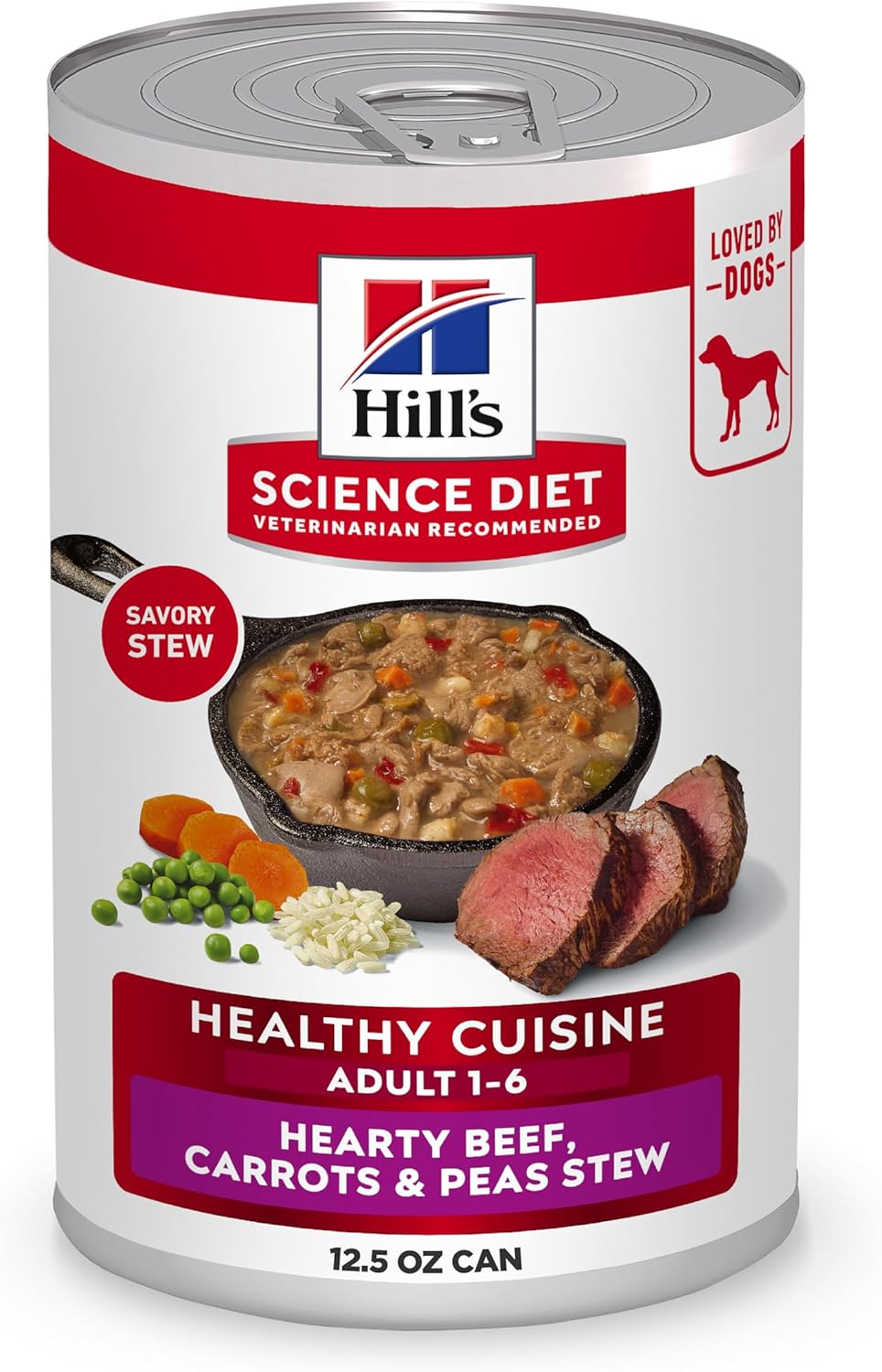
Different Types of Canned Dog Food for Weight Management
Common Buying Mistakes to Avoid

❌ Mistake: Relying Solely on “Light” or “Low-Calorie” Labels
Why it’s bad: Terms like “light” are loosely regulated. A food labeled “light” might still be high in fat or carbs and not optimized for sustained weight loss. Some “light” formulas reduce calories by increasing fiber alone, which can lead to hunger and overeating.
What to do instead: Always check the guaranteed analysis for protein, fat, fiber, and kcal content. Compare dry matter values across brands. Use a calorie calculator (many vet sites offer free tools) to determine your dog’s daily needs based on ideal weight, age, and activity level.
❌ Mistake: Ignoring Portion Control
Why it’s bad: Even the best weight management food won’t work if you’re feeding too much. Many owners underestimate portions or free-feed, negating the benefits of a low-calorie diet.
What to do instead: Measure every meal using a kitchen scale or measuring cup. Split daily intake into 2–3 smaller meals to maintain metabolism and reduce begging. Use puzzle feeders to slow eating and increase mental stimulation.
❌ Mistake: Switching Foods Too Quickly
Why it’s bad: Sudden diet changes can cause digestive upset, refusal to eat, or stress—especially in senior or sensitive dogs. This leads to inconsistency, making weight loss harder.
What to do instead: Transition gradually over 7–10 days: start with 25% new food + 75% old, then increase the ratio every 2–3 days. Monitor stool quality and appetite throughout.
❌ Mistake: Overlooking Treats and Extras
Why it’s bad: Treats can account for 20–30% of a dog’s daily calories. Feeding high-calorie biscuits, cheese, or peanut butter while on a weight plan sabotages progress.
What to do instead: Limit treats to 10% of daily calories. Use low-cal options like freeze-dried liver (1–2 pieces), green beans, or carrots. Consider using part of the daily meal as a treat during training.
❌ Mistake: Choosing Based on Price Alone
Why it’s bad: Cheap foods often use fillers, by-products, and synthetic additives that reduce nutrient density and increase hunger. You may end up feeding more to satisfy your dog, defeating the purpose.
What to do instead: Invest in quality—even if it costs more per can. A higher-quality food with better digestibility means smaller portions and fewer vet bills long-term. Think of it as preventive healthcare.
❌ Mistake: Not Consulting a Veterinarian
Why it’s bad: Obesity can mask underlying conditions like hypothyroidism or Cushing’s disease. Starting a weight loss plan without a vet’s input risks worsening health issues.
What to do instead: Schedule a check-up before beginning any diet. Your vet can rule out medical causes, recommend specific products (like prescription diets), and monitor progress with body condition scoring.
❌ Mistake: Expecting Overnight Results
Why it’s bad: Rapid weight loss in dogs can cause hepatic lipidosis (fatty liver disease), especially in small breeds. Impatience leads to frustration and diet abandonment.
What to do instead: Aim for 1–2% body weight loss per week. Weigh your dog monthly and adjust portions as needed. Celebrate non-scale victories: better mobility, more energy, shinier coat.
Budget Guidelines: How Much Should You Spend?
– Entry-Level ($0.90–$1.50 per can): These are typically store-brand “light” formulas or economy lines from major brands. Expect moderate protein (25–30% dry matter), higher carb content, and minimal functional additives. Suitable for mildly overweight dogs with no health complications. Examples include Purina Beneful Light or Pedigree Choice Cuts Light.
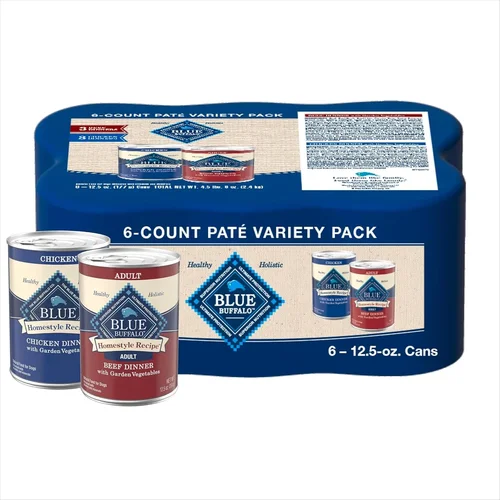
– Mid-Range ($1.80–$2.80 per can): This is the sweet spot for most pet owners. Brands like Wellness CORE Reduced Fat, Blue Buffalo Weight Control, and Nutro Ultra Weight Management offer high protein (35–45% dry matter), quality ingredients, and added benefits like L-carnitine or probiotics. Excellent balance of cost, nutrition, and palatability.
– Premium ($2.80–$4.00 per can): Designed for dogs with complex needs—severe obesity, joint issues, or metabolic disorders. Includes veterinary diets (Hill’s Prescription Diet r/d, Royal Canin Veterinary Diet Obesity) and boutique brands like The Honest Kitchen or Open Farm. Often grain-free, human-grade, and formulated with clinical research backing.
– Luxury ($4.00+ per can): Ultra-premium, limited-production recipes featuring exotic proteins (duck, venison), organic produce, and artisanal preparation. While nutritionally sound, the cost-benefit ratio diminishes unless your dog has unique dietary requirements. Best for owners prioritizing ingredient sourcing over budget.
Expert Tips for Getting the Best Deal
– Time your purchases around sales cycles: Major pet retailers (Chewy, Petco, Amazon) run seasonal promotions in January (New Year resolutions), May (Pet Month), and November (Black Friday). Stock up during these periods.
– Compare unit prices, not just total cost: A $24 case of 12 cans ($2.00/can) is better value than a $10 pack of 6 ($1.67/can) only if your dog eats the entire case before expiration. Calculate cost per kcal if possible.
– Use cashback apps and loyalty programs: Rakuten, Honey, and retailer-specific rewards (Chewy Autoship, Petco Pals) can yield 5–15% back on pet food purchases.
– Read verified buyer reviews: Focus on comments about weight loss results, stool quality, and palatability—not just packaging or shipping speed. Look for patterns across multiple reviews.
– Check return policies: If your dog refuses the food, can you return unopened cans? Chewy and Petco typically allow returns within 30–60 days.
– Ask your vet for samples: Many veterinary clinics provide free samples of prescription or therapeutic diets. Test before committing to a full case.
– Rotate flavors cautiously: Some dogs thrive on variety, but frequent switches can disrupt digestion. Stick to one formula for 4–6 weeks to assess effectiveness, then rotate if desired.
– Monitor your dog’s response: Track weight, energy levels, coat condition, and bathroom habits. If no improvement after 8–12 weeks, reassess the diet or consult your vet.
Frequently Asked Questions
Q: Can I mix canned weight management food with dry kibble?
A: Yes, but carefully. Mixing can help transition picky eaters or add moisture, but it increases total calorie intake. Calculate the combined kcal of both foods and adjust portions accordingly. For example, if your dog needs 400 kcal/day, and you feed ½ can (200 kcal) of wet food, limit dry kibble to 200 kcal.
Q: How long should my dog stay on a weight management diet?
A: Once your dog reaches their ideal weight, transition to a maintenance formula—not back to their old food. Maintenance diets have slightly higher calories to prevent regain. Continue monitoring weight monthly and adjust as needed based on age, activity, and metabolism.
Q: Are grain-free weight management foods better?
A: Not necessarily. Grain-free doesn’t automatically mean lower calorie or healthier. Some grain-free formulas use legumes (peas, lentils) that are high in starch. Choose based on your dog’s individual needs—grain-free is best for dogs with confirmed grain allergies.
Q: My dog is losing weight too fast. What should I do?
A: Increase portion size slightly or add a small amount of healthy fat (like a teaspoon of olive oil) to boost calories safely. Consult your vet immediately if your dog shows lethargy, vomiting, or refuses food—these could signal hepatic lipidosis.
Q: Can puppies or senior dogs use weight management food?
A: Puppies should never be on weight loss diets—they need extra calories for growth. Senior dogs can benefit, but choose formulas with joint support and higher protein to prevent muscle loss. Always get vet approval first.
Q: Is homemade food better than canned for weight management?
A: Homemade diets offer control but require precise balancing to avoid deficiencies. Unless formulated by a veterinary nutritionist, they’re risky. Canned commercial foods are convenient, consistent, and scientifically balanced—ideal for most owners.
Q: How do I know if my dog is at a healthy weight?
A: Use the Body Condition Score (BCS) system: you should be able to feel (not see) ribs, see a waist when viewed from above, and an abdominal tuck from the side. Your vet can demonstrate proper scoring during check-ups.
Q: Do I need to exercise my dog while on a weight management diet?
A: Absolutely. Diet alone isn’t enough. Daily walks, play sessions, and mental stimulation (nose work, training) boost calorie burn and improve mood. Start slowly if your dog is severely overweight to avoid joint strain.
Q: Can I feed weight management food to multiple dogs?
A: Only if all dogs need to lose weight. Overweight and lean dogs have different caloric needs. Feeding a low-calorie diet to a healthy-weight dog can lead to malnutrition. Feed separately or choose a balanced adult maintenance food instead.
Q: Are there risks to long-term use of weight management food?
A: Once ideal weight is achieved, switch to a maintenance formula. Prolonged use of very low-calorie diets can lead to nutrient deficiencies or reduced metabolic rate. Follow your vet’s guidance for lifelong nutrition planning.
Our Final Recommendations
– Best for Budget-Conscious Buyers: Purina Pro Plan Weight Management Canned Dog Food (Chicken & Rice)
At around $1.40 per can, it offers solid protein (32% dry matter), moderate fat, and added L-carnitine. Widely available and vet-recommended for mild weight issues.
– Best Overall Value: Wellness CORE Grain-Free Reduced Fat Turkey & Chicken Liver Recipe
Packed with 42% dry matter protein, low starch, and prebiotic fiber. Priced at ~$2.20/can, it delivers premium nutrition without prescription costs.
– Best Premium Option: Hill’s Prescription Diet Metabolic + Mobility Canine
Clinically proven to help dogs lose 13% body weight in 3 months while improving joint function. Includes L-carnitine, omega-3s, and antioxidants. Requires vet authorization but worth it for complex cases.
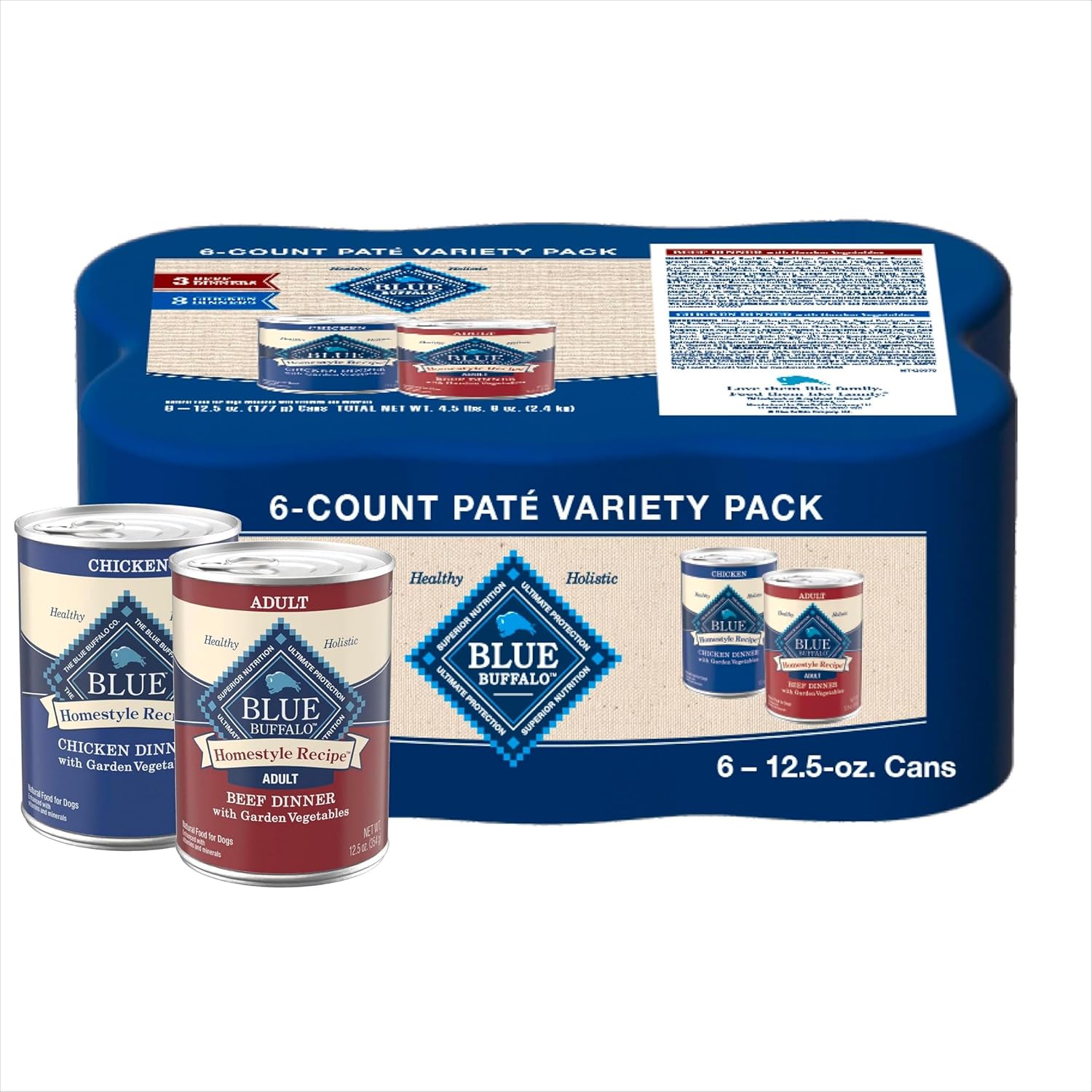
– Best for Beginners: Blue Buffalo Life Protection Formula Healthy Weight Chicken & Brown Rice
User-friendly labeling, great taste, and balanced nutrition. Ideal for first-time weight management dieters. Around $2.00/can with easy availability.
– Best for Advanced Users (DIY-minded owners): The Honest Kitchen Human-Grade Dehydrated Dog Food (Beef or Turkey)
While not canned, it rehydrates into a high-moisture meal with 38% protein and no fillers. Perfect for owners who want maximum control over ingredients and hydration. Mix with water for a “canned-like” texture.
Conclusion: Making the Right Choice
Choosing the best canned dog food for weight management is about more than just shedding pounds—it’s about fostering a healthier, happier, and longer life for your companion. By prioritizing high-quality protein, controlled calories, functional ingredients, and palatability, you set your dog up for sustainable success. Avoid common pitfalls like over-reliance on labels, ignoring portion sizes, or skipping vet consultations. Remember, every dog is unique: what works for a Labrador may not suit a Dachshund.
Use this guide as your roadmap. Compare options using our criteria, leverage expert tips to save money, and stay patient throughout the journey. Weight loss takes time, but the rewards—improved mobility, brighter eyes, and more playful days—are immeasurable. Your dog deserves nothing less than the best. Start today, stay consistent, and celebrate every step toward a healthier future together.