
When it comes to feeding your dog, the choices can feel overwhelming—especially when you’re standing in the pet food aisle surrounded by dozens of canned options, each boasting bold claims like “grain-free,” “high-protein,” or “veterinarian recommended.” But not all canned dog food is created equal. With rising concerns about ingredient quality, digestibility, and long-term health impacts, choosing the right wet food for your furry companion has never been more important. Whether you’re a first-time dog owner or a seasoned pet parent looking to upgrade your pup’s diet, this comprehensive guide is designed to cut through the noise and help you make an informed, confident decision.
In this expert-level buying guide for 2026, we’ll walk you through everything you need to know about selecting the best canned dog food. You’ll learn how to decode ingredient labels, understand nutritional requirements based on your dog’s age, size, and activity level, and identify red flags that could signal low-quality or potentially harmful products. We’ll also compare different types of wet dog food, highlight common purchasing mistakes, and provide actionable tips to get the best value for your money. By the end, you’ll have a clear roadmap to choosing a product that supports your dog’s health, energy, and longevity—without breaking the bank.
The canned dog food market has evolved significantly in recent years. Gone are the days when wet food was seen as a mere treat or topper. Today, premium brands offer complete and balanced nutrition in convenient, palatable formats that appeal to even the pickiest eaters. From single-protein formulas for dogs with food sensitivities to high-moisture diets that support urinary health, the options are vast—and growing. However, this abundance of choice also means greater responsibility for pet owners to understand what they’re really feeding their dogs. This guide will equip you with the knowledge to navigate that complexity and select a product that truly meets your dog’s needs.
What to Look for When Buying Canned Dog Food
1. Ingredient Quality and Transparency
The first thing to examine on any canned dog food label is the ingredient list. High-quality wet food should list a named animal protein as the first ingredient—such as “chicken,” “beef,” or “salmon”—not vague terms like “meat meal” or “animal by-products.” Look for whole meats, organ meats (like liver or kidney), and recognizable vegetables and grains. Avoid products with artificial preservatives (like BHA, BHT, or ethoxyquin), colors, or flavors. Transparency matters: reputable brands will clearly state the source of their ingredients and avoid ambiguous labeling.
2. Nutritional Adequacy and AAFCO Compliance
Every canned dog food should meet the nutritional standards set by the Association of American Feed Control Officials (AAFCO). Look for a statement on the label that says the food is “complete and balanced” for a specific life stage—such as “for all life stages” or “for adult maintenance.” This ensures the food provides the right balance of protein, fat, carbohydrates, vitamins, and minerals your dog needs. Puppies, seniors, and pregnant or nursing dogs have different nutritional requirements, so choose a formula tailored to your dog’s life stage.
3. Protein Content and Source
Protein is the cornerstone of a dog’s diet, supporting muscle development, immune function, and overall vitality. High-quality canned dog food typically contains 7–10% protein on a dry matter basis, though active or working dogs may benefit from higher levels. The source of that protein matters just as much as the quantity. Look for named meat sources (e.g., “deboned chicken” or “lamb meal”) rather than generic “meat” or “poultry by-product meal.” Novel proteins like duck, venison, or rabbit can be excellent choices for dogs with food allergies or sensitivities.
4. Moisture Content and Hydration Benefits
One of the biggest advantages of canned dog food is its high moisture content—typically 70–80%. This helps keep your dog hydrated, which is especially important for dogs who don’t drink enough water on their own. Adequate hydration supports kidney and urinary tract health, reduces the risk of bladder stones, and can improve digestion. If your dog has a history of urinary issues or kidney disease, wet food can be a game-changer. Just be sure to adjust portion sizes accordingly, as wet food is less calorie-dense than dry kibble.
5. Grain-Free vs. Grain-Inclusive: What’s Right for Your Dog?
The grain-free debate has been a hot topic in pet nutrition for years. While grain-free diets were once touted as the gold standard, recent research has raised concerns about a potential link between certain grain-free diets and dilated cardiomyopathy (DCM) in dogs. The FDA has investigated this connection, particularly in diets high in legumes (like peas, lentils, and chickpeas) or potatoes. Unless your dog has a diagnosed grain allergy, there’s usually no need to avoid grains. In fact, whole grains like brown rice, oats, and barley provide valuable fiber, energy, and nutrients. Choose based on your dog’s individual needs—not trends.
6. Additives, Fillers, and Artificial Ingredients
Avoid canned dog foods loaded with unnecessary fillers like corn syrup, soy, or cellulose. These ingredients offer little nutritional value and can contribute to weight gain or digestive upset. Similarly, steer clear of artificial preservatives, colors, and flavors. Natural preservatives like mixed tocopherols (vitamin E) or citric acid are safer alternatives. Some brands also include functional additives like probiotics, glucosamine, or omega-3 fatty acids—these can be beneficial, but only if they’re present in meaningful amounts and from quality sources.
7. Brand Reputation and Manufacturing Practices
Not all pet food companies are created equal. Research the brand’s history, manufacturing standards, and recall record. Reputable companies conduct regular testing for contaminants, source ingredients responsibly, and are transparent about their supply chain. Look for brands that manufacture their own food (rather than outsourcing to third-party facilities) and those that follow strict quality control protocols. Customer reviews, veterinary endorsements, and third-party certifications (like USDA Organic or Non-GMO Project Verified) can also be helpful indicators of trustworthiness.
8. Price vs. Value: Understanding Cost Per Serving
While price is an important consideration, it shouldn’t be the sole deciding factor. A cheaper can of dog food may seem like a bargain, but if it’s low in protein or high in fillers, your dog may need to eat more to feel satisfied—ultimately costing you more in the long run. Calculate the cost per serving based on your dog’s daily intake. Premium brands often offer better nutrition, leading to improved coat condition, digestion, and energy levels, which can reduce vet bills over time. Think of high-quality dog food as an investment in your dog’s health.
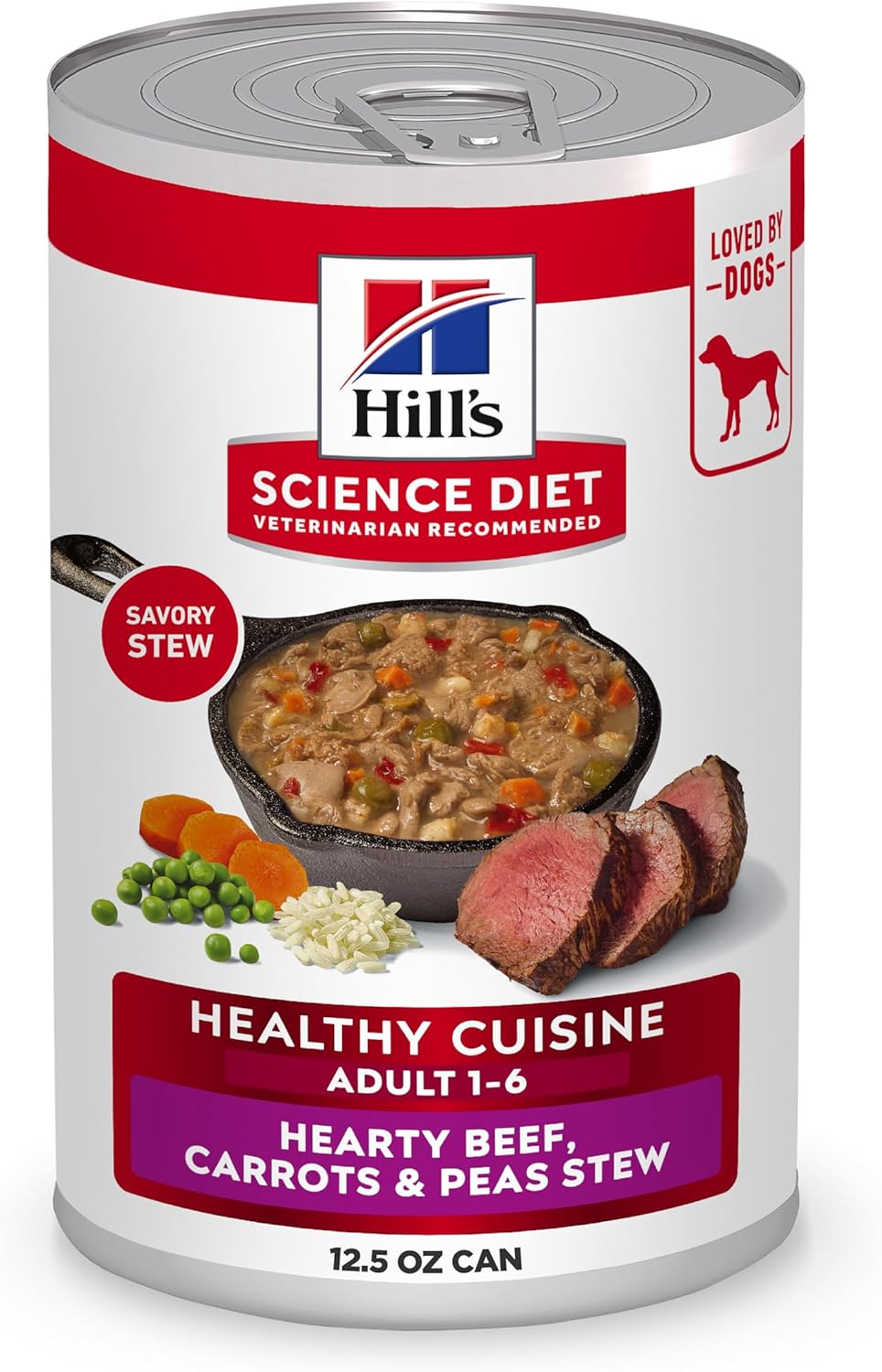
Different Types of Canned Dog Food
Common Buying Mistakes to Avoid

❌ Mistake: Choosing Based Solely on Price
Why it’s bad: Opting for the cheapest option often means compromising on ingredient quality and nutritional value. Low-cost canned foods may contain fillers, by-products, or excessive sodium, which can lead to health issues over time.
What to do instead: Focus on value, not just cost. Calculate the price per serving and compare nutritional profiles. A slightly more expensive can with high-quality ingredients can save you money on vet bills and improve your dog’s quality of life.
❌ Mistake: Ignoring Life Stage and Breed-Specific Needs
Why it’s bad: Feeding a puppy food to a senior dog—or vice versa—can result in nutritional imbalances. Large breeds have different joint and growth requirements than small breeds, and active dogs need more calories and protein.
What to do instead: Select a formula that matches your dog’s age, size, and activity level. Look for labels that specify “for puppies,” “for seniors,” or “for large breeds” to ensure appropriate nutrient levels.
❌ Mistake: Overlooking the Importance of Rotation
Why it’s bad: Feeding the same food every day can lead to nutrient deficiencies or sensitivities. Dogs benefit from dietary variety, which can support gut health and reduce the risk of food allergies.
What to do instead: Rotate between different proteins and brands every few months. This doesn’t mean switching abruptly—gradual transitions over 7–10 days help prevent digestive upset.
❌ Mistake: Not Reading the Full Ingredient List
Why it’s bad: Many brands use marketing tactics to highlight premium ingredients on the front label while hiding low-quality fillers or artificial additives further down the list.
What to do instead: Always read the full ingredient list, not just the front packaging. Ingredients are listed by weight, so the first five ingredients make up the bulk of the food.
❌ Mistake: Assuming All “Natural” or “Organic” Labels Are Equal
Why it’s bad: Terms like “natural” and “organic” are not always regulated in pet food the way they are in human food. Some products may contain minimal organic ingredients but still include fillers or artificial preservatives.
What to do instead: Look for third-party certifications like USDA Organic or AAFCO statements. These provide more reliable assurance of quality and compliance.
❌ Mistake: Feeding Too Much or Too Little
Why it’s bad: Overfeeding can lead to obesity, while underfeeding can cause malnutrition. Canned food is more calorie-dense than dry food, so portion control is essential.
What to do instead: Follow the feeding guidelines on the label as a starting point, then adjust based on your dog’s weight, activity level, and body condition. Consult your vet if you’re unsure.
❌ Mistake: Storing Canned Food Improperly
Why it’s bad: Once opened, canned food can spoil quickly if not stored correctly. Leaving food out for too long can lead to bacterial growth and digestive issues.
What to do instead: Refrigerate unused portions in an airtight container and use within 3–5 days. Never leave wet food out for more than 2 hours, especially in warm weather.
Budget Guidelines: How Much Should You Spend?
– Entry-Level ($1.00–$1.75 per can): These options are typically available at big-box stores and supermarkets. While convenient, they often contain lower-quality proteins, fillers, and artificial additives. Best for occasional use or as a topper, but not ideal for daily feeding unless your dog has no sensitivities.
– Mid-Range ($1.75–$3.00 per can): This is the sweet spot for most dog owners. Brands in this range offer higher-quality ingredients, better protein sources, and fewer fillers. Many are AAFCO-compliant and suitable for daily feeding. Examples include Wellness, Merrick, and Blue Buffalo.
– Premium ($3.00–$4.50 per can): These foods use human-grade ingredients, novel proteins, and functional additives like probiotics or joint support. They’re ideal for dogs with allergies, digestive issues, or owners who prioritize holistic nutrition. Brands like The Honest Kitchen, Open Farm, and Ziwi Peak fall into this category.
– Luxury ($4.50+ per can): Top-tier options often include raw, freeze-dried, or fresh-pressed formulations with minimal processing. These are best for health-conscious owners or dogs with complex dietary needs. While expensive, they offer the highest bioavailability and nutrient retention.
Expert Tips for Getting the Best Deal
– Buy in Bulk When Possible: Many online retailers offer discounts when you purchase multi-packs or subscribe to regular deliveries. Just ensure you have proper storage to maintain freshness.
– Watch for Seasonal Sales: Pet food brands often run promotions around holidays like Black Friday, Memorial Day, or National Pet Day. Sign up for newsletters to get early access to deals.
– Compare Online vs. In-Store Prices: Online retailers like Chewy, Amazon, and Petco often have lower prices and better selection than local stores. Plus, you can read customer reviews before buying.
– Check for Manufacturer Rebates: Some brands offer mail-in rebates or digital coupons through their websites. These can significantly reduce the cost per can.
– Consider Subscription Services: Auto-ship programs often include discounts (10–15% off) and free shipping. You can usually pause or cancel anytime, so there’s little risk.
– Read Return Policies: If your dog doesn’t like a new food, you want to be able to return it. Look for retailers with flexible return windows, especially for unopened cans.
– Test Before Committing: Buy a single can or small pack before switching your dog’s entire diet. This helps you assess palatability, digestion, and any adverse reactions.
– Ask Your Vet for Samples: Some veterinary clinics provide free samples of prescription or therapeutic diets. This is a great way to try high-end foods without the upfront cost.
Frequently Asked Questions
Q: Can I feed my dog only canned food?
A: Yes, many dogs thrive on an all-wet diet. Canned food provides excellent hydration and is highly palatable. Just ensure the food is labeled “complete and balanced” for your dog’s life stage. Monitor your dog’s weight and adjust portions as needed.
Q: Is canned dog food better than dry kibble?
A: It depends on your dog’s needs. Wet food offers higher moisture content, which benefits urinary and kidney health. It’s also easier for senior dogs or those with dental issues to eat. However, dry food is more convenient, cost-effective, and can help reduce plaque buildup. Many owners use a combination of both.
Q: How long does opened canned dog food last?
A: Once opened, transfer unused portions to an airtight container and refrigerate. Use within 3–5 days. Never leave wet food out at room temperature for more than 2 hours.
Q: Can puppies eat adult canned dog food?
A: It’s not recommended. Puppy food is formulated with higher levels of protein, fat, and calories to support rapid growth. Feeding adult food to a puppy can lead to nutritional deficiencies.
Q: What should I do if my dog has a food allergy?
A: Work with your veterinarian to identify the allergen. Common culprits include beef, chicken, dairy, and wheat. Switch to a limited-ingredient or novel protein diet (e.g., duck, venison, or salmon) and monitor for improvement.
Q: Are grain-free diets safe for dogs?
A: For most dogs, grains are not harmful and can be a healthy part of their diet. The FDA has raised concerns about grain-free diets linked to DCM, especially those high in legumes. Unless your dog has a diagnosed grain allergy, grain-inclusive diets are generally safer.
Q: How much canned food should I feed my dog?
A: Feeding guidelines vary by brand and your dog’s weight. Start with the recommended amount on the label and adjust based on your dog’s body condition. A healthy dog should have a visible waist and palpable ribs.
Q: Can I mix canned and dry food?
A: Absolutely! Many owners mix wet and dry food to combine the benefits of both. Just be mindful of total calorie intake to avoid overfeeding.
Q: Is it safe to feed raw canned dog food?
A: Raw or fresh-pressed canned foods are generally safe when handled properly. Look for brands that use high-pressure processing (HPP) or other pathogen-reduction methods. Always wash bowls and hands after feeding.
Q: What’s the difference between “meal” and “whole meat”?
A: “Whole meat” refers to fresh or frozen muscle tissue, while “meal” is rendered meat that’s been cooked and dried. Both can be high-quality, but whole meats typically retain more moisture and nutrients. Look for named meals like “chicken meal” rather than generic “meat meal.”
Our Final Recommendations
– Best for Budget-Conscious Buyers: Purina Pro Plan Wet Dog Food – Offers solid nutrition at an affordable price, with real meat as the first ingredient and AAFCO compliance.
– Best Overall Value: Wellness Complete Health Pate – Balances quality ingredients, digestibility, and price. Free from artificial additives and available in multiple protein options.
– Best Premium Option: Open Farm Homestead Turkey & Chicken Recipe – Humanely raised meats, non-GMO vegetables, and transparent sourcing. Ideal for owners who prioritize ethical and sustainable practices.
– Best for Beginners: Blue Buffalo Homestyle Recipe – Easy-to-find, widely available, and formulated with natural ingredients. Great for first-time wet food users.
– Best for Advanced Users: The Honest Kitchen Human-Grade Dehydrated Food (Reconstituted) – While not traditional canned food, this human-grade option can be mixed with water to create a fresh, minimally processed meal. Perfect for owners seeking the highest standard of nutrition.
Conclusion: Making the Right Choice
Choosing the best canned dog food isn’t just about picking the most expensive or most advertised option—it’s about understanding your dog’s unique needs and matching them with a product that delivers real nutritional value. From ingredient quality and life stage appropriateness to budget considerations and storage practices, every decision you make impacts your dog’s health and happiness. By using the insights and strategies in this guide, you’re not just buying dog food—you’re investing in a longer, healthier, and more vibrant life for your best friend.
Remember, there’s no one-size-fits-all solution. What works for a high-energy Border Collie may not suit a senior Chihuahuas with dental issues. Take the time to observe your dog’s response to new foods, consult your veterinarian when in doubt, and don’t be afraid to experiment—within reason. With the right knowledge and a little patience, you’ll find the perfect canned dog food that your pup loves and your conscience can trust. Your dog deserves nothing less.