

As our beloved canine companions age, their nutritional needs shift in ways that can significantly impact their health, energy levels, and overall quality of life. Just like humans, senior dogs require a more tailored diet to support joint health, maintain a healthy weight, support cognitive function, and manage age-related conditions such as reduced kidney function or decreased mobility. While dry kibble remains popular, canned dog food has emerged as a superior choice for many older pets—offering higher moisture content, enhanced palatability, and easier digestion. Whether your senior dog is dealing with dental issues, a sensitive stomach, or simply has a diminished appetite, the right canned food can make a meaningful difference in their daily well-being.
This comprehensive buying guide is designed to help pet owners navigate the crowded and often confusing market of senior dog food in 2026. With hundreds of brands, formulations, and ingredient combinations available, choosing the best canned dog food for your aging companion can feel overwhelming. Our goal is to cut through the marketing noise and provide you with expert-level insights based on veterinary recommendations, nutritional science, and real-world testing. You’ll learn how to evaluate ingredients, understand labeling, identify red flags, and select a product that aligns with your dog’s specific health needs and your budget. Whether you’re caring for a 7-year-old small breed or a 12-year-old large breed, this guide will equip you with the knowledge to make a confident, informed decision.
The canned dog food market has evolved dramatically in recent years, with manufacturers responding to growing consumer demand for high-quality, species-appropriate nutrition. Today’s premium canned foods go far beyond basic meat and gravy—they’re formulated with functional ingredients like glucosamine for joints, omega-3 fatty acids for brain and coat health, prebiotics for digestion, and antioxidants to support immune function. At the same time, budget-friendly options have also improved, offering better ingredient quality than ever before. However, not all canned foods are created equal, and some may even do more harm than good if they contain fillers, artificial additives, or excessive sodium. This guide will walk you through every critical factor to consider, from protein sources and moisture content to brand transparency and cost-effectiveness, so you can find the ideal match for your senior dog.
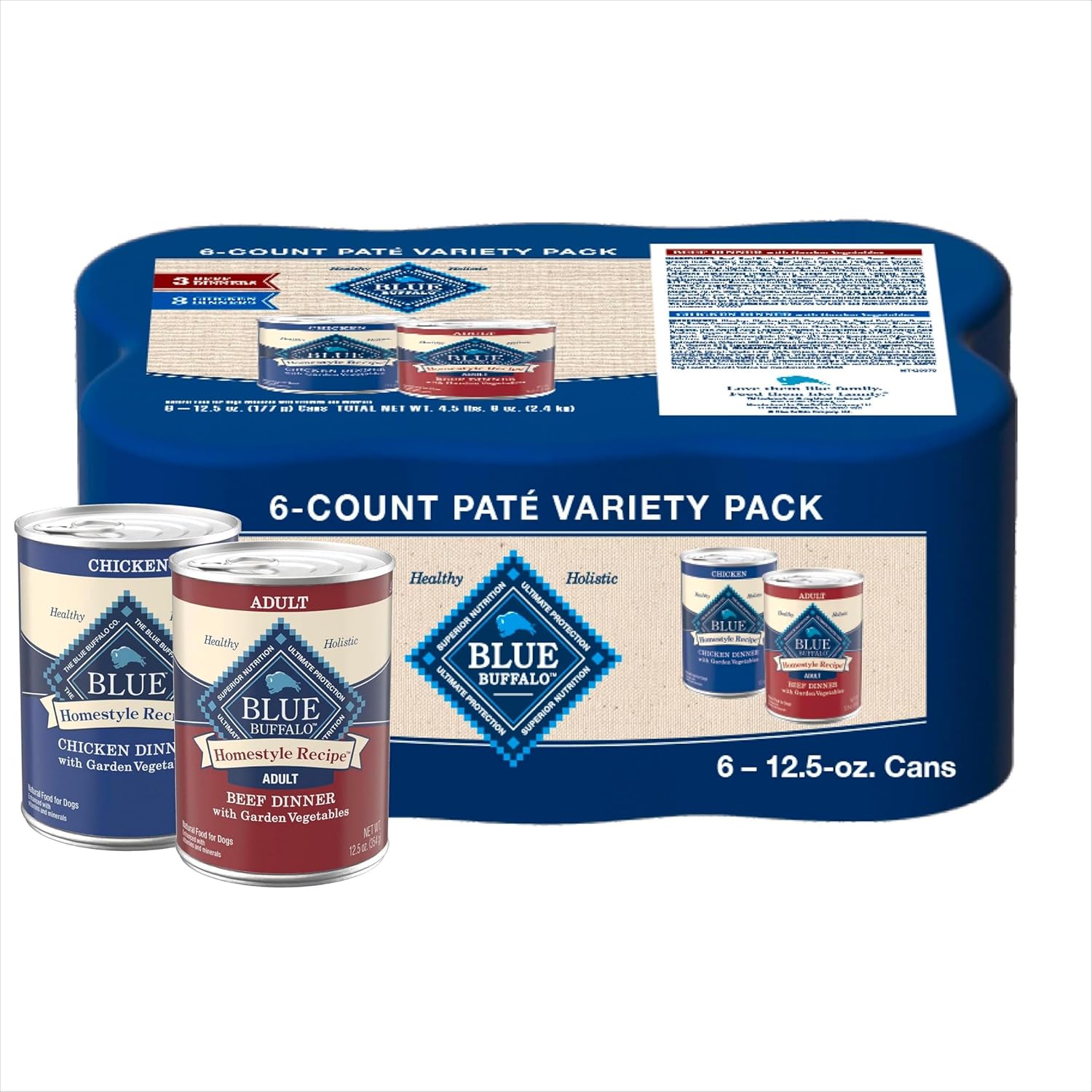
What to Look for When Buying Canned Dog Food for Older Dogs
1. High-Quality Protein Sources
Protein is the cornerstone of any dog’s diet, but it becomes especially important in senior years. As dogs age, they naturally lose muscle mass—a condition known as sarcopenia—which can lead to weakness, reduced mobility, and a compromised immune system. High-quality, easily digestible protein helps preserve lean muscle and supports metabolic function. When evaluating canned dog food, look for named animal proteins listed as the first ingredient, such as “chicken,” “turkey,” “salmon,” or “lamb.” Avoid vague terms like “meat meal” or “animal by-product meal,” which can include low-quality or inconsistent sources.
For senior dogs with kidney concerns, protein moderation may be necessary, but this should always be guided by a veterinarian. Contrary to outdated beliefs, healthy senior dogs benefit from adequate—not reduced—protein intake. The key is choosing highly bioavailable proteins that are easier on the kidneys, such as egg, lean poultry, or fish. Additionally, look for foods that specify the protein source and avoid those with excessive fillers like corn, wheat, or soy, which provide little nutritional value and can be hard to digest.
2. Optimal Moisture Content
One of the biggest advantages of canned dog food over dry kibble is its high moisture content—typically ranging from 70% to 80%. This is particularly beneficial for senior dogs, who are more prone to dehydration due to reduced thirst sensation, decreased kidney function, or certain medications. Adequate hydration supports kidney health, aids digestion, and helps prevent urinary tract issues like crystals or infections.
Senior dogs with dental problems or missing teeth often struggle to chew dry kibble, making soft, moist canned food a more comfortable and practical option. The texture also encourages eating in dogs with diminished appetites, which is common in older pets. When comparing products, check the guaranteed analysis on the label: a moisture content above 75% is ideal. Be cautious of foods labeled “gravy” or “broth-based” that may contain minimal actual meat and rely heavily on water and thickeners.
3. Joint Support Ingredients
Arthritis and joint stiffness are among the most common health issues in older dogs, especially larger breeds. Canned foods formulated for seniors often include supplements like glucosamine, chondroitin, and MSM (methylsulfonylmethane) to support cartilage health and reduce inflammation. These ingredients can help improve mobility, reduce pain, and enhance your dog’s quality of life.
Omega-3 fatty acids, particularly EPA and DHA from sources like fish oil or salmon, are also crucial for joint and brain health. They possess natural anti-inflammatory properties that can alleviate joint discomfort and support cognitive function. Look for foods that list fish oil or flaxseed as ingredients, and check the guaranteed analysis for omega-3 content. A ratio of omega-6 to omega-3 fatty acids between 5:1 and 10:1 is considered optimal for reducing inflammation.
4. Digestive Health and Fiber Balance
As dogs age, their digestive systems can become more sensitive. Issues like constipation, diarrhea, or food intolerances may arise, making it essential to choose a canned food that supports gut health. Prebiotics (such as fructooligosaccharides or FOS) and probiotics (live beneficial bacteria) help maintain a healthy balance of gut flora, improving nutrient absorption and reducing gastrointestinal upset.
Fiber is another key component. Soluble fiber (like pumpkin or beet pulp) can help regulate bowel movements, while insoluble fiber supports overall digestive motility. However, too much fiber can interfere with nutrient absorption, so balance is key. Senior dogs with weight issues may benefit from slightly higher fiber content to promote satiety, while underweight dogs may need lower-fiber, calorie-dense formulas.
5. Calorie Density and Weight Management
Metabolism slows down with age, making senior dogs more prone to weight gain—even if their activity levels remain the same. Obesity in older dogs exacerbates joint problems, increases the risk of diabetes, and strains the heart and kidneys. Therefore, it’s important to choose a canned food with appropriate calorie density for your dog’s size, breed, and activity level.
Check the caloric content per can or per 100 grams on the packaging. Senior formulas often have fewer calories than adult maintenance diets, but some are designed for weight control and may be too low in energy for active seniors. Conversely, underweight senior dogs may need calorie-rich foods to maintain a healthy body condition. Use a body condition score (BCS) chart to assess your dog’s weight—aim for a score of 4 or 5 on a 9-point scale, where you can feel but not see the ribs.
6. Sodium and Phosphorus Levels
Excessive sodium can be harmful to senior dogs, especially those with heart or kidney disease. While dogs do need some sodium for nerve and muscle function, too much can lead to high blood pressure and fluid retention. The Association of American Feed Control Officials (AAFCO) recommends a maximum sodium level of 0.3% for adult maintenance, but senior dogs with health issues may need even lower levels.
Phosphorus is another critical mineral to monitor. Healthy kidneys regulate phosphorus, but as kidney function declines with age, phosphorus can build up in the blood, leading to further kidney damage. Senior dogs with early-stage kidney disease benefit from diets with reduced phosphorus. Look for foods that specify “low phosphorus” or have a phosphorus content below 0.6% on a dry matter basis. Always consult your veterinarian if your dog has been diagnosed with kidney issues.
7. Ingredient Transparency and Avoidance of Fillers
Not all canned dog foods are created equal, and ingredient quality can vary widely—even among brands that market themselves as “premium.” Transparency is key. Reputable manufacturers will list specific ingredients, avoid artificial preservatives (like BHA, BHT, or ethoxyquin), and provide clear nutritional information.
Avoid foods that rely on fillers such as corn, wheat, soy, or rice as primary ingredients. While small amounts of carbohydrates can be acceptable, they should not dominate the formula. Similarly, watch out for “mystery meats” like “meat by-products” or “animal digest,” which can include parts not fit for human consumption. Instead, opt for foods with whole meats, named meat meals (e.g., “chicken meal”), and recognizable vegetables and fruits.
8. Brand Reputation and Manufacturing Standards
The brand behind the food matters. Established companies with a history of quality control, veterinary nutritionists on staff, and third-party testing are more likely to produce safe, effective products. Look for brands that follow AAFCO guidelines, conduct feeding trials, and are transparent about their sourcing and manufacturing processes.
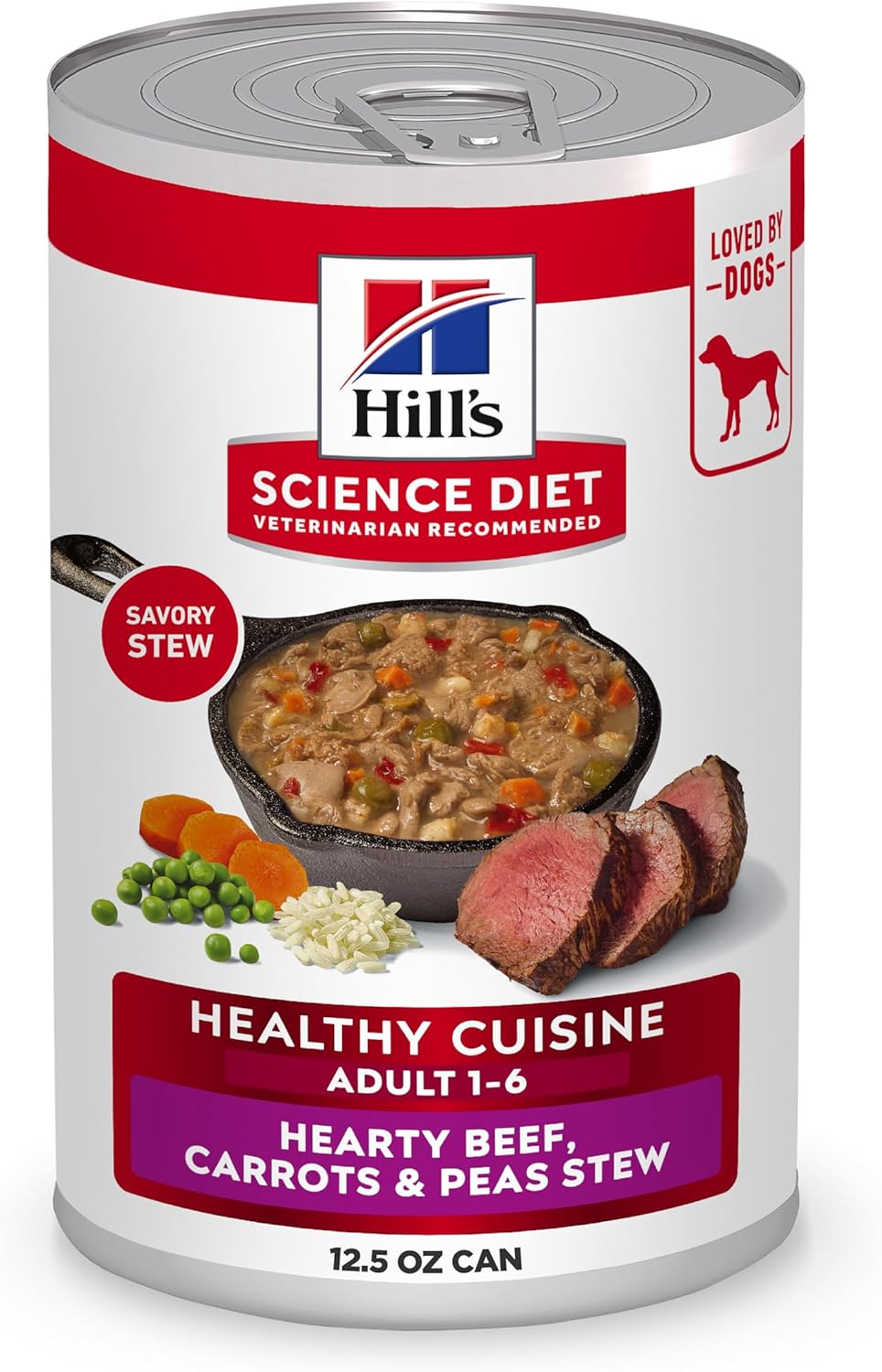
Avoid boutique brands that make bold health claims without scientific backing. While some small brands offer excellent products, others may cut corners on ingredient quality or lack rigorous testing. Check for recalls, read independent reviews, and consider whether the brand has a dedicated line for senior dogs. Companies like Hill’s Science Diet, Royal Canin, Purina Pro Plan, and Wellness have long-standing reputations and extensive research behind their formulations.
Different Types of Canned Dog Food for Senior Dogs
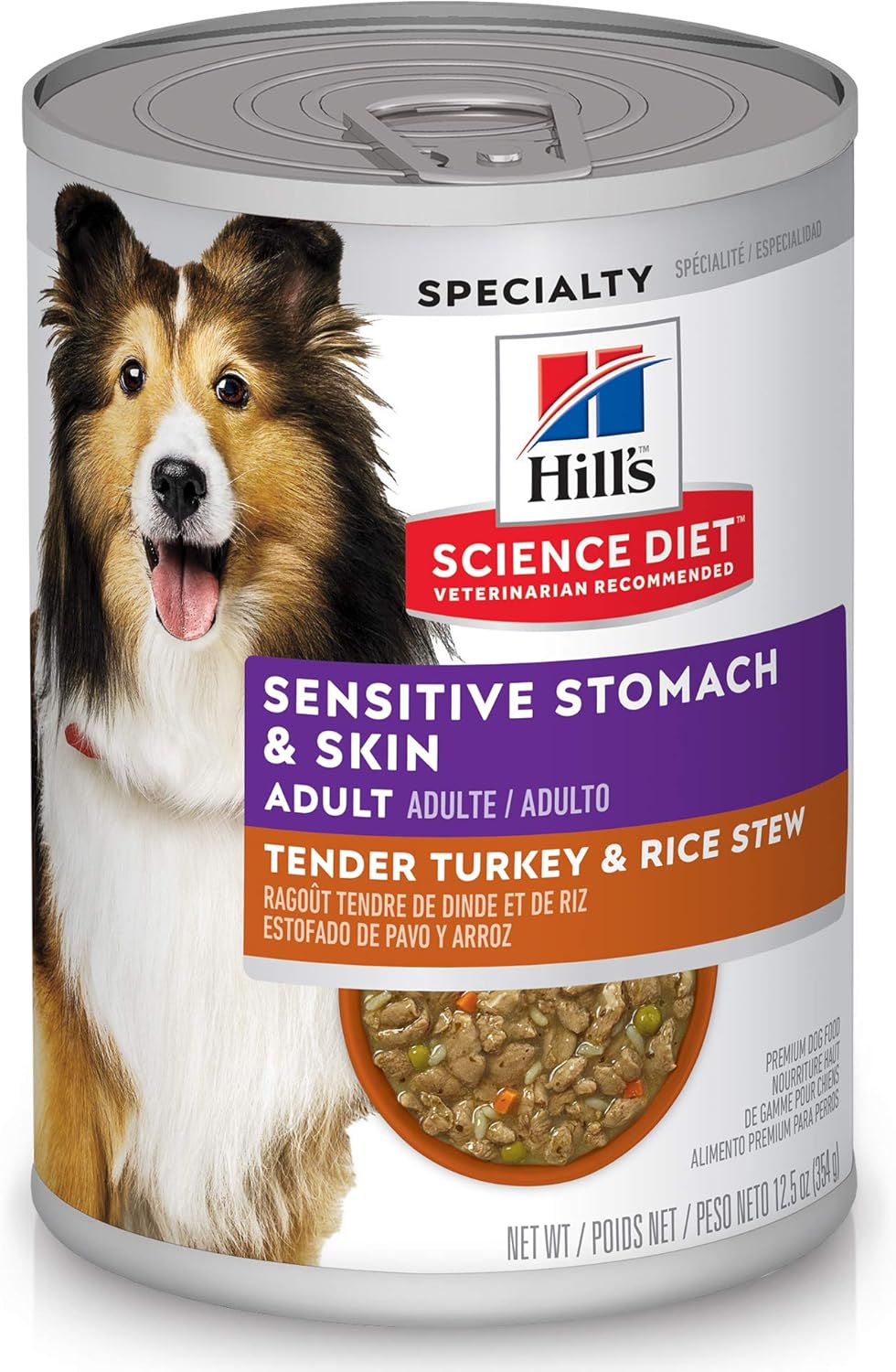
Common Buying Mistakes to Avoid
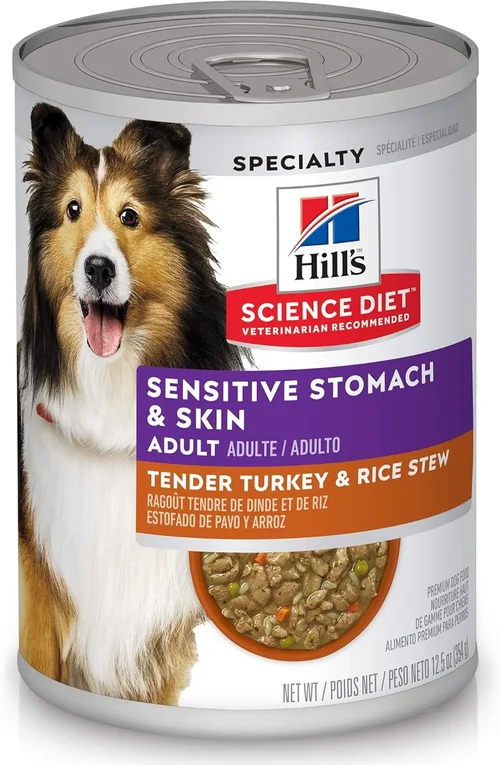
❌ Mistake: Choosing Based Solely on Price
Why it’s bad: While budget is important, the cheapest canned dog food often contains low-quality ingredients, fillers, and artificial additives that can harm your senior dog’s health over time. Poor nutrition may lead to digestive issues, weight gain, or exacerbate existing conditions like arthritis or kidney disease.
What to do instead: Focus on value, not just cost. Compare ingredient lists and nutritional profiles across brands. A slightly more expensive food with high-quality protein and functional ingredients may actually save you money in vet bills down the line.
❌ Mistake: Ignoring the Guaranteed Analysis
Why it’s bad: The guaranteed analysis provides essential information about protein, fat, fiber, and moisture content. Skipping this step can lead to overfeeding, underfeeding, or choosing a food that doesn’t meet your dog’s needs.
What to do instead: Always check the guaranteed analysis on the label. Use the dry matter basis to compare foods accurately, especially when switching between wet and dry diets.
❌ Mistake: Overlooking Your Dog’s Specific Health Conditions
Why it’s bad: A food that works for a healthy senior may not be suitable for a dog with kidney disease, diabetes, or heart issues. Feeding the wrong diet can worsen these conditions.
What to do instead: Consult your veterinarian before making any dietary changes. Ask for recommendations based on your dog’s medical history and current health status.
❌ Mistake: Switching Foods Too Quickly
Why it’s bad: Sudden changes in diet can cause gastrointestinal upset, including vomiting, diarrhea, or refusal to eat. Senior dogs are especially sensitive to dietary changes.
What to do instead: Transition gradually over 7–10 days. Start by mixing 25% new food with 75% old food, increasing the proportion daily until the switch is complete.
❌ Mistake: Believing All “Natural” or “Organic” Labels
Why it’s bad: Terms like “natural” and “organic” are not strictly regulated in pet food and can be used for marketing. A food labeled “natural” may still contain low-quality proteins or excessive fillers.
What to do instead: Look for third-party certifications like USDA Organic or AAFCO compliance. Read the full ingredient list and nutritional information rather than relying on front-label claims.
❌ Mistake: Feeding the Same Food Indefinitely
Why it’s bad: As your dog ages, their nutritional needs may change. A food that was perfect at age 8 may not be ideal at age 12, especially if new health issues arise.
What to do instead: Reassess your dog’s diet annually or whenever their health status changes. Work with your vet to adjust their nutrition plan as needed.
Budget Guidelines: How Much Should You Spend?
Entry-Level ($1.00–$1.75 per 13 oz can): These foods are often available at big-box stores and supermarkets. While convenient, they may contain by-products, fillers, and artificial preservatives. Some, like Purina ONE Senior, offer decent quality for the price and are formulated with real meat and joint-supporting nutrients. Best for pet owners on a tight budget who still want a recognizable brand.
Mid-Range ($1.75–$2.75 per 13 oz can): This is the sweet spot for most senior dog owners. Brands like Hill’s Science Diet, Royal Canin, and Wellness Core offer scientifically formulated senior recipes with high-quality ingredients, joint support, and digestive aids. These foods balance cost and nutrition, making them ideal for long-term feeding.
Premium ($2.75–$3.75 per 13 oz can): Premium canned foods often feature human-grade ingredients, novel proteins (like duck or venison), and functional additives like probiotics and antioxidants. Brands such as The Honest Kitchen, Open Farm, and Ziwi Peak fall into this category. They’re excellent for dogs with sensitivities or owners who prioritize ingredient transparency.
Luxury ($3.75+ per 13 oz can): At the top end are ultra-premium brands like Nom Nom, Farmer’s Dog (fresh, not canned), and some boutique lines. While not all luxury foods are canned, those that are often use ethically sourced meats, minimal processing, and innovative formulations. These are best for owners willing to invest in the highest quality nutrition, especially for dogs with complex health needs.
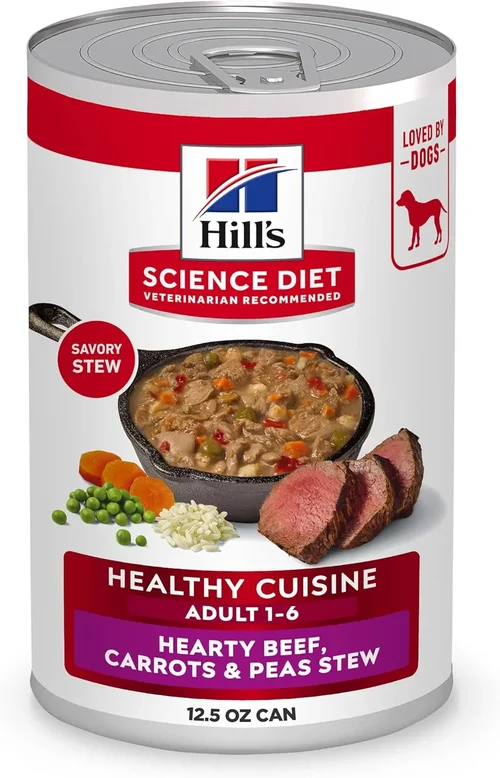
Expert Tips for Getting the Best Deal
1. Buy During Seasonal Sales: Major pet food brands often run promotions in January (New Year, new health goals), July (summer clearance), and November (Black Friday). Stock up during these periods to save significantly.
2. Compare Online vs. In-Store Prices: Online retailers like Chewy, Amazon, and Petco often have lower prices and better deals than brick-and-mortar stores. Use price comparison tools and check for free shipping thresholds.
3. Sign Up for Loyalty Programs: Many pet stores offer rewards programs that give you points for every purchase, which can be redeemed for discounts or free products. Chewy’s Autoship program also offers 5–10% off recurring orders.
4. Read Customer Reviews Carefully: Look for reviews from owners of senior dogs with similar health issues. Pay attention to comments about palatability, digestion, and energy levels—not just price.
5. Check for Money-Back Guarantees: Reputable brands often offer satisfaction guarantees. If your dog doesn’t like the food or has a reaction, you can return it for a refund.
6. Consult Your Veterinarian: Some vets offer nutritional counseling and may have samples or discounts on prescription diets. They can also help you avoid overpaying for unnecessary supplements.
7. Rotate Proteins Occasionally: While consistency is important, rotating between two or three high-quality senior formulas can prevent food sensitivities and provide a broader range of nutrients.
8. Monitor Your Dog’s Response: Keep a journal of your dog’s weight, coat condition, energy levels, and stool quality after switching foods. This helps you determine if the food is truly working.
Frequently Asked Questions
Q: How often should I feed my senior dog canned food?
A: Most senior dogs do well with two meals per day, spaced 10–12 hours apart. This helps maintain stable blood sugar and supports digestion. Follow the feeding guidelines on the can based on your dog’s weight, but adjust as needed based on their body condition and activity level.
Q: Can I mix canned food with dry kibble?
A: Yes, many owners use a combination of wet and dry food. This can help increase moisture intake while providing the dental benefits of kibble. Just be sure to adjust portion sizes to avoid overfeeding.
Q: Is grain-free food better for senior dogs?
A: Not necessarily. Unless your dog has a diagnosed grain allergy, whole grains like oats or barley can provide beneficial fiber and energy. The FDA has investigated a potential link between grain-free diets and dilated cardiomyopathy (DCM), so consult your vet before choosing grain-free.
Q: How do I know if my senior dog is underweight or overweight?
A: Use a body condition score (BCS) chart. You should be able to feel your dog’s ribs without seeing them, and they should have a visible waist when viewed from above. If you’re unsure, ask your vet for an assessment.
Q: Can senior dogs eat puppy food?
A: No. Puppy food is higher in calories, fat, and calcium, which can be harmful to older dogs. It may lead to weight gain or strain the kidneys. Stick to adult or senior-specific formulas.
Q: What if my senior dog refuses to eat canned food?
A: Try warming the food slightly (to room temperature or slightly above), adding a small amount of low-sodium broth, or mixing in a topper like cooked egg or plain yogurt. If appetite loss persists, consult your vet—it could signal an underlying health issue.
Q: Are prescription diets worth the cost?
A: For dogs with diagnosed conditions like kidney disease, diabetes, or heart problems, prescription diets are often essential and can significantly improve outcomes. While more expensive, they’re formulated with precise nutrient levels and are backed by clinical research.
Q: How long can I store opened canned dog food?
A: Once opened, transfer any unused portion to a sealed container and refrigerate. Use within 3–5 days. Do not leave opened cans at room temperature for more than a few hours.
Q: Should I add supplements to my senior dog’s canned food?
A: Only if recommended by your veterinarian. Many senior canned foods already contain joint, digestive, and immune support ingredients. Adding extra supplements without guidance can lead to toxicity or imbalances.
Our Final Recommendations
Best for Budget-Conscious Buyers: Purina ONE Senior – Offers real chicken as the first ingredient, added glucosamine, and a balanced nutrient profile at an affordable price. Widely available and trusted by veterinarians.
Best Overall Value: Hill’s Science Diet Senior – Scientifically formulated with high-quality protein, joint support, and digestive enzymes. Backed by extensive research and available in multiple protein options.
Best Premium Option: Wellness Complete Health Senior – Features deboned chicken, fruits and vegetables, and no artificial additives. Rich in omega-3s and probiotics for comprehensive senior support.
Best for Beginners: Royal Canin Aging 12+ – Specifically designed for dogs over 12, with tailored kibble shape and texture for easy chewing. Also available in canned form for added moisture.
Best for Advanced Users: Open Farm Senior Recipe – Human-grade ingredients, traceable sourcing, and free from common allergens. Includes functional ingredients like turmeric and coconut oil for anti-inflammatory benefits.
Conclusion: Making the Right Choice
Choosing the best canned dog food for your older pet is one of the most impactful decisions you can make for their health and happiness. As dogs age, their bodies require more thoughtful nutrition—higher moisture, quality protein, joint support, and digestive aids—all of which canned food can deliver effectively. By understanding the key factors outlined in this guide, from ingredient quality to health-specific formulations, you’re now equipped to navigate the market with confidence.
Remember, there’s no one-size-fits-all solution. Your dog’s breed, size, activity level, and health status all play a role in determining the ideal diet. Don’t hesitate to consult your veterinarian, especially if your dog has chronic conditions. And while cost is a consideration, prioritize long-term health over short-term savings. The right food can extend your dog’s vitality, improve their mobility, and strengthen your bond in their golden years.
Take the time to read labels, compare options, and observe how your dog responds to new foods. With the knowledge from this guide, you’re not just buying dog food—you’re investing in a healthier, happier future for your faithful companion. Start today, and give your senior dog the nutrition they deserve.