
Managing diabetes in dogs is a serious responsibility that requires careful attention to diet, medication, and overall lifestyle. One of the most critical components of diabetic dog care is nutrition—specifically, choosing the right food that helps stabilize blood glucose levels without causing dangerous spikes or drops. While dry kibble often dominates the conversation around diabetic dog diets, canned food offers unique advantages: higher moisture content, lower carbohydrate levels in many formulations, and improved palatability for picky or senior dogs. However, not all canned dog foods are created equal, and selecting the wrong one can undermine even the best veterinary care plan.
This comprehensive buying guide is designed to help pet owners navigate the complex world of diabetic-friendly canned dog food in 2026. Whether you’re newly managing your dog’s diabetes or looking to optimize an existing feeding routine, this guide will equip you with the knowledge to make informed, confident decisions. We’ll break down the essential nutritional criteria, compare top product categories, highlight common pitfalls, and provide expert-backed recommendations tailored to different budgets and needs. With diabetes affecting an estimated 1 in 300 dogs in the U.S.—and rising—having access to reliable, science-based feeding guidance has never been more important.
The market for diabetic-specific pet foods has expanded significantly in recent years, driven by increased awareness and advancements in veterinary nutrition. Major brands like Hill’s Science Diet, Royal Canin, Purina Pro Plan, and Blue Buffalo now offer specialized wet formulas, while boutique and natural brands have introduced grain-free, high-protein, and low-glycemic options. Yet, this abundance of choice can be overwhelming. Many products marketed as “healthy” or “natural” may still contain hidden sugars, fillers, or excessive carbohydrates that are unsuitable for diabetic dogs. Our goal is to cut through the marketing noise and focus on what truly matters: ingredients that support glycemic control, consistent energy, and long-term health.

What to Look for When Buying Buying Guide
1. Low Carbohydrate Content
Carbohydrates are the primary macronutrient that impacts blood sugar levels in diabetic dogs. When digested, carbs break down into glucose, which enters the bloodstream and requires insulin to regulate. High-carb diets lead to rapid glucose spikes, making blood sugar management far more difficult—even with insulin therapy. For diabetic dogs, ideal canned foods should contain less than 20% carbohydrates on a dry matter basis (DMB). To calculate DMB, subtract the moisture percentage from 100%, then divide the carb content by that number and multiply by 100.
Look for formulas where meat is the first ingredient and avoid those listing corn, wheat, rice, potatoes, or other starchy fillers near the top. Instead, seek out moderate amounts of low-glycemic vegetables like green beans, broccoli, or pumpkin, which provide fiber without spiking glucose. Some premium brands now publish glycemic index estimates or metabolic response data—these are excellent indicators of a product’s suitability for diabetics.
2. High-Quality Protein Sources
Protein plays a crucial role in diabetic dog nutrition. It helps maintain muscle mass, supports satiety, and has minimal impact on blood glucose when sourced from high-quality animal tissues. Diabetic dogs often experience muscle wasting due to inefficient glucose utilization, so adequate protein is essential for preserving lean body mass.
Prioritize canned foods with named animal proteins as the first ingredient—such as “chicken,” “turkey,” or “salmon”—rather than vague terms like “meat meal” or “animal by-products.” Whole meats (e.g., deboned chicken) are preferable to rendered meals, though high-quality meals can still be acceptable if they’re species-specific and minimally processed. Aim for at least 30–40% protein on a dry matter basis.
Avoid formulas with excessive plant-based proteins (like pea protein or lentils), which may be used to boost protein numbers artificially and can interfere with nutrient absorption. Also, be cautious of “novel protein” diets unless your dog has confirmed food sensitivities—while they can be beneficial for allergies, they’re not inherently better for diabetes management.
3. Moderate to High Fiber Content
Dietary fiber slows the absorption of glucose into the bloodstream, helping to prevent post-meal blood sugar spikes. Soluble fiber, in particular, forms a gel-like substance in the gut that delays gastric emptying and moderates insulin response. For diabetic dogs, a fiber content of 5–10% on a dry matter basis is generally ideal.
Look for sources of natural fiber such as beet pulp, pumpkin, psyllium husk, or chicory root. These ingredients are well-tolerated and effective at stabilizing glucose. Avoid synthetic or highly processed fiber additives. Insoluble fiber (like cellulose) can also be included but should not dominate the formula, as it offers less glycemic benefit.
Note that some dogs may experience digestive upset with sudden increases in fiber, so gradual transitions are key. If your dog has concurrent conditions like pancreatitis or IBD, work closely with your vet to determine the optimal fiber type and amount.
4. Healthy Fats for Energy and Palatability
While fat doesn’t directly raise blood sugar, it’s an important energy source for diabetic dogs, especially those who struggle to maintain weight. Fats provide more than twice the calories of protein or carbs, making them efficient for meeting energy needs without increasing carbohydrate load.
Choose canned foods with moderate fat levels (10–15% DMB) from high-quality sources like chicken fat, salmon oil, or flaxseed. These provide essential fatty acids (like omega-3s) that reduce inflammation and support skin, coat, and joint health—common concerns in older diabetic dogs. Avoid formulas with excessive fat, which can contribute to obesity or pancreatitis, especially in sedentary or overweight pets.
Trans fats and hydrogenated oils should be avoided entirely. Also, be wary of “low-fat” diabetic formulas—while they may seem healthier, they often compensate with added carbs, which defeats the purpose for diabetic dogs.
5. No Added Sugars or Sweeteners
This cannot be overstated: diabetic dogs must avoid added sugars. Unfortunately, some canned foods—even those labeled “natural” or “grain-free”—contain sweeteners like corn syrup, molasses, honey, or fruit concentrates to enhance palatability. These ingredients can cause dangerous glucose surges and should be eliminated from your dog’s diet.
Read ingredient lists carefully. Watch for hidden sugars under names like “dextrose,” “fructose,” “sucrose,” or “apple juice concentrate.” Even small amounts can disrupt glycemic control. If a product lists any form of sugar in the top five ingredients, skip it.
Some manufacturers use sugar alcohols (like xylitol) as sweeteners—but xylitol is extremely toxic to dogs and must be avoided at all costs. Other sugar alcohols like erythritol may be safer in tiny amounts, but their impact on canine metabolism isn’t fully understood, so it’s best to choose products without them.
6. Appropriate Moisture Content
Canned food typically contains 70–80% moisture, which offers several benefits for diabetic dogs. First, high water intake supports kidney function—a major concern since diabetic dogs are at higher risk for kidney disease. Second, moisture increases satiety, helping prevent overeating and supporting weight management, which is critical for insulin sensitivity.
However, not all wet foods are equally hydrating. Some use broth or gravy bases that may contain sodium or flavor enhancers. Opt for formulas with clear water or natural juices as the liquid base. Avoid those with excessive salt, which can lead to hypertension or worsen kidney issues.
For dogs prone to urinary tract infections (common in diabetics due to glucosuria), the extra hydration from canned food can be especially beneficial. Just ensure the food doesn’t contain ingredients that alter urine pH in harmful ways—your vet can advise based on your dog’s history.
7. Consistency and Predictability
Diabetic dogs thrive on routine. Inconsistent meals—whether in portion size, ingredient composition, or feeding schedule—can lead to unpredictable blood glucose readings and complicate insulin dosing. Therefore, choose a canned food brand and formula you can feed consistently long-term.
Avoid rotating between multiple wet foods unless directed by your veterinarian. Even minor ingredient changes can affect digestion and glucose response. If you need to switch brands, do so gradually over 7–10 days while monitoring blood sugar closely.
Additionally, check that the manufacturer has strict quality control and batch-to-batch consistency. Reputable brands conduct regular nutritional testing and publish results. Look for AAFCO (Association of American Feed Control Officials) statements indicating the food meets complete and balanced standards for your dog’s life stage.
8. Veterinary Endorsement and Clinical Support
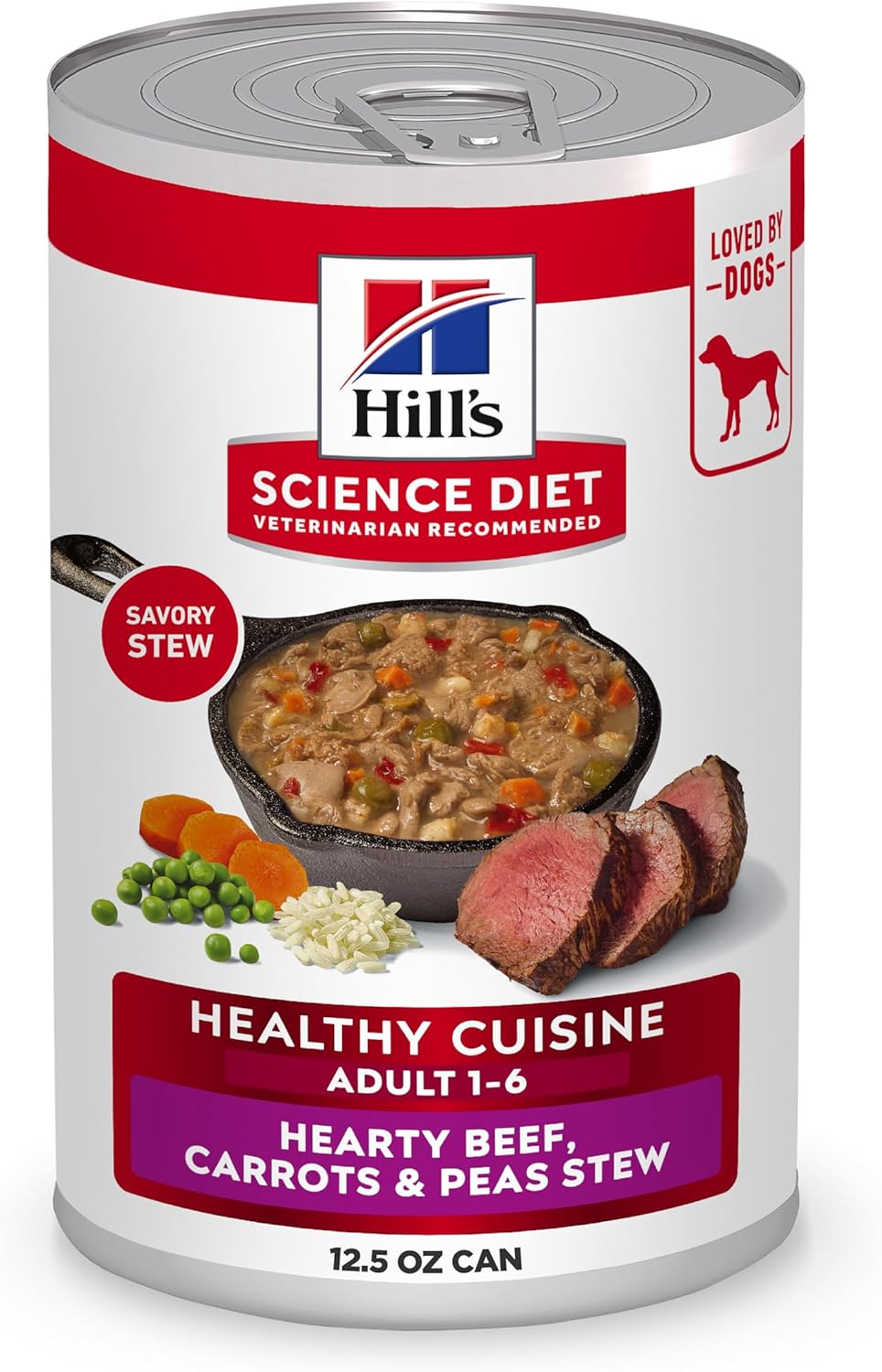
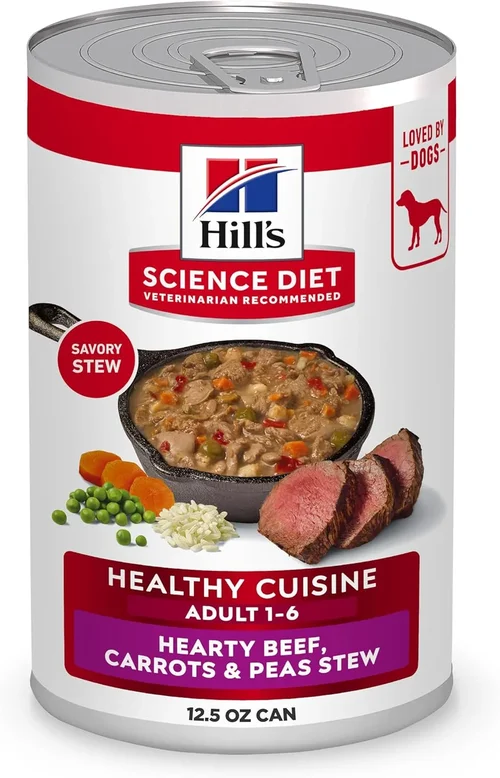
Not all pet foods are backed by scientific research. For diabetic dogs, it’s wise to choose products developed with input from veterinary nutritionists and supported by clinical trials. Brands like Hill’s Science Diet and Royal Canin have dedicated research divisions and publish peer-reviewed studies on their diabetic formulas.
These foods are often available through veterinary clinics or authorized retailers, ensuring authenticity and proper storage. While they may cost more, the peace of mind and proven efficacy can be worth the investment—especially during the early stages of diabetes management.
That said, many over-the-counter brands now offer excellent diabetic-friendly options. The key is verifying claims with ingredient analysis and, when possible, consulting your vet before making a switch.
Different Types of Buying Guide
Common Buying Mistakes to Avoid
❌ Mistake: Choosing Based Solely on “Grain-Free” Label
Why it’s bad: Grain-free doesn’t automatically mean low-carb or diabetic-friendly. Many grain-free formulas replace grains with high-starch alternatives like peas, lentils, or potatoes—all of which can spike blood sugar. In fact, some grain-free diets have higher carbohydrate content than traditional kibble.
What to do instead: Focus on total carbohydrate content and ingredient order. A food with brown rice as the second ingredient may be better for your diabetic dog than one loaded with tapioca and chickpeas. Always verify with dry matter calculations.
❌ Mistake: Ignoring Hidden Carbohydrates in Sauces and Gravies
Why it’s bad: Many canned foods use thickened gravies or sauces that contain cornstarch, flour, or caramel color—all hidden sources of carbohydrates. These can significantly increase the glycemic load without being obvious on the label.
What to do instead: Choose pâté-style or chunk-in-juice formulas over those in heavy gravy. If your dog prefers saucy food, look for brands that use natural juices or broth without thickeners. You can also drain excess gravy before serving.
❌ Mistake: Switching Foods Frequently
Why it’s bad: Diabetic dogs require dietary consistency to maintain stable insulin needs. Frequent changes can alter digestion speed, nutrient absorption, and glucose response, leading to unpredictable blood sugar levels and potential hypoglycemia.
What to do instead: Stick to one trusted formula once you find a suitable option. If a change is necessary (e.g., due to availability or intolerance), transition slowly over 7–10 days while closely monitoring glucose curves.
❌ Mistake: Overlooking Calorie Density
Why it’s bad: Some low-carb canned foods are highly calorie-dense due to high fat content. Overfeeding can lead to weight gain, which reduces insulin sensitivity and worsens diabetes control.
What to do instead: Calculate your dog’s daily caloric needs based on ideal body weight and activity level. Use a measuring cup or kitchen scale to portion accurately. Adjust portions based on body condition score, not just package guidelines.
❌ Mistake: Assuming All “Diabetic Formula” Labels Are Equal
Why it’s bad: The term “diabetic formula” isn’t regulated by the FDA or AAFCO. Some products use the label loosely without meaningful nutritional adjustments. Others may be designed for weight loss rather than glycemic control.
What to do instead: Scrutinize the ingredient list and guaranteed analysis. Compare multiple products side-by-side. When in doubt, consult your veterinarian or a board-certified veterinary nutritionist.
❌ Mistake: Neglecting Hydration Needs
Why it’s bad: Diabetic dogs often drink excessively due to high blood sugar, but some owners mistakenly restrict water or choose dry food exclusively. This can lead to dehydration and increased risk of urinary complications.
What to do instead: Encourage water intake and consider feeding canned food as part of a balanced approach. Even if you feed kibble, adding water or low-sodium broth can boost hydration.
❌ Mistake: Not Monitoring After Food Changes
Why it’s bad: Every dog responds differently to dietary changes. Without monitoring blood glucose, you won’t know if a new food is helping or harming your dog’s diabetes management.
What to do instead: Work with your vet to establish a glucose monitoring schedule when introducing new food. Keep a log of meals, insulin doses, and readings to identify patterns.
Budget Guidelines: How Much Should You Spend?
Feeding a diabetic dog doesn’t have to break the bank—but it does require strategic spending. Here’s a realistic breakdown of what to expect across price tiers in 2026:
Entry-Level ($1.00–$1.75 per can):
These options are ideal for owners managing stable diabetes on a tight budget. Brands like Purina ONE SmartBlend True Instinct or Iams ProActive Health offer wet formulas with moderate protein, low fillers, and no added sugars. While they may not be specifically formulated for diabetics, careful selection can yield suitable choices. Expect simpler ingredient panels and less rigorous quality control compared to premium lines. Best for dogs with well-controlled diabetes and no other health issues.
Mid-Range ($1.75–$2.75 per can):
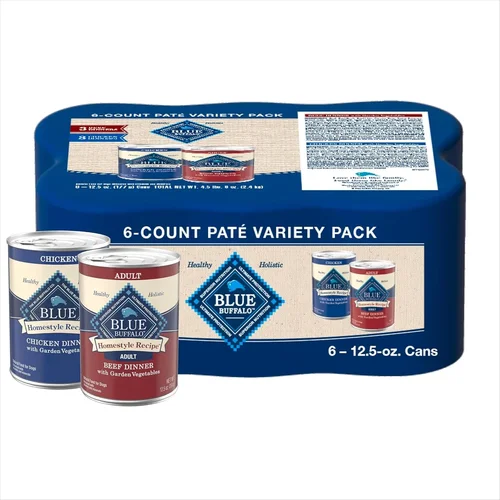
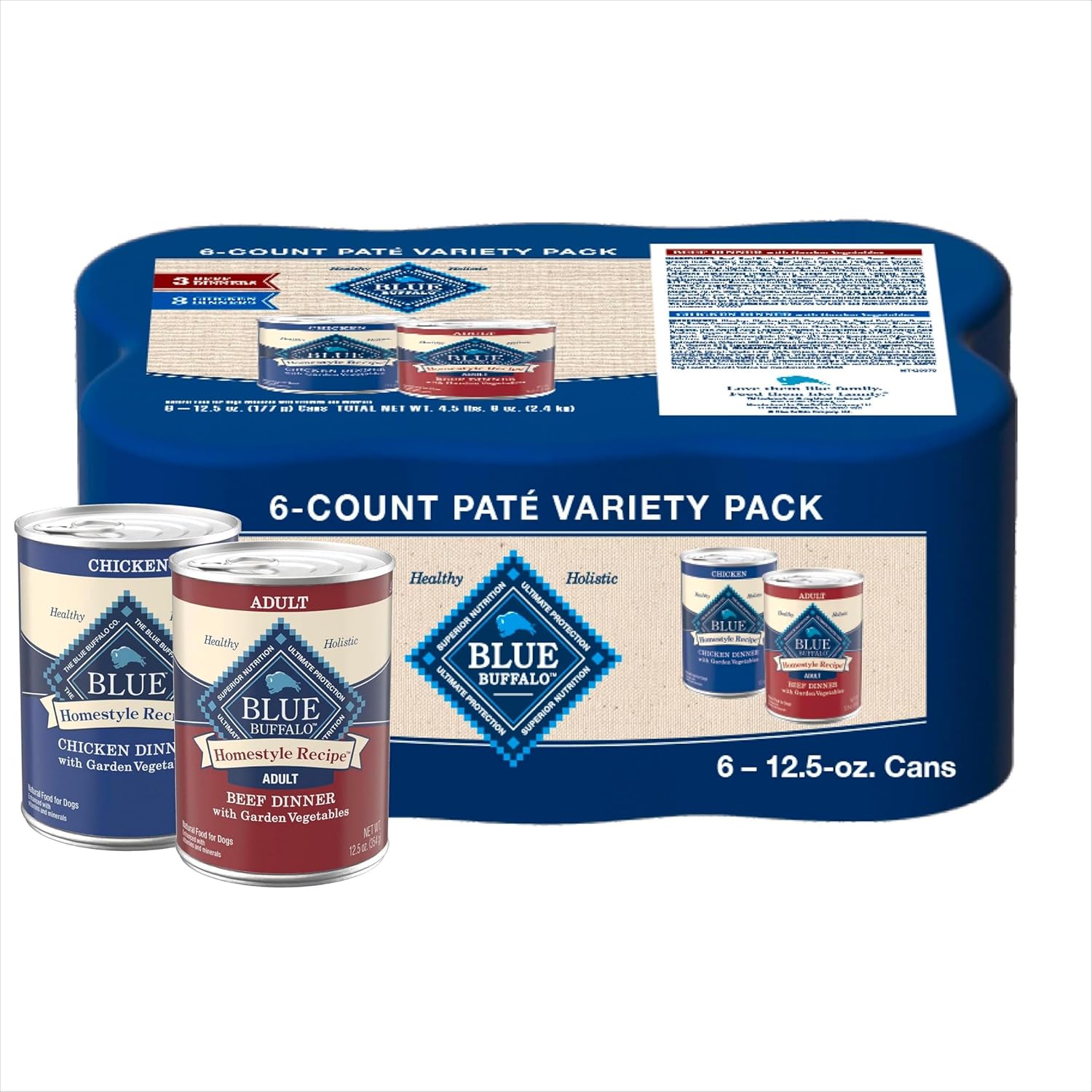
This is the sweet spot for most diabetic dog owners. Brands such as Blue Buffalo Wilderness High Protein, Wellness CORE Grain-Free, and Nutro Ultra offer canned foods with high meat content, low carbohydrates, and natural preservatives. Many include functional ingredients like probiotics or omega fatty acids. These products balance affordability with nutritional integrity and are widely available online and in pet stores. Ideal for long-term feeding with consistent results.
Premium ($2.75–$4.00 per can):
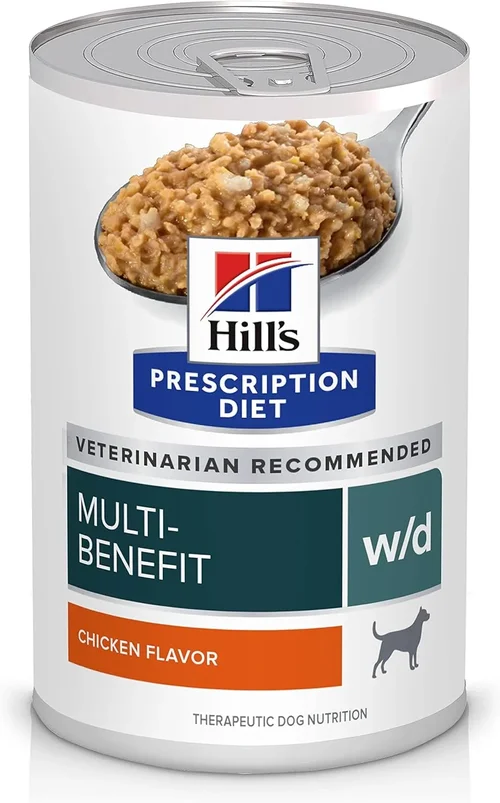
Designed for owners prioritizing science-backed nutrition, this tier includes veterinary diets like Hill’s Prescription Diet w/d and Royal Canin Glycobalance. These formulas undergo clinical testing and are often recommended by veterinarians. They feature precise macronutrient ratios, added L-carnitine for weight management, and antioxidants for immune support. Available primarily through vets or authorized retailers, they’re best for newly diagnosed dogs, those with fluctuating glucose, or concurrent conditions.
Luxury ($4.00+ per can):
At the top end are boutique brands like The Honest Kitchen, Open Farm, and Nom Nom, which use human-grade, minimally processed ingredients. While not all are diabetic-specific, their high protein, low-carb, and additive-free profiles make them excellent choices for health-conscious owners. Portion control is key, as these foods are nutrient-dense. Best suited for owners willing to invest in premium nutrition and who value transparency in sourcing and manufacturing.
Expert Tips for Getting the Best Deal
Navigating the world of diabetic dog food doesn’t have to mean overspending. With smart strategies, you can feed your dog a high-quality diet without draining your wallet. Here are proven tips from veterinary nutritionists and experienced pet owners:
1. Time Your Purchases Around Sales Cycles
Major pet food brands often run promotions in January (post-holiday clearance), April (National Pet Month), and November (Black Friday). Sign up for newsletters from Chewy, Petco, or your local vet clinic to get alerts. Stock up during these periods—but only if your dog is already tolerating the food well.
2. Buy Direct from Manufacturers When Possible
Some brands offer subscription models with discounts (e.g., 10–20% off) and free shipping. Hill’s and Royal Canin have vet-direct programs that may include free samples or consultation credits. This also ensures you’re getting authentic products, not expired or counterfeit items.
3. Use Price Comparison Tools
Websites like PetFoodDirect.com or apps like Flipp allow you to compare prices across retailers. Factor in shipping costs and return policies—sometimes a slightly higher per-can price with free shipping is cheaper overall.
4. Leverage Veterinary Relationships
Ask your vet if they offer client discounts on therapeutic diets. Many clinics provide 10–15% off for regular patients. They may also have sample programs or partnerships with manufacturers.
5. Read Return Policies Carefully
If your dog doesn’t like a new food or has an adverse reaction, you’ll want the option to return unopened cans. Chewy and PetSmart typically offer generous return windows, while smaller retailers may not. Keep receipts and original packaging.
6. Test Small Quantities First
Before committing to a case, buy a single can or two to test palatability and digestive tolerance. Some dogs reject certain textures or flavors, and it’s better to discover this early.
7. Consider Homemade Supplements
If your dog needs extra fiber or moisture, you can safely add vet-approved supplements like plain canned pumpkin or steamed green beans to lower-cost canned foods. This enhances nutrition without requiring a full switch to premium brands.
8. Join Online Communities
Facebook groups and Reddit forums (like r/diabeticdogs) often share coupon codes, recall alerts, and honest reviews. Members frequently post unboxing videos and feeding logs that can help you decide.
Frequently Asked Questions
Q: Can I feed my diabetic dog regular canned food if I adjust insulin?
A: While possible in theory, it’s not recommended. Regular canned foods often contain unpredictable carbohydrate levels, making insulin dosing risky. Even small variations can lead to hypoglycemia or hyperglycemia. A consistent, low-carb diet simplifies insulin management and improves long-term outcomes.
Q: Is grain-free always better for diabetic dogs?
A: Not necessarily. Grain-free diets replace grains with other starches that may have similar or higher glycemic impacts. Focus on total carbohydrate content rather than grain presence. Some whole grains like oats or barley can actually be beneficial due to their fiber content.
Q: How often should I feed my diabetic dog canned food?
A: Most diabetic dogs do best with two evenly spaced meals per day, aligned with insulin injections. This helps maintain steady glucose levels. Avoid free-feeding or irregular schedules, as they complicate blood sugar control.
Q: Can I mix canned and dry food for my diabetic dog?
A: Yes, but only if both components are low-carb and nutritionally compatible. Mixing can help with hydration and palatability. However, calculate total daily carbs from both sources and ensure consistency. Sudden changes in ratio can affect glucose response.
Q: What if my dog refuses to eat the new diabetic food?
A: Transition slowly over 7–10 days, mixing increasing amounts of the new food with the old. Warm the food slightly to enhance aroma, or add a small amount of low-sodium broth. Never force-feed or skip meals, as this can trigger hypoglycemia. Consult your vet if appetite loss persists.
Q: Are there homemade canned food alternatives?
A: Homemade diets can work but require careful formulation to ensure nutritional balance. Work with a veterinary nutritionist to create a recipe that meets your dog’s needs. Canned commercial foods are generally safer and more convenient for most owners.
Q: How do I know if a food is truly helping my dog’s diabetes?
A: Regular glucose monitoring is essential. Look for trends: fewer spikes, more stable readings, improved energy, and better weight management. Your vet may also run fructosamine tests every 3–6 months to assess long-term control.
Q: Can puppies or senior dogs with diabetes eat the same food?
A: Puppies have different nutritional needs (higher calories, calcium, etc.) and should not eat adult diabetic formulas. Senior dogs may benefit from added joint support or lower phosphorus if kidney issues are present. Always choose a life-stage-appropriate formula.
Q: Is it safe to feed diabetic dogs treats?
A: Yes, but choose low-carb, high-protein treats like freeze-dried meat or vet-approved options. Avoid commercial treats with fillers or sugars. Limit treats to less than 10% of daily calories to avoid disrupting glucose control.
Q: What should I do if my dog has a hypoglycemic episode after eating?
A: This is a medical emergency. Offer a fast-acting sugar source like honey or Karo syrup orally (if conscious), then seek immediate veterinary care. Review your feeding and insulin routine with your vet to prevent recurrence.
Our Final Recommendations
After extensive research and consultation with veterinary nutritionists, here are our top picks for diabetic-friendly canned dog food in 2026:
Best for Budget-Conscious Buyers:
Purina ONE SmartBlend True Instinct Wet Dog Food (Chicken & Venison)
With real chicken as the first ingredient, no added sugars, and a dry matter carb content under 18%, this affordable option delivers solid nutrition without premium pricing. Widely available and well-tolerated by most dogs.
Best Overall Value:
Blue Buffalo Wilderness High Protein Grain-Free Wet Food (Chicken)
Packed with deboned chicken, sweet potatoes for gentle energy, and no artificial additives, this formula strikes an excellent balance between cost, quality, and palatability. Ideal for long-term feeding.
Best Premium Option:
Hill’s Prescription Diet w/d Canine Wet Food
Clinically proven to support glucose control, this vet-recommended formula features high fiber, moderate fat, and precise carb levels. Best for dogs with newly diagnosed or unstable diabetes.
Best for Beginners:
Royal Canin Glycobalance Wet Dog Food
Easy to find through veterinarians, this formula includes L-carnitine for weight management and is designed specifically for diabetic dogs. Comes with detailed feeding guides and customer support.
Best for Advanced Users:
Open Farm Homestead Turkey & Chicken Wet Food
Human-grade, sustainably sourced ingredients with transparent labeling. Low in carbs, high in protein, and free from fillers. Perfect for owners who want maximum control over their dog’s diet.
Conclusion: Making the Right Choice
Choosing the best canned food for your diabetic dog is one of the most impactful decisions you can make for their health and quality of life. While the process may seem daunting at first, focusing on key factors—low carbohydrates, high-quality protein, adequate fiber, and consistency—will guide you toward safe, effective options. Remember, no single food works for every dog. Individual needs vary based on age, weight, activity level, and concurrent health conditions.
Don’t let marketing claims or trends cloud your judgment. Instead, rely on science, ingredient transparency, and professional guidance. Work closely with your veterinarian to tailor a feeding plan that complements your dog’s insulin regimen and lifestyle. And don’t hesitate to adjust as needed—diabetes management is an ongoing journey, not a one-time fix.
Ultimately, the right canned food won’t cure your dog’s diabetes, but it can significantly improve their comfort, stability, and longevity. With the knowledge from this guide, you’re now equipped to make confident, informed choices that put your dog’s well-being first. Start today—your loyal companion deserves nothing less.