

When it comes to feeding your dog, the choices can feel overwhelming. With countless brands, formulations, and packaging options on the market, how do you know which canned dog food is truly the best for your furry companion? Whether you’re a first-time pet parent or a seasoned dog owner looking to upgrade your pup’s diet, this comprehensive buying guide is designed to cut through the noise and deliver expert-level insights. Our goal is to help you make an informed, confident decision—one that supports your dog’s health, happiness, and long-term well-being.
In this guide, we’ll walk you through everything you need to know about selecting the best canned dog food in 2026. You’ll learn how to decode ingredient labels, understand nutritional requirements for different life stages, evaluate brand transparency, and compare value across price points. We’ll also explore the various types of wet food available—from grain-free and limited-ingredient formulas to high-protein and vet-recommended diets—so you can match your dog’s unique needs with the right product. By the end, you’ll have a clear roadmap to navigate the crowded pet food aisle and choose a canned food that’s not just tasty, but truly nourishing.
The canned dog food market has evolved significantly over the past decade. What was once a simple choice between beef or chicken has now expanded into a sophisticated landscape of specialized diets, sustainable packaging, and science-backed nutrition. Brands are increasingly focused on whole-food ingredients, digestive health, and transparency in sourcing. At the same time, pet owners are more informed than ever, demanding higher standards for quality and safety. This shift has led to a surge in premium offerings, but it’s also created confusion. With so many options claiming to be “natural,” “grain-free,” or “vet-approved,” it’s easy to fall into marketing traps. That’s why this guide matters: we’re here to help you separate fact from fiction and find the best canned food for your dog—based on real nutrition, not flashy labels.
What to Look for When Buying Canned Dog Food
1. Ingredient Quality and Transparency
The foundation of any great canned dog food is high-quality, identifiable ingredients. Start by scanning the ingredient list—ingredients are listed by weight, so the first few items should be real meat, poultry, or fish. Look for named sources like “deboned chicken,” “salmon meal,” or “turkey liver” rather than vague terms like “meat by-products” or “animal digest.” Whole proteins should dominate the top of the list, ideally making up the majority of the recipe.
Transparency is equally important. Reputable brands openly share where their ingredients come from, how they’re sourced, and whether they use human-grade or feed-grade components. Avoid brands that use excessive fillers like corn, soy, or wheat—especially if your dog has sensitivities. Artificial preservatives (like BHA, BHT, or ethoxyquin), colors, and flavors are red flags. Instead, opt for natural preservatives such as mixed tocopherols (vitamin E) or rosemary extract.
Also, consider the inclusion of functional ingredients like probiotics, omega-3 fatty acids (from fish oil or flaxseed), and glucosamine for joint health. These can provide added benefits beyond basic nutrition, especially for aging dogs or those with specific health concerns.
2. Nutritional Adequacy and AAFCO Compliance
Not all canned dog foods are created equal when it comes to meeting your dog’s nutritional needs. The Association of American Feed Control Officials (AAFCO) sets standards for pet food nutrition, and any reputable brand should meet these guidelines. Look for a statement on the label that says the food is “complete and balanced” for a specific life stage—such as “for growth,” “for maintenance,” or “for all life stages.”
This AAFCO statement is crucial because it confirms the food has undergone feeding trials or nutrient profiling to ensure it provides all essential vitamins, minerals, amino acids, and fatty acids. For example, puppies require higher levels of protein and calcium than adult dogs, while senior dogs may benefit from lower phosphorus and added joint support. Feeding a food not formulated for your dog’s life stage can lead to deficiencies or excesses over time.
Additionally, check the guaranteed analysis on the label, which lists minimum percentages of crude protein and fat, and maximum percentages of fiber and moisture. While these numbers don’t tell the whole story (they don’t reflect digestibility or bioavailability), they offer a baseline for comparison. A good rule of thumb: aim for at least 7–9% crude protein on a dry matter basis for adult dogs, and higher for puppies or active breeds.
3. Protein Source and Digestibility
Protein is the cornerstone of a dog’s diet, supporting muscle maintenance, immune function, and energy levels. However, not all proteins are equal. High-quality animal-based proteins—such as chicken, turkey, beef, lamb, or fish—are more biologically appropriate and digestible for dogs than plant-based proteins like peas or lentils.
When evaluating protein sources, consider both the type and the form. Whole meats (e.g., “chicken”) are ideal, but meat meals (e.g., “chicken meal”) can also be excellent—they’re concentrated sources of protein with most of the moisture removed. Just ensure the meal is named (e.g., “turkey meal” not “poultry meal”) to avoid ambiguity.
Digestibility is another key factor. Some dogs struggle with certain proteins due to allergies or sensitivities. Common allergens include beef, dairy, chicken, and wheat. If your dog experiences itching, ear infections, or digestive upset, a limited-ingredient diet with a novel protein (like duck, venison, or rabbit) may be worth exploring. Always transition slowly when switching proteins to avoid gastrointestinal upset.
4. Moisture Content and Hydration Benefits
Canned dog food typically contains 70–80% moisture, which is significantly higher than dry kibble (usually 10–12%). This high water content offers several health benefits, especially for dogs prone to urinary tract issues or kidney problems. Increased hydration can help flush out toxins, support kidney function, and reduce the risk of bladder stones.
For dogs who don’t drink enough water on their own—common in older or less active pets—wet food can be a lifesaver. It’s also beneficial for picky eaters, as the aroma and texture of canned food are often more appealing than dry kibble. Some owners even mix wet food with dry to encourage eating or improve palatability.
However, be mindful of the flip side: high moisture means less caloric density. A 13-ounce can may only provide 300–400 calories, so you may need to feed larger portions to meet your dog’s energy needs. This can increase cost and packaging waste, so balance hydration benefits with practical considerations.
5. Grain-Free vs. Grain-Inclusive: Debunking the Myth
The grain-free trend has dominated pet food marketing for years, but recent research has challenged its necessity. In 2018, the FDA launched an investigation into a potential link between grain-free diets and dilated cardiomyopathy (DCM) in dogs, particularly those containing high levels of legumes (like peas, lentils, and chickpeas) or potatoes as primary ingredients.
While grains are not inherently harmful to dogs—and many are excellent sources of fiber, vitamins, and energy—some dogs do have grain sensitivities. In such cases, grain-free options can be helpful. However, “grain-free” doesn’t automatically mean “healthier.” Many grain-free formulas replace grains with starchy alternatives that may not be any better for your dog.
The key is to focus on overall ingredient quality and nutritional balance, not just the presence or absence of grains. If your dog thrives on a grain-inclusive diet with whole grains like brown rice, oats, or barley, there’s no need to switch. Always consult your veterinarian before making major dietary changes, especially if your dog has a heart condition or is at risk for DCM.
6. Brand Reputation and Manufacturing Practices
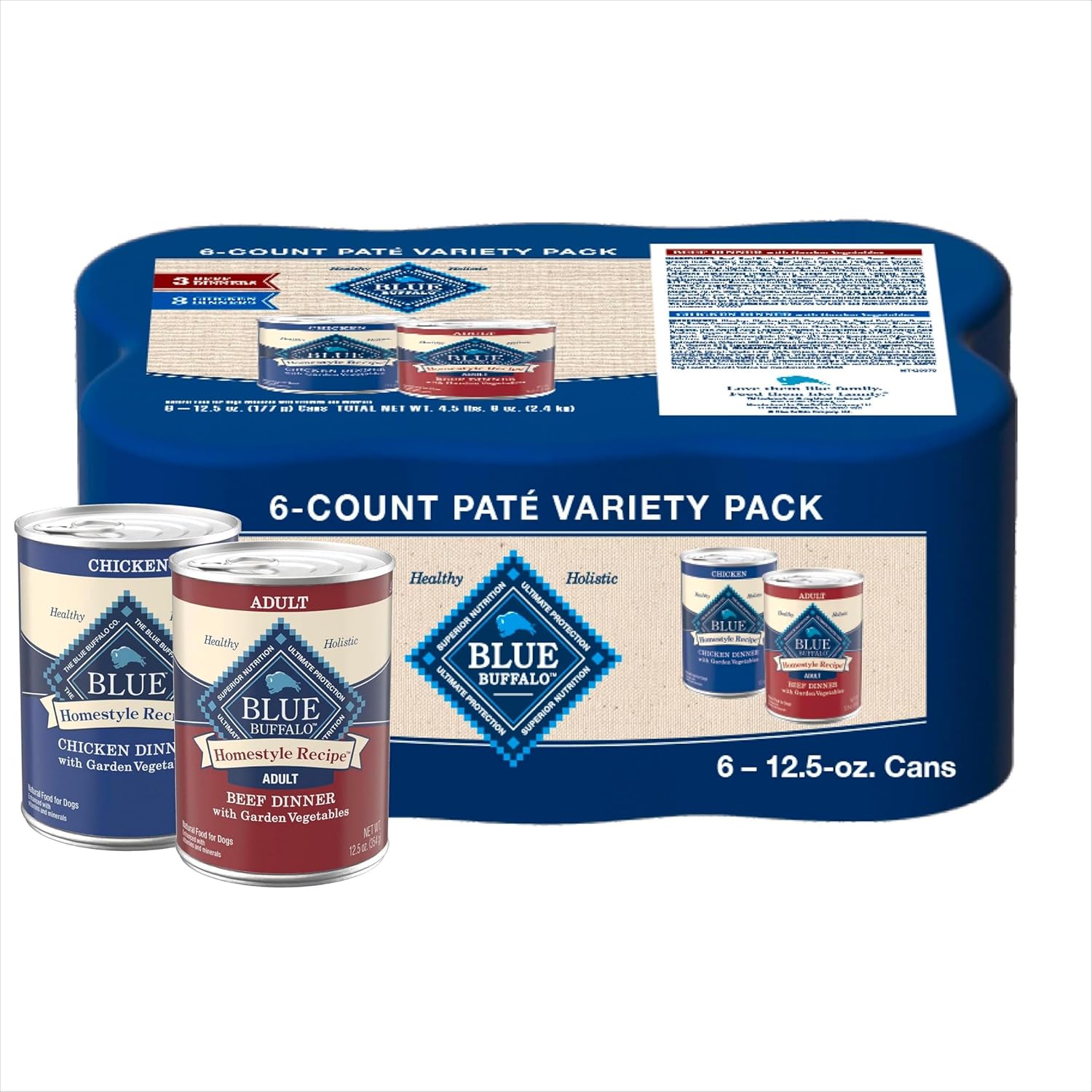
Not all pet food brands are created equal when it comes to ethics, safety, and consistency. Research the company behind the label: Do they manufacture their own food, or do they outsource to third-party facilities? Brands that own their production lines (like Wellness, Blue Buffalo, or Hill’s Science Diet) often have stricter quality control.
Look for brands with a history of transparency, third-party testing, and recalls handled responsibly. Check the FDA’s pet food recall database and read customer reviews on trusted platforms. A brand that’s been around for decades and maintains a strong reputation is generally a safer bet than a flash-in-the-pan startup with no track record.
Also, consider sustainability and ethical sourcing. Some brands prioritize eco-friendly packaging, carbon-neutral shipping, or humane treatment of animals. While these factors may not directly impact nutrition, they reflect a company’s commitment to broader values—something many pet owners care about deeply.
7. Price and Value for Money
Canned dog food can range from under $1 per can to over $5, depending on brand, ingredients, and size. While it’s tempting to go for the cheapest option, remember that you often get what you pay for. Budget brands may use lower-quality proteins, fillers, or artificial additives to cut costs.
Instead of focusing solely on price per can, calculate the cost per feeding based on your dog’s size and caloric needs. A smaller can with higher nutrient density might be more economical in the long run than a larger, less nutritious option. Also, consider buying in bulk or during sales to stretch your budget.
That said, premium doesn’t always mean better. Some mid-range brands offer excellent quality at a fair price. Look for value in terms of ingredient quality, nutritional completeness, and your dog’s response—not just the price tag.
8. Packaging and Shelf Life
Canned food offers excellent shelf stability—typically 2–5 years when unopened—making it a convenient option for stocking up. However, once opened, it should be refrigerated and used within 3–5 days to prevent spoilage. Some brands now offer resealable lids or single-serve pouches for easier storage.
Consider the size of the can relative to your dog’s appetite. A 13-ounce can may be too much for a small dog, leading to waste, while a 5.5-ounce can might not be enough for a large breed. Some brands offer variety packs, which can help you test different flavors without committing to a full case.
Also, be aware of BPA in can linings. While many manufacturers have moved to BPA-free packaging, it’s worth checking the label or company website if you’re concerned about chemical exposure.
Different Types of Canned Dog Food
Common Buying Mistakes to Avoid
❌ Mistake: Choosing Based on Marketing Claims Alone
Why it’s bad: Phrases like “natural,” “holistic,” or “premium” are not regulated by the FDA and can be used freely by any brand. A food labeled “grain-free” might still contain low-quality ingredients or excessive legumes.
What to do instead: Always read the ingredient list and guaranteed analysis. Focus on what’s actually in the food, not the buzzwords on the front of the can.
❌ Mistake: Ignoring Your Dog’s Life Stage and Activity Level
Why it’s bad: Feeding a puppy food to an adult dog can lead to obesity, while feeding adult food to a growing puppy may result in nutrient deficiencies.
What to do instead: Match the food to your dog’s age, size, and energy needs. Puppies, seniors, and active breeds have different nutritional requirements.
❌ Mistake: Overlooking Allergies and Sensitivities
Why it’s bad: Repeated exposure to allergens can worsen skin conditions, ear infections, or digestive issues over time.
What to do instead: Monitor your dog for signs of food intolerance (itching, gas, diarrhea) and consider an elimination diet or limited-ingredient formula if needed.
❌ Mistake: Switching Foods Too Quickly
Why it’s bad: Sudden changes can cause stomach upset, vomiting, or diarrhea.
What to do instead: Transition gradually over 7–10 days, mixing increasing amounts of the new food with the old.
❌ Mistake: Buying the Cheapest Option Without Research
Why it’s bad: Budget brands may use fillers, by-products, or artificial preservatives that compromise long-term health.
What to do instead: Compare value, not just price. Look for mid-range brands that balance affordability with quality.
❌ Mistake: Not Consulting a Veterinarian for Medical Conditions
Why it’s bad: Some health issues (like kidney disease or diabetes) require specialized diets that over-the-counter foods can’t provide.
What to do instead: Always consult your vet before switching to a therapeutic or prescription diet.
❌ Mistake: Storing Opened Cans Improperly
Why it’s bad: Leaving wet food at room temperature can lead to bacterial growth and spoilage.
What to do instead: Refrigerate unused portions in a sealed container and use within 3–5 days.
Budget Guidelines: How Much Should You Spend?
- Entry-Level ($0.75 – $1.50 per can): These are typically store brands or economy lines. While convenient, they often contain lower-quality proteins, fillers, and artificial additives. Best for occasional use or mixing with dry food, but not ideal as a primary diet.
- Mid-Range ($1.50 – $3.00 per can): This is the sweet spot for most dog owners. Brands in this range offer high-quality ingredients, AAFCO compliance, and good nutritional balance. Examples include Wellness CORE, Merrick, and Nutro. Great for daily feeding.
- Premium ($3.00 – $5.00 per can): These foods use human-grade ingredients, novel proteins, and functional additives like probiotics or joint support. Ideal for dogs with sensitivities, allergies, or high energy needs. Brands like Orijen, Acana, and The Honest Kitchen fall here.
- Luxury ($5.00+ per can): Top-tier options with organic, ethically sourced, or raw-inspired formulations. Often sold in specialty pet stores or online. Best for owners prioritizing sustainability and cutting-edge nutrition, though not always necessary for healthy dogs.

Expert Tips for Getting the Best Deal
- Buy in bulk during sales: Many retailers (like Chewy, Petco, or Amazon) offer discounts on case purchases. Stock up during Black Friday or end-of-season promotions.
- Subscribe and save: Auto-shipping programs often include 5–15% off and free delivery. Just set a reminder to pause or cancel if needed.
- Compare unit prices: Don’t just look at the total cost—calculate price per ounce or per feeding to find true value.
- Check for coupons and rebates: Brands often offer digital coupons through their websites or apps. Combine with store promotions for maximum savings.
- Read return policies: If your dog doesn’t like the food, can you return unopened cans? Choose retailers with flexible policies.
- Test with small quantities first: Buy a single can or variety pack before committing to a full case.
- Consider mixing wet and dry: Combining both can reduce cost while still providing hydration and palatability.
- Join loyalty programs: Earn points, get free shipping, and access member-only deals.
Frequently Asked Questions
Q: Is canned dog food better than dry kibble?
A: Not necessarily—both have pros and cons. Canned food offers higher moisture, which supports hydration and urinary health, and is often more palatable. Dry food is more convenient, cost-effective, and can help with dental health. Many owners use a combination of both for balanced nutrition.
Q: How much canned food should I feed my dog?
A: Feeding guidelines vary by brand, dog size, age, and activity level. Most cans include a feeding chart on the label. As a general rule, a 10-pound dog may need about 1/2 to 3/4 can per day, while a 50-pound dog may need 1.5 to 2.5 cans. Always adjust based on your dog’s weight and energy needs.
Q: Can I feed my dog only canned food?
A: Yes, as long as it’s complete and balanced. Many dogs thrive on an all-wet diet, especially those with dental issues or low water intake. Just ensure the food meets AAFCO standards for your dog’s life stage.
Q: Is grain-free food safer for my dog?
A: Not inherently. While grain-free diets can help dogs with grain allergies, they’re not necessary for most pets. Recent concerns about DCM have led experts to recommend caution with grain-free diets high in legumes. Consult your vet before making the switch.
Q: How do I know if my dog is allergic to their food?
A: Common signs include chronic itching, ear infections, gastrointestinal upset (vomiting, diarrhea), or excessive licking. Food allergies are different from intolerances—they involve the immune system. An elimination diet under veterinary supervision is the best way to identify triggers.
Q: Can puppies eat adult canned dog food?
A: It’s not recommended. Puppies need higher levels of protein, fat, calcium, and calories for growth. Adult food may not meet these needs and could lead to developmental issues.
Q: Is organic canned dog food worth the extra cost?
A: It depends on your priorities. Organic foods avoid synthetic pesticides and GMOs, which some owners prefer. However, they’re not always nutritionally superior. Focus on ingredient quality and AAFCO compliance first.
Q: How long does canned dog food last after opening?
A: Once opened, refrigerate and use within 3–5 days. Transfer unused portions to a sealed container to prevent contamination.
Q: Can I mix different brands of canned food?
A: Yes, but do so gradually to avoid digestive upset. Mixing can provide variety and balance, but ensure both foods are nutritionally complete.
Q: Are there eco-friendly canned dog food options?
A: Yes. Some brands use recyclable packaging, carbon-neutral shipping, or sustainable sourcing. Look for certifications like B Corp or partnerships with environmental organizations.
Our Final Recommendations
- Best for Budget-Conscious Buyers: Purina Pro Plan Savor Adult – Offers solid nutrition at an affordable price, with real meat as the first ingredient and AAFCO compliance.
- Best Overall Value: Wellness CORE Grain-Free Original – High-protein, grain-free, and packed with probiotics and omega fatty acids. Great for most adult dogs.
- Best Premium Option: Orijen Original Grain-Free – Biologically appropriate with 85% animal ingredients, including fresh and raw meats. Ideal for active or sensitive dogs.
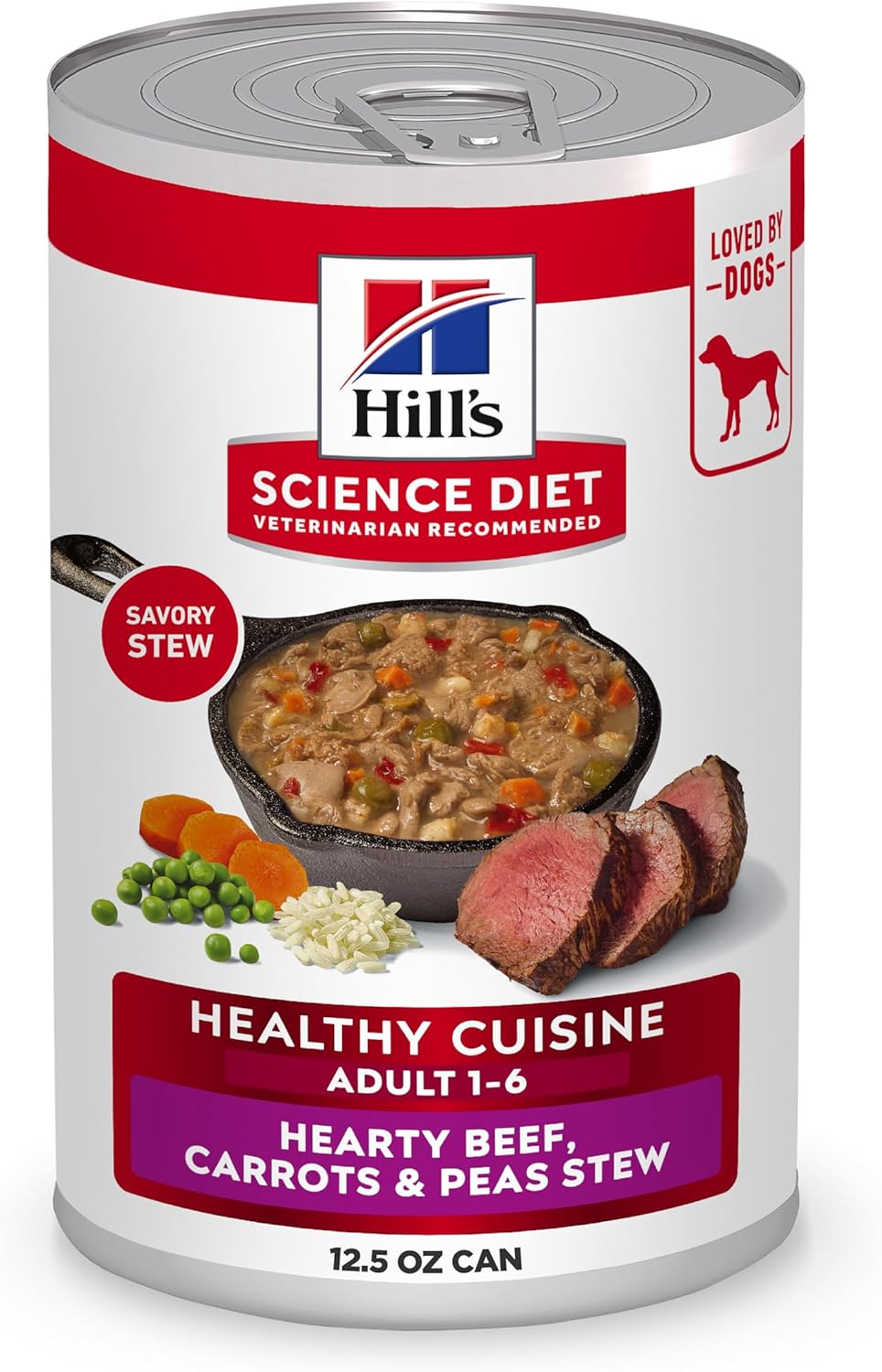
- Best for Beginners: Hill’s Science Diet Adult Savory Chicken – Trusted by vets, easy to digest, and widely available. Perfect for first-time wet food users.
- Best for Advanced Users: The Honest Kitchen Human-Grade Dehydrated Base Mix – Not canned, but rehydrates into a fresh-like meal. For owners seeking maximum control over ingredients.
Conclusion: Making the Right Choice
Choosing the best canned dog food isn’t about finding the most expensive or the most advertised option—it’s about understanding your dog’s unique needs and matching them with a food that delivers real nutrition. From ingredient quality and life stage appropriateness to budget and brand trust, every factor plays a role in your decision. By using the insights in this guide, you’re now equipped to navigate the market with confidence.
Remember, the best food is one that your dog enjoys, digests well, and thrives on. Monitor their energy, coat condition, stool quality, and overall health as indicators of success. And don’t hesitate to consult your veterinarian—especially if your dog has medical conditions or dietary restrictions.
Your dog depends on you for their health and happiness. With the right knowledge and a little research, you can make feeding time a joyful, nourishing experience for both of you. Start today—your pup deserves the best.