

If your dog is constantly scratching, licking their paws, or experiencing digestive upset, food allergies might be the culprit. Unlike seasonal allergies triggered by pollen or dust, food allergies stem from an immune system overreaction to specific ingredients—most commonly proteins like beef, chicken, or dairy. These reactions can develop over time, even if your dog has eaten the same food for years. The good news? Switching to the right canned dog food can make a world of difference. Canned food offers several advantages for dogs with sensitivities: higher moisture content supports hydration and digestion, the cooking process can break down proteins to reduce allergenicity, and many formulas are crafted with limited ingredients to minimize exposure to common triggers.
This comprehensive guide is designed to help you navigate the often-confusing world of hypoallergenic and allergy-friendly canned dog foods. Whether you’re dealing with a newly diagnosed food allergy or simply looking to upgrade your pup’s diet, we’ll walk you through everything you need to know to make an informed decision. You’ll learn how to identify high-quality ingredients, understand different types of specialized formulas, avoid common pitfalls, and choose a product that fits both your dog’s health needs and your budget. With so many options flooding the market—from vet-recommended prescription diets to premium boutique brands—it’s easy to feel overwhelmed. But armed with the right knowledge, you can confidently select a canned food that soothes your dog’s symptoms and supports long-term wellness.
The market for allergy-friendly pet food has exploded in recent years, driven by rising awareness of canine food sensitivities and advancements in veterinary nutrition. Today, pet parents have access to a wide array of options, including novel protein sources (like duck, venison, or kangaroo), hydrolyzed proteins, grain-free and limited-ingredient recipes, and even prescription-grade therapeutic diets. However, not all “hypoallergenic” or “sensitive stomach” labels are created equal. Some brands use marketing buzzwords without delivering on nutritional integrity, while others may omit key nutrients or rely on fillers that do little to support health. That’s why it’s crucial to look beyond the label and dig into what truly makes a canned food effective for dogs with allergies. In this guide, we’ll cut through the noise and give you the tools to evaluate products based on science, transparency, and real-world results.
What to Look for When Buying Canned Dog Food for Allergies
1. Limited Ingredient Formulas
When your dog has food allergies, less is often more. Limited ingredient diets (LIDs) contain fewer components than standard recipes, which reduces the number of potential allergens your dog is exposed to. These formulas typically feature a single source of animal protein and a single carbohydrate source, making it easier to identify and eliminate problematic ingredients. Look for cans that list only one or two protein sources—such as “salmon” or “lamb and rice”—and avoid those with vague terms like “meat meal” or “animal by-products.” A true LID should also exclude common allergens like chicken, beef, eggs, soy, wheat, corn, and dairy unless specifically noted as safe for your dog. Brands like Natural Balance, Wellness Simple, and Blue Buffalo Basics specialize in LID canned foods that are widely trusted by veterinarians and pet owners alike.
2. Novel or Hydrolyzed Protein Sources
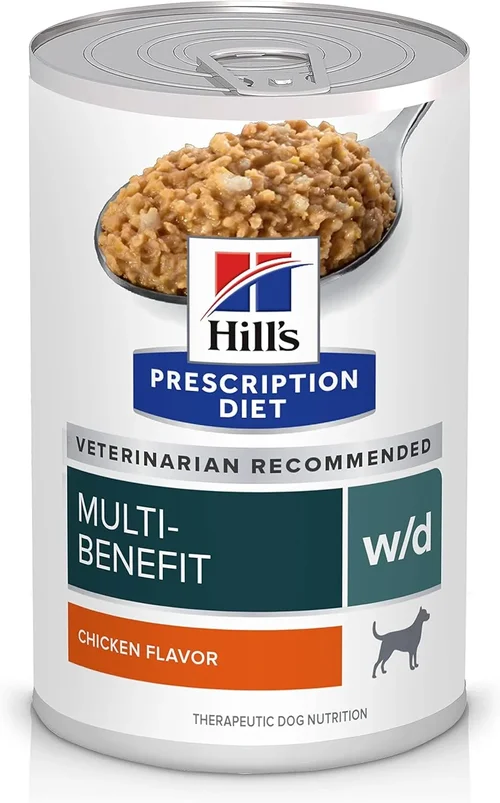
Novel proteins are meats your dog has likely never eaten before—such as rabbit, duck, venison, or kangaroo—which lowers the chance of an allergic reaction because their immune system hasn’t built up antibodies against them. Hydrolyzed proteins, on the other hand, are broken down into tiny molecules through a chemical process so small that the immune system no longer recognizes them as allergens. These are commonly found in prescription diets like Hill’s Prescription Diet z/d or Royal Canin Hydrolyzed Protein. While novel proteins work well for many dogs, they’re not foolproof—some pets can still develop allergies to new proteins over time. Hydrolyzed diets are considered the gold standard for severe or complex food allergies because they virtually eliminate the risk of immune recognition. Always consult your veterinarian before starting a hydrolyzed diet, as these are typically only available through veterinary channels.
3. Grain-Free vs. Grain-Inclusive Options
There’s ongoing debate about whether grains cause food allergies in dogs. Contrary to popular belief, true grain allergies are relatively rare—most canine food allergies are triggered by proteins, not grains. However, some dogs do have sensitivities to wheat, corn, or soy, which are often used as fillers in lower-quality foods. If your dog reacts to these ingredients, a grain-free canned food may help. That said, recent FDA investigations have raised concerns about a potential link between grain-free diets and dilated cardiomyopathy (DCM) in certain breeds, particularly when legumes like peas, lentils, or chickpeas are used as primary carbohydrate sources. For dogs with confirmed grain sensitivities, opt for grain-free formulas that use safe starches like sweet potato or tapioca. For others, grain-inclusive options with easily digestible grains like oats or barley may actually be beneficial. Always prioritize whole-food carbohydrates over refined flours or excessive legume content.
4. Absence of Artificial Additives
Artificial colors, flavors, preservatives, and chemical additives can exacerbate allergic reactions or trigger sensitivities in some dogs. Look for canned foods that are free from BHA, BHT, ethoxyquin, artificial dyes (like Red 40 or Yellow 5), and synthetic flavor enhancers. Natural preservatives like mixed tocopherols (a form of vitamin E) or citric acid are safer alternatives. Additionally, avoid products that list “mystery” ingredients such as “flavor” without specifying the source—this could mask hidden allergens. Transparency is key: reputable brands will clearly disclose every ingredient and its purpose. Reading the full ingredient list (not just the front-of-can claims) is essential for avoiding hidden irritants.
5. High Moisture Content and Digestibility
Canned dog food typically contains 70–80% water, which is significantly higher than dry kibble. This increased moisture supports kidney function, urinary tract health, and overall hydration—especially important for dogs with sensitive systems or those prone to UTIs. Moreover, the gentle cooking process used in high-quality canned foods helps break down proteins and starches, improving digestibility and nutrient absorption. Dogs with food allergies often struggle with gastrointestinal upset, so easily digestible meals can reduce vomiting, diarrhea, and gas. Look for recipes that emphasize highly bioavailable proteins and prebiotic fibers (like pumpkin or chicory root) to support gut health. Avoid foods with excessive fillers like cellulose or corn gluten meal, which offer little nutritional value and may irritate sensitive stomachs.
6. Brand Transparency and Quality Control
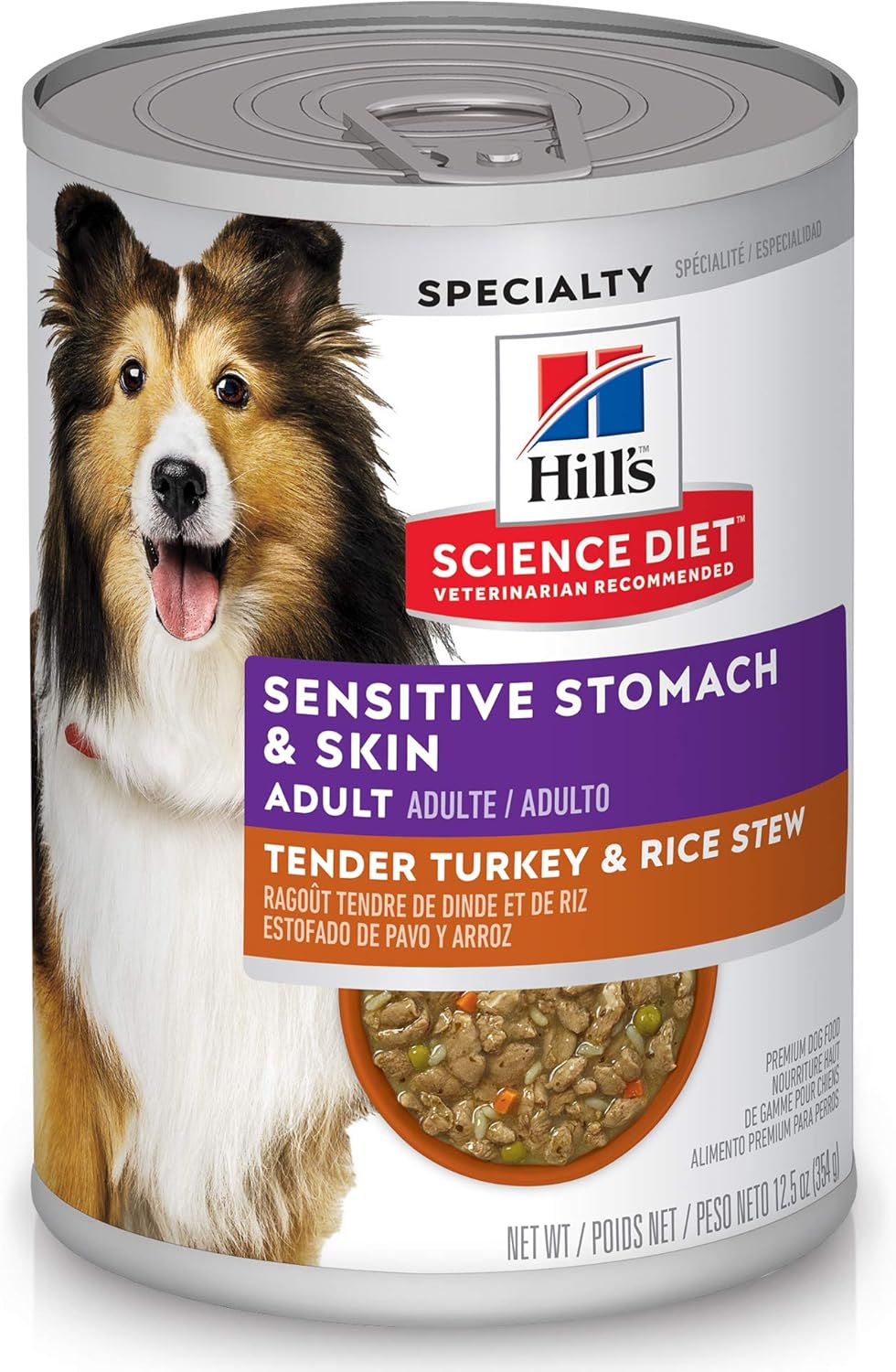
Not all pet food manufacturers adhere to the same standards of quality and safety. Choose brands that are transparent about their sourcing, manufacturing processes, and testing protocols. Look for companies that conduct AAFCO (Association of American Feed Control Officials) feeding trials or formulate their recipes to meet AAFCO nutrient profiles. Reputable brands will also provide detailed information about where their ingredients come from, whether they test for contaminants like heavy metals or mycotoxins, and if their facilities are certified by third-party organizations. Avoid brands that outsource production to unknown co-packers without oversight. Reading customer reviews, checking recall histories, and consulting your veterinarian can also help you assess a brand’s reliability. Established names like Purina Pro Plan Veterinary Diets, Royal Canin, and Hill’s Science Diet have long track records of scientific research and clinical validation, while newer premium brands like The Honest Kitchen and Open Farm emphasize traceability and human-grade ingredients.
7. Veterinarian Recommendation and Clinical Support
For dogs with confirmed or suspected food allergies, veterinary guidance is invaluable. Your vet can help rule out other conditions (like environmental allergies or parasites) and recommend appropriate diagnostic steps, such as an elimination diet or blood/skin testing. They may also prescribe therapeutic canned foods designed specifically for allergy management. These prescription diets are formulated based on clinical research and are often more rigorously tested than over-the-counter options. While they tend to be more expensive, they offer the highest level of assurance for managing complex allergies. Even if you choose a non-prescription brand, sharing your choice with your vet ensures it aligns with your dog’s overall health plan. Never switch to a new diet abruptly—especially for dogs with chronic conditions—as sudden changes can worsen symptoms or cause digestive distress.
8. Palatability and Acceptance
No matter how nutritious a canned food is, it won’t help your dog if they refuse to eat it. Dogs with allergies may already be feeling unwell, so appetite can be compromised. Look for recipes with strong natural aromas and textures that appeal to canine preferences—many dogs prefer pâté-style or shredded meats over chunky or gelatinous formulas. Some brands offer trial-sized cans or sample packs, which can be helpful when testing new foods. If your dog is particularly finicky, consider warming the food slightly (to room temperature or lukewarm) to enhance its scent. You can also mix in a small amount of low-sodium bone broth or a spoonful of plain cooked pumpkin to boost appeal. Remember: a successful food trial requires consistency, so don’t give up after one rejection. Sometimes it takes several attempts for a dog to accept a new taste or texture.
Different Types of Canned Dog Food for Allergies

Common Buying Mistakes to Avoid
❌ Mistake: Assuming “Grain-Free” Means Hypoallergenic
Why it’s bad: Many pet owners mistakenly believe that grain-free automatically equals allergy-friendly. However, as mentioned earlier, most dog food allergies are caused by proteins, not grains. Grain-free diets may even introduce new risks if they rely heavily on legumes or potatoes, which have been linked to DCM in some dogs. Choosing grain-free solely based on marketing claims without addressing the actual allergen can delay proper diagnosis and treatment.
What to do instead: Focus on identifying your dog’s specific allergens through an elimination diet or veterinary testing. If grains aren’t the issue, a high-quality grain-inclusive diet may be perfectly safe—and even beneficial—for your pup.
❌ Mistake: Switching Foods Too Frequently
Why it’s bad: Constantly rotating between different canned foods in search of a “miracle cure” can confuse your dog’s digestive system and make it impossible to determine which ingredient is causing a reaction. Frequent changes may also lead to nutrient imbalances or gastrointestinal upset.
What to do instead: Stick to one food for at least 8–12 weeks during a food trial. Only introduce new ingredients one at a time, and keep a detailed log of your dog’s symptoms, appetite, and stool quality to track progress accurately.
❌ Mistake: Ignoring Treats and Supplements
Why it’s bad: Even if you switch to a pristine canned food, giving your dog treats, chews, or flavored medications containing common allergens can undermine your efforts. Many commercial treats include chicken, beef, or dairy—ingredients you’re trying to avoid.
What to do instead: Use hypoallergenic treats made from the same novel protein as your dog’s main diet, or prepare homemade treats using approved ingredients. Always check medication labels and ask your vet for allergen-free alternatives if needed.
❌ Mistake: Overlooking Cross-Contamination
Why it’s bad: Some manufacturers produce multiple formulas in the same facility, increasing the risk of cross-contact with allergens. Even trace amounts of chicken or beef in a “duck-only” formula can trigger a reaction in highly sensitive dogs.
What to do instead: Choose brands that clearly state they avoid cross-contamination or manufacture allergy-specific lines in dedicated facilities. Look for certifications or statements like “made in a facility free of common allergens” on the packaging.
❌ Mistake: Relying Solely on Online Reviews
Why it’s bad: While customer reviews can provide useful insights, they’re subjective and may not reflect your dog’s unique needs. A food that works for one dog with chicken allergies might not suit another with multiple sensitivities. Additionally, some reviews are incentivized or fake.
What to do instead: Use reviews as a starting point, but prioritize veterinary advice, ingredient transparency, and scientific formulation. Consider joining reputable pet allergy forums or Facebook groups where owners share verified experiences.
❌ Mistake: Choosing Based on Price Alone
Why it’s bad: Cheap canned foods often contain low-quality proteins, fillers, and artificial additives that can worsen allergies. Conversely, the most expensive option isn’t always the best—some premium brands charge more for branding than nutritional value.
What to do instead: Evaluate cost per ounce and compare ingredient quality rather than just the sticker price. Mid-range brands like Wellness Simple or Natural Balance offer excellent value without sacrificing safety or efficacy.
❌ Mistake: Not Consulting a Veterinarian
Why it’s bad: Food allergies share symptoms with other conditions like atopic dermatitis, flea allergy, or intestinal parasites. Self-diagnosing and treating without professional input can lead to mismanagement and prolonged discomfort for your dog.
What to do instead: Schedule a vet visit to confirm a food allergy and rule out other causes. Your vet can also guide you toward appropriate diagnostic tools and recommend trusted brands based on your dog’s breed, age, and health status.
Budget Guidelines: How Much Should You Spend?
When it comes to feeding a dog with allergies, cost is a legitimate concern—but it shouldn’t be the sole deciding factor. Here’s a realistic breakdown of what you can expect at different price points:
Entry-Level ($1.50–$2.50 per 12.5 oz can): These options are typically found at big-box retailers or grocery stores. While some, like Iams Sensitive Naturals or Purina ONE True Instinct, offer decent quality, many rely on common proteins (chicken, beef) and may include grains or by-products. They’re suitable for dogs with mild sensitivities but unlikely to resolve moderate to severe allergies. Always read labels carefully—even within this tier, some brands offer limited-ingredient variants.
Mid-Range ($2.50–$4.00 per 12.5 oz can): This is the sweet spot for most pet owners managing food allergies. Brands like Natural Balance LID, Wellness Simple, and Blue Buffalo Basics offer novel proteins, transparent sourcing, and minimal additives at an accessible price. These foods are widely available online and in pet stores, making them convenient for ongoing use. Many include probiotics or digestive enzymes to support gut health, and their formulations are often vet-recommended for elimination diets.
Premium ($4.00–$6.00 per 13 oz can): Designed for dogs with complex or chronic allergies, premium canned foods often feature human-grade ingredients, exotic proteins (kangaroo, alligator), or advanced nutritional profiles. Brands like The Honest Kitchen, Open Farm, and Ziwi Peak emphasize traceability, sustainability, and minimal processing. While more expensive, they’re ideal for owners willing to invest in top-tier nutrition and who value ingredient integrity. Some also offer subscription models or bulk discounts to reduce long-term costs.
Luxury ($6.00+ per can): At this level, you’re paying for cutting-edge science, clinical validation, and convenience. Prescription diets like Hill’s Prescription Diet z/d or Royal Canin Hydrolyzed Protein fall into this category, as do boutique brands offering raw-cooked hybrids or air-dried canned blends. These are typically only available through veterinarians and are reserved for severe cases where over-the-counter options have failed. While costly, they provide the highest assurance of allergen control and are often covered partially by pet insurance.

Expert Tips for Getting the Best Deal
- Buy in bulk during sales: Major retailers like Chewy, Petco, and Amazon often run seasonal promotions (especially around Black Friday or National Pet Day). Stock up on your dog’s preferred formula when discounts hit 20–30%.
- Subscribe and save: Most online pet stores offer subscription services with 5–15% off recurring orders. This ensures you never run out and locks in a lower price.
- Check vet clinic pricing: Some veterinary hospitals sell prescription canned food at competitive rates or offer loyalty programs. Don’t assume online is always cheaper—call around!
- Look for manufacturer rebates: Brands like Hill’s and Royal Canin frequently offer mail-in rebates or free sample packs for new customers. Sign up for their newsletters to stay informed.
- Compare unit prices: A larger can isn’t always a better deal. Divide the total price by the number of ounces to find the true cost per serving.
- Use cashback apps: Apps like Rakuten or Honey can earn you 2–10% back on pet food purchases at participating retailers.
- Ask about trial sizes: Before committing to a full case, request single cans or sample packs from your vet or local pet store to test palatability.
- Review return policies: Ensure the seller accepts returns if your dog refuses the food or has an adverse reaction. Reputable retailers like Chewy have generous return windows.

Frequently Asked Questions
Q: How long does it take to see improvement after switching to allergy-friendly canned food?
A: Most dogs show noticeable improvement in skin and coat condition within 4–6 weeks, but full resolution of symptoms can take 8–12 weeks. Digestive issues like diarrhea or vomiting may resolve sooner, often within 1–2 weeks. Consistency is key—avoid giving any other foods during this period.
Q: Can puppies with allergies eat the same canned food as adult dogs?
A: Not necessarily. Puppies have different nutritional needs, especially for growth and development. Look for canned foods labeled “for all life stages” or “puppy-specific” that meet AAFCO puppy guidelines. Avoid adult maintenance formulas, as they may lack sufficient calcium, protein, or DHA for developing brains and bones.
Q: Is it safe to mix canned food with kibble for dogs with allergies?
A: Yes, but only if both foods are compatible with your dog’s dietary restrictions. Mixing a novel-protein canned food with a chicken-based kibble could reintroduce the allergen. If you choose to combine, ensure both products share the same protein and avoid conflicting ingredients.
Q: What if my dog still reacts to a “hypoallergenic” canned food?
A: This could indicate a cross-reactivity (e.g., reacting to both chicken and turkey), contamination during manufacturing, or an underlying condition beyond food allergy. Consult your vet immediately. They may recommend switching to a hydrolyzed diet or conducting further testing.
Q: Are homemade diets better than canned food for allergies?
A: Homemade diets offer complete control over ingredients but require careful balancing to avoid nutritional deficiencies. Unless formulated by a veterinary nutritionist, they’re risky for long-term use. Canned commercial foods are generally safer, more convenient, and nutritionally complete.
Q: Can food allergies develop suddenly in older dogs?
A: Absolutely. Dogs can develop allergies to ingredients they’ve eaten for years due to changes in gut health, immune function, or environmental factors. Age, stress, illness, or medication can all trigger new sensitivities.
Q: Do grain-free diets cause heart disease in dogs?
A: The FDA has investigated a potential link between certain grain-free diets (especially those high in legumes) and DCM, particularly in breeds predisposed to the condition. However, the exact cause remains unclear. If you choose grain-free, avoid formulas with excessive peas, lentils, or potatoes, and monitor your dog’s cardiac health with regular vet checkups.
Q: Can I rotate between different novel proteins to prevent new allergies?
A: Rotation diets are controversial. While some holistic vets support them, mainstream veterinary medicine recommends sticking to one proven-safe protein during an elimination trial. Once stable, limited rotation may be possible—but always under veterinary supervision.
Q: Are organic or non-GMO canned foods better for allergic dogs?
A: Not necessarily. While organic and non-GMO labels indicate farming practices, they don’t guarantee hypoallergenicity. Focus instead on ingredient simplicity, protein source, and absence of known allergens. Some non-organic brands offer superior allergy support due to stricter formulation standards.
Q: How do I store opened canned dog food?
A: Transfer unused portions to an airtight container and refrigerate for up to 5–7 days. Never leave opened cans at room temperature, as bacteria can grow rapidly. Label containers with the date and discard any food that smells off or shows mold.
Our Final Recommendations
Best for Budget-Conscious Buyers: Natural Balance LID Sweet Potato & Fish Formula – At around $2.30 per can, this grain-free, limited-ingredient recipe uses salmon as the sole protein and sweet potato for carbs. It’s widely available, vet-trusted, and free from common allergens.
Best Overall Value: Wellness Simple Limited Ingredient Diet Lamb & Oatmeal – Priced under $3.00 per can, this formula combines novel protein (lamb) with easily digestible oatmeal and includes prebiotics for gut health. It’s ideal for dogs with mild to moderate sensitivities.
Best Premium Option: The Honest Kitchen Human-Grade Dehydrated Base Mix + Canned Topper – While not a traditional canned food, this human-grade, minimally processed option allows you to rehydrate a base mix with water or bone broth and add a hypoallergenic canned topper like duck or rabbit. Perfect for owners prioritizing ingredient purity.
Best for Beginners: Blue Buffalo Basics Limited Ingredient Diet Turkey & Potato – With clear labeling, affordable pricing (~$2.60/can), and a simple recipe, this is an excellent entry point for pet parents new to managing food allergies. Available at most pet stores and online.
Best for Advanced Users (Severe Allergies): Hill’s Prescription Diet z/d Ultra Allergen-Free – This hydrolyzed protein canned food is the gold standard for complex or refractory cases. Only available through veterinarians, it’s clinically proven to resolve symptoms in over 90% of dogs within 12 weeks.
Conclusion: Making the Right Choice
Choosing the right canned dog food for allergies isn’t just about picking a product labeled “sensitive” or “hypoallergenic”—it’s about understanding your dog’s unique physiology, identifying true triggers, and selecting a formula backed by science and transparency. From limited ingredient diets to hydrolyzed proteins, the options are vast, but the right choice will depend on your dog’s specific needs, your budget, and your willingness to commit to a consistent feeding protocol. Remember, patience and persistence are essential. Food allergies rarely resolve overnight, but with the right approach, most dogs can enjoy relief from itching, digestive upset, and discomfort.
Prioritize quality over convenience, consult your veterinarian early, and don’t be afraid to invest in your dog’s long-term health. Whether you’re managing a mild sensitivity or a severe immune response, the perfect canned food exists—and this guide has equipped you with the knowledge to find it. Start with a clear plan, track your dog’s progress diligently, and celebrate every small victory along the way. Your loyal companion deserves nothing less than the best nutrition to thrive.
Ready to take the next step? Review your dog’s current symptoms, discuss options with your vet, and select one of our recommended formulas to begin a structured food trial. With the right food, your dog can go from constantly scratching to confidently wagging their tail again.