
When your dog turns up their nose at mealtime, it’s more than just a minor inconvenience—it’s a source of real concern for any loving pet parent. You’ve tried kibble, you’ve tried mixing in broth, maybe even hand-feeding, but your pup still refuses to eat. This is where high-quality canned dog food becomes not just a convenience, but a nutritional lifeline. Unlike dry food, wet food offers enhanced aroma, moisture content, and palatability that can entice even the most finicky eaters. In fact, studies show that over 70% of dogs show increased food intake when switched from kibble to wet food—especially those with dental issues, senior dogs with diminished senses, or dogs recovering from illness.
But not all canned dog food is created equal. With hundreds of brands flooding the market—from budget-friendly supermarket options to premium veterinary formulas—it’s easy to feel overwhelmed. That’s why this comprehensive buying guide exists: to cut through the noise and help you make an informed, confident decision. Whether you’re dealing with a picky puppy, a senior dog with appetite loss, or a rescue with unknown dietary history, this guide will walk you through everything you need to know. We’ll cover nutritional essentials, ingredient quality, texture preferences, budget considerations, and even how to transition your dog safely. By the end, you’ll have a clear roadmap to find the best canned dog food that your reluctant eater will actually enjoy—and thrive on.
The canned dog food market has evolved dramatically in recent years. Gone are the days when “wet food” meant mystery meat by-products and artificial preservatives. Today’s top-tier options feature human-grade proteins, limited ingredients for sensitive stomachs, functional additives like probiotics and omega fatty acids, and even grain-free or novel protein formulations for dogs with allergies. At the same time, price points vary widely—from under $1 per can at big-box stores to over $4 per can for specialty brands. This guide demystifies those choices, helping you balance cost, quality, and your dog’s unique needs. Whether you’re shopping for a Chihuahuahua who snubs everything or a Golden Retriever recovering from surgery, we’ve got you covered.
What to Look for When Buying Canned Dog Food
1. Protein Source and Quality
The first ingredient listed should always be a named animal protein—like “chicken,” “beef,” or “salmon”—not vague terms like “meat meal” or “animal by-product.” High-quality protein is essential for muscle maintenance, immune function, and overall vitality, especially in dogs who aren’t eating consistently. Look for whole meats (e.g., “deboned chicken”) or named meat meals (e.g., “chicken meal”), which are concentrated sources of protein. Avoid foods where carbohydrates (like corn, wheat, or soy) appear before meat ingredients, as this often indicates filler-heavy formulations. For dogs with allergies, consider novel proteins such as duck, venison, or rabbit, which are less likely to trigger immune responses.
2. Moisture Content and Hydration Benefits
Canned dog food typically contains 70–85% moisture, compared to just 10–12% in kibble. This is a game-changer for dogs who don’t drink enough water, especially seniors or those with kidney concerns. Adequate hydration supports urinary tract health, digestion, and toxin elimination. When comparing labels, check the guaranteed analysis: a higher percentage of moisture (listed as “max”) means less dry matter per can, but also greater hydration benefit. For dogs prone to urinary crystals or chronic kidney disease, wet food can be a critical part of their care plan. However, don’t assume all wet foods are equally hydrating—some use added water or broth that doesn’t contribute meaningful nutrition.
3. Ingredient Transparency and Avoidance of Fillers
Read the ingredient list like you would for your own meals. Avoid artificial colors, flavors, and preservatives (like BHA, BHT, or ethoxyquin), which offer no nutritional value and may pose long-term health risks. Similarly, steer clear of excessive grains, starches, or unnamed “meat by-products.” Instead, look for whole-food ingredients: real vegetables (sweet potatoes, carrots, peas), healthy fats (flaxseed, salmon oil), and functional additives like probiotics or glucosamine. Brands that disclose their sourcing practices—such as “humanely raised chicken” or “wild-caught salmon”—often prioritize quality and ethical standards. Transparency builds trust, especially when your dog’s health is on the line.
4. Texture and Palatability
Texture matters more than you might think. Some dogs prefer pâté—smooth and easy to lick—while others go wild for shreds, chunks in gravy, or flaked varieties. Senior dogs with missing teeth or gum disease may struggle with chunky textures, making pâté ideal. Puppies and small breeds often enjoy softer, spreadable formulas they can eat without chewing. If your dog is truly reluctant, try warming the food slightly (to room temperature or lukewarm) to enhance aroma—dogs rely heavily on smell to decide whether to eat. You can also mix in a small amount of low-sodium bone broth or a sprinkle of freeze-dried raw toppers to boost appeal.
5. Life Stage and Health-Specific Formulations
Not all canned foods are suitable for every dog. Puppies need higher levels of protein and fat for growth, while seniors benefit from lower calories, joint-supporting nutrients, and easier digestion. Dogs with medical conditions—such as pancreatitis, IBD, or diabetes—require specialized diets often available only through veterinary channels. Even within general categories, look for formulas labeled “for adult maintenance,” “senior,” or “weight management.” These are formulated with appropriate nutrient profiles for your dog’s age, size, and activity level. Feeding a senior dog a high-calorie puppy formula, for example, could lead to obesity and related health issues.
6. Brand Reputation and Manufacturing Standards
Not all pet food companies adhere to the same quality controls. Reputable brands undergo third-party testing, publish nutritional adequacy statements (indicating compliance with AAFCO standards), and have a history of transparency during recalls. Research whether the manufacturer owns their facilities or outsources production—brands with in-house manufacturing often have tighter quality oversight. Check sites like the FDA’s pet food recall database or independent review platforms like DogFoodAdvisor.com for red flags. A brand that’s been around for decades and maintains consistent positive feedback is generally a safer bet than a flashy newcomer with vague sourcing.
7. Price vs. Value—Not Just the Cheapest Option
While it’s tempting to grab the cheapest cans on the shelf, cost-per-ounce and nutritional density matter more than upfront price. A $1.20 can with 3 oz of mostly water and fillers delivers far less value than a $2.50 can with 5.5 oz of high-protein, nutrient-dense food. Calculate the cost per serving based on your dog’s daily needs. Also consider subscription models or bulk purchases—many online retailers offer discounts for recurring orders. Remember: investing in quality nutrition now can reduce vet bills later by supporting immune health, digestion, and disease prevention.
8. Packaging and Shelf Life
Check the can for dents, rust, or bulging—these can indicate contamination or spoilage. Most canned foods have a shelf life of 2–5 years unopened, but once opened, they should be refrigerated and used within 3–5 days. Some brands now offer BPA-free lining or recyclable packaging, which is better for both your dog and the environment. If you feed multiple dogs or large breeds, consider family-size cans (12.5 oz or larger) to reduce waste and save money. For small dogs, single-serve or 3–5.5 oz cans prevent spoilage and ensure freshness.
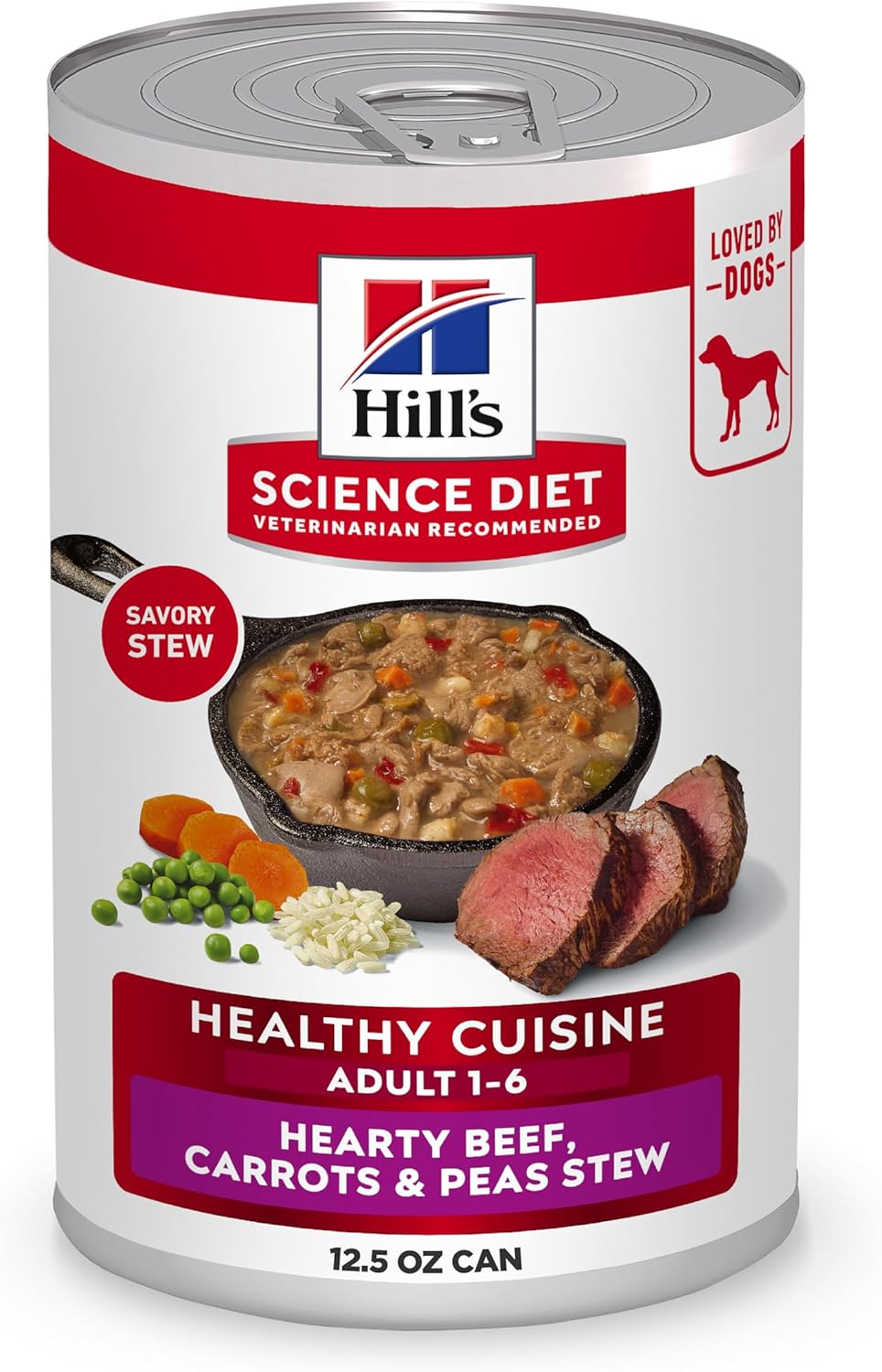
Different Types of Canned Dog Food
Common Buying Mistakes to Avoid
❌ Mistake: Choosing Based Solely on Price
Why it’s bad: Cheap canned food often relies on fillers, unnamed meat sources, and artificial preservatives that can harm your dog’s long-term health. Over time, poor nutrition leads to dull coats, digestive issues, obesity, and weakened immunity—costing far more in vet bills than the savings on food.
What to do instead: Calculate cost per nutrient-dense serving, not just per can. Invest in mid-range or premium brands that prioritize quality ingredients. Your dog’s health is worth the extra $0.50 per meal.
❌ Mistake: Ignoring Your Dog’s Life Stage
Why it’s bad: Feeding a senior dog a high-fat puppy formula can accelerate weight gain and joint stress. Conversely, giving a growing puppy a low-calorie senior diet may stunt development. Each life stage has unique nutritional needs.
What to do instead: Always check the label for AAFCO statements indicating suitability for your dog’s life stage (e.g., “for all life stages” or “for adult maintenance”). When in doubt, consult your vet.
❌ Mistake: Not Transitioning Gradually
Why it’s bad: Switching foods abruptly can cause diarrhea, vomiting, or further refusal to eat—especially in sensitive dogs. Sudden changes disrupt gut bacteria and may be mistaken for food intolerance.
What to do instead: Mix the new food with the old over 7–10 days, gradually increasing the proportion. Start with 25% new food, then 50%, then 75%, before going 100%. This allows your dog’s system to adapt.
❌ Mistake: Overlooking Texture Preferences
Why it’s bad: A dog who refuses chunky food may eat readily if offered pâté—or vice versa. Texture affects both appetite and ease of eating, especially for dogs with dental pain or small mouths.
What to do instead: Try sample sizes or variety packs before committing. Observe your dog’s reaction: Do they lick the gravy first? Avoid chunks? Use this feedback to guide future purchases.
❌ Mistake: Assuming All “Natural” or “Organic” Labels Are Equal
Why it’s bad: Terms like “natural” aren’t strictly regulated in pet food. Some “organic” brands still use low-quality proteins or excessive carbohydrates. Don’t let marketing buzzwords replace ingredient scrutiny.
What to do instead: Look for certifications from reputable bodies (e.g., USDA Organic, AAFCO compliance) and read the full ingredient list. If it sounds too good to be true, it probably is.
❌ Mistake: Sticking to One Brand Indefinitely
Why it’s bad: Dogs can develop sensitivities to ingredients over time, even if they’ve eaten the same food for years. Rotating proteins and brands (safely) can prevent allergies and keep mealtime exciting.
What to do instead: Rotate between 2–3 trusted brands or protein sources every few months. Always transition gradually to avoid digestive upset.
❌ Mistake: Not Consulting a Veterinarian for Medical Issues
Why it’s bad: Persistent refusal to eat may signal underlying illness—dental disease, gastrointestinal disorders, kidney failure, or cancer. Treating it as mere pickiness delays diagnosis and treatment.
What to do instead: If your dog skips meals for more than 24–48 hours, shows lethargy, vomiting, or weight loss, see your vet immediately. They may recommend a therapeutic diet or diagnostic tests.
Budget Guidelines: How Much Should You Spend?
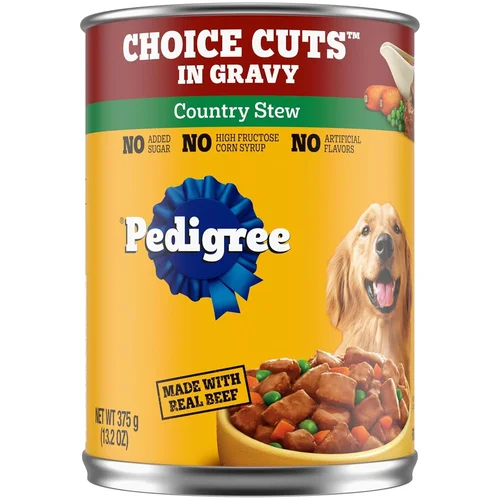
- Entry-Level ($0.90–$1.50 per 5.5 oz can): These are typically store brands or mass-market formulas found at supermarkets and big-box retailers. While convenient and affordable, they often contain lower-quality proteins, fillers like corn or soy, and artificial preservatives. Best for temporary use or supplemental feeding—not ideal as a sole diet long-term. Expect basic nutrition but limited palatability and health benefits.
- Mid-Range ($1.80–$2.80 per 5.5 oz can): This is the sweet spot for most dog owners. Brands in this tier offer named meat proteins, minimal fillers, and added nutrients like omega fatty acids or probiotics. They’re widely available online and in pet stores, with good flavor variety and texture options. Ideal for healthy adult dogs who need reliable, balanced nutrition without breaking the bank.
- Premium ($2.90–$4.00 per 5.5 oz can): These brands prioritize human-grade ingredients, novel proteins, grain-free or limited-ingredient formulas, and ethical sourcing. Often used by owners of dogs with allergies, sensitivities, or high activity levels. Many include functional additives like glucosamine, turmeric, or prebiotics. Worth the investment for dogs with special dietary needs or owners seeking top-tier nutrition.
- Luxury ($4.10+ per 5.5 oz can): Reserved for veterinary therapeutic diets or ultra-premium brands with exotic ingredients (e.g., wild boar, kangaroo) or raw-inspired formulations. These are typically prescribed for medical conditions or used by performance dogs. While nutritionally superior, they’re unnecessary for most healthy pets and can be cost-prohibitive for daily feeding.
Expert Tips for Getting the Best Deal
- Shop during seasonal sales: Major discounts happen around Black Friday, Cyber Monday, and end-of-year clearance events. Stock up during these periods—canned food has a long shelf life.
- Compare unit prices online: Use price-comparison tools or browser extensions to find the lowest cost per ounce across retailers. Sometimes local pet stores match online prices if you ask.
- Sign up for loyalty programs: Stores like PetSmart, Chewy, and Amazon offer points, exclusive coupons, and early access to sales for members.
- Check return policies: If your dog refuses the food, can you return unopened cans? Reputable retailers usually allow returns within 30–60 days.
- Ask your vet for samples: Many veterinary offices carry sample-sized cans of therapeutic or premium foods. This lets you test palatability before buying a full case.
- Watch for recall alerts: Subscribe to FDA pet food recall notifications. Even the best brands can have issues—stay informed to protect your dog.
- Don’t overlook international brands: Some European or Canadian brands (like Lily’s Kitchen or Acana) offer high-quality wet food at competitive prices when imported through trusted distributors.
- Use cashback apps: Apps like Rakuten or Honey offer rebates on pet food purchases at major retailers—adding up to significant savings over time.

Frequently Asked Questions
Q: Can I feed my dog only canned food?
A: Yes—many dogs thrive on an all-wet diet, especially those with dental issues or low thirst drive. However, ensure the food is complete and balanced (look for AAFCO statements). Some owners mix wet and dry food to balance cost, texture, and dental benefits.
Q: How long does opened canned dog food last?
A: Store opened cans in the refrigerator and use within 3–5 days. Cover with a pet-safe lid or plastic wrap to prevent drying out. Never leave wet food out at room temperature for more than 2 hours.
Q: Is grain-free canned food better?
A: Not necessarily. Grain-free diets are beneficial for dogs with confirmed grain allergies, but recent FDA investigations linked some grain-free formulas to dilated cardiomyopathy (DCM) in certain breeds. Consult your vet before switching.
Q: My dog eats the gravy but leaves the chunks. What should I do?
A: This is common! Try mashing the chunks with a fork or blending the food into a smoother consistency. You can also mix in warm water or broth to create a soupy texture they’ll lap up.
Q: Can puppies eat adult canned dog food?
A: Technically yes, if labeled “for all life stages,” but puppies have higher energy and nutrient needs. For optimal growth, choose a formula specifically designed for puppies or labeled “for growth.”
Q: Are expensive brands really worth it?
A: Often, yes—especially for dogs with health issues or picky appetites. Higher-quality ingredients improve digestion, coat condition, and energy levels. That said, some mid-range brands offer excellent value without the premium price tag.
Q: How do I know if my dog is allergic to their food?
A: Symptoms include chronic itching, ear infections, diarrhea, or vomiting. If you suspect a food allergy, work with your vet to conduct an elimination diet using a novel protein and carbohydrate source for 8–12 weeks.
Q: Can I freeze canned dog food?
A: Yes! Portion unused food into freezer-safe containers or ice cube trays. Thaw in the fridge before serving. Freezing preserves freshness beyond the 3–5 day refrigerated window.
Q: Should I warm canned food before serving?
A: Many dogs prefer it slightly warmed (never hot!), as it enhances aroma. Microwave for 10–15 seconds or mix with warm water. Always test temperature on your wrist before serving.
Q: What if my dog still won’t eat after trying everything?
A: Persistent anorexia requires veterinary attention. Underlying causes could range from dental pain to systemic illness. Your vet may recommend appetite stimulants, syringe feeding, or a prescription diet.
Our Final Recommendations
- Best for Budget-Conscious Buyers: Purina Beneful Prepared Meals – At around $1.20 per can, it offers decent protein content, multiple textures, and wide availability. While not premium, it’s a reliable option for multi-dog households or temporary use.
- Best Overall Value: Wellness CORE Grain-Free Pâté – Packed with real turkey or chicken, no fillers, and added probiotics. Priced around $2.40 per can, it strikes the perfect balance between quality and affordability for most dogs.
- Best Premium Option: The Honest Kitchen Kindly Canned Dog Food – Made with human-grade, dehydrated ingredients rehydrated with broth. Rich in nutrients, minimally processed, and highly palatable. Ideal for owners who want restaurant-quality meals for their pets.
- Best for Beginners: Blue Buffalo Homestyle Recipe – Easy-to-find, familiar brand with clear labeling and gentle formulas. Great for first-time wet food users or dogs new to dietary changes.
- Best for Advanced Users (Allergies/Medical Needs): Hill’s Prescription Diet i/d Digestive Care – Veterinarian-recommended for dogs with sensitive stomachs or recovering from illness. Highly digestible, low-residue, and clinically proven to support gastrointestinal health.
Conclusion: Making the Right Choice
Finding the right canned dog food for a reluctant eater isn’t just about taste—it’s about trust, nutrition, and understanding your dog’s unique needs. From prioritizing high-quality protein and moisture content to avoiding common pitfalls like abrupt transitions or misleading labels, every decision you make impacts your dog’s well-being. Remember, the “best” food is the one your dog actually eats and thrives on, not the one with the flashiest packaging or highest price tag.
Take the time to read labels, observe your dog’s preferences, and consult your veterinarian when health concerns arise. Rotate textures and proteins safely, invest in quality where it matters, and don’t be afraid to experiment—within reason. With the insights from this guide, you’re now equipped to navigate the crowded canned food aisle with confidence. Your dog’s wagging tail (and full bowl) will be the ultimate reward. Start today—because every meal is a chance to show your pup how much you care.