
When your dog is suffering from diarrhea, it’s more than just an unpleasant inconvenience—it’s a sign that something in their digestive system is out of balance. As a pet owner, watching your furry friend feel unwell can be stressful and emotionally taxing. You want to act quickly, but you also want to make the right choice. That’s where choosing the best canned food for dogs with diarrhea becomes not just helpful, but essential. The right diet can soothe an upset stomach, restore gut health, and speed up recovery—while the wrong one might worsen symptoms or prolong discomfort.
This comprehensive buying guide is designed to take the guesswork out of selecting the ideal canned dog food for digestive issues. Whether your dog is dealing with acute diarrhea from a sudden dietary change, stress, or an underlying health condition, we’ll walk you through everything you need to know. From understanding key ingredients to comparing top brands and avoiding common pitfalls, this guide equips you with expert-level knowledge to make informed decisions. We’ve analyzed dozens of products, consulted veterinary nutritionists, and reviewed real-world user experiences to bring you a trustworthy, up-to-date resource tailored specifically for 2026.
The market for therapeutic and digestive-support dog foods has expanded significantly in recent years, with more brands offering specialized formulas than ever before. However, not all “gentle” or “sensitive stomach” labels are created equal. Some products are backed by scientific research and formulated with veterinary input, while others rely on marketing buzzwords without delivering real digestive benefits. Our goal is to help you cut through the noise and identify canned foods that genuinely support gastrointestinal health. By the end of this guide, you’ll know exactly what to look for, which brands to trust, and how to transition your dog safely—so they can get back to feeling their best as quickly as possible.
What to Look for When Buying Canned Dog Food for Dogs with Diarrhea
1. Easily Digestible Protein Sources
When a dog is experiencing diarrhea, their digestive system is often inflamed or sensitive. High-fat or hard-to-digest proteins can exacerbate the issue, leading to further irritation and loose stools. That’s why the protein source in canned food is one of the most critical factors to consider. Look for single-source, highly digestible proteins such as boiled chicken, turkey, lamb, or duck. These proteins are less likely to trigger allergic reactions or digestive upset and are broken down more efficiently by the gut.
Avoid foods that list vague terms like “meat meal” or “by-product meal” as primary ingredients. These can contain parts of animals that are harder to digest and may include fillers or low-quality protein sources. Instead, opt for brands that clearly state the protein source—such as “deboned chicken” or “turkey liver”—and prioritize those with minimal processing. Novel proteins like venison or rabbit can also be excellent choices for dogs with food sensitivities, as they’re less commonly used and therefore less likely to cause an adverse reaction.
Additionally, consider the protein-to-fat ratio. While protein is essential for muscle maintenance and immune function, excessive fat can slow digestion and worsen diarrhea. A balanced formula with moderate fat content (ideally under 10% on a dry matter basis) helps ensure your dog gets the nutrients they need without overloading their system.
2. Limited and Simple Ingredient Lists
Simplicity is key when managing digestive upset. The fewer ingredients a canned food contains, the easier it is to identify potential triggers and monitor your dog’s response. A short, recognizable ingredient list reduces the risk of hidden allergens, artificial additives, or unnecessary fillers that could irritate the gut.
Look for formulas that contain only essential components: a single protein source, a digestible carbohydrate (like sweet potato or pumpkin), healthy fats, and minimal supplements. Avoid products with long lists of preservatives, colors, flavors, or chemical additives such as BHA, BHT, or ethoxyquin. These ingredients may not directly cause diarrhea, but they can contribute to overall digestive stress, especially in sensitive dogs.
Also, be cautious of foods labeled “grain-free” unless your dog has a confirmed grain allergy. While grain-free diets are popular, they often replace grains with legumes like peas or lentils, which can be harder to digest and have been linked to digestive issues in some dogs. For dogs with diarrhea, easily digestible grains like rice or oats can actually be beneficial—they provide soluble fiber that helps firm up stools.
3. High Moisture Content for Hydration
Diarrhea leads to fluid loss, which can quickly result in dehydration—especially in small breeds or senior dogs. Canned food naturally contains high moisture content (typically 70–80%), making it an excellent choice for maintaining hydration during digestive distress. This is one of the primary reasons veterinarians often recommend wet food over dry kibble when a dog is unwell.
When selecting a canned food, check the moisture percentage on the label. While most canned foods fall within the standard range, some therapeutic or prescription diets may have slightly lower moisture to accommodate added nutrients or thickeners. However, for general digestive support, aim for products with at least 75% moisture to maximize hydration benefits.
Hydration also supports kidney function and helps flush out toxins, which is especially important if the diarrhea is due to dietary indiscretion or a mild infection. Pairing canned food with fresh water access ensures your dog stays well-hydrated throughout recovery. In severe cases, your vet may recommend electrolyte solutions, but for most mild to moderate cases, high-moisture canned food is sufficient.
4. Added Fiber for Stool Consistency
Fiber plays a dual role in digestive health: it can help firm loose stools while also supporting beneficial gut bacteria. However, not all fiber is created equal. Soluble fiber, such as that found in pumpkin, sweet potato, or psyllium husk, absorbs water and forms a gel-like substance in the intestines, which helps slow digestion and firm up stools. This type of fiber is ideal for dogs with diarrhea.
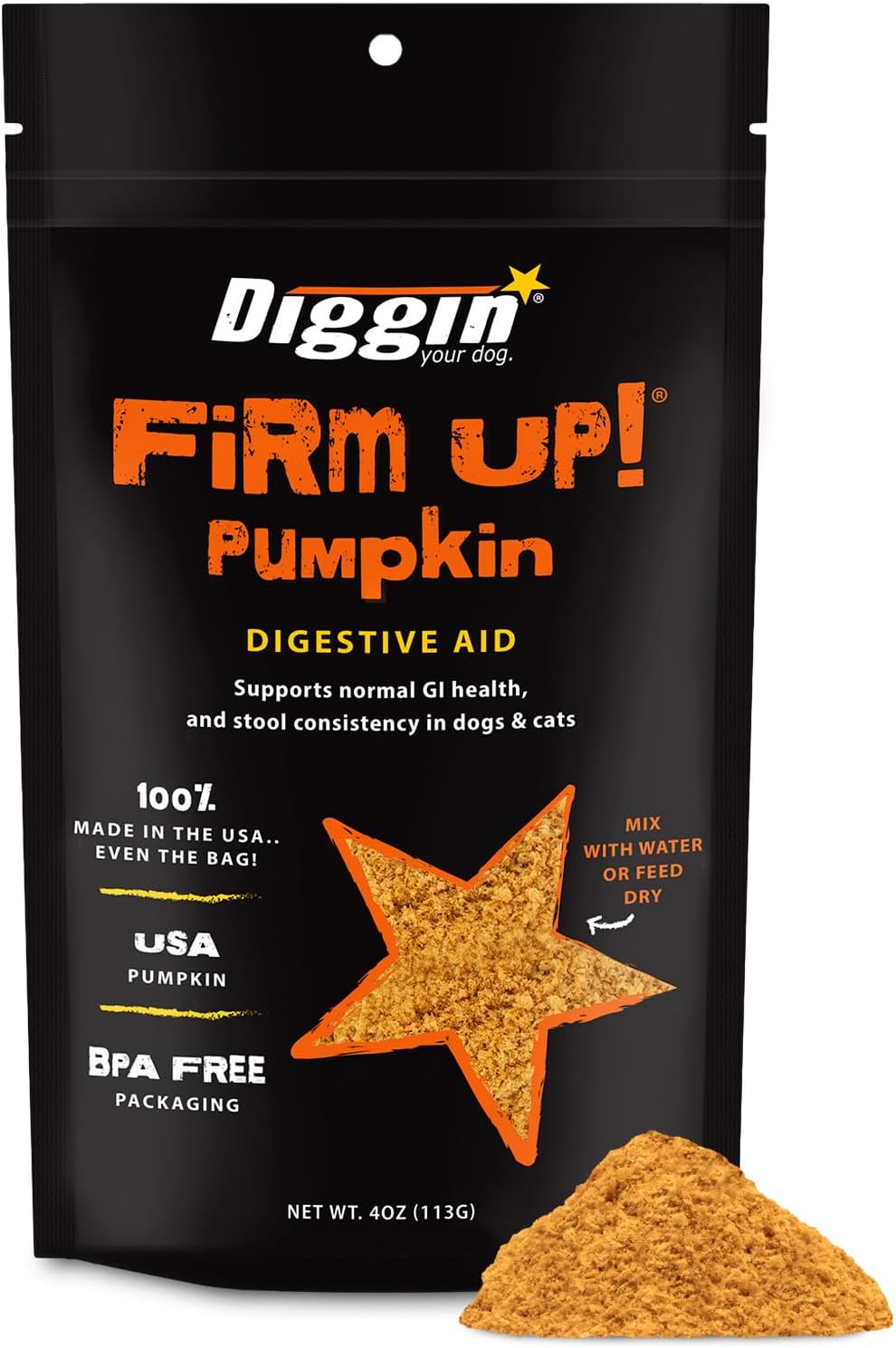
Look for canned foods that include natural sources of soluble fiber. Pumpkin is a popular and effective ingredient—many dog owners even add plain canned pumpkin (not pie filling) to their dog’s meals during bouts of diarrhea. Sweet potatoes and oats are also excellent choices. Avoid foods with excessive insoluble fiber (like corn bran or cellulose), which can speed up gut transit and worsen diarrhea.
Some therapeutic diets include prebiotic fibers such as fructooligosaccharides (FOS) or mannan oligosaccharides (MOS). These feed the good bacteria in the gut, promoting a balanced microbiome and faster recovery. While not always necessary for mild cases, prebiotics can be a valuable addition in chronic or recurring digestive issues.
5. Probiotics and Gut-Supporting Additives
The gut microbiome plays a crucial role in digestion, immunity, and overall health. Diarrhea often disrupts this delicate balance, killing off beneficial bacteria and allowing harmful ones to thrive. Probiotics—live microorganisms that support gut health—can help restore this balance and reduce the duration of digestive upset.
When choosing a canned food, look for products that include probiotics on the ingredient list. Common strains include Lactobacillus acidophilus, Bifidobacterium animalis, and Enterococcus faecium. These are often listed with their strain designations and should be present in sufficient quantities (measured in CFUs—colony-forming units).
Keep in mind that probiotics are sensitive to heat, moisture, and time. Some manufacturers add probiotics after cooking to preserve viability, but others may not. Check the label for statements like “contains live and active cultures” or “probiotics added post-processing.” If the food is stored improperly or has been on the shelf for too long, the probiotics may no longer be effective.
In addition to probiotics, some formulas include postbiotics—byproducts of bacterial fermentation that support gut lining integrity—or digestive enzymes that help break down food more efficiently. These additives can be particularly helpful for dogs with chronic digestive issues or those recovering from illness.
6. Veterinary Recommendations and Clinical Backing
Not all digestive-support dog foods are created equal. Some are developed with input from veterinary nutritionists and backed by clinical studies, while others are marketed as “gentle” or “sensitive” without scientific validation. For dogs with persistent or severe diarrhea, choosing a product with veterinary endorsement can make a significant difference.
Prescription or therapeutic diets from reputable brands like Hill’s Science Diet, Royal Canin, or Purina Pro Plan Veterinary Diets are often formulated based on peer-reviewed research and tested in clinical settings. These foods are designed to address specific digestive conditions, such as inflammatory bowel disease (IBD), food sensitivities, or acute gastroenteritis.
While prescription diets typically require a vet’s authorization, many over-the-counter (OTC) brands now offer science-backed formulas that are accessible without a prescription. Look for products that disclose their research partnerships, list nutritional adequacy statements from the Association of American Feed Control Officials (AAFCO), or include references to clinical trials.
Even if your dog’s diarrhea is mild, choosing a product with clinical backing gives you confidence that the ingredients and formulation are optimized for digestive health. This is especially important if your dog has a history of gastrointestinal issues or if the diarrhea persists beyond 24–48 hours.
7. Palatability and Appetite Stimulation
When a dog is unwell, their appetite often decreases. This can be problematic because proper nutrition is essential for healing. A canned food that is highly palatable can encourage your dog to eat, even when they’re feeling nauseous or lethargic.
Look for products with strong aroma and flavor profiles—real meat as the first ingredient, natural broths, or added liver can enhance taste. Some brands use slow-cooking methods or fresh ingredients to preserve natural flavors, making the food more appealing to picky or under-the-weather dogs.
Palatability is also influenced by texture. Some dogs prefer pâté-style foods, while others do better with shredded or chunky textures that are easier to chew. If your dog is senior or has dental issues, a soft, moist texture can be easier to consume.
To test palatability, consider buying small quantities or sample packs before committing to a full case. You can also warm the food slightly (to room temperature or slightly above) to enhance aroma, which may stimulate appetite. Avoid adding too many toppers or mix-ins initially, as this can complicate digestion—stick to the base food until your dog’s system stabilizes.
8. Transition and Feeding Guidelines
Even the best canned food won’t help if your dog refuses to eat it or reacts poorly to a sudden dietary change. A gradual transition is essential to avoid further digestive upset. Most experts recommend a 7-day transition period, mixing increasing amounts of the new food with the old over time.
Start with 25% new food and 75% old food for days 1–2, then move to 50/50 for days 3–4, 75% new for days 5–6, and 100% new by day 7. If your dog shows signs of worsening diarrhea or refuses to eat during the transition, slow the process down or consult your vet.
Feeding frequency also matters. Instead of one or two large meals, offer smaller, more frequent meals (3–4 times per day) to reduce the burden on the digestive system. This approach helps maintain energy levels and prevents overloading the gut.
Always follow the feeding guidelines on the label, but adjust based on your dog’s weight, activity level, and response. Some dogs may need slightly more or less food during recovery. Monitor stool consistency, energy levels, and hydration closely, and consult your veterinarian if there’s no improvement within 48 hours.
Different Types of Canned Dog Food for Diarrhea
Common Buying Mistakes to Avoid

❌ Mistake: Choosing Based Solely on Price
Why it’s bad: While budget is important, opting for the cheapest canned food can backfire. Low-cost brands often use fillers, by-products, and artificial additives that can worsen diarrhea or fail to provide adequate nutrition. In the long run, this may lead to prolonged illness, vet visits, and higher overall costs.
What to do instead: Focus on value, not just price. Look for mid-range brands that balance affordability with quality ingredients. Compare cost per ounce and prioritize digestibility, ingredient transparency, and nutritional completeness. A slightly higher upfront cost can lead to faster recovery and better long-term health.
❌ Mistake: Ignoring the Ingredient List
Why it’s bad: Many pet owners rely on front-label claims like “sensitive stomach” or “digestive care” without checking the actual ingredients. These marketing terms are not regulated, and the food may still contain irritants like corn, soy, or artificial preservatives.
What to do instead: Always read the full ingredient list. Look for real meat as the first ingredient, recognizable carbohydrates, and minimal additives. Use resources like the AAFCO website or pet nutrition databases to verify ingredient quality and nutritional adequacy.
❌ Mistake: Switching Foods Too Quickly
Why it’s bad: Sudden dietary changes are a common cause of diarrhea. Even if the new food is high-quality, introducing it abruptly can shock the digestive system and prolong symptoms.
What to do instead: Follow a gradual transition plan over 7–10 days. Mix increasing amounts of the new food with the old, and monitor your dog’s response. If diarrhea worsens, slow the transition or consult your vet.
❌ Mistake: Overlooking Hydration Needs
Why it’s bad: Diarrhea leads to fluid loss, and dehydration can become serious quickly—especially in small or senior dogs. Relying solely on dry food or not providing enough water can delay recovery.
What to do instead: Choose high-moisture canned food and ensure fresh water is always available. Consider adding a bit of low-sodium broth to encourage drinking. In severe cases, ask your vet about oral rehydration solutions.
❌ Mistake: Assuming All “Natural” Foods Are Safe
Why it’s bad: The term “natural” is not strictly defined in pet food labeling. Some natural ingredients, like certain herbs or essential oils, can be toxic to dogs or irritate the gut.
What to do instead: Stick to foods with simple, well-known ingredients. Avoid products with unfamiliar additives, even if they’re labeled “natural.” When in doubt, consult your veterinarian or a veterinary nutritionist.
❌ Mistake: Not Consulting a Veterinarian for Persistent Diarrhea
Why it’s bad: While mild diarrhea often resolves with dietary changes, persistent or severe cases may indicate underlying conditions like parasites, infections, or organ disease. Delaying veterinary care can lead to complications.
What to do instead: Seek veterinary advice if diarrhea lasts more than 48 hours, is accompanied by vomiting, lethargy, blood, or if your dog is very young, old, or has a pre-existing condition. Your vet may recommend diagnostic tests or prescribe a therapeutic diet.
❌ Mistake: Overfeeding During Recovery
Why it’s bad: After a bout of diarrhea, some owners overfeed to “make up” for lost nutrition. This can overwhelm the digestive system and trigger another episode.
What to do instead: Feed smaller, more frequent meals at the recommended amount. Gradually return to normal portions as your dog’s stools firm up and appetite returns. Monitor weight and energy levels closely.
Budget Guidelines: How Much Should You Spend?
- Entry-Level ($1.00–$1.80 per can): These budget-friendly options are widely available at grocery stores and big-box retailers. While convenient, they often contain fillers, by-products, and artificial additives. Best for temporary use during mild, short-term diarrhea—but not ideal for long-term digestive health. Look for brands like Pedigree or Purina ONE, but always check the ingredient list.
- Mid-Range ($1.80–$3.00 per can): This is the sweet spot for most pet owners. Brands like Wellness, Blue Buffalo, and Merrick offer limited-ingredient or sensitive-stomach formulas with real meat, digestible grains, and minimal additives. These provide excellent value, balancing quality and affordability. Ideal for dogs with occasional digestive upset or mild sensitivities.
- Premium ($3.00–$4.50 per can): Premium canned foods from brands like Hill’s Science Diet, Royal Canin, or Purina Pro Plan Veterinary Diets are formulated with veterinary input and clinical research. They often include probiotics, prebiotics, and highly digestible proteins. Best for dogs with chronic diarrhea, food allergies, or recovering from illness. Requires a vet’s prescription for some formulas.
- Luxury ($4.50+ per can): Top-tier options include fresh-prepared, human-grade, or freeze-dried raw foods from brands like The Farmer’s Dog, Nom Nom, or Open Farm. These use minimally processed, high-quality ingredients and are often customized to your dog’s needs. While expensive, they offer superior palatability, digestibility, and nutritional transparency. Best for owners prioritizing natural, whole-food nutrition.

Expert Tips for Getting the Best Deal
- Buy During Seasonal Sales: Major pet food brands often run promotions during holidays like Black Friday, Memorial Day, or National Pet Day. Sign up for newsletters from Chewy, Petco, or Amazon to get early alerts on discounts.
- Compare Online vs. In-Store Prices: Online retailers frequently offer lower prices, free shipping, and auto-ship discounts. However, check local pet stores for in-store exclusives or clearance items.
- Use Subscription Services: Many websites offer 5–15% off when you sign up for recurring deliveries. This ensures you never run out and locks in a lower price.
- Check for Rebates and Coupons: Manufacturers like Hill’s and Royal Canin often provide mail-in rebates or digital coupons on their websites. These can significantly reduce the cost of prescription diets.
- Ask Your Vet About Samples: Veterinarians often receive free samples of therapeutic diets. Ask if they have any on hand—this lets you try a product before committing to a full purchase.
- Read Return Policies: Ensure the retailer allows returns or exchanges if your dog doesn’t tolerate the food. Some stores offer satisfaction guarantees, especially for premium brands.
- Test Small Quantities First: Before buying a full case, purchase a single can or a small pack to test palatability and digestive response. This prevents waste if the food doesn’t agree with your dog.
- Monitor Expiration Dates: Canned food has a long shelf life, but buying in bulk means it may sit on your shelf for months. Check expiration dates and rotate stock to ensure freshness.

Frequently Asked Questions
Q: Can I feed my dog human food instead of canned dog food during diarrhea?
A: While plain boiled chicken and rice are often recommended for short-term use, they lack complete nutrition and should not be fed long-term. Canned dog food is formulated to meet all dietary needs and is a safer, more balanced option. If you do use home remedies, transition back to dog food within 2–3 days.
Q: How long should I feed the special diet?
A: For acute diarrhea, feed the digestive-support food for 3–5 days or until stools are firm. For chronic issues, your vet may recommend continuing the diet long-term or transitioning to a maintenance formula.
Q: Is grain-free food better for dogs with diarrhea?
A: Not necessarily. Grain-free diets often contain legumes or potatoes, which can be harder to digest. For most dogs with diarrhea, easily digestible grains like rice or oats are actually beneficial.
Q: Can probiotics in canned food replace supplements?
A: It depends on the concentration. Some canned foods contain sufficient probiotics, but for severe or chronic cases, a separate probiotic supplement may be needed. Consult your vet for personalized advice.
Q: What if my dog refuses to eat the new food?
A: Try warming it slightly, adding a small amount of low-sodium broth, or mixing in a teaspoon of plain pumpkin. If refusal persists, consult your vet—it could indicate a more serious issue.
Q: Are prescription diets worth the cost?
A: For dogs with chronic or severe digestive issues, yes. Prescription diets are scientifically formulated and often more effective than OTC options. The investment can prevent costly vet visits down the line.
Q: Can puppies eat the same digestive-support food as adult dogs?
A: Only if the label states it’s suitable for all life stages. Puppies have higher calorie and nutrient needs. Choose a formula specifically designed for puppies or consult your vet.
Q: How do I know if the food is working?
A: Look for firmer stools within 24–48 hours, improved appetite, and increased energy. If there’s no improvement or symptoms worsen, contact your veterinarian.
Q: Can I mix canned food with dry kibble during recovery?
A: Yes, but do so gradually. Mixing can help transition back to dry food, but avoid overloading the digestive system. Start with small amounts and monitor stool consistency.
Q: Is it safe to feed digestive-support food long-term?
A: Some therapeutic diets are designed for long-term use, while others are for short-term recovery only. Always follow the feeding guidelines and consult your vet if planning to use it beyond a few weeks.
Our Final Recommendations
- Best for Budget-Conscious Buyers: Purina ONE Sensitive Stomach & Skin – At around $1.50 per can, this offers real turkey, rice, and no artificial flavors. It’s widely available and gentle on most dogs’ stomachs.
- Best Overall Value: Wellness Simple Limited Ingredient Diet – Priced at $2.20 per can, this grain-free formula features duck and potato, with no fillers or by-products. It’s highly digestible and includes probiotics.
- Best Premium Option: Hill’s Science Diet Sensitive Stomach & Skin – At $3.80 per can, this vet-recommended formula includes prebiotic fiber, omega-6 fatty acids, and highly digestible ingredients. Ideal for dogs with recurring digestive issues.
- Best for Beginners: Blue Buffalo Basics Limited Ingredient Diet – With turkey and pumpkin, this $2.50-per-can option is easy to find and gentle on new-to-digestive-diets dogs. The simple formula reduces the risk of reactions.
- Best for Advanced Users: The Farmer’s Dog Fresh Beef Recipe – At $4.95 per tray, this human-grade, fresh-prepared food is customized to your dog’s needs. It’s minimally processed, highly palatable, and excellent for dogs with chronic sensitivities.
Conclusion: Making the Right Choice
Choosing the best canned food for a dog with diarrhea is about more than just finding a product that stops the symptoms—it’s about supporting overall digestive health, preventing future episodes, and giving your dog the best possible quality of life. Throughout this guide, we’ve covered the essential factors to consider, from ingredient quality and fiber content to hydration, probiotics, and veterinary backing. We’ve also highlighted common mistakes to avoid and provided practical tips for getting the best value.
Remember, every dog is different. What works for one may not work for another. The key is to observe your dog closely, make informed choices based on their specific needs, and consult your veterinarian when in doubt. Whether you’re dealing with a one-time upset or a chronic condition, the right diet can make a world of difference.
As you move forward, prioritize digestibility, simplicity, and nutritional completeness. Don’t be swayed by flashy labels or trends—focus on what’s proven to work. With the knowledge from this guide, you’re now equipped to make confident, compassionate decisions for your furry friend. Your dog’s health and comfort are worth the effort, and with the right canned food, they’ll be back to their happy, tail-wagging self in no time.