
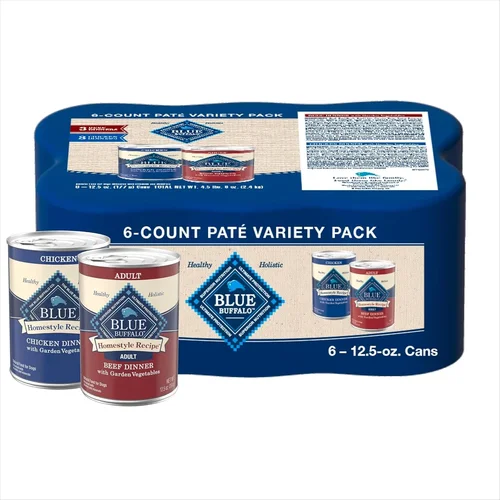
When it comes to feeding our beloved canine companions, the choices can feel overwhelming. With shelves packed with dry kibble, raw diets, dehydrated meals, and—most notably—canned dog food, pet owners in the UK are often left wondering: What’s truly best for my dog? Canned dog food has surged in popularity over the past decade, not just as a tasty topper but as a complete, nutritious meal option. Its high moisture content, palatability, and often superior ingredient quality make it a compelling choice for dogs of all ages, breeds, and health conditions. Whether you’re feeding a senior dog with dental issues, a picky eater, or a puppy needing extra hydration, wet food can play a vital role in a balanced diet.
This comprehensive buying guide is designed to cut through the noise and help you make an informed, confident decision. We’ll walk you through everything you need to know—from understanding ingredient labels and nutritional requirements to comparing brands, price points, and formulations available in the UK market. You’ll learn how to evaluate quality, avoid common pitfalls, and choose a product that aligns with your dog’s unique needs and your budget. Whether you’re a first-time dog owner or a seasoned pet parent looking to upgrade your pup’s diet, this guide equips you with expert-level knowledge to navigate the crowded world of canned dog food.
The UK pet food market is one of the most regulated and advanced in the world, with strict standards set by bodies like the Pet Food Manufacturers’ Association (PFMA) and the European Pet Food Industry Federation (FEDIAF). This means that when you buy a reputable brand, you’re getting a product that meets high safety and nutritional benchmarks. However, not all canned foods are created equal. Some are packed with real meat and wholesome vegetables, while others rely on fillers, artificial additives, and vague ingredient lists. Our goal is to help you distinguish between marketing hype and genuine quality, so you can feed your dog with peace of mind—knowing you’ve chosen the best possible option.
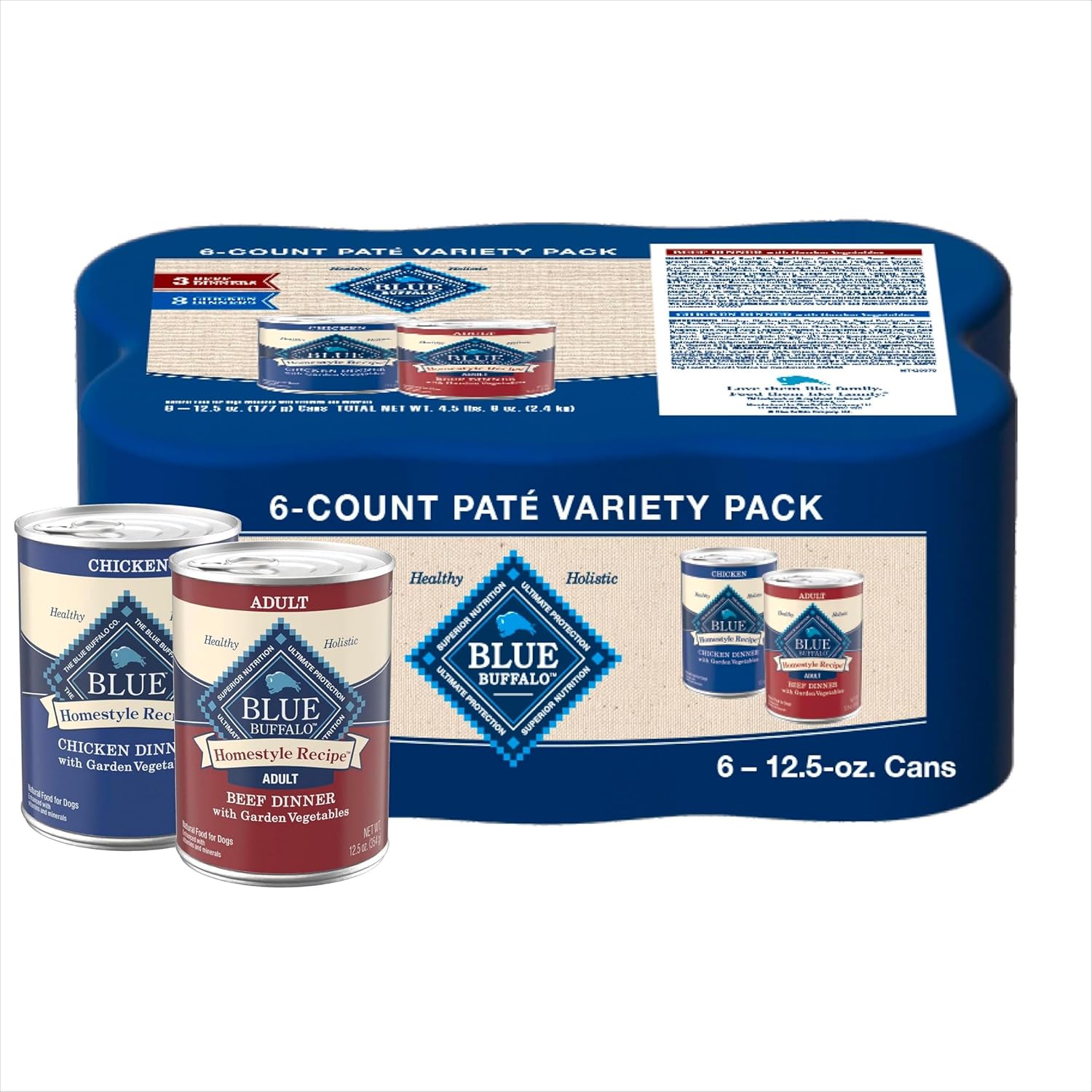
What to Look for When Buying Canned Dog Food
1. Ingredient Quality & Transparency
The first thing to scrutinize on any canned dog food label is the ingredient list. High-quality wet food should list a named animal protein as the first ingredient—such as “chicken,” “salmon,” or “lamb”—not vague terms like “meat meal” or “animal by-products.” Look for whole meats, meat meals (which are concentrated protein sources), and recognizable vegetables and grains. Avoid products with excessive fillers like corn syrup, artificial colours, flavours, or preservatives such as BHA, BHT, and ethoxyquin. Transparency is key: reputable brands will clearly state the source of their ingredients and avoid ambiguous language.
2. Protein Content & Source
Protein is the cornerstone of a dog’s diet, supporting muscle development, immune function, and overall vitality. For most adult dogs, a minimum of 18–25% crude protein (on a dry matter basis) is ideal, while puppies, pregnant, or nursing dogs may require 22–30%. However, not all protein is equal. Animal-based proteins (like chicken, beef, fish, or lamb) are more biologically appropriate for dogs than plant-based sources. Look for foods where the primary protein comes from real meat, not soy, corn gluten meal, or other plant derivatives. High-protein wet foods often appeal to active dogs or those needing to maintain lean muscle mass.
3. Moisture Content & Hydration Benefits
One of the biggest advantages of canned dog food is its high moisture content—typically 70–85%. This is especially beneficial for dogs who don’t drink enough water, those prone to urinary tract issues, or senior dogs with reduced kidney function. Increased hydration supports kidney health, aids digestion, and can help prevent conditions like bladder stones. Unlike dry kibble, which contains only about 10% moisture, wet food naturally contributes to your dog’s daily water intake, making it an excellent choice for promoting overall wellness.
4. Grain-Free vs. Grain-Inclusive Options
The grain-free trend has dominated pet food marketing, but it’s important to understand what it really means. Grain-free doesn’t necessarily mean healthier—it simply means the food omits grains like wheat, barley, or rice. Some dogs benefit from grain-free diets due to allergies or sensitivities, but for most, grains are a safe and valuable source of carbohydrates, fibre, and nutrients. Recent studies have also raised concerns about a potential link between grain-free diets and dilated cardiomyopathy (DCM) in dogs, particularly those containing high levels of legumes (like peas or lentils). Unless your dog has a diagnosed grain allergy, grain-inclusive formulas can be perfectly healthy and often more affordable.
5. Life Stage & Breed-Specific Formulations
Not all dogs have the same nutritional needs. Puppies require higher levels of protein, fat, and calories to support rapid growth, while senior dogs may benefit from lower-calorie, joint-supporting formulas with added glucosamine and chondroitin. Large breeds have different skeletal and metabolic needs compared to small breeds, who may require smaller kibble sizes and higher energy density. Many premium canned foods offer life-stage or breed-specific recipes—such as “puppy,” “senior,” “large breed,” or “small breed”—tailored to these unique requirements. Choosing a formula that matches your dog’s age, size, and activity level ensures they receive optimal nutrition.
6. Additives, Preservatives & Artificial Ingredients
While some preservatives are necessary to maintain shelf stability, natural options like mixed tocopherols (vitamin E) and rosemary extract are far preferable to synthetic chemicals. Avoid canned foods containing artificial colours (like Red 40 or Yellow 5), flavours, or chemical preservatives such as propylene glycol (common in some “gravy” formulas). These additives offer no nutritional benefit and may contribute to allergies, hyperactivity, or long-term health issues. Always check the ingredient list for hidden nasties, even in brands that market themselves as “natural” or “premium.”
7. Brand Reputation & Manufacturing Standards
Not all pet food companies are created equal. Look for brands with a strong track record of safety, transparency, and quality control. Reputable manufacturers will conduct regular testing, publish nutritional analyses, and be open about their sourcing and production methods. In the UK, brands that adhere to PFMA and FEDIAF guidelines are generally reliable. Avoid lesser-known or imported brands with vague labelling or no clear manufacturing information. Reading customer reviews, checking for recalls, and researching a brand’s history can help you avoid subpar or potentially unsafe products.
8. Price vs. Value
While price is an important consideration, it shouldn’t be the sole deciding factor. A cheaper can might seem like a bargain, but if it’s packed with fillers and low-quality ingredients, it may not provide adequate nutrition—and could even lead to higher veterinary costs down the line. Conversely, the most expensive option isn’t always the best. Focus on value: how much real meat, how few additives, and how well the food meets your dog’s specific needs per pound spent. Many mid-range brands offer excellent quality at reasonable prices, especially when bought in bulk or during sales.
Different Types of Canned Dog Food
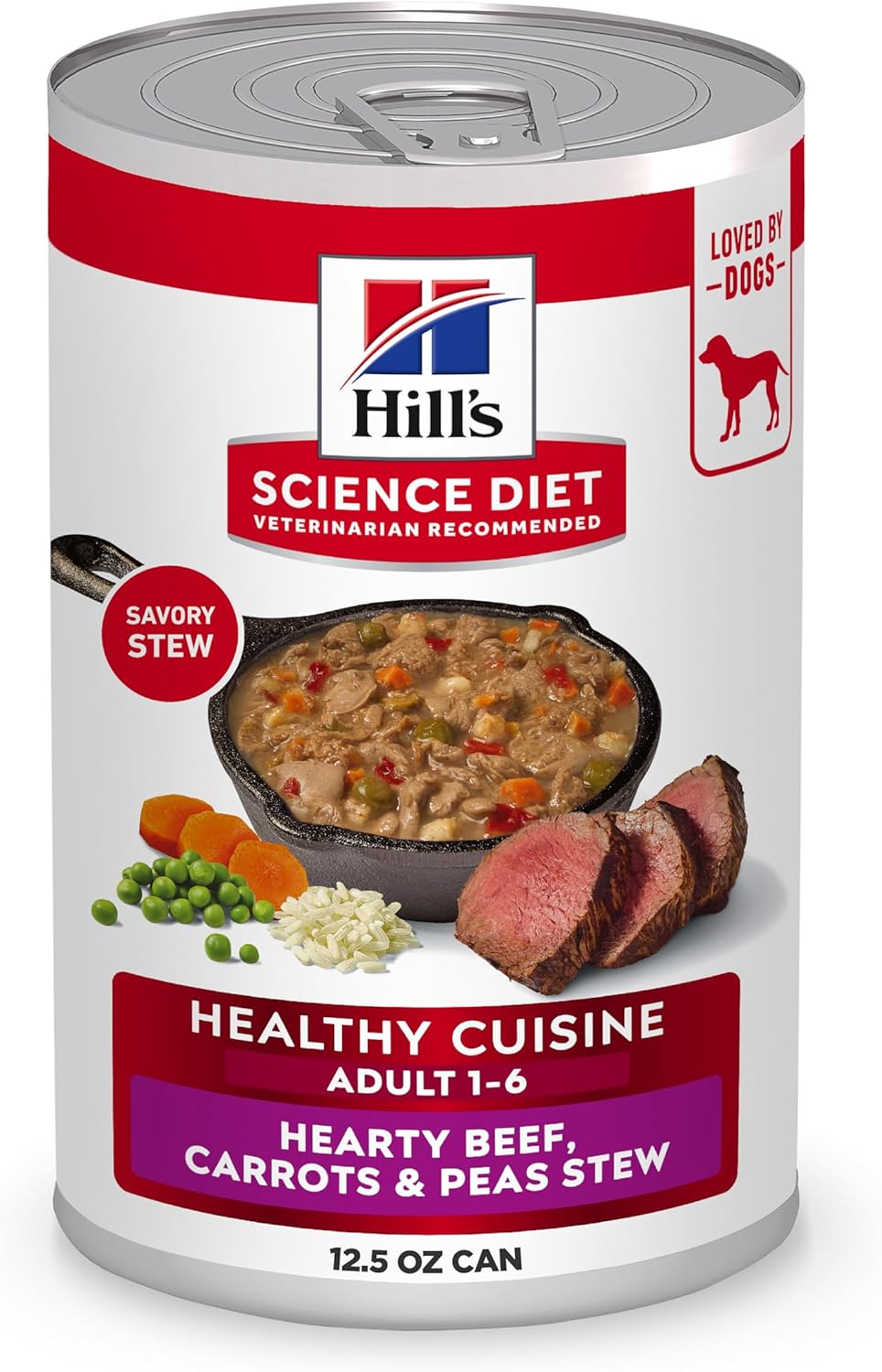
Common Buying Mistakes to Avoid
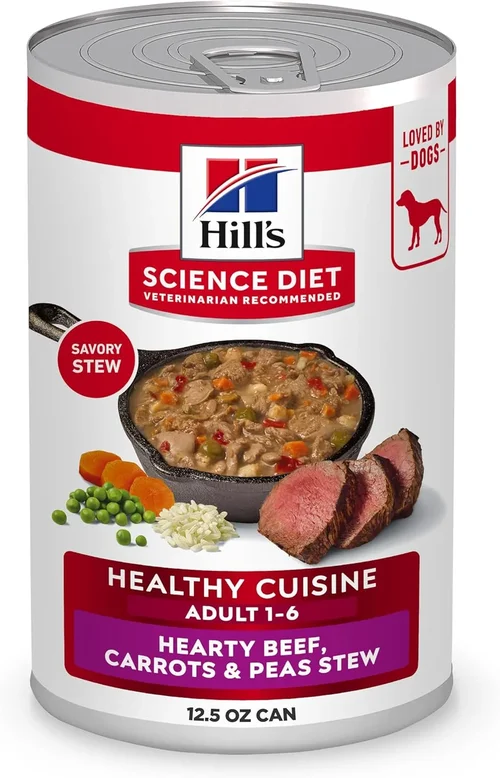
❌ Mistake: Choosing Based Solely on Price
Why it’s bad: Opting for the cheapest canned food may save money upfront, but low-cost options often contain fillers, by-products, and artificial additives that offer little nutritional value. Over time, this can lead to poor coat condition, digestive issues, obesity, or even chronic health problems—resulting in higher vet bills.
What to do instead: Focus on value, not just cost. Compare ingredient lists and protein content per pound. A slightly more expensive can with real meat and no fillers is a better long-term investment in your dog’s health.
❌ Mistake: Ignoring the Ingredient List
Why it’s bad: Many pet owners are swayed by attractive packaging or claims like “natural” or “premium” without reading the fine print. These terms are not strictly regulated and can be misleading. A product may look healthy on the front but contain low-quality ingredients or excessive carbohydrates.
What to do instead: Always read the ingredient list. Look for named meats first, minimal fillers, and no artificial additives. If you can’t pronounce it or don’t know what it is, it’s probably not ideal.
❌ Mistake: Feeding the Same Food Indefinitely
Why it’s bad: While consistency is important, feeding the same canned food for years without variation can lead to nutrient imbalances or the development of food sensitivities. Dogs, like humans, benefit from dietary diversity.
What to do instead: Rotate between different protein sources (e.g., chicken, lamb, fish) and brands every few months. This helps ensure a broader range of nutrients and reduces the risk of allergies.
❌ Mistake: Overlooking Life Stage Needs
Why it’s bad: Feeding a puppy formula to a senior dog—or vice versa—can result in inappropriate calorie, protein, or mineral intake. Puppies need more fat and calcium, while seniors may require joint support and lower calories.
What to do instead: Choose a canned food that matches your dog’s life stage. Many brands offer clear labelling (e.g., “for puppies,” “for seniors”) to help you make the right choice.
❌ Mistake: Not Considering Your Dog’s Health Conditions
Why it’s bad: Dogs with medical issues—such as kidney disease, diabetes, or food allergies—require specialized diets. Feeding a standard canned food could worsen their condition or interfere with treatment.
What to do instead: Consult your vet before switching foods, especially if your dog has a diagnosed health issue. Therapeutic or prescription wet foods are available for conditions like urinary health, weight management, or digestive sensitivity.
❌ Mistake: Buying in Bulk Without Testing
Why it’s bad: Purchasing a large quantity of a new canned food only to find your dog refuses to eat it is a waste of money and resources. Some dogs are picky, and palatability varies widely between brands.
What to do instead: Start with a small pack or single cans to test acceptance. Gradually transition over 7–10 days by mixing the new food with the old to avoid digestive upset.
❌ Mistake: Assuming All “Grain-Free” Foods Are Better
Why it’s bad: The grain-free trend has led many owners to believe it’s inherently healthier, but for most dogs, grains are safe and beneficial. Unnecessary grain-free diets may lack essential nutrients or contribute to DCM risk in susceptible breeds.
What to do instead: Only choose grain-free if your dog has a confirmed allergy or intolerance. Otherwise, grain-inclusive formulas can be just as nutritious and often more affordable.
Budget Guidelines: How Much Should You Spend?
When it comes to canned dog food, price ranges vary significantly based on ingredient quality, brand reputation, and formulation. Here’s a breakdown to help you understand what you’re paying for—and where your money goes.
- Entry-Level (£0.80 – £1.30 per 400g): These are typically supermarket or value-brand options. While convenient and affordable, they often contain lower meat content, more fillers (like corn, wheat, or soy), and artificial preservatives. Suitable for occasional use or as a topper, but not ideal as a primary diet for long-term health.
- Mid-Range (£1.30 – £2.20 per 400g): This is the sweet spot for most dog owners. Brands in this tier offer higher meat content, fewer additives, and better ingredient transparency. Many include named meats, vegetables, and natural preservatives. Examples include Wainwright’s, Butcher’s, and Lily’s Kitchen. These provide excellent value and are often recommended by vets for everyday feeding.
- Premium (£2.20 – £3.50 per 400g): Premium canned foods focus on high-quality, often human-grade ingredients, single-protein sources, and specialized formulations (e.g., for sensitive stomachs or joint health). Brands like James Wellbeloved, Arden Grange, and Pure Pet Food fall into this category. They’re ideal for dogs with specific dietary needs or owners prioritizing top-tier nutrition.
- Luxury (£3.50+ per 400g): At the top end are boutique or raw-style brands such as Bella + Duke, Nutriment, or Paleo Ridge. These often use ethically sourced, organic, or wild-caught ingredients and minimal processing. While nutritionally superior, they come at a significant cost and may not be practical for daily feeding unless you have a high-income budget or a dog with severe health issues.

Expert Tips for Getting the Best Deal
Finding high-quality canned dog food doesn’t have to break the bank. With a few smart strategies, you can feed your dog well without overspending. Here are our top expert tips to help you get the best value:
- Shop During Sales Cycles: Pet food brands often run promotions in January (post-Christmas), summer (clearance), and November (Black Friday). Sign up for newsletters from retailers like Pets at Home, Zooplus, or Amazon to get early access to deals.
- Compare Retailers: Prices can vary significantly between stores. Online retailers like Zooplus and Pet Supermarket often offer lower prices and bulk discounts compared to high-street shops. Use price comparison tools to find the best deal.
- Subscribe & Save: Many online pet stores offer subscription services with discounts (usually 10–15%) for recurring deliveries. This ensures you never run out and saves money in the long run.
- Check for Loyalty Schemes: Pets at Home’s VIP Club and other loyalty programmes offer points, exclusive discounts, and free delivery—adding up to substantial savings over time.
- Buy in Multipacks: Purchasing 6, 12, or 24-can multipacks reduces the per-unit cost. Just ensure your dog likes the food before committing to a large quantity.
- Read Return Policies: Some retailers allow returns or exchanges if your dog doesn’t like the food. This reduces the risk of wasting money on unpalatable products.
- Look for Sample Packs: Some premium brands offer trial-sized cans or sample boxes. These are great for testing new foods without a large upfront cost.
- Consider Local Butchers or Raw Suppliers: For those open to raw feeding, local butchers or raw pet food suppliers may offer fresh, minimally processed options at competitive prices—especially if you buy in bulk.

Frequently Asked Questions
Q: Is canned dog food better than dry kibble?
A: Not necessarily “better,” but it does offer unique benefits. Canned food has higher moisture content, which supports hydration and kidney health. It’s also more palatable, making it ideal for picky eaters or dogs with dental issues. However, dry kibble can be more convenient, cost-effective, and beneficial for dental health due to its abrasive texture. Many owners use a combination of both—wet food as a topper or meal enhancer, and kibble for everyday feeding.
Q: How long does canned dog food last after opening?
A: Once opened, canned dog food should be refrigerated and used within 3–5 days. Transfer any unused portion to a sealed container to prevent spoilage and odours. Never leave opened cans at room temperature for more than 2 hours.
Q: Can I feed my dog only canned food?
A: Yes, many dogs thrive on an all-wet diet, especially if it’s nutritionally complete and balanced. Just ensure the food meets FEDIAF standards and provides all essential nutrients. Consult your vet if you’re making a full switch, particularly for puppies or dogs with health conditions.
Q: Is grain-free canned food healthier?
A: Not for most dogs. Unless your dog has a diagnosed grain allergy, grains like rice, oats, or barley are safe and provide valuable energy and fibre. The FDA has investigated a potential link between grain-free diets and DCM in dogs, so it’s best to choose grain-inclusive unless medically necessary.
Q: How much canned food should I feed my dog?
A: Feeding guidelines vary by brand, dog size, age, and activity level. Most cans include a recommended serving size on the label. As a general rule, a 10kg dog might need 200–300g per day, while a 30kg dog may require 500–700g. Adjust based on your dog’s weight, metabolism, and vet advice.
Q: Can puppies eat adult canned dog food?
A: It’s not ideal. Puppies have higher energy and nutrient needs for growth. Adult food may lack sufficient protein, fat, or calcium. Choose a formula specifically labelled for puppies or all life stages (which meet puppy requirements).
Q: Are there eco-friendly canned dog food options?
A: Yes. Some brands use recyclable packaging, sustainable sourcing, or carbon-neutral production. Look for companies like Lily’s Kitchen or Beco, which prioritise environmental responsibility. You can also reduce waste by choosing larger cans or switching to pouches (though these are less common in the UK).
Q: What should I do if my dog has a food allergy?
A: Work with your vet to identify the allergen through an elimination diet. Once identified, choose a limited-ingredient canned food with a novel protein (like duck, venison, or fish) and a single carbohydrate source. Avoid common allergens like chicken, beef, wheat, and soy.
Q: Can I mix canned food with raw food?
A: Yes, but with caution. Mixing cooked and raw foods can disrupt digestion due to different enzyme requirements. If you choose to combine them, do so gradually and monitor your dog for any signs of upset. Some owners alternate meals (e.g., raw in the morning, wet at night) to avoid mixing.
Q: Are there prescription canned dog foods available?
A: Absolutely. Brands like Hill’s, Royal Canin, and Purina Pro Plan offer veterinary-exclusive wet foods for conditions such as kidney disease, urinary crystals, obesity, and gastrointestinal issues. These are scientifically formulated and should only be used under veterinary supervision.
Our Final Recommendations
After extensive research and analysis of the UK market, here are our top picks across different categories:
- Best for Budget-Conscious Buyers: Butcher’s Tripe & Chicken – At around £1.10 per 400g, this no-frills option uses real meat and tripe, with no artificial additives. It’s highly palatable and great for dogs who need a simple, meat-based diet.
- Best Overall Value: Lily’s Kitchen Chicken & Vegetable Casserole – Priced at £1.80–£2.20 per can, this grain-free, human-grade recipe includes organic chicken, vegetables, and herbs. It’s vet-recommended and loved by picky eaters.
- Best Premium Option: Arden Grange Lamb & Rice – At £2.50 per 400g, this hypoallergenic formula uses free-range lamb and is ideal for sensitive dogs. It’s free from artificial colours and contains added glucosamine for joint health.
- Best for Beginners: Wainwright’s Chicken & Vegetables – Affordable (£1.40 per can), widely available, and made with 60% real meat. It’s a great entry point for new dog owners looking for quality without complexity.
- Best for Advanced Users: Bella + Duke Raw-Coated Wet Food – At £3.80 per 400g, this raw-style formula combines gently cooked meat with a raw coating for maximum nutrient retention. Perfect for owners committed to a biologically appropriate diet.
Conclusion: Making the Right Choice
Choosing the best canned dog food in the UK doesn’t have to be overwhelming. By focusing on ingredient quality, nutritional balance, and your dog’s individual needs, you can make a confident decision that supports their long-term health and happiness. Remember, the best food is one that your dog enjoys, digests well, and thrives on—not necessarily the most expensive or heavily marketed option.
Use this guide as your roadmap: evaluate labels critically, avoid common pitfalls, and don’t be afraid to experiment (safely) with different brands and textures. Whether you’re feeding a senior terrier with kidney concerns or a spirited Labrador puppy, there’s a canned food out there that’s just right. Prioritise transparency, nutrition, and your dog’s unique requirements, and you’ll be well on your way to providing meals that are as loving as they are nourishing.
Finally, remember that your vet is your best ally. If you’re ever unsure about dietary changes or your dog’s nutritional needs, consult a professional. With the right knowledge and a little research, you can ensure every meal is a step toward a healthier, happier life for your four-legged friend.