

If your dog is constantly scratching, licking their paws, experiencing digestive upset, or suffering from recurring ear infections, food allergies could be the culprit. Unlike environmental allergies triggered by pollen or dust, food allergies stem from an immune system overreaction to specific ingredients—most commonly proteins like beef, chicken, dairy, or grains. Identifying and managing these sensitivities is crucial not just for your dog’s comfort, but for their long-term health. Unfortunately, navigating the crowded pet food market can feel overwhelming, especially when you’re trying to find a safe, nutritious, and palatable option that won’t trigger a reaction.
This comprehensive buyer’s guide is designed to cut through the noise and help you make an informed decision. Whether you’re dealing with a newly diagnosed allergy or reevaluating your current feeding routine, you’ll learn how to read labels like a pro, understand ingredient sourcing, compare product types, and avoid common pitfalls. We’ll also break down budget considerations, highlight expert tips for getting the best value, and answer frequently asked questions based on real-world experiences from veterinarians and pet owners alike. By the end of this guide, you’ll have everything you need to confidently choose the best canned dog food for allergies—tailored specifically to your dog’s unique needs.
The market for hypoallergenic and limited-ingredient dog foods has exploded in recent years, driven by growing awareness of canine sensitivities and advances in veterinary nutrition. Today’s options go far beyond basic “grain-free” formulas, offering novel proteins, hydrolyzed proteins, single-source carbohydrates, and even prescription-grade formulations backed by clinical research. However, not all products are created equal. Some claim to be “natural” or “hypoallergenic” but still contain hidden allergens or fillers that can cause flare-ups. Others may be nutritionally incomplete or overly expensive without delivering proportional benefits. Our goal is to equip you with the knowledge to distinguish marketing hype from genuine solutions, so you can invest wisely in your dog’s well-being.
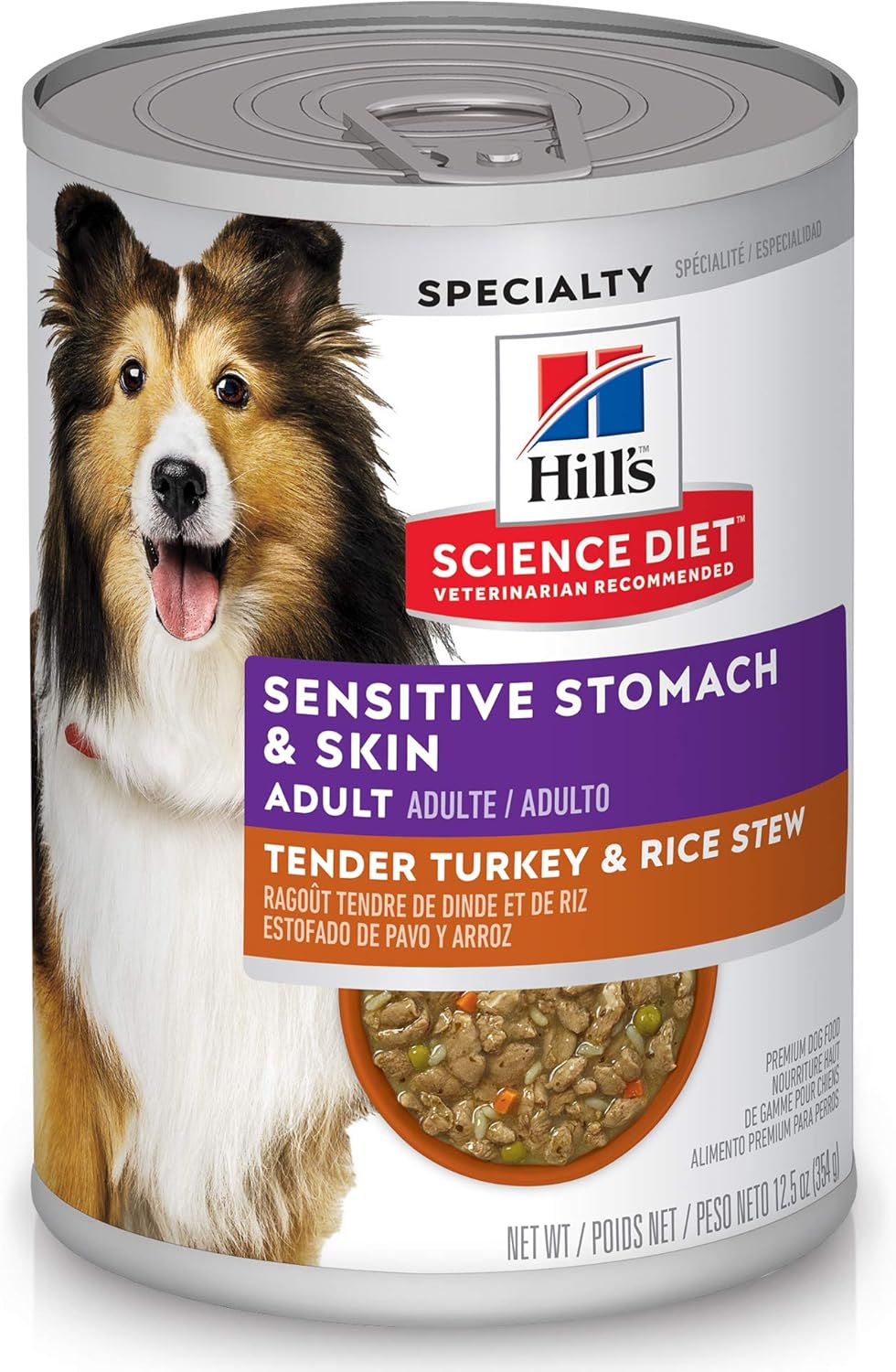
What to Look for When Buying Canned Dog Food for Allergies
1. Limited Ingredient Formulas
One of the most critical factors when selecting canned food for dogs with allergies is the use of limited ingredient diets (LIDs). These formulas typically contain one novel protein source—such as duck, venison, rabbit, or kangaroo—and one easily digestible carbohydrate like sweet potato, peas, or chickpeas. The idea is to minimize exposure to common allergens while still providing complete nutrition. Look for recipes that list only 5–8 total ingredients, with the protein source clearly identified as the first ingredient. Avoid products that include multiple protein sources (e.g., “chicken and lamb”) or ambiguous terms like “meat meal” or “animal digest,” which can mask potential allergens.
2. Novel or Hydrolyzed Proteins
Novel proteins are those your dog hasn’t been exposed to previously, reducing the likelihood of an immune response. Examples include bison, elk, quail, or even insects like black soldier fly larvae. Hydrolyzed proteins, on the other hand, are broken down into tiny fragments too small for the immune system to recognize as allergens. These are often found in veterinary-prescribed diets and are considered the gold standard for diagnosing and managing food allergies. While hydrolyzed formulas can be more expensive, they offer the highest degree of safety for severely allergic dogs. Always consult your veterinarian before starting a hydrolyzed diet, as these are typically used under medical supervision.
3. Grain-Free vs. Grain-Inclusive Options
Contrary to popular belief, grains are not a leading cause of food allergies in dogs. In fact, proteins—especially beef, dairy, and chicken—are far more common culprits. That said, some dogs do react to wheat, corn, or soy, so grain-free options can be helpful if those ingredients are confirmed triggers. However, avoid automatically choosing grain-free solely because it’s trendy. The FDA has investigated a potential link between certain grain-free diets and dilated cardiomyopathy (DCM) in dogs, particularly those containing high levels of legumes (like peas or lentils) as primary ingredients. If you opt for grain-free, ensure the carbohydrate source is safe and balanced. Alternatively, consider grain-inclusive formulas with easily digestible grains like oats or rice, which are rarely allergenic.
4. Absence of Common Allergens and Fillers
Beyond proteins and grains, watch out for other potential irritants such as artificial preservatives (BHA, BHT, ethoxyquin), colors, flavors, and by-products. These additives offer no nutritional value and may exacerbate sensitivities. Also avoid foods listing “by-product meal,” “animal fat,” or “digest” without specifying the source—these can contain hidden allergens. Fillers like corn gluten meal, soy protein concentrate, or cellulose may bulk up the food but provide little benefit and can trigger digestive issues in sensitive dogs. Always scan the ingredient list thoroughly, even on brands marketed as “natural” or “holistic.”
5. Complete and Balanced Nutrition
Just because a food is labeled “for allergies” doesn’t mean it meets AAFCO (Association of American Feed Control Officials) nutritional standards. Ensure the product states it is “complete and balanced” for your dog’s life stage (puppy, adult, senior). Canned foods should contain adequate levels of essential fatty acids (like omega-3 and omega-6), vitamins, minerals, and amino acids. Look for added taurine, especially in grain-free formulas, as deficiencies have been linked to heart issues. If you’re unsure, consult your vet or a board-certified veterinary nutritionist to verify the diet’s adequacy.
6. Brand Transparency and Quality Control
Not all pet food companies are equally committed to quality. Choose brands that disclose their sourcing practices, manufacturing locations, and testing protocols. Reputable companies will provide detailed information about where ingredients come from (e.g., “human-grade chicken from U.S. farms”) and whether they conduct third-party safety testing for contaminants like heavy metals or mycotoxins. Avoid brands that are vague about sourcing or manufacture in facilities that also process common allergens without clear cross-contamination safeguards. Reading customer reviews and checking for recalls can also offer insights into a brand’s reliability.
7. Palatability and Digestibility
Even the most hypoallergenic food won’t help if your dog refuses to eat it. Palatability is especially important for dogs with sensitive stomachs or reduced appetites due to chronic discomfort. High-moisture canned foods are generally more appealing than dry kibble and can aid hydration. Look for recipes with natural flavor enhancers like bone broth or real meat juices rather than artificial additives. Additionally, easily digestible ingredients—such as pumpkin, ginger, or probiotics—can support gut health and reduce gastrointestinal symptoms like gas, diarrhea, or vomiting.
8. Veterinarian Recommendation and Trial Periods
Before making any dietary changes, especially for dogs with confirmed or suspected allergies, consult your veterinarian. They may recommend an elimination diet—a strict 8–12 week trial during which your dog eats only the new food (and no treats, chews, or table scraps)—to determine if symptoms improve. Keep a symptom journal to track changes in itching, stool quality, energy levels, and coat condition. If improvement occurs, your vet may guide you through a provocation phase (reintroducing old ingredients one at a time) to identify specific triggers. Never self-diagnose or switch foods abruptly without professional guidance, as this can complicate the diagnostic process.
Different Types of Canned Dog Food for Allergies

Common Buying Mistakes to Avoid
❌ Mistake: Assuming “Grain-Free” Means Hypoallergenic
Why it’s bad: Many pet owners mistakenly believe that removing grains automatically makes a food safe for allergic dogs. However, as mentioned earlier, grains are rarely the primary allergen. In fact, some grain-free formulas replace grains with legumes or potatoes, which can still cause issues—and may even pose cardiac risks. Relying solely on “grain-free” labels can lead you to overlook more relevant factors like protein source or artificial additives.
What to do instead: Focus on the full ingredient list, not just marketing claims. Prioritize novel proteins and limited ingredients over grain content unless your vet has specifically identified grains as a trigger.
❌ Mistake: Switching Foods Too Frequently
Why it’s bad: Constantly rotating between different “hypoallergenic” brands or flavors can prevent you from accurately identifying what’s causing your dog’s reactions. It also disrupts gut microbiome balance and may worsen digestive symptoms. Without a consistent baseline, it’s impossible to determine whether a food is truly helping or harming.
What to do instead: Stick to one formula for at least 8–12 weeks during an elimination trial. Only introduce new foods gradually and under veterinary supervision once symptoms have resolved.
❌ Mistake: Ignoring Treats and Supplements
Why it’s bad: Even if you feed a perfect hypoallergenic diet, giving your dog treats, flavored medications, or supplements containing common allergens (like chicken or beef) can sabotage your efforts. Hidden ingredients in dental chews, probiotics, or joint supplements are frequent culprits.
What to do instead: Use hypoallergenic treats made from the same protein source as your dog’s main diet. Consult your vet about safe supplement options and always read labels carefully.
❌ Mistake: Choosing Based Solely on Price
Why it’s bad: While budget is important, the cheapest option isn’t always the best value. Low-cost canned foods may use lower-quality proteins, fillers, or preservatives that trigger allergies or require larger portions to meet nutritional needs—offsetting any initial savings.
What to do instead: Consider cost per ounce and nutritional density. A slightly more expensive food that reduces vet bills and improves your dog’s quality of life is often worth the investment.
❌ Mistake: Not Consulting a Veterinarian
Why it’s bad: Self-diagnosing food allergies can lead to misidentification of the true cause—whether it’s environmental allergies, parasites, or underlying illness. Without proper testing (like serum allergy tests or elimination diets), you risk treating the wrong problem.
What to do instead: Work with your vet to rule out other conditions and develop a structured dietary trial plan. They can also recommend prescription-grade options if over-the-counter foods aren’t effective.
❌ Mistake: Overlooking Cross-Contamination Risks
Why it’s bad: Some manufacturers produce multiple formulas in the same facility, increasing the risk of cross-contact with allergens. Even trace amounts can trigger reactions in highly sensitive dogs.
What to do instead: Choose brands that state they have dedicated allergen-free production lines or rigorous cleaning protocols. Contact customer service if unsure.
❌ Mistake: Expecting Immediate Results
Why it’s bad: Food allergies develop over time, and reversing their effects takes patience. Some dogs show improvement within days, but others may take weeks for skin inflammation or gut healing to occur. Giving up too soon can delay proper management.
What to do instead: Keep a detailed log of symptoms and maintain consistency. Celebrate small improvements—like reduced scratching or firmer stools—as signs of progress.
Budget Guidelines: How Much Should You Spend?
When it comes to feeding a dog with allergies, cost considerations go beyond the price tag on the can. You’ll want to balance affordability with efficacy, safety, and long-term health outcomes. Below is a realistic breakdown of what to expect across different price tiers.
Entry-Level ($1.20–$2.00 per 13 oz can):
These options are typically found at big-box retailers or grocery stores and may include store-brand LID formulas. While some are surprisingly decent—offering single-protein recipes with minimal additives—many still contain fillers, unnamed meat meals, or artificial preservatives. Best suited for dogs with very mild sensitivities or as a short-term trial. Always scrutinize the ingredient list, and avoid if your dog has moderate to severe reactions.
Mid-Range ($2.00–$3.50 per 13 oz can):
This is the sweet spot for most pet owners. Brands in this range often use named novel proteins (e.g., “deboned duck” vs. “poultry meal”), include functional ingredients like probiotics or omega fatty acids, and adhere to stricter quality controls. Examples include Wellness Simple, Natural Balance L.I.D., and Blue Buffalo Basics. These foods strike a good balance between cost, nutrition, and allergen safety, making them ideal for ongoing management of food sensitivities.
Premium ($3.50–$5.00 per 13 oz can):
Premium canned foods often feature human-grade ingredients, novel proteins like kangaroo or rabbit, and advanced formulations such as hydrolyzed proteins or added prebiotics. Brands like Royal Canin Veterinary Diet, Hill’s Science Diet Sensitive Stomach & Skin, and Purina Pro Plan Veterinary Diets fall here. These are excellent for dogs with confirmed allergies or those who haven’t responded to mid-range options. Many require a vet’s authorization but offer superior tolerability.
Luxury ($5.00+ per 13 oz can):
At the top end, you’ll find boutique brands using exotic proteins (e.g., alligator, venison), organic produce, and artisanal preparation methods. While these can be tempting, they’re often unnecessary unless your dog has extreme sensitivities or you’re pursuing a rotational diet for preventive health. Be cautious of inflated marketing claims—sometimes, the extra cost doesn’t translate to better results. Reserve this tier for cases where lower-priced options have failed.
Expert Tips for Getting the Best Deal
Navigating the world of hypoallergenic dog food doesn’t have to break the bank. With smart strategies, you can find high-quality options that fit your budget and your dog’s needs.
1. Time Your Purchases Around Sales Cycles: Major retailers like Chewy, Petco, and Amazon often run seasonal promotions—especially around holidays (Black Friday, Prime Day) or back-to-school periods. Sign up for newsletters to get alerts on discounts. Many brands also offer introductory coupons for first-time buyers.
2. Use Subscription Services Wisely: Auto-ship programs (e.g., Chewy Autoship, Amazon Subscribe & Save) typically offer 5–15% off recurring orders. This not only saves money but ensures you never run out mid-trial. Just remember to cancel if you switch formulas.
3. Compare Unit Prices, Not Just Total Cost: A 12-can case might seem cheaper than individual cans, but check the price per ounce. Sometimes smaller packages offer better value, especially if your dog is picky or you’re testing new foods.
4. Leverage Veterinary Partnerships: Some clinics partner with pet food brands to offer discounts on prescription diets. Ask your vet if they have sample programs or rebate cards—you could save significantly on hydrolyzed formulas.
5. Read Return Policies Before Buying: Not all retailers accept returns on opened pet food. Chewy and Petco generally have generous policies, but smaller online shops may not. If you’re trying a new brand, start with a single can or small case.
6. Test Before Committing: Many companies offer money-back guarantees or free samples. For example, Royal Canin provides trial-sized cans through participating vets. Use these to assess palatability and tolerance before investing in a full case.
7. Consider Shelf Life and Storage: Canned food has a long shelf life (usually 2–5 years unopened), so buying in bulk is safe. However, once opened, it must be refrigerated and used within 3–5 days. Factor in storage space and your dog’s consumption rate to avoid waste.
8. Join Loyalty Programs: Retailers like Petco Pals or Chewy VIP reward frequent shoppers with points, exclusive deals, and early access to sales. Over time, these perks add up.

Frequently Asked Questions
Q: How long does it take to see improvement after switching to hypoallergenic food?
A: Most dogs show noticeable improvement within 2–4 weeks, but full resolution of symptoms—especially skin issues—can take 8–12 weeks. Consistency is key: avoid giving any other foods, treats, or flavored medications during this period.
Q: Can my dog outgrow a food allergy?
A: Unlike humans, dogs rarely “outgrow” food allergies. Once sensitized, they typically remain reactive to that ingredient for life. However, strict avoidance and proper management can keep symptoms at bay indefinitely.
Q: Is raw or homemade food better for dogs with allergies?
A: While some owners report success with raw or home-cooked diets, these require careful formulation to avoid nutritional deficiencies. Without veterinary guidance, they can do more harm than good. If considering this route, work with a veterinary nutritionist to create a balanced recipe.
Q: Are grain-free diets safe for allergic dogs?
A: Grain-free diets are safe for dogs without grain sensitivities, but they’re not inherently better for allergies. Focus on protein source and ingredient simplicity rather than grain content. Always ensure the diet meets AAFCO standards.
Q: Can I mix canned food with kibble for allergic dogs?
A: Mixing is fine as long as both foods share the same limited ingredients and protein source. Avoid combining hypoallergenic canned food with regular kibble containing common allergens, as this can trigger reactions.
Q: Do probiotics help with food allergies?
A: Probiotics support gut health and may reduce inflammation, but they don’t treat the root cause of food allergies. They can be a helpful adjunct, especially during dietary transitions, but shouldn’t replace a proper elimination diet.
Q: What if my dog reacts to every novel protein I try?
A: This is rare but possible. In such cases, hydrolyzed protein diets are usually the next step. These are designed to be non-allergenic and are often used in complex diagnostic protocols. Consult a veterinary dermatologist or internist for advanced testing.
Q: Are “natural” or “organic” labels meaningful for allergic dogs?
A: Not necessarily. “Natural” simply means no artificial additives, and “organic” refers to farming practices—not allergen content. A food can be organic and still contain chicken, a common allergen. Always prioritize ingredient specificity over certifications.
Q: Can puppies have food allergies?
A: Yes, though less commonly than adult dogs. Puppies can develop allergies as early as 6–12 months of age. If symptoms persist beyond weaning, discuss an elimination diet with your vet—but ensure the food meets puppy nutritional requirements.
Q: Is it safe to rotate proteins in a hypoallergenic diet?
A: Rotational feeding can reduce the risk of developing new allergies over time, but only after your dog’s current sensitivities are fully managed. Introduce new proteins slowly and monitor for reactions. Never rotate during an active elimination trial.
Our Final Recommendations
After extensive research and consultation with veterinary nutritionists, here are our top picks across key categories:
Best for Budget-Conscious Buyers: Natural Balance L.I.D. Limited Ingredient Diets Sweet Potato & Fish Formula
This affordable option uses salmon as the sole protein and sweet potato as the carb source, with no grains, fillers, or artificial additives. At around $2.20 per can, it offers excellent value for mild sensitivities.
Best Overall Value: Wellness Simple Limited Ingredient Diet Turkey & Potato
Packed with real turkey, prebiotic fiber, and omega fatty acids, this formula balances nutrition, palatability, and allergen safety. Priced at $2.80 per can, it’s a reliable choice for most dogs with food intolerances.
Best Premium Option: Royal Canin Veterinary Diet Hydrolyzed Protein Adult HP
For severe or confirmed allergies, this hydrolyzed formula is clinically proven to eliminate reactions. Though it requires a vet’s authorization and costs ~$5.50 per can, its efficacy is unmatched.
Best for Beginners: Blue Buffalo Basics Limited Ingredient Diet Duck & Potato
With a simple ingredient list and strong brand reputation, this is an ideal starting point for owners new to managing food allergies. It’s widely available and priced at $2.60 per can.
Best for Advanced Users: Purina Pro Plan Veterinary Diets HA Hydrolyzed
Veterinary professionals often recommend this hydrolyzed option for complex cases. It’s highly digestible, nutritionally complete, and designed for long-term management of food-responsive conditions.
Conclusion: Making the Right Choice
Choosing the right canned dog food for allergies isn’t just about finding a product labeled “hypoallergenic”—it’s about understanding your dog’s unique physiology, reading labels critically, and working collaboratively with your veterinarian. From limited ingredient formulas to hydrolyzed proteins, the options today are more advanced and accessible than ever. Remember, the goal isn’t perfection overnight, but steady progress toward relief and comfort.
Prioritize transparency, consistency, and professional guidance over trends or marketing buzzwords. Track your dog’s response diligently, and don’t hesitate to adjust your approach as needed. With patience and the right information, you can transform mealtime from a source of stress into a moment of nourishment and joy.
Your dog deserves to thrive—not just survive. Use this guide as your roadmap, and take the first step toward a happier, healthier life together.