
Managing diabetes in dogs is a serious responsibility that requires careful attention to diet, exercise, and veterinary care. One of the most impactful ways to support your diabetic dog’s health is through proper nutrition—specifically, choosing the right canned food. Unlike dry kibble, which often contains higher levels of carbohydrates and fillers, high-quality canned dog food can offer better control over blood sugar levels, improved hydration, and more digestible ingredients. With the growing number of diabetic dogs in the U.S.—estimated at over 1 in 300 dogs—pet owners are increasingly seeking specialized diets that help stabilize glucose levels without sacrificing taste or nutrition.
This comprehensive buying guide is designed to help you navigate the often-confusing world of diabetic-friendly dog food. Whether you’re newly managing your dog’s diagnosis or looking to optimize their current feeding plan, this guide will equip you with the knowledge to make informed decisions. We’ll cover everything from key nutritional factors like carbohydrate content and protein quality to brand comparisons, budget considerations, and expert tips for transitioning your dog safely. Our goal is not just to recommend products, but to empower you with the tools to understand why certain foods work better for diabetic dogs and how to evaluate labels like a pro.
The market for diabetic dog food has evolved significantly in recent years. While prescription diets from veterinarians remain a gold standard, many over-the-counter canned options now offer science-backed formulations that support glycemic control. Brands like Hill’s, Royal Canin, Purina, and Blue Buffalo have developed specialized lines targeting metabolic health, and newer natural brands are entering the space with low-glycemic, grain-free, and high-fiber recipes. However, not all “diabetic-friendly” labels are created equal. Some products make misleading claims, while others may lack the balance needed for long-term health. This guide cuts through the noise, offering transparent, evidence-based insights to help you choose the best canned food for your diabetic dog in 2026.

What to Look for When Buying Canned Dog Food for Diabetic Dogs
1. Low Carbohydrate Content
Carbohydrates are the primary macronutrient that affects blood glucose levels in dogs. When a dog consumes carbs, they are broken down into glucose, causing blood sugar to rise. For diabetic dogs, this spike can be dangerous and difficult to manage with insulin. Therefore, the most critical factor in selecting canned food is low carbohydrate content—ideally under 20% on a dry matter basis (DMB). To calculate DMB, you’ll need to look at the guaranteed analysis on the label and adjust for moisture content. For example, if a can lists 8% carbohydrates and 78% moisture, the dry matter calculation would be: (8 / (100 – 78)) × 100 = ~36% carbs—too high for most diabetic dogs. Aim for recipes with real meat as the first ingredient and minimal starches like corn, wheat, rice, or potatoes.
2. High-Quality Animal Protein
Protein plays a vital role in maintaining muscle mass, supporting metabolic function, and providing sustained energy without spiking blood sugar. Diabetic dogs benefit from diets rich in highly digestible animal proteins such as chicken, turkey, beef, lamb, or fish. Look for named meat sources (e.g., “deboned chicken” or “salmon”) rather than vague terms like “meat meal” or “animal by-products.” High protein also helps promote satiety, which can prevent overeating and weight gain—both risk factors for insulin resistance. Aim for protein levels above 40% DMB, especially in dogs who are underweight or have muscle wasting due to diabetes.
3. Moderate to High Fiber
Dietary fiber slows the absorption of glucose into the bloodstream, helping to prevent post-meal blood sugar spikes. Soluble fiber, in particular, forms a gel in the digestive tract that delays gastric emptying and moderates glucose release. Ingredients like pumpkin, psyllium husk, beet pulp, and chicory root are excellent sources of soluble fiber. Insoluble fiber, found in vegetables like green beans or carrots, supports digestive health but has less impact on glycemic control. A balanced diabetic diet should contain 5–10% fiber DMB. Avoid excessive fiber, however, as it can interfere with nutrient absorption and cause gastrointestinal upset.
4. Healthy Fats for Energy and Coat Health
While carbs are minimized in diabetic diets, fats become a crucial energy source. High-quality fats from sources like chicken fat, salmon oil, flaxseed, or coconut oil provide concentrated calories without affecting blood sugar. Omega-3 fatty acids, especially EPA and DHA from fish oil, have anti-inflammatory properties that can benefit diabetic dogs, who are prone to chronic inflammation and conditions like pancreatitis. Look for a fat content of 15–25% DMB. Avoid foods with excessive plant-based oils like corn or soybean oil, which are high in omega-6 fatty acids and may promote inflammation when not balanced with omega-3s.
5. No Added Sugars or Artificial Sweeteners
This may seem obvious, but many commercial dog foods—even those marketed as “natural”—contain hidden sugars or sugar substitutes. Ingredients like corn syrup, molasses, honey, or even fruit concentrates can raise blood glucose. More concerning are artificial sweeteners like xylitol, which is highly toxic to dogs and can cause rapid insulin release, leading to hypoglycemia. Always scan the ingredient list for any form of sugar or sweetener. Even “healthy” sweeteners like stevia should be avoided unless explicitly approved by your veterinarian.
6. Moisture Content and Hydration Benefits
Canned food typically contains 70–80% water, which is a significant advantage for diabetic dogs. Many diabetic dogs suffer from increased thirst and urination (polyuria and polydipsia), and dehydration can complicate their condition. Wet food helps maintain hydration, supports kidney function, and can improve overall palatability—especially important for picky eaters or senior dogs with reduced appetite. Additionally, the high moisture content means your dog gets more food volume for fewer calories, which can aid in weight management.
7. Grain-Free vs. Whole Grains: What’s Best?
There’s ongoing debate about grains in dog food, but for diabetic dogs, the key is glycemic impact—not necessarily the presence of grains. Some whole grains like oats, barley, or quinoa are low-glycemic and can be included in moderation, especially if they’re cooked and easily digestible. However, most diabetic dogs do better on grain-free diets that rely on low-carb vegetables like sweet potatoes (in small amounts), green beans, or peas. The concern with grains isn’t always the grain itself, but the processing—many commercial kibbles use high-glycemic grains as fillers. In canned food, grains are less common, but always check the ingredient list. If grains are present, ensure they’re not the primary carbohydrate source.
8. Veterinarian-Recommended or Prescription Options
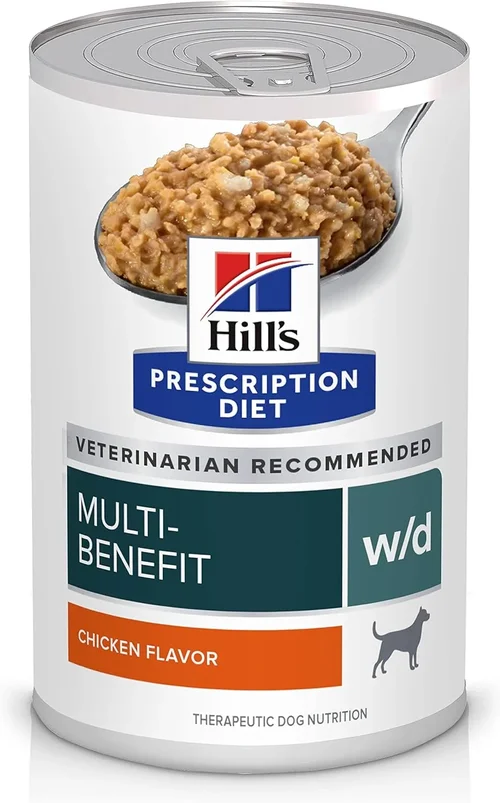
While many over-the-counter canned foods are suitable for diabetic dogs, prescription diets formulated specifically for diabetes management offer the most reliable nutritional balance. Brands like Hill’s Prescription Diet w/d, Royal Canin Glycobalance, and Purina Pro Plan Veterinary Diets DM are developed with input from veterinary nutritionists and undergo rigorous testing. These diets are designed to stabilize blood glucose, support weight loss or maintenance, and reduce insulin requirements. They may be more expensive, but the peace of mind and clinical efficacy often justify the cost. Always consult your vet before switching to a prescription diet, as they may require authorization.
Different Types of Diabetic Dog Food Cans
Common Buying Mistakes to Avoid
❌ Mistake: Choosing Food Based Solely on “Grain-Free” Label
Why it’s bad: Just because a food is grain-free doesn’t mean it’s low in carbohydrates. Many grain-free recipes use high-starch alternatives like potatoes, peas, or lentils, which can still spike blood sugar. A grain-free label is not a guarantee of diabetic suitability.
What to do instead: Always check the carbohydrate content on a dry matter basis and prioritize protein and fiber levels over marketing claims.
❌ Mistake: Ignoring the Ingredient List
Why it’s bad: The first few ingredients determine the nutritional foundation of the food. If corn, wheat, or rice appears early in the list, the food is likely high in carbs—even if it’s labeled “diabetic-friendly.”
What to do instead: Look for named animal proteins as the first two ingredients and avoid foods with multiple carbohydrate sources or by-products.
❌ Mistake: Switching Foods Too Quickly
Why it’s bad: Sudden diet changes can disrupt blood sugar control and cause gastrointestinal upset. Diabetic dogs are especially sensitive to dietary shifts, which can lead to hypoglycemia or hyperglycemia.
What to do instead: Transition over 7–10 days, gradually increasing the new food while decreasing the old. Monitor blood glucose closely during the switch.
❌ Mistake: Overlooking Portion Control
Why it’s bad: Even the best diabetic food can cause weight gain or blood sugar fluctuations if overfed. Canned food is calorie-dense, and free-feeding is not an option for diabetic dogs.
What to do instead: Follow feeding guidelines based on your dog’s weight, activity level, and insulin regimen. Use a measuring cup and feed at consistent times each day.
❌ Mistake: Assuming All “Natural” Foods Are Safe
Why it’s bad: “Natural” is not a regulated term in pet food and doesn’t guarantee low carbs or absence of harmful additives. Some natural brands use fruit purees or honey for flavor, which can raise blood sugar.
What to do instead: Focus on nutritional content, not buzzwords. Look for AAFCO statements and consult your vet before trying new brands.
❌ Mistake: Not Consulting Your Veterinarian
Why it’s bad: Diabetes management is complex and individualized. What works for one dog may not work for another. Self-prescribing food without professional guidance can lead to poor glucose control.
What to do instead: Always involve your vet in dietary decisions. They can help calculate caloric needs, recommend specific brands, and monitor your dog’s response through blood tests.
❌ Mistake: Buying in Bulk Without Testing
Why it’s bad: Some dogs refuse new foods or have adverse reactions. Buying a large case before confirming palatability or tolerance can result in wasted money and stress.
What to do instead: Start with a single can or small pack. Observe your dog’s appetite, stool quality, and energy levels before committing to a larger purchase.
Budget Guidelines: How Much Should You Spend?
Feeding a diabetic dog doesn’t have to break the bank, but it’s important to understand the cost implications of different food tiers. The price of canned dog food varies widely based on ingredients, brand reputation, and whether it’s a prescription formula. Here’s a breakdown to help you plan your budget:
Entry-Level ($1.50–$2.00 per can): These are typically mass-market brands like Pedigree, Alpo, or generic store brands. While affordable, most contain high carbohydrates, fillers, and by-products—making them unsuitable for diabetic dogs. However, some budget lines from reputable brands (e.g., Purina One SmartBlend) offer moderate protein and lower carbs. If you’re on a tight budget, look for sales or coupons, but avoid foods with corn, wheat, or soy as primary ingredients.
Mid-Range ($2.00–$2.80 per can): This is the sweet spot for most diabetic dog owners. Brands like Blue Buffalo Wilderness, Wellness CORE, and Nutro Ultra offer high-protein, low-carb recipes with quality ingredients. These foods often include real meat, vegetables, and added fiber—without the premium price tag of prescription diets. Many are available at major retailers and online, making them convenient and accessible. Look for formulas labeled “grain-free,” “high-protein,” or “weight management.”
Premium ($2.80–$3.50 per can): These include natural and holistic brands such as The Honest Kitchen, Ziwi Peak, and Open Farm. They use human-grade ingredients, ethical sourcing, and minimal processing. While not all are specifically formulated for diabetes, many have low glycemic indexes and high meat content. These are ideal for owners who prioritize ingredient transparency and are willing to pay more for quality. Some premium brands also offer subscription models with discounts.
Luxury ($3.50+ per can): At the top end are prescription veterinary diets and boutique brands like Darwin’s or Freshpet. These are often recommended for dogs with complex health issues or those who haven’t responded well to commercial options. Prescription foods like Hill’s w/d or Royal Canin Glycobalance fall into this category and may require a vet’s authorization. While expensive, they offer the most reliable nutritional support for diabetic dogs and can reduce long-term veterinary costs by improving disease management.
Expert Tips for Getting the Best Deal
Managing a diabetic dog’s diet doesn’t mean you have to overspend. With smart shopping strategies, you can feed your dog high-quality food without draining your wallet. Here are expert-backed tips to help you save:
1. Buy in Bulk During Sales: Many online retailers like Chewy, Petco, and Amazon offer discounts when you buy multiple cans or sign up for auto-ship. Look for seasonal promotions around Black Friday, Prime Day, or end-of-year clearance events. Stock up on non-perishable items like canned food when prices drop.
2. Use Subscription Services: Auto-shipping programs often come with 5–15% off every order. Chewy’s Autoship, for example, offers free shipping and discounts on recurring orders. Just be sure to adjust or cancel if your dog’s needs change.
3. Compare Prices Across Retailers: Prices can vary significantly between stores. A can that costs $2.50 at one retailer might be $2.20 at another. Use price comparison tools or apps to find the best deal. Don’t forget to factor in shipping costs—sometimes a slightly higher price with free shipping is better than a lower price with fees.
4. Look for Manufacturer Coupons and Rebates: Brands like Hill’s, Royal Canin, and Purina often offer mail-in rebates or digital coupons through their websites or vet clinics. These can save $10–$20 per case. Sign up for newsletters to get exclusive offers.
5. Consider Store Brands with Vet Approval: Some pet stores carry their own lines of diabetic-friendly food. For example, PetSmart’s “Authority” brand offers a weight management formula with moderate carbs and high protein. While not prescription-grade, they can be a cost-effective alternative if approved by your vet.
6. Ask Your Vet About Samples: Many veterinary offices receive free samples of prescription diets. Ask if they have any diabetic formulas you can try before committing to a full case. This is especially helpful when transitioning your dog.
7. Monitor Expiration Dates: Canned food has a long shelf life, but it’s still important to check expiration dates when buying in bulk. Rotate your stock to ensure freshness and avoid waste.
8. Join Online Communities: Facebook groups, Reddit forums, and diabetic dog support networks often share deals, coupon codes, and brand recommendations. Other owners can be a valuable resource for finding affordable, effective options.
Frequently Asked Questions
Q: Can diabetic dogs eat regular canned dog food?
A: It depends on the formulation. Some regular canned foods are high in carbohydrates and can cause blood sugar spikes, making them unsuitable for diabetic dogs. However, certain high-protein, low-carb commercial cans (e.g., Blue Buffalo Wilderness) can be used if they meet nutritional guidelines. Always consult your vet and check the carbohydrate content on a dry matter basis.
Q: How often should I feed my diabetic dog?
A: Most diabetic dogs do best with two meals per day, given at the same time each day and coordinated with insulin injections. Consistency is key to maintaining stable blood glucose levels. Avoid free-feeding or irregular meal times.
Q: Is wet food better than dry food for diabetic dogs?
A: Wet food has advantages, including higher moisture content and often lower carbohydrate levels. However, some high-quality dry kibbles are specifically formulated for diabetes and can be effective. The best choice depends on your dog’s preferences, dental health, and overall diet plan. Many owners use a combination of both.
Q: Can I make homemade diabetic dog food?
A: Homemade diets can be tailored to your dog’s needs but require careful planning to ensure nutritional balance. Work with a veterinary nutritionist to formulate a recipe that meets AAFCO standards. Improperly balanced homemade diets can lead to deficiencies or exacerbate health issues.
Q: What should I do if my diabetic dog refuses to eat?
A: Loss of appetite can be dangerous for diabetic dogs, as it may lead to hypoglycemia. Try warming the food slightly, mixing in low-sodium broth, or offering a different flavor. If refusal persists for more than 24 hours, contact your vet immediately.
Q: How do I transition my dog to a new diabetic food?
A: Gradually mix the new food with the old over 7–10 days. Start with 25% new food and 75% old, increasing the ratio every 2–3 days. Monitor your dog’s blood glucose, stool, and energy levels throughout the transition.
Q: Are there any human foods I can give my diabetic dog?
A: In moderation, some low-glycemic human foods are safe, such as cooked green beans, broccoli, or small pieces of lean meat. Avoid high-sugar or high-fat foods like chocolate, grapes, onions, or fatty scraps. Always check with your vet before introducing new foods.
Q: Can diabetic dogs have treats?
A: Yes, but treats should be low in carbohydrates and given in small amounts. Look for diabetic-specific treats or use pieces of cooked chicken, carrots, or commercial low-carb options. Factor treats into your dog’s daily caloric intake.
Q: How do I know if the food is working?
A: Regular blood glucose monitoring is essential. Your vet may recommend at-home testing or periodic fructosamine tests. Signs of improvement include stable energy levels, consistent weight, reduced thirst and urination, and better coat condition.
Q: What if my dog’s blood sugar is still unstable on the right food?
A: Diet is just one part of diabetes management. Insulin dosage, exercise, stress, and other health conditions can also affect blood sugar. Work closely with your vet to adjust the treatment plan as needed.
Our Final Recommendations
After extensive research and consultation with veterinary nutritionists, here are our top picks for the best canned dog food for diabetic dogs in 2026:
Best for Budget-Conscious Buyers: Purina Pro Plan Weight Management Canned Dog Food (Chicken & Rice)
This mid-range option offers a balanced profile with moderate protein, low fat, and controlled carbohydrates. While it contains rice, the overall carb content is manageable for many diabetic dogs, especially when portion-controlled. It’s widely available and often on sale, making it a practical choice for owners on a budget.
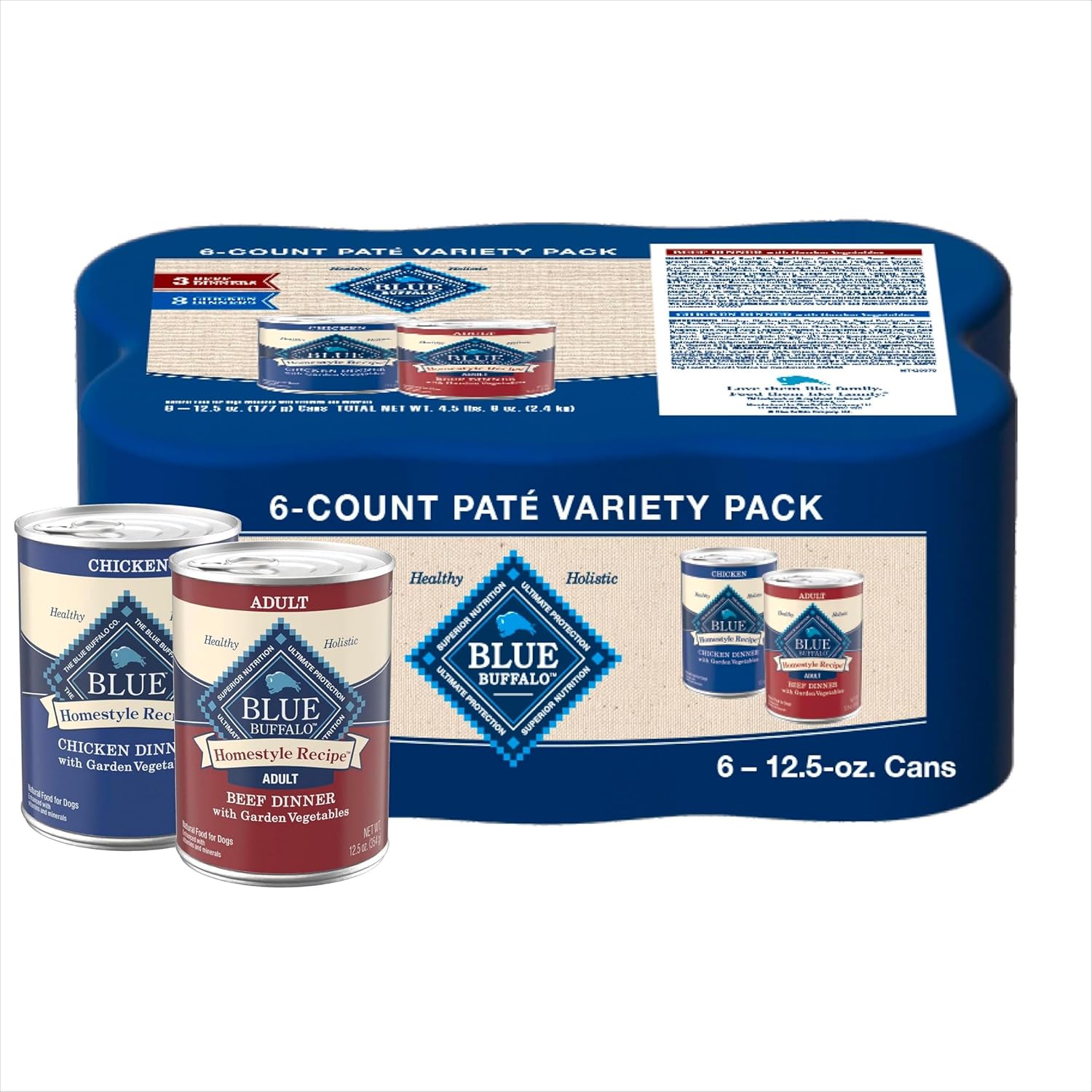
Best Overall Value: Blue Buffalo Wilderness High Protein Grain-Free Canned Dog Food (Chicken)
With real deboned chicken as the first ingredient, this food delivers high protein (over 45% DMB) and minimal carbohydrates. It includes cranberries and sweet potatoes in small amounts for fiber and antioxidants. The price is reasonable, and the palatability is excellent—most dogs love the taste.
Best Premium Option: Hill’s Prescription Diet w/d Canine (Chicken & Barley)
Formulated specifically for diabetic and overweight dogs, this prescription diet is clinically proven to help manage blood glucose and support weight loss. It’s high in fiber and low in fat, with a balanced nutrient profile. While more expensive, it’s ideal for dogs who need strict dietary control.
Best for Beginners: Wellness CORE Grain-Free Original Canned Dog Food
This natural, grain-free formula is easy to find and transition to. It features turkey and chicken liver, with no fillers or artificial additives. The moderate fat and high protein make it suitable for diabetic dogs, and the flavor is highly appealing.
Best for Advanced Users: Royal Canin Glycobalance Canned Dog Food
A veterinary-exclusive diet designed for dogs with diabetes mellitus, this food combines high protein, low glycemic carbohydrates, and targeted nutrients to support metabolic health. It’s often used in conjunction with insulin therapy and is backed by extensive clinical research.
Conclusion: Making the Right Choice
Choosing the best canned food for your diabetic dog is one of the most important decisions you’ll make in managing their health. It’s not just about finding a product that’s “low-carb” or “grain-free”—it’s about understanding how each ingredient affects your dog’s blood sugar, energy levels, and overall well-being. From evaluating carbohydrate content and protein quality to avoiding common pitfalls like hidden sugars or rushed transitions, this guide has equipped you with the knowledge to make confident, informed choices.
Remember, every diabetic dog is unique. What works for one may not work for another. Regular veterinary check-ups, consistent feeding schedules, and careful monitoring are just as important as the food itself. Don’t hesitate to seek professional guidance, and be patient as you find the right balance for your furry friend.
Ultimately, the goal is to provide your dog with a diet that supports stable glucose levels, maintains a healthy weight, and enhances their quality of life. With the right food, love, and care, diabetic dogs can live long, happy, and active lives. Use this guide as your roadmap, and take the first step toward better health for your beloved companion today.