
When it comes to raising a German Shepherd puppy, one of the most critical decisions you’ll make is choosing the right food. These intelligent, energetic, and large-breed dogs grow rapidly during their first year—sometimes gaining over 50 pounds—and their nutritional needs are vastly different from smaller breeds or adult dogs. A high-quality diet supports healthy bone development, immune function, coat condition, and long-term joint health. Yet, many new owners face a common dilemma: how to feed their growing German Shepherd puppy well without breaking the bank.
That’s where this guide comes in. We understand that “cheap” doesn’t have to mean “low quality.” With smart shopping, label reading, and an understanding of what truly matters in puppy nutrition, you can find affordable dog food that meets your German Shepherd’s developmental needs. This comprehensive buying guide is designed specifically for budget-conscious pet parents who refuse to compromise on health. You’ll learn how to evaluate ingredients, avoid misleading marketing claims, compare value across brands, and make informed choices that support your puppy’s growth—all while staying within your financial comfort zone.
The market for puppy food is crowded, with hundreds of options ranging from premium boutique formulas to mass-market kibble sold at big-box stores. Many brands use buzzwords like “grain-free,” “natural,” or “premium” to justify higher prices, but these labels don’t always correlate with nutritional adequacy—especially for large-breed puppies like German Shepherds. Our goal is to cut through the noise and give you the tools to identify truly beneficial, cost-effective dog foods that prioritize real meat, balanced calcium-to-phosphorus ratios, DHA for brain development, and digestible carbohydrates—without unnecessary fillers or artificial additives.
What to Look for When Buying Cheap Dog Food for German Shepherd Puppies
1. High-Quality Animal Protein as the First Ingredient
Protein is the cornerstone of any puppy’s diet, especially for large breeds like German Shepherds. During their first 12–18 months, these dogs require significantly more protein than adult dogs to support muscle development, tissue repair, and overall growth. Look for dog foods that list a named animal protein—such as chicken, lamb, turkey, or salmon—as the very first ingredient. Avoid vague terms like “meat meal” or “animal by-product meal,” which can include low-quality or inconsistent sources.
For German Shepherd puppies, aim for a minimum of 22–26% crude protein on a dry matter basis. This ensures they get enough essential amino acids like taurine, lysine, and methionine, which are vital for heart health, immune function, and coat quality. While plant-based proteins (like pea protein or soy) may appear on the label, they should never replace animal protein as the primary source. Real meat provides complete amino acid profiles that plant sources cannot match.
2. Appropriate Fat Content for Energy and Coat Health
Fat is another essential macronutrient for growing German Shepherd puppies. It provides concentrated energy, supports brain development, and contributes to a shiny, healthy coat. However, too much fat can lead to rapid weight gain, which puts undue stress on developing joints—a serious concern for large breeds prone to hip and elbow dysplasia.
Look for puppy formulas with fat levels between 8% and 12% on a dry matter basis. The best sources include chicken fat, salmon oil, or flaxseed oil, which are rich in omega-3 and omega-6 fatty acids. These fatty acids reduce inflammation, support cognitive function, and improve skin health. Avoid foods that rely heavily on generic “vegetable oil” or unspecified fat sources, as these offer minimal nutritional benefit.
Also, pay attention to the ratio of omega-6 to omega-3 fatty acids. An ideal range is between 5:1 and 10:1. Too much omega-6 (common in corn- or soybean-based diets) can promote inflammation, while adequate omega-3s help regulate it. German Shepherds are particularly susceptible to skin allergies and joint issues, so balanced fatty acids are non-negotiable.
3. Controlled Calcium and Phosphorus for Bone Development
One of the most overlooked—but critically important—aspects of feeding a large-breed puppy is mineral balance. German Shepherds grow quickly, and improper calcium-to-phosphorus ratios can lead to skeletal abnormalities, including osteochondrosis and hip dysplasia. Unlike small breeds, large-breed puppies need slower, steadier bone growth to prevent structural problems later in life.
The Association of American Feed Control Officials (AAFCO) recommends a calcium level of no more than 1.8% and a phosphorus level around 1.0–1.6% for large-breed puppy formulas. More importantly, the calcium-to-phosphorus ratio should be between 1:1 and 1.5:1. Excess calcium—often found in “high-energy” or “growth” formulas—can accelerate bone maturation and cause irreversible joint damage.
Avoid puppy foods labeled simply “for all life stages” unless they explicitly state they meet AAFCO’s large-breed puppy guidelines. Many affordable brands now offer “large breed puppy” versions that are specifically formulated with controlled minerals. These may cost slightly more than standard puppy food, but the long-term savings in veterinary bills far outweigh the initial price difference.
4. Digestible Carbohydrates Without Fillers
Carbohydrates provide energy and help kibble maintain its shape, but not all carbs are created equal. For German Shepherd puppies, easily digestible sources like sweet potatoes, brown rice, oats, or barley are ideal. These complex carbohydrates release energy slowly, preventing blood sugar spikes and supporting sustained activity levels.
Avoid foods that list corn, wheat, or soy as primary ingredients. These are often used as cheap fillers and can trigger food sensitivities in German Shepherds, who are genetically predisposed to allergies and digestive issues. Corn gluten meal, for example, may sound like a protein source, but it’s actually a by-product with limited nutritional value and poor digestibility.
Also watch out for “pea starch” or “lentil flour” listed early in the ingredient list. While legumes can be part of a balanced diet, excessive amounts have been linked to dilated cardiomyopathy (DCM) in dogs, especially when they replace animal protein. A moderate amount is fine, but they shouldn’t dominate the formula.
5. DHA for Brain and Vision Development
Docosahexaenoic acid (DHA) is an omega-3 fatty acid crucial for cognitive and visual development in puppies. German Shepherds are working dogs with high intelligence and trainability, so supporting their neurological growth early on can have lifelong benefits. Studies show that puppies fed DHA-enriched diets perform better in learning tasks and exhibit improved problem-solving skills.
Look for dog foods that include DHA from natural sources like fish oil, salmon meal, or algae. Some brands add synthetic DHA, but natural sources are generally more bioavailable. The presence of DHA is often highlighted on the front of the bag or in marketing materials, but always verify it in the ingredient list or guaranteed analysis.
While DHA isn’t required by AAFCO, it’s strongly recommended for large-breed puppies. Many budget-friendly brands now include it—proof that affordability doesn’t have to mean sacrificing key nutrients.
6. No Artificial Additives or Preservatives
Artificial colors, flavors, and preservatives serve no nutritional purpose and may pose health risks over time. Ingredients like BHA, BHT, ethoxyquin, and propylene glycol have been linked to cancer, liver damage, and allergic reactions in dogs. Even “natural” preservatives like mixed tocopherols (vitamin E) are safer and equally effective.
German Shepherds are prone to skin and coat issues, so avoiding synthetic additives can reduce the risk of irritation or sensitization. Read the ingredient list carefully—if you see words you can’t pronounce or don’t recognize, it’s likely an artificial additive. Opt for foods preserved with natural methods like vitamin C (ascorbic acid) or rosemary extract.
7. AAFCO Nutritional Adequacy Statement
Always check for an AAFCO statement on the packaging. This small but vital disclaimer confirms whether the food meets minimum nutritional standards for growth or all life stages. For German Shepherd puppies, look for phrases like “formulated to meet the nutritional levels established by the AAFCO Dog Food Nutrient Profiles for growth” or “for puppies of large breeds.”
Avoid foods that only say “animal feeding tests prove…” without specifying AAFCO compliance. While feeding trials are valuable, they’re expensive and not required for all products. AAFCO formulation ensures the food has been scientifically balanced, even if it hasn’t undergone real-world testing.
This is especially important when shopping for cheap dog food, as some ultra-low-cost brands cut corners on formulation to reduce costs. An AAFCO statement is your best assurance that the food won’t leave nutritional gaps.
8. Brand Transparency and Recall History
Not all budget brands are equal. Some prioritize quality control and transparency, while others operate with minimal oversight. Research the manufacturer’s history: have they had recent recalls? Do they publish ingredient sourcing information? Are they open about their manufacturing processes?
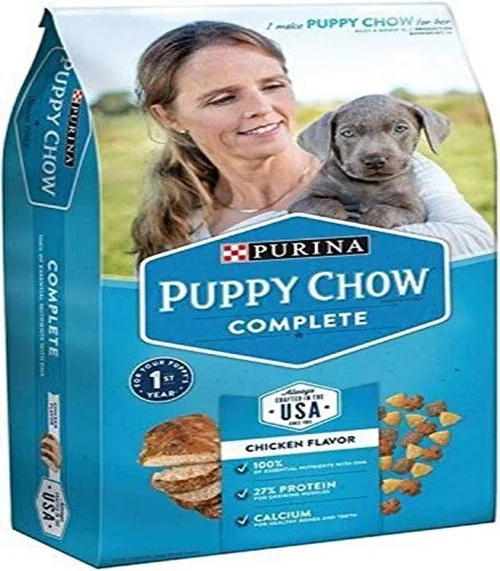
Brands like Purina, Iams, and Royal Canin have long track records and rigorous testing protocols—even their affordable lines meet high standards. Smaller or lesser-known brands may offer lower prices, but they might also lack consistent quality control. Check the FDA’s pet food recall database and consumer review sites for red flags.
Transparency also extends to labeling. Reputable brands will clearly state where their meat comes from (e.g., “chicken from U.S. farms”) and avoid vague terms like “meat meal” without specifying the animal source.
Different Types of Cheap Dog Food for German Shepherd Puppies
Common Buying Mistakes to Avoid
❌ Mistake: Choosing Based Solely on Price
Why it’s bad: The cheapest dog food often uses low-quality ingredients like corn gluten meal, meat by-products, and artificial preservatives. These can lead to poor digestion, allergies, and long-term health issues—especially in sensitive breeds like German Shepherds. Saving $20 now could cost you hundreds in vet bills later.
What to do instead: Focus on cost per pound and nutritional value, not just the sticker price. Calculate how much you’ll spend per month based on your puppy’s feeding requirements. A slightly more expensive food that reduces waste and supports health is ultimately cheaper in the long run.
❌ Mistake: Ignoring the AAFCO Statement
Why it’s bad: Without AAFCO compliance, you can’t be sure the food meets basic nutritional standards. Some budget brands skip formulation testing to cut costs, leaving gaps in essential nutrients like taurine, calcium, or vitamin D.
What to do instead: Always look for the AAFCO statement on the bag. If it’s missing or vague, skip that product. This small step ensures your puppy gets a balanced diet, even on a budget.
❌ Mistake: Feeding “All Life Stages” Food to Puppies
Why it’s bad: “All life stages” formulas are often too high in calcium and energy for large-breed puppies, increasing the risk of skeletal disorders. German Shepherds need slower, controlled growth to protect their joints.
What to do instead: Choose a food specifically labeled for “large breed puppies” or “growth.” These formulas have adjusted mineral levels and caloric density to support healthy development.
❌ Mistake: Overlooking Ingredient Order
Why it’s bad: Ingredients are listed by weight. If corn or wheat appears before meat, the food is likely filler-heavy and protein-poor. This can lead to malnutrition despite adequate calorie intake.
What to do instead: Scan the first five ingredients. Aim for a named meat source (e.g., “chicken” or “salmon”) as #1 or #2. Avoid foods where grains or by-products dominate the top of the list.
❌ Mistake: Switching Foods Too Frequently
Why it’s bad: Frequent diet changes can upset your puppy’s stomach, causing diarrhea, gas, or refusal to eat. German Shepherds are prone to digestive sensitivity, so consistency matters.
What to do instead: Stick with one high-quality food for at least 4–6 weeks before evaluating. If you must switch, do it gradually over 7–10 days by mixing increasing amounts of the new food with the old.
❌ Mistake: Buying in Bulk Without Testing
Why it’s bad: Purchasing a 40-pound bag of unfamiliar food risks waste if your puppy refuses to eat it or has an adverse reaction. Some budget brands use strong flavor enhancers that mask low-quality ingredients.
What to do instead: Start with a small bag (4–6 lbs) to test palatability and digestibility. Once you’re confident it works, buy larger sizes or subscribe for discounts.
❌ Mistake: Assuming “Grain-Free” Is Healthier
Why it’s bad: Grain-free diets have been linked to DCM in dogs, especially when they rely heavily on legumes like peas and lentils. German Shepherds don’t require grain-free food unless they have a diagnosed allergy.
What to do instead: Choose grain-inclusive formulas with digestible carbohydrates like oats or brown rice unless your vet recommends otherwise. Grains provide fiber and energy without the risks associated with legume-heavy diets.
Budget Guidelines: How Much Should You Spend?
Feeding a German Shepherd puppy doesn’t have to drain your wallet—but it does require strategic spending. Here’s a realistic breakdown of what you can expect at different price points:
Entry-Level ($0.80–$1.30 per pound): At this tier, you’ll find store brands (like Walmart’s Pure Balance or Target’s Kindfull) and value lines from major manufacturers. These foods often meet AAFCO standards and include named meat sources, but may use more grains or by-products. Look for large-breed puppy versions to ensure proper mineral balance. Expect to feed 3–4 cups daily, costing $30–$50 per month.
Mid-Range ($1.30–$2.00 per pound): This is the sweet spot for most owners. Brands like Purina Pro Plan Large Breed Puppy, Iams ProActive Health, and Nutro Wholesome Essentials offer excellent nutrition at reasonable prices. These formulas typically feature real chicken or lamb as the first ingredient, added DHA, and controlled calcium levels. Monthly feeding costs range from $40–$70, depending on your puppy’s size and appetite.
Premium ($2.00–$2.80 per pound): Here, you’ll find foods with higher meat content, limited ingredients, and added probiotics or superfoods. Examples include Blue Buffalo Life Protection Large Breed Puppy and Wellness CORE Grain-Free Large Breed. While more expensive, these options can reduce stool volume, improve coat shine, and support digestion. Expect to spend $60–$90 per month.
Luxury ($2.80+ per pound): Top-tier brands like Orijen, Acana, or The Honest Kitchen offer biologically appropriate diets with fresh meats, organ meats, and minimal processing. These are ideal for owners who prioritize ingredient quality above all else—but they’re rarely necessary for healthy German Shepherds. Monthly costs can exceed $100.
Expert Tips for Getting the Best Deal
1. Buy During Seasonal Sales: Major retailers like Chewy, Petco, and Amazon offer deep discounts during Black Friday, Prime Day, and back-to-school seasons. Stock up on 2–3 months’ worth of food when prices drop.
2. Compare Unit Prices: Always check the price per pound, not just the total bag cost. A 30-pound bag may seem cheaper than a 15-pound bag, but if the unit price is higher, you’re not saving.
3. Use Cashback and Rewards Programs: Apps like Rakuten, Honey, or Fetch Rewards offer cashback on pet food purchases. Combine these with store loyalty programs for maximum savings.
4. Consider Store Brands: Retailers like Costco (Kirkland Signature), Walmart (Pure Balance), and Target (Kindfull) partner with reputable manufacturers to produce high-quality food at lower prices. Kirkland Signature Nature’s Domain, for example, is made by Diamond Pet Foods and rivals premium brands.
5. Avoid Impulse Buys at Vet Clinics: While convenient, vet offices often mark up food by 20–30%. Buy online or in-store and ask your vet for a written prescription if needed.
6. Read Return Policies: If your puppy refuses the food or has a reaction, you’ll want the option to return it. Chewy and Petco offer generous return windows—use them wisely.
7. Monitor Your Puppy’s Response: Track stool quality, energy levels, coat condition, and weight gain. If your puppy is thriving on a budget food, stick with it. If not, don’t hesitate to switch—even mid-bag.
8. Don’t Overfeed: Follow feeding guidelines based on your puppy’s age and weight. Overfeeding wastes money and increases obesity risk, which is especially dangerous for large breeds.

Frequently Asked Questions
Q: Can I feed my German Shepherd puppy adult dog food to save money?
A: No—adult dog food lacks the higher protein, fat, and calorie density that growing puppies need. It also often has excessive calcium, which can harm large-breed puppies’ developing bones. Always choose a formula specifically for puppies, preferably large-breed.
Q: Is grain-free dog food better for German Shepherd puppies?
A: Not necessarily. Unless your puppy has a diagnosed grain allergy, grain-free diets offer no proven benefit and may increase the risk of DCM due to high legume content. Grain-inclusive foods with digestible carbs like oats or barley are safer and more balanced.
Q: How often should I feed my German Shepherd puppy?
A: Puppies under 6 months should eat 3–4 small meals per day. From 6–12 months, reduce to 2 meals daily. This supports steady growth and prevents bloat, a serious risk in deep-chested breeds like German Shepherds.
Q: Can I mix wet and dry food to save money?
A: Yes! Mixing a small amount of wet food (10–20%) with kibble can enhance palatability and hydration without significantly increasing cost. Choose wet foods with similar ingredients to avoid digestive upset.
Q: What if my puppy refuses to eat the new food?
A: Transition slowly over 7–10 days, mixing increasing amounts of the new food with the old. Warming the food slightly or adding warm water can also improve acceptance. If refusal persists beyond two weeks, consult your vet to rule out medical issues.
Q: Are raw or homemade diets cheaper than kibble?
A: Generally, no. Raw diets require expensive meats, supplements, and careful balancing to avoid deficiencies. Homemade diets can be cost-effective only with veterinary guidance and bulk purchasing—but they’re time-consuming and risky if not properly formulated.
Q: How do I know if a food is truly “cheap” or just low quality?
A: Compare ingredient lists, AAFCO statements, and guaranteed analysis. A truly affordable quality food will have real meat first, controlled minerals, and no artificial additives—even if it’s sold at a discount. Price alone doesn’t determine quality.
Q: Can I feed my German Shepherd puppy the same food forever?
A: Puppies should transition to adult food around 12–18 months, depending on their growth rate. Large breeds like German Shepherds mature slower, so wait until they’ve stopped growing before switching. Consult your vet for timing.
Q: What’s the best way to store cheap dog food to maintain freshness?
A: Keep kibble in its original bag inside an airtight container in a cool, dry place. Avoid clear containers that expose food to light. Use within 6 weeks of opening to prevent fat oxidation and nutrient loss.
Q: Should I worry about recalls when buying budget dog food?
A: Yes—but recalls affect all price ranges. Check the FDA’s recall database monthly and sign up for alerts. Reputable budget brands are just as likely to issue voluntary recalls as premium ones if issues arise.
Our Final Recommendations
After extensive research and analysis, here are our top picks for affordable, nutritious dog food for German Shepherd puppies:
Best for Budget-Conscious Buyers: Kirkland Signature Nature’s Domain Puppy Formula – Made by Diamond Pet Foods, this grain-free option features real turkey and chicken meal as primary proteins, with added DHA and probiotics. At under $1.20 per pound, it offers premium-quality nutrition at a fraction of the cost.
Best Overall Value: Purina Pro Plan Large Breed Puppy – With real chicken as the first ingredient, controlled calcium, and live probiotics, this formula supports digestive and immune health. Priced around $1.60 per pound, it’s widely available and trusted by veterinarians.
Best Premium Option (Under $2.50/lb): Wellness CORE Grain-Free Large Breed Puppy – High in protein (34% crude protein), with deboned turkey, chicken meal, and salmon oil. Includes glucosamine for joint support—ideal for active German Shepherds.
Best for Beginners: Iams ProActive Health Large Breed Puppy – Easy to find in stores, with a simple ingredient list and AAFCO compliance. Great for first-time owners who want reliability without complexity.
Best for Sensitive Stomachs: Nutro Wholesome Essentials Large Breed Puppy – Features non-GMO ingredients, easily digestible brown rice, and no artificial preservatives. Gentle on digestion while supporting growth.
Conclusion: Making the Right Choice
Choosing the right cheap dog food for your German Shepherd puppy isn’t about finding the lowest price—it’s about finding the best value. By prioritizing high-quality animal protein, balanced minerals, digestible carbohydrates, and AAFCO compliance, you can feed your growing pup a diet that supports lifelong health without overspending. Avoid common pitfalls like ignoring ingredient order, over-relying on grain-free trends, or skipping the AAFCO statement.
Remember, your puppy’s early nutrition lays the foundation for a strong, active, and healthy adult dog. German Shepherds are remarkable companions, and they deserve food that matches their potential. With the knowledge from this guide, you’re equipped to make smart, confident decisions—whether you’re shopping at a big-box store, browsing online, or comparing labels at the pet shop.
Take the time to read, compare, and test. Your puppy’s energy, coat, stool, and overall vitality will tell you if you’ve made the right choice. And when in doubt, consult your veterinarian—they’re your best partner in ensuring your German Shepherd thrives from puppyhood into adulthood. Start strong, feed wisely, and enjoy every moment with your loyal, intelligent companion.