
Finding the right dog food for your German Shepherd doesn’t have to break the bank—but it does require careful thought. As one of the most popular and beloved breeds in the world, German Shepherds are known for their intelligence, loyalty, and high energy levels. However, they’re also prone to specific health issues like hip dysplasia, digestive sensitivities, and skin allergies. That means their diet plays a crucial role not just in their energy and coat shine, but in their long-term joint health, immune function, and overall well-being.
Many pet owners assume that “cheap” dog food automatically means poor quality—but that’s not always true. With the right knowledge, you can find affordable options that still meet your German Shepherd’s nutritional needs without compromising on essential ingredients. This guide is designed to help you navigate the crowded pet food market with confidence. You’ll learn how to decode ingredient labels, understand what nutrients your large-breed dog truly needs, compare value across brands, and avoid common pitfalls that lead to overspending or underfeeding.
The dog food industry has evolved dramatically over the past decade. Gone are the days when budget kibble was synonymous with fillers, by-products, and artificial preservatives. Today, even mid-tier and entry-level brands are reformulating with real meat, whole grains, and added supplements like glucosamine and omega fatty acids. At the same time, premium brands have raised prices so high that many families are forced to choose between affordability and quality. Our goal is to bridge that gap—helping you find the sweet spot where cost meets canine nutrition. Whether you’re feeding a growing puppy, an active adult, or a senior German Shepherd, this guide will equip you with the tools to make an informed, wallet-friendly decision.
What to Look for When Buying Cheap Dog Food for German Shepherds
1. High-Quality Protein as the First Ingredient
Protein is the cornerstone of any healthy dog diet—especially for large, muscular breeds like German Shepherds. Look for named animal proteins (like “chicken,” “lamb,” or “salmon”) listed as the first ingredient. Avoid vague terms like “meat meal” or “animal by-product meal,” which can include low-quality or inconsistent sources. For adult German Shepherds, aim for at least 18–22% crude protein; puppies may need up to 26%. Real meat provides essential amino acids that support muscle maintenance, immune function, and healthy skin and coat.
2. Balanced Fat Content for Energy and Coat Health
Fat fuels your German Shepherd’s active lifestyle and keeps their double coat glossy and waterproof. However, too much fat can lead to weight gain—a serious concern for a breed already prone to joint problems. Ideal fat levels range from 10% to 15% for adults. Look for named fat sources like “chicken fat” or “salmon oil” rather than generic “animal fat.” Omega-3 and omega-6 fatty acids (often listed as ALA, EPA, DHA, or from flaxseed, fish oil, or canola oil) are especially beneficial for reducing inflammation and supporting brain health.
3. Joint Support Ingredients
German Shepherds are genetically predisposed to hip and elbow dysplasia. While genetics play a role, nutrition can either exacerbate or help manage these conditions. Look for foods that include glucosamine and chondroitin—natural compounds that support cartilage health. Some budget-friendly brands now add these supplements even in their lower-tier lines. Additionally, controlled calcium-to-phosphorus ratios (ideally around 1.2:1) are vital for large-breed puppies to prevent rapid bone growth that can lead to skeletal issues.
4. Digestive Health and Fiber Sources
Sensitive stomachs are common in German Shepherds. A diet with easily digestible carbohydrates and moderate fiber helps maintain gut health and firm stools. Whole grains like brown rice, oatmeal, or barley are preferable to corn or wheat, which can trigger allergies in some dogs. Prebiotics (like chicory root or beet pulp) and probiotics (live cultures) aid digestion and nutrient absorption. Avoid formulas with excessive fillers or artificial additives that may cause gas, bloating, or diarrhea.
5. Avoidance of Common Allergens and Fillers
Many cheap dog foods rely on corn, soy, and artificial preservatives (like BHA, BHT, or ethoxyquin) to cut costs—but these can trigger allergies, digestive upset, or even long-term health risks. German Shepherds are particularly sensitive to food intolerances, so steer clear of formulas heavy in unnamed grains or chemical additives. Instead, opt for brands that use natural preservatives like mixed tocopherols (vitamin E) or rosemary extract.
6. AAFCO Compliance and Life Stage Appropriateness
Always verify that the food meets AAFCO (Association of American Feed Control Officials) standards for your dog’s life stage—“growth,” “maintenance,” or “all life stages.” This ensures the formula provides complete and balanced nutrition. For example, a puppy formula will have higher protein and fat than an adult maintenance diet. Feeding the wrong type can lead to developmental issues or obesity.
7. Price Per Pound and Feeding Efficiency
“Cheap” doesn’t always mean cost-effective. Some budget brands use low-density kibble that requires larger portions to meet caloric needs, ultimately costing more per meal. Calculate the price per pound and compare it against the recommended daily serving size. A slightly more expensive bag that your dog eats less of may actually save you money in the long run. Also consider subscription discounts, bulk pricing, or store loyalty programs.
8. Brand Transparency and Recall History
Not all budget brands are created equal. Research the manufacturer’s reputation: Do they publish ingredient sourcing details? Have they had recent recalls? Brands that own their own production facilities often have better quality control. Avoid obscure labels sold only through third-party resellers with no verifiable contact information. Transparency builds trust—and peace of mind.
Different Types of Cheap Dog Food for German Shepherds
Common Buying Mistakes to Avoid
❌ Mistake: Choosing Based Solely on Price
Why it’s bad: The cheapest bag on the shelf may lack essential nutrients or use low-quality ingredients that lead to health problems down the line—resulting in higher vet bills.
What to do instead: Compare cost per pound and evaluate ingredient quality. A slightly pricier option with real meat and joint support may save money long-term.
❌ Mistake: Ignoring Life Stage Requirements
Why it’s bad: Feeding adult food to a puppy can stunt growth; feeding puppy food to an adult can cause obesity. German Shepherd puppies have unique nutritional needs for proper skeletal development.
What to do instead: Always select a formula labeled for your dog’s specific life stage—and transition gradually when switching.
❌ Mistake: Overlooking Kibble Size and Density
Why it’s bad: German Shepherds are large dogs with strong jaws, but some budget kibbles are too small or too hard, leading to choking or poor digestion.
What to do instead: Choose medium-to-large kibble designed for large breeds. Some brands offer “large breed” formulas with appropriately sized pieces.
❌ Mistake: Falling for Marketing Buzzwords
Why it’s bad: Terms like “natural,” “holistic,” or “premium” aren’t regulated by the FDA or AAFCO. A bag can say “grain-free” but still contain potato starch as a filler.
What to do instead: Focus on the ingredient list and guaranteed analysis—not the front-of-bag claims.
❌ Mistake: Not Transitioning Gradually
Why it’s bad: Sudden diet changes can cause diarrhea, vomiting, or refusal to eat—especially in sensitive German Shepherds.
What to do instead: Mix the new food with the old over 7–10 days, increasing the ratio gradually.
❌ Mistake: Skipping the Vet Consultation
Why it’s bad: Your dog may have underlying conditions (like pancreatitis or kidney issues) that require a specialized diet.
What to do instead: Discuss dietary changes with your veterinarian, especially if your dog has health concerns.
❌ Mistake: Buying in Excess Without Rotation
Why it’s bad: Dog food loses freshness over time. Buying a 60-pound bag and storing it improperly can lead to rancid fats and nutrient degradation.
What to do instead: Purchase quantities you can use within 6–8 weeks and store in an airtight container in a cool, dry place.
Budget Guidelines: How Much Should You Spend?
Entry-Level ($12–$20 per 30-lb bag):
At this price point, expect formulas with meat by-products, corn or wheat as primary carbs, and minimal supplements. Some store brands (like Walmart’s Ol’ Roy or Kroger’s HD) fall here—but many have improved significantly in recent years. While not ideal for dogs with allergies, they can work for healthy adults if the first ingredient is a named meat and AAFCO-compliant. Monitor your dog’s coat, energy, and stool quality closely.
Mid-Range ($20–$35 per 30-lb bag):
This is the sweet spot for most German Shepherd owners. Brands like Iams, Purina ONE, and Nutro offer large-breed formulas with real chicken, brown rice, and added glucosamine. You’ll find better fat sources, fewer fillers, and improved digestibility. Many include probiotics and omega fatty acids. This tier balances affordability with nutritional adequacy—perfect for active adults without severe health issues.
Premium ($35–$50 per 30-lb bag):
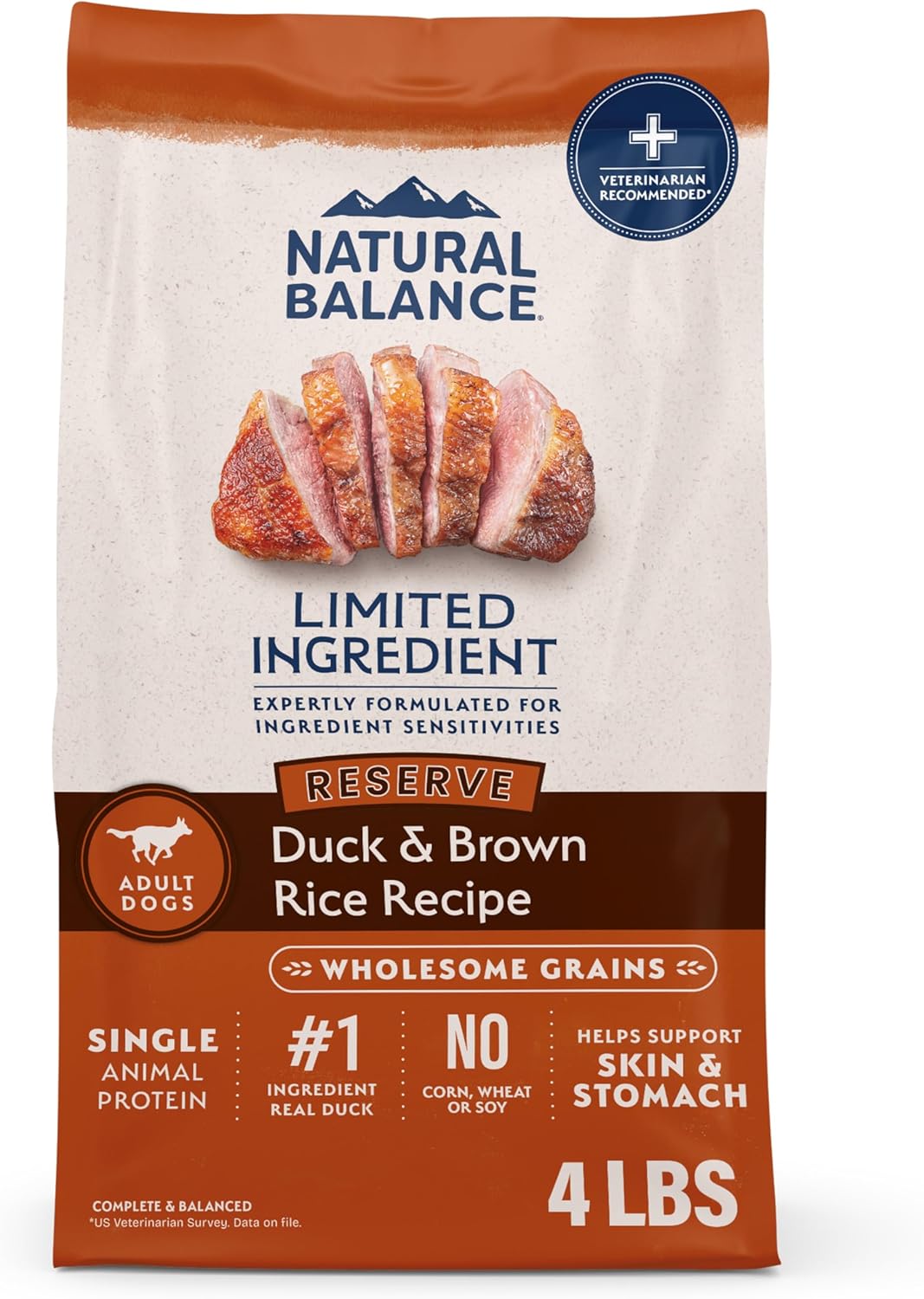
Here, you’ll find grain-free options, novel proteins (like duck or venison), and higher meat inclusion rates. Brands such as Blue Buffalo Life Protection, Wellness CORE, and Taste of the Wild offer formulas tailored to large breeds with joint support and antioxidant blends. These are ideal for dogs with mild sensitivities or owners who want to invest in preventive nutrition.
Luxury ($50+ per 30-lb bag):
Top-tier brands like Orijen, Acana, or The Honest Kitchen use human-grade ingredients, fresh meats, and minimal processing. While excellent nutritionally, they’re often overkill for the average German Shepherd—and may not fit a tight budget. Reserve these for dogs with complex dietary needs or if you’re committed to a raw-inspired diet.

Expert Tips for Getting the Best Deal
1. Buy During Seasonal Sales: Pet food retailers often run promotions in January (New Year resolutions), April (National Pet Month), and November (Black Friday). Stock up during these periods—but only if you have proper storage.
2. Subscribe and Save: Most online retailers (Chewy, Amazon, Petco) offer 5–15% off with auto-ship programs. You can usually pause or cancel anytime, and it ensures you never run out.
3. Compare Unit Prices: Don’t just look at the total bag price. Divide the cost by the number of pounds to get price per pound. A $28 40-lb bag ($0.70/lb) is cheaper than a $22 25-lb bag ($0.88/lb).
4. Check Warehouse Clubs: Costco, Sam’s Club, and BJ’s often carry name-brand dog food in bulk at discounted rates. Kirkland Signature (Costco’s brand) is particularly praised for its quality-to-price ratio.
5. Read Recent Reviews: Dog food formulations change. A brand that was great two years ago might have altered its recipe. Look for reviews from the past 6–12 months.
6. Test Small Quantities First: Before committing to a 30-pound bag, buy a smaller size (if available) or split a bag with a friend. This lets you assess your dog’s acceptance and digestive response.
7. Leverage Loyalty Programs: Stores like PetSmart, Chewy, and local co-ops offer points, rebates, or free shipping. Over time, these perks add up.
8. Avoid “Miracle Cure” Claims: No dog food will fix hip dysplasia or cure allergies overnight. Be skeptical of brands promising dramatic results—they’re often overpriced and under-deliver.

Frequently Asked Questions
Q: Can I feed my German Shepherd puppy adult dog food to save money?
A: No—puppies require higher levels of protein, fat, and calories, plus precise calcium-to-phosphorus ratios for proper bone development. Adult food lacks these nutrients and can lead to growth abnormalities. Always use a large-breed puppy formula until at least 12–18 months of age.
Q: Is grain-free food better for German Shepherds?
A: Not necessarily. While some German Shepherds benefit from grain-free diets due to allergies, recent FDA investigations have linked certain grain-free formulas (especially those high in legumes) to dilated cardiomyopathy (DCM) in dogs. If your dog tolerates grains well, there’s no need to avoid them—they’re a healthy energy source.
Q: How much should I feed my German Shepherd daily?
A: On average, an adult German Shepherd needs 3–5 cups of dry food per day, split into two meals. However, this varies by weight, activity level, and metabolism. Always follow the feeding guidelines on the bag and adjust based on body condition—your dog should have a visible waist and palpable ribs.
Q: Can I make homemade dog food instead of buying cheap kibble?
A: Homemade diets can be cost-effective but require careful balancing to avoid deficiencies. German Shepherds need specific ratios of protein, fat, calcium, and vitamins. Consult a veterinary nutritionist before switching—otherwise, you risk malnutrition or toxicity.
Q: Why does my German Shepherd have loose stools on budget food?
A: This is often due to low digestibility, excessive fillers, or a sudden diet change. Try switching to a formula with probiotics, limited ingredients, or higher-quality carbs like oatmeal. If issues persist, consult your vet—it could indicate a food intolerance or illness.
Q: Are store brands really as good as name brands?
A: Many store brands (like Kirkland Signature, 365 by Whole Foods, or Target’s Boots & Barkley) are manufactured by the same companies that produce premium brands. They often use similar ingredients at lower prices. Always check the label—but don’t dismiss them outright.
Q: Should I add supplements to cheap dog food?
A: If the food is AAFCO-complete, additional supplements aren’t necessary and could cause imbalances. However, if your dog has joint issues, your vet may recommend standalone glucosamine or fish oil. Never supplement without professional guidance.
Q: How long can I store opened dog food?
A: Once opened, dry kibble should be used within 6–8 weeks. Store it in an airtight container away from heat and moisture to prevent rancidity. Wet food should be refrigerated and used within 3–5 days.
Q: What if my German Shepherd refuses to eat the new food?
A: Mix it with their current food gradually over 7–10 days. You can also add warm water, low-sodium broth, or a spoonful of plain pumpkin to enhance flavor and aroma. Avoid frequent switches—it can encourage picky eating.
Q: Is it safe to buy dog food online?
A: Yes—as long as you purchase from reputable retailers (Chewy, Amazon sold by the brand, Petco, etc.). Avoid third-party sellers with no reviews. Check return policies in case of damage or spoilage during shipping.
Our Final Recommendations
Best for Budget-Conscious Buyers: Kirkland Signature Large Breed Adult (Costco)
Priced under $30 for a 40-lb bag, this formula features real chicken as the first ingredient, added glucosamine, and probiotics. It’s AAFCO-compliant and widely praised for its value. Ideal for healthy adult German Shepherds.
Best Overall Value: Purina ONE Large Breed Adult
At around $25 for a 30-lb bag, it offers real chicken, brown rice, and a blend of antioxidants. Includes glucosamine for joints and omega-6 for coat health. Available everywhere and backed by decades of research.
Best Premium Option (Under $40): Blue Buffalo Life Protection Formula Large Breed
Features deboned chicken, whole grains, and LifeSource Bits (a blend of vitamins and minerals). No poultry by-product meals or artificial preservatives. Great for dogs with mild sensitivities.
Best for Beginners: Iams ProActive Health Large Breed
Simple, reliable, and affordable (~$22 for 30 lbs). Contains prebiotics for digestion and L-carnitine for lean muscle. Easy to find in stores and online.
Best for Advanced Users (Allergy-Prone Dogs): Wellness Simple Limited Ingredient Diet (Salmon & Potato)
Grain-free, single-protein formula perfect for dogs with food intolerances. Priced around $38 for 24 lbs—worth the investment if your Shepherd struggles with itching or digestive issues.
Conclusion: Making the Right Choice
Choosing the best cheap dog food for your German Shepherd isn’t about finding the lowest price—it’s about finding the best nutritional value within your budget. By prioritizing high-quality protein, joint-supporting ingredients, digestive health, and AAFCO compliance, you can keep your loyal companion healthy, energetic, and happy without overspending. Remember, every dog is unique. What works for one German Shepherd may not suit another. Monitor your dog’s weight, coat condition, energy levels, and stool quality after any diet change.
Don’t let marketing gimmicks or fear of “cheap” labels steer your decision. With the knowledge from this guide, you’re equipped to read between the lines, compare options wisely, and make choices that benefit both your wallet and your dog’s well-being. Your German Shepherd gives you unconditional love—return the favor with food that fuels their body and supports their long, active life. Start smart, stay informed, and always put your dog’s health first.